Japan Restarts Worlds Largest Nuclear | Analysis by Brian Moineau

A reactor returns after 15 years: what Japan’s restart really means

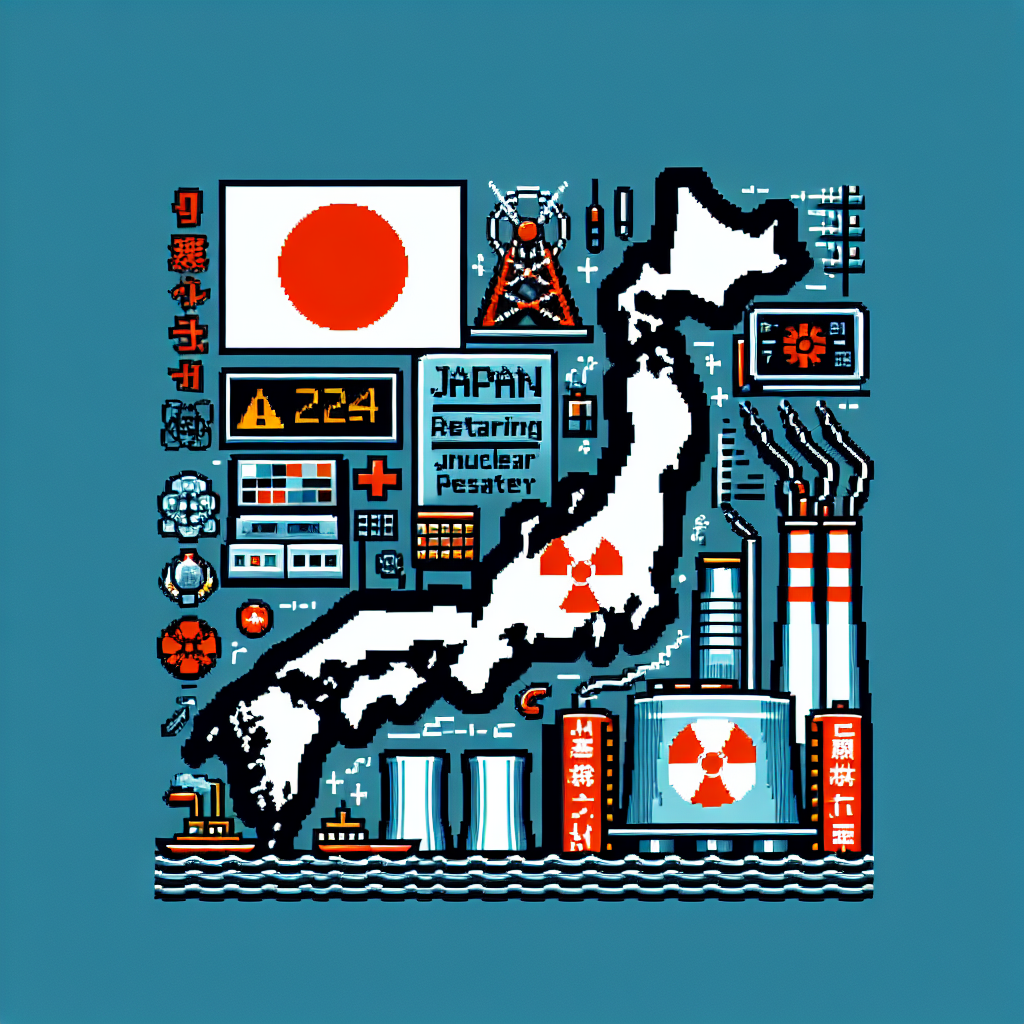
Japan’s energy landscape flickered back to life this week when Tokyo Electric Power Company (TEPCO) restarted Reactor No. 6 at the Kashiwazaki-Kariwa nuclear power plant — the first time a TEPCO-run reactor has been brought back into operation since the 2011 Fukushima disaster. The move is heavy with symbolism: nearly 15 years after one of the worst nuclear accidents in modern history, Japan is again turning toward large-scale nuclear generation to meet climate and energy-security goals. (ans.org)

Quick takeaways

  • The No. 6 reactor at Kashiwazaki-Kariwa was restarted on 21 January 2026; the operator later suspended operations briefly after a control-rod-related glitch, saying there was no immediate safety impact. (ans.org)
  • Kashiwazaki-Kariwa is the world’s largest nuclear generating complex by capacity; restarting even one unit adds substantial output to Japan’s grid. (ans.org)
  • Restarts reflect a national policy pivot: Japan is re-embracing nuclear power to cut emissions and reduce reliance on imported fossil fuels, even as local opposition and seismic safety concerns persist. (theguardian.com)

The moment and the backdrop

On 21 January 2026 TEPCO withdrew control rods from Unit 6, bringing the reactor to criticality and initiating the carefully staged process of producing steam and testing systems before commercial operation. The plant — located in Niigata prefecture on the Sea of Japan coast — has seven reactors and a combined potential capacity that makes it the largest single nuclear site in the world. (ans.org)

That scale matters politically and practically. Japan’s energy mix has been reshaped by the 2011 earthquake, tsunami and ensuing meltdown at Fukushima Daiichi; nearly all reactors were shut down for safety overhauls, public trust eroded, and the country leaned on imported gas and coal. In recent years, under pressure from high fossil-fuel costs and climate targets, Tokyo has shifted back toward reactivating reactors that meet updated safety rules. (theguardian.com)

Why this restart matters

  • Energy and emissions: Restarting Unit 6 can add gigawatts of low-carbon baseload power to the grid, helping the government pursue carbon neutrality goals while reducing costly fuel imports. That’s a major driver of the policy reversal toward “maximizing” nuclear capacity through 2040. (theguardian.com)
  • TEPCO’s reputation and finances: TEPCO still manages the long, expensive Fukushima decommissioning. Bringing a flagship plant back online helps its bottom line — but also reopens questions about the company’s stewardship and transparency. (apnews.com)
  • Local trust and seismic risk: Many residents near Kashiwazaki-Kariwa oppose the restart; surveys and protests reflect anxieties about earthquakes, evacuation readiness and whether local communities truly consented. Seismic safety remains a top concern in any Japanese nuclear debate. (aljazeera.com)

The hiccup: why the suspension matters

Hours after the restart began, TEPCO suspended operations to investigate an electrical malfunction related to control-rod equipment. The company emphasized the reactor remained stable and there was no release or visible safety threat — but the interruption underlines two realities: nuclear systems require near-perfect coordination of complex controls, and public confidence is fragile; even small technical issues are newsworthy and politically charged. (aljazeera.com)

That suspension won’t be judged solely on engineering grounds. In the court of public opinion, it feeds narratives on whether nuclear restarts truly resolved the problems that followed Fukushima: maintenance rigor, independent oversight, and evacuation planning.

Broader implications

  • Energy security vs. social license: Japan faces a classic policy trade-off: nuclear offers reliable, low-carbon power but requires broad local trust and robust safety culture. The national goal of increasing nuclear’s share by 2040 makes restarts politically attractive — but local opposition and history complicate implementation. (theguardian.com)
  • Global ripple effects: Japan is the world’s third-largest economy. Its nuclear policy choices influence global markets for LNG and coal, and signal how advanced economies balance decarbonization with energy resilience. (theguardian.com)
  • Technical and regulatory watch: The Nuclear Regulation Authority and TEPCO will be scrutinized at every step — from post-restart inspections to the ramp-up to commercial operation — and any further malfunctions could stall public and political support. (ans.org)

My take

Restarting Unit 6 at Kashiwazaki-Kariwa is not just a technical milestone; it’s a test of whether Japan can reconcile climate goals, energy security and community consent after a traumatic chapter in its modern history. The engineering checks and regulatory approvals matter — but so do transparent communication, honest acknowledgement of past failures, and demonstrable local protections. If Japan’s next steps prioritize both rigorous safety and genuine engagement with affected communities, this restart could be part of a pragmatic, low-carbon pathway. If not, it risks reopening the social wounds left by Fukushima while adding political volatility to the energy transition.

What to watch next

  • TEPCO’s investigation results and whether the reactor resumes stable operation and moves to commercial generation (TEPCO had signalled a target for commercial operation after additional checks). (ans.org)
  • Niigata local politics and any legal or regulatory challenges from citizen groups and prefectural bodies. (theguardian.com)
  • Japan’s national energy roadmap and whether the government adjusts timelines or safety conditions in response to operational lessons and public feedback. (theguardian.com)

Sources

Tesla Launches Model 3 Tow Package in North America – Not a Tesla App | Analysis by Brian Moineau

Tesla Launches Model 3 Tow Package in North America - Not a Tesla App | Analysis by Brian Moineau

Tesla's Model 3 Tow Package: A New Road Ahead


Tesla has once again turned the wheels of innovation with the launch of a tow package for the 2024+ Model 3 in North America. This latest development opens up a new realm of possibilities for Tesla enthusiasts who have been longing for a vehicle that seamlessly combines sustainability with utility. As the electric vehicle (EV) market continues to grow, Tesla's latest offering highlights the company's commitment to expanding functionality without compromising its core values of performance and eco-friendliness.

The Evolution of Electric Towing


Towing capabilities in electric vehicles have traditionally been limited, primarily due to concerns about battery range and performance under load. However, Tesla's introduction of a tow package for the Model 3 is a significant step forward, addressing these concerns with their characteristic blend of technology and innovation. By enhancing the utility of the Model 3, Tesla is not just appealing to the eco-conscious urban driver but also to those who value versatility and adventure.

This move aligns with a broader trend in the automotive industry, where manufacturers are increasingly recognizing the need to cater to diverse consumer needs. Similar to Ford's electric F-150 Lightning, which boasts impressive towing capabilities, Tesla's Model 3 tow package makes it clear that EVs are not just for city commuting but are also ready for the open road and beyond.

A Nod to Sustainability


The launch of the Model 3 tow package also underscores Tesla's ongoing commitment to sustainability. As concerns about climate change and environmental impact grow, more consumers are looking for ways to reduce their carbon footprint without sacrificing functionality. Tesla's innovation in this space is a testament to the fact that ecological responsibility and practicality can go hand in hand.

This development is timely, considering the global push towards reducing carbon emissions. Initiatives such as the European Union's Green Deal and the Biden administration's focus on clean energy in the United States indicate a worldwide shift towards more sustainable practices. Tesla's advancements contribute to this narrative, offering consumers a tangible way to participate in the green movement.

A Pioneer in the EV Market


Tesla's CEO, Elon Musk, has often been at the forefront of technological advancements and environmental advocacy. Under his leadership, Tesla has not only revolutionized the automotive industry with its electric vehicles but has also consistently pushed the boundaries of what's possible. Musk's vision extends beyond just electric cars, encompassing a broader goal of sustainability through ventures like SolarCity and the development of battery technology.

As Tesla continues to innovate, it's worth noting how these advancements influence consumer behavior and drive competitors to elevate their own offerings. The introduction of the Model 3 tow package is a reminder of the dynamic nature of the automotive industry and Tesla's role as a catalyst for change.

Final Thoughts: The Road Ahead


With the launch of the Model 3 tow package, Tesla has once again demonstrated its ability to adapt and innovate in response to consumer demands and environmental challenges. This development not only enhances the versatility of Tesla's lineup but also reinforces its position as a leader in the EV market.

As we look to the future, it's exciting to imagine the possibilities that lie ahead for electric vehicles. From increased towing capabilities to advances in autonomous driving, the road is wide open for innovation. Tesla's latest offering is a bright indicator of where that road might lead—towards a more sustainable, versatile, and electrified world.

For more insights into Tesla's innovations and the broader trends in the EV market, feel free to explore additional resources and stay tuned for more updates in the ever-evolving world of technology.

Read more about AI in Business

Read more about Latest Sports Trends

Read more about Technology Innovations

The top shots from F1 75 extravaganza at The O2 – Formula 1 | Analysis by Brian Moineau

The top shots from F1 75 extravaganza at The O2 - Formula 1 | Analysis by Brian Moineau

**Revving Up the Celebrations: The F1 75 Extravaganza at The O2**

Ladies and gentlemen, start your engines! The 75th season of Formula 1 has kicked off with a bang, or should we say, a roar at London's iconic The O2. In an event that was more red carpet than pit lane, all 20 drivers and their team principals gathered to unveil this year’s liveries in a dazzling display of speed and style. With thousands in attendance and even more tuning in from around the globe, this groundbreaking spectacle was nothing short of an automotive Oscars.

The glitz and glamour of the event were palpable, reminiscent of the grandeur of the Met Gala. However, instead of haute couture, this runway was all about horsepower. Each team presented their car liveries with the flair and drama that only F1 can deliver. From Mercedes' sleek silver to Ferrari's iconic red, the liveries were as much a statement of intent as they were a nod to the sport’s rich history.

As the drivers took to the stage, one couldn't help but draw parallels to another significant event happening just across the pond—the Super Bowl. Much like the NFL's biggest night, the F1 75 extravaganza was a celebration of talent, teamwork, and tenacity. Both events serve as reminders of how sport, in its various forms, has an unparalleled ability to unite us in anticipation and excitement.

Speaking of anticipation, one driver who has caught the eye of both fans and pundits alike is Lewis Hamilton. The seven-time world champion, who is no stranger to the spotlight, continues to be a central figure in F1. His influence extends beyond the track, as he uses his platform to advocate for diversity and inclusion in motorsport. Hamilton’s role in the F1 75 extravaganza was not just as a competitor, but as an ambassador for the sport’s future direction.

This celebration at The O2 also highlighted the remarkable evolution of F1 over the decades. From the cigar-shaped cars of the 1950s to today’s technological marvels, the sport has been on a constant journey of innovation. This mirrors the rapid advancements we see in other sectors, such as electric vehicles in the automotive industry. With sustainability becoming a focal point, F1 is also steering towards a greener future, aiming for net-zero carbon emissions by 2030.

In a world where innovation and tradition often find themselves at odds, the F1 75 extravaganza struck a harmonious chord. It honored the past while embracing the future, showcasing not just the cars, but the people and passion that fuel this sport. As the drivers gear up for another thrilling season, fans can look forward to more than just races; they can anticipate stories of rivalry, redemption, and remarkable feats of engineering.

In closing, the F1 75 extravaganza was more than just a celebration of a milestone; it was a testament to the enduring allure of Formula 1. As the engines roar and the lights go out on the starting grid, here’s to a season filled with speed, spectacle, and perhaps, a few surprises along the way. Buckle up, because this is going to be one exhilarating ride!

Read more about AI in Business

Read more about Latest Sports Trends

Read more about Technology Innovations