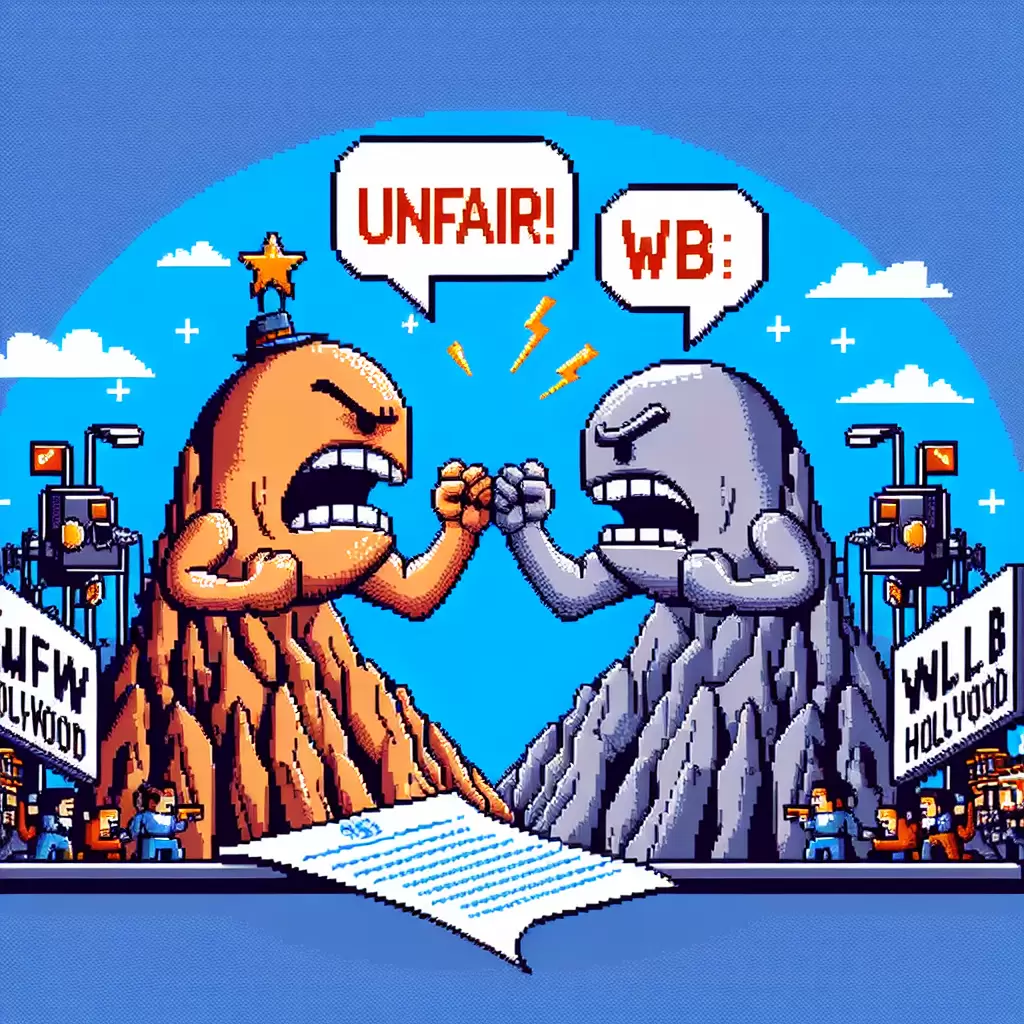
A corporate cliffhanger: Paramount may try a hostile route to buy Warner Bros.
The takeover drama playing out at the top of Hollywood feels like one of those plotlines studios used to pay millions to produce — boardroom tussles, billionaire families, blockbuster IP, and a rival streaming giant walking away with the crown jewels. But the twist that landed over the last week is this: after Netflix won the auction for Warner Bros., reports say Paramount is now considering going straight to Warner shareholders with a hostile bid.
Why this matters (and why it’s thrilling)
- This is not just about two studios swapping assets. It’s about who controls some of the most valuable franchises and TV libraries in the world — HBO, DC, Warner’s film slate, and vast back catalogs — and the consequences that consolidation would have for theaters, creators, competition, and subscriptions.
- A hostile approach — taking an offer directly to shareholders rather than winning the board’s blessing — signals a major escalation. It’s a maneuver that invites legal fights, regulatory scrutiny, PR battles, and, possibly, concessions or divestitures to get a deal cleared.
Quick snapshot of what happened
- Netflix struck an agreement to buy Warner Bros.’ studio and streaming assets in a deal reported in early December 2025, offering a mix of cash and stock that Warner’s board accepted. (The deal is large enough and politically sensitive enough that regulatory review is expected to be intense.)
- Paramount — backed by the Ellison family and recently active in M&A moves — submitted competing offers during the auction and was reportedly unhappy with how the sale process unfolded.
- After Netflix’s bid prevailed, reports surfaced that Paramount may bypass the boardroom and take an offer directly to Warner shareholders — the classic hostile-takeover playbook.
The high-stakes players
- Netflix: The new suitor-turned-owner of Warner’s studios and HBO content (pending regulatory approval), which gains a huge portfolio of franchises and a powerful content library.
- Warner Bros. Discovery: The seller, which has been restructuring and planned a split of cable assets from its studios and streaming business.
- Paramount (Skydance/controlled by the Ellison family): The aggrieved bidder reportedly considering a shareholder-level attack to buy Warner outright.
- Regulators, unions, and theater chains: All stakeholders who could shape how (or if) any mega-deal clears.
Useful context
- Warner’s assets are unusually valuable because of ongoing streaming demand for high-quality content and well-known IP (DC, Harry Potter-related rights, HBO shows). Combining that with Netflix’s global distribution would create enormous scale.
- Hostile bids are rare in modern media M&A because the process is messy and attracts intense regulatory and public scrutiny. But when strategic value is high and bidders are wealthy and motivated, boards and management teams sometimes find themselves in the crossfire.
- Even a successful hostile offer rarely means an instant, clean integration. Regulators often demand divestitures or behavioral remedies, and the combined company may need to sell or spin off parts to satisfy antitrust concerns.
Headline risks and strategic levers
- Antitrust scrutiny: A Paramount–Warner combo (if attempted) would combine two legacy studios plus major streaming services, which could push box-office and streaming market shares into territory that triggers heavy regulatory pushback.
- Shareholder calculus: Warner shareholders might like a higher cash offer — but boards often prefer offers that preserve longer-term value (for example, Netflix’s proposal included stock exposure that the board found attractive). Getting shareholders to ignore the board’s recommendation is difficult and costly.
- Political and public pressure: Unions, theater owners, and public-interest voices are quick to oppose concentration that could shrink creative jobs or theatrical windows.
- Financing and break fees: Large deals typically include break fees and financing terms that can shape bidders’ willingness to pursue a hostile route.
Options on the table
- Paramount could launch a tender offer, offering cash at a premium and asking shareholders to sell directly — a fast but aggressive route.
- Paramount could pursue a proxy fight to change Warner’s board, a slower and riskier path that tries to win shareholder votes to replace directors and approve a deal.
- Alternatively, Paramount could negotiate for a negotiated sale or carve-outs (less likely now that Netflix has an accepted bid).
What the market and Hollywood should watch next
- Whether Paramount actually files a tender offer or proxy materials (formal steps are required under U.S. securities rules).
- Statements from Warner’s board and management explaining why they chose Netflix and whether they’ll recommend shareholders reject a hostile approach.
- Regulatory signals from the DOJ and international competition authorities — their posture will largely determine how much any buyer must divest.
- Reactions from creative talent and unions — strong public opposition could sway regulators and complicate integration plans.
A few likely outcomes
- Paramount blinks and stands down: The costs (legal, regulatory, PR) of a hostile bid outweigh the benefits, especially against a well-capitalized Netflix offer.
- A limited sale or asset carve-out: Regulators or negotiating parties may push any acquirer to sell or spin off specific assets (e.g., news networks, sports rights) to reduce concentration risk.
- Extended litigation and regulatory delay: A hostile move could trigger lawsuits, shareholder litigation, and prolonged regulatory review that delays any closing for many months.
My take
This is the kind of corporate theater Hollywood rarely stages but always watches with popcorn in hand. Paramount’s reported willingness to consider a hostile route shows how valuable Warner’s studios and streaming assets are — and how high the stakes remain for control of content in the streaming era.
Even if Paramount ultimately decides not to proceed, the episode will leave scars: it will highlight how boards balance cash now versus strategic upside later, how shareholders are courted during mega-deals, and how regulators and public opinion are front-row players. Whatever happens next, expect drama, negotiations, and a long regulatory road that will reshape the industry’s competitive map.
Things to remember
- A board’s preference isn’t always the final say — shareholders can be persuaded, but hostile offers are costly and complicated.
- Regulators are the real wildcard: even a winning tender can be undone or reshaped by antitrust requirements.
- The fate of theaters, creators, and employees could hinge on the remedies imposed — this isn’t just corporate chess; it affects livelihoods and how audiences experience films and TV.
Sources
-
Netflix agrees to buy Warner Bros. studio and streaming business in $83bn deal | The Guardian
https://www.theguardian.com/business/2025/dec/05/netflix-frontrunner-warner-bros-discovery-streaming-and-studio-sale -
Netflix to buy Warner Bros. studio and streaming business for $72 billion | The Washington Post
https://www.washingtonpost.com/business/2025/12/05/netflix-warner-acquisition-studio-hbo-streaming/ -
Netflix to buy Warner Bros. studio and streaming business for $82.7 billion | Axios
https://www.axios.com/2025/12/05/netflix-warner-bros-buy-acquisition -
Warner purchase makes Netflix Hollywood's new titan | Le Monde
https://www.lemonde.fr/en/economy/article/2025/12/06/warner-purchase-makes-netflix-hollywood-s-new-titan_6748215_19.html -
Warner Bros sale and competing bids explained | Forbes
https://www.forbes.com/sites/legalentertainment/2025/12/05/netflix-warner-bros-deal-streaming-superpower-or-streaming-monopoly/
Related update: We recently published an article that expands on this topic: read the latest post.