Creamy Vegan Butternut Squash Mac and Cheese | Made by Meaghan Moineau

Creamy Vegan Butternut Squash Mac and Cheese

Intro

There’s something incredibly comforting about a warm bowl of mac and cheese. It takes me back to chilly autumn afternoons at my grandmother’s house, where the aroma of cheese and spices filled the air, making everything feel just right. As a child, I remember peeking into the oven, eagerly waiting for that bubbly, golden crust to form. Now, with a modern twist, I bring you a creamy vegan butternut squash mac and cheese that pays homage to those nostalgic days while embracing a more plant-based lifestyle. It’s a dish that wraps you in warmth and nostalgia, perfect for sharing with loved ones or enjoying as a cozy meal for one.

Why You’ll Love It

This creamy vegan butternut squash mac and cheese is a delightful twist on a classic comfort food that will satisfy your cravings without any dairy. Here’s why you’ll love it:

  • Rich and Creamy: The butternut squash puree adds a velvety texture that perfectly mimics traditional cheese sauce.
  • Healthy Ingredients: With nutritional yeast and butternut squash, this dish is packed with vitamins and minerals.
  • Family-Friendly: It’s a hit with kids and adults alike, making it a perfect family dinner option.
  • Easy to Make: With simple steps and readily available ingredients, you can whip up this dish any day of the week.
  • Great for Entertaining: Impress your guests with a dish that’s both comforting and health-conscious.

Ingredients

  • 1 cup breadcrumbs
  • 1 cup pureed butternut squash
  • 2 cups elbow macaroni
  • 1/4 cup nutritional yeast
  • 1/2 teaspoon black pepper
  • 1 teaspoon salt
  • 1 cup light soy milk
  • 2 tablespoons vegan buttery spread
  • 1 cup vegan cheddar shreds
  • 1 cup water

Instructions

  1. Preheat your oven to 350°F (175°C).
  2. Bring a large pot of salted water to a boil over medium heat. Add in the elbow macaroni and cook until pasta is al dente, about 8-10 minutes.
  3. While waiting for the pasta to cook, begin preparing your sauce. In a medium-sized saucepan, melt the vegan buttery spread over medium heat.
  4. Add in the nutritional yeast and mix together to form a paste.
  5. Slowly add the soy milk, whisking continuously to ensure a lump-free sauce. Allow the mixture to simmer for about 5 minutes, or until the sauce begins to thicken.
  6. Stir in the pureed butternut squash, mixing thoroughly to ensure everything is well blended. The butternut squash will also help to thicken the sauce.
  7. Add the vegan cheddar shreds and let sit for 1 to 2 minutes, or until the sauce has a creamy, velvety smooth consistency.
  8. Remove the sauce from heat and let it sit for a moment.
  9. Drain the pasta and add it to the cheese sauce. Stir together until the pasta is well coated.
  10. Pour the mixture into a greased 9 x 9-inch baking pan.
  11. Sprinkle breadcrumbs over the macaroni and cheese.
  12. Bake for 15 minutes, or until the cheese begins to bubble and the breadcrumbs are golden brown.
  13. Serve warm and enjoy this creamy vegan home-style comfort food!

Tips

  • For extra creaminess, add a splash more soy milk if the sauce is too thick.
  • If you prefer a spicier kick, add a pinch of cayenne pepper to the sauce.
  • To make your own breadcrumbs, simply toast some stale bread and pulse it in a food processor until fine.

Variations & Substitutions

This dish is versatile and adaptable to suit your preferences:

  • Gluten-Free: Use gluten-free pasta and breadcrumbs to make this dish gluten-free.
  • Nut-Free: Ensure that your vegan cheddar shreds and buttery spread are nut-free if allergies are a concern.
  • Vegetable Add-ins: Stir in some cooked broccoli or peas for added nutrition and texture.

Storage

Store any leftovers in an airtight container in the refrigerator for up to 3 days. Reheat in the oven or microwave until warmed through. For longer storage, this dish can be frozen for up to a month. Thaw overnight in the refrigerator before reheating.

FAQ

Can I use a different type of plant-based milk?

Yes, you can substitute light soy milk with almond milk, oat milk, or any other plant-based milk of your choice. Just ensure it’s unsweetened to avoid altering the flavor of the dish.

What can I use instead of butternut squash?

If you don’t have butternut squash on hand, pureed pumpkin or sweet potato are great alternatives that will still provide that rich, creamy texture and a touch of sweetness.

Nutrition

This creamy vegan butternut squash mac and cheese is a nutritious meal option. The butternut squash provides a good source of vitamins A and C, while the nutritional yeast adds a boost of B vitamins. Plus, it’s lower in fat compared to traditional mac and cheese, making it a heart-healthy choice.

Conclusion

This creamy vegan butternut squash mac and cheese is more than just a meal; it’s a warm hug in a bowl, reminiscent of cherished memories yet perfectly suited for today’s culinary trends. Whether you’re gathering with family or enjoying a quiet night in, this dish promises to deliver comfort and satisfaction. I hope you enjoy making and eating it as much as I do!

Related update: Creamy Vegan Butternut Squash Mac and Cheese
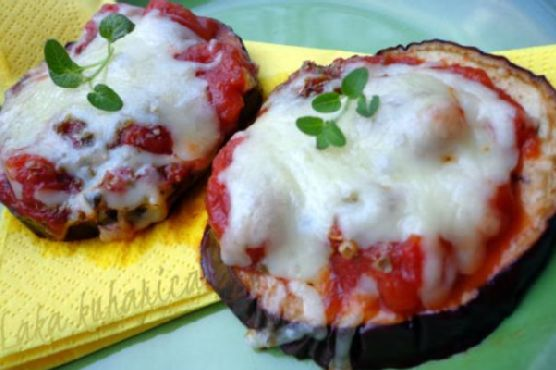
Eggplant pizzette | Made by Meaghan Moineau

Eggplant Pizzette: A Delightful Twist on a Classic Dish

Intro

Eggplant pizzette has always held a special place in my heart. I vividly remember visiting my grandmother’s kitchen on summer afternoons, the air thick with the scent of fresh basil and the sizzle of tomatoes simmering on the stove. As a child, I would eagerly await her signature eggplant pizzette, a dish that never failed to bring the family together around the table. This recipe, inspired by her culinary magic, offers a modern twist on a cherished classic, ideal for both intimate gatherings and solo indulgence.

Why You’ll Love It

Eggplant pizzette is an innovative and delightful dish that brings together the best of both worlds: the comforting flavors of pizza and the health benefits of fresh vegetables. Whether you’re a lifelong vegetarian or simply looking to incorporate more plant-based meals into your diet, this recipe is a winner. It’s simple to prepare, requires minimal ingredients, and is perfect for a quick appetizer or a light, satisfying meal. You’ll love the way the creamy eggplant pairs with the fresh, zesty tomatoes and aromatic herbs, all topped with a layer of melted Swiss cheese for that extra touch of indulgence.

Ingredients

  • Round eggplant
  • Tomatoes
  • Swiss cheese
  • Fresh basil leaves
  • Fresh oregano leaves

Instructions

  1. Preheat your oven to 230°C (450°F) and prepare a non-stick pan by greasing it lightly with olive oil.
  2. Slice the eggplant into rounds, about 1/2 inch thick, and arrange them in the prepared pan.
  3. Bake the eggplant rounds in the oven for 10 minutes. This will soften them and bring out their natural flavors.
  4. Remove the pan from the oven, leaving the baked eggplant inside to retain its warmth.
  5. On each eggplant round, place a spoonful of chopped tomatoes, ensuring even coverage.
  6. Sprinkle fresh basil and oregano leaves over the tomatoes for a burst of herbal aroma.
  7. Top each round with a generous amount of grated Swiss cheese.
  8. Return the pan to the oven and bake for an additional 5 minutes. Watch closely until the cheese is melted and golden brown.
  9. Remove from the oven and allow to cool slightly before serving. Enjoy your pizzette warm or cooled as a delightful appetizer or small meal.

Tips

To make your eggplant pizzette truly shine, ensure that the eggplants are fresh and firm to the touch. If you prefer a slightly thicker texture, you can leave the eggplant rounds a bit thicker, but adjust the initial baking time accordingly. Also, feel free to experiment with the cheese; while Swiss cheese is recommended for its mild flavor, mozzarella or provolone can be great substitutes for a different taste experience.

Variations & Substitutions

The beauty of eggplant pizzette is its versatility. You can easily customize it to suit your taste preferences or dietary needs. For a vegan version, simply replace the Swiss cheese with your favorite plant-based cheese. If you’re looking for a spicier kick, add a sprinkle of red pepper flakes or a dash of hot sauce. Additionally, you can incorporate other toppings like olives, roasted red peppers, or caramelized onions to add more depth to the dish.

Storage

If you have leftovers, store them in an airtight container in the refrigerator for up to three days. To reheat, place the pizzette in a preheated oven at 180°C (350°F) for about 5 minutes, or until they are warmed through. Avoid microwaving, as it may cause the eggplant to become too soggy.

FAQ

Can I make the eggplant pizzette ahead of time?

Yes, you can prepare the eggplant rounds and toppings ahead of time. Assemble them right before the second baking stage to ensure the cheese melts perfectly and the flavors remain vibrant.

What can I serve with eggplant pizzette?

Eggplant pizzette pairs beautifully with a fresh green salad or a light pasta dish. You can also serve them alongside a charcuterie board for a more substantial appetizer spread.

Is eggplant a good substitute for pizza dough?

Absolutely! Eggplant offers a nutritious and gluten-free alternative to traditional pizza dough. It’s lower in calories and carbohydrates, making it a healthier option without compromising on flavor.

Nutrition

Eggplant pizzette is a nutritious dish, rich in fiber and essential vitamins. Eggplants are a good source of antioxidants and can help in maintaining heart health. Fresh tomatoes and herbs add to the nutritional profile with vitamins C and K, while Swiss cheese provides a good dose of calcium and protein.

Conclusion

Eggplant pizzette is more than just a recipe; it’s a culinary journey that marries tradition with creativity. Whether you’re recreating a childhood memory or discovering a new favorite dish, this recipe promises satisfaction in every bite. Enjoy this delightful twist on a classic, and don’t forget to share the experience with loved ones. Cooking is, after all, an act of love, and what better way to express it than with delicious food!

Related update: Eggplant pizzette

Related update: Honey Dijon Roasted Brussels Sprout

The Perfect Butter Beans Stew | Made by Meaghan Moineau

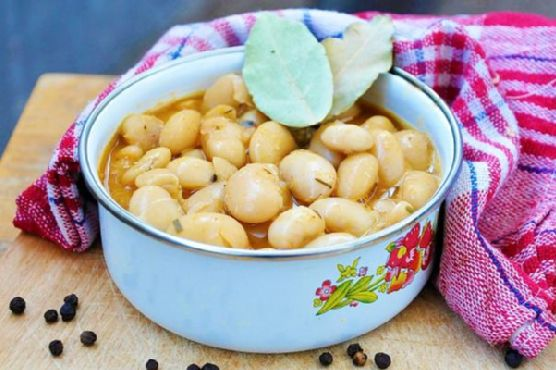
The Perfect Butter Beans Stew

Intro

There’s something about a warm bowl of stew that feels like a gentle hug on a chilly day. Growing up, butter beans stew was a staple in my grandmother’s kitchen, a dish that brought our family together around the dinner table. I remember the fragrant aroma wafting through the house, the anticipation of that first comforting bite, and the joy of sharing stories while savoring each spoonful. Over the years, I’ve adapted her recipe slightly, but the heart of it remains the same: a humble yet deeply satisfying stew that nourishes both body and soul.

Why You’ll Love It

This Perfect Butter Beans Stew is more than just a meal; it’s an experience. Here’s why you’ll find it irresistible:

  • Hearty and Satisfying: This stew is packed with protein-rich beans, making it a filling and nutritious option.
  • Simple Ingredients: With common pantry staples, you can whip up this delightful dish.
  • Rich Flavors: The combination of tarragon, sweet paprika, and bay leaves creates a symphony of flavors that dance on your palate.
  • Comforting and Nostalgic: It’s a timeless recipe that evokes warmth and homeliness, perfect for family dinners.

Ingredients

  • 250g dry lima beans, soaked overnight
  • 1 large onion, diced
  • 3 garlic cloves, minced
  • 1 teaspoon dry tarragon
  • 1 tablespoon fresh tarragon, chopped
  • 1 teaspoon sweet paprika
  • 2 bay leaves
  • 2 tablespoons unrefined sunflower oil
  • Ground pepper, to taste
  • Sea salt, to taste

Instructions

  1. To get the full instructions for making The Perfect Butter Beans Stew, visit my blog: The Perfect Butter Beans Stew Recipe.

Tips

Here are some tips to ensure your Butter Beans Stew turns out perfectly every time:

  • Soak the Beans: Soaking the beans overnight helps reduce cooking time and makes them easier to digest.
  • Season Generously: Don’t shy away from seasoning. Adjust the salt and pepper to suit your taste, enhancing the stew’s flavors.
  • Low and Slow: Cook the stew on a low flame to allow the flavors to meld beautifully, resulting in a richer taste.

Variations & Substitutions

This stew is wonderfully versatile. Here are some variations and substitutions you can try:

  • Meaty Addition: Add in some cooked bacon or sausage for a non-vegetarian twist.
  • Vegetable Boost: Include diced carrots or celery for added texture and nutrients.
  • Herb Swap: If you don’t have tarragon, try using thyme or rosemary for a different flavor profile.

Storage

Store any leftovers in an airtight container in the refrigerator for up to 3 days. This stew also freezes well. Place it in a freezer-safe container, and it should keep for up to 2 months. Reheat gently on the stovetop, adding a splash of water if needed to reach desired consistency.

FAQ

Can I use canned beans instead of dry beans?

Yes, you can use canned beans for a quicker version of this stew. Drain and rinse the beans before adding them to the stew. You won’t need to cook them as long, just until they are heated through and the flavors have melded.

What can I serve with this stew?

This butter beans stew pairs beautifully with crusty bread or over a bed of rice or quinoa. For a lighter option, serve it alongside a fresh green salad.

Is this stew vegan?

Yes, this recipe is naturally vegan, as it contains no animal products. It’s a great option for those following a plant-based diet.

Nutrition

While I’m not a nutritionist, this stew is packed with plant-based protein and fiber from the beans, making it a wholesome, nutrient-dense meal. The use of unrefined sunflower oil also adds healthy fats, and the variety of herbs and spices contribute additional micronutrients.

Conclusion

The Perfect Butter Beans Stew is more than just a recipe; it’s a cherished memory, a warm embrace, and a promise of comfort. Whether you’re sharing it with family or enjoying a quiet meal alone, this stew is sure to become a favorite in your home. I hope this dish brings as much joy to your table as it has to mine.

Related update: The Perfect Butter Beans Stew

Related update: Pork Carnitas Tacos

Lemony Greek Lentil Soup | Made by Meaghan Moineau

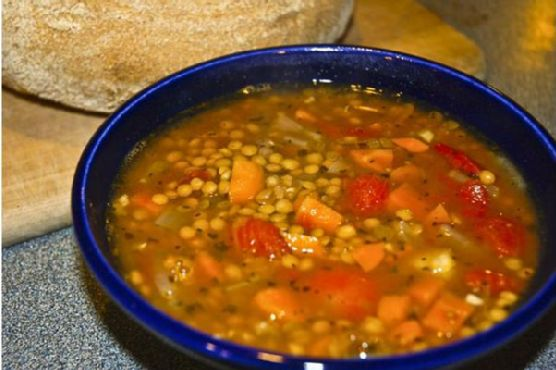
Lemony Greek Lentil Soup

Intro

There’s something truly magical about a warm bowl of soup on a crisp day. As autumn leaves begin to fall, I’m often reminded of my grandmother’s kitchen, where the aroma of simmering lentils filled the air, promising comfort with every spoonful. Her secret ingredient? A splash of lemon juice that brought a bright, sunny flavor to an otherwise humble dish. Today, I’m excited to share my version of her beloved Lemony Greek Lentil Soup — a recipe that has been passed down through generations and remains a family favorite.

Why You’ll Love It

Our Lemony Greek Lentil Soup is not only delicious but also nourishing. It’s a perfect blend of hearty lentils, aromatic herbs, and a zesty lemon finish. Whether you’re looking for a quick weekday meal or a cozy weekend dinner, this soup fits the bill. It’s vegan, gluten-free, and packed with plant-based protein and fiber, making it a healthy choice for everyone at the table. Plus, the ingredients are simple and budget-friendly, ensuring that you can whip up a pot without a trip to a specialty store.

Ingredients

  • 1 cup brown lentils
  • 1 carrot, diced
  • 8 cups water
  • 1 teaspoon dried thyme
  • Juice of 1 lemon
  • 1 teaspoon dried basil
  • 1 tablespoon fresh thyme
  • 1 teaspoon dried oregano
  • 1 teaspoon black pepper
  • Salt to taste
  • 1 onion, chopped
  • 3 cloves garlic, minced
  • 2 tablespoons olive oil
  • 1 can (28 oz) whole tomatoes, coarsely chopped

Instructions

  1. Put the lentils, water, carrot, and 1 teaspoon dried thyme into an 8-quart stockpot, cover and set over medium heat.
  2. After 15 minutes, lower the heat somewhat and gently bring the water to a simmer, which should take another half an hour or so.
  3. Once the lentils have reached the boiling point, turn off the burner and let them sit for 1 hour.
  4. After the hour, bring the soup back to a simmer and add the lemon juice, dried basil, fresh thyme, oregano, pepper, and salt, and simmer for 1 hour.
  5. Slowly sauté the onion and garlic in the olive oil until the onion is tender.
  6. Coarsely chop the tomatoes (I do this with kitchen scissors right in the can), and add them and the onion mixture to the soup.
  7. Adjust the salt to taste. Bring everything back to the boiling point and simmer for another hour.
  8. After this point, you can turn your burner to its lowest setting, and this soup will happily sit steaming with its lid cocked for several hours until you are ready to enjoy it. Add more water if necessary.
  9. Serve with crusty bread and a soft cheese like St. André or Cambozola.

Tips

To ensure your lentils cook evenly, check for any debris or small stones before rinsing them. If you prefer a thicker consistency, blend a portion of the soup before adding the tomatoes. The soup’s flavor deepens over time, so feel free to prepare it a day in advance. When reheating, add a splash of water if necessary to achieve your desired consistency.

Variations & Substitutions

Feel free to make this soup your own! Swap brown lentils for green or French lentils for a different texture. For a smoky twist, add a pinch of smoked paprika or cumin. If you’re not a fan of tomatoes, replace them with roasted red peppers for a sweeter flavor. Fresh herbs can be substituted with dried versions as needed, but remember to adjust quantities, as dried herbs are more concentrated.

Storage

This soup stores beautifully, making it perfect for meal prep. Refrigerate leftovers in an airtight container for up to 5 days. For longer storage, freeze the soup in individual portions for up to 3 months. Thaw overnight in the refrigerator before reheating on the stovetop or microwave.

FAQ

Can I use canned lentils instead of dried?

Yes, you can use canned lentils, but be sure to reduce the cooking time significantly, as canned lentils are already cooked. Add them during the last 30 minutes of simmering to prevent them from becoming mushy.

How can I make this soup spicier?

If you enjoy a bit of heat, consider adding a pinch of red pepper flakes or a diced jalapeño when sautéing the onion and garlic. Adjust the spice level to your preference.

Is this soup suitable for a slow cooker?

Absolutely! Simply add all the ingredients to your slow cooker and cook on low for 6-8 hours or on high for 3-4 hours. Sauté the onions and garlic separately before adding them to the slow cooker for added depth of flavor.

Nutrition

This Lemony Greek Lentil Soup is packed with nutrients. Each serving provides a good source of plant-based protein, fiber, iron, and vitamin C, thanks to the lentils and lemon juice. It’s a heart-healthy choice that supports digestion and boosts immunity.

Conclusion

There’s a reason why this Lemony Greek Lentil Soup has been a cherished recipe in my family for generations. Its delightful combination of flavors and hearty ingredients makes it a staple in our household, especially during the colder months. I hope you find the same comfort and joy in this dish as we do. Remember to experiment with the variations and make it your own. Enjoy every spoonful, and may it bring warmth to your heart and home!

Related update: Lemony Greek Lentil Soup

Related update: Mixed Paella

Related update: Minted Pea & Spinach Soup

Butchers Reinvent Menus as Beef Costs Soar | Analysis by Brian Moineau

When the Price of a Ribeye Rises, Small Butchers Reinvent the Counter

It used to be that a stroll into the neighborhood butcher meant two things: a chat with someone who knew the cut by name, and the smell of fresh meat ready for the weekend grill. Lately, that stroll comes with sticker shock. As beef prices climb to multi‑decade highs, small butcher shops are quietly reshaping how they sell, what they recommend, and how they keep customers coming back.

Why this matters now

  • Ground beef and steak prices climbed to record levels in 2025, driven by shrinking U.S. cattle herds, drought, higher feed and production costs, and other supply‑chain strains. (cbsnews.com)
  • Unlike large grocery chains with buying power and vertical integration, independent butchers rely on local supply and customer trust — two things that feel fragile when the cost of a pound of meat jumps dramatically. (cbsnews.com)

If you buy meat regularly — or run a small meat business — this is more than an economic headline. It changes weekly shopping lists, family dinners, and the way small food retailers position themselves in a competitive market.

How small butcher shops are adapting

Butchers are leaning into the advantages they have: craft, relationship, knowledge. The ways they’re responding fall into a few practical, customer‑facing moves:

  • Recommend cheaper cuts and show how to cook them

    • Educating customers about braises, slow roasts, and mince versus steak helps shoppers stretch a dollar without sacrificing flavor. (cbsnews.com)
  • Offer more value through portioning and combo packs

    • Smaller, recipe‑focused packs or mixed‑protein bundles let households get a taste of beef without buying an expensive whole cut.
  • Promote alternative proteins and mixed dishes

    • Increased suggestion of pork, chicken, plant‑based options, and blends (e.g., beef‑pork blends for meatloaf) helps retain customers who want familiar flavors at lower cost. (cbsnews.com)
  • Lean on relationships and local sourcing narratives

    • Customers are willing to pay a premium for traceability and trust; butchers emphasize provenance, seasonal availability, and chef‑style guidance.
  • Adjust pricing strategies and special offers

    • Time‑limited sales, loyalty deals, and highlighting lower‑cost cuts for weeknight meals help balance margins and foot traffic.

The supply picture behind the counter

To make sense of a butcher’s new pitch, you need the behind‑the‑scenes context:

  • Herds are smaller. The U.S. cattle inventory fell to its lowest levels in decades after years of drought and higher costs, shrinking the supply pipeline from ranch to retail. (axios.com)

  • It takes time to rebuild herds. Biological realities and feeding cycles mean relief won’t be immediate; even when ranchers expand, it can be years before more beef reaches grocery aisles. (farmprogress.com)

  • Policy, trade, and extreme weather add volatility. Tariffs, import/export shifts, and persistent climate stressors have amplified price swings for both cattle and feed. (cbsnews.com)

That combo explains why prices remain elevated even when ranchers or processors tweak production: the whole chain is interdependent and slow to rebalance.

For shoppers: smart moves at the meat counter

If you’re feeling the pinch, small changes at the store (or in your kitchen) can reduce cost without losing satisfaction:

  • Ask your butcher for weeknight‑friendly cuts (chuck, brisket, round) and simple recipes for braising or slow cooking.
  • Buy larger, less‑processed cuts and portion at home — it’s often cheaper per pound and gives leftovers for sandwiches or tacos.
  • Mix proteins in recipes (half beef, half turkey or pork) for flavor and savings.
  • Consider frozen or vacuum‑sealed bargains for longer shelf life and bulk savings.
  • Build rapport with a local butcher: they’ll tip you off on sales, day‑of‑cut discounts, or creative substitutions.

For butchers: business lessons from a beef squeeze

Independent meat sellers can survive and even strengthen their position by leaning into differentiation:

  • Become an educator: host demos, share recipes, and show cooking techniques to make lower‑cost cuts desirable.
  • Diversify inventory: sell more pork, poultry, value‑added items, and prepared foods to smooth revenue.
  • Strengthen supply relationships: local sourcing and cooperative purchasing can reduce exposure to volatile national markets.
  • Use storytelling: provenance and trust are powerful — customers pay for connection and honesty.
  • Innovate pricing and packaging: meal‑kits, subscription boxes, and mixed‑protein bundles increase convenience and perceived value.

What this trend might mean longer term

  • Beef may remain relatively expensive for months or years as herd recovery and supply‑chain fixes take hold. (farmprogress.com)
  • Consumer habits can shift permanently: when families learn new ways to cook cheaper cuts or embrace other proteins, demand patterns change.
  • Smaller shops that pivot effectively could win loyal customers who value expertise and personalized service — but those who cling to old assortments may lose traffic.

What to remember

  • Beef prices rose due to tight supply, drought impacts, and production costs; relief will be gradual. (axios.com)
  • Small butchers are responding by educating customers, promoting alternatives, and rethinking packaging and pricing. (cbsnews.com)
  • Practical consumer choices (different cuts, mixing proteins, buying larger portions) can blunt the sting of higher prices.

Final thoughts

Higher beef prices are reshaping more than grocery bills — they’re nudging everyday cooking toward resourcefulness and creativity. That’s a win for home cooks who learn to coax flavor from unexpected cuts, and for independent butchers who double down on craft and customer relationships. In a world where supply shocks and climate stressors are increasingly common, the butcher’s counter is quietly becoming a classroom in resilience.

Sources

Peach Carrot Coconut Vegan Pancake | Made by Meaghan Moineau

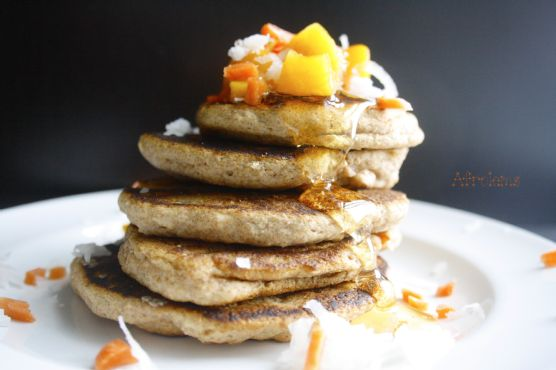
Peach Carrot Coconut Vegan Pancake

Intro

There’s something magical about the aroma of pancakes sizzling on a Sunday morning. It takes me back to my childhood, where weekends meant family, laughter, and a breakfast feast prepared by my grandmother. Her pancakes were legendary, and though her secret recipe was never fully revealed, I’ve tried to channel that nostalgic warmth into creating my own version with a modern, vegan twist. Enter the Peach Carrot Coconut Vegan Pancake—a delightful medley of flavors that captures the cozy, comforting essence of those cherished mornings while embracing the vibrant, health-conscious tastes of today.

Why You’ll Love It

These Peach Carrot Coconut Vegan Pancakes are a delightful way to start your day. They are light, fluffy, and packed with wholesome ingredients that will energize your morning. The sweetness of ripe peaches pairs beautifully with the earthiness of carrots and the tropical hint of coconut, creating a taste sensation that’s both unique and comforting. Plus, this recipe is entirely plant-based, perfect for vegans and anyone looking to reduce their dairy intake without sacrificing flavor.

Ingredients

  • 1 cup whole wheat flour
  • 2 tablespoons sugar
  • 1 tablespoon baking powder
  • 1/4 cup shredded coconut
  • 1 cup almond milk
  • 1 teaspoon vanilla extract
  • 2 tablespoons non-dairy butter, melted
  • 1/2 cup grated carrots
  • Fresh peaches, sliced, for serving
  • Maple syrup, for serving

Instructions

  1. In a medium bowl, combine the whole wheat flour, sugar, baking powder, and shredded coconut. Mix with a spatula until well combined.
  2. Add the almond milk, vanilla extract, and melted non-dairy butter to the dry ingredients. Stir to combine, then beat the batter for about one minute to incorporate some air.
  3. Fold in the grated carrots and allow the mixture to rest for a few minutes.
  4. Heat a non-stick pan over medium heat and lightly grease with a bit of non-dairy butter.
  5. Scoop a small amount of batter into the pan. Allow it to cook until bubbles form on the surface and the edges start to brown.
  6. Carefully flip the pancake and use a spatula to gently flatten it, ensuring the other side browns evenly.
  7. Repeat the process with the remaining batter. Serve the pancakes warm, topped with sliced peaches, additional shredded coconut, and a drizzle of maple syrup.

Tips

  • For the fluffiest pancakes, be careful not to overmix the batter. A few lumps are okay!
  • If you prefer a sweeter pancake, feel free to adjust the amount of sugar to your liking.
  • Ensure your pan is hot enough before adding the batter to achieve a nice golden brown finish.

Variations & Substitutions

If peaches aren’t in season, you can substitute them with other fruits like bananas, blueberries, or strawberries. For a nut-free version, replace almond milk with oat milk. You can also add a pinch of cinnamon or nutmeg to the batter for extra warmth and flavor.

Storage

Store any leftover pancakes in an airtight container in the refrigerator for up to three days. To reheat, simply warm them in a toaster or on a pan over low heat until heated through. These pancakes also freeze well—just layer them with parchment paper and store in a freezer-safe container for up to a month.

FAQ

Can I make the batter ahead of time?

Yes, you can prepare the batter the night before and store it in the refrigerator. Make sure to give it a good stir before cooking, as the ingredients may settle.

How can I make these pancakes gluten-free?

To make this recipe gluten-free, substitute the whole wheat flour with a 1:1 gluten-free flour blend. Ensure all other ingredients are certified gluten-free as well.

Can I add nuts to the pancake batter?

Absolutely! Chopped pecans or walnuts would add a lovely crunch and complement the flavors nicely. Stir them in with the grated carrots for a nutty twist.

Nutrition

Each serving of these pancakes is approximately 200 calories, with a good balance of carbohydrates, healthy fats, and a touch of protein. They are high in fiber thanks to the whole wheat flour and carrots, making them a nourishing option for breakfast.

Conclusion

These Peach Carrot Coconut Vegan Pancakes are not just a meal; they’re a wholesome experience that brings joy and nourishment to your morning routine. Whether you’re a seasoned vegan or simply exploring plant-based options, this recipe is sure to become a family favorite. So, gather your ingredients, fire up the pan, and enjoy a stack of these delicious pancakes. Here’s to warm memories and delightful flavors!

Related update: Peach Carrot Coconut Vegan Pancake

Related update: Meyer Lemon Ricotta Pancakes with Blackberry Compote

Related update: Ancient Grains Bread

Creamy Potato Salad with Cashew Dressing and Fresh Basil | Made by Meaghan Moineau

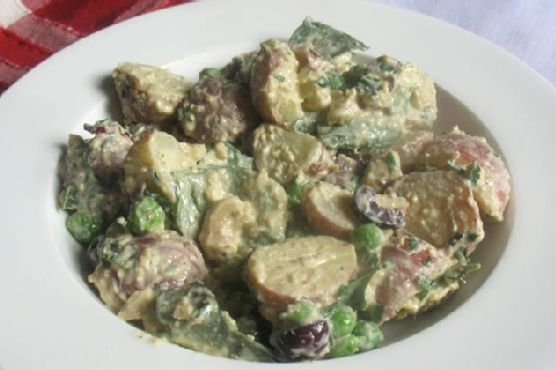
Creamy Potato Salad with Cashew Dressing and Fresh Basil

Intro

There’s something deeply comforting about a bowl of potato salad. For me, it evokes memories of summer picnics with my family, where the air was filled with laughter and the smell of blooming flowers. My grandmother used to make her signature potato salad, which was a staple at every family gathering. Over the years, I’ve experimented with different variations, and today’s recipe combines those nostalgic flavors with a modern twist: a creamy cashew dressing, fresh basil, and vibrant vegetables. It’s a dish that bridges the gap between my childhood memories and my current culinary adventures.

Why You’ll Love It

This Creamy Potato Salad with Cashew Dressing and Fresh Basil is a delightful fusion of flavors and textures that offers something for everyone. It’s creamy yet light, thanks to the velvety cashew dressing, and it’s packed with fresh, vibrant ingredients. The combination of baby potatoes and fresh herbs creates a refreshing taste, while the addition of peas and kalamata olives adds a subtle complexity. Whether you’re looking for a side dish for your next barbecue or a comforting meal on its own, this potato salad is sure to please.

Ingredients

  • 1 cup almond milk
  • 2 pounds baby potatoes
  • 1 cup fresh basil leaves
  • 1/4 cup fresh chives, chopped
  • 1/4 cup fresh mint leaves, chopped
  • 1/4 cup trimmed fresh parsley, chopped
  • 1 cup fresh peas
  • 1/4 teaspoon black fresh ground pepper
  • 1 tablespoon dijon honey mustard
  • Juice of one lemon
  • 1/2 cup kalamata olives, pitted and sliced (optional)
  • 2 tablespoons nutritional yeast
  • 1/4 cup olive oil
  • 1 cup raw cashews, soaked for at least 2 hours
  • 2 tablespoons rice vinegar
  • 1 teaspoon sea salt
  • 1 tablespoon dijon grain mustard

Instructions

  1. Bring the baby potatoes to a boil in a large pot of water. Reduce the heat to medium and cook until they are fork-tender, about 10 to 12 minutes. Do not overcook.
  2. Drain the potatoes well and let them cool for 10 minutes or longer. Transfer them to a large bowl along with the peas, basil leaves, and olives if using.
  3. To make the dressing, combine the soaked cashews, almond milk, olive oil, rice vinegar, nutritional yeast, dijon honey mustard, dijon grain mustard, lemon juice, sea salt, and black pepper in a small blender or food processor. Pulse until smooth. If the dressing is too thick, add a bit more olive oil or almond milk.
  4. Taste the dressing for seasoning and adjust the nutritional yeast, salt, and pepper to taste.
  5. Toss the potatoes with the dressing until they are well coated.
  6. Garnish with fresh chives, mint, and parsley before serving.

Tips

For the best results, use baby potatoes as they have a creamy texture and cook evenly. Be sure to soak the raw cashews beforehand, as this will ensure the dressing is smooth and velvety. If you’re short on time, you can use frozen peas, but fresh peas will provide a firmer texture and sweeter flavor.

Variations & Substitutions

If you prefer a spicier flavor, consider adding a pinch of cayenne pepper or red pepper flakes to the dressing. You can also substitute the almond milk with another plant-based milk of your choice, such as oat or soy milk. For a more Mediterranean twist, add sun-dried tomatoes or artichoke hearts to the salad.

Storage

This potato salad can be stored in an airtight container in the refrigerator for up to 3 days. The flavors will meld together over time, making it even more delicious the next day. However, it’s best enjoyed fresh to maintain the vibrant texture of the herbs and peas.

FAQ

Can I make this salad ahead of time?

Yes, you can prepare the salad a day in advance. Simply store the potatoes and dressing separately and combine them just before serving to keep the potatoes from absorbing too much moisture and becoming mushy.

Is this salad suitable for vegans?

Absolutely! This salad is entirely plant-based, making it a wonderful option for vegans and anyone looking to incorporate more plant-based meals into their diet.

Can I use regular mustard instead of dijon?

While dijon mustard adds a specific tangy flavor, you can substitute it with regular mustard in a pinch. Keep in mind that the overall taste might differ slightly.

Nutrition

This salad is not just delicious but also packed with nutrients. It’s rich in healthy fats from the cashews and olive oil, vitamins from the fresh herbs and peas, and fiber from the potatoes. It’s a wholesome dish that satisfies both your taste buds and nutritional needs.

Conclusion

This Creamy Potato Salad with Cashew Dressing and Fresh Basil is more than just a side dish; it’s a testament to the power of fresh, wholesome ingredients coming together to create something truly special. Whether you’re reminiscing about family gatherings or simply looking for a new favorite recipe, this salad promises to be a delightful addition to your culinary repertoire. Gather your ingredients, channel your inner chef, and enjoy the comforting flavors of this vibrant potato salad.

Related update: Creamy Potato Salad with Cashew Dressing and Fresh Basil

Related update: Red Quinoa and Roasted Cauliflower Salad

Vegan Strawberry Shortcake served with Vegan Whipped Cream | Made by Meaghan Moineau

Vegan Strawberry Shortcake Served with Vegan Whipped Cream

Introduction

There’s something magical about the first bite of a strawberry shortcake that transports me back to my grandmother’s kitchen. I remember those warm summer evenings when we would gather around the wooden table, eagerly awaiting her famous dessert. Her recipe was a family treasure, but as I’ve embraced a plant-based lifestyle, I’ve recreated this classic with a vegan twist. Today, I’m thrilled to share this Vegan Strawberry Shortcake recipe served with a luscious vegan whipped cream. It’s a dessert that captures the essence of summer and love in every bite.

Why You’ll Love It

This Vegan Strawberry Shortcake is not only a delightful treat for the taste buds but also a heartwarming nod to traditional desserts with a modern, plant-based spin. Here’s why you’ll love it:

  • Simple Ingredients: Made with pantry staples, this recipe is both accessible and economical.
  • Quick and Easy: With minimal prep and bake time, you can whip up this dessert in under an hour.
  • Perfectly Balanced: The sweetness of the strawberries and the lightness of the shortcake are perfectly complemented by the creamy, dreamy vegan whipped topping.
  • Family-Friendly: This is a dessert that everyone, regardless of dietary preferences, can enjoy together.

Ingredients

  • 1 cup flour
  • 1/2 cup almond meal
  • 1/4 cup turbinado sugar
  • 1 teaspoon baking soda
  • 1/4 teaspoon salt
  • 3/4 cup almond milk
  • 1 teaspoon apple cider vinegar
  • 1/4 cup vegetable oil
  • Tiny drop of almond extract
  • 1 pint fresh strawberries, sliced
  • Vegan whipped cream (store-bought or homemade)

Instructions

  1. Preheat your oven to 400 degrees F (200 degrees C).
  2. Add the sliced strawberries to a glass bowl and refrigerate until ready to use.
  3. In a medium-sized bowl, combine the flour, almond meal, baking soda, and salt. Mix well.
  4. In a small bowl, combine 1 teaspoon of water with the turbinado sugar, stirring slightly to help dissolve the sugar.
  5. In a large bowl, whisk together the almond milk, apple cider vinegar, vegetable oil, sugar mixture, and almond extract.
  6. Make a well in the center of the dry ingredients and gradually add the wet ingredients. Mix until just combined.
  7. Line two baking sheets with parchment paper.
  8. Drop the batter by generous tablespoons onto the sheets, spacing them a few inches apart. You should aim for 5 per baking sheet.
  9. Bake for 10-12 minutes, or until the shortcakes are just slightly golden.
  10. Allow the shortcakes to cool completely before slicing them in half with a serrated knife.
  11. Add a generous dollop of vegan whipped topping to the bottom half of each shortcake, followed by a spoonful of strawberries.
  12. Top with the remaining shortcake half, adding a bit more whipped topping and a few strawberries on top.
  13. Serve on individual dessert plates and enjoy!

Tips

  • Chill Your Tools: For an extra fluffy whipped topping, chill your mixing bowl and beaters in the freezer for about 10 minutes before whipping.
  • Use Fresh Strawberries: Fresh, ripe strawberries will yield the best flavor. Avoid using frozen strawberries as they can become mushy.
  • Don’t Overmix: When combining wet and dry ingredients, mix just until combined to ensure light and fluffy shortcakes.

Variations & Substitutions

This recipe is versatile and can be easily adapted to suit your preferences or dietary needs:

  • Replace almond milk with any other non-dairy milk, such as soy or oat milk.
  • Substitute almond meal with oat flour for a nut-free version.
  • For a citrus twist, add a teaspoon of lemon zest to the batter.
  • Experiment with different fruits such as blueberries or raspberries for a new flavor profile.

Storage

These shortcakes are best enjoyed fresh, but if you have leftovers, store them in an airtight container at room temperature for up to 2 days. Assemble with the whipped topping and strawberries just before serving to maintain their texture and freshness. The vegan whipped cream can be stored in the refrigerator for up to 3 days.

FAQ

Can I make the shortcakes gluten-free?

Yes, you can substitute the all-purpose flour with a gluten-free flour blend. Ensure the blend contains xanthan gum to help mimic the texture of traditional flour.

What can I use instead of turbinado sugar?

If turbinado sugar is not available, you can use coconut sugar or light brown sugar as a substitute. Both will provide a similar flavor and texture.

How can I make homemade vegan whipped cream?

To make homemade vegan whipped cream, chill a can of full-fat coconut milk overnight. Scoop out the solid cream and whip it with a little powdered sugar and vanilla extract until fluffy.

Nutrition

Each serving of Vegan Strawberry Shortcake contains approximately:

  • Calories: 250
  • Fat: 12g
  • Carbohydrates: 32g
  • Protein: 4g
  • Fiber: 3g
  • Sugar: 14g

Conclusion

Whether you’re a seasoned vegan or simply looking to explore plant-based desserts, this Vegan Strawberry Shortcake is sure to delight. With its light and airy texture, juicy strawberries, and creamy topping, it’s a recipe that embodies the joy of summer. Gather your loved ones, share a slice, and create new sweet memories that will last a lifetime. Enjoy!

Related update: Vegan Strawberry Shortcake served with Vegan Whipped Cream

Related update: Baked Caramel Custard

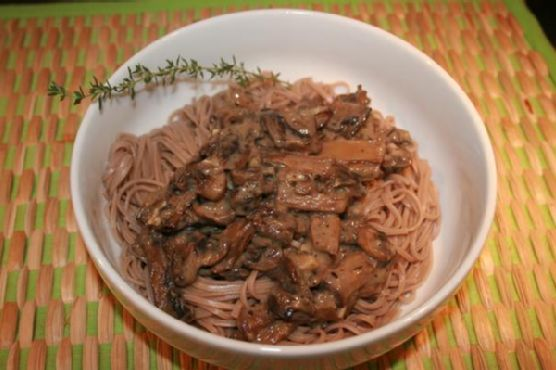
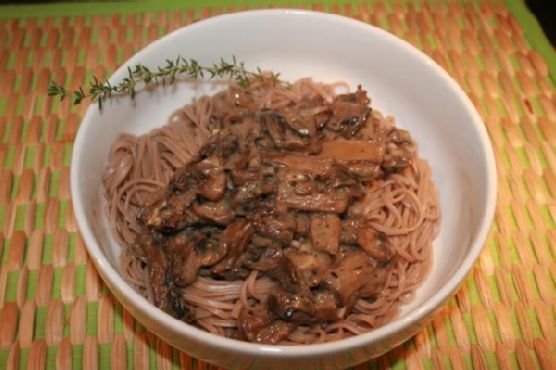
Creamy Mushrooms Over Soba Noodles (Vegan) | Made by Meaghan Moineau

Creamy Mushrooms Over Soba Noodles (Vegan)

Intro

There’s something incredibly comforting about a warm bowl of noodles topped with a creamy, savory sauce. This dish, Creamy Mushrooms Over Soba Noodles, brings me back to my childhood, when my grandmother would whip up her magical mushroom sauce on chilly autumn evenings. She’d let me stir the pot, watching in awe as the earthy aroma filled the kitchen. This vegan recipe is a modern twist on her classic, combining the deep flavors of mushrooms with the subtle nuttiness of soba noodles, all wrapped in a luscious, creamy sauce.

Why You’ll Love It

If you’re looking for a meal that’s both hearty and wholesome, this recipe is for you. The combination of creamy mushrooms with the slight chewiness of soba noodles creates a satisfying texture that is sure to please your taste buds. It’s vegan, making it a perfect choice for plant-based eaters, and packed with flavors that even non-vegans will love. Plus, it’s relatively quick to prepare, making it a great option for busy weeknights.

Ingredients

  • 2 tablespoons Earth Balance buttery spread
  • 1 pound of mushrooms (cremini, white, or your choice), sliced
  • 3 cloves of garlic, minced
  • 2 tablespoons all-purpose flour
  • 1 cup unsweetened soy milk
  • 1/4 cup white wine
  • 1 tablespoon fresh thyme, chopped
  • Juice of half a lemon
  • Salt and pepper to taste
  • 8 ounces soba noodles

Instructions

  1. In a sauté pan, melt 1 tablespoon of the Earth Balance buttery spread over medium heat.
  2. Add the sliced mushrooms and minced garlic to the pan, stirring occasionally until the mushrooms are dark and reduced. Set the mushrooms aside.
  3. In the same pan, melt the remaining tablespoon of Earth Balance buttery spread. Stir in the flour, cooking and stirring for about a minute to make a roux. This will help thicken your sauce.
  4. Slowly add the soy milk to the roux, stirring continuously until the mixture is smooth and thickened.
  5. Return the mushrooms to the pan, and add the lemon juice, fresh thyme, salt, and pepper. Stir well to combine.
  6. Add 1/4 cup of white wine to the mushroom mixture. Continue to cook until the sauce has reduced slightly and reached a pleasant consistency.
  7. Cook the soba noodles according to package instructions. Drain and divide the noodles into bowls.
  8. Ladle the creamy mushroom sauce over the soba noodles. Garnish with sprigs of fresh thyme if desired.
  9. Serve immediately and enjoy!

Tips

For the best results, use fresh mushrooms and cook them until they are well browned to enhance their flavor. If you prefer a thicker sauce, you can add a bit more flour to the roux. Make sure to stir continuously when adding the soy milk to prevent lumps from forming.

Variations & Substitutions

If you don’t have soba noodles on hand, feel free to substitute with whole wheat spaghetti or any other pasta of your choice. For a gluten-free option, use gluten-free flour and soba noodles made from 100% buckwheat. You can also play around with the mushroom variety; shiitake mushrooms add a unique flavor and texture.

Storage

Leftover creamy mushroom sauce can be stored in an airtight container in the refrigerator for up to 3 days. Reheat gently on the stovetop, adding a splash of soy milk if the sauce has thickened too much. Cooked soba noodles are best enjoyed fresh, but can be kept in a separate container for up to 2 days.

FAQ

Can I use a different type of milk?

Absolutely! While unsweetened soy milk works wonderfully in this recipe, you can substitute it with any plant-based milk such as almond, oat, or coconut milk. Just make sure it’s unsweetened to maintain the savory flavor profile.

What if I don’t have white wine?

No problem! You can substitute white wine with vegetable broth or even a little more soy milk. The wine adds depth to the sauce, but it’s not a dealbreaker if you don’t have it on hand.

How can I make this dish more filling?

To make this meal heartier, consider adding cooked chickpeas or tofu for extra protein. You can also toss in some spinach or kale for added nutrients and texture.

Nutrition

This dish is not only delicious but also packed with nutrients. Mushrooms are a great source of antioxidants, B vitamins, and minerals such as selenium and copper. Soba noodles, made from buckwheat, provide fiber and protein, making this meal both nourishing and satisfying.

Conclusion

Creamy Mushrooms Over Soba Noodles is a delightful vegan dish that combines rich flavors with wholesome ingredients. It’s a warm and comforting meal that will remind you of cozy family dinners while offering a modern twist. Whether you’re a seasoned cook or a kitchen novice, this recipe is approachable and rewarding. So, gather your ingredients and enjoy a bowl of creamy goodness that will surely become a favorite at your dinner table.

Related update: Creamy Mushrooms Over Soba Noodles (Vegan)

Related update: Creamy White Chili

Vegan Banana Nut Muffins | Made by Meaghan Moineau

Vegan Banana Nut Muffins

Intro

There’s something magical about the aroma of freshly baked banana nut muffins wafting through the house. It takes me back to Sunday mornings at my grandmother’s, where the kitchen was always bustling with warmth and sweetness. She had a knack for making everything feel special, and her banana nut muffins were no exception. Drawing inspiration from her, I’ve crafted a vegan version of this classic treat that retains all the comforting flavors without any animal products. Whether you’re a long-time vegan or just exploring plant-based baking, these muffins are sure to become a favorite in your home too.

Why You’ll Love It

This recipe is a delightful blend of nostalgia and modern dietary preferences. These Vegan Banana Nut Muffins are incredibly moist, thanks to the combination of mashed bananas and apple sauce. The addition of walnuts offers a satisfying crunch, while the agave nectar provides natural sweetness without the need for refined sugars. Perfect for breakfast, a snack, or even dessert, these muffins are versatile and delicious.

Ingredients

  • 1 tablespoon ground flaxseed
  • 3 tablespoons water
  • 1/2 cup agave nectar
  • 1/2 cup apple sauce
  • 3 ripe bananas, mashed
  • 1 teaspoon baking soda
  • 1/2 teaspoon salt
  • 1 cup flour
  • 1 cup whole-wheat flour
  • 1 teaspoon vanilla extract
  • 1/2 cup walnuts, chopped
  • Additional 1/3 cup walnuts for topping

Instructions

  1. Preheat your oven to 325°F (163°C) and position the rack in the middle.
  2. In a small bowl, mix the ground flaxseed with water and set it aside to thicken.
  3. If you’re using a loaf pan, grease and flour a 9x5x3 inch pan. For muffins, line the muffin pan with liners or grease and flour the pan.
  4. In a medium bowl, whisk together the all-purpose flour, whole-wheat flour, baking soda, and salt.
  5. In a large bowl, combine the thickened flaxseed mixture, agave nectar, and apple sauce until smooth.
  6. Add the flour mixture to the wet ingredients, stirring until just combined.
  7. Mix in the vanilla extract and mashed bananas until everything is well combined.
  8. Fold in 1/2 cup of the chopped walnuts.
  9. Pour the batter into the prepared loaf pan or muffin cups. Sprinkle the remaining 1/3 cup of walnuts on top.
  10. For the loaf, bake for 45 to 60 minutes. For muffins, bake for 25-30 minutes. The muffins are done when a thin knife inserted in the center comes out clean.
  11. Allow to cool for 10 minutes on a wire rack before removing from the pan.

Tips

For the best results, use overripe bananas with plenty of brown spots; they’re sweeter and mash easily. If you prefer a smoother texture, you can pulse the walnuts in a food processor before folding them into the batter. Always let your muffins cool completely before storing them to prevent them from becoming soggy.

Variations & Substitutions

If you don’t have agave nectar, maple syrup is a good substitute. For a gluten-free version, swap the flour with a 1:1 gluten-free baking blend. To add some extra flavor, consider incorporating a teaspoon of cinnamon or nutmeg to the dry ingredients. If you’re not a fan of walnuts, try pecans or almonds instead.

Storage

Once your muffins have cooled completely, store them in an airtight container at room temperature for up to 3 days. For longer storage, you can freeze them for up to 3 months. To reheat, simply thaw at room temperature or warm them in a 300°F (150°C) oven for about 10 minutes.

FAQ

Can I use frozen bananas for this recipe?

Yes, frozen bananas work well in this recipe. Make sure to thaw them completely and drain any excess liquid before mashing and adding them to the batter.

What can I use instead of apple sauce?

If you don’t have apple sauce on hand, you can substitute it with an equal amount of mashed sweet potato or pumpkin puree. Both options maintain the moisture level of the muffins beautifully.

Are these muffins suitable for a nut-free diet?

To make these muffins nut-free, simply omit the walnuts or replace them with sunflower seeds or pumpkin seeds for a similar texture.

Nutrition

Each muffin (assuming 12 muffins) contains approximately:

  • Calories: 180
  • Fat: 5g
  • Carbohydrates: 32g
  • Fiber: 3g
  • Sugar: 12g
  • Protein: 3g

Conclusion

These Vegan Banana Nut Muffins are a testament to how simple ingredients can come together to create something truly delightful. Whether you’re enjoying them with a cup of coffee in the morning or sharing them with friends over tea, they are bound to bring a smile to your face. Give this recipe a try, and let the comforting aroma fill your home, just like it did mine on those cherished Sunday mornings.

Related update: Vegan Banana Nut Muffins

Related update: Blueberry Almond Crescent Rolls

Creamy Mushrooms Over Soba Noodles (Vegan) | Made by Meaghan Moineau

Creamy Mushrooms Over Soba Noodles (Vegan) | Made by Meaghan Moineau

Title: A Taste of Home: Creamy Vegan Mushrooms Over Soba Noodles
Description: Dive into a comforting, plant-based culinary experience with our Creamy Mushrooms Over Soba Noodles. This vegan dish combines the earthy flavors of mushrooms with a rich, creamy sauce, all elegantly draped over soba noodles. Perfect for a cozy dinner, this recipe is inspired by cherished family memories and is sure to bring warmth to your table.

---


There's something about the aroma of sautéed mushrooms wafting through the kitchen that transports me back to my grandmother's house. As a child, I would sit on the tall stool by the counter, watching her expertly toss ingredients into her well-worn pan, each movement a dance she had perfected over the years. Her version of creamy mushrooms over soba noodles was a family favorite, a dish that brought us together around the table, warming both our hearts and bellies.


Fast forward to today, and I find myself recreating this beloved dish with a modern twist—making it entirely vegan while keeping its comforting essence intact. This recipe, Creamy Mushrooms Over Soba Noodles, is a tribute to those cherished moments and the simple joy of sharing a delicious meal with loved ones.


Ingredients:

- 2 tablespoons Earth Balance buttery spread


- 2 cups cremini mushrooms (or your choice), sliced


- 2 cups white mushrooms, sliced


- 3 cloves garlic, minced


- 2 tablespoons all-purpose flour


- 1 cup unsweetened soy milk


- 1/4 cup white wine


- 1 tablespoon fresh thyme, plus more for garnish


- 1 tablespoon lemon juice


- Salt & pepper to taste


- 8 ounces soba noodles


Instructions:
1. Sauté the Mushrooms: Melt 1 tablespoon of Earth Balance in a sauté pan over medium heat. Add the sliced mushrooms and minced garlic, stirring occasionally until the mushrooms are dark and reduced. Set the mushrooms aside.
2. Make the Roux: In the same pan, melt the remaining tablespoon of Earth Balance. Stir in the all-purpose flour, cooking and stirring for about a minute until it forms a roux to thicken your sauce.
3. Create the Sauce: Slowly add the soy milk to the roux, stirring continuously until the mixture is smooth and thickened. Return the mushrooms to the pan, then add the lemon juice, fresh thyme, salt, and pepper.
4. Add the Wine: Pour in the white wine and continue to cook the sauce until it reduces and reaches a pleasant, creamy consistency.
5. Serve: Cook the soba noodles according to package instructions, then divide them into bowls. Ladle the creamy mushroom sauce over the noodles and garnish with sprigs of fresh thyme if desired.
6. Enjoy: Relish the flavors and memories with each bite.

---


Difficulty: 4/10
Classification: Main Dish

---


This recipe is more than just a meal; it's a journey back to simpler times, a connection to family, and a celebration of plant-based cooking. Whether you're sharing it with loved ones or savoring it solo, this dish promises to deliver warmth, nostalgia, and satisfaction. Bon appétit!

Read more about Appetizers

Read more about Main Dishes

Read more about Desserts

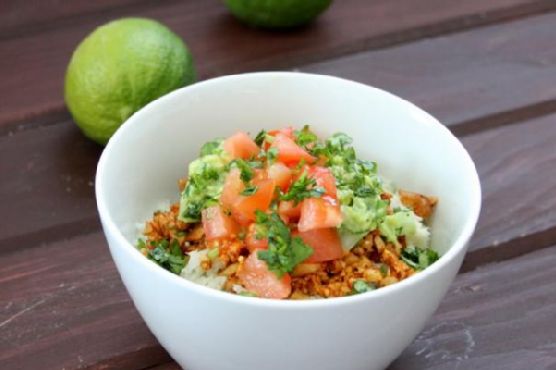
Vegan Taco bowls with Cilantro Lime Cauliflower Rice | Made by Meaghan Moineau

Vegan Taco bowls with Cilantro Lime Cauliflower Rice | Made by Meaghan Moineau

Title: Savoring Simplicity: Vegan Taco Bowls with Cilantro Lime Cauliflower Rice
Description: Discover the vibrant flavors of Vegan Taco Bowls with Cilantro Lime Cauliflower Rice. This wholesome, plant-based dish is not only a feast for your taste buds but also a nod to family traditions and shared meals. Perfect as a main dish, this recipe is a delightful medley of textures and tastes, bringing together creamy guacamole, spicy nut meat, and aromatic cauliflower rice. Rated 5/10 in difficulty, it's an accessible and rewarding culinary experience.

---


A Delicious Dive into Nostalgia


There’s something magical about the way certain dishes can transport us back in time, rekindling cherished memories of laughter-filled kitchens and family gatherings. For me, Vegan Taco Bowls with Cilantro Lime Cauliflower Rice is one such dish—an homage to those warm summer evenings spent at my grandmother's house, where the air was always filled with the tantalizing aroma of spices and fresh herbs.


Growing up, taco nights were a staple in our household, a tradition that never failed to bring the family together. My grandmother, with her infectious smile and knack for storytelling, would regale us with tales from her childhood in New Mexico. Her stories were as rich and vibrant as the flavors she infused into her cooking—each ingredient carefully chosen, every spice a reminder of her roots.


This recipe for Vegan Taco Bowls is my plant-based twist on her classic taco nights, a dish that captures the essence of those evenings while embracing a modern, healthy lifestyle. With every bite, I'm reminded of the joy of family, the importance of tradition, and the simple pleasure of a well-cooked meal.


Ingredients


- Avocado oil


- Cauliflower


- Red New Mexico chili powder


- Fresh cilantro


- Garlic powder


- Hass avocado


- Fresh jalapeño


- Fresh lime juice


- Onion


- Salt


- Tomato


- Walnuts


Instructions


1. Prepare the Nuts: Begin by soaking the walnuts in a bowl of water for 2-8 hours before preparing the "meat."
2. Preheat and Prep: Preheat your oven to 375°F (190°C) and line a baking sheet with aluminum foil. Finely chop the cauliflower into rice-sized pieces or pulse in a food processor until the desired consistency is achieved.
3. Cauliflower Rice: Toss the cauliflower with avocado oil and spread it onto the prepared baking sheet in an even layer. Bake for 18 minutes, stirring halfway through to ensure even cooking.
4. Guacamole: While the cauliflower rice is baking, prepare the guacamole. Cut the avocado into large chunks and place it into a small bowl. Add the lime juice and mash the avocado to your preferred consistency. Stir in the chopped cilantro, jalapeño, onion, and a blend of spices. Set aside.
5. Taco Nut Meat: Drain the soaked walnuts and place them into a small food processor. Pulse until they reach a ground meat-like consistency, about 5-7 pulses. Transfer the mixture to a bowl and stir in salt, cumin, garlic powder, and red chili powder. Set aside.
6. Finish the Rice: Once the cauliflower is done baking, transfer it to a mixing bowl while still warm. Stir in fresh lime juice, cilantro, and salt to taste.
7. Assemble the Bowls: To assemble your taco bowls, layer 1 cup of the cilantro lime cauliflower rice in a bowl. Add a generous scoop of taco nut meat, a dollop of guacamole, fresh tomato slices, and a sprinkling of fresh cilantro. Serve immediately, garnished with an additional slice of lime if desired.

A Culinary Journey


Creating these Vegan Taco Bowls is more than just preparing a meal; it's a journey through flavors and memories. With a difficulty rating of 5/10, this dish is approachable yet satisfying, ideal as a hearty main dish for any occasion. Whether you're a seasoned cook or a kitchen novice, this recipe invites you to explore the vibrant world of plant-based cooking, one delicious bowl at a time.


So, gather your loved ones, share stories, and savor every bite—because sometimes, the simplest meals are the ones that create the most lasting memories.

Read more about Appetizers

Read more about Main Dishes

Read more about Desserts

Think twice before you smear beef tallow and salmon sperm on your face – Vox.com | Analysis by Brian Moineau

Think twice before you smear beef tallow and salmon sperm on your face - Vox.com | Analysis by Brian Moineau

The Beef Tallow Beauty Craze: A Slippery Slope or Skincare Savoir?

In the ever-evolving world of skincare trends, where each week seems to roll out a new miracle ingredient, TikTok has become a veritable treasure chest for beauty enthusiasts on the hunt for the next big thing. The latest head-turners? Beef tallow, snail mucin serum, and salmon sperm. Yes, you read that right—animal-derived substances are being slathered on faces in the name of beauty, creating a buzz that is as intriguing as it is eyebrow-raising.

While it might sound like a culinary experiment gone awry, this trend is part of a broader movement towards natural, sometimes unconventional, skincare regimens. Beef tallow, a rendered form of beef fat, has been praised for its hydrating properties, while snail mucin and salmon sperm are touted for their regenerative benefits. These ingredients, once relegated to niche corners of the beauty world, have now taken center stage thanks to the viral power of TikTok.

The Hidden Costs of Beauty

However, as with many viral trends, there’s more beneath the surface. The environmental and ethical implications of using animal-derived products in skincare are significant. Beef tallow, for instance, raises questions about animal welfare and the environmental impact of cattle farming, which is a leading contributor to greenhouse gas emissions. Similarly, the harvesting of snail mucin and salmon sperm involves processes that may affect ecosystems and biodiversity.

This is reminiscent of the broader sustainability challenges faced by various industries. For example, the fashion industry has been under scrutiny for its environmental impact, leading to a rise in sustainable fashion movements like those championed by Stella McCartney and Eileen Fisher. Just as consumers are demanding transparency and sustainability in fashion, the same is beginning to hold true for beauty products.

Nature’s Bounty or Nature’s Burden?

So, should you think twice before diving into this slippery skincare slope? Absolutely. The allure of instant results often overshadows the long-term consequences of our choices. Just as the food industry has seen a shift towards plant-based diets to promote health and sustainability, the beauty industry could benefit from a similar mindfulness.

A growing number of consumers are turning to plant-based beauty products—like those containing aloe vera, green tea, and chamomile—which offer benefits without the ethical and environmental baggage. Brands like Herbivore Botanicals and Tata Harper are leading the charge, offering luxurious, effective skincare solutions that are kind to both skin and planet.

A Final Thought: Beauty with Responsibility

As tempting as it might be to jump on the latest TikTok trend, it's essential to consider the broader implications. The beauty industry, much like our planet, thrives on balance. Embracing trends is part of the fun, but doing so with an eye on sustainability and ethics ensures that our quest for beauty doesn’t come at the expense of our values or our environment.

In the end, perhaps the most beautiful skin is one that reflects a conscience as well cared for as the complexion it adorns. So, the next time you find yourself reaching for that jar of beef tallow or salmon sperm serum, take a moment to ponder: Is this truly the path to beauty, or just another gimmick in disguise?

References:
- TikTok trends and skincare: A deep dive into the viral world.
- Sustainable beauty: Emerging brands and their impact.
- Environmental impact of cattle farming: Statistics and solutions.

By striking a balance between innovation and responsibility, we can ensure that our beauty choices enhance not just our skin, but also the world we live in.

Read more about AI in Business

Read more about Latest Sports Trends

Read more about Technology Innovations