
Nano Banana 2: Google’s Photorealism Leap | Analysis by Brian Moineau

A photo editor that bends reality — sometimes spectacularly: Nano Banana 2, hands-on

Google just pushed another fast, polished step into the world where photos are as editable as text. Nano Banana 2 (officially Gemini 3.1 Flash Image) stitches the speed of Gemini Flash with the higher-fidelity tricks of Nano Banana Pro, and it’s now the default image model sprinkled across Google apps. That means anyone with access to Gemini, Search’s AI mode, or Google Lens can iterate edits and generate photorealism at four‑K resolutions in seconds.

This post walks through what Nano Banana 2 does well, where it still trips up, and what that means for creators, storytellers, and anyone who scrolls through images online.

Why this matters right now

  • Generative image models have shifted from novelty to everyday tools: marketing assets, social posts, family edits, quick mockups.
  • Google’s decision to make Nano Banana 2 the default across Gemini, Search, Lens, AI Studio, and Cloud brings higher-fidelity editing and faster iteration to a massive user base.
  • Improvements in text rendering, subject consistency, and web-aware generation make these tools more practical — and more potentially misleading — in real contexts.

What Nano Banana 2 actually brings to the table

  • Speed meets polish: It combines the “Flash” speed of Gemini with many of the Pro-level visual improvements (textures, lighting, higher resolution up to 4K). This means faster A/B iterations without waiting for long renders.
  • Better text and data visuals: Google highlights improved on-image text rendering and the ability to pull up-to-date web information for infographics and diagrams. That’s useful for mockups, posters, or quick data-driven visuals.
  • Consistent subjects and object fidelity: The model claims to keep the look of up to five characters consistent across edits and maintain fidelity for up to 14 objects in a single workflow — handy for sequential scenes or branded assets.
  • Platform integration and provenance: Outputs are marked with SynthID watermarking and C2PA content credentials to help identify AI-generated media. The model is rolling out across multiple Google products and available through APIs and Google Cloud integrations.

Where it dazzles

  • Photo edits that keep small details: When the source image contains distinct clothing patterns or jewelry, Nano Banana 2 often reproduces those subtle cues faithfully, even when the pose or scene changes.
  • Faster creative loops: For designers or social creators who test many variants, the speed difference is a real productivity win.
  • Cleaner text in images: Marketing mockups and greeting-card style images benefit from much less “wobbly text” than older models produced.

Where it still shows its seams

  • Reality punctured, not perfected: In tests reported by WIRED and hands-on reviews, faces and compositing can look unconvincing — heads pasted on mismatched bodies, odd facial proportions, or age morphing that overshoots the prompt.
  • Web-aware but fallible: The model uses real-time web context for things like weather or infographics, but it can pull stale or misaligned data (for example, an incorrect date) and embed that into an image. A human still needs to fact-check.
  • The uncanny valley remains for complex, bespoke scenes: Fast, high-energy action shots or implausible body positions sometimes return caricatured or “decoupaged” results rather than seamless photorealism.

The ethical and social brushstrokes

  • Democratised manipulation: Making high-quality image editing and realistic generation free and widely available lowers the technical barrier for image-altering content — both creative and deceptive.
  • Better provenance helps but isn’t foolproof: SynthID/C2PA metadata can indicate AI origin, but watermarks aren’t impossible to strip and content credentials aren’t universally checked by platforms or viewers.
  • Verification becomes more important: As generative visuals look more convincing, media literacy — checking sources, reverse image search, and trusting verified channels — becomes a practical necessity.

Use cases that feel right for Nano Banana 2

  • Rapid marketing and ad mockups where many variants are needed quickly.
  • Content that benefits from localized text and translations embedded directly into visuals.
  • Creative storytelling where consistent subject appearance matters (storyboards, character sequences).
  • Fun personal edits and social content — with a grain of skepticism about realism.

My take

Nano Banana 2 is a strong, pragmatic step forward: it doesn’t magically fix every compositing or realism problem, but it makes high-quality editing and generation markedly faster and more accessible. That combination is powerful — and a bit disquieting. When tools make it trivially easy to produce photorealistic fictions, the onus shifts further to platforms, creators, and consumers to signal intent and vet facts. Google’s provenance efforts are a positive move, but they’re not a substitute for skepticism.

If you’re a creator, think of Nano Banana 2 as an accelerant for ideas — great for drafts, storyboards, and mockups — but not always final-deliverable certainties for pixel-perfect realism. If you’re a consumer, keep the verification habits tight: check dates, look for provenance metadata, and assume an image could be crafted rather than captured.

Plausible next steps for the technology

  • Continued improvements in face/pose blending and consistency across complex scenes.
  • Wider adoption of content credentials by social platforms and image-hosting services.
  • More nuanced UI signals in apps (clearer provenance badges, easier access to creation metadata) so viewers can instantly tell when something is AI-made.

A few short takeaways

  • Nano Banana 2 makes pro-level image edits much faster and more widely available.
  • It improves text rendering, subject consistency, and fidelity, but can still produce unconvincing faces and compositing errors.
  • Provenance tools are baked in, but human verification remains essential.
  • For creators it’s a productivity boost; for the public it heightens the need for media literacy.

Sources


Related update: We recently published an article that expands on this topic: read the latest post.

AI Echo Chambers: ChatGPT Sources | Analysis by Brian Moineau

When one AI cites another: ChatGPT, Grokipedia and the risk of AI-sourced echo chambers

Information wants to be useful — but when the pipes that deliver it start to loop back into themselves, usefulness becomes uncertain. Last week’s revelation that ChatGPT has begun pulling answers from Grokipedia — the AI-generated encyclopedia launched by Elon Musk’s xAI — isn’t just a quirky footnote in the AI wars. It’s a reminder that where models get their facts matters, and that the next chapter of misinformation might not come from trolls alone but from automated knowledge factories feeding each other.

Why this matters right now

  • Grokipedia launched in late 2025 as an AI-first rival to Wikipedia, promising “maximum truth” and editing driven by xAI’s Grok models rather than human volunteer editors.
  • Reporters from The Guardian tested OpenAI’s GPT-5.2 and found it cited Grokipedia multiple times for obscure or niche queries, rather than for well-scrutinized topics. TechCrunch picked up the story and amplified concerns about politicized or problematic content leaking into mainstream AI answers.
  • Grokipedia has already been criticized for controversial content and lack of transparent human curation. If major LLMs start using it as a source, users could get answers that carry embedded bias or inaccuracies — with the AI presenting them as neutral facts.

What happened — a short narrative

  • xAI released Grokipedia in October 2025 to great fanfare and immediate controversy; some entries and editorial choices were flagged by journalists as ideological or inaccurate.
  • The Guardian published tests showing that GPT-5.2 referenced Grokipedia in several responses, notably on less-covered topics where Grokipedia’s claims differed from established sources.
  • OpenAI told reporters it draws from “a broad range of publicly available sources and viewpoints,” but the finding raised alarm among researchers who worry about an “AI feeding AI” dynamic: models trained or evaluated on outputs that themselves derive from other models.

The risk: AI-to-AI feedback loops

  • Repetition amplifies credibility. When a large language model cites a source — and users see that citation or accept the answer — the content’s perceived authority grows. If that content originated from another model rather than vetted human scholarship, the process can harden mistakes into accepted “facts.”
  • LLM grooming and seeding. Bad actors (or even well-meaning but sloppy systems) can seed AI-generated pages with false or biased claims; if those pages are scraped into training or retrieval corpora, multiple models can repeat the same errors, creating a self-reinforcing echo.
  • Loss of provenance and nuance. Aggregating sources without clear provenance or editorial layers makes it hard to know whether a claim is contested, subtle, or discredited — especially on obscure topics where there aren’t many independent checks.

Where responsibility sits

  • Model builders. Companies that train and deploy LLMs must strengthen source vetting and transparency, especially for retrieval-augmented systems. That includes weighting human-curated, primary, and well-audited sources more heavily.
  • Source operators. Sites like Grokipedia (AI-first encyclopedias) need clearer editorial policies, provenance metadata, and visible mechanisms for human fact-checking and correction if they want to be treated as reliable references.
  • Researchers and journalists. Ongoing audits, red-teaming and independent testing (like The Guardian’s probes) are essential to surface where models are leaning on questionable sources.
  • Regulators and platforms. As AI content becomes a larger fraction of web content, platform rules and regulatory scrutiny will increasingly shape what counts as an acceptable source for widespread systems.

What users should do today

  • Ask for sources and check them. When an LLM gives a surprising or consequential claim, look for corroboration from reputable human-edited outlets, primary documents, or scholarly work.
  • Be extra skeptical on obscure topics. The reporting found Grokipedia influencing answers on less-covered matters — exactly the places where mistakes hide.
  • Prefer models and services that publish retrieval provenance or let you inspect the cited material. Transparency helps users evaluate confidence.

A few balanced considerations

  • Not all AI-derived content is inherently bad. Automated systems can surface helpful summaries and surface-level context quickly. The problem isn’t automation per se but opacity and lack of corrective human governance.
  • Diversity of sources matters. OpenAI’s claim that it draws on a range of publicly available viewpoints is sensible in principle, but diversity doesn’t replace vetting. A wide pool of low-quality AI outputs is still a poor knowledge base.
  • This is a systems problem, not a single-company scandal. Multiple major models show signs of drawing from problematic corners of the web — the difference will be which organizations invest in safeguards and which don’t.

Things to watch next

  • Will OpenAI and other major model providers adjust retrieval weightings or add filters to downrank AI-only encyclopedias like Grokipedia?
  • Will Grokipedia publish clearer editorial processes, provenance metadata, and human-curation layers to be treated as a responsible source?
  • Will independent audits become standard industry practice, with third-party certifications for “trusted source” pipelines used by LLMs?

My take

We’re watching a transitional moment: the web is shifting from pages written by people to pages largely created or reworded by machines. That shift can be useful — faster updates, broader coverage — but it also challenges the centuries-old idea that reputable knowledge is rooted in accountable authorship and transparent sourcing. If we don’t insist on provenance, correction pathways, and human oversight, we risk normalizing an ecosystem where errors and ideological slants are amplified by the very tools meant to help us navigate information.

In short: the presence of Grokipedia in ChatGPT’s answers is a red flag about data pipelines and source hygiene. It doesn’t mean every AI answer is now untrustworthy, but it does mean users, builders and regulators need to treat the provenance of AI knowledge as a first-class problem.

Sources


Related update: We recently published an article that expands on this topic: read the latest post.
Butchers Reinvent Menus as Beef Costs Soar | Analysis by Brian Moineau

When the Price of a Ribeye Rises, Small Butchers Reinvent the Counter

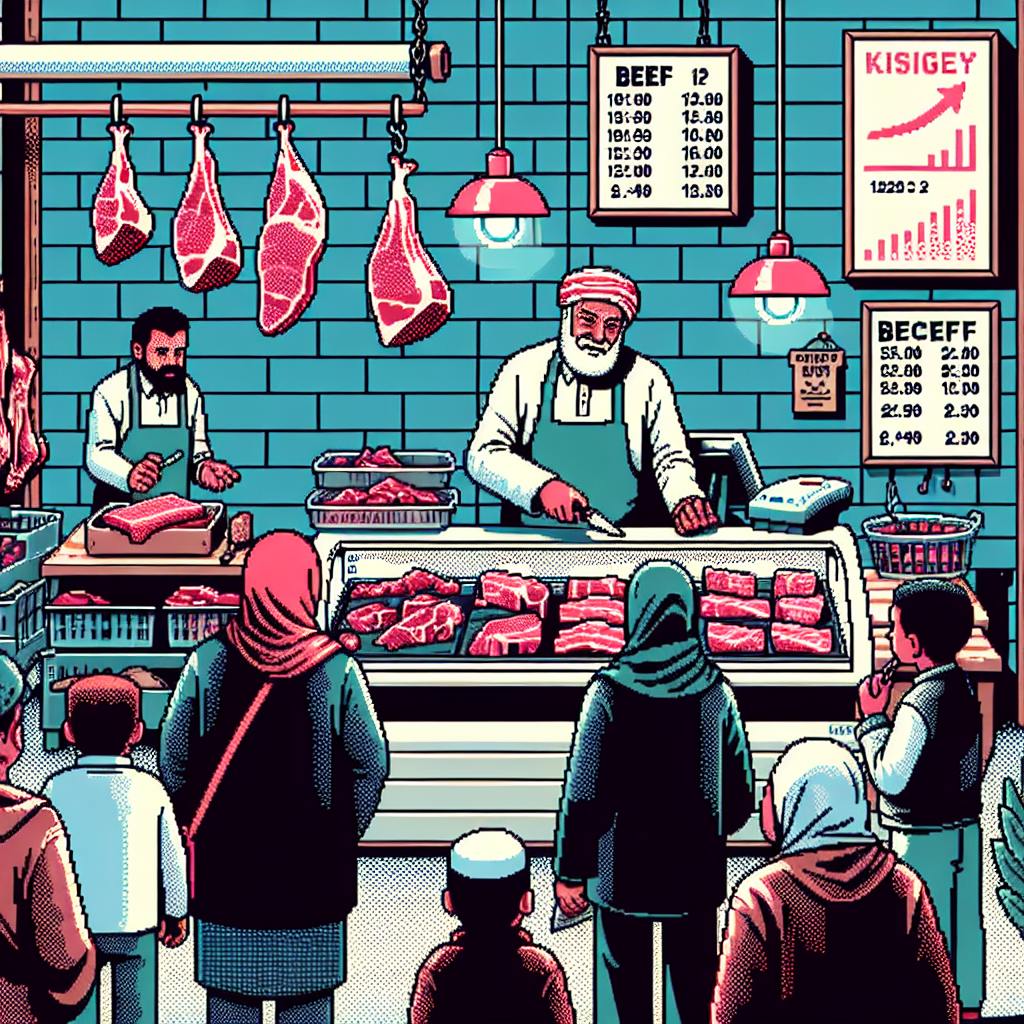
It used to be that a stroll into the neighborhood butcher meant two things: a chat with someone who knew the cut by name, and the smell of fresh meat ready for the weekend grill. Lately, that stroll comes with sticker shock. As beef prices climb to multi‑decade highs, small butcher shops are quietly reshaping how they sell, what they recommend, and how they keep customers coming back.

Why this matters now

  • Ground beef and steak prices climbed to record levels in 2025, driven by shrinking U.S. cattle herds, drought, higher feed and production costs, and other supply‑chain strains. (cbsnews.com)
  • Unlike large grocery chains with buying power and vertical integration, independent butchers rely on local supply and customer trust — two things that feel fragile when the cost of a pound of meat jumps dramatically. (cbsnews.com)

If you buy meat regularly — or run a small meat business — this is more than an economic headline. It changes weekly shopping lists, family dinners, and the way small food retailers position themselves in a competitive market.

How small butcher shops are adapting

Butchers are leaning into the advantages they have: craft, relationship, knowledge. The ways they’re responding fall into a few practical, customer‑facing moves:

  • Recommend cheaper cuts and show how to cook them

    • Educating customers about braises, slow roasts, and mince versus steak helps shoppers stretch a dollar without sacrificing flavor. (cbsnews.com)
  • Offer more value through portioning and combo packs

    • Smaller, recipe‑focused packs or mixed‑protein bundles let households get a taste of beef without buying an expensive whole cut.
  • Promote alternative proteins and mixed dishes

    • Increased suggestion of pork, chicken, plant‑based options, and blends (e.g., beef‑pork blends for meatloaf) helps retain customers who want familiar flavors at lower cost. (cbsnews.com)
  • Lean on relationships and local sourcing narratives

    • Customers are willing to pay a premium for traceability and trust; butchers emphasize provenance, seasonal availability, and chef‑style guidance.
  • Adjust pricing strategies and special offers

    • Time‑limited sales, loyalty deals, and highlighting lower‑cost cuts for weeknight meals help balance margins and foot traffic.

The supply picture behind the counter

To make sense of a butcher’s new pitch, you need the behind‑the‑scenes context:

  • Herds are smaller. The U.S. cattle inventory fell to its lowest levels in decades after years of drought and higher costs, shrinking the supply pipeline from ranch to retail. (axios.com)

  • It takes time to rebuild herds. Biological realities and feeding cycles mean relief won’t be immediate; even when ranchers expand, it can be years before more beef reaches grocery aisles. (farmprogress.com)

  • Policy, trade, and extreme weather add volatility. Tariffs, import/export shifts, and persistent climate stressors have amplified price swings for both cattle and feed. (cbsnews.com)

That combo explains why prices remain elevated even when ranchers or processors tweak production: the whole chain is interdependent and slow to rebalance.

For shoppers: smart moves at the meat counter

If you’re feeling the pinch, small changes at the store (or in your kitchen) can reduce cost without losing satisfaction:

  • Ask your butcher for weeknight‑friendly cuts (chuck, brisket, round) and simple recipes for braising or slow cooking.
  • Buy larger, less‑processed cuts and portion at home — it’s often cheaper per pound and gives leftovers for sandwiches or tacos.
  • Mix proteins in recipes (half beef, half turkey or pork) for flavor and savings.
  • Consider frozen or vacuum‑sealed bargains for longer shelf life and bulk savings.
  • Build rapport with a local butcher: they’ll tip you off on sales, day‑of‑cut discounts, or creative substitutions.

For butchers: business lessons from a beef squeeze

Independent meat sellers can survive and even strengthen their position by leaning into differentiation:

  • Become an educator: host demos, share recipes, and show cooking techniques to make lower‑cost cuts desirable.
  • Diversify inventory: sell more pork, poultry, value‑added items, and prepared foods to smooth revenue.
  • Strengthen supply relationships: local sourcing and cooperative purchasing can reduce exposure to volatile national markets.
  • Use storytelling: provenance and trust are powerful — customers pay for connection and honesty.
  • Innovate pricing and packaging: meal‑kits, subscription boxes, and mixed‑protein bundles increase convenience and perceived value.

What this trend might mean longer term

  • Beef may remain relatively expensive for months or years as herd recovery and supply‑chain fixes take hold. (farmprogress.com)
  • Consumer habits can shift permanently: when families learn new ways to cook cheaper cuts or embrace other proteins, demand patterns change.
  • Smaller shops that pivot effectively could win loyal customers who value expertise and personalized service — but those who cling to old assortments may lose traffic.

What to remember

  • Beef prices rose due to tight supply, drought impacts, and production costs; relief will be gradual. (axios.com)
  • Small butchers are responding by educating customers, promoting alternatives, and rethinking packaging and pricing. (cbsnews.com)
  • Practical consumer choices (different cuts, mixing proteins, buying larger portions) can blunt the sting of higher prices.

Final thoughts

Higher beef prices are reshaping more than grocery bills — they’re nudging everyday cooking toward resourcefulness and creativity. That’s a win for home cooks who learn to coax flavor from unexpected cuts, and for independent butchers who double down on craft and customer relationships. In a world where supply shocks and climate stressors are increasingly common, the butcher’s counter is quietly becoming a classroom in resilience.

Sources

Prada, Kolhapuri Deal Sparks IP Debate | Analysis by Brian Moineau

A luxury sandal, a centuries‑old craft, and the price of inspiration

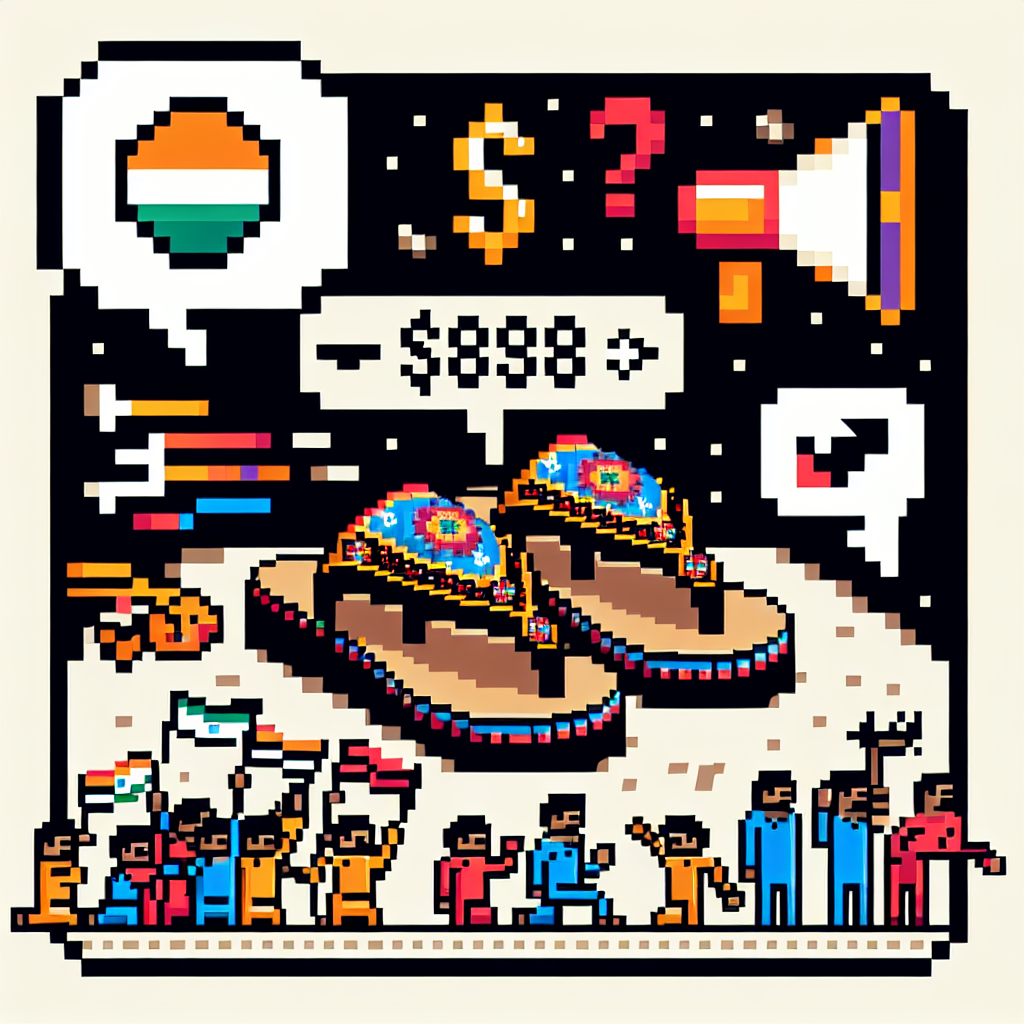
Prada's decision to sell a limited run of "Made in India" Kolhapuri‑style sandals for about $930 has reignited a conversation the fashion world keeps circling back to: where does inspiration end and appropriation begin? What started this year as a pair of tan leather sandals on a Milan runway—briefly billed as simply "leather footwear"—became a flashpoint after Indian artisans and commentators pointed out the clear resemblance to Kolhapuri chappals, the handmade sandals from Maharashtra and Karnataka. Prada has since acknowledged the Indian roots of the design and struck a deal to make 2,000 pairs in collaboration with state‑backed artisan bodies, with plans to sell them globally in February 2026. (feeds.bbci.co.uk)

Quick takeaways

  • Prada showcased sandals in Milan that closely resembled traditional Kolhapuri chappals, prompting accusations of cultural appropriation. (feeds.bbci.co.uk)
  • The brand responded by acknowledging the inspiration and signing agreements with two Indian, state‑backed leather development corporations to produce a limited run made in India — 2,000 pairs priced at roughly €800–€930 each — for global sale in February 2026. (reuters.com)
  • The collaboration promises artisan training, short residencies at Prada's academy, and an investment Prada says will run into "several million euros," but questions remain about profit sharing, pricing parity, and long‑term benefits for the craftspeople. (reuters.com)

Why this matters beyond a single product drop

Kolhapuri chappals are not a trendy motif invented last season. They have a long cultural history, a specific geographic origin (GI protection in India since 2019), and are made by artisans from marginalised communities who rely on this craft for livelihoods. When a global luxury house reproduces that aesthetic and ships it out of context—then prices it at nearly 100 times the local market value—voices in India rightly asked for attribution, accountability and a share of the upside. The debate touches on:

  • Cultural heritage and intellectual property: designs tied to communities and places raise questions about recognition and rights. (dw.com)
  • Economic fairness: local Kolhapuri chappals sell for a few dollars in India; Prada’s versions are priced like collectible luxury items. That gap fuels the sense of extraction. (livemint.com)
  • The power dynamics of taste: global brands can amplify or erase origin stories depending on how they choose to tell them. (feeds.bbci.co.uk)

What Prada has done — and what's still missing

The facts Prada and its critics are pointing to are straightforward:

  • Prada publicly acknowledged the Indian inspiration after the backlash and entered talks with local bodies. (feeds.bbci.co.uk)
  • It signed memoranda of understanding with two government‑linked leather industry corporations in Maharashtra and Karnataka to produce 2,000 pairs locally and to run training programs and exchanges. Prada says the project spans three years and includes artisan residencies in Italy. (reuters.com)
  • The launch is slated for February 2026 across 40 Prada stores and online, with each pair priced around €800–€930 (about $930). (reuters.com)

But several sticky issues remain:

  • Profit sharing and pricing: early reporting indicates artisans are being paid better for production work, yet initial agreements reportedly do not include a formal profit‑sharing clause. That leaves open whether artisans will see long‑term revenue proportional to the value their craft helps create. (timesofindia.indiatimes.com)
  • Attribution vs. agency: attribution alone—acknowledging that a design was inspired by Kolhapuri chappals—is not the same as centring the artisans’ perspectives or ceding decision‑making power about how their craft is represented and sold. (dw.com)
  • Scale and authenticity: producing luxury variants for a global market can raise interest and demand, but it can also shift the meaning of a craft and price out local buyers unless carefully managed. (livemint.com)

A timeline to keep in mind

  • June 2025: Prada presented sandals during Milan Fashion Week that reminded many observers of Kolhapuri chappals; social media outcry and industry criticism followed. (feeds.bbci.co.uk)
  • July–December 2025: Prada acknowledged the Indian inspiration and entered talks with Indian artisan bodies and the Maharashtra Chamber of Commerce. Reporting over late 2025 shows the company formalising agreements and planning the limited run and training programs. (feeds.bbci.co.uk)
  • February 2026: Planned global sale of the 2,000 "Made in India" sandals through 40 Prada stores and Prada.com. (reuters.com)

(Those are the dates reported by news outlets; some implementation details and legal agreements may be updated as the project proceeds.)

The broader industry lesson

Big fashion houses will continue to find inspiration in global crafts; the issue is governance. Brands can handle cultural sources in ways that either replicate extractive patterns or help sustain cultural economies. Meaningful models often include:

  • Co‑design and co‑ownership models that give artisans a seat at the table.
  • Transparent, long‑term revenue arrangements (royalties, profit‑shares, co‑brands).
  • Capacity building that respects local production rhythms and markets, not just upscale retooling for export. (timesofindia.indiatimes.com)

Prada’s announced training programs and residencies are notable steps — they could be transformative if implemented with clear, enforceable commitments to artisans’ economic rights and community representation. Without legally binding profit‑share or co‑ownership terms, though, such initiatives risk being framed as goodwill optics rather than structural change. (timesofindia.indiatimes.com)

My take

This moment is a test case. The optics of a heritage craft going from village markets to luxury boutiques—priced at hundreds of times its local value—will always make people uneasy. What matters is whether this ends as a story of appropriation amended with PR, or as a genuine transfer of value and visibility to the communities who stewarded the craft for generations. Prada’s move toward collaboration is better than silence or denial, but the proof will be in published, enforceable terms: transparent payments, profit‑sharing, design credit, and meaningful decision‑making by artisans and their organisations.

If brands want to borrow cultural capital, they must be prepared to share economic capital and power too. That’s not just ethical—it's smart business for a future in which consumers increasingly expect provenance, fairness, and traceability.

Final thoughts

Heritage crafts entering the global luxury ecosystem can create opportunity, but only when reciprocity is institutionalised rather than optional. We should watch the Prada‑Kolhapuri rollout closely between now and February 2026: will the partnership deliver durable income, training that translates into demand for local makers, and formal obligations to share value? If the answer is yes, this could be a model; if not, it will be another reminder that apology and attribution without structural change aren’t enough.

Sources

(Where paywalls or regional access apply, I prioritized reporting from Reuters and BBC for clarity and accessibility.)