
Rosenior Emerges as Chelsea Manager | Analysis by Brian Moineau

Rosenior rumblings at Stamford Bridge: why Chelsea are eyeing Strasbourg’s boss

There’s a particular kind of drama that comes with managerial change at big clubs — equal parts urgency, half-formed rumours and boardroom chess. Chelsea’s shock split with Enzo Maresca on 1 January 2026 has produced all of that, and now one name is rising to the surface: Liam Rosenior, currently manager of Strasbourg, is being talked about as the leading contender to take over at Stamford Bridge. (aljazeera.com)

What just happened

  • Enzo Maresca left Chelsea on 1 January 2026 after a poor run of domestic results and reported tensions with the club hierarchy. He had enjoyed a trophy-laden spell early on — Conference League and Club World Cup success — but form dipped in recent weeks. (aljazeera.com)
  • Chelsea are now searching for a replacement as they juggle multiple competitions and a congested fixture list; interim coaching arrangements will cover the immediate short term. (skysports.com)

Why Rosenior is the name on everyone’s lips

  • Shared ownership simplifies logistics. Rosenior manages RC Strasbourg — a club linked to Chelsea via the BlueCo ownership structure — which makes him an obvious and accessible option. (reuters.com)
  • Recent success and stylistic fit. Rosenior has impressed since arriving at Strasbourg, getting them into European competition and forging a tactical identity that Chelsea’s hierarchy reportedly admires. That alignment with Chelsea’s playing and recruitment philosophy is part of what makes him attractive. (reuters.com)
  • He’s pragmatic about the move. Rosenior hasn’t ruled out the Chelsea job but has emphasised that any switch would depend on BlueCo finding a suitable replacement at Strasbourg — a reminder that ownership logistics and timing will be central to whether this becomes reality. (reuters.com)

The alternatives and the board’s dilemma

  • Chelsea reportedly have other names on their radar (clubs like Porto have managers attracting attention), and the board will weigh short-term rescue hires against long-term fit. (theguardian.com)
  • Mid-season hires can be risky. Chelsea’s ownership has a mixed history with frequent managerial change since the 2022 takeover; any appointment will be judged on whether it stabilises the dressing room and preserves their Champions League ambitions. (theguardian.com)

Why timing matters

  • With domestic and European fixtures coming fast, Chelsea need someone who can adapt quickly and secure immediate results while also fitting into a broader sporting structure that now features multiple sporting directors. That’s part of why an internal or closely aligned candidate (like Rosenior) looks appealing — less onboarding friction. (espn.com)

What could slow Rosenior’s move:

  • Strasbourg would need a replacement lined up (and BlueCo will want to minimise disruption for both clubs). (theguardian.com)
  • Rosenior’s own career calculus: he’s built momentum at Strasbourg and may not want the upheaval of a mid-season jump unless terms and assurances are right. (reuters.com)

Practical short-term reality:

  • Expect an interim coach for Chelsea’s immediate fixtures while talks (and due diligence) continue. That’s standard when the club wants to avoid a rushed permanent appointment that could blow up later. (theguardian.com)

Topline points to remember

  • Rosenior is currently the leading contender to replace Maresca, but nothing is guaranteed — ownership logistics and Strasbourg’s need for continuity are real constraints. (reuters.com)
  • Chelsea’s managerial merry-go-round reflects pressure to win now while also trying to build a long-term recruitment and coaching model under BlueCo. (espn.com)

My take

Chelsea sit at an awkward crossroads: they’ve got ambitious targets and a complex sporting structure that distributes power across multiple directors. Moving for Liam Rosenior would be a practical, low-friction solution — a manager who’s proven he can lift a smaller club and whose proximity (through ownership ties) reduces off-field complications. But it’s a gamble if it’s driven purely by convenience rather than conviction. Rosenior would need clear backing and patience to succeed in London’s pressure cooker; Chelsea need a reset, yes, but a reset with a plan.

Final thoughts

Football hires rarely follow tidy timelines. The Rosenior story is a neat narrative — same ownership, similar playing philosophies, an English coach who’s climbed steadily — but the messy details (timing, replacement at Strasbourg, Chelsea’s appetite for patience) will determine whether this is headline fodder or the next Stamford Bridge chapter. Keep an eye on official club statements and confirmations; January 1, 2026 is the concrete pivot point that started this sequence. (aljazeera.com)

Sources


Related update: We recently published an article that expands on this topic: read the latest post.


Related update: We recently published an article that expands on this topic: read the latest post.

Citi Joins Goldman in Asking Junior Bankers to Reveal If They Accepted Other Jobs – Bloomberg.com | Analysis by Brian Moineau

Citi Joins Goldman in Asking Junior Bankers to Reveal If They Accepted Other Jobs - Bloomberg.com | Analysis by Brian Moineau

Title: The Tug of War for Junior Bankers: Citi and Goldman Sachs Draw a Line in the Sand

In a move reminiscent of a high-stakes poker game, Citigroup Inc. has decided to up the ante in the ongoing talent war within the financial sector. Joining the ranks of Goldman Sachs, Citi is now asking its new class of investment-banking analysts to come clean about any other job offers they've accepted from rival firms. This strategic maneuver aims to stem the aggressive recruitment efforts from private equity firms, which are increasingly luring bright young talent away from traditional banking roles.

The Great Talent Chase


The financial industry has always been known for its fierce competition—not just in the markets, but also in the recruitment of top talent. The allure of private equity has been especially potent in recent years, promising not only lucrative pay packages but also a more balanced lifestyle compared to the grueling hours of investment banking. It's no wonder that fresh-faced analysts, many of whom likely spent their college years pulling all-nighters, are tempted by the siren call of private equity.

Citi’s move, following Goldman Sachs' similar requirement, highlights the growing tension between banks and private equity firms. It’s akin to a chess match, with each side trying to outmaneuver the other. Yet, this isn't just about job offers; it's about the broader power dynamics within the industry. Banks are keen to retain their talent pool, especially as they navigate an increasingly complex global economy.

A Broader Context


This development comes at a time when the labor market across various sectors is experiencing seismic shifts. For instance, the tech industry has seen its own version of a talent tug-of-war, with startups and established giants vying for engineers skilled in AI and machine learning—fields that are, quite literally, shaping the future.

Moreover, the concept of employee loyalty is evolving. In today's gig economy, switching jobs frequently is no longer frowned upon but often seen as a strategic career move. This shift in mindset is not lost on the financial industry, where the traditional path of climbing the corporate ladder within a single organization is being challenged by more fluid career trajectories.

Navigating the New Normal


For new analysts entering the banking world, this scenario presents both a challenge and an opportunity. On one hand, they are under significant pressure to be transparent about their career intentions. On the other hand, they have more options than ever before, allowing them to craft a career that aligns with their personal and professional goals.

With Citi and Goldman Sachs leading the charge, it's likely that other banks will follow suit, adopting similar measures to protect their talent pipelines. However, it's crucial for these institutions to balance this with initiatives that genuinely enhance employee satisfaction and career development.

Final Thoughts


As the dust settles, one thing is clear: the financial sector is at a crossroads. The actions of Citi and Goldman Sachs are emblematic of a broader shift in how companies are approaching talent retention. It's not just about offering competitive salaries anymore; it's about creating environments where employees feel valued, challenged, and, most importantly, understood.

In the end, the real winners will be the organizations that successfully navigate this new landscape by fostering a culture of transparency, innovation, and respect. After all, in the game of chess—or poker, for that matter—it's not just about the pieces on the board but how you play the game.

Read more about AI in Business

Read more about Latest Sports Trends

Read more about Technology Innovations

Nintendo Employee Data reveals low turnover rate, long average employment period – GoNintendo | Analysis by Brian Moineau

Nintendo Employee Data reveals low turnover rate, long average employment period - GoNintendo | Analysis by Brian Moineau

Title: The Nintendo Effect: Why Everyone Wants to Stay

If you've ever found yourself daydreaming about working at a company where innovation and creativity are the name of the game, you might want to take a closer look at Nintendo. According to a recent article from GoNintendo, the video game giant boasts an impressively low employee turnover rate and a long average employment period. But what is it about Nintendo that makes people want to stick around for the long haul? Are they hiring? And most importantly, can we bottle that magic and sprinkle it over other companies?

A Culture of Creativity and Innovation

Nintendo has long been a household name, synonymous with fun, creativity, and groundbreaking technology. From the iconic Super Mario to the revolutionary Nintendo Switch, the company has consistently pushed the envelope. But beyond its impressive product lineup, Nintendo seems to have mastered the art of employee satisfaction.

The low turnover rate at Nintendo might just be a result of its unique work culture. The company places a strong emphasis on creativity, allowing employees the freedom to explore new ideas and develop their skills. This aligns with the growing trend in the tech industry where companies like Google and Apple are offering employees more autonomy and flexible working conditions. It's a strategy that's paying off, as these companies are regularly listed among the best places to work.

A Safe Harbor in Uncertain Times

In a world where job security can feel as elusive as a rare Pokémon, Nintendo offers a reassuring sense of stability. With many industries facing layoffs and restructuring, as seen in recent news from tech giants like Meta and Twitter, Nintendo's steady employment record is a breath of fresh air. Employees know they are part of a company that not only values their contributions but also invests in their professional growth.

Are They Hiring?

With such a favorable work environment, it's no wonder the question "Are they hiring?" is on the lips of many. While Nintendo doesn't have the same massive recruitment waves as some of its tech counterparts, it does offer a range of opportunities for those passionate about gaming and technology. Positions vary from game development and design to marketing and customer support. Aspiring applicants should keep an eye on Nintendo's careers page and be ready to demonstrate their creativity and passion for gaming.

Global Connections and Industry Impact

The allure of working at Nintendo extends beyond its headquarters in Kyoto, Japan. The company's global impact is undeniable, with offices and fans spread across the world. This international presence allows for a diverse and inclusive workplace, drawing talent from various backgrounds.

Moreover, Nintendo's employee satisfaction and retention strategies can serve as a model for companies worldwide. In an era where the Great Resignation has prompted businesses to rethink their employee engagement strategies, Nintendo's approach highlights the importance of fostering a supportive and innovative work environment.

Final Thoughts

Nintendo's secret sauce seems to be a blend of creativity, stability, and a genuine appreciation for its employees. As other companies strive to create a similar atmosphere, perhaps the real lesson is that when you prioritize people and foster a culture of innovation, everyone wins. So, are they hiring? The answer is yes, but more importantly, Nintendo is inspiring a new era of employee satisfaction that could ripple across industries.

Whether you're a gamer, a tech enthusiast, or someone simply looking for a fulfilling career, Nintendo offers a glimpse into a workplace where dreams are not just encouraged but realized. Now, if only every company could have its own Mario or Luigi to guide the way!

Read more about AI in Business

Read more about Latest Sports Trends

Read more about Technology Innovations

Xbox graphics department lead puts out cringe-worthy hiring post… with AI graphics – Eurogamer | Analysis by Brian Moineau

Xbox graphics department lead puts out cringe-worthy hiring post... with AI graphics - Eurogamer | Analysis by Brian Moineau

When AI Meets Recruitment: Xbox's Cringe-Worthy Yet Hilarious Hiring Attempt


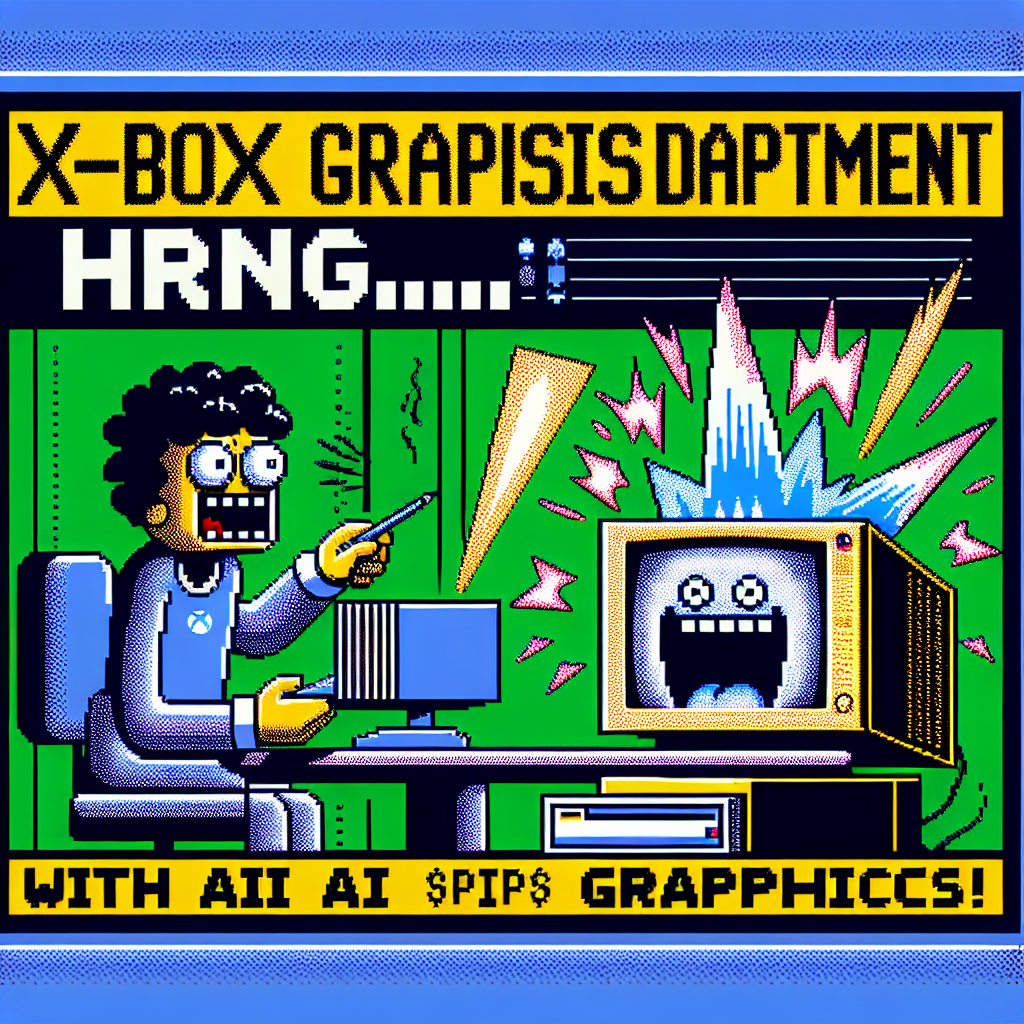
In the ever-evolving world of gaming, tech giants like Xbox are constantly on the lookout for fresh talent to push the boundaries of innovation. However, sometimes the methods of reaching out to potential candidates can be, well, a little unconventional. Enter the recent LinkedIn escapade by Xbox's principal development lead: a job posting accompanied by what can only be described as a cringey, AI-generated graphic.

The Curious Case of the AI Graphic


For those who haven't seen it yet, the LinkedIn post in question featured a rather awkwardly designed graphic, likely churned out by an AI tool. While AI has made leaps and bounds in fields like natural language processing and even art, this particular graphic seemed to miss the mark, drawing chuckles and raised eyebrows from the gaming community and beyond.

The use of AI in creating graphics isn't new—many companies utilize AI tools for design to save time and resources. However, this incident reminds us that while AI can be a powerful ally, its creations can sometimes lack the human touch needed for certain contexts. After all, there's a reason why some art still makes us feel something deeply human, a feat not easily replicated by algorithms.

The Man Behind the Post


The mastermind behind this LinkedIn post is Xbox's principal development lead, a position that requires a keen eye for talent and a vision for the future of gaming. While this instance may have been a swing and a miss, it's important to note that the lead's role is pivotal in shaping the gaming experiences millions enjoy worldwide. Everyone has their off days, and the gaming world wouldn't be what it is without taking a few creative risks along the way.

AI: The Double-Edged Sword


This incident is not isolated in the tech world. AI's integration into various sectors has been both celebrated and critiqued. Just look at the recent controversy surrounding AI-generated art in the traditional art world, sparking debates about originality and creativity. Similarly, in recruitment, AI tools have been used to screen resumes and even conduct initial interviews, raising questions about bias and the loss of personal touch.

Moreover, AI's foray into the gaming industry isn't just limited to graphics or recruitment. AI-driven NPCs, procedural content generation, and real-time physics calculations are already revolutionizing how games are developed and played. However, as this incident shows, the technology still requires human oversight to fully realize its potential.

A Final Thought


In a world increasingly driven by artificial intelligence, this LinkedIn post serves as a humorous reminder of the technology's limitations. While AI can assist in numerous ways, the human element remains irreplaceable—especially in fields that thrive on creativity and personal connection. As Xbox continues its search for top talent, here's hoping that the next job announcement features a graphic that showcases both technological prowess and a touch of human artistry.

Let's keep our fingers crossed for a future where AI complements rather than complicates our efforts to connect with each other. After all, in the world of gaming and beyond, it's the human stories that truly captivate us.

Read more about AI in Business

Read more about Latest Sports Trends

Read more about Technology Innovations