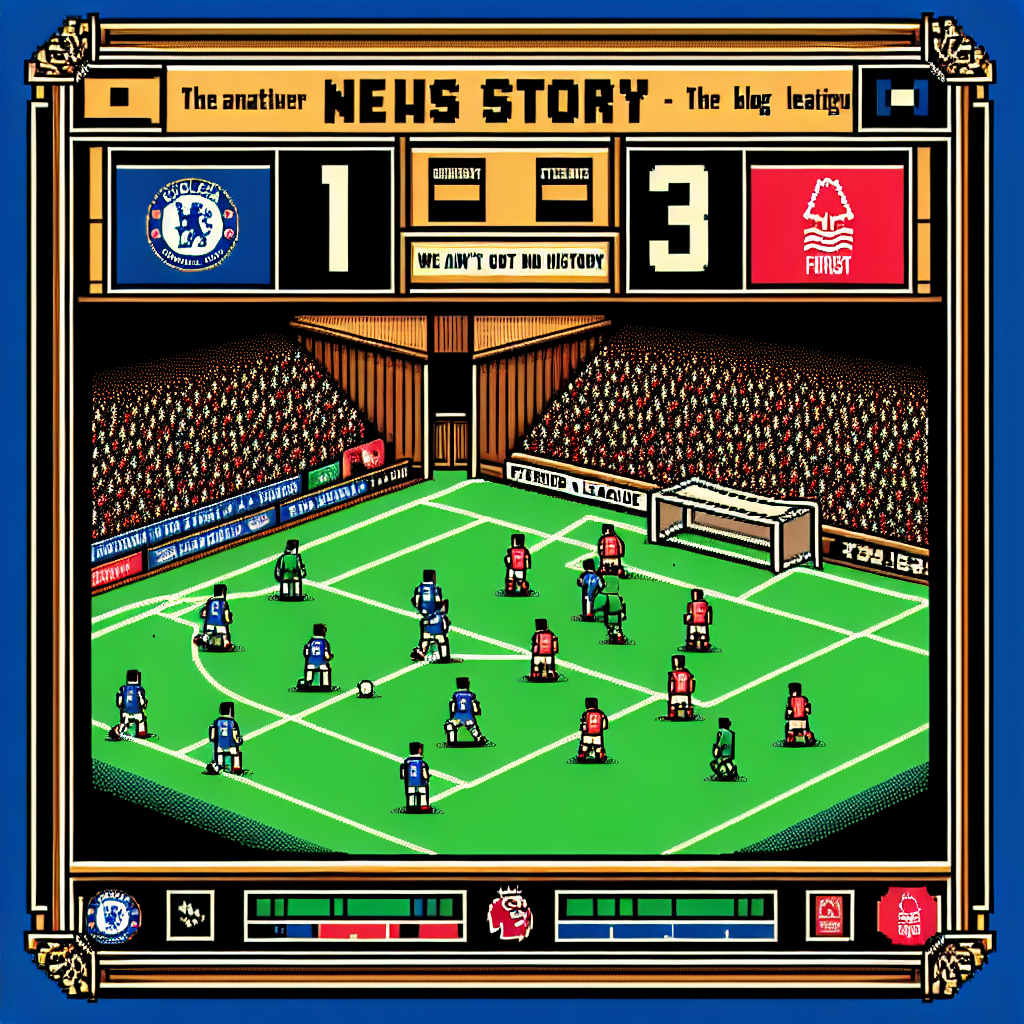
We might be cursed: Stamford Bridge, nightmares and a 1-3 defeat that stings
Something about Monday night felt poisonous. Stamford Bridge — a ground that’s seen glory and gut punches — watched Chelsea lose 1-3 to Nottingham Forest, and as fans spilled out disbelief into the London drizzle you could almost hear the chant of inevitability: we might be cursed. The phrase captured the mood perfectly — a mix of frustration, bewilderment and the sort of dark humour supporters use when things go from bad to bizarre.
This blog digs into why this result feels more than just three missed points. We’ll look at the match, the wider context for Chelsea’s season, and why the “cursed” theory has traction right now.
How the game turned: simple yet savage
Chelsea came into the match with rotation and questions. Nottingham Forest, with real survival stakes, played like a team with nothing to lose. The early moments told the story: Forest’s Bakwa whipped a perfect cross and Taiwo Awoniyi peeled off his marker to head home — clinical and clean. Suddenly Chelsea were chasing.
Awoniyi’s brace and a later Igor Jesus strike gave Forest a two-goal cushion they’d defend doggedly. Chelsea’s consolation — João Pedro late on — felt like cold comfort. Moments that should have shifted momentum against Forest instead went awry: Enzo Fernández hit the post, Cole Palmer missed a penalty, and defensive moments were poorly defended at the back post. Small margins, big consequences. (Match coverage and reaction provide details and player ratings.) (skysports.com)
Why “we might be cursed” isn’t just theatrics
Losses happen. But a few patterns amplify that dread:
- Repetition of the same failings: defensive lapses in set or cross situations, stalled attacking rhythms, and late-game mental lapses have become recurring headlines.
- Important moments go the wrong way: woodwork, penalties missed, offside whistles — all at times when a swing could have helped. Those events stack and feed the narrative of bad luck.
- Fan psychology: when a club with Chelsea’s history drops results like this, supporters look for patterns (and scapegoats). “Cursed” is shorthand for systemic issues — chaotic management, shaky recruitment, or tactical confusion.
Watching Forest treat Stamford Bridge like any away pitch and leave with three points fuels that feeling. The result wasn’t a fluke isolated to one bad half — it reflected broader instability across a season. (goal.com)
Tactical cracks exposed
Chelsea’s setup showed good intentions but poor execution. Some of the recurring tactical issues stood out:
- Vulnerability to crosses: Forest exploited the back post repeatedly. Defending those moments is a mix of coordination and will — both looked absent. (skysports.com)
- Lack of control in midfield: Without consistent control, Chelsea were predictable. When Enzo had a sight of goal the frame denied them; elsewhere the team struggled to string pressure together. (skysports.com)
- Rotational headaches: With changes for fixture congestion, cohesion suffered. Debutants and rotated players didn’t knit into a functioning whole, so moments of brilliance from individuals were not enough.
These are fixable problems — but they require a steady plan and clear leadership. Short-term motivational speeches don’t rewrite structural problems.
The fan reaction and the narrative of doom
Fans responded with a mixture of anger, sorrow and gallows humour. Social feeds were awash with disbelief: booing at full-time, memes about the club’s decisions, and chants that blended nostalgia with fury. The “we might be cursed” line spread because it captured something wider than this single defeat: the sense that decisions off the pitch are producing results on it.
That perception matters. Club morale, public confidence and player psychology are mutually reinforcing. When supporters believe the club is adrift, those narratives leak into media and can even affect player performance. It becomes harder to break the cycle. (reddit.com)
What this means for the rest of the season
Pause and breathe: one loss doesn’t end seasons, but its timing can be toxic. A home defeat like this:
- Damages hopes of a top finish or European qualification.
- Puts pressure on the manager and the board if the results pattern continues.
- Forces tactical and squad reassessments before the summer.
If ownership and coaching staff respond with coherent fixes — clear transfer targets, tactical clarity, and a commitment to stability — this can be a wake-up call rather than a crisis. If not, the “cursed” vibe hardens into institutional rot.
Takeaways from a messy night
- Momentum and intent mattered: Forest played with survival-level focus; Chelsea did not match that intensity.
- Small margins defined the match: woodwork, a missed penalty and poor defensive reads amplified the scoreboard.
- The story is systemic: repeated patterns this season make the loss feel like more than bad luck.
My take
“We might be cursed” is a dramatic but useful shorthand. It captures emotions when fans see the same mistakes over and over. But luck only explains so much. What’s most worrying is the repeatability of these errors — tactical confusion, poor defending of crosses, and moments where the team looks short on belief.
Fixing this requires clarity and consistency: a tactical identity that players understand, smarter game management, and recruitment that addresses real weaknesses. Fans might use the curse line to cope, but the cures are mundane and managerial.
Final thoughts
Football has a way of turning narratives on their head in weeks: confidence can return, and a run of form can make this loss a blip. Equally, inertia and poor decision-making can make the same pattern persist. For Chelsea, the urgent task is to turn the “we might be cursed” chat into a list of concrete fixes — one training session, one clear instruction, one transfer at a time. Until then, Stamford Bridge will feel prickly after nights like this.
Sources
- Chelsea 1 – 3 N Forest – Match Report & Highlights. Sky Sports. https://www.skysports.com/football/chelsea-vs-nottingham-forest/report/531473. (skysports.com)
- Chelsea 1-3 Nottingham Forest: Sorry Blues embarrassed as Forest edge closer to safety. NBC Sports. https://www.nbcsports.com/chelsea-vs-nottingham-forest-live-updates-score-highlights-stats-watch. (nbcsports.com)
- Chelsea player ratings vs Nottingham Forest: Cole Palmer and Marc Cucurella produce shameful showings as abysmal Blues embarrassed yet again to end top-five hopes. Goal. https://www.goal.com/en/lists/chelsea-player-ratings-nottingham-forest-premier-league-cole-palmer-marc-cucurella/blt6dfbec98aa6c9810. (goal.com)
- Chelsea vs Nottingham Forest Player Ratings: Taiwo Awoniyi 9.0/10 Brace Destroys Chelsea as Forest Secure Vital Survival Win at Stamford Bridge. SportsDunia. https://www.sportsdunia.com/football-ratings/chelsea-vs-nottingham-forest-player-ratings-premier-league-4th-may-2026. (sportsdunia.com)
Related update: We recently published an article that expands on this topic: read the latest post.
Related update: We recently published an article that expands on this topic: read the latest post.