Marina F1 Free-Run: Spectacle and Mayhem | Analysis by Brian Moineau

When a Free F1 Showrun Became a Neighborhood Free-for-All

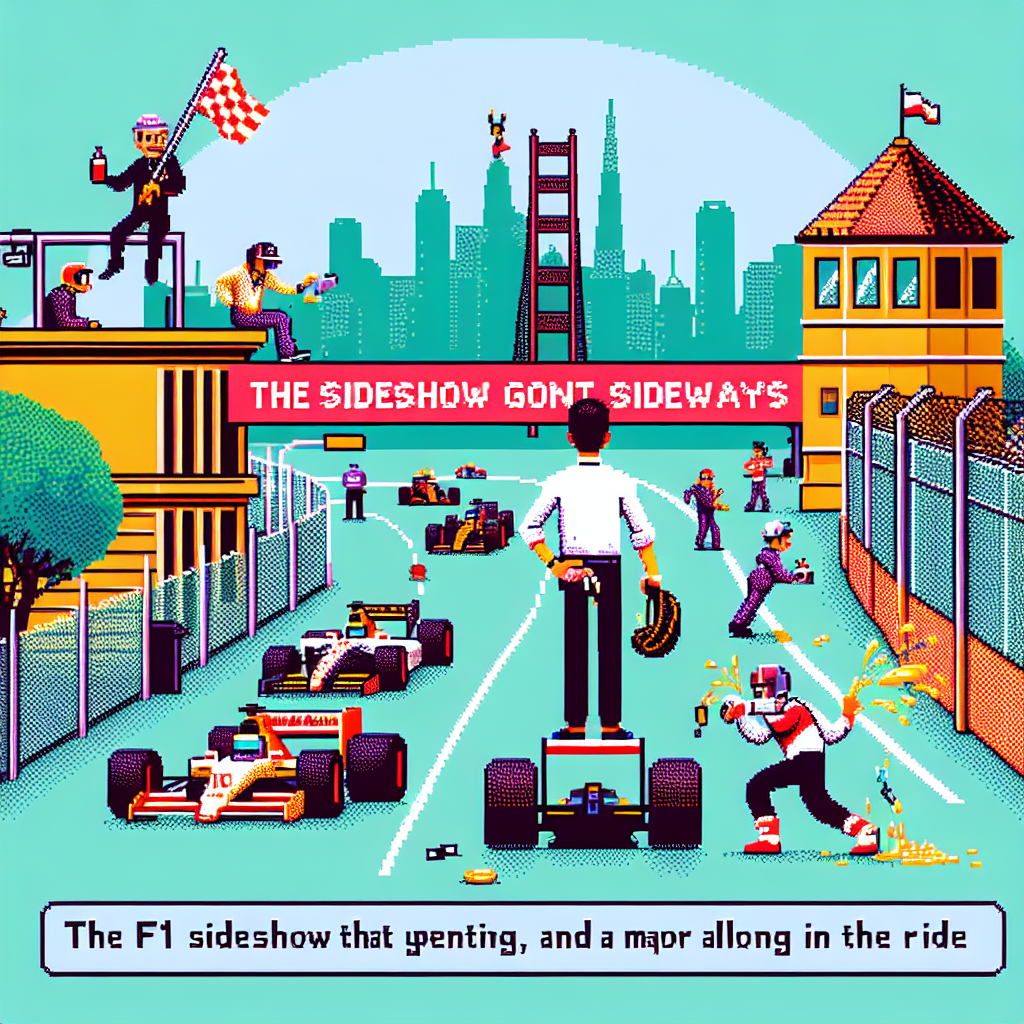
The roar of an F1 engine turned a Sunday in the Marina into a magnet for tens of thousands — and for a few hours the neighborhood looked less like a carefully managed showcase and more like the edges of a music festival that never got its permits. Red Bull’s free Showrun on February 21, 2026, delivered high-speed spectacle and social-media moments: donuts, skids, and an extra helping of chaos as people climbed roofs, trespassed onto private property, and — yes — urinated in yards. San Francisco police ultimately reported no arrests and called the event “extremely safe,” but neighbors’ accounts and local reporting tell a messier story about planning, public space, and how cities host blockbuster events.

Why everyone showed up (and why that matters)

  • Free access + Formula 1 hype = huge turnout. The Red Bull Showrun in the Marina was advertised as an open, public showcase featuring real F1 cars and drivers, which lowered barriers for attendance and raised expectations for spectacle.
  • The Marina is visually perfect for an F1 promo: waterfront views, a straight stretch of road (Marina Blvd.), and dense urban population nearby. That makes it attractive for organizers — and irresistible for thousands of onlookers.
  • What was missing was infrastructure: elevated viewing platforms, adequate restroom and trash facilities, clear crowd flows, and more visible, active crowd control — all the details that turn a pop-up spectacle into a safely run public event.

Neighborhood accounts vs. official line

  • Residents describe roof-climbing, trampling of landscaping, broken tiles and planters, damaged windows, and people relieving themselves on private property. Multiple accounts to local outlets said the scale of the crowd overwhelmed nearby streets and left behind visible damage. (sfstandard.com)
  • SFPD’s public statement to The San Francisco Standard: “Overall, the event was extremely safe, and there were no major public safety incidents.” The department said it responded to calls but made no arrests. That contrast — a calm official assessment versus vivid resident complaints — is at the heart of the controversy. (sfstandard.com)
  • Social media and neighborhood threads amplified the sense that planning and resource allocation were insufficient: limited policing presence at critical choke points, overwhelmed cell service, and a lack of amenities and signage. (reddit.com)

The mayor’s role and optics

  • Mayor Daniel Lurie donned a branded suit and appeared in promotional clips, a move some called a PR-friendly photo op. He later characterized such disruptions as part of the city’s comeback momentum. That framing — prioritize big events and accept some inconveniences — sits uneasily with residents who faced property damage and sanitation issues. (sfstandard.com)
  • When city officials embrace headline events, they also inherit responsibility for ensuring public-safety planning and neighborhood protections. The lack of clear pre-event coordination and post-event accountability has drawn criticism from local supervisors and community leaders. (sfstandard.com)

What went wrong — and what could have helped

  • Insufficient crowd management: no visible, phased entry points or dedicated bleachers meant people improvised with ladders, signs, balconies, and roofs.
  • Not enough public services: portable toilets, trash capacity, first-aid stations, and on-the-ground marshals were reportedly minimal or poorly signposted.
  • Communications and coordination gaps: residents said they received little advance notice and saw a limited on-site presence of city leadership directing logistics.
  • Traffic and emergency access: gridlock stretched across multiple neighborhoods, raising real concerns about ambulance access and urgent response capability. (axios.com)

Takeaway bullets

  • The formula for a successful free public spectacle requires as much logistics as it does hype — sightlines, sanitation, crowd flows, and emergency planning matter.
  • Official assessments that focus on arrests or major incidents don’t always capture the everyday harms neighbors experience (property damage, unsanitary conditions, feeling unheard).
  • High-profile events offer civic benefits — economic activity, tourism, global visibility — but those must be balanced with advance planning and local protections.
  • City leaders and promoters share responsibility: one provides the platform and visibility, the other must ensure the neighborhood survives the afterparty intact.

My take

Large-scale urban events are a test of civic muscle. The Marina Showrun proved that excitement and spectacle are easy to manufacture; the harder part is engineering for tens of thousands of unpredictable humans in a tight space. Calling the day “extremely safe” because there were no arrests feels incomplete. Safety isn’t just arrests avoided — it’s protecting property, ensuring sanitary conditions, preserving access for emergencies, and leaving neighborhoods as intact as they were before the party.

If San Francisco wants the benefits of world-class, headline-making events, the city needs to match that ambition with event infrastructure: meaningful advance coordination with neighbors, clear sightline solutions (paid or free elevated platforms), designated stewarding crews, and contingencies for crowd overflow. Otherwise the story repeats: thrillers on camera, headaches at home.

Sources


Related update: We recently published an article that expands on this topic: read the latest post.
Related update: We recently published an article that expands on this topic: read the latest post.

Related update: We recently published an article that expands on this topic: read the latest post.
Verstappen Reveals Secret 2026 Mustang | Analysis by Brian Moineau

When Max Verstappen Unveiled a Mustang No One Expected to See

Tucked into a glossy Red Bull YouTube special celebrating 100 years of Ford racing, there was a moment that felt equal parts movie trailer and automotive mic drop. Around the halfway mark, Max Verstappen—helmet off, in full race kit—climbs into a car labeled the "2026 Ford Mustang Dark Horse SC" and proceeds to lay down lap after lap, the car’s supercharger whine threading through the soundtrack. It wasn’t just a cameo; it was a public reveal of a Mustang variant that Ford hadn’t formally introduced yet. For lovers of loud V‑8s, racing theatre, and automotive Easter eggs, that 12‑minute reveal was delicious.

Why this moment matters

  • Red Bull and Ford are partners in a high‑visibility motorsport era (Ford joins Red Bull as an F1 power unit partner in 2026), so this cameo reads as more than a stunt—it’s cross‑promotion at scale.
  • The Dark Horse name has been Ford’s newer performance halo, and the SC suffix (strongly implied to mean “supercharged”) hints at a top‑tier, track‑focused Mustang that could replace or succeed the spirit of the old Shelby GT500 without using the Shelby badge.
  • Using Max Verstappen—arguably the most watched driver in modern motorsport—to debut the car instantly links Ford’s street performance story to the world’s highest level of racing.

The scene: what the video actually showed

  • Red Bull posted a roughly 24‑minute video chronicling Ford Racing’s history. At about the 12‑minute mark, Verstappen is shown driving the dark, aggressive Mustang identified on screen as the 2026 Ford Mustang Dark Horse SC. (roadandtrack.com)
  • Visual cues: large vented hood, prominent rear wing, widened fenders, low stance and race‑oriented aero—more aggressive than the standard Dark Horse. Audio cues: an unmistakable supercharger whine on acceleration. (carscoops.com)
  • Ford’s on‑brand copy in teasers described it as “the most advanced, powerful, and track‑capable Dark Horse ever,” but detailed specs, pricing, and full official reveal timing were still to come when the video surfaced. (roadandtrack.com)

Putting the Dark Horse SC in context

  • The Dark Horse family: Ford expanded Mustang options in recent years with the Dark Horse as a performance line distinct from traditional Shelby fare. The automaker appears to be building Dark Horse into a broader performance sub‑brand that emphasizes racing DNA while keeping Shelby separate for now. (roadandtrack.com)
  • Powertrain expectations: the SC is widely believed to use a supercharged V‑8—possibly a 5.2‑liter Predator variant or a supercharged 5.0 with heavy rework—placing it between the regular Dark Horse and the limited, GTD‑level supercar aspirants. Rumors and audio evidence point toward north‑of‑700 horsepower territory for this model. (caranddriver.com)
  • Market positioning: If the SC truly sits between the base Dark Horse and the GTD, Ford gains a performance halo that can attract track enthusiasts who want a near‑supercar experience without boutique pricing. It also preserves Shelby heritage while creating a new, modernized performance identity.

Why Red Bull’s platform was a smart play

  • Reach and spectacle: Red Bull’s YouTube audience is massive and skewed toward motorsport fans; unveiling a new Mustang variant there amplifies buzz faster than a traditional press release.
  • Crossovers sell: Verstappen driving a street‑legal (but track‑focused) Mustang creates an aspirational bridge—viewers feel the connection between F1 performance and road cars. That narrative benefits both Ford (brand excitement) and Red Bull (cultural relevance outside F1). (roadandtrack.com)
  • Teasing instead of telling: Dropping the car into a heritage reel invites speculation, social media dissection, and earned coverage—exactly what happened across automotive press the next day.

What to watch for next

  • Official Ford reveal: teasers suggest a formal unveiling and more concrete specs will follow (Ford had scheduled Season Launch events tied to its Ford Racing program). Keep an eye on Ford’s January 2026 rollout for confirmation of power, weight, and production plans. (fordmuscle.com)
  • Production run and variants: will the SC be a regular production model, a limited special, or spawn Track Pack editions? Early reporting hints at Track Pack options and special editions for enthusiasts. (roadandtrack.com)
  • Pricing and competition: if the Dark Horse SC lands where many expect (supercharged V‑8, high 600s–800s hp potential), it will be pitched against extreme pony‑car rivals and even some European sport coupes—an interesting value proposition if priced smartly.

Takeaways for gearheads and casual readers

  • The Red Bull video was a clever, theatrical reveal: using Verstappen gave the Mustang SC instant headline value and a performance pedigree by association. (roadandtrack.com)
  • The Dark Horse SC appears to be Ford’s answer to the need for a modern, track‑focused Mustang with supercharged power—positioned between the standard Dark Horse and the GTD halo models. (caranddriver.com)
  • Expect official numbers and more detailed materials from Ford soon—this was an appetizing teaser, not the full meal.

My take

Car reveals used to happen on static stages or at motor shows. Dropping a near‑production, race‑bred Mustang into a Red Bull video with Max Verstappen is the exact opposite: kinetic, viral, and delightfully irreverent. It signals how legacy automakers are leaning on cultural moments and motorsport cachet to make big product statements. If Ford backs the Dark Horse SC with the expected engineering, it could be a brilliantly positioned halo car that sounds as good as it looks—and that, these days, matters almost as much as raw horsepower.

Sources


Related update: We recently published an article that expands on this topic: read the latest post.

Las Vegas GP Night Race: Stats & Strategy | Analysis by Brian Moineau

Neon, brakes and big-picture drama: why Las Vegas matters for the 2025 finale

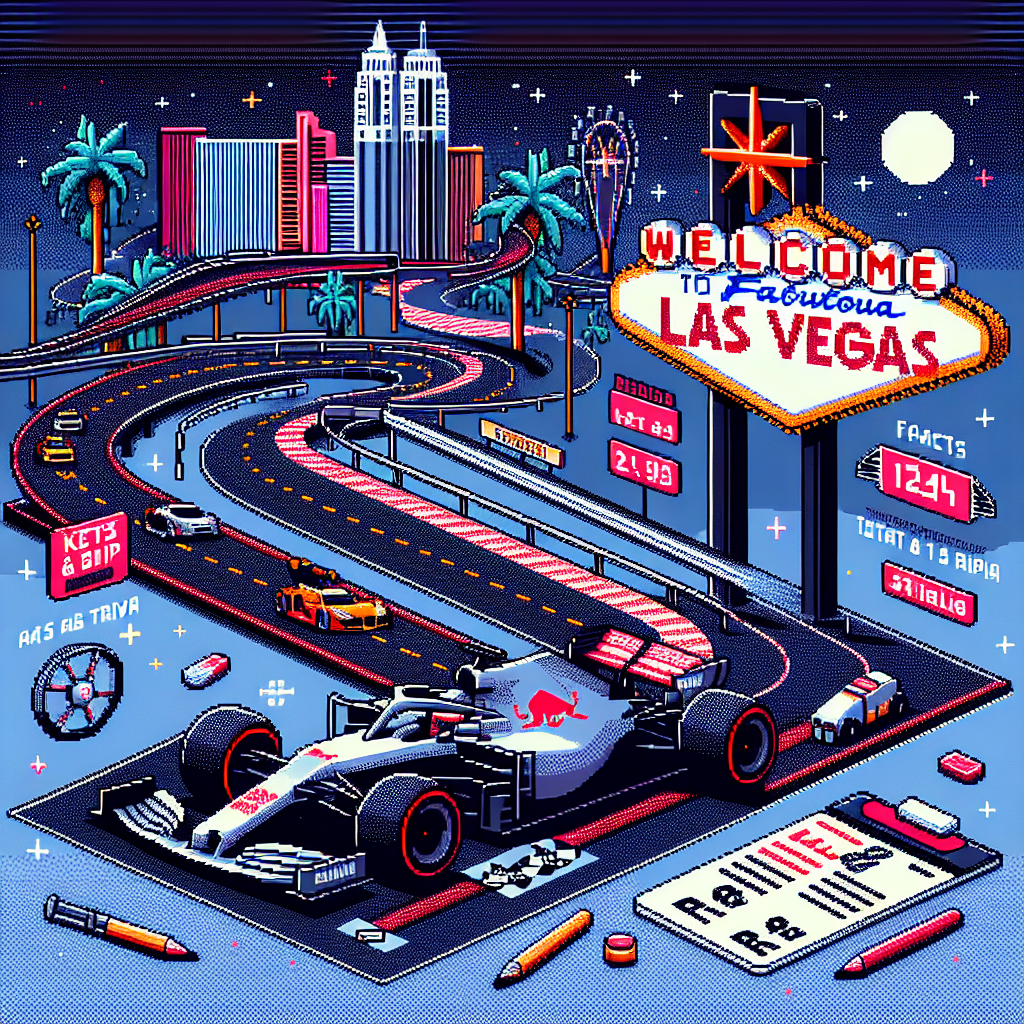
There’s something intoxicating about a street circuit that runs down the Strip: the lights, the straights that make your stomach drop, and the knowledge that one small mistake can echo through an entire championship. The 2025 Las Vegas Grand Prix arrives as the first race of the season’s final triple-header, and it’s built to serve fireworks — on-track and in the standings. This guide walks through the stats, the setup, and the tactical thinking you’ll see under the neon for the Las Vegas night race.

Snapshot — what to watch this weekend

  • Date and format: Las Vegas is a night race on the 6.201 km Las Vegas Strip Circuit. Free Practice 1 and 2 are scheduled for Thursday evening (Nov 20), FP3 and Qualifying on Friday (Nov 21), and the 50-lap Grand Prix on Saturday (Nov 22). (formula1.com)
  • Race position in season: Round 22 of a 24-race calendar — the start of the final triple-header (Las Vegas → Qatar → Abu Dhabi). (formula1.com)
  • Key championship context: Lando Norris arrives in form after back-to-back poles and wins; there are still 83 points available across the three remaining events, so the title fight is alive. (formula1.com)

Quick facts that shape the weekend

  • Track length: 6.201 km — one of the longest on the calendar. (formula1.com)
  • Lap record: 1:34.876 (Lando Norris, McLaren, 2024). (formula1.com)
  • Safety Car and VSC probabilities: listed high (both around 50%), reflecting the tight walls and potential street-circuit incidents. (formula1.com)
  • Typical pit-stop time loss: ~20 seconds (including the stationary 2.5s). (formula1.com)

These numbers aren’t trivia — they’re the inputs teams use when deciding how aggressive to be on tyre choice, fuel load and overtaking strategy.

What the drivers and engineers will be sweating

  • Tyre warm-up: cold evening air plus long straights makes bringing tyres into the working window hard — especially for qualifying laps. Pirelli and the teams stress tyre warm-up and management as the main challenge. Short prep laps before a flying lap become invaluable. (formula1.com)
  • Low downforce demand: the long straights encourage trimmed setups, which increases the car’s sensitivity and makes braking zones trickier; traction out of corners becomes paramount. (formula1.com)
  • Braking hotspots: Turn 6→7 and Turn 12 were highlighted as heavy-braking, make-or-break areas where locking up or poor exits cost big time. Expect drivers to sacrifice apexes for exit speed. (formula1.com)
  • Track surface & street-circuit quirks: manhole covers and surface transitions are not theoretical — the Las Vegas layout has produced sessions disrupted by shifting covers in past events, and teams will be hyper-aware of debris and kerb behaviour. (Event-day reporting from practice sessions has shown such risks remain real.) (talksport.com)

Strategy primers — how the race could play out

  • One-stop vs. two-stop: with a 20s pit loss and relatively high straight-line speed, teams will weigh degraded grip vs. track position. If tyre degradation is moderate (as Pirelli’s C3–C5 selection and compound updates suggest), a one-stop is feasible — but safety car interruptions or graining could force strategies to diverge. (formula1.com)
  • Qualifying premium: the difficulty warming tyres for a hot lap makes qualifying position extra valuable — a clean run is worth more here than at many permanent circuits. Expect high emphasis on nailing the final run in Q3. (formula1.com)
  • Safety car leverage: given the elevated SC/VSC probabilities, opportunistic pit stops under neutralized conditions could reshuffle the order. Teams will have contingency plans to exploit any mid-race interruption. (formula1.com)

Drivers and teams to keep an eye on

  • Lando Norris / McLaren: hot form heading in; if McLaren can nail qualifying and manage tyres into the race, Norris will be the benchmark. (formula1.com)
  • Oscar Piastri / McLaren: close in the fight but inconsistent recently — a weekend swing for or against him could decide the title. (formula1.com)
  • Max Verstappen / Red Bull: out of the lead by points but still supremely dangerous — Red Bull will chase race pace and strategy to claw ground back. (formula1.com)
  • Mercedes and Ferrari: fighting for P2 in the constructors’ table; Las Vegas could offer a big pay-off if they balance performance with reliability and risk management. (formula1.com)

Race-day narrative threads to watch

  • Can tyre upgrades and compound choices reduce last year’s graining and allow more aggressive strategies? Pirelli’s notes suggest improved mechanical properties in the 2025 tyres, which could make medium compounds more viable. (formula1.com)
  • Who handles the cold-track tyre window better at night? The sessions are running earlier this year, which should slightly ease cold conditions — but cold remains a limiter. (formula1.com)
  • How teams respond to on-track disruptions (manhole covers, debris, safety cars) will reveal operational strength. Quick decisions under caution could swing the race. Recent practice interruptions underline this fragile element. (talksport.com)

What the numbers suggest about the championship

  • With 83 points left across three events, nothing’s settled. A strong Las Vegas haul could put a driver on the verge of sealing the title in Qatar or Abu Dhabi; a poor weekend and the pendulum swings the other way. Expect calculated aggression from those who need to claw points back. (formula1.com)

My take

Las Vegas is a cocktail of extremes: raw speed down the Strip married to the unforgiving intimacy of a street track. That mix rewards the precise, punishes the overeager, and creates strategic chaos when the safety car comes out — which it often will. For fans, that makes for one of the most entertaining and consequential rounds of the year: expect drama, late-race gambits, and a championship narrative that could be rewritten under neon.

Sources


Related update: We recently published an article that expands on this topic: read the latest post.


Related update: We recently published an article that expands on this topic: read the latest post.

Red Bull team principal Christian Horner fired after 20 years with team – CNN | Analysis by Brian Moineau

Red Bull team principal Christian Horner fired after 20 years with team - CNN | Analysis by Brian Moineau

Title: Shifting Gears: The End of an Era for Red Bull Racing and Christian Horner

In a surprising turn of events that has left the motorsport world abuzz, Christian Horner, a stalwart of Red Bull Racing, has been dismissed from his role as team principal after a remarkable two-decade tenure. This news, confirmed by a team spokesperson to CNN Sports, marks the end of an era for the team and the man who has been a pivotal figure in its rise to prominence in Formula 1.

Horner's journey with Red Bull Racing reads like a script from a high-octane sports drama. Joining the team in 2005, he was the youngest team principal in the paddock at the time, just 31 years old. Under his leadership, Red Bull transformed from a plucky underdog into a dominant force, clinching four consecutive Constructors' Championships between 2010 and 2013. Drivers like Sebastian Vettel and Max Verstappen flourished under his guidance, with Vettel securing four Drivers' Championships during those golden years.

In many ways, Horner's story parallels other high-profile leadership changes in the sporting world. Consider the recent shift at FC Barcelona, where club icon Lionel Messi's departure not only signaled the end of an era but also forced the club into a new chapter of rebuilding. Similarly, Horner's exit might signify a period of recalibration for Red Bull Racing—a chance to innovate and adapt in the fast-evolving landscape of Formula 1.

Horner's influence extended beyond the racetrack. Known for his charismatic yet sometimes controversial presence, he was often a prominent voice in paddock politics, sparring with rivals like Mercedes' Toto Wolff. Yet, his passion for the sport and his team was never in doubt. As Red Bull now looks to the future, it will be interesting to see who steps into the void left by Horner's departure.

In the broader context, Horner's firing is a reminder of the relentless pace of change in sports and beyond. Just as tech companies pivot and evolve with market demands, sports teams must also adapt to remain competitive. Red Bull's decision might be driven by the need to inject fresh energy and ideas into the team as Formula 1 heads into a new era with evolving regulations and a growing emphasis on sustainability.

As we witness this seismic shift, one can draw parallels with other industries where leadership changes often herald new directions and strategies. The automotive industry, for instance, is undergoing its own transformation with the rise of electric vehicles and autonomous driving technologies. Similarly, Red Bull Racing might seek to innovate and redefine itself in the post-Horner era, balancing its rich legacy with the need to embrace the future.

In conclusion, while Christian Horner's departure marks the end of a significant chapter in Red Bull Racing's history, it also opens the door to new possibilities. As fans and analysts alike speculate on what comes next, one thing is certain: the world of Formula 1, much like life itself, is ever-evolving, full of unexpected turns and thrilling challenges. Here's to the next chapter in the high-speed saga of Red Bull Racing—may it be as exhilarating as the last.

Read more about AI in Business

Read more about Latest Sports Trends

Read more about Technology Innovations

Our impressions from Tsunoda’s first public Red Bull appearance – The Race | Analysis by Brian Moineau

Our impressions from Tsunoda's first public Red Bull appearance - The Race | Analysis by Brian Moineau

Revving Up with Yuki Tsunoda: A New Chapter at Red Bull Racing

The world of Formula 1 is a thrilling, high-octane spectacle that never fails to deliver drama, speed, and a touch of glamour. Recently, the buzz surrounding Yuki Tsunoda's first public appearance as a Red Bull F1 driver at the Honda Welcome Plaza added a fresh layer of excitement to the sport. Our friend Luke Hinsull, The Race’s Video Production Manager, was on the ground to capture the vibe, and it was nothing short of electric.

Yuki Tsunoda: The Rising Star

Yuki Tsunoda, a name that has quickly risen through the ranks of motorsport, is no stranger to the spotlight. Born in Sagamihara, Japan, Tsunoda has been an inspiring figure in F1 since his debut with AlphaTauri in 2021. His aggressive driving style and fearless approach have earned him a reputation as one of the most promising talents on the grid. Now, with his new role at Red Bull Racing, Tsunoda is poised to take his career to the next level.

This transition is not just a personal achievement for Tsunoda but also a significant moment for Japanese motorsport. Having a Japanese driver in a top F1 team resonates deeply with fans in Japan and across the globe, as it rekindles memories of past legends like Takuma Sato and Kamui Kobayashi.

A Celebration of Culture and Motorsport

Tsunoda’s debut appearance at Honda's Welcome Plaza wasn’t just a routine introduction. It was a celebration of Japanese culture and engineering excellence. The Honda Connection adds a layer of heritage and pride, considering Honda’s storied history and success in F1. It's a partnership that makes Tsunoda's move to Red Bull even more symbolic.

The atmosphere was charged with anticipation and excitement, as fans and media gathered to witness this pivotal moment. Tsunoda, with his characteristic humility and charm, engaged with the crowd, reflecting the values that have endeared him to fans worldwide.

A Global Motorsport Phenomenon

Connecting this event to the broader landscape of motorsport, we can observe a growing trend in the global appeal of F1. With Netflix's "Drive to Survive" creating a new wave of F1 enthusiasts, the sport is experiencing a renaissance. The series has brought the personalities of drivers like Tsunoda into the living rooms of millions, showcasing not just their skills on the track but their stories and struggles off it.

Moreover, the focus on sustainable racing and technological innovation in F1 mirrors global trends. As the world shifts towards electric vehicles and eco-friendly technologies, F1 races ahead with hybrid engines and a pledge to become net-zero by 2030. This progressiveness aligns with Honda’s own commitment to sustainability, making Tsunoda’s Red Bull debut at their venue even more fitting.

A Final Lap: The Road Ahead for Tsunoda

As Yuki Tsunoda steps into his new role with Red Bull Racing, the motorsport world watches with bated breath. His journey is not just about racing but breaking barriers and inspiring a new generation of fans. With his talent and determination, the sky's the limit for what he can achieve.

In the ever-evolving world of F1, Tsunoda's story is a reminder of the excitement and unpredictability that make the sport so captivating. We look forward to seeing how his career unfolds and the impact he will undoubtedly have, both on and off the track. Whether you're a seasoned F1 fan or a newcomer to the sport, Yuki Tsunoda is a name to keep an eye on as he races towards greatness.

For the latest updates and to catch a glimpse of Tsunoda in action, check out [The Race's coverage](https://the-race.com) and stay tuned for more thrilling moments in the world of Formula 1!

Read more about AI in Business

Read more about Latest Sports Trends

Read more about Technology Innovations

Liam Lawson moving up at Red Bull | Generated by Blogacular


Liam Lawson’s Ascent: A New Chapter at Red Bull Racing

In the high-octane world of Formula 1, where milliseconds determine fate and fortune, the emergence of young talent is both a spectacle and a strategic necessity. Liam Lawson, the promising New Zealand driver, has recently made headlines with his pivotal promotion in the Red Bull Racing hierarchy. This development not only highlights Lawson’s burgeoning potential but also underscores Red Bull’s commitment to nurturing future champions.


The Journey to the Pinnacle

Liam Lawson’s journey to prominence is a testament to his relentless dedication and remarkable skill set. Having honed his craft in the Formula 2 circuit, Lawson has consistently demonstrated a rare blend of technical acumen and racing instinct. His performances have not only caught the eye of talent scouts but have also resonated with a global audience eager for the next generation of racing stars.

Lawson’s progression within the Red Bull Racing ecosystem is a strategic move that aligns with the team’s broader vision. Red Bull has a storied history of identifying and cultivating young talent, a philosophy that has yielded multiple world champions. Lawson’s elevation is a continuation of this tradition, reflecting the team’s confidence in his ability to deliver under pressure.


Technical Proficiency and Adaptability

One of Lawson’s standout attributes is his technical proficiency. In a sport where car setup and tire management can make or break a race, Lawson’s meticulous approach to these elements has set him apart from his contemporaries. His ability to adapt to different track conditions and optimize performance under varying circumstances is indicative of a seasoned driver well beyond his years.

Moreover, Lawson’s adaptability extends beyond the technical realm. His seamless transition from Formula 2 to the more demanding environment of Formula 1 is a testament to his mental fortitude and resilience. Lawson has shown an impressive capacity to learn and evolve, absorbing feedback and implementing it with precision—an essential trait for success at the highest level of motorsport.


The Strategic Implications for Red Bull

Red Bull Racing’s decision to elevate Lawson is not merely a gamble on potential; it is a calculated investment in the future. With seasoned drivers like Max Verstappen setting the benchmark, Lawson’s integration into the team dynamics offers a fresh perspective and an opportunity for growth. His presence adds depth to the team’s lineup, ensuring a robust competitive edge.

From a strategic standpoint, Lawson’s promotion is also a signal to the wider racing community. It underscores Red Bull’s commitment to innovation and excellence, reinforcing their position as a leader in developing racing talent. This move could potentially inspire other teams to revisit their talent development strategies, fostering a competitive environment that benefits the sport as a whole.


A Thoughtful Conclusion

As Liam Lawson embarks on this new chapter with Red Bull Racing, the motorsport world watches with bated breath. His journey is emblematic of a broader narrative within Formula 1—a narrative where talent, opportunity, and strategic foresight intersect to shape the future of racing. Lawson’s ascent is not just a personal triumph; it is a reflection of the evolving dynamics of the sport, where young drivers are no longer mere prospects but pivotal agents of change.

In conclusion, Liam Lawson’s rise within Red Bull Racing is a harbinger of exciting possibilities. It challenges conventional wisdom, suggesting that the future of Formula 1 lies in the hands of the young, ambitious, and technically gifted. As Lawson takes to the track, the world will be watching, not just to witness his individual success, but to see how his journey influences the broader landscape of Formula 1. Whether he becomes a world champion or a catalyst for change, Lawson’s story is one of potential realized and possibilities yet to be explored.