Samsung Unpacked 2026: Phones as Partners | Analysis by Brian Moineau

A new chapter for Galaxy: what Samsung actually announced at Unpacked 2026

Samsung's Unpacked on February 25, 2026 landed like a weather front for mobile tech — not a single dramatic lightning strike, but a sweep of changes that together reframe what a smartphone can do. From the S26 Ultra's built-in Privacy Display to earbuds that talk back to AI and “agentic” assistants that act for you, this event wasn't just about specs. It was about shifting phones from reactive tools into proactive partners.

Below I break down the headlines, give the context you need, and share what the changes mean for privacy, daily workflows, and whether it's worth upgrading.

Quick snapshot

  • Event date: February 25, 2026 (Galaxy Unpacked, San Francisco).
  • Ships: Galaxy S26 series and Galaxy Buds4 line are slated to be available from March 11, 2026.
  • Themes: agentic AI (phones acting on your behalf), hardware privacy (Privacy Display), camera and performance refinements, and refreshed earbuds with tighter AI integration.

What matters most right now

  • Privacy Display: a hardware-layer privacy solution built into the S26 Ultra’s OLED that limits side viewing — useful in crowded places and for safeguarding on-screen data.
  • Agentic AI: Samsung positions Galaxy AI as more than assistants that answer questions; it will proactively perform tasks, leverage on-device Personal Data Engine (PDE), and work with partners like Google (Gemini) and Perplexity.
  • Buds4 and Buds4 Pro: redesigned earbuds with improved audio, new gesture and head controls, and closer integration with Galaxy AI.
  • Pricing and release: preorders opened after Unpacked; S26 series ships March 11, 2026 with U.S. pricing shifts (S26 and S26+ up $100 vs. predecessors; Ultra holds at $1,299 in the U.S., per reporting).

A few high-level takeaways

  • Privacy and AI are front-and-center, not afterthoughts.
  • Samsung is treating AI as infrastructure — deeply embedded, cross-device, and designed to act for you.
  • Hardware innovations (display tech, thermal design) support those AI ambitions by enabling sustained on-device processing.
  • The product lineup is evolutionary in many specs, but the platform changes (PDE, agentic features) create new user scenarios that may drive upgrades.

The Galaxy S26 series: subtle redesigns, big platform bets

  • Design and performance:
    • The S26 Ultra swaps titanium for lighter aluminum for better thermal control and adds a larger vapor chamber; Samsung claims significant NPU and CPU improvements for the Ultra’s custom AP. These changes are meant to sustain AI-heavy workloads on-device.
  • Cameras and displays:
    • Improvements in apertures, image processing, and a 200 MP main sensor on the Ultra continue Samsung’s push on computational photography. The Ultra keeps flagship camera capabilities (including 8K options) while adding a display technology that’s the real eye-catcher this year.
  • Privacy Display (S26 Ultra headline):
    • This is a display-integrated approach to “shoulder surfing”: when enabled the screen remains clear for the person directly in front of it but darkens or blacks out when viewed from the side. You can configure it per app or area (notifications/passwords), and there’s a “Maximum Privacy Protection” mode for especially sensitive content.
    • Importantly, this is hardware-level masking integrated into the OLED panel rather than a simple software filter — which reduces the chance of easy circumvention and preserves front-view clarity.
  • Pricing and availability:
    • Preorders followed Unpacked and shipping begins March 11, 2026. U.S. pricing shows S26 and S26+ up about $100 versus last year, while the Ultra stays around $1,299 (regional prices vary).

Why this matters: Samsung is answering two real user pain points — public privacy and AI usefulness — with hardware plus platform improvements. That combination is more compelling than incremental megapixel or battery gains alone.

Agentic AI: a phone that does more than answer

  • Agentic AI concept:
    • Samsung framed agentic AI as the phone taking action on your behalf: scheduling, summarizing conversations, searching and even completing tasks (via partnerships and Google Labs previews of Gemini 3).
  • Personal Data Engine (PDE) and security:
    • The PDE organizes on-device data so AI can use context sensibly, and Knox/KEEP/Knox Vault aim to isolate and protect that data. Samsung emphasizes that privacy/security sit at the architecture level.
  • Partners and assistants:
    • Galaxy devices will ship with multiple AI assistants available: Bixby, Google’s Gemini, and Perplexity (with “Hey Plex” wake-word support for Perplexity features).
  • Day-to-day features:
    • Examples shown include contextual nudges during chats (Now Nudge), natural-language photo edits (Photo Assist), multi-object Circle to Search, call screening and summaries, and proactive document scanning/cleanup.

Why this matters: agentic features are a step beyond voice queries. If executed well and securely, they could reduce friction — fewer taps, fewer app switches. The risk is user trust: people will need to feel confident the AI acts correctly and respects privacy boundaries.

Galaxy Buds4 and Buds4 Pro: tighter audio and smarter ears

  • Design and hardware:
    • A refreshed “blade” look, smaller earbud heads, IP54/IP57 dust-water ratings, and an 11 mm wide woofer in the Pro that increases speaker area and bass response.
  • AI and safety features:
    • Super Clear call quality, better ANC, siren detection that boosts ambient awareness, and head gesture controls for hands-free interactions.
  • Integration:
    • Deep integration with Galaxy AI and multi-assistant voice control means the earbuds become more than audio peripherals — they’re conversational endpoints and modes of invoking assistants.

Why this matters: earbuds are now an important interface for agentic AI. Improvements in call clarity and environmental awareness fit a world where voice and context increasingly drive interactions.

The privacy and ethics question

  • Hardware privacy vs. software privacy:
    • The Privacy Display protects visual eavesdropping, but it doesn't (and can't) address data collection, profiling, or how AI services handle information. Samsung’s architectural protections (PDE, KEEP) are meaningful, but trust depends on transparent policies and implementation details.
  • Agentic risks:
    • When AI acts for you, mistakes can multiply. Mis-scheduled meetings, incorrect actions, or poor judgment in sensitive contexts are real concerns. User control, clear undo/consent flows, and conservative defaults will be crucial.
  • Ecosystem complexity:
    • Multiple assistants (Bixby, Gemini, Perplexity) increase choice but also fragmentation and potential confusion. How Samsung surfaces which assistant is acting — and how data is shared between them — will affect adoption.

My take

Samsung didn’t just refresh a spec sheet at Unpacked 2026 — it laid foundational pieces for phones that act. The Privacy Display is a smart, tangible response to a mundane yet widespread annoyance (shoulder-surfing), and the agentic AI push is the kind of platform-level ambition needed to make mobile AI meaningfully useful. That said, agentic AI’s success will depend on careful rollout: predictable behavior, robust privacy controls, and sensible defaults.

If you’re someone who uses a phone for work, reads sensitive content in public, or loves productivity shortcuts, the S26 Ultra’s mix of hardware privacy and agentic AI previews is compelling. If you’re more conservative about AI acting on your behalf, watch for early user reports about accuracy, transparency, and how personal data is handled before committing.

Sources


Related update: We recently published an article that expands on this topic: read the latest post.

Double Your Switch 2 Storage Cheaply | Analysis by Brian Moineau

Hook: Double your Switch 2 storage without breaking the bank

If you picked up a Nintendo Switch 2 and already feel the squeeze of downloads and day-one patches, there’s a refreshingly affordable fix: Samsung’s new P9 microSD Express cards are on sale, and the discounts make them an excellent way to more than double your console’s storage for a very reasonable price. This feels like the kind of upgrade every Switch 2 owner will appreciate — fast, future-ready, and finally affordable.

Why this matters right now

  • The Switch 2 ships with a finite amount of internal storage, and big third‑party titles or lots of downloadable content can fill it quickly.
  • Nintendo embraced the newer microSD Express standard for the Switch 2 to allow much faster external storage performance than the original Switch’s UHS‑I microSD cards.
  • Samsung’s P9 cards are built specifically for microSD Express devices (with sequential read speeds up to 800 MB/s), so they’re designed to give the Switch 2 snappy load times and quicker installs compared with older cards. (semiconductor.samsung.com)

The deal (what The Verge reported)

  • Samsung’s P9 microSD Express 256GB model has been discounted — the price starts at roughly $39.99 after a $15 reduction, making it a very affordable way to double some Switch 2 configurations’ available space. The 512GB model was also discounted (about $79.99 after a $40 reduction), which is close to its best price on record. These sale prices were highlighted in coverage of holiday/Cyber Monday promotions. (theverge.com)

How the P9 compares to older microSD options

  • Speed: The P9’s PCIe-based microSD Express performance (reported up to 800 MB/s sequential reads) is several times faster than typical UHS‑I cards used with the original Switch. That helps with game installs, patch downloads and asset streaming. (tech.yahoo.com)
  • Compatibility: Samsung notes the P9 is compatible with Switch 2 and also backward compatible with devices using UHS‑I slots — though on older devices speeds will be limited by the host. (semiconductor.samsung.com)
  • Durability and warranty: Samsung advertises 6-proof protection (water, temperature, X-ray, magnet, drop, wear) and a limited warranty for the P9 line, which is reassuring for users who carry cards between devices or travel with their handheld. (samsung.com)

Who should buy one (and who might wait)

  • Great fit:
    • Switch 2 owners who primarily buy digital games and want to avoid juggling installs.
    • Gamers who want faster load times and a future‑proof card that won’t bottleneck the console.
    • Anyone who likes having a dedicated card for console libraries and backups.
  • Maybe wait:
    • Users who rarely buy digital games and prefer physical cartridges.
    • People who already own a very large (1TB+) microSD Express card or who don’t need the additional speed.
    • Buyers who can wait for deeper discounts (sales often return around major shopping events).

Price perspective

  • A cheap 256GB P9 at around $40 is compelling because it effectively doubles storage for many Switch 2 configurations at a modest cost.
  • The 512GB SKU at roughly $80 gives you more breathing room for an entire digital library and sits near the card’s historic low — if you want to avoid swapping cards frequently, the 512GB is worth the extra outlay. Pricing can fluctuate across retailers, so it’s worth checking multiple stores if you’re hunting for the lowest price. (theverge.com)

Practical tips for buyers

  • Confirm your console: The Switch 2 specifically supports microSD Express — older Switch microSD cards won’t get that full performance boost on the new hardware.
  • Think capacity by game habits: Many Nintendo-published games remain modest in size, but some third‑party AAA titles can be large; if you buy lots of big third‑party games, lean toward larger capacities.
  • Check return policies and warranties: Buy from reputable retailers and keep receipts in case you need warranty service; Samsung lists a limited warranty and 6-proof durability for the P9. (news.samsung.com)

My take

This sale rounds the P9 into a genuinely practical upgrade for most Switch 2 owners. The microSD Express standard unlocks the console’s faster external storage potential, and Samsung’s price cuts make the performance accessible rather than premium-only. If you’re filling up the console or prefer to keep a large library on hand, the 256GB at about $40 is a low-friction, high-value buy — and the 512GB at roughly $80 is the sweet spot if you want to avoid juggling cards. Either way, these discounts turn an obvious accessory into a must-have.

Sources


Related update: We recently published an article that expands on this topic: read the latest post.


Related update: We recently published an article that expands on this topic: read the latest post.
CES 2026: Practical AI Shapes Consumer | Analysis by Brian Moineau

CES 2026 is already teasing the future — and it’s surprisingly familiar

The lights of Las Vegas haven’t even finished warming up and the CES echo chamber is already full of the same humming theme: thinner, brighter, smarter, and more wired to AI than anything we saw last year. If you were hoping for flying cars or teleportation, CES 2026 isn’t that kind of sci‑fi show — but it is aggressively practical about folding AI into everyday screens, speakers, and wearables. Here’s a readable tour of what matters so far, why it matters, and what I’m watching next.

Early highlights worth bookmarking

  • LG’s Wallpaper OLED comeback: an ultra‑thin “disappearing” TV that shifts ports to a separate Zero Connect box to minimize visible cables and make the display feel like wall art.
  • Samsung’s scale flex: massive Micro RGB TVs (including a 130‑inch demo) and a pitch that treats AI as a continuous household companion rather than a one‑off feature.
  • AR and “smart glasses” momentum: more polished, affordable models (for example, Xreal’s mid‑generation refresh) that push resolution, latency, and gaming use cases.
  • Health and home: Withings‑style body scanners, smarter fridges and appliances, and robots like LG’s CLOiD inching from prototypes toward real household help.
  • AI everywhere, but software quality is the real test — hardware without useful, polished software will amount to shelfware.

Why these announcements matter

CES has always been half showmanship and half early indicator. This year the show feels less like a trunk show for idea experiments and more like an argument over where AI should live in your life:

  • Displays are becoming lifestyle objects. Manufacturers are investing in design (9 mm thinness), wireless cabling, and micro‑LED/Micro RGB tech — a sign that TVs are being sold as furniture and focal points, not just “the thing you stream on.”
  • AI is migrating out of labels into systems. Instead of “AI mode” stickers, vendors are promising continuous, embedded intelligence: TV personalization, smart appliances that anticipate tasks, and wearables that summarize or transcribe interactions.
  • AR is inching toward usefulness. The category looks less like a novelty and more like a capable accessory for gaming, portable productivity, and second‑screen experiences — especially as prices fall and software ecosystems improve.
  • Health and home converge. Smart scales, preventive health sensors, and robots aim to reduce friction — but they’ll also raise questions about data, privacy, and regulatory oversight.

What to watch for in the coming days

  • Real availability vs. concept volume. A lot of dramatic demos at CES don’t translate to retail shelves immediately. Watch for concrete launch windows and pricing (the 130‑inch Micro RGB TV is spectacular, but who’s buying one?).
  • The software stories. Which companies release developer tools, SDKs, or clear update policies? Hardware without long‑term software support is a short-lived promise.
  • Privacy and regulation signals. With more sensors and “always listening” devices on show, expect reporters and regulators to press vendors on how data is stored, processed, and shared.
  • Battery and thermal design for wearable AI. If AR and audio recorders want to be useful all day, the next breakthroughs will be in power management and on‑device model efficiency.

A few examples that illustrate the trend

  • LG’s new Wallpaper OLED (the company’s push to make displays disappear into décor) illustrates the push for cleaner living spaces and thoughtful wiring (ports off the panel, Zero Connect box, wireless video). This is an evolution in how displays fit into homes rather than a pure pixel war.
  • Samsung’s “Companion to AI Living” framing is notable: they’re arguing AI should be an integrated utility across appliances, TVs, and wearables, not a flashy checkbox. That’s a strategic positioning that will shape how consumers perceive AI-enabled products.
  • Xreal’s 1S refresh and similar AR glasses are narrowing the gap between novelty demo and usable product: better resolution, lowered price, and targeted integrations with gaming and mobile devices.

Practical implications for buyers and early adopters

  • If you value design and a clean living room aesthetic, the new Wallpaper and Micro RGB options are worth a showroom visit — but hold off on impulse buys until reviewers test real‑world use and longevity.
  • For people curious about AR: look for device compatibility, field of view, and comfort. The newest models are better, but the killer apps still need to emerge.
  • Health tech buyers should check regulatory claims. Devices touting advanced biometrics may still be awaiting approvals or have caveats on what they can reliably measure.
  • Watch subscription models. Many AI add‑ons (automatic transcription, “memory” search features) are likely to be subscription services; factor ongoing costs into your assessment.

My take

CES 2026 feels like a tidy pivot from “look at this shiny thing” to “how does this fit into my life?” That’s encouraging. The hardware is impressive — thinner OLEDs, massive micro‑LED canvases, and smarter household robots — but the big commercial winners will be the companies that make AI feel genuinely helpful without becoming intrusive or expensive. The next few months of reviews, price announcements, and software rollouts will reveal which of these demos become real, useful products and which stay good concepts for the demo loop.

Sources

Galaxy S26 Unpacked: February in SF | Analysis by Brian Moineau

You might be surprised by when and where Samsung will Unpack the Galaxy S26

Hook: Imagine expecting Samsung’s next Galaxy S reveal in its usual late-January slot — and then discovering the company may pick a late-February date and fly the show to San Francisco. That’s the latest rumor swirl, and it’s already reshaping how fans and press are thinking about the S26 launch.

Why this leak matters

Samsung’s Galaxy Unpacked events are more than product launches — they set the tone for mobile trends for the year. A change from the firm’s familiar January cadence to a late-February event would do three things at once:

  • Shift Samsung’s product calendar (affecting marketing, supply, and retail timings).
  • Signal a stronger emphasis on U.S.-centered messaging — and especially AI messaging — if San Francisco is indeed the venue.
  • Give rivals and carriers an extra few weeks to react, price, and plan promotions.

Those are small-sounding shifts but they ripple across reviews, preorder timing, and even holiday-season inventory planning for carriers and retailers.

What the leak says (and where it came from)

  • A recent PhoneArena piece summarized the rumor landscape and highlighted a leak pointing to a late-February unveiling for the Galaxy S26 series. (phonearena.com)
  • Multiple Korean outlets (reported in English by sites like Android Authority, Gadgets360, and SamMobile) have pointed to February 25, 2026, as a likely Unpacked date, with San Francisco named as the host city. These outlets trace the detail back to South Korean reports such as Money Today and ET News. (androidauthority.com)
  • Not every source agrees: other reports have suggested a return to Samsung’s normal late-January rhythm, so the timeline is still unsettled. Expect revised leaks and pushback from official channels until Samsung confirms anything. (sammobile.com)

Context: why San Francisco and why February?

  • San Francisco’s technology ecosystem is synonymous with AI startups, platforms, and investor attention. If Samsung plans to spotlight Galaxy AI features and deeper on-device AI tooling in One UI, the city is a logical stage. Several leaks explicitly connect the San Francisco choice to Samsung’s desire to emphasize AI. (gadgets360.com)
  • Timing-wise, a late-February reveal would be a modest delay from Samsung’s historic January Unpacked cadence. Insider chatter suggests lineup tweaks (model strategy changes, chip decisions) may have prompted the shift — a plausible reason given past years’ last-minute product adjustments. (phonearena.com)

What to expect from the S26 family (short preview)

  • Product lineup: Reports point to a trio similar to recent years — S26, S26+, and S26 Ultra — rather than exotic restructuring. Rumors about Edge models ebb and flow, but the core three-model strategy appears intact for now. (phonearena.com)
  • Chips and performance: Leaks suggest Samsung may continue a dual-chip strategy (Exynos in many regions, Snapdragon in the U.S./Canada), and chatter about Samsung’s new Exynos 2600 and Qualcomm’s chips has already featured in rumor threads. Expect Samsung to highlight performance and power-efficiency gains. (androidcentral.com)
  • AI features: Early coverage already hints at One UI and Galaxy AI improvements being a headline theme. If so, pick a venue like San Francisco and a slightly later date to maximize developer and partner presence. (androidcentral.com)

What this means for buyers, reviewers, and industry watchers

  • Buyers: If the event shifts to late February, shipping and preorder windows could be pushed back a few weeks. Keep an eye on Samsung’s official channels for confirmation before planning upgrades or trade-ins.
  • Reviewers and journalists: A San Francisco event would be convenient for many U.S.-based media and analyst partners, but international press will still need to coordinate review schedules and loaner phones.
  • Competitors and carriers: A moved date changes the competitive calendar — promotional campaigns and handset launches from other OEMs may respond accordingly.

Things to watch next

  • Official confirmation from Samsung (date and location).
  • Which SoCs Samsung lists for each market (Exynos vs Snapdragon split).
  • Early leaks about camera hardware, battery, and One UI Galaxy AI demonstrations.
  • Samsung’s messaging: will the event be branded heavily around “AI in the handset” or present a more traditional camera/performance story?

My take

A late-February Unpacked in San Francisco would be a smart theatrical move if Samsung’s priority is to frame the S26 as the company’s “AI smartphone” for 2026. It gives the company more time to lock down hardware changes, builds a narrative that ties into the Bay Area’s AI zeitgeist, and creates fresh media momentum after an already cluttered tech-news January. That said, until Samsung posts the invite, treat February 25 as a plausible leak — not a confirmed date.

Sources


Related update: We recently published an article that expands on this topic: read the latest post.

Android 16: Practical Upgrades for Pixel | Analysis by Brian Moineau

Don’t ditch your Android just yet: why Android 16 gives Pixel and Galaxy owners plenty to cheer about

You know that nervous tingle you get when a new phone OS drops and you start imagining your device exploding into feature-packed life — or, let’s be honest, getting bricked? Android 16 is that update that actually leans toward making daily life easier and safer: urgent-call tags that stop you from ignoring a truly important call, new scam-check workflows that help you verify sketchy messages in the moment, Chrome tab pinning so your “must-return” pages survive battery drains, and a pile of other niceties that matter more than flashy camera bragging rights.

This isn’t just a polish release. Between security guardrails, smart UI tweaks, and deeper collaboration with Samsung, Android 16 nudges the platform into a space where staying with a Pixel or a Galaxy actually feels like a strategic choice — not just brand loyalty.

What changed and why it matters

  • Urgent call indicator (Call Reason)
    • You can mark outgoing calls as “urgent”; the recipient sees an indicator on the incoming screen and in call history if missed. It’s a tiny communication upgrade that can save you a lot of follow-up texts and missed opportunities.
  • Scam protection and on-call safety
    • Android 16 expands protections that block risky actions during calls (like sideloading or granting accessibility access to unknown apps) and surfaces warnings when a screen-sharing or banking action looks suspicious. Circle-to-Search can summarize whether a message or link looks like a scam, right where you’re reading it.
  • Chrome tab pinning on mobile
    • Pin a tab so it stays at the front of your tab strip — even after closing the browser. That’s the desktop behavior many of us missed on phones.
  • Expressive captions and notification summaries
    • Real-time captions gain context markers (cheers, applause) and emotional tags; AI notification summaries compress long group chats or message threads into digestible snippets.
  • Deeper Samsung collaboration and desktop windowing
    • Google worked closely with Samsung on a desktop/windowed experience (building on DeX), pushing Android toward being a real laptop replacement for some workflows.
  • Advanced Protection and security polish
    • Android 16 makes it easier to enable Google’s strongest protections, bundling anti-phishing and app-safety measures into a simpler flow.

Why Pixel and Samsung benefit most

  • Speed of rollout and update control
    • Pixels get updates first, and some features debut on Google’s Phone/Gboard/Chrome apps where Google can iterate faster. Samsung’s close collaboration with Google (and its existing DeX work) means many of Android 16’s big productivity bits land on Galaxy devices quickly and work well with Samsung’s hardware features.
  • Ecosystem and feature integration
    • Features like Call Reason rely on Google’s Phone app ecosystem; notification summaries and Circle-to-Search tie into Google’s AI services. Pixel owners get first dibs, while Galaxy owners benefit from Samsung’s polish on large-screen and multiwindow features.
  • Security and enterprise readiness
    • The Advanced Protection toggle and on-call safeguards make Android a safer place for executives, journalists, and anyone worried about targeted scams — and vendors that move quickly to adopt these features look better for security-conscious buyers.

Real-world wins (and a few caveats)

  • Wins
    • Practical safety: preventing a scammer from tricking you into side-loading malware while on a call is the kind of improvement you’ll appreciate the moment you need it.
    • Less friction: pinning tabs and compressed chat summaries reduce cognitive load for frequent multitaskers and people who use phones for work.
    • Accessibility and creative tools: expressive captions and camera/coding improvements make devices more useful for creators and people who rely on captions.
  • Caveats
    • Fragmentation still exists: not every Android maker will ship every Google-led feature immediately. Carrier deployments, OEM skins, and regional testing mean your timeline may vary.
    • Early rollouts can be bumpy: like many large OS updates, user reports have shown a mix of smooth upgrades and some bugs on specific devices. Expect patches and minor follow-ups after the initial release.
    • Feature parity: some features require Google apps or specific hardware; cross-brand parity depends on app updates and partner agreements.

A closer look at the scam and call protections

Android 16’s approach to security is practical and context-aware. It doesn’t just add a checkbox — it changes how the phone intervenes:

  • It blocks high-risk actions during suspicious calls (e.g., granting accessibility permissions, sideloading apps from untrusted sources).
  • It warns users when a banking app is opened while screen-sharing, giving a quick “end call” option.
  • Circle-to-Search gives immediate, AI-assisted context when you highlight content that looks fishy, helping you decide whether to trust a link or message.

That combination is the sort of thing that protects everyday users from social-engineering and gives security-minded users more confidence in their phone’s baseline safety.

Who should feel most reassured

  • People who use their phones for sensitive work (journalists, lawyers, executives).
  • Anyone who handles frequent logistics by phone and hates endless follow-up texts (the urgent-call tag helps here).
  • Multitaskers and mobile workers who treat their phone like a mini-laptop and will actually use pinned tabs and desktop windowing.
  • Users who appreciate Google’s AI features in Messaging, Chrome, and accessibility tools.

A short comparison with Apple’s approach

Apple focuses on tight hardware-software control and a closed ecosystem; Google is trying to get the best of both worlds — broad device compatibility with consistent, Google-led features where it counts. Android 16 signals Google doubling down on making core experiences (security, calling, AI summaries) less dependent on OEM fragmentation. If this succeeds, Android can offer the kind of uniform enhancements that historically made iPhone owners feel safe choosing Apple.

My take

Android 16 isn’t about flashy headlines — it’s about smoothing the everyday. Those small quality-of-life and security improvements compound: fewer missed urgent calls, fewer successful scams, fewer tab-hunting headaches. For users who prioritize timely updates, integrated AI tools, and strong on-device protections, staying with a Pixel or choosing a Samsung Galaxy with a good update record makes a lot of sense right now.

The real test will be how quickly OEMs besides Samsung adopt Google’s improvements across core apps and how fast Google ships follow-up patches for early issues. But if you’re on the fence about upgrading your hardware or staying in the Android camp, Android 16 gives you legitimate reasons to stick with Pixel or Galaxy — at least for another upgrade cycle.

What to watch next

  • OEM and carrier rollout schedules for your specific device.
  • Follow-up patches addressing early bugs in the Phone app and other core apps.
  • Whether Samsung and other OEMs fully adopt Google’s AI notification summaries and scam-check workflows.

Final thoughts

Android 16 is a pragmatic upgrade: not a revolution, but a thoughtful set of improvements that nudge daily phone use toward being safer, smarter, and less annoying. If you value security and productivity features that actually help in sticky moments, this update makes a strong case for staying with devices that get Google’s features and updates first — especially Pixel and Samsung Galaxy phones.

Sources


Related update: We recently published an article that expands on this topic: read the latest post.
Samsung preparing next major Android 16 update as One UI 8 goes wide on Galaxy S25 – 9to5Google | Analysis by Brian Moineau

Samsung preparing next major Android 16 update as One UI 8 goes wide on Galaxy S25 - 9to5Google | Analysis by Brian Moineau

Tech Buzz: Samsung's One UI 8 and the Dawn of Android 16

In the ever-evolving world of technology, few things stir excitement quite like the release of a new smartphone update. As Samsung rolls out its One UI 8 to the Galaxy S25 series, tech enthusiasts and casual users alike are keeping their eyes peeled for what’s next. The anticipation builds as whispers of the upcoming Android 16 start to surface, promising to power the future Galaxy S26. But what does this all mean for us, the users, and how does it tie into the broader tech landscape?

Firstly, let’s talk about One UI 8. Samsung’s latest interface update is making its way across the Galaxy S25 lineup, bringing with it a slew of enhancements designed to improve user experience. With more intuitive navigation, smarter AI integrations, and a sleek design, One UI 8 is a testament to Samsung's commitment to staying at the forefront of mobile innovation. As noted by [9to5Google](https://9to5google.com), this update is not just about aesthetics; it’s about creating a seamless and integrated digital environment that supports our daily lives.

Meanwhile, in the background, Samsung is already preparing for the next leap forward with Android 16. This internal testing phase is crucial, as it sets the stage for the technological marvel that will be the Galaxy S26. With each iteration, Android aims to enhance user experience, integrating new features that push the boundaries of what we expect from our devices. While specific details are still under wraps, we can expect improvements in privacy, connectivity, and perhaps more integration with other smart devices—a trend that aligns with the growing interest in the Internet of Things (IoT).

Speaking of IoT, the world is seeing an unprecedented surge in connected devices, from smart refrigerators to intelligent home assistants. This trend is reflected in the mobile industry, where manufacturers like Samsung are focusing on creating ecosystems rather than just standalone devices. The integration of Android 16 with Samsung's suite of products will likely enhance this connectivity, making it easier for our smartphones to communicate with other gadgets seamlessly.

This move towards interconnected devices is not just a tech trend but a reflection of a larger shift in how we live and work. With remote work becoming more commonplace, driven by the pandemic and sustained by advancements in technology, our reliance on mobile devices has only increased. The ability to control various aspects of our home and work environments from a single device is not just convenient; it’s becoming necessary.

In the context of global technological trends, Samsung’s developments are part of a broader narrative of innovation and adaptation. As companies like Apple and Google continue to push their ecosystems, Samsung is ensuring it remains a key player by not only keeping pace but often setting the standard in mobile tech advancements.

As we look to the future, it’s clear that the smartphone industry is not just about the devices themselves but the ecosystems they create. Samsung’s work on One UI 8 and the upcoming Android 16 is part of this larger puzzle, one that seeks to make technology more integrated, intuitive, and indispensable.

In closing, keep your eyes on Samsung as they continue to roll out One UI 8 and prepare for Android 16. The tech giant's ability to innovate and adapt will undoubtedly influence not just how we use our smartphones, but how we interact with the world around us. So, whether you’re a tech aficionado or just someone who enjoys a seamless digital experience, there’s plenty to look forward to in this next chapter of mobile technology.

Read more about AI in Business

Read more about Latest Sports Trends

Read more about Technology Innovations

Huawei’s second trifold adds stylus support and purple pleather – The Verge | Analysis by Brian Moineau

Huawei’s second trifold adds stylus support and purple pleather - The Verge | Analysis by Brian Moineau

Title: The Huawei Mate XTs: The Purple Pleather Revolution

In the ever-evolving world of technology, where innovation is the name of the game, Huawei has once again set the stage for a futuristic leap with the introduction of its Mate XTs. Picture this: a trifold smartphone that not only folds like origami but also supports a stylus and comes wrapped in a chic purple pleather finish. This latest marvel arrives in China with a price tag of $2,500, making waves before Samsung has even dipped its toes into the trifold waters.

The Huawei Mate XTs is not just another smartphone; it's a statement. In an era where devices are as much about style as they are about functionality, Huawei has taken a bold step towards combining both. The sleek design, enhanced by the royal hue of purple pleather, is reminiscent of the lavishness one might expect from a high-end fashion brand, rather than a tech giant. It's a nod to the idea that our gadgets are extensions of our personal style, much like a designer handbag or a bespoke suit.

Beyond its aesthetics, the Mate XTs pushes the boundaries of what we expect from a smartphone. The inclusion of a stylus brings back fond memories of the beloved PalmPilot and the more recent Samsung Galaxy Note series. It's a tool that creatives and professionals alike have cherished for its precision and ease of use. This move by Huawei not only caters to the artistic community but also to the tech-savvy multitaskers who appreciate the finer things in life.

The introduction of the Mate XTs also highlights a broader trend within the tech industry — the race for foldable devices. Samsung, a frontrunner in this arena with its Galaxy Z Fold and Flip series, has yet to unveil a trifold device. Huawei's preemptive strike could be seen as a gentle nudge, urging its competitors to think outside the box, or in this case, to fold three times instead of two. It's a classic case of innovation leading the charge, reminiscent of the tech battles between Apple and Microsoft in the early 2000s.

On the global stage, Huawei's move comes at a time when technology is increasingly becoming a focal point of geopolitical discussions. With ongoing trade tensions and the global chip shortage affecting production timelines across the industry, Huawei's ability to introduce such a pioneering device is noteworthy. It speaks to the resilience and adaptability of tech companies in navigating complex international landscapes to bring cutting-edge products to market.

In a world where we're constantly bombarded with new gadgets and gizmos, the Mate XTs stands out not just for its technological prowess, but for its audacity to blend fashion with function. It's a reminder that technology isn't just about circuits and screens; it's about pushing boundaries and redefining what's possible.

As we look to the future, the Huawei Mate XTs is a beacon of what's to come. It's a call to action for the tech industry to continue innovating, to surprise and delight consumers, and to never settle for the status quo. So, whether you're a tech enthusiast, a fashion aficionado, or simply someone looking for the next big thing, the Mate XTs is a device that demands your attention.

In the end, the arrival of Huawei's Mate XTs is more than just a product launch; it's a testament to the ever-evolving dance of technology and design. As we fold and unfold our way into the future, one thing is clear: the possibilities are as endless as they are exciting.

Read more about AI in Business

Read more about Latest Sports Trends

Read more about Technology Innovations

He tried building smartphones in the US over a decade ago. He has advice for companies trying it today – CNN | Analysis by Brian Moineau

He tried building smartphones in the US over a decade ago. He has advice for companies trying it today - CNN | Analysis by Brian Moineau

Title: "From the Factory Floor to Your Pocket: The Journey of Making Smartphones in the USA"

In 2013, Motorola made a bold move in the fiercely competitive smartphone market: it decided to manufacture its devices on American soil. This was a time when Apple and Samsung were the reigning champions, and the idea of "Made in the USA" smartphones was both an ambitious and patriotic endeavor. Fast forward to today, and the lessons learned from this venture remain incredibly relevant for companies now considering similar strategies.

Motorola's attempt was centered around the idea of bringing jobs back to the United States while also tapping into a marketing narrative that would appeal to American consumers. The initiative was spearheaded by Dennis Woodside, then CEO of Motorola, who believed that the proximity to the American market could offer advantages like faster delivery times and more customization options for consumers.

While the vision was commendable, the execution faced several hurdles. The cost of labor in the U.S. was significantly higher than in traditional manufacturing hubs like China, and the supply chain infrastructure wasn't as mature for electronics manufacturing domestically. These challenges eventually led to the closure of the Fort Worth, Texas, plant in 2014, just a year after it opened.

Today, as companies like Apple explore the possibility of diversifying their manufacturing locations due to global supply chain disruptions and geopolitical tensions, the Motorola experiment offers valuable insights. Companies are now more cautious and strategic, often opting for a hybrid model that involves partial assembly or specific manufacturing processes in the U.S., while the bulk of production remains overseas.

This push towards local manufacturing is also seen in other industries. For example, Tesla has set up Gigafactories in the U.S. to produce electric vehicles and batteries, largely driven by the need for proximity to the consumer base and the quest for reducing carbon footprints.

The broader economic implications of such moves can't be overlooked. Bringing manufacturing back to the U.S. has the potential to create jobs and stimulate local economies, but it also requires substantial investment in training and infrastructure development. As automation and robotics continue to advance, companies might find a middle ground where high-tech manufacturing processes can offset labor costs.

Dennis Woodside, after his stint at Motorola, went on to hold significant positions in other tech companies, including Dropbox and Impossible Foods. His journey is a testament to the dynamic nature of the tech industry, where innovation and adaptability are key. His experience with Motorola undoubtedly provided him with unique insights into the complexities of global manufacturing and the ever-evolving consumer electronics landscape.

In conclusion, the story of "Made in the USA" smartphones is a fascinating chapter in the history of American manufacturing. It serves as a reminder of the challenges and opportunities that come with such ambitious endeavors. As the world grapples with new economic realities and technological advancements, the lessons from the past can guide the way for future innovations. Whether or not more companies will take the leap remains to be seen, but one thing is certain: the spirit of innovation and resilience continues to drive the industry forward.

Read more about AI in Business

Read more about Latest Sports Trends

Read more about Technology Innovations

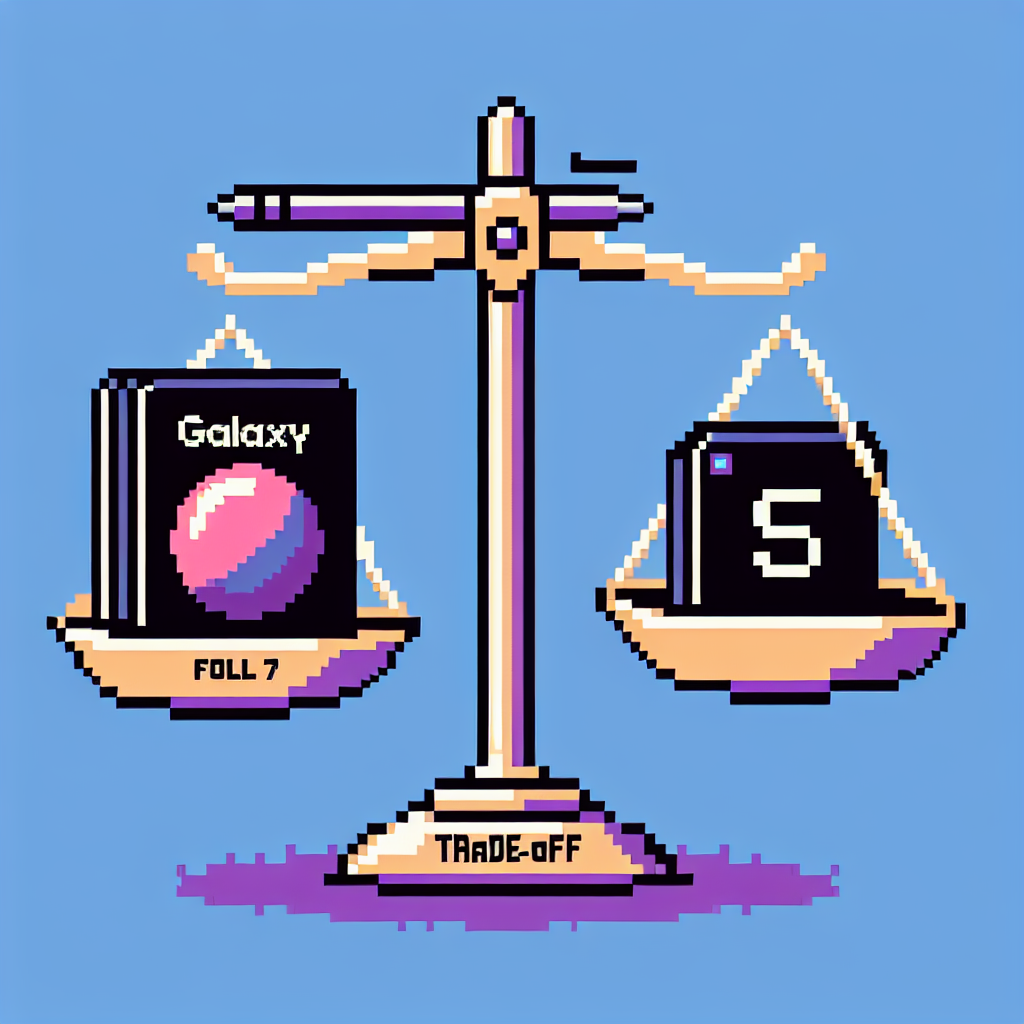
Samsung says you should think of Galaxy Z Fold 7 as a ‘trade-off’ as it reconsiders S Pen support – 9to5Google | Analysis by Brian Moineau

Samsung says you should think of Galaxy Z Fold 7 as a 'trade-off' as it reconsiders S Pen support - 9to5Google | Analysis by Brian Moineau

The Foldable Dilemma: Samsung’s Balancing Act with the Galaxy Z Fold 7

In the ever-evolving world of smartphones, trade-offs are as inevitable as the next big thing. Samsung's latest revelation about the Galaxy Z Fold 7 epitomizes this notion. The tech giant has decided to forgo the S Pen support in favor of a slimmer design. While some might find this a disappointing omission, it's a strategic move that mirrors broader trends and challenges in tech innovation.

A Tale of Two Features: Slimness vs. Functionality

Samsung's decision to prioritize a sleeker build over the inclusion of the S Pen underscores a significant shift in consumer electronics: the push for portability and aesthetic appeal. This choice invites users to consider what they truly value in a device. Is it the convenience of a digital pen, or the elegance and ease of a device that slips effortlessly into a pocket?

This isn't the first time we've seen such dilemmas. Apple's iPhone once faced backlash for removing the headphone jack. Yet, today, wireless earbuds are almost ubiquitous. It’s a testament to how initial resistance can evolve into acceptance, even appreciation, as new norms take hold.

The S Pen: More Than a Tool

The S Pen has been more than just an accessory for Samsung users. It's a symbol of creativity and productivity, a tool that transforms the way users interact with their devices. For artists, note-takers, and professionals, it's an extension of their digital toolkit. Losing it, even temporarily, can feel like a step back.

However, Samsung hints at a future where the S Pen might return to the foldable series. This suggests a continued commitment to innovation, where the company might find a way to reconcile the slim design with S Pen functionality. It’s a challenge of engineering and design that Samsung seems eager to tackle.

Global Trends and the Bigger Picture

Samsung's decision comes at a time when tech companies worldwide are grappling with similar questions of design versus functionality. For instance, automotive industries are now focusing more on aesthetics and sustainability, transitioning to electric vehicles that promise a blend of style and eco-friendliness. Similarly, wearable tech is moving towards minimalism, offering more features in smaller, sleeker packages.

Moreover, the global supply chain disruptions have forced companies to rethink priorities, often choosing to streamline production for efficiency over adding new features. It’s a delicate balance of innovation and practicality, much like what Samsung is attempting with the Galaxy Z Fold 7.

Final Thoughts

In the grand scheme of technological advancement, Samsung's "trade-off" is a reminder of the complex decisions that drive innovation. While some users may lament the temporary absence of the S Pen, others will appreciate the sleek design of the Galaxy Z Fold 7. It's a dance of progress where consumer feedback and technological possibilities must find harmony.

As we look to the future, the possibility of a Galaxy Z Fold that accommodates both a slim design and the beloved S Pen remains exciting. Until then, we can enjoy the current strides in foldable technology, knowing that the next breakthrough is just around the corner.

In the world of tech, trade-offs today often pave the way for tomorrow's triumphs. Samsung’s journey with the Galaxy Z Fold series is just one chapter in this ongoing story.

Read more about AI in Business

Read more about Latest Sports Trends

Read more about Technology Innovations

Store banner reveals Samsung Galaxy Z Fold7’s design, shows off its slender frame – GSMArena.com news – GSMArena.com | Analysis by Brian Moineau

Store banner reveals Samsung Galaxy Z Fold7's design, shows off its slender frame - GSMArena.com news - GSMArena.com | Analysis by Brian Moineau

The Evolution of Foldable Phones: A Glimpse into the Samsung Galaxy Z Fold7

It seems like just yesterday when flip phones were all the rage, a symbol of sleek technology and modern convenience. Fast forward to the present, and we've been swept into a new era of foldable phones, with the Samsung Galaxy Z Fold7 set to redefine our expectations yet again. This latest revelation from Samsung, as uncovered by a store banner, promises a device that's not just a technological marvel, but also a style statement.

Imagine holding a device that effortlessly transforms from a compact phone into a tablet. It's like carrying a piece of the future in your pocket. Samsung claims that the Z Fold7 will be the thinnest and lightest horizontal foldable yet. The thought of such a slender frame conjures images of a device that's not just about functionality but also about elegance. For those of us who remember the clunky first attempts at foldables, this is nothing short of revolutionary.

A few weeks ago, whispers in the tech community hinted that Samsung had sent out demo units of this sleek gadget. The excitement was palpable. It's not just about the specs; it's about the story these devices tell. The evolution from the first foldable screens, with their visible creases and hefty builds, to the refined design of the Galaxy Z Fold7, is a testament to how far technology has come in such a short time.

I remember my first encounter with a foldable smartphone. It felt like stepping into a sci-fi movie where gadgets could bend and twist without breaking. The initial models were fascinating, but undeniably bulky. Now, Samsung's promise of a lighter and thinner design makes me wonder how these advancements will impact the way we use our phones daily. Will we soon see foldables seamlessly replace the tablets and laptops we lug around?

The unveiling of the Samsung Galaxy Z Fold7 is more than just another product launch; it's a glimpse into the future of mobile technology. As we continue to blur the lines between phones and tablets, the role of these devices in our lives becomes increasingly integral. From streaming our favorite shows on the go to managing work tasks with ease, the potential is limitless.

Reflecting on this, I can't help but wonder what the next five years will bring. Will we see holographic displays, or perhaps phones that fold into wearable devices? The pace of innovation is exhilarating, and the Galaxy Z Fold7 is a beacon of what's possible when design meets technology.

In the end, it's not just about having the latest gadget; it's about how these innovations enhance our lives. The Samsung Galaxy Z Fold7 isn't just a phone; it's a statement of what's possible when we push the boundaries of technology. As we eagerly await its release, one thing is certain: the future of mobile technology is unfolding before our eyes, quite literally.

Read more about AI in Business

Read more about Latest Sports Trends

Read more about Technology Innovations

Samsung closed the One UI 8 beta to new users in the US after barely a day – 9to5Google | Analysis by Brian Moineau

Samsung closed the One UI 8 beta to new users in the US after barely a day - 9to5Google | Analysis by Brian Moineau

Samsung’s One UI 8 Beta: The Hottest Ticket in Tech Town

When it comes to the tech world, excitement is often measured in the speed of light—or in the case of Samsung's recent One UI 8 beta program, the speed of sign-ups. Imagine the scene: Samsung fans eagerly waiting, fingers poised over their devices, ready to dive into the latest Android-based user interface experience. But before most could even blink, the window to join had slammed shut. Yes, in what can only be described as a tech-world equivalent of a sold-out concert, Samsung's One UI 8 beta program in the US filled up in under a day.

The swift closure of the beta program speaks volumes about the enthusiasm and loyalty of Samsung's user base. It's a testament to the brand's ability to generate buzz and anticipation akin to that of an Apple product launch or a Tesla unveiling. But it also raises questions about access and exclusivity in software testing, a topic that resonates well beyond the confines of this beta program.

A World of Betas


The beta phenomenon isn't new, but its landscape is evolving. Just last year, Google had a similar experience with its Android 13 beta, which filled up with eager participants almost as quickly as it opened. These programs serve as test beds for tech enthusiasts to preview upcoming features and provide feedback, essentially becoming part of the development process. However, the rapid filling of these slots highlights a growing trend: the democratization yet exclusivity of tech innovation.

In a world where digital access is crucial, these beta programs can be a double-edged sword. They offer a taste of the future but can also create a sense of FOMO (fear of missing out) among those who don’t make the cut. It's a balancing act that tech companies need to navigate carefully, especially as they aim to cultivate inclusive communities around their products.

Parallels in Pop Culture


The tech world isn't the only sphere grappling with issues of access and exclusivity. Consider the world of entertainment, where limited-edition sneaker drops and surprise album releases ignite a similar frenzy. Much like Samsung's beta program, these events create a rush to be among the first, highlighting a shared cultural obsession with being ‘in the know’ and ‘ahead of the curve’.

Even in the art world, the recent rise of NFTs (non-fungible tokens) has spurred debates over who gets to own and display digital assets. These conversations around access, value, and exclusivity mirror those happening in the tech industry, reminding us that these issues are universal.

Looking Ahead: Inclusivity in Innovation


As we move forward, it will be interesting to see how companies like Samsung balance the exclusivity of beta programs with the desire to be inclusive. Could a lottery system or tiered access levels provide a fairer distribution of spots in these coveted programs? Or perhaps a rotating schedule that allows more users a chance to participate over time?

Ultimately, the rapid filling of Samsung's One UI 8 beta slots underscores the brand's strong community and the high demand for its innovations. However, it also serves as a reminder that in the fast-paced world of technology, creating opportunities for a broader audience to engage with and shape the future is just as important as the innovations themselves.

Final Thought


While the One UI 8 beta program may have been a blink-and-you-miss-it opportunity, it’s emblematic of a larger trend towards participatory development in tech. As we continue to embrace new innovations, let’s hope for a future where access to the latest tech isn't just about who clicks fastest, but about fostering a diverse and inclusive community of pioneers eager to explore what’s next.

Read more about AI in Business

Read more about Latest Sports Trends

Read more about Technology Innovations

Samsung Galaxy S25 Edge Battery Test Results are out: not as bad as feared – PhoneArena | Analysis by Brian Moineau

Samsung Galaxy S25 Edge Battery Test Results are out: not as bad as feared - PhoneArena | Analysis by Brian Moineau

The Samsung Galaxy S25 Edge: A Battery Surprise That’s Not a Deal-Breaker

In the ever-evolving world of smartphones, where each device iteration promises to outshine its predecessor, the anticipation for the Samsung Galaxy S25 Edge was palpable. The tech community was buzzing, and the biggest question on everyone's mind was: would the Galaxy S25 Edge's smaller battery size be its Achilles' heel? Thankfully, recent battery test results shared by PhoneArena have put some of these fears to rest.

Battery Fears: More Bark Than Bite

When Samsung unveiled the Galaxy S25 Edge, the collective gasp from tech enthusiasts wasn't just about its sleek design or impressive camera capabilities. The concern was squarely focused on its smaller battery. With competing devices boasting ever-larger battery capacities, could the S25 Edge hold its own?

According to the recent tests, the answer is a resounding "yes." While the battery isn't setting any records, it performs admirably, offering respectable longevity that should keep most users satisfied throughout the day. This unexpected resilience is a testament to Samsung's optimization prowess. By fine-tuning software and hardware, they've managed to eke out every ounce of energy efficiency from the device, much like Apple has done with its iPhone series, often criticized for smaller batteries yet praised for their endurance.

A Broader Tech Landscape

The Galaxy S25 Edge's battery situation is a microcosm of a larger trend in technology: achieving more with less. As devices become more compact and powerful, manufacturers are constantly challenged to balance design, performance, and battery life. This equilibrium is reminiscent of the automotive industry, where electric vehicles are pushing boundaries in terms of range and efficiency, despite concerns about battery size and charging infrastructure.

Moreover, as the world becomes more environmentally conscious, the push for smaller, more efficient batteries aligns with global sustainability goals. Samsung's approach with the S25 Edge might well be a nod towards a future where tech companies prioritize not just performance, but also the planet.

Connecting the Dots: Tech and Beyond

It's fascinating to see parallels between the tech industry's challenges and those faced in other sectors. For instance, the fashion industry is grappling with similar issues of innovation and sustainability. Designers are increasingly tasked with creating eco-friendly clothing that doesn't compromise on style or quality. Just as Samsung has optimized the S25 Edge to perform beyond expectations, fashion brands like Stella McCartney are leading the charge in sustainable fashion, proving that eco-consciousness and high performance can coexist.

Final Thoughts

The Samsung Galaxy S25 Edge may not boast the largest battery on the market, but its performance suggests that sometimes, size isn't everything. In a world where efficiency and optimization are becoming key differentiators, this latest offering from Samsung is a reminder that thoughtful engineering can overcome initial skepticism. So, for those worried about battery life being a deal-breaker, rest easy. The Galaxy S25 Edge is more than capable of keeping you powered through your daily adventures, proving once again that good things often come in small packages.

Read more about AI in Business

Read more about Latest Sports Trends

Read more about Technology Innovations