PlayStation 5 price changes in the U.S. – PlayStation.Blog | Analysis by Brian Moineau

PlayStation 5 price changes in the U.S. - PlayStation.Blog | Analysis by Brian Moineau

Navigating the Digital Game Board: The PlayStation 5's New Price Tag Adventure

In the ever-evolving landscape of gaming, one constant remains: change. As of August 21, the PlayStation 5, Sony's flagship console, embarked on a new pricing journey in the United States, a move that has sparked discussions across the gaming community and beyond. But what does this mean for the avid gamer, the casual player, and the industry as a whole? Let's dive into the dynamic world of console economics and see how these price shifts might play out.

Leveling Up or Powering Down?

The PlayStation 5's pricing update is not just a number change—it's a signal flare in a complex ecosystem of supply chains, consumer demand, and competitive strategy. Since its highly anticipated release in November 2020, the PS5 has been navigating turbulent waters, initially characterized by a scarcity that had gamers scrambling to get their hands on one. Fast forward to 2023, and the narrative is shifting. With production stabilizing, Sony's decision to adjust prices could be seen as a strategic recalibration in response to both market saturation and the broader economic climate.

Interestingly, this price change isn't happening in a vacuum. The global tech industry is currently in a state of flux, with factors like semiconductor shortages, fluctuating currency values, and evolving consumer habits all playing a part. For instance, the semiconductor shortage that plagued the tech industry for the past few years appears to be easing, which might be contributing to Sony's newfound pricing flexibility. Meanwhile, competitors like Microsoft with its Xbox Series X are also adapting, keeping the console wars lively and unpredictable.

The Ripple Effects in Gaming and Beyond

While the new price points might evoke mixed feelings among gamers, they also reflect larger trends in the tech world. For example, subscription services and digital content have become increasingly central to gaming companies' business models. Sony’s PlayStation Plus, akin to Xbox Game Pass, is a testament to how the gaming industry is pivoting towards recurring revenue streams, emphasizing the importance of ecosystem over hardware.

Moreover, these price adjustments could have a knock-on effect on the secondary market, where used consoles and games circulate. A lower entry price for new consoles might depress the resale value, influencing gamers' decisions on whether to trade in old devices or hold onto them.

A Glimpse Beyond the Screen

Outside the realm of gaming, these developments echo broader societal shifts. As digital and virtual experiences gain precedence—spurred by the pandemic's impact on social behavior—consoles like the PS5 are not just gaming devices. They serve as portals to expansive worlds, social hubs, and even educational tools. The gaming industry, already a cultural powerhouse, continues to blur the lines between entertainment and lifestyle, making these pricing strategies all the more significant.

Final Thoughts

The PlayStation 5's price change is more than just a financial adjustment; it's a reflection of the gaming industry's agility and its capacity to adapt in a rapidly changing world. For gamers, this could mean more accessible entry points to next-gen gaming, and for the industry, it's yet another chapter in the ongoing saga of innovation and competition.

As we power forward, controllers in hand, it's clear that the game is far from over. In fact, with each new development, it feels like we're just getting started. Whether you're exploring new worlds on your PS5 or simply observing the industry's evolution from the sidelines, one thing is certain: the next level is just around the corner, and it's shaping up to be an exciting ride.

Read more about AI in Business

Read more about Latest Sports Trends

Read more about Technology Innovations

Jim Cramer sends strong message on Nvidia stock at all-time highs – TheStreet | Analysis by Brian Moineau

Jim Cramer sends strong message on Nvidia stock at all-time highs - TheStreet | Analysis by Brian Moineau

Riding the Highs: Jim Cramer's Take on Nvidia's Stock Surge


In the ever-turbulent waters of the stock market, few voices resonate as strongly as Jim Cramer's. The charismatic host of CNBC's "Mad Money" is known for his candid, often boisterous takes on market movements. Recently, Cramer has set his sights on Nvidia, the tech giant whose stock has soared to all-time highs, sparking a flurry of investor interest and speculation.

Nvidia: A Tech Titan on the Rise


Nvidia, a company that began its journey focusing on graphics processing units (GPUs) for gaming, has evolved into a pivotal player in the tech industry. Its influence now extends beyond gaming into artificial intelligence (AI), data centers, and autonomous vehicles. This diversification has been a major driver behind its stock performance.

As of late, Nvidia's stock has been on a tear, driven by robust earnings reports and optimism around its AI capabilities. The company's GPUs are at the heart of AI innovations, serving as the backbone for training machine learning models that power everything from self-driving cars to advanced robotics.

Jim Cramer's Bullish Stance


Cramer, never one to mince words, has sent a strong message about Nvidia's stock: it's a force to be reckoned with. The company's strategic positioning in the tech ecosystem, coupled with its innovative prowess, makes it an enticing prospect for investors. Cramer emphasizes that while the stock is at an all-time high, it may still have room to grow, particularly as AI technology becomes more integral to various industries.

His advice? Potential investors should consider dipping their toes into Nvidia's waters, but with the usual caveats of market volatility and the unpredictable nature of tech stocks. The world of investing, after all, is not for the faint-hearted.

The Bigger Picture


Nvidia's rise isn't happening in a vacuum. The tech industry is undergoing a significant transformation, with AI at its core. Companies across the globe are investing heavily in AI to streamline operations, enhance customer experiences, and drive innovation. This broader trend is likely to keep Nvidia in the spotlight, as its products are crucial to the AI infrastructure.

Moreover, the global semiconductor shortage has placed companies like Nvidia in a unique position. While the shortage presents challenges, it also underscores the critical role semiconductors play in the modern world, from smartphones to electric vehicles.

Beyond the Markets: A Cultural Touchpoint


On a lighter note, Nvidia's success story is reminiscent of the broader cultural fascination with technology and innovation. Shows like HBO's "Silicon Valley" have parodied and celebrated the tech boom, highlighting both the opportunities and absurdities of the industry. Similarly, movies like "The Social Network" have captured the zeitgeist of tech entrepreneurship, echoing the real-world drama of companies like Nvidia climbing the ladder of success.

Final Thoughts


As we watch Nvidia's stock climb, it's a reminder of the dynamic nature of the tech industry and the opportunities it presents. Whether you're an investor, a tech enthusiast, or just someone who appreciates a good success story, Nvidia's journey is one to watch.

In the words of Jim Cramer, the world of stocks can be wild, but with the right insights and strategies, it can also be incredibly rewarding. As Nvidia continues to break new ground, we'll be keeping a close eye on what comes next for this tech titan. Whether you're all-in on Nvidia or just a curious onlooker, remember: in the world of investing, fortune favors the informed.

Read more about AI in Business

Read more about Latest Sports Trends

Read more about Technology Innovations

Why China curbing rare earth exports is a huge blow to the US – BBC | Analysis by Brian Moineau

Why China curbing rare earth exports is a huge blow to the US - BBC | Analysis by Brian Moineau

A Rare Move: China's Strategic Play in the Global Trade Chess Game

In the grand chessboard of global trade, few moves have been as calculated and impactful as China's recent decision to curb exports of rare earth minerals to the United States. This strategic maneuver, a counter-punch in the ongoing trade war, has sent ripples through international markets and raised eyebrows across boardrooms from Silicon Valley to Wall Street.

The Glittering Importance of Rare Earths

Rare earth elements might not sparkle like gold or silver, but they are invaluable in the modern world. These 17 elements are critical in the manufacturing of everything from smartphones and electric vehicles to wind turbines and military equipment. In essence, they are the unsung heroes of the technological age.

China, holding a commanding position with about 80% of the world's rare earth supply, has leveraged this dominance as a strategic asset. The suspension of exports to the U.S. is akin to a masterful chess move, putting pressure on the U.S. to reconsider its trade strategies. It's a reminder that, in the high-stakes game of global trade, control over critical resources can be a powerful bargaining chip.

The Broader Implications

This move doesn't just affect the U.S.; it's a wake-up call to the world about the vulnerabilities in global supply chains. The European Union, for example, has already been taking steps to reduce its dependency on Chinese rare earths by exploring alternative suppliers and investing in local production capabilities. Australia's Lynas Rare Earths, one of the few significant producers outside China, has seen a surge in interest and investment.

Meanwhile, the U.S. is not sitting idly by. Efforts are underway to boost domestic production and develop recycling technologies to reclaim rare earths from electronic waste. However, these initiatives will take time to bear fruit, and in the short term, industries reliant on these materials may face disruptions.

Drawing Parallels

This rare earth conundrum is reminiscent of the oil crises of the 1970s when geopolitical tensions led to energy shortages and skyrocketing prices. Both situations underscore the importance of resource independence and the need for diversified supply sources in an interconnected world.

Moreover, the rare earth saga parallels the current push for semiconductor self-sufficiency. With the global chip shortage still fresh in memory, countries are keenly aware of the risks posed by over-reliance on a single supplier or region.

Final Thoughts

China's suspension of rare earth exports is more than just a reaction to trade tensions; it’s a strategic reminder of the interconnectedness and fragility of global supply chains. As nations navigate this complex landscape, the lesson is clear: diversification and innovation are key to resilience.

In the end, the rare earths issue is not just about minerals—it's about understanding and adapting to the dynamics of global power. As the world watches this high-stakes game unfold, one thing is certain: the era of business as usual has come to an end. It's time for new strategies, fresh thinking, and above all, a commitment to collaboration and sustainability in the face of shared challenges.

For more insights on how global trade dynamics are shaping the future, check out [this link](https://www.bbc.com/news/business) to explore additional articles.

Read more about AI in Business

Read more about Latest Sports Trends

Read more about Technology Innovations

PS5 price jumps £40 as Sony cites ‘challenging’ market conditions – BBC | Analysis by Brian Moineau

PS5 price jumps £40 as Sony cites 'challenging' market conditions - BBC | Analysis by Brian Moineau

The Pricey PlayStation Predicament: Navigating the PS5 Price Hike

In a world where our digital landscapes are expanding as fast as our physical ones are shrinking, the news of a price increase for the PlayStation 5 (PS5) seems almost poetic. Sony recently announced a £40 price jump for the digital, disc-free edition of the PS5, citing "challenging" market conditions as the main culprit. This brings the total increase to roughly £70 since the console's initial release, leaving gamers scratching their heads and wallets.

The Global Tug-of-War

Sony's decision isn't happening in a vacuum. The gaming giant is navigating a maze of economic challenges that are impacting industries across the globe. The semiconductor shortage, a lingering aftereffect of the pandemic, has hit tech companies hard. From cars to computers, the scarcity of chips has forced companies to rethink production and, inevitably, pricing. According to a report by CNBC, the chip shortage is expected to linger into 2024, keeping the pressure on manufacturers like Sony.

Moreover, the global inflation rates are not doing anyone any favors. Inflation has soared to levels unseen in decades, driven by factors like supply chain disruptions and rising energy costs. This economic cocktail has left companies with little choice but to pass on some of these costs to consumers. Sony, while not alone in this predicament, is certainly one of the most high-profile examples.

A Broader Perspective

This isn't just a story about a gaming console; it's reflective of a larger, shifting landscape in consumer electronics and beyond. Tech companies like Apple and Samsung have also faced similar pressures. Apple's iPhone 14, for instance, launched amid speculation about price hikes, though the company managed to keep prices relatively stable, focusing instead on value additions and service ecosystems to sweeten the deal.

Interestingly, this price hike comes at a time when digital entertainment is thriving more than ever. Streaming services, virtual reality, and esports are seeing unprecedented growth. The gaming industry's resilience is noteworthy, with platforms like Twitch seeing a boom in viewership during the pandemic, underscoring the increasing value people place on digital escapism.

The Gamers' Reaction

For gamers, the price hike is undoubtedly a bitter pill to swallow. The allure of the PS5, with its cutting-edge graphics and exclusive game titles, is undeniable. However, the increase places the console further out of reach for many, particularly younger audiences who form the core demographic for these devices. This has sparked discussions across online forums, with some fans expressing frustration and others resignedly accepting the industry's realities.

Final Thoughts

In the grand tapestry of technology, the PS5 price hike is a single thread, yet it highlights how interconnected our world has become. From pandemic-induced bottlenecks to economic ripples felt across continents, the story of the PS5's price is a modern parable of adaptation and resilience.

As we look to the future, it's clear that flexibility and innovation will be key in navigating these "challenging" market conditions. For now, gamers might need to save a little more or look towards alternative gaming platforms, such as Microsoft’s Xbox Series S, which has maintained a competitive price point.

In the end, whether you’re a hardcore gamer or a casual player, this situation invites us to pause and consider the broader dynamics at play. After all, in the game of life, adaptability might just be the ultimate power-up.

Read more about AI in Business

Read more about Latest Sports Trends

Read more about Technology Innovations

China to review BlackRock’s deal to buy Panama Canal ports – Financial Times | Analysis by Brian Moineau

China to review BlackRock’s deal to buy Panama Canal ports - Financial Times | Analysis by Brian Moineau

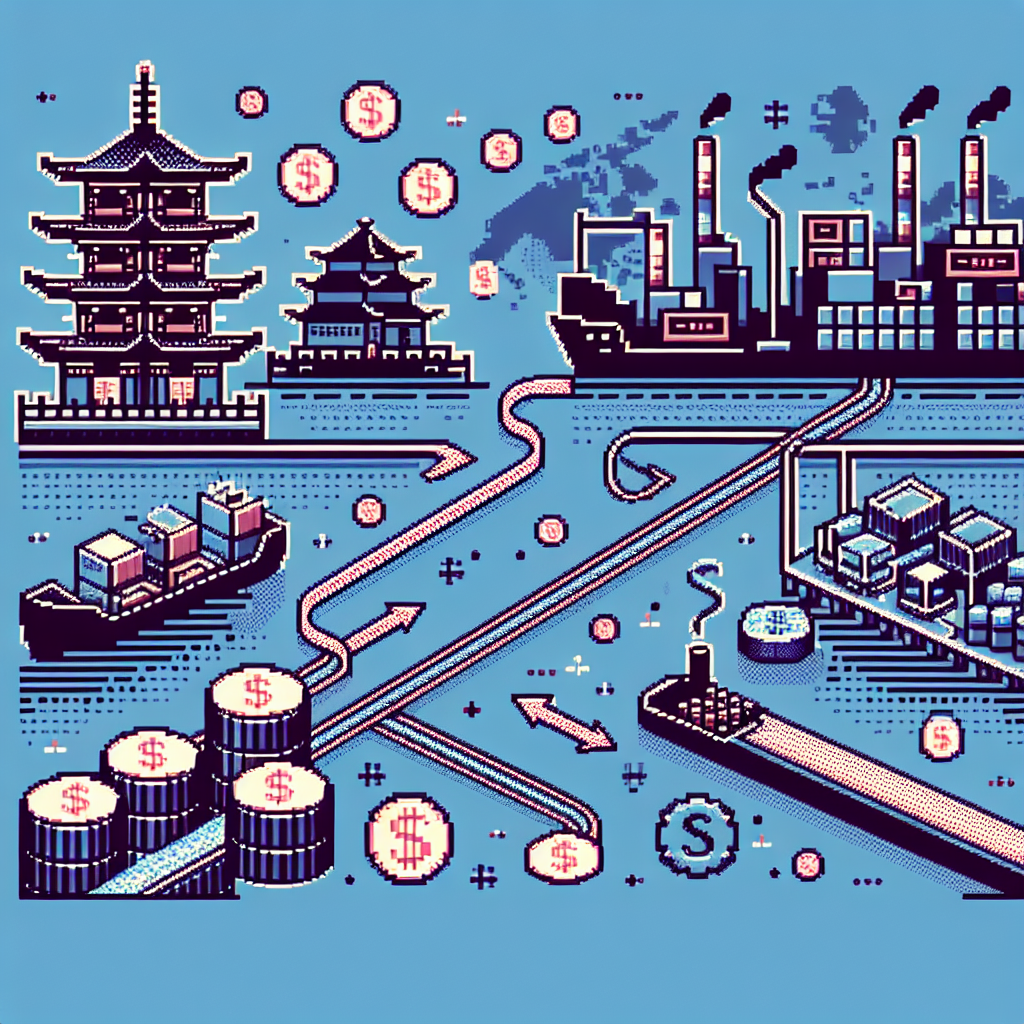
Title: The Ripple Effect of BlackRock’s Panama Canal Ports Deal: Navigating the Waters of Geopolitics

In a world where geopolitics and business are increasingly intertwined, BlackRock's recent move to acquire Panama Canal ports has sparked waves of both intrigue and uncertainty. The latest development in this saga comes from Beijing, as China officially announces its intention to review the deal. This is not just a mere business transaction; it’s a geopolitical chess move that could have implications far beyond the sandy shores of Panama.

The Panama Canal: A Strategic Waterway

To understand the gravity of this deal, one must appreciate the significance of the Panama Canal. It’s not just a conduit for ships; it's a key artery in global trade. Since its completion in 1914, the canal has been a crucial shortcut connecting the Atlantic and Pacific Oceans, reducing travel time for maritime cargo and thus serving as a linchpin in the global economy.

BlackRock, the world’s largest asset manager, is not new to making waves in the financial world. However, this deal ventures into the realm of geopolitics, where the stakes are higher and the players more formidable. China’s review of the transaction is a reminder that when it comes to global assets of strategic importance, sovereign interests often take precedence over corporate ambitions.

China’s Strategic Interests

China’s interest in the Panama Canal is not surprising. The canal is a critical point in China's Belt and Road Initiative, which aims to enhance global trade routes and foster economic cooperation. The review of BlackRock’s deal can be seen as a protective measure to safeguard China's existing and future investments in the region.

Moreover, China’s involvement in Latin America has been steadily growing. According to a report by the Inter-American Dialogue, Chinese investments in Latin America have surged over the past two decades, covering sectors from infrastructure to energy. This makes the BlackRock deal a focal point in the broader narrative of China’s expanding influence in the Western Hemisphere.

A Global Perspective

In the grand scheme of things, the review of BlackRock's deal is but one piece of a larger puzzle. Elsewhere in the world, similar geopolitical frictions are unfolding. Take, for instance, the recent tensions surrounding the Nord Stream 2 pipeline in Europe. Much like the Panama Canal, this pipeline is a critical infrastructure project with significant geopolitical implications, particularly concerning Europe’s energy dependency on Russia.

Similarly, the global semiconductor shortage has highlighted the importance of strategic assets and the geopolitical maneuvering required to secure them. Taiwan, home to major semiconductor manufacturers, has become a focal point of U.S.-China tensions, showcasing how strategic assets can influence global diplomacy.

Final Thoughts

As the world watches China’s review of BlackRock’s Panama Canal ports deal, it’s clear that this is more than just a business transaction. It’s a testament to the intricate dance of geopolitics and commerce, where each move is carefully calculated and carries significant global implications.

Ultimately, while BlackRock seeks to expand its portfolio, the geopolitical undertones of this deal cannot be understated. As nations vie for strategic dominance, businesses operating on the global stage must navigate these turbulent waters with both caution and foresight. The Panama Canal might just be a strip of water, but in the realm of geopolitics, it is an ocean of opportunity and complexity.

Read more about AI in Business

Read more about Latest Sports Trends

Read more about Technology Innovations