18-Inning World Series Drew 17.6M Viewers | Analysis by Brian Moineau

How many people stuck around to watch the end of Game 3 of the World Series?

The clock read 2:50 a.m. Eastern Time when Freddie Freeman launched the walk-off homer that finally ended the 18-inning, six-hour-and-39-minute epic between the Dodgers and Blue Jays. You might assume most of the nation had long since given up and gone to bed — and yet, a staggering number of viewers were still glued to their screens.

Key takeaways

  • 8.5 million viewers in the United States were still watching when the game ended around 2:50 a.m. ET.
  • The game averaged roughly 11.4 million U.S. viewers across Fox platforms, with a peak near 13.1 million earlier in the night.
  • When you add Canadian audiences, the combined U.S.–Canada audience for Game 3 was around 17.6 million.
  • The unusual combination of prolonged drama, star power (Shohei Ohtani, Freddie Freeman) and a strong Canadian audience helped retain viewers deep into the night.

The hook: why that 8.5 million figure matters

Imagine a typical late-night crowd watching TV: by 2:50 a.m., most primetime audiences have evaporated. So when Sports Illustrated and Nielsen reported that roughly 8.5 million Americans were still watching the final swing, it wasn’t just a number — it was proof that a rare live sporting event can hold attention past the point where most programming loses it.

That figure means more people watched the walk-off than watched the first pitch earlier that evening in some viewing windows. It also tells TV executives, advertisers, and leagues that premium live sports — especially when they turn into dramatic, unpredictable marathons — still command huge, engaged audiences even in the unlikeliest time slots.

Context: the marathon that made viewers stay

  • The showdown took place on Monday, October 27, 2025 (Game 3).
  • The game tied the record for most innings in World Series history (18) and ran nearly 6 hours and 40 minutes.
  • Shohei Ohtani put on a historic offensive display, and Freddie Freeman finished it with his dramatic walk-off homer.
  • The telecast faced direct competition from Monday Night Football, which drew a larger audience that night; still, the World Series’ retention deep into the night was remarkable.

Long games often bleed viewers as casual fans sign off, but this one retained a surprising share — more than half of its earlier peak audience remained into the early-morning hours. That level of retention is unusual and notable for modern TV where on-demand viewing and multiple live options fragment attention.

Reading the numbers: averages, peaks, and late-night retention

  • Average U.S. audience: roughly 11.3–11.4 million viewers for the full telecast.
  • Peak audience: about 13.1 million (around the ninth inning earlier in the night).
  • Late-night audience at game end: ~8.5 million still watching at ~2:50 a.m. ET.
  • Combined U.S. + Canada audience: reported around 17.6 million, highlighting how the Blue Jays’ presence supercharged Canadian viewership.

The slight variations in the averages reported by different outlets (11.31M vs. 11.4M) reflect typical rounding and platform-count differences; the standout, consistent stat is the 8.5M who stayed to the finish.

Why viewers stayed — three quick reasons

  • Drama and unpredictability: Extra innings, shifting momentum, and the possibility of history keep viewers invested.
  • Star players and storylines: Ohtani’s record-setting night and Freeman’s late heroics gave casual fans reasons to stay.
  • National pride and regional interest: A massive Canadian audience for the Blue Jays lifted the combined numbers, and American viewers were willing to stay up for the rare baseball spectacle.

Small reflection

In an era when so much content is bite-sized and time-shiftable, live sports remain one of the clearest reminders that real-time, unscripted drama still has power. That 8.5 million people at 2:50 a.m. were not just watching — they were witnessing a moment together. There’s something ancient and communal about staying up late to see the end of a story not yet written.

Sources


Related update: We recently published an article that expands on this topic: read the latest post.

Related update: We recently published an article that expands on this topic: read the latest post.

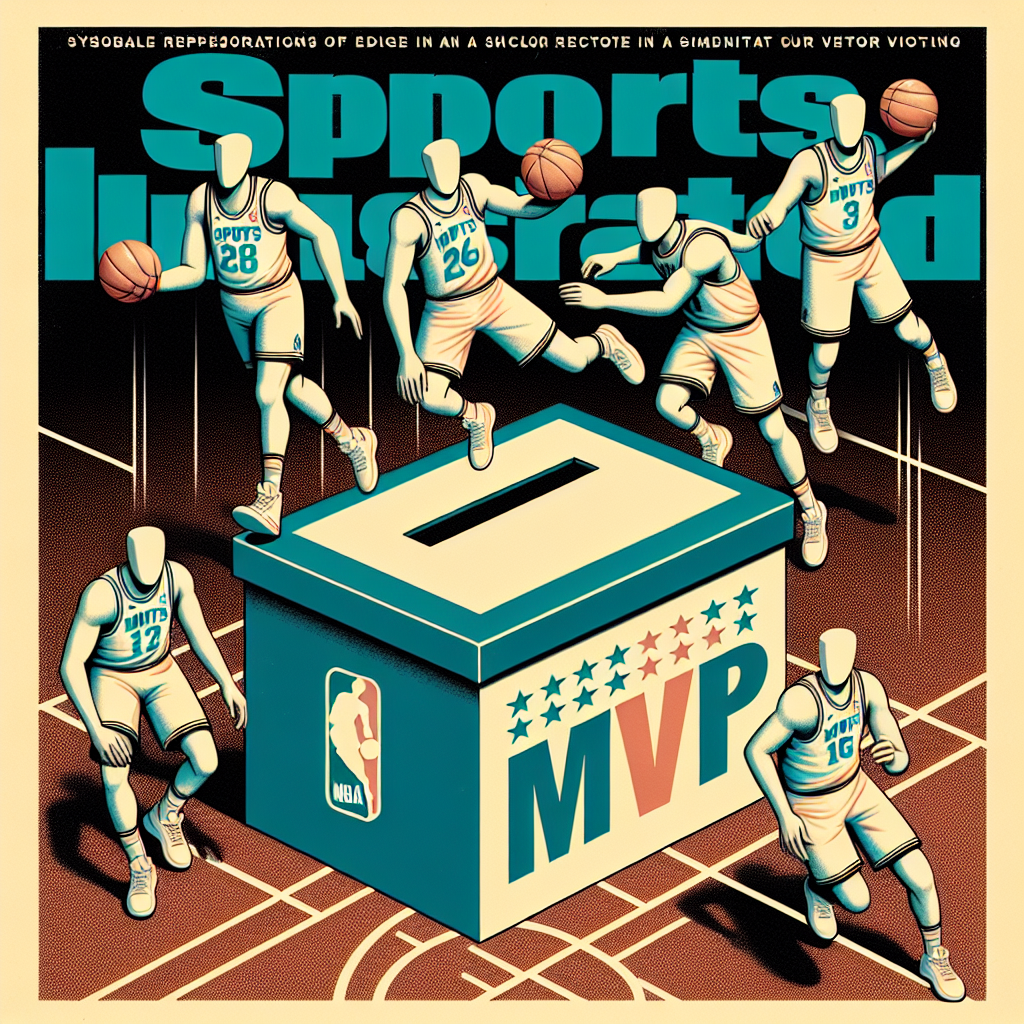
Complete 2025 NBA MVP Voting Results: SGA Edges Out Nikola Jokic to Capture Award – Sports Illustrated | Analysis by Brian Moineau

Complete 2025 NBA MVP Voting Results: SGA Edges Out Nikola Jokic to Capture Award - Sports Illustrated | Analysis by Brian Moineau

A Nail-Biter MVP Race: Shai Gilgeous-Alexander Outshines Jokic with a Dash of Canadian Charm


In an electrifying culmination of the 2025 NBA season, Shai Gilgeous-Alexander (SGA) narrowly outpaced Nikola Jokic to claim the coveted MVP title. As Sports Illustrated describes, this was the tightest MVP race we've witnessed in years, further amplified by the sheer talent and determination displayed by both these basketball virtuosos. But beyond the stats and the spotlight, what does this mean in the grand tapestry of sports and culture?

The Rise of SGA: A Canadian Flourish


Shai Gilgeous-Alexander, or SGA as he's affectionately known, isn't just a name; he's a phenomenon. Hailing from Toronto, Canada, SGA has gradually carved a niche for himself in the NBA with his silky smooth playmaking and robust scoring ability. It's not just about his skill on the court; it's about the narrative he carries with him. As the first Canadian to win the MVP award since Steve Nash, SGA's victory is a testament to Canada's growing influence in the basketball world.

Canada has been making waves globally, from the rise of artists like Drake to its dominant presence in international hockey. SGA's triumph is another feather in Canada's cap, further cementing its place as a formidable force in the global sports arena. The Canadian influence in the NBA is burgeoning, with players like Andrew Wiggins and RJ Barrett also showcasing their talents. This MVP award isn't just a win for SGA; it's a victory for Canadian basketball.

The Joker's Magic: Nikola Jokic's Unyielding Spirit


On the other side of this neck-and-neck race was Nikola Jokic, affectionately known as "The Joker." Jokic's journey from the Serbian leagues to NBA stardom is nothing short of inspirational. With two MVP titles already to his name, Jokic is renowned for his court vision and basketball IQ, redefining what it means to be a center in the modern NBA. His ability to control the tempo of the game and his unique passing skills make him a perennial favorite for the MVP award.

However, this year's race was not just about numbers; it was about narratives. Jokic's steadfast dedication and resilience have made him a beloved figure in the basketball community, and his sportsmanship throughout the season highlights why he's more than just an MVP contender—he's a role model.

A World of Competition: Reflections Beyond the Court


The intensity of this MVP race mirrors a broader trend in today's world—a competitive spirit that transcends borders and industries. Whether it's tech giants vying for supremacy or nations competing in global sporting events, the essence of competition is more vibrant than ever. This year, the NBA's MVP race is a microcosm of this global phenomenon, showcasing that excellence knows no bounds.

In another part of the sports world, the Women's World Cup showcased the power and resilience of female athletes, underscoring the importance of diversity and inclusion in sports. Just as SGA and Jokic have pushed the boundaries of what is possible in basketball, female athletes are redefining excellence on their stages.

Final Thoughts: A Celebration of Excellence


As we celebrate Shai Gilgeous-Alexander's achievement, let's also appreciate the spirit of competition that propels us forward. Whether on the basketball court or in our everyday lives, the drive to excel and the respect for our competitors is what defines us. This year's MVP race was more than just a contest between two phenomenal athletes; it was a celebration of sportsmanship, diversity, and the relentless pursuit of greatness.

In the end, while SGA holds the title, the real winners are the fans who get to witness such incredible talent and passion. Here's to the spirit of basketball and the stories it continues to create.

Read more about AI in Business

Read more about Latest Sports Trends

Read more about Technology Innovations

Cooper Kupp tops list of available free agent WR3 options for Vikings – Sports Illustrated | Analysis by Brian Moineau

Cooper Kupp tops list of available free agent WR3 options for Vikings - Sports Illustrated | Analysis by Brian Moineau

Title: Chasing Dreams: Could Cooper Kupp Be the Missing Piece for the Vikings?

In the ever-turning carousel of NFL free agency, the Minnesota Vikings find themselves on the hunt for the elusive WR3, the player who could seamlessly slide into their offense and elevate it to new heights. The Sports Illustrated article, "Cooper Kupp tops list of available free agent WR3 options for Vikings," presents a tantalizing proposition: Could Cooper Kupp be the dream addition the Vikings need?

Cooper Kupp: More Than Just a Dream

Cooper Kupp, the Los Angeles Rams standout, is nothing short of a football prodigy. Known for his precise route running, sticky hands, and uncanny ability to find the end zone, Kupp has been a cornerstone of the Rams' offense. Imagine him lining up alongside Justin Jefferson and Adam Thielen—it's enough to make any defensive coordinator break into a cold sweat.

Kupp brings more than just stats to the table; he offers leadership and a team-first mentality. In the era of diva wide receivers, Kupp is a breath of fresh air. His humble nature and work ethic resonate with fans and teammates alike. But, can the Vikings turn this dream into reality?

Exploring Other Avenues

While Kupp would be an ideal fit, the Vikings have other options to consider. The free-agent market is peppered with talent that can complement their existing roster. Players like T.Y. Hilton, known for his speed and experience, or the versatile Jamison Crowder, could also fit the bill. Each of these players brings a unique skill set that could mesh with the Vikings' offensive schemes.

A Wider Lens: NFL and Beyond

In today's NFL, where passing reigns supreme, the importance of having a strong receiving corps cannot be overstated. The Vikings are not alone in their quest for offensive firepower. Teams across the league are seeking that perfect blend of talent and chemistry to propel their offenses forward. This pursuit is reminiscent of other sectors, like tech companies vying for top-tier talent to drive innovation.

This is not just a football story—it's a reflection of a broader trend. In sports, as in business, the right addition can transform a good team into a great one. It's about finding a piece that not only fits but also enhances the existing structure.

Final Thoughts

As the Vikings explore their options, the allure of Cooper Kupp remains strong. His potential impact on the team is undeniable. Yet, the reality of free agency is complex, with financial constraints and team dynamics playing crucial roles. Whether Kupp dons the purple and gold or another receiver steps into the limelight, the Vikings' pursuit of excellence continues.

In the world of sports, dreams are what drive teams forward. The possibility of what could be fuels fans' imaginations and keeps us all coming back for more. Here's to hoping that the Vikings' dream addition is just around the corner, ready to propel them to new heights in the upcoming season. Skol!

Read more about AI in Business

Read more about Latest Sports Trends

Read more about Technology Innovations