United Airlines plans to return to JFK — again — in new partnership with JetBlue – CNBC | Analysis by Brian Moineau

United Airlines plans to return to JFK — again — in new partnership with JetBlue - CNBC | Analysis by Brian Moineau

Title: United Airlines and JetBlue: A Partnership Ready for Take-Off at JFK

In the ever-turbulent skies of the airline industry, United Airlines and JetBlue have come together like two seasoned pilots, ready to navigate the complex airspace of New York's JFK Airport. As per the latest announcement covered by CNBC, United Airlines is making a return to JFK, this time with a trusty co-pilot, JetBlue, in a partnership that promises to make frequent flyer points as versatile as a Swiss Army knife.

The Friendly Skies Just Got Friendlier


The new collaboration between United Airlines and JetBlue is akin to the Marvel-DC crossover we never knew we needed. By allowing passengers to earn and redeem frequent flyer points across both airlines, this partnership is set to make air travel more rewarding, quite literally. Imagine the possibilities — a family from Boston can fly JetBlue to New York and then hop onto a United flight to explore the wonders of Europe, all while accumulating a treasure trove of points to fund their next adventure.

This move not only signifies a strategic alliance but also highlights the increasing trend of cooperation over competition in the airline industry. It mirrors the recent partnerships like Delta and LATAM or American Airlines and Qatar Airways, where airlines are banding together to enhance their global reach and customer appeal.

JFK: The Comeback Story


For United Airlines, returning to JFK is like an athlete staging a triumphant comeback after a hiatus. After ceasing operations at JFK in 2015, United's return, backed by JetBlue, is a testament to its commitment to reclaim its place in one of the world's busiest airports. JFK, with its bustling terminals and diverse passenger base, is a crucial hub for airlines looking to capture the lucrative transatlantic market. As the airline industry recovers from the pandemic-induced turbulence, strategic moves like this are essential for growth and sustainability.

JetBlue: The Maverick of the Skies


JetBlue, known for its customer-centric approach and innovative services, continues to punch above its weight in the industry. Its alliance with United could be likened to a dynamic duo, with JetBlue's reputation for excellent in-flight experience complementing United's extensive global network. JetBlue's unique position as a low-cost carrier with premium offerings makes it an attractive partner. This partnership could potentially lead to more seamless travel experiences, combining the best of both worlds — comfort and connectivity.

Beyond the Clouds: The Bigger Picture


This partnership comes at a time when the world is seeing significant shifts in how we work and travel. With remote work becoming the norm, the need for flexible travel options is more significant than ever. The global push towards sustainability also adds another layer of complexity, with airlines under pressure to reduce their carbon footprints. While this partnership might not directly address environmental concerns, enhanced cooperation can lead to more efficient operations and potentially greener skies.

Moreover, the collaboration between United and JetBlue sets a precedent for future partnerships, encouraging airlines to think outside the box in their quest for growth and customer satisfaction. It’s a reminder that even in a competitive industry, collaboration can lead to mutual benefits and enhanced experiences for travelers.

Final Thoughts


As United Airlines and JetBlue join forces at JFK, the skies are filled with anticipation and potential. This partnership symbolizes a new era of cooperation in the airline industry, offering travelers more choices and flexibility. In a world where change is the only constant, United and JetBlue have embraced the winds of change, setting a course for a future where the journey is as rewarding as the destination. So, as you plan your next adventure, remember that your frequent flyer points just got a little more powerful, and your travel map, a bit more expansive. Fasten your seatbelts; it's going to be an exciting ride!

---

For more on this partnership, check out the full CNBC article [here](https://www.cnbc.com/2023/10/17/united-airlines-plans-to-return-to-jfk-again-in-new-partnership-with-jetblue.html). Safe travels and happy flying!

Read more about AI in Business
Read more about Latest Sports Trends

Read more about Technology Innovations

As Trump eyes more tariffs, South Korea remains safe haven for GM and Hyundai – CNBC | Analysis by Brian Moineau

As Trump eyes more tariffs, South Korea remains safe haven for GM and Hyundai - CNBC | Analysis by Brian Moineau

**South Korea: The Unexpected Safe Haven in the Global Tariff Tango**

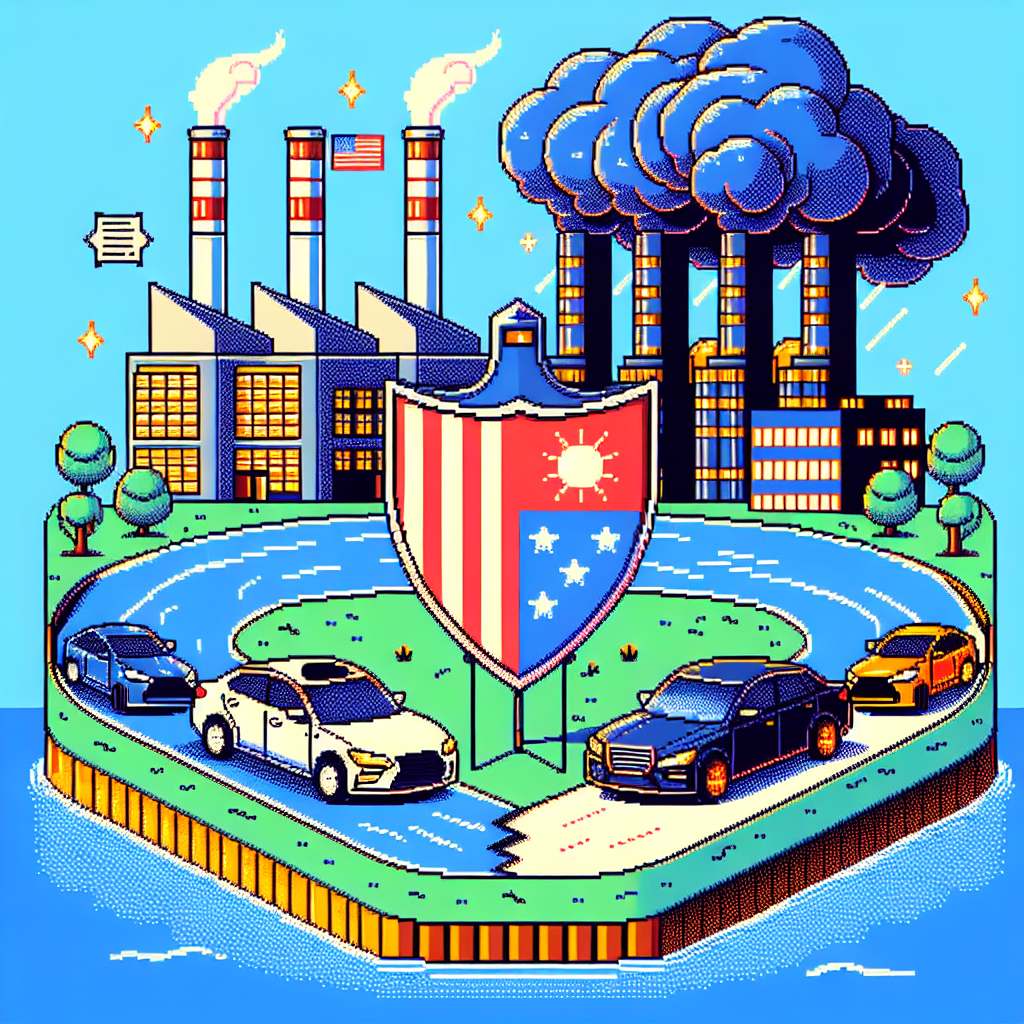
In the ever-evolving landscape of international trade, where tariffs are often wielded as political instruments, automakers have had to become nimble dancers, adeptly navigating the intricate steps of global economics. The recent CNBC article highlights how South Korea has emerged as an unlikely safe haven for automakers like Hyundai Motor and General Motors, who have found solace in its tariff-free export market to the U.S. This development is a fascinating twist in the ongoing saga of global trade dynamics, and it offers a refreshing perspective in a world often dominated by trade tensions.

### The Tariff Tango

To understand the significance of South Korea's role, it's essential to take a step back and look at the broader context. The global automotive industry has been on a rollercoaster ride in recent years, with tariffs and trade wars threatening to upend established supply chains. In 2018, President Donald Trump imposed tariffs on steel and aluminum imports, sparking fears of a full-blown trade war. Automakers, heavily reliant on global supply chains, were suddenly faced with the daunting challenge of navigating these turbulent waters.

Enter South Korea. While many countries found themselves at odds with the U.S. over trade policies, South Korea managed to emerge as a stable partner. This is largely due to the U.S.-Korea Free Trade Agreement (KORUS FTA), which has provided a framework for tariff-free trade between the two nations. For automakers like Hyundai and GM, this agreement has been a lifeline, allowing them to continue exporting vehicles to the U.S. without the burden of additional tariffs.

### A Broader Context

South Korea's role as a tariff-free haven is not just an isolated phenomenon; it mirrors a broader trend of nations seeking out strategic partnerships to weather the storm of global trade tensions. Japan, for instance, has been strengthening its trade relationships with the European Union and other Asian countries in response to similar pressures. Meanwhile, the European Union has been working to bolster its own trade agreements, such as the EU-Mercosur trade deal, to secure markets for its industries.

This strategic maneuvering highlights a key lesson in today's interconnected world: the importance of adaptability and foresight. Countries and companies that can anticipate and respond to shifting trade landscapes are better positioned to thrive.

### The Human Element

It's impossible to discuss these developments without acknowledging the human element behind the headlines. Former President Trump, a central figure in the global tariff saga, is known for his unconventional approach to trade negotiations. His policies have sparked both criticism and support, depending on one's perspective. Supporters argue that his tariffs were necessary to protect American industries and jobs, while critics contend that they have led to increased costs for consumers and strained international relationships.

Regardless of one's stance on Trump's trade policies, it's clear that they have forced countries and companies to rethink their strategies and adapt to a new reality. In this context, South Korea's emergence as a tariff-free haven is a testament to the power of diplomacy and strategic alliances.

### Final Thoughts

As we look to the future, the story of South Korea and the global auto industry serves as a reminder that in the complex dance of international trade, adaptability is key. While tariffs and trade wars may continue to make headlines, there will always be opportunities for those who can navigate the intricate steps of the global economy.

In the end, the dance goes on, and it's up to each nation and company to decide how they will move to the music. South Korea, it seems, has found its rhythm in this global tariff tango, and it may just inspire others to do the same.

Read more about AI in Business

Read more about Latest Sports Trends

Read more about Technology Innovations