“A betrayal”: Southwest’s new plus-size rule and the passengers it sidelines
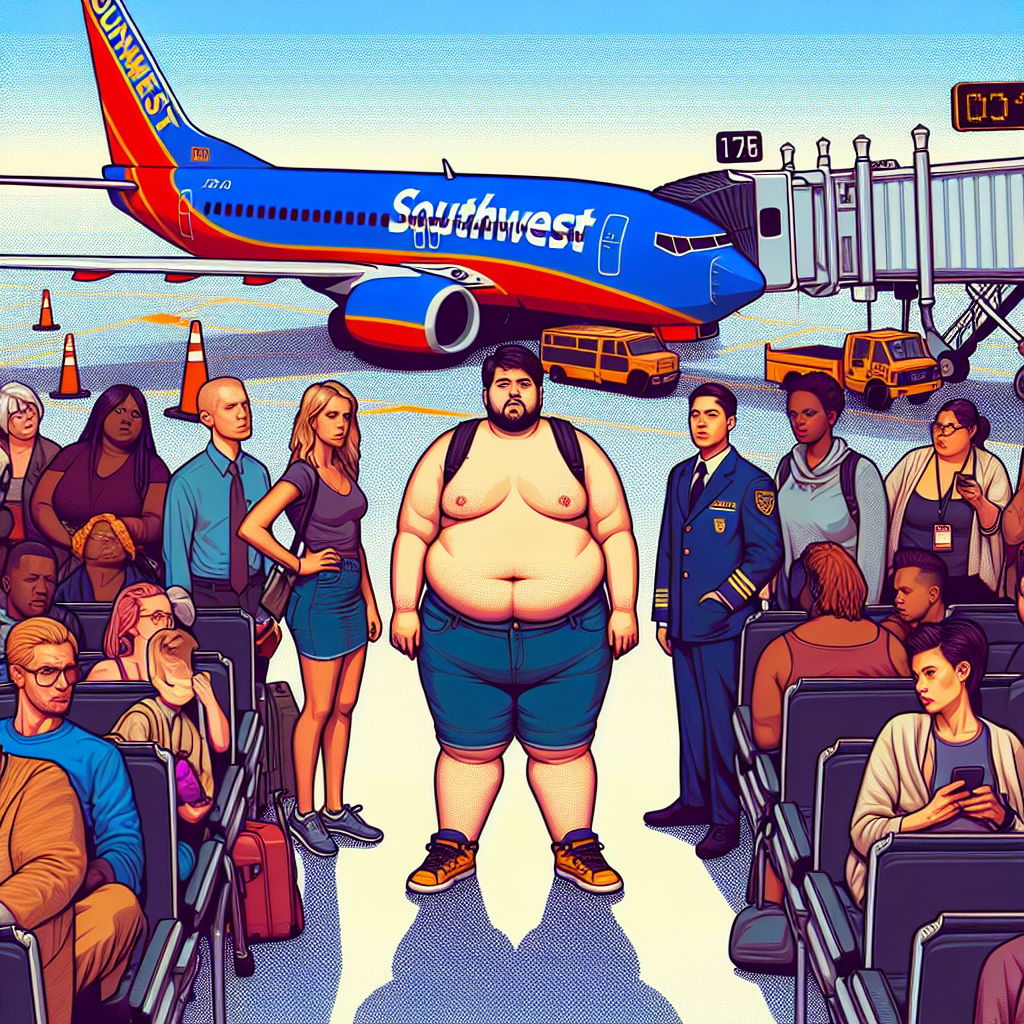
Southwest Airlines has built a brand on being the friendly, affordable airline that makes travel feel a little easier. Which is why the recent change in its “Customer of Size” policy — requiring travelers who need more than one seat to buy the adjacent seat at booking rather than relying on a last-minute accommodation — hit so many loyal customers like a gut punch. For some regulars, it isn’t just an inconvenience: it’s a decision that shrinks their ability to travel at all.
Why this feels personal
- The policy change goes into effect January 27, 2026 — the same day Southwest abandons its decades-old open-seating approach and adopts assigned seats.
- Under the previous practice, plus-size travelers who needed an extra seat could request one at the gate and often receive a refund afterward if space allowed.
- Now, travelers who “encroach upon the neighboring seat(s)” are asked to proactively purchase the adjacent seat when booking. Refunds are allowed only if specific conditions are met (the flight had at least one open seat, both seats were in the same fare class, and the passenger requests the refund within 90 days).
That mixture of ambiguity (what exactly counts as “encroaching”) and financial risk (pay now, maybe get money back later) is what’s driving the anger and the sense of betrayal among longtime Southwest customers.
The human impact
- For some travelers, buying two seats doubles the cost of a trip — suddenly making family visits, medical travel, or business trips unaffordable.
- The change shifts the burden onto individuals who already face stigma and logistical barriers when they travel.
- Because refunds depend on the flight’s occupancy at departure, travelers can’t know in advance whether they’ll get their money back. That uncertainty pressures people to either pay upfront or gamble on being rebooked — an untenable choice for many.
You can see why advocacy groups and regular flyers call the move “fatphobic” or discriminatory in practice. Even if the airline frames it as operational fairness (ensuring every passenger has the seat they purchased), the outcome disproportionately affects a marginalized group.
The broader context
This policy isn’t happening in a vacuum. Southwest has been reshaping its product and revenue model throughout 2025–2026:
- It ended the open-seating tradition and introduced assigned seating.
- It rolled out new fare tiers and seat types (Standard, Preferred, Extra Legroom).
- Starting in 2025, Southwest began charging for checked bags on many fares — a major departure from its historic “two free bags” perk.
Those changes reflect a strategic pivot toward the commercial norms of legacy carriers: more segmentation, more ancillary fees, and more ways to upsell. For investors, that can look like maturation and profit optimization; for some customers, it feels like losing the airline’s original promise.
Practical questions the policy raises
- How will “encroaching” be measured? Southwest refers to the armrest as the boundary and reserves discretion for staff; that leaves room for inconsistent application.
- What happens if a traveler buys a seat and it’s later assigned to someone else as a standby or reissued? Reports suggest confusion and inconsistent refunds have already surfaced in some cases.
- Will crews be trained and supported to handle emotionally charged interactions when a passenger is asked to buy an extra seat at the gate or be rebooked?
These are operational details that will determine whether the policy functions as a polite nudge toward fairness or as a recurring source of conflict and exclusion.
Perspectives around the change
- Supporters say the rule is reasonable: if a passenger truly needs more space, paying for two seats treats them like any other customer who buys multiple seats and prevents disputes over who’s entitled to what.
- Critics counter that the policy ignores systemic issues — from seat width standards to social stigma — and imposes additional cost and humiliation on people who may already avoid travel because of these barriers.
The airline’s stated intent is to “ensure space” and align policies with assigned seating. But intent and impact are different things, and for people whose mobility and livelihood depend on accessible—and affordable—air travel, the impact is what matters.
What travelers can do now
- If you or a traveling companion might need an extra seat, consider purchasing it at booking to avoid last-minute gate pressure.
- Keep documentation and fare class parity if you hope to qualify for a post-travel refund (and request the refund within the stated 90 days).
- When possible, pick flights with lower expected loads or times that historically have less demand; refunds depend on open seats at departure.
None of these are ideal fixes — they’re stopgap tactics while customers and advocates push for clearer, fairer approaches.
A few fast takeaways
- Southwest’s policy, effective Jan 27, 2026, requires advance purchase of adjacent seats for passengers who “encroach” on neighboring seats; refunds are limited and conditional.
- The change coincides with Southwest’s shift to assigned seating and other revenue-driven reforms.
- The policy creates financial and emotional burdens for plus-size flyers and leaves significant operational ambiguity.
My take
This feels like a classic clash between operational clarity and human dignity. Airlines need clear rules to run safe, predictable operations — but rules should be designed with empathy and equity. Requiring upfront payment for an extra seat is administratively tidy, but when the policy disproportionately reduces access for a vulnerable group, it risks crossing from practical to punitive.
If Southwest wanted to uphold both operational integrity and inclusion, it could publish clear, objective criteria (rather than discretionary ones), offer a straightforward refund guarantee when an airline cancels or reassigns seats, and couple the policy with investments in brighter, wider cabin options over time. Otherwise, the airline may gain short-term predictability while losing the loyalty of travelers who helped define its identity.
Sources
-
Southwest’s New Seating Rules Put Extra Burden On Plus-Size Travelers — FlyMag
https://flymag.com/southwests-new-seating-rules-put-extra-burden-on-plus-size-travelers/ -
Southwest revises policy for plus-size passengers who need two seats — The Washington Post
https://www.washingtonpost.com/travel/2025/08/22/southwest-policy-plus-size/ -
Southwest changing two longtime policies in 2026: What passengers should know — Yahoo/Associated Press
https://www.yahoo.com/news/articles/southwest-changing-two-longtime-policies-182237539.html -
Plus-sized Southwest Airlines passengers face potentially costly rule changes — Dallas News
https://www.dallasnews.com/business/airlines/2025/08/25/southwest-changes-rules-for-plus-sized-passengers/ -
Southwest Airlines Introduces Controversial Policy For Plus-Size Passengers — Forbes
https://www.forbes.com/sites/laurabegleybloom/2025/08/28/southwest-airlines-new-policy-for-plus-size-passengers-fair-or-discriminatory/
Related update: We recently published an article that expands on this topic: read the latest post.