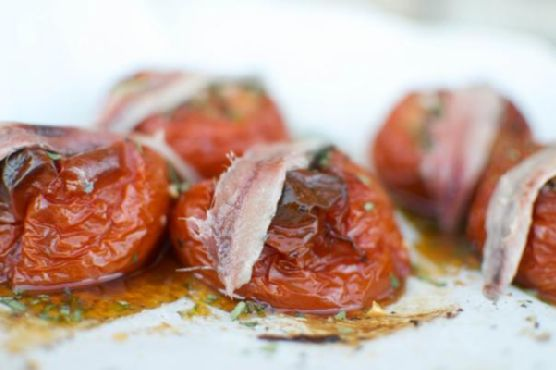
Japanese Gyoza Pot Stickers | Made by Meaghan Moineau

Japanese Gyoza Pot Stickers

Intro

There’s something incredibly comforting about making Japanese gyoza pot stickers from scratch. I remember watching my grandmother skillfully pleating each one with love, her hands moving in a rhythm that seemed like second nature. The aroma of sizzling gyoza filled the kitchen, creating an irresistible invitation to gather around the table. These pot stickers are not just a dish; they’re a cherished family tradition that brings back memories of warmth and togetherness.

Why You’ll Love It

These Japanese gyoza pot stickers are a delightful combination of flavors and textures. The crispy exterior contrasts beautifully with the juicy filling, offering a bite that’s bursting with umami goodness. They’re versatile enough to be a main dish, appetizer, or snack, and they pair wonderfully with a tangy dipping sauce. Whether you’re hosting a dinner party or preparing a cozy meal for yourself, these gyoza are sure to impress.

Ingredients

  • 1/4 teaspoon black pepper
  • 2 cups cabbage, chopped finely
  • 1 teaspoon chili sesame oil
  • 1/4 cup dried mushrooms, soaked in warm water
  • 2 teaspoons ginger root, grated
  • 3 to 4 green onions, chopped
  • 1/2 pound ground beef
  • 2 tablespoons salad oil
  • 1 tablespoon sesame oil
  • 2 tablespoons Kikkoman soy sauce
  • 1 tablespoon cooking wine
  • 1 package gyoza wrappers

Instructions

  1. Chop the cabbage finely, place it in a colander, and pour boiling water over it. Allow it to cool to the touch, then squeeze the cabbage well to remove excess water.
  2. In a medium bowl, combine the cabbage, chopped green onions, chopped mushrooms, and grated ginger.
  3. In another bowl, mix the ground beef, cooking wine, soy sauce, sesame oil, and black pepper, then combine with the vegetable mixture. Mix well to ensure even distribution of ingredients.
  4. Place about 1 teaspoon of filling in the center of each gyoza wrapper. Fold the wrapper in half and pleat the edge to seal. If the edges won’t stick, dampen the inside edge with a little water before pleating.
  5. Heat 2 tablespoons of salad oil in a pan. Arrange the gyoza in the pan, ensuring they are not touching.
  6. At the edge of the pan, pour in a little water, up to 1/4 of the depth of the pot stickers. Cover the pan, reduce the heat to low, and simmer until the water has evaporated, leaving the gyoza crispy on the bottom.

Tips

For perfectly pleated gyoza, practice makes perfect! Don’t be discouraged if your first few attempts aren’t as neat as you’d like. Ensuring the filling is well-drained will help you achieve the desired texture. Also, use a non-stick pan to prevent the gyoza from sticking and breaking apart.

Variations & Substitutions

Feel free to experiment with different fillings based on your preferences. You can substitute ground pork, chicken, or even tofu for the beef. Add a dash of chili flakes for extra heat, or incorporate finely chopped shrimp for a seafood twist. Vegetarians can omit the meat entirely and increase the mushroom and cabbage quantities.

Storage

Leftover gyoza can be stored in an airtight container in the refrigerator for up to two days. To reheat, simply pan-fry them again until they’re warmed through and crispy. You can also freeze uncooked gyoza in a single layer on a baking sheet before transferring them to a freezer-safe bag. They can be cooked directly from frozen, just add a few extra minutes to the cooking time.

FAQ

Can I use pre-made coleslaw mix instead of chopping cabbage?

Yes, using pre-made coleslaw mix can save you time and effort, and it works well in this recipe. Just make sure to still squeeze out any excess water to prevent soggy filling.

What dipping sauce pairs well with gyoza?

A simple dipping sauce of soy sauce, rice vinegar, and a touch of chili oil or sesame oil complements gyoza perfectly. You can adjust the proportions based on your taste preference for a balance of tangy, savory, and spicy flavors.

How can I tell when the gyoza are done cooking?

The gyoza are done when the water has evaporated and the bottoms are golden brown and crispy. If you’re unsure, you can cut one gyoza open to check that the filling is cooked through.

Nutrition

This recipe is a balanced dish offering protein from the meat, fiber from the vegetables, and healthy fats from the sesame oil. Each serving of gyoza (about 5 pieces) is approximately 250 calories, with 10 grams of protein and 15 grams of carbohydrates, making it a moderate choice for a meal or snack.

Conclusion

Making Japanese gyoza pot stickers is a rewarding culinary adventure that connects you with rich traditions and flavors. As you share them with loved ones, you’ll be creating your memories around this beloved dish. Whether you’re a seasoned cook or trying gyoza for the first time, this recipe promises to bring joy and satisfaction to your table. Enjoy the process, and savor every delicious bite!

Related update: Japanese Gyoza Pot Stickers

Miso Eggplant Gratin | Made by Meaghan Moineau

Miso Eggplant Gratin: A Comforting Twist on a Classic Dish

Intro

Growing up, my grandmother’s gratin was a staple at family gatherings. The aroma of baked goodness would fill the house, bringing everyone together. Now, as an adult, I love to experiment with new flavors while still honoring those cherished moments from my childhood. This Miso Eggplant Gratin is a fusion of tradition and innovation, combining the creamy richness of a classic gratin with the savory umami of miso. It’s a dish that bridges the past and present, inviting you to create new memories around the dinner table.

Why You’ll Love It

This Miso Eggplant Gratin is a delightful combination of creamy, savory, and slightly sweet flavors. The miso-tofu sauce adds a unique depth, transforming the humble eggplant into a gourmet experience. Here are a few reasons why you’ll adore this dish:

  • Unique Flavor: The miso-tofu sauce offers a delightful twist, providing a rich umami taste that’s both comforting and exotic.
  • Comforting Texture: The creamy gratin is beautifully offset by the tender eggplant and the golden-brown cheese topping.
  • Versatile: Perfect as a main course or a side dish, this gratin is sure to impress at any dinner table.

Ingredients

  • Butter
  • Granulated chicken stock powder
  • Cornstarch
  • Eggplant
  • Flour
  • Garlic
  • Heavy cream
  • Milk
  • Miso
  • Parmesan cheese
  • Salt and pepper
  • Tofu
  • Vegetable oil

Instructions

  1. Preheat your oven to 450°F (232°C).
  2. Cut the eggplant into bite-sized pieces and soak in water for 5 minutes. Drain them well and pat dry.
  3. Heat the vegetable oil in a pan over medium heat. Add the eggplant pieces and brown them on both sides. Season with garlic, salt, and pepper, then set aside.
  4. To prepare the miso-tofu sauce, drain the tofu in a sieve.
  5. Sift together the flour and cornstarch in a microwavable bowl. Slowly add the milk to the flour mixture.
  6. Microwave on medium for 2 1/2 minutes. Whisk the mixture until it forms a smooth paste.
  7. Add the butter, chicken stock powder, and heavy cream to the mixture. Stir thoroughly.
  8. While the mixture is still hot, stir in the miso and crumble the tofu into the sauce. Mix until you achieve a thick paste-like consistency.
  9. Pour half of the tofu-miso sauce into a casserole dish, cover with cooked eggplant, and sprinkle half of the parmesan cheese on top.
  10. Pour the remaining sauce over the eggplant and top with the rest of the cheese.
  11. Bake for 20 minutes until the gratin is bubbling and golden brown.
  12. Serve warm with rice.

Tips

  • Prep Ahead: You can prepare the miso-tofu sauce a day in advance to save time on the day of serving.
  • Even Slices: Consistent eggplant sizes ensure even cooking, so take your time when chopping.
  • Cheese Options: For a more intense flavor, consider using a mix of parmesan and gruyère.

Variations & Substitutions

This recipe is incredibly flexible, allowing you to make it your own:

  • Vegetarian Version: Replace chicken stock powder with vegetable stock powder for a vegetarian-friendly dish.
  • Vegan Version: Use a vegan butter substitute and skip the parmesan cheese or use a plant-based cheese alternative.
  • Protein Boost: Add sliced mushrooms or cooked lentils for extra protein and texture.

Storage

Leftover Miso Eggplant Gratin can be stored in an airtight container in the refrigerator for up to 3 days. Reheat it in the oven at 350°F (175°C) until warmed through. For longer storage, freeze the gratin for up to a month, though note that the texture may change slightly upon thawing.

FAQ

Can I use a different type of miso?

Yes, you can use white, yellow, or red miso depending on your flavor preference. White miso is milder and slightly sweeter, while red miso offers a deeper, more robust flavor.

Is there a substitute for eggplant in this recipe?

While eggplant is the star of this dish, you can use zucchini or mushrooms as a substitute. Both have a similar texture and will soak up the flavors nicely.

Can I make this dish gluten-free?

Absolutely! Substitute the flour with a gluten-free all-purpose flour blend and ensure that the miso paste used is gluten-free as well.

Nutrition

While exact nutrition can vary based on specific brands and quantities used, a serving of this Miso Eggplant Gratin is approximately 250 calories, with 15g of fat, 20g of carbohydrates, and 8g of protein. It’s a deliciously balanced dish that offers a hearty portion of vegetables.

Conclusion

This Miso Eggplant Gratin is more than just a meal; it’s an experience that brings warmth and comfort to your table. Whether you’re sharing it with loved ones or enjoying it solo, it’s a dish that promises satisfaction with every bite. I hope it becomes a beloved recipe in your kitchen, just as it has in mine. Happy cooking!

Related update: Miso Eggplant Gratin

Related update: Easy Baked Pork Chop

Japanese Gyoza Pot Stickers | Made by Meaghan Moineau

Japanese Gyoza Pot Stickers

Intro

There’s something truly magical about gathering around the kitchen table with loved ones, folding gyoza wrappers, and sharing stories. I remember as a child, watching my grandmother skillfully pleat the edges of these delightful Japanese pot stickers, her hands moving with a rhythm that spoke of years of practice. The savory aroma of sizzling gyoza would fill the room, creating an atmosphere of warmth and anticipation. Today, I share with you a recipe that brings back those cherished memories and allows you to create your own.

Why You’ll Love It

This Japanese Gyoza Pot Stickers recipe is a perfect blend of savory and umami flavors wrapped in a tender yet crispy shell. Not only are they incredibly delicious, but they’re also versatile and can be served as appetizers, snacks, or even a main course. The combination of seasoned ground beef with aromatic vegetables and the unique touch of chili sesame oil makes each bite an explosion of flavor. Plus, making them from scratch is a fun and rewarding experience that allows you to create a connection with this beloved Japanese tradition.

Ingredients

  • Black pepper, to taste
  • 1 cup cabbage, finely chopped
  • 1 teaspoon chili sesame oil
  • 1/4 cup dried mushrooms, soaked in warm water and chopped
  • 2 teaspoons grated ginger root
  • 3 to 4 green onions, finely chopped
  • 1 pound ground beef
  • 2 tablespoons salad oil
  • 1 teaspoon sesame oil
  • 2 tablespoons Kikkoman soy sauce
  • 1 tablespoon cooking wine
  • Gyoza wrappers

Instructions

  1. Chop the cabbage finely and place it in a colander. Pour boiling water over the cabbage, then let it cool until it’s comfortable to touch. Squeeze the cabbage well to remove excess water.
  2. In a large bowl, combine the cabbage, chopped green onions, chopped mushrooms, and grated ginger.
  3. In a separate bowl, mix the ground beef with cooking wine, soy sauce, sesame oil, and black pepper. Add the vegetable mixture to the beef and mix well.
  4. Place about 1 teaspoon of filling in the center of a gyoza wrapper. Fold the wrapper in half and pleat the edges to seal. If the edges do not stick, dampen the inside edge with a little water before pleating.
  5. Heat 2 tablespoons of salad oil in a pan over medium heat. Place the gyoza in the pan, flat side down.
  6. At the edge of the pan, carefully pour in a little water, up to 1/4 of the depth of the pot stickers. Cover the pan, reduce the heat to low, and let the gyoza simmer until all the water has evaporated.

Tips

For the best results, make sure not to overfill the gyoza wrappers as this can make sealing difficult and lead to bursting during cooking. When pleating the edges, use a firm but gentle touch to ensure they are securely sealed. Additionally, using a non-stick pan can help prevent sticking during the cooking process.

Variations & Substitutions

If you prefer a vegetarian version, simply replace the ground beef with finely chopped tofu or a plant-based meat substitute. You can also experiment with different vegetables such as carrots or bell peppers to add a unique twist. For a spicier kick, increase the amount of chili sesame oil or add a dash of hot sauce to the filling mixture.

Storage

To store leftover gyoza, let them cool to room temperature before placing them in an airtight container. They can be refrigerated for up to 3 days. For longer storage, consider freezing them in a single layer on a baking sheet before transferring to a freezer bag. Frozen gyoza can be cooked directly from the freezer, just increase the cooking time slightly.

FAQ

Can I make the gyoza filling in advance?

Absolutely! You can prepare the filling up to a day in advance and store it in the refrigerator. This can actually help the flavors meld together, resulting in a more flavorful filling.

What if I can’t find gyoza wrappers?

If gyoza wrappers are unavailable, you can use wonton wrappers as a substitute. They may be slightly thinner, so handle them with care when pleating and sealing.

How do I prevent the gyoza from sticking to the pan?

Ensure your pan is well-oiled and preheated before adding the gyoza. A non-stick pan can also help. If they do stick, allow them to cool briefly before gently loosening with a spatula.

Nutrition

This gyoza recipe offers a balanced combination of protein, vegetables, and healthy fats. Each serving (4-5 pot stickers) contains approximately 250 calories, 14g of protein, 20g of carbohydrates, and 12g of fat. Adjust the portion size based on your dietary needs and preferences.

Conclusion

Making Japanese Gyoza Pot Stickers at home is a delightful experience that brings the authentic flavors of Japan into your kitchen. Whether you’re recreating cherished family memories or starting new traditions, these pot stickers are sure to become a favorite. Enjoy the process of crafting each gyoza, savor the rich and complex flavors, and share them with those you love. Happy cooking!

Related update: Japanese Gyoza Pot Stickers
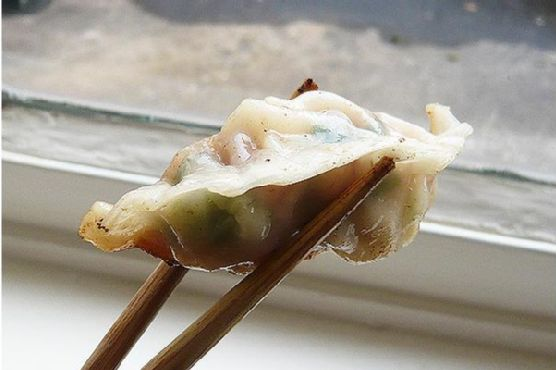
Related update: Spicy Black-Eyed Pea Curry with Swiss Chard and Roasted Eggplant

Related update: Curry Leaves Potato Chips

Savory Slow Roasted Tomatoes with Filet of Anchovy | Made by Meaghan Moineau

Savory Slow Roasted Tomatoes with Filet of Anchovy

Intro

There’s something magical about the aroma of slow-roasted tomatoes wafting through the kitchen. It takes me back to my grandmother’s house on lazy summer afternoons. She would spend hours preparing the most exquisite dishes, her hands moving with practiced ease. One of my favorites was her slow-roasted tomatoes topped with anchovy filets—a recipe that I’ve lovingly recreated many times over the years. There’s a warmth and nostalgia in every bite, a reminder of those sun-dappled days spent in her garden. Today, I’m thrilled to share this cherished recipe with you, hoping it brings a touch of that same magic to your home.

Why You’ll Love It

This recipe is a celebration of simplicity and flavor. The slow roasting process intensifies the natural sweetness of the tomatoes, while the anchovy filets add a savory, umami-rich layer that is simply irresistible. It’s a dish that requires minimal effort but delivers maximum flavor. Whether you’re serving it as a delightful appetizer or a side dish, these savory slow-roasted tomatoes are sure to impress your guests and become a staple in your culinary repertoire.

Ingredients

  • Round tomatoes
  • Canned fresh any herbs you like
  • Salt & pepper
  • Extra virgin olive oil
  • Anchovy filets

Instructions

  1. Preheat your oven to 150°C (280°F).
  2. Cut the top third off the tomatoes and discard the top.
  3. Place the tomatoes on a baking tray lined with parchment paper.
  4. Sprinkle generously with salt, pepper, and herbs of your choice.
  5. Drizzle a generous amount of olive oil over the tomatoes.
  6. Place the tray in the oven, allowing the tomatoes to roast for 4-6 hours, depending on their size.
  7. Occasionally baste the tomatoes in their juices and olive oil as you pass through the kitchen.
  8. Once the tomatoes shrivel slightly and take on a sun-dried appearance, they are ready. They should retain their shape and not become mushy.
  9. Remove from the oven and top each tomato with a whole anchovy filet.
  10. Serve warm or at room temperature, drizzled with the olive oil from the baking pan.

Tips

For best results, choose firm, ripe tomatoes that are uniform in size to ensure even cooking. Don’t rush the cooking time; the slow roasting is what brings out the rich, concentrated flavors. Feel free to experiment with different herbs to find your perfect flavor combination.

Variations & Substitutions

If anchovies aren’t to your liking, consider substituting them with capers or olives for a similar salty bite. For a vegan version, omit the anchovies entirely or use a plant-based alternative. You can also try different types of tomatoes, such as cherry or heirloom, adjusting the roasting time accordingly.

Storage

If you have leftovers, store the tomatoes in an airtight container in the refrigerator for up to three days. They make a delicious addition to salads, pasta dishes, or even as a topping for crusty bread. Reheat them gently in the oven to enjoy their full flavor.

FAQ

Can I use dried herbs instead of fresh?

Absolutely! Dried herbs can be a great substitute for fresh ones. Just keep in mind that dried herbs are more concentrated, so you’ll need less. Start with half the amount and adjust to taste.

What can I pair with these roasted tomatoes?

These roasted tomatoes pair beautifully with a variety of dishes. Serve them alongside grilled chicken or fish for a complete meal. They also make a wonderful topping for bruschetta or a flavorful addition to a cheese platter.

Can I make this recipe in advance?

Yes, you can prepare the roasted tomatoes a day in advance. Simply store them in the fridge and warm them up slightly before serving. They’re also delicious served cold, making them a versatile option for meal prep.

Nutrition

This dish is not only delicious but also nutritious. Tomatoes are rich in vitamins C and K, potassium, and folate, while anchovies provide a good source of omega-3 fatty acids and protein. It’s a healthy, flavorful option that you can feel good about enjoying.

Conclusion

There you have it—Savory Slow Roasted Tomatoes with Filet of Anchovy, a dish that embodies simplicity and flavor. Whether you’re reminiscing about cherished memories or creating new ones, this recipe is sure to delight your senses and warm your heart. I hope it becomes a beloved tradition in your home, just as it has in mine. Enjoy every bite!

Related update: Savory Slow Roasted Tomatoes with Filet of Anchovy

Related update: Brussels Sprouts with Bacon and Shallots

Related update: Shrimp & Crab Egg Rolls