
Josh Jacobs’ Knee Intact, Week-to-Week | Analysis by Brian Moineau

Positive update for Packers’ Josh Jacobs: structurally intact, week-to-week

There’s a collective sigh of relief going around Green Bay today. After leaving the Packers’ win over the New York Giants with a left-knee injury, running back Josh Jacobs avoided the worst-case scenario: tests show the knee is structurally intact and he won’t require surgery. That doesn’t mean he’s back immediately — the team is calling him week-to-week — but this is the kind of injury update that turns alarm into cautious optimism. (nbcsports.com)

What happened and why this matters

  • Jacobs left the Nov. 16, 2025 game in the second quarter after taking a hard hit and grabbing his left knee. He had seven carries for 40 yards before exiting. The Packers won the game, but his status immediately became the storyline to watch. (nbcsports.com)
  • Follow-up imaging and evaluations the next day indicated there was no structural damage and surgery is not needed. The team labeled him week-to-week; that means he could miss the Week 12 matchup against the Minnesota Vikings but isn’t facing a long-term absence. (nbcsports.com)
  • Coach Matt LaFleur described the injury as a contusion in later comments and emphasized swelling management as the immediate issue — a common path for players who avoid ligament or meniscus tears. (nbcsports.com)

Why this is a relief for the Packers

  • Josh Jacobs is the engine of Green Bay’s running game. In 2025 he’s been productive, piling up carries, yards, and — importantly — 11 rushing touchdowns before this injury. Losing him long-term would have been a major blow to offensive balance. (nbcsports.com)
  • The Packers have usable depth (Emanuel Wilson, Chris Brooks, practice-squad options like Pierre Strong Jr.), and Wilson stepped up immediately with a touchdown when Jacobs left. Still, backup production is rarely a perfect match for an elite starter’s consistency. (nbc26.com)
  • From a playoff and strategic standpoint, having Jacobs available even later in the season — or after a short week-to-week recovery — preserves Green Bay’s ability to run between the tackles, control the clock, and take pressure off Jordan Love. (espn.com)

How the timeline might play out

  • Short-term: focus is on reducing swelling and monitoring response to rest/treatment. That’s why the club is using the “week-to-week” label rather than an exact return date. (nbcsports.com)
  • Week 12 (Vikings at Lambeau): Jacobs is considered a long shot for that game; Emanuel Wilson would likely handle early-down duties if Jacobs can’t go. (nbcsports.com)
  • Medium-term: with no surgery required and no structural damage, the expected path is conservative: rehab and a graduated return to practice and then game action. No season-ending prognosis was reported. (espn.com)

Notes on player durability and team implications

  • Jacobs has carried a heavy load in recent seasons and has a track record of production and durability. That history makes this update especially encouraging — teams are often more optimistic about short recoveries when a player has a resilient track record. (espn.com)
  • The Packers’ depth chart will be under a microscope while Jacobs is out. Offensive game plans may tilt more toward play-action and passing to minimize exposure, or lean into Emanuel Wilson’s skill set if he’s asked to handle more snaps. (reuters.com)

Quick hits you can scan

My take

This is one of those NFL updates that balances relief with realism. Structurally intact knees and no surgery are great news — they remove the worst-case scenarios and keep a key piece available for the stretch run. At the same time, “week-to-week” is deliberately vague because swelling and reaction to treatment ultimately determine how quickly a player can return to contact. For the Packers, the next 7–10 days matter: how Jacobs responds in rehab will set the tone for whether Green Bay can keep rolling with its preferred identity or needs to lean on depth pieces for a few games.

Sources


Related update: We recently published an article that expands on this topic: read the latest post.
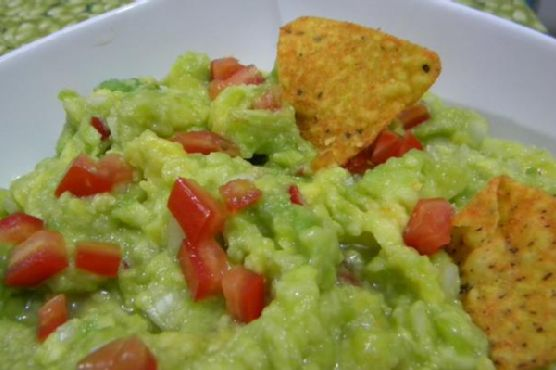
Guacamole | Made by Meaghan Moineau

The Best Homemade Guacamole

Intro

There’s nothing quite like the taste of fresh guacamole. I remember the first time I tried it at a family gathering when I was a child. The creamy texture combined with a hint of spice and citrusy notes was unlike anything I’d tasted before. My uncle, who had just returned from a trip to Mexico, made a batch for us, and since then, guacamole has been a staple at all our family gatherings. Today, I’ll share with you my take on this classic recipe, inspired by that nostalgic experience.

Why You’ll Love It

This guacamole recipe is perfect for any occasion. Whether you’re hosting a party, enjoying a quiet night in, or looking for a healthy snack, this guacamole will be your go-to. The creamy texture of the avocados paired with the freshness of herbs like cilantro, basil, and oregano creates a perfect balance of flavors. Plus, it’s quick and easy to make!

Ingredients

  • 3 ripe Haas avocados
  • 1/4 cup finely chopped onion
  • 1 jalapeño pepper, seeded and minced
  • 2 tablespoons fresh cilantro, chopped
  • 1/2 teaspoon salt
  • 1/4 teaspoon black pepper
  • 2 tablespoons fresh lime juice
  • 1 tablespoon fresh basil, chopped
  • 1 tablespoon fresh oregano, chopped

Instructions

  1. Cut the avocados in half lengthwise. Remove the pit by driving a chef’s knife into it and twisting gently to loosen.
  2. Scoop the avocado flesh out of the skin and into a mixing bowl.
  3. Using a fork, mash the avocado to your desired consistency.
  4. Add the chopped onion, jalapeño, cilantro, basil, and oregano to the mashed avocado.
  5. Mix until all the ingredients are well incorporated.
  6. Season the guacamole with salt, black pepper, and lime juice to taste.
  7. Serve immediately or chill for a more pronounced flavor.
  8. If not serving immediately, store in the refrigerator with plastic film wrap pressed onto the surface of the guacamole to prevent browning.

Tips

When choosing avocados, look for ones that are slightly soft to the touch but not mushy. A ripe avocado will yield gently to pressure. To prevent the guacamole from turning brown, ensure the plastic wrap is touching the entire surface of the guacamole. This minimizes air contact, which causes oxidation.

Variations & Substitutions

Feel free to customize your guacamole. For a spicier kick, leave the seeds in the jalapeño or add a dash of cayenne pepper. If you’re not a fan of cilantro, you can omit it or replace it with parsley. For a twist, try adding diced tomatoes or roasted corn for extra texture and flavor.

Storage

Store leftover guacamole in an airtight container in the refrigerator. Press a piece of plastic wrap directly onto the surface before sealing to keep it fresh for up to two days. Remember, the sooner you enjoy it, the better it tastes!

FAQ

Can I make guacamole in advance?

Yes, you can prepare guacamole a few hours in advance. Just make sure to store it with plastic wrap pressed against the surface to prevent browning. The lime juice also helps preserve its vibrant color.

What can I serve with guacamole?

Guacamole is incredibly versatile. Serve it with tortilla chips, as a topping for tacos, or alongside grilled chicken or fish. It’s also a great addition to sandwiches and burgers for an extra burst of flavor.

Nutrition

Avocados are packed with healthy fats, fiber, and essential nutrients. This guacamole recipe is not only delicious but also offers a good source of vitamins C, E, K, and B-6, as well as potassium and folate. Enjoy it as a healthy snack or as part of a balanced meal.

Conclusion

Whether you’re a long-time fan of guacamole or trying it for the first time, this recipe is sure to become a favorite. Its simplicity and freshness make it a standout dish that’s perfect for any occasion. So gather your ingredients and enjoy a taste of this classic, nostalgic treat. Remember, the best dishes are those shared with family and friends. Happy guacamole making!

Related update: Guacamole

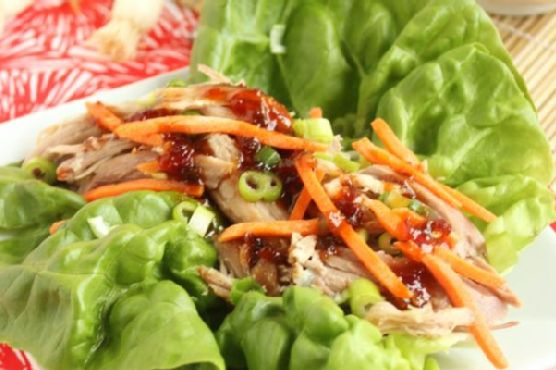
Slow Cooker Kahlua Pork with Sweet Chili Pineapple Sauce | Made by Meaghan Moineau

Slow Cooker Kahlua Pork with Sweet Chili Pineapple Sauce

Intro

There’s something magical about the aroma of a slow-cooked meal wafting through the house, especially when it’s a dish that has been a family favorite for generations. I can still vividly recall the Sunday afternoons at my grandmother’s house, where family gatherings were synonymous with her signature Kahlua Pork. As kids, we would eagerly await the moment when the tender, flavorful pork would be served, accompanied by the sweet and tangy pineapple sauce. This recipe is my homage to those cherished memories, with a modern twist that brings the flavors to life in a convenient slow-cooker format.

Why You’ll Love It

This Slow Cooker Kahlua Pork with Sweet Chili Pineapple Sauce is the perfect blend of savory and sweet, with a hint of smokiness that makes it irresistible. It’s incredibly easy to prepare, requiring minimal effort but delivering maximum flavor. The slow cooker does all the hard work, breaking down the pork until it’s melt-in-your-mouth tender. The sweet chili pineapple sauce adds a zesty kick that perfectly complements the richness of the pork. Whether you’re hosting a gathering or just want a comforting meal for the family, this dish is sure to become a staple in your home.

Ingredients

  • 4 lbs pork butt
  • 2 tablespoons liquid smoke
  • 1 tablespoon regular sea salt
  • 1 cup pineapple juice
  • 1/4 cup rice vinegar
  • 1/4 cup honey
  • 2 tablespoons garlic chili sauce
  • 2 tablespoons hoisin sauce

Instructions

  1. Place the pork, fat side up, in the slow cooker.
  2. Using a fork, pierce the roast all over and pour the liquid smoke over it to coat.
  3. Sprinkle the sea salt evenly over the roast and cover.
  4. Cook on low for 10 hours, until the meat begins to fall apart when shredded with a fork.
  5. In a small saucepan, whisk together the pineapple juice, rice vinegar, honey, chili sauce, and hoisin sauce.
  6. Bring the mixture to a boil and cook the sauce until reduced by half, stirring frequently with a heat-resistant spatula.
  7. Set aside the sauce once reduced.
  8. When the roast is done, transfer to a cutting board and shred the meat using two forks.
  9. Return the shredded meat back to the slow cooker and serve immediately with the sauce.

Tips

For best results, choose a pork butt with good marbling, as the fat will render down during cooking, keeping the meat juicy and flavorful. If you prefer a bit of spice, feel free to adjust the amount of garlic chili sauce to your liking. Keep an eye on the sauce as it reduces to ensure it doesn’t burn, and remember to stir frequently.

Variations & Substitutions

If you’re looking for a different flavor profile, you can substitute the hoisin sauce with soy sauce for a less sweet, more savory sauce. For a tropical twist, try adding crushed pineapples to the sauce during the reduction process. Vegetarians can swap the pork for jackfruit, which mimics the texture of shredded meat and absorbs flavors beautifully.

Storage

Leftovers can be stored in an airtight container in the refrigerator for up to 4 days. Reheat gently on the stovetop or in the microwave, adding a splash of water or pineapple juice to keep the meat moist. You can also freeze the pork and sauce in separate containers for up to 3 months. Thaw in the refrigerator overnight before reheating.

FAQ

Can I use a different cut of pork?

Yes, you can use pork shoulder or pork loin as alternatives. However, keep in mind that pork loin is leaner and may not be as tender as pork butt or shoulder. Adjust the cooking time accordingly and monitor the tenderness of the meat.

What can I serve with this dish?

This Kahlua Pork pairs wonderfully with steamed rice or a side of roasted vegetables. For a complete Hawaiian-inspired meal, consider serving it with macaroni salad and coleslaw.

Is there a way to make it in the oven?

Absolutely! Preheat your oven to 325°F (165°C). Follow the preparation steps and place the pork in a roasting pan. Cover tightly with foil and bake for 5-6 hours, until the pork is tender and easily shredded.

Nutrition

This dish is a source of protein and offers a delightful balance of sweet and savory flavors. The sauce contains natural sweetness from honey and pineapple juice, making it more nutrient-dense than sugar-laden alternatives. If you’re watching your sodium intake, consider using a reduced-sodium soy sauce in place of hoisin sauce.

Conclusion

This Slow Cooker Kahlua Pork with Sweet Chili Pineapple Sauce is a testament to the power of simple ingredients and traditional cooking methods. It’s a dish that brings people together, creating a sense of warmth and nostalgia with every bite. Whether it’s for a special occasion or a cozy family dinner, this recipe is sure to become a beloved fixture in your culinary repertoire. Enjoy the flavors, and may it bring as much joy to your table as it has to mine!

Related update: Slow Cooker Kahlua Pork with Sweet Chili Pineapple Sauce

Related update: Creamy White Chili