
Rivian Digital Key: Wallet-Based Access | Analysis by Brian Moineau

A key in your pocket: Rivian Digital Key brings Gen 2 cars into your phone wallet

There’s a tiny moment of delight when you walk up to your car, your phone in your hand (or not), and the vehicle simply knows you’re there. Rivian just made that moment more seamless. On December 18, 2025, Rivian began rolling out Rivian Digital Key for Gen 2 R1T and R1S vehicles — a native digital-wallet car key experience for iPhone, Apple Watch, Google Pixel, and Samsung devices that lets owners unlock, share, and start their Rivian without the dedicated fob or the Rivian app’s Bluetooth-only workflow.

This isn’t just another “app feature” patch. It marks a bigger shift toward platform-level convenience, tighter hardware integration (Ultra-Wideband and NFC), and the standardization of car access across ecosystems.

Why this matters now

  • Smartphones have increasingly replaced physical items (boarding passes, credit cards, transit passes). Car keys are the next obvious candidate — but only when the integration is reliable and secure.
  • Rivian’s Gen 2 cars were built with newer connectivity and UWB hardware that make native wallet keys practical in ways first-gen Bluetooth approaches weren’t.
  • By supporting Apple Wallet, Google Wallet, and Samsung Wallet, Rivian avoids locking users into a single OS and taps into the “works-as-you-expect” experience people now expect from modern devices.

What Rivian Digital Key does

  • Native wallet integration: Add your Rivian Gen 2 car key to Apple Wallet (iPhone & Apple Watch), Google Wallet (Pixel), and Samsung Wallet.
  • Multiple unlocking modes: Ultra-Wideband (UWB) for precise hands-free proximity; NFC fallback that can work even when the phone is in power-reserve (Rivian notes up to ~5 hours on supported devices).
  • Key sharing: Send digital keys to family and friends instantly — no physical handoffs.
  • Broader device support: Works across major smartphone ecosystems to maximize owner convenience.
  • Requirements and flow: The feature arrives with Rivian’s 2025.46 OTA and Rivian Mobile App update (3.8.0); some Android implementations require recent OS versions (Android 15 / One UI 7.0 mentions in reporting).

(Technical specifics and exact device compatibility can vary; check your vehicle’s OTA status and the latest Rivian app release notes before expecting the feature on your car.)

How this compares to the old way

  • Old: Rivian’s earlier digital key used the Rivian app and Bluetooth Low Energy. It worked, but could be slower, less precise, and was app-dependent.
  • New: Keys live at the OS level (Wallet apps), enabling Express/Power Reserve, tighter proximity detection through UWB, native watch support, and a fallback NFC path if the battery is depleted. In short: faster, more reliable, and more integrated.

The broader context

  • Rivian is part of a broader industry trend: automakers are adopting the Car Connectivity Consortium (CCC) standards and integrating with phone wallet ecosystems. Apple Car Key and similar Android standards have been rolling out across several manufacturers in recent years.
  • This update arrives alongside other notable 2025.46 features (Universal Hands-Free driving modes and other Gen 2 improvements), signaling Rivian’s push to refine both autonomy and convenience features in tandem.
  • The move also reflects product lifecycle strategy: many automakers concentrate new platform-level integrations on newer vehicle generations, which can leave earlier owners waiting or requiring hardware retrofits.

Opportunities and caveats

  • Opportunities:

    • Simpler sharing: temporary or permanent digital keys can replace lending physical fobs.
    • Reduced lockout worry: Express/Power Reserve offers peace-of-mind if your phone dies.
    • Cross-platform parity: support for iOS and major Android ecosystems lowers friction for households with mixed devices.
  • Caveats:

    • Compatibility: older phones or Gen 1 vehicles may not gain the same functionality.
    • Security and privacy: while wallet-based keys typically have strong device-level protections, owners should follow best practices (device passcodes, biometric locks, OS updates).
    • Reliance on hardware: UWB and NFC behaviors depend on device and vehicle hardware; real-world performance can vary by device model and environmental conditions.

What this means for owners and would-be buyers

  • Gen 2 Rivian owners should look for the 2025.46 OTA and update the Rivian app (3.8.0+), then follow the wallet setup flow to add the car key.
  • If you’re evaluating Rivian vs. other EVs, consider how important native wallet integration is to your daily routine. For many buyers, the convenience of wallet-based keys will be a useful tie-breaker.
  • If you own a Gen 1 R1 and hoped for parity, note that many of these features rely on Gen 2 hardware and may not be fully transferable without retrofits.

A few practical tips for setup

  • Update the Rivian mobile app to the version that mentions wallet support (3.8.0 or later) and ensure your vehicle has received the 2025.46 OTA.
  • For iPhone owners: confirm iOS 17.4.1+ and Wallet readiness; for Apple Watch, make sure NFC works and watchOS is up to date.
  • For Android owners: check Google Wallet or Samsung Wallet compatibility and any OS version requirements (reporting has referenced Android 15 / One UI 7.0 for some features).
  • Keep your device OS updated and enable device-level protections (Face ID/Touch ID, PIN/passcode) for security.

My take

Rivian Digital Key is one of those “small” features that changes daily life more than you’d expect — especially once you get used to your phone being the primary interface for everything. By moving car access into native wallets and leveraging UWB/NFC, Rivian has reduced friction and added resilience (power reserve) against common real-world annoyances. It’s also a vote of confidence in cross-platform standards: owners shouldn’t need to swap ecosystems to get convenience parity.

That said, manufacturers must balance excitement with clarity: clear communication about device and vehicle compatibility will be crucial to avoid confusion, particularly between Gen 1 and Gen 2 owners. If Rivian keeps this momentum — and continues to make ownership feel like a continuous software upgrade — these moments of polish could become a meaningful competitive advantage.

Final thoughts

Digital keys are a practical example of how cars are becoming platforms rather than standalone devices. When automakers, OS vendors, and standards groups converge on simple, secure experiences like this, the payoff is everyday delight: fewer fumbling moments at the door, easier sharing with family, and one less physical item to misplace. Rivian’s rollout for Gen 2 is a smart step in that direction — now it’s about execution, clarity, and getting the experience right for every owner and device.

Sources


Related update: We recently published an article that expands on this topic: read the latest post.

Related update: We recently published an article that expands on this topic: read the latest post.


Related update: We recently published an article that expands on this topic: read the latest post.

Quick N’ Easy Basil Pesto | Made by Meaghan Moineau

Quick N’ Easy Basil Pesto

Intro

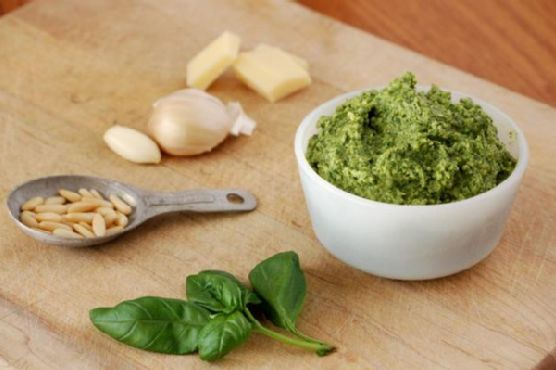
There’s something truly magical about the aroma of fresh basil wafting through the kitchen. It takes me back to my childhood, sitting at my grandmother’s kitchen table, eagerly watching as she crafted her signature pesto. The vibrant green of the basil, the nutty aroma of the pine nuts, and the sharp, tangy scent of freshly grated parmesan — these are the sensory memories that have stayed with me. Today, I want to share a simplified version of her recipe that retains all the charm and flavor of the traditional dish, while being quick and easy enough for anyone to make. Whether you’re a seasoned cook or a kitchen novice, this Quick N’ Easy Basil Pesto is sure to become a favorite in your home, just as it has in mine.

Why You’ll Love It

Our Quick N’ Easy Basil Pesto is a delightful blend of fresh ingredients that can elevate any meal. Here are just a few reasons why you’ll fall in love with this recipe:

  • Simple and Fast: With just a handful of ingredients and a few minutes, you can whip up a batch of homemade pesto.
  • Versatile: Use it as a pasta sauce, a sandwich spread, or a topping for grilled meats and veggies.
  • Rich in Flavor: Each bite delivers a burst of fresh, nutty, and cheesy goodness.
  • Customizable: Easily tweak the ingredients to suit your taste or dietary needs.

Ingredients

  • 2 cups fresh basil leaves, packed
  • 1/2 cup olive oil, plus more if needed
  • 1/3 cup pine nuts
  • 2 cloves garlic
  • 1/2 cup freshly grated parmesan cheese

Instructions

  1. Begin by washing and drying the basil leaves thoroughly.
  2. In a food processor, add the basil leaves, pine nuts, and garlic. Pulse a few times until coarsely chopped.
  3. With the processor running, slowly drizzle in the olive oil until the mixture is smooth and creamy.
  4. Add the parmesan cheese and pulse until well combined. Check the consistency; if it’s too thick, gradually add more olive oil until you achieve the desired texture.
  5. Taste and adjust seasoning if necessary. Remember, fresh pesto is best enjoyed within 24 hours.
  6. For longer storage, scoop the pesto into muffin cups lined with plastic wrap and freeze for future use.

Tips

To ensure your pesto is perfect every time, consider these tips:

  • Quality Ingredients: Use the freshest basil and highest quality olive oil you can find for the best flavor.
  • Toasting Nuts: Lightly toasting the pine nuts before adding them to the processor enhances their flavor.
  • Consistent Texture: Add olive oil slowly to control the texture of your pesto. You can always add more, but you can’t take it out!

Variations & Substitutions

One of the joys of making pesto is its flexibility. Here are some ideas to switch things up:

  • Nut Alternatives: Swap pine nuts for walnuts, almonds, or even sunflower seeds for a different flavor profile.
  • Cheese Options: Try Pecorino Romano or a vegan parmesan for a unique twist.
  • Herbal Variations: Substitute part of the basil with spinach, arugula, or parsley for a diverse taste.

Storage

Fresh pesto is best enjoyed within 24 hours for optimal flavor. If you need to store it longer, here are some options:

  • Refrigeration: Keep it in an airtight container with a thin layer of olive oil on top to prevent browning. It should last for up to a week.
  • Freezing: Freeze in muffin cups lined with plastic wrap for individual portions. Once frozen, transfer them to a zip-lock bag. They can last in the freezer for up to three months.

FAQ

Can I make pesto without a food processor?

Absolutely! If you don’t have a food processor, a blender can work as an alternative. You can also use a mortar and pestle for a more traditional approach, though it will take more time and effort.

Is there a way to make this recipe vegan?

Yes, you can make a vegan version by substituting the parmesan cheese with nutritional yeast or a vegan cheese alternative. This will still give you that cheesy flavor without using dairy.

Nutrition

This recipe is nutrient-dense, providing healthy fats from the olive oil and pine nuts, vitamins from the basil, and protein from the cheese. It’s a great choice for those looking to add more wholesome ingredients to their diet without sacrificing flavor.

Conclusion

Making your own basil pesto is a rewarding experience, connecting you to the vibrant flavors of fresh ingredients and the timeless traditions of Italian cooking. Whether you’re using it to dress up a pasta dish, spread on a sandwich, or as a dip, this Quick N’ Easy Basil Pesto is sure to become a staple in your culinary repertoire. So why not gather your ingredients, and embark on a delicious journey of flavor and nostalgia, just like the one I enjoyed with my grandmother so many years ago.

Related update: Quick N' Easy Basil Pesto

Grasso’s Tough Stance Shapes Michigan | Analysis by Brian Moineau

A moment of truth in Ann Arbor: Grasso’s message and what comes next for Michigan athletics

The video dropped on a quiet Wednesday night, but its ripples are anything but quiet. Interim University of Michigan president Domenico Grasso spoke directly to the community about the investigation into the athletic department and the search for a new football coach after the abrupt firing of Sherrone Moore. The tone was firm, the message blunt: the university will “leave no stone unturned,” and the next coach must embody the “highest moral character.”

Below I walk through what Grasso said, why the expanded Jenner & Block probe matters, how the coaching search is being framed now, and the larger cultural questions Michigan faces.

Quick snapshot

  • Who spoke: Interim President Domenico Grasso.
  • What happened: Grasso posted a video update expanding an existing investigation into former coach Sherrone Moore to a broader review of the athletics department’s culture, conduct, and procedures.
  • Who’s investigating: Chicago law firm Jenner & Block, already involved in related reviews.
  • Coaching search stance: Michigan is prioritizing moral character and leadership in its next head coach.

Why the video mattered — the human angle

Hook: Colleges are built on reputations that take generations to earn and seconds to erode. Grasso’s message landed as an attempt to stop the erosion.

Grasso’s address was not just PR; it was an attempt to re-center the conversation on values and accountability. For students, staff, alumni and donors who felt blindsided and betrayed by the Moore episode, the video did three things simultaneously:

  • Acknowledged hurt and disillusionment without downplaying it.
  • Announced concrete next steps (expanded independent review, a contact line for tipsters).
  • Signaled that personnel decisions — including further terminations if warranted — are possible based on the probe’s findings.

That combination matters. When an institution signals both empathy and action, it reduces the vacuum where rumor and distrust grow.

The investigation: why expanding to the whole athletics department matters

Grasso expanded an already ongoing Jenner & Block review into a broader look at the department’s culture and procedures. That’s notable for several reasons:

  • It moves the response beyond a single “bad actor” narrative to a systemic inquiry.
  • It shifts focus from only disciplinary outcomes to process and prevention — how the department handles reports, training, supervision, and compliance.
  • Using outside counsel with prior experience at Michigan (Jenner & Block) provides legal thoroughness, but also raises questions about institutional self-reflection versus external accountability. Independent reviews can be rigorous, but their credibility hinges on transparency about methodology and follow-through on recommendations.

In short, it’s the difference between fire-fighting and re-building a safer structure.

The coaching search: character first

Grasso was emphatic that Michigan will hire someone “of the highest moral character” who will be a role model and “with dignity and integrity be a fierce competitor.” That language does two jobs:

  • It narrows the public field of acceptable candidates to those without serious prior controversy.
  • It signals to recruits, parents, and donors that the university intends leadership who reflect institutional values — not only on-field success.

Practically, that will complicate a search if the market of high-profile, proven coaches includes names with baggage. But in a post-scandal moment, optics and message matter almost as much as playbooks.

What to watch next

  • The Jenner & Block timeline and level of disclosure. Will the university publicly release findings or only act on specific recommendations?
  • Whether the athletics compliance and ethics office receives sustained structural investment (staffing, reporting lines, independence).
  • How the Regents and athletic director Warde Manuel participate in the search and the response; leadership alignment will be crucial.
  • The selection criteria and vetting process used for the next head coach — especially how background checks and cultural fit evaluations are handled.

Broader context

This moment at Michigan is part of a larger pattern across college athletics — from misconduct revelations to debates over governance and athlete welfare. Universities are under intense pressure to reconcile competitive ambition with ethical stewardship. Grasso’s remarks reflect that balancing act: a commitment to on-field excellence, paired with an insistence that athletics must live up to the university’s broader mission.

What doesn’t solve the problem overnight

  • A single firing, even if necessary, won’t fix systemic problems.
  • A PR-forward video won’t replace transparent processes that build trust over time.
  • Hiring a high-profile coach without structural changes risks repeating the same vulnerabilities.

My take

Grasso’s statement felt necessary and measured — a leader trying to steady a shaken community while promising rigorous scrutiny. The test, though, is not in the words but the deeds that follow: open, credible investigations; real investments in compliance and culture; and a search for a coach that privileges character as highly as wins. If Michigan matches the force of its rhetoric with transparent action, this moment could become a turning point rather than a stain.

Sources


Related update: We recently published an article that expands on this topic: read the latest post.


Related update: We recently published an article that expands on this topic: read the latest post.

Blackberry Balsamic Drumsticks | Made by Meaghan Moineau

Blackberry Balsamic Drumsticks

Intro

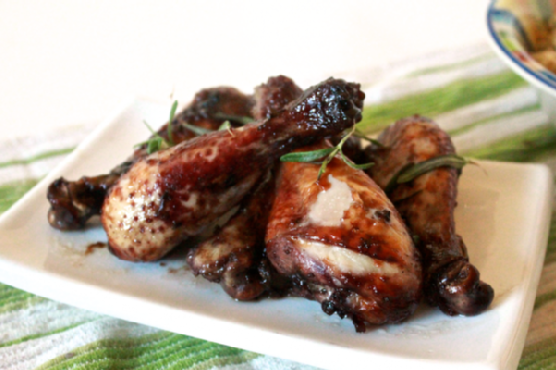
There’s something magical about the combination of sweet and savory that brings back memories of family gatherings and warm summer nights. Growing up, Sundays were reserved for family dinners at my grandmother’s house. She was a culinary wizard who could transform any simple ingredient into a feast fit for royalty. Her secret? A garden brimming with fresh produce and an innate sense for pairing unusual flavors. One summer evening, she introduced us to a dish that would become a family favorite: Blackberry Balsamic Drumsticks. These succulent pieces of chicken, infused with the essence of ripe blackberries and aromatic balsamic vinegar, were a revelation. It’s a dish that not only tantalizes your taste buds but also carries the warmth of those cherished family moments. Today, I’m excited to share this special recipe with you, hoping it brings as much joy to your table as it has to mine.

Why You’ll Love It

Blackberry Balsamic Drumsticks are a delightful blend of sweet, tangy, and savory flavors that will have your taste buds dancing with joy. The unique combination of fresh blackberries and balsamic vinegar creates a mouthwatering glaze that elevates ordinary chicken drumsticks to a gourmet level. Not only is this dish incredibly tasty, but it’s also easy to prepare, making it perfect for both weeknight dinners and special occasions. The marinade, enriched with rosemary and mustard, infuses the chicken with a depth of flavor that is both comforting and sophisticated. Plus, who doesn’t love a dish that can be prepped in advance and left to marinate while you enjoy your day?

Ingredients

  • 8 skin-on chicken drumsticks
  • 1 cup fresh blackberries
  • 1/4 cup balsamic vinegar
  • 1/4 cup demerara sugar
  • 1 tablespoon fresh rosemary, chopped
  • 2 tablespoons butter
  • 2 tablespoons whole grain mustard
  • Salt and pepper to taste

Instructions

  1. Place blackberries, butter, 1/4 cup water, rosemary, sugar, and vinegar in a small saucepan.
  2. Cook over medium-high heat, stirring occasionally, until the mixture is slightly reduced, about 10-15 minutes.
  3. Remove from heat and stir in mustard, salt, and pepper. Allow the marinade to cool.
  4. Place the drumsticks in a large ziplock bag. Pour the cooled marinade over the top and seal the bag.
  5. Toss to coat the drumsticks evenly with the marinade.
  6. Refrigerate and marinate for 24 hours, allowing the flavors to infuse.
  7. When ready to cook, preheat the oven to 375°F (190°C).
  8. Arrange drumsticks on a cookie sheet lined with tin foil.
  9. Bake for 25 minutes, turning once halfway through the cooking time.
  10. Serve hot with your preferred side dish.

Tips

For the best results, use fresh blackberries when in season. They impart a natural sweetness and vibrant color to the dish. If fresh rosemary isn’t available, dried rosemary can be used, but use only half the amount as dried herbs are more potent. When cooking the marinade, keep an eye on it to prevent it from reducing too much, as it should remain syrupy and flavorful.

Variations & Substitutions

If you’re looking to switch things up, consider these variations:
Spicy Kick: Add a pinch of red pepper flakes to the marinade for a spicy twist.
Herbal Infusion: Substitute thyme or sage for rosemary for a different herbal note.
Sweetness Swap: Honey or maple syrup can be used in place of demerara sugar for a different sweetness profile.
Chicken Cuts: If drumsticks aren’t your preference, this marinade works wonderfully with chicken thighs or wings as well.

Storage

Leftover drumsticks can be stored in an airtight container in the refrigerator for up to 3 days. To reheat, place them in an ovenproof dish and warm at 350°F (175°C) until heated through. For a quick option, you can also microwave them on medium power. The flavors deepen over time, making leftovers equally enjoyable.

FAQ

Can I use frozen blackberries?

Yes, frozen blackberries can be used if fresh ones are unavailable. Ensure they are fully thawed and drained before adding to the marinade to avoid excess liquid.

Is it necessary to marinate the drumsticks for 24 hours?

While marinating for 24 hours yields the best flavor, if you’re short on time, even a few hours will still impart a delicious taste. Aim for at least 4 hours if possible.

Can I grill the drumsticks instead of baking them?

Absolutely! Grilling adds a smoky flavor that complements the sweet and tangy glaze. Grill the drumsticks over medium heat, turning frequently, until cooked through.

Nutrition

While exact nutritional values can vary based on portion size and specific brands of ingredients used, each serving of Blackberry Balsamic Drumsticks is approximately 250 calories. This includes a good amount of protein and some natural sugars from the blackberries and demerara sugar.

Conclusion

Blackberry Balsamic Drumsticks are more than just a meal; they’re a culinary experience that combines the richness of tradition with the excitement of bold flavors. Whether you’re gathering with family or hosting friends, this dish is sure to impress and become a staple in your recipe repertoire. Give it a try, and let the flavors transport you to a place of comfort, warmth, and delightful nostalgia. Happy cooking!

Related update: Blackberry Balsamic Drumsticks

Related update: chettinad egg curry

Insmed pivots after brensocatib setback | Analysis by Brian Moineau

A surprising pivot from Insmed: what the BiRCh results mean for brensocatib and the company’s strategy

The biotech world loves dramatic arcs: a promising molecule rises, investors cheer, and then — sometimes — the plot takes an unexpected turn. On December 17, 2025, Insmed released topline results from the Phase 2b BiRCh study of brensocatib in chronic rhinosinusitis without nasal polyps (CRSsNP). The verdict was blunt: the study did not meet its primary or secondary efficacy endpoints. Insmed immediately discontinued the CRSsNP program, while also announcing the acquisition of a Phase 2-ready monoclonal antibody, INS1148, to bolster its respiratory and inflammatory pipeline.

Let’s unpack what happened, why it matters, and where Insmed might reasonably go from here.

Quick summary of the news

  • Date of announcement: December 17, 2025.
  • Study: Phase 2b BiRCh — brensocatib versus placebo in CRSsNP, 24 weeks, ~288 patients across 104 sites.
  • Result: Neither the 10 mg nor 40 mg dose met the primary endpoint (change in sinus Total Symptom Score) or secondary endpoints.
  • Safety: No new safety signals; tolerability consistent with prior studies, including in the higher 40 mg arm.
  • Immediate corporate action: Insmed discontinued the CRSsNP development program for brensocatib.
  • Simultaneous strategic move: Acquisition of INS1148 (OpSCF), a monoclonal antibody intended for interstitial lung disease and moderate-to-severe asthma; Insmed plans Phase 2 development.

Why the BiRCh failure matters

  • Brensocatib had momentum. The drug showed promising results in non-cystic fibrosis bronchiectasis (NCFB) and had become a central part of Insmed’s growth story. Expectations built around expanding brensocatib into other inflammatory and respiratory indications.
  • CRSsNP is biologically complex with no reliable animal models. Insmed described the BiRCh trial as a proof-of-concept aimed at testing whether brensocatib’s DPP1 inhibition could translate into symptom relief. The neutral result gives a clear — if disappointing — answer.
  • Financial and R&D implications. Discontinuing a development program reduces near-term R&D spend on that indication, but it also cuts potential long-term upside if CRSsNP had proven a meaningful market. The market reaction (sharp stock drop reported in related coverage) reflects lost optionality and investor re-pricing of future revenue scenarios.
  • Scientific signal. The lack of efficacy despite adequate dosing (including the company’s highest dose tested) raises mechanistic questions about neutrophil serine protease inhibition in CRSsNP specifically. It also tempers optimism for other indications where the drug’s mechanism is less directly validated.

What the data showed (topline numbers)

  • Primary endpoint (28-day average of daily sTSS at Week 24):
    • Placebo LS mean: -2.44
    • Brensocatib 10 mg LS mean: -2.21
    • Brensocatib 40 mg LS mean: -2.33
  • Safety: Treatment-emergent adverse events were similar between arms; no new safety concerns, and serious adverse event rates were low and comparable.

Those numbers show minimal separation from placebo on symptom improvement — the clinical signal simply wasn’t there.

The strategic pivot: INS1148 acquisition

  • What Insmed bought: INS1148 is a monoclonal antibody (formerly OpSCF) that targets a specific isoform of Stem Cell Factor (SCF248). The proposed advantage is to block the inflammatory cascade downstream of c-Kit signaling while sparing homeostatic/tissue-healing pathways.
  • Initial focus: Insmed plans Phase 2 programs in interstitial lung disease and moderate-to-severe asthma. This aligns with the company’s pulmonary focus and offers a new, complementary modality (mAb vs small-molecule DPP1 inhibitor).
  • Why this matters: Acquiring a clinical-stage asset diversifies Insmed’s pipeline at a time when brensocatib’s expansion into CRSsNP is off the table. It signals the company is doubling down on respiratory/inflammatory areas while mitigating the impact of the BiRCh result.

The investor dilemma

  • Near-term pain: Market volatility is expected after a late-2025 negative readout on an eagerly watched indication. Analysts and short-term traders will re-evaluate revenue forecasts and valuation multiples.
  • Longer-term perspective: Insmed still has commercial momentum from brensocatib in bronchiectasis (marketed as Brinsupri in some territories), other ongoing studies (e.g., hidradenitis suppurativa CEDAR study), and now INS1148 to potentially broaden indications. For investors with a multi-year horizon, the company’s runway and portfolio execution matter more than a single failed indication.
  • Risk-reward recalibration: The failure reduces optionality and likely moderates peak-sales estimates for brensocatib overall. But the absence of new safety signals and the company’s ability to redeploy capital toward a novel mAb program may keep upside for those who believe in Insmed’s broader strategy.

What this means for brensocatib’s other programs

  • Hidradenitis suppurativa (HS) and other non-pulmonary indications may be scrutinized more closely. A lack of efficacy in CRSsNP doesn’t doom those programs, but it raises caution and increases the value of positive, indication-specific data.
  • For bronchiectasis, prior strong late-stage results remain intact. Regulatory and commercial timelines for that indication are independent of the CRSsNP result, but market expectations may be tempered.

Takeaways for clinicians, patients, and industry watchers

  • Clinicians and patients with CRSsNP: The BiRCh data suggest brensocatib will not become an option for CRSsNP. Patients should continue following evidence-based care and consult their physicians for approved therapies and management strategies.
  • Industry watchers: This is a reminder that translating mechanism-based therapies into symptom relief in human disease is hard, especially in diseases lacking translational animal models. Creative acquisitions (like INS1148) are a common industry response to maintain pipeline momentum.

My take

Insmed’s BiRCh outcome is a textbook example of how clinical development reorders expectations. The result is disappointing, but not catastrophic: the company still has a commercially relevant product in bronchiectasis and a pipeline it can re-shape. Acquiring INS1148 is a pragmatic move — it signals an appetite to diversify modality risk and lean into respiratory immunology with a different mechanism.

Failures like this sting publicly because they are visible and immediate. But they can also sharpen corporate focus. If Insmed executes well on ongoing brensocatib programs and advances INS1148 thoughtfully into Phase 2, the company can emerge with a clearer, perhaps stronger strategic identity — albeit one that looks different than the path investors may have anticipated at the start of 2025.

Further reading

  • Insmed press release: “Insmed Provides Clinical and Business Update” (December 17, 2025) — for the full topline text and company commentary.
  • Reuters and other industry coverage — for market reaction and context around brensocatib’s prior successes in bronchiectasis.

Sources


Related update: We recently published an article that expands on this topic: read the latest post.