When Waiting Wins: The Late-Tech Edge | Analysis by Brian Moineau

When the Cardinals Waited to Plug In: Why Late Tech Adoption Can Be a Winning Playbook

There’s a slightly counterintuitive feeling that comes when you watch a team that’s known for tradition—like the St. Louis Cardinals—lean into modern performance tech. It’s comforting and a little thrilling at the same time: the same franchise that treasures history is now measuring spin efficiency in Jupiter and tracking ground reaction forces in the batting cages. But the bigger story here isn’t just “the Cardinals use tech.” It’s about timing: how waiting to adopt new technology can sometimes be an advantage rather than a handicap.

The hook: innovation without the bruises

Imagine buying a brand-new gadget on day one versus buying it after a year of updates, bug fixes, and user feedback. Early adopters get the flash and the bragging rights, but they also wrestle with early faults, awkward workflows, and expensive pivots. Late adopters—if they pick wisely—get the polished version plus a map of what works and what doesn’t.

That’s the thesis behind a recent piece on Viva El Birdos, which walks through the tech the Cardinals are using (and slowly integrating) and argues the club’s later, deliberate approach may spare them many missteps common to teams that plunged in too fast. (vivaelbirdos.com)

Why the Cardinals’ timing looks smart

  • They avoid teething problems. Early versions of hardware and software often change dramatically. Wait long enough and vendors iterate toward reliability, better documentation, and sensible workflows.
  • They learn from others. By the time a tool reaches them, there’s often a body of case studies—what injuries it predicted poorly, which metrics were noise, how coaches actually use the dashboards.
  • They get more interoperable systems. Early sports tech tended to be stovepiped: one vendor’s files didn’t play nicely with another’s. Later entrants often adopt common standards or offer integrations with the ecosystem (TrackMan, Rapsodo, etc.). (trackman.com)
  • Budget discipline. Waiting lets a club prioritize spending on proven solutions and the right people to interpret the data, instead of chasing every shiny thing.

The tech the Cardinals are (or likely are) using

Viva El Birdos’ roundup reads like a checklist of modern baseball performance tools—most of which are now common across MLB clubs, though the timing and depth of deployment vary: (vivaelbirdos.com)

  • Force plates (e.g., Forcedecks) to measure drive and deceleration forces in pitchers.
  • Arm-care and range-of-motion sensors for release-point strength checks and daily self-testing.
  • TrackMan for full ball-trajectory and spin metrics—the workhorse of stadium and practice analytics. (trackman.com)
  • Rapsodo systems and newer PRO devices for portable, detailed ball-flight and spin data useful in both hitting and pitching work. (rapsodo.com)
  • Trajekt pitching simulators that emulate live pitcher release and pitch shapes for hitters.
  • Kinatrax and other markerless motion-capture tools that let teams analyze in-game biomechanics without body markers.
  • Edgertronic high-speed cameras for frame-by-frame spin and release detail.
  • NordBord and groin/hip strength testing rigs to quantify rotational power and injury risk.
  • Wearables and embedded sensors (sleeves, shoe plates, GPS/IMUs like Catapult) for workload and fatigue management.

Together, these tools create a matrix of data: mechanical forces, joint kinematics, ball flight, internal workload, and recovery indicators. The real art—and major expense—is turning that matrix into actionable, human-led decisions.

Late adoption: the tradeoffs and practical gains

  • Reduced trial-and-error: The Cardinals (and teams that follow this path) can skip failed experiments other teams used as public beta tests.
  • Better vendor maturity: Hardware durability, battery life, cloud reliability, and analytics UI often improve significantly after a product’s first 12–24 months on the market.
  • Smarter hiring: Rather than hiring a stack of generalists, a team can recruit specialists who know the refined tools and workflows that actually move outcomes.
  • Focused integration: Rather than attaching every sensor to every uniform, a later adopter can implement a streamlined stack that interoperates and produces clean signals for coaching and medical staff.
  • But: late adoption risks missing early competitive edges and the institutional learning that comes from building expertise over time. The solution is selective adoption—waiting for evidence while experimenting in controlled ways.

How measured adoption looks in practice

  • Start with high-signal tools. TrackMan and Rapsodo have become standard for a reason: they provide clear, reproducible metrics that feed scouting, player development, and in-game adjustments. (trackman.com)
  • Pilot niche tech where risk is low. Try force plates and markerless capture with a small group (rehab pitchers, minor-league staff) before scaling.
  • Build data ops and human interpreters first. Devices generate numbers; the value comes when physiotherapists, pitching coaches, and data scientists translate numbers into biomechanics and training plans.
  • Use tech to augment, not replace, judgment. Advanced cameras and sensors illuminate details that were once invisible—use them to inform decisions rather than dictate them.

Lessons for other teams and organizations

  • Timing is strategic. You can treat the adoption curve as a resource allocation problem: when do you spend on hardware vs. talent vs. integration?
  • Expect consolidation. Vendors consolidate and best practices emerge; buying into a mature standard often means less technical debt.
  • Invest in explainability. Coaches need interpretable metrics. If a metric can’t be explained in plain terms (what to change, how to change it, and why it matters), it’s probably not ready for daily use.
  • Measure ROI beyond wins. Quantify effects on injury reduction, player availability, and rehab timelines—not just spin rate or exit velocity.

What this means for fans and those who follow the Cardinals

  • You’ll see more subtle changes than instant results. Technology rarely instantaneously turns prospects into All-Stars, but it can steadily reduce injury rates, optimize workloads, and eke out small, repeatable performance gains.
  • The narrative won’t be “we bought X and won.” It will be slower: better-managed pitchers, smarter rest schedules, individualized development plans—incremental advantages that compound.

A few practical cautions

  • Beware metric inflation. More numbers often mean more noise. Teams must test whether a metric predicts outcomes (health, performance) or merely correlates superficially.
  • Privacy and player buy-in matter. Wearable tracking and health monitoring require trust, clear consent, and good communication about how data is used.
  • Don’t let tech short-circuit human relationships. The best results come when coaches use data as a conversation starter—not a final verdict.

My take

The Cardinals’ approach—methodical, observant, and willing to adopt proven tech rather than chase every novelty—feels like a franchise-calibrated strategy. It leverages one of the club’s true strengths: institutional patience. In a league where marginal gains matter and injuries can derail seasons, late-but-intelligent adoption can deliver a cleaner, sustainable path to competitive advantage.

If you squint, it’s the baseball version of “buy quality after the bugs are fixed.” You still need to spend—and you still must staff the right people—but when done thoughtfully, waiting can be an edge, not a delay.

Quick practical takeaways

  • Waiting can be smart—if you use the pause to study outcomes, vendors, and integrations.
  • Prioritize high-signal tools (ball flight + workload tracking) before adding niche hardware.
  • Invest in interpreters (trainers, biomechanists, data analysts) as much as devices.
  • Use pilots to scale safely and won’t overwhelm players or staff.

Sources

Final thought: technology won’t replace baseball’s human core, but the right timing—and the right people interpreting the right signals—can make the difference between expensive experiment and consistent improvement.


Related update: We recently published an article that expands on this topic: read the latest post.

Related update: We recently published an article that expands on this topic: read the latest post.


Related update: We recently published an article that expands on this topic: read the latest post.

Crabby Corn Chowder | Made by Meaghan Moineau

Crabby Corn Chowder: A Comforting Coastal Delight

Intro

There’s something undeniably comforting about a warm bowl of chowder, and when it comes to bringing a bit of the coastal breeze into your kitchen, Crabby Corn Chowder reigns supreme. I remember the first time I tasted this delightful dish during a family vacation on the Eastern Shore. The sun was setting, painting the sky in hues of orange and pink, as we gathered around a rustic wooden table by the water. The aroma of fresh crab and sweet corn mingled with the salty sea air, creating a memory that has lingered with me ever since. Today, I’m thrilled to share this cherished recipe with you, so you too can create moments filled with warmth and flavor.

Why You’ll Love It

This Crabby Corn Chowder is a perfect marriage of sweet and savory flavors that will transport you straight to the seaside. It’s rich, creamy, and packed with succulent crab meat and fresh corn kernels, making each spoonful a delightful experience. Whether you’re hosting a dinner party or simply craving comfort food, this chowder is sure to impress. Plus, it’s easy to prepare and can be made with ingredients that are likely already in your pantry.

Ingredients

  • 2 tablespoons butter
  • 2 stalks of celery, diced
  • 1 tablespoon pureed chili peppers in adobo sauce
  • 2 dried bay leaves
  • 1/4 cup dry sherry
  • 4 cups fish stock
  • 2 cups fresh corn kernels
  • 2 cups whole half-and-half
  • 1 pound fresh lump crab meat
  • 2 tablespoons olive oil
  • 2 tablespoons plain flour
  • Black salt and pepper, to taste
  • 1 large yellow sweet onion, diced
  • 3 medium Yukon Gold potatoes, diced

Instructions

  1. Heat a deep pot over medium heat. Add olive oil and butter.
  2. Once the butter is melted, add the diced potatoes, celery, onion, bay leaves, and chipotle peppers to the pot.
  3. Season the vegetables with black salt and pepper, mix well, and sauté until the vegetables are tender, about 10 minutes.
  4. Sprinkle in the flour and cook for about 2 minutes, stirring constantly to avoid lumps.
  5. Stir in the fish stock and half-and-half, mixing well to combine.
  6. Bring the soup to a simmer and continue to cook for about 20 minutes, or until the potatoes are soft.
  7. Stir in the corn, crab meat, and dry sherry. Simmer for another 5 minutes, until everything is heated through.
  8. Adjust the soup seasonings to taste and remove the bay leaves.
  9. Ladle the soup into bowls and top with a few dashes of hot sauce, if desired. Serve with crackers, crusty bread, or cornbread.

Tips

For the best flavor, use fresh lump crab meat from your local seafood market. If you find yourself in a pinch, high-quality canned crab meat is a suitable alternative. Be sure to taste and adjust the seasoning as you go along; the balance of flavors is key to a perfect chowder. Lastly, if you prefer a thicker consistency, simply mash some of the potatoes with the back of a spoon before adding the corn and crab.

Variations & Substitutions

Feel free to make this chowder your own! You can substitute the fish stock with chicken stock or vegetable broth for a different flavor profile. For a spicier kick, add more pureed chili peppers or a dash of cayenne pepper. If you’re not a fan of sherry, white wine or apple cider vinegar can be used as alternatives. And for a dairy-free version, replace the half-and-half with coconut milk or almond milk.

Storage

Store any leftover chowder in an airtight container in the refrigerator for up to 3 days. To reheat, warm gently on the stove over low heat, stirring occasionally to ensure even heating. Avoid boiling, as this can cause the half-and-half to separate. This chowder also freezes well. Simply transfer to a freezer-safe container and store for up to 2 months. Defrost in the refrigerator overnight before reheating.

FAQ

Can I use frozen corn instead of fresh?

Yes, you can absolutely use frozen corn if fresh corn is not available. Simply thaw the corn before adding it to the chowder. It will still provide a lovely sweetness and texture to the dish.

What can I use as a substitute for crab meat?

If you’re not a fan of crab or have an allergy, you can replace the crab meat with diced shrimp or even cooked chicken for a different take on this chowder. Each option will offer a unique twist while maintaining the heartiness of the dish.

Is there a way to make this chowder vegetarian?

Certainly! To make a vegetarian version, omit the crab meat and use vegetable broth instead of fish stock. You could add additional vegetables such as bell peppers or mushrooms for added flavor and substance.

Nutrition

While this chowder is a hearty and indulgent dish, it’s packed with nutrients from the vegetables and crab meat. Crab is a great source of protein and omega-3 fatty acids, promoting heart health. Celery and onions provide a good amount of fiber, while corn adds natural sweetness without the need for added sugars. As always, enjoy this delicious dish in moderation as part of a balanced diet.

Conclusion

Crabby Corn Chowder is more than just a meal; it’s a culinary journey to the coast, filled with the warmth and joy of shared experiences. I hope this recipe brings as much happiness to your table as it has to mine. Whether you’re reminiscing about past vacations or simply seeking comfort in a bowl, this chowder is sure to delight and satisfy. Happy cooking!

Related update: Crabby Corn Chowder

Related update: Best Buffalo Chicken Chili

Related update: Simply Bean Soup

J&J Deal Lowers Drug Costs, Boosts U.S | Analysis by Brian Moineau

Johnson & Johnson’s deal with the U.S. government: what it means for drug prices, tariffs, and American manufacturing

A deal that’s equal parts policy, public relations, and industrial strategy landed on January 8, 2026: Johnson & Johnson announced a voluntary agreement with the U.S. government to lower medicine costs for millions of Americans while securing an exemption from potential tariffs — and pledging new domestic manufacturing investments. It’s one of several recent pacts between major drugmakers and the administration, and it touches on three hot-button issues at once: affordability, trade policy, and reshoring of pharmaceutical production. (jnj.com)

Why this caught headlines

  • The company says millions of Americans will be able to buy J&J medicines at “significantly discounted rates” through a direct purchasing pathway described in the announcement. (jnj.com)
  • In exchange, J&J’s pharmaceutical products receive an exemption from tariffs under the administration’s Section 232 trade scrutiny — a form of regulatory certainty that can materially affect margins and strategy. (jnj.com)
  • The firm also confirmed further U.S. investment: two additional manufacturing facilities (cell therapy in Pennsylvania; drug product manufacturing in North Carolina) as part of its previously announced $55 billion U.S. investment plan. (jnj.com)

Those three elements—price concessions, tariff relief, and capital commitments—create a compact meant to satisfy both political and business imperatives. But beneath the headlines are subtler trade-offs and questions about scope, transparency, and longer-term impact.

Quick takeaways for readers scanning this

  • J&J will offer discounted medicines to Americans via a direct-purchase program; exact drugs and discount levels were not disclosed in the press release. (jnj.com)
  • The agreement provides a tariff exemption tied to continued U.S. investment in manufacturing, echoing similar arrangements other pharma firms have struck. (pharmamanufacturing.com)
  • J&J is moving forward on domestic capacity: new sites in North Carolina and Pennsylvania add to its ongoing $55 billion commitment to U.S. manufacturing and R&D. (jnj.com)

Context: where this fits into the bigger picture

Drug pricing has been a political lightning rod for years. Policymakers are pushing for lower out-of-pocket costs and for the U.S. to stop shouldering a disproportionate share of global drug prices. At the same time, the administration’s tariff and trade posture has created uncertainty for multinational pharma companies that import materials or finished products. The recent flurry of voluntary agreements — in which companies promise price concessions or program participation in exchange for regulatory certainty and encouragement to invest domestically — is an attempt to square those circles. (reuters.com)

From industry perspective, the carrot of tariff relief plus a runway for U.S.-based manufacturing can be persuasive. From public interest and policy angles, voluntary deals leave open questions about which medicines are affected, how savings are passed to patients and taxpayers, and what accountability measures exist. Several recent announcements from peers show similar frameworks; secrecy around specific terms is a recurring criticism. (pharmamanufacturing.com)

What to watch next

  • Specific drug list and discount details: The J&J release did not name which medicines would be included or the depth of discounts. Those details determine whether the move benefits a broad population or a narrower set of patients. (jnj.com)
  • Timeline and duration of the tariff exemption: Other agreements have included multi-year grace periods; the length and conditionality matter for corporate planning and taxpayer exposure. (pharmamanufacturing.com)
  • Job creation and plant timelines: J&J projects thousands of construction and manufacturing jobs from its investments; tracking actual hiring and capital deployment will show how much reshoring is real vs. aspirational. (jnj.com)
  • Regulatory and legislative interplay: Ongoing Medicare negotiation rules, state-level reforms, and future trade actions could change incentives and the real-world effect of voluntary pacts. (apnews.com)

The investor dilemma

For investors, these deals can be double-edged:

  • Positive: tariff certainty and clearer regulatory backdrop can reduce downside risk and encourage capital spending that strengthens future growth. (jnj.com)
  • Negative: pricing concessions and participation in discount platforms could compress margins, especially if applied to high-revenue drugs or expand over time. Transparency around which products are included will be crucial to modeling impacts. (reuters.com)

My take

This agreement is smart politics and pragmatic business strategy wrapped together. It’s pragmatic because it buys the company regulatory breathing room and a path to expand domestic capacity—both defensible corporate goals. It’s political because offering discounted access addresses immediate public anger over drug prices, even if the long-term structural drivers of U.S. drug costs are not fully resolved by voluntary deals alone. What matters now is follow-through: clear lists of included medicines, measurable patient savings, and verifiable timelines for the manufacturing investments. Without those, good press risks becoming little more than a headline. (jnj.com)

Final thoughts

Deals like this will likely keep appearing as administrations try to lower healthcare costs without upending the pharmaceutical innovation engine. For patients, any program that lowers out-of-pocket costs is welcome — provided the discounts are meaningful and accessible. For policymakers and watchdogs, the job is to demand the transparency and metrics that turn press releases into policy outcomes: who benefits, by how much, and for how long.

Sources

Brandy-Apple Mini Pies With Cornmeal Crust | Made by Meaghan Moineau

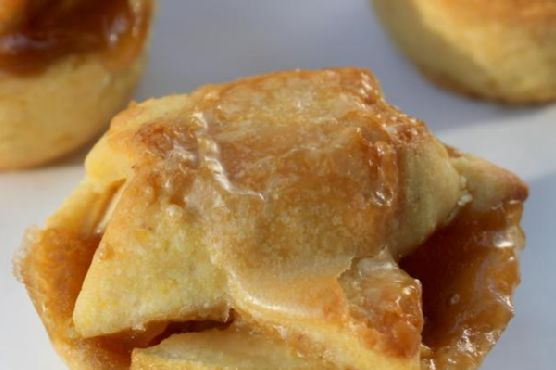
Brandy-Apple Mini Pies With Cornmeal Crust

Intro

There’s a certain magic in the air when autumn arrives. The crisp breeze, vibrant leaves, and the smell of baked goods wafting through the neighborhood are enough to make anyone nostalgic. Growing up, my grandmother’s kitchen was the heart of our home, especially during the fall. Her brandy-apple pies were a staple at every family gathering, each bite a perfect blend of sweet apples and warm spices encased in a flaky crust. Today, I’m sharing a miniature version of her classic pie, adding a delightful cornmeal twist to the crust for that extra layer of texture and flavor.

Why You’ll Love It

These Brandy-Apple Mini Pies with Cornmeal Crust are a delightful twist on a classic apple pie. They’re perfect for individual servings, making them an excellent choice for parties or potlucks. The cornmeal crust adds a subtle crunch and a rustic charm that pairs beautifully with the brandy-infused apple filling. Plus, they’re easy to make ahead of time and store, so you can enjoy them whenever the craving hits.

Ingredients

  • 1/4 cup brandy
  • 1/3 cup brown sugar
  • 1 3/4 cups all-purpose flour
  • 3 tablespoons ice water
  • 1 tablespoon powdered sugar
  • 1 teaspoon pumpkin pie spice
  • 1/2 teaspoon salt
  • 1/3 cup sugar
  • 3 green tart apples, peeled and diced
  • 3 tablespoons unsalted butter
  • 1/2 cup vegetable shortening
  • 1/4 cup yellow cornmeal

Instructions

  1. Add the flour, cornmeal, powdered sugar, and salt to a food processor. Pulse a couple of times to combine.
  2. Cut the shortening into cubes and pulse it into the dry mixture until it resembles coarse crumbs.
  3. Add 3 tablespoons of ice water and pulse until the dough comes together. Add a little more water if needed.
  4. Dump the dough onto a sheet of plastic wrap and divide it into a large and small piece in an 80/20 ratio.
  5. Shape the dough into two disks, wrap both pieces, and refrigerate for at least 30 minutes.
  6. Preheat the oven to 425°F.
  7. In a small saucepan, combine the butter, brandy, brown sugar, sugar, pumpkin pie spice, and salt over medium heat. Stir and bring to a simmer.
  8. Pour the syrup over the diced apples and toss to coat.
  9. Roll out the larger disk of dough on a well-floured surface to approximately 1/8 inch thick. Using a drinking glass with a 3-4 inch wide rim, cut out dough circles.
  10. Press the dough circles into muffin tins. Gather the extra pieces and re-roll to get 14-16 crusts.
  11. Fill each crust with an equal portion of the apple mixture.
  12. Roll out the smaller piece of dough and use a 2-3 inch decorative cookie cutter to cut out tops for each pie.
  13. Place each top on the pies and brush with the remaining syrup from the apple bowl.
  14. Bake the mini pies for 15 minutes, then reduce the heat to 350°F and bake another 15 minutes. If the tops are golden after the first 15 minutes, lay a sheet of foil over them.
  15. Allow the pies to cool completely before removing them from the muffin tins.

Tips

When working with the dough, keep everything as cold as possible to ensure a flaky crust. If the dough becomes too warm, pop it back in the fridge for a few minutes. Additionally, using silicone muffin pans can make it easier to extract the pies once they are baked, but if you’re using metal tins, gently run a small sharp knife around the rim before lifting the pies out.

Variations & Substitutions

If you prefer a non-alcoholic version, you can substitute apple cider for the brandy. For a different flavor profile, try using a mix of apples, such as Granny Smith and Honeycrisp. You can also add a handful of raisins or nuts to the filling for added texture and flavor.

Storage

Store these mini pies in an airtight container at room temperature for up to 2 days. For longer storage, place them in the refrigerator for up to 5 days. You can also freeze them for up to 3 months. To reheat, warm them in a 350°F oven for about 10 minutes or until heated through.

FAQ

Can I make this recipe as a whole pie instead of mini pies?

Yes, you can! To make a whole 9-inch pie, prepare the crust as directed and split the dough into equal pieces. Double the amount of apples and syrup mixture. Bake the pie for 30 minutes at 425°F, then reduce the temperature to 350°F and bake for an additional 30 minutes.

What type of apples work best for this recipe?

Green tart apples like Granny Smith are ideal for this recipe due to their firm texture and tart flavor, which balances nicely with the sweetness of the syrup. However, you can experiment with other apple varieties if desired.

Can I prepare the dough in advance?

Absolutely! You can prepare the dough up to 2 days in advance. Keep it wrapped in plastic wrap in the refrigerator until you’re ready to use it. Allow it to sit at room temperature for a few minutes before rolling out if it’s too firm.

Nutrition

Due to the indulgent nature of these mini pies, they are best enjoyed as an occasional treat. Each pie contains approximately 220 calories, 12g of fat, 28g of carbohydrates, and 2g of protein. Please note that these values are approximate and can vary based on exact ingredients and portion sizes.

Conclusion

These Brandy-Apple Mini Pies with Cornmeal Crust are a delightful way to savor the flavors of fall. Whether you’re enjoying them as a cozy dessert or sharing them with loved ones at a gathering, they are sure to impress with their rich flavors and charming presentation. I hope this recipe brings a touch of nostalgia and warmth to your kitchen, just as it does to mine. Happy baking!

Related update: Brandy-Apple Mini Pies With Cornmeal Crust

Related update: Caramel Almond Berry Trifle

Cheesy Potato Corn Scones | Made by Meaghan Moineau

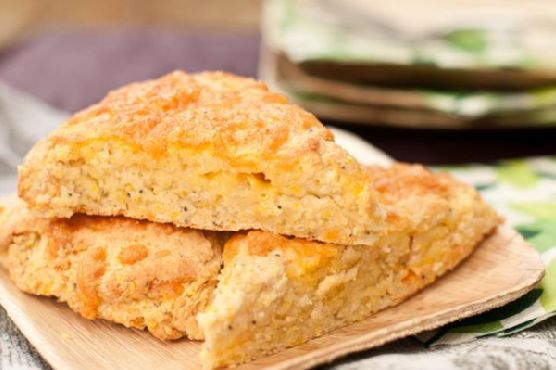
Cheesy Potato Corn Scones

Intro

There’s something magical about the aroma of freshly baked scones wafting through the house. It takes me back to my grandmother’s cozy kitchen on chilly autumn afternoons. She would let me help as she prepared her famous scones, and the anticipation of biting into those warm, cheesy delights made my heart flutter. Today, I’m sharing a recipe that adds a modern twist to those nostalgic scones: Cheesy Potato Corn Scones. This delightful creation combines the comforting flavors of potatoes and cheese with the rustic texture of cornmeal, making it a perfect treat for any occasion.

Why You’ll Love It

These Cheesy Potato Corn Scones are a delightful blend of flavors and textures that will surely win your heart. Here’s why you’ll love them:

  • Comforting and Delicious: The combination of buttery potato flakes and rich cheddar cheese creates a comforting taste that is hard to resist.
  • Perfectly Textured: The addition of cornmeal gives these scones a slightly crunchy exterior while keeping the inside soft and tender.
  • Easy to Make: With simple ingredients and straightforward steps, this recipe is accessible for both novice and experienced bakers alike.
  • Versatile: These scones can be enjoyed for breakfast, as a snack, or even as a side dish with soups and salads.

Ingredients

  • 1 cup water
  • 1/2 cup potato flakes
  • 1/4 cup diced unsalted butter
  • 1 1/2 cups flour
  • 1/2 cup yellow cornmeal
  • 1 cup shredded cheddar cheese, divided
  • 1 tablespoon baking powder
  • 1/2 teaspoon salt
  • 1 tablespoon poppy seeds
  • 1/2 cup milk

Instructions

  1. Preheat your oven to 400°F (200°C). Lightly grease a baking sheet and set it aside.
  2. In a small saucepan, bring the water just to a simmer, then remove from heat.
  3. Stir in the potato flakes until moistened, then incorporate the butter until it’s fully melted and combined with the potato mixture.
  4. In a large bowl, combine the flour, cornmeal, 3/4 cup of the shredded cheddar cheese, baking powder, salt, and poppy seeds.
  5. Add the potato mixture and milk to the dry ingredients, stirring until a dough forms.
  6. With floured hands, gently knead and fold the dough for five to six strokes, or until it comes together in one mass.
  7. Pat the dough lightly to flatten it into a 9-inch circle on the prepared baking sheet.
  8. Using a pizza cutter or floured knife, cut the dough into eight wedges without separating them.
  9. Sprinkle the edges with the remaining cheddar cheese.
  10. Bake in the preheated oven for about 25 minutes or until the scones are lightly browned.
  11. Gently pull or cut the scones to separate them and serve warm.

Tips

  • Use cold butter to ensure a flaky texture. You can even pop it in the freezer for a few minutes before dicing.
  • For a richer flavor, try using sharp cheddar cheese.
  • To avoid overworking the dough, handle it as little as possible once it comes together.

Variations & Substitutions

If you’re looking to customize these scones, here are some variations and substitutions:

  • Cheese Variations: Swap the cheddar for gouda, feta, or pepper jack for a different flavor profile.
  • Herbs: Add a tablespoon of fresh herbs like rosemary or chives for an aromatic twist.
  • Gluten-Free: Substitute the flour with a gluten-free blend and ensure your cornmeal is also certified gluten-free.

Storage

To store these scones, allow them to cool completely before placing them in an airtight container. They can be kept at room temperature for up to 2 days. For longer storage, freeze the scones in a resealable bag for up to a month. To reheat, warm them in a preheated oven at 350°F (175°C) for about 10 minutes or until heated through.

FAQ

Can I make these scones ahead of time?

Yes, you can prepare the dough the night before and store it in the refrigerator. When you’re ready to bake, simply shape and cut the dough into wedges and bake as directed.

What can I serve with Cheesy Potato Corn Scones?

These scones pair wonderfully with a hot bowl of soup, a fresh salad, or simply with a pat of butter and a touch of honey or jam.

Can I use instant mashed potatoes instead of potato flakes?

Yes, instant mashed potatoes can be used as a substitute. Just ensure they are prepared to a similar consistency as the potato flakes would be when mixed with water and butter.

Nutrition

While exact nutritional values may vary based on ingredient brands and measurements, each scone approximately contains:

  • Calories: 220
  • Protein: 6g
  • Carbohydrates: 24g
  • Fat: 11g
  • Cholesterol: 30mg
  • Sodium: 320mg

Conclusion

Cheesy Potato Corn Scones are a delightful treat that bring a sense of warmth and nostalgia with every bite. Whether you’re reminiscing over fond memories or creating new ones, these scones are sure to become a family favorite. Enjoy them fresh from the oven, and don’t forget to share the love (and the recipe) with others!

Related update: Cheesy Potato Corn Scones

Related update: Brandy-Apple Mini Pies With Cornmeal Crust

Related update: Chive and dill muffins

Spartans’ Second-Half Surge Tops | Analysis by Brian Moineau

Late-Game Grit: Michigan State’s Second-Half Surge Over Northwestern

There’s something about the Breslin Center that stretches late leads into victories and tests freshmen nerves — and on January 8, 2026, Michigan State reminded everyone why. Trailing by seven at halftime, the No. 12 Spartans flipped the script, outscoring Northwestern 48-31 in the second half to walk away with a 76-66 win. It was a night of momentum swings, timely threes, and the kind of physical rebounding that turned opportunity into points.

Game flow and what mattered

  • Michigan State trailed 35-28 at the break but dominated after halftime, finishing with a 76-66 final.
  • The Spartans outhustled the Wildcats on the glass, winning the rebound battle 42-25 and producing 16 second-chance points.
  • Jaxon Kohler’s two big threes in the second half (one to take the lead) and Jeremy Fears Jr.’s 15 second-half points were the turning points.
  • Northwestern’s Nick Martinelli poured in 28 points, but he got little support — the Wildcats had just one other player in double figures.

Why the second half swung to MSU

  • Rebounding edge: Michigan State’s 42 rebounds (11 offensive) created extra possessions and pressure. When a team converts offensive boards into second-chance points, late deficits become manageable.
  • Clutch shooting from unexpected spots: Kohler — normally a paint presence — stepped out and drilled two threes that erased Northwestern’s halftime cushion and swung momentum.
  • Free-throw calm: After a sloppy first half at the line, MSU steadied itself in the second half (making 17 of 22) when the game tightened late.
  • Bench and role-player contributions: Carson Cooper’s efficient scoring (6-of-6 from the field) and Coen Carr’s highlight plays helped keep the Spartans’ attack balanced.

Northwestern’s deja vu problems

  • Overreliance on Martinelli: He was sensational with 28 points, but the Wildcats lacked complementary scoring. Depth and scoring balance continue to be weak links in early Big Ten play.
  • Defensive lapses on the perimeter: Leaving Kohler open for multiple threes was costly. In the modern game, forwards who can mark the arc punish teams that don’t adjust.
  • Second-half execution: Northwestern’s defense faded when it mattered most and the rebounding gap allowed Michigan State to control tempo.

Moments that mattered most

  • Kohler’s first go-ahead 3 midway through the second half — a possession that flipped the lead and the crowd’s vibe.
  • A late stretch where Fears converted a layup and Cooper hit clutch free throws to push MSU back ahead after Northwestern cut it to two with about two minutes left.
  • MSU’s ability to limit turnovers in the second half relative to the first, and to convert on free throws when pressure rose.

Game stat snapshot (highlights)

  • Final: Michigan State 76, Northwestern 66.
  • Rebounds: MSU 42 — NU 25.
  • Leading scorers: Nick Martinelli (NU) 28; Carson Cooper (MSU) 18; Jeremy Fears Jr. (MSU) 15 (all in 2nd half); Jaxon Kohler (MSU) 15.
  • Record impact: MSU improved to 14-2 (4-1 Big Ten); Northwestern fell to 8-7 (0-4 Big Ten).

Three quick takeaways

  • Momentum is a fragile thing in the Big Ten; MSU showed again that depth + rebounding can erase an early deficit.
  • Northwestern needs another reliable scoring option — relying on a single high-volume guard is a tough blueprint across league play.
  • Versatile bigs who can hit threes (like Kohler) change matchups and force defensive adjustments that many teams struggle to execute on the fly.

My take

This felt like a classic Tom Izzo game — physical, opportunistic, and with players stepping into roles when the moment demanded it. Michigan State didn’t overcomplicate things: they grabbed rebounds, attacked the paint when it opened, and trusted veteran instincts in the closing minutes. Northwestern showed fight and a future building block in Nick Martinelli, but the Wildcats’ early Big Ten record makes it clear they need better offensive balance and mental toughness late in games.

Looking ahead

  • Michigan State: The Spartans will want to build off this second-half blueprint — keep crashing the glass and keep role players ready to make plays beyond the arc.
  • Northwestern: The Wildcats must find consistent secondary scoring and tighten perimeter defense to survive the Big Ten gauntlet.

Sources


Related update: We recently published an article that expands on this topic: read the latest post.


Related update: We recently published an article that expands on this topic: read the latest post.