
Tariff Surge Strains U.S. Midsize Firms | Analysis by Brian Moineau

Tariffs Hit Home: Why U.S. Midsize Firms Are Suddenly Paying the Price

A year ago tariffs were a political slogan. Now they're a line item on balance sheets. New analysis from the JPMorganChase Institute finds that monthly tariff payments by midsized U.S. companies have roughly tripled since early 2025 — and the cost isn’t vanishing overseas. Instead, it’s landing squarely on American businesses, their workers, and ultimately consumers. (jpmorganchase.com)

Why this matters right now

  • Midsize companies — those with roughly $10 million to $1 billion in revenue and under 500 employees — employ tens of millions of Americans and sit at the center of supply chains. A material cost shock for them ripples through local economies.
  • The analysis comes amid a larger policy shift that raised average tariff rates dramatically in 2024–2025 and set off debates about who bears the burden: foreign suppliers, U.S. firms, or American consumers. The evidence is increasingly squarely on the U.S. side. (jpmorganchase.com)

Key points for readers pressed for time

  • Tariff payments by midsize firms tripled on a monthly basis since early 2025. (jpmorganchase.com)
  • The additional burden has been absorbed in ways that harm domestic outcomes: higher consumer prices, compressed corporate margins, or cuts in hiring. (the-journal.com)
  • Some firms are shifting away from direct purchases from China, but it’s unclear whether that reflects true supply-chain reshoring or simple routing through third countries. (jpmorganchase.com)

The economic picture — beyond the headline

The JPMorganChase Institute used payments data to track how middle-market firms actually move money across borders. Their finding — a tripling of tariff outflows — is not just an accounting quirk. It reflects higher effective import taxes that many of these firms cannot easily avoid.

What that looks like on the ground:

  • Retailers and wholesalers, with thin margins, face an especially acute squeeze; some will add markup, passing costs to shoppers. (apnews.com)
  • Other firms will have to choose between accepting lower profits, cutting spending (including on hiring), or finding new suppliers. JPMorganChase’s data show some reduction in direct payments to China, but not enough to indicate a complete reorientation of sourcing. (jpmorganchase.com)

Why the distributional story matters: the policymakers who champion tariffs often frame them as taxes paid by foreign exporters. But multiple studies and payment-data analyses now point the opposite way — tariffs operate as a domestic cost that falls on U.S. businesses and consumers, with the burden concentrated on firms without the scale to absorb or dodge the charge. (apnews.com)

A few concrete numbers to anchor the debate

  • The JPMorganChase Institute previously estimated that tariffs under certain policy scenarios could cost midsize firms roughly $82 billion; the tripling in monthly outflows is a complementary sign of how quickly those costs can materialize. (axios.com)
  • Middle-market firms account for a large share of private-sector employment, so a change equal to a few percent of payroll can meaningfully affect hiring plans. (axios.com)

What firms are likely to do next

  • Pass-through: Where competition allows, retailers and distributors will raise prices. Expect higher consumer prices in affected categories.
  • Substitution: Some firms will seek suppliers in lower-tariff jurisdictions or route goods through third countries — a costly and imperfect fix that may increase lead times and complexity.
  • Absorb: Many midsize firms lack pricing power and will instead accept smaller margins, delay investments, or cut labor costs.
  • Hedge or pre-buy: Larger firms already stockpiled inventory during previous tariff surges; midsize firms can’t always do the same, which leaves them more exposed to sudden rate changes. (jpmorganchase.com)

Broader implications

  • Inflation and politics: Tariffs operate like a tax that can nudge consumer prices upward. Even modest price effects matter politically when households feel pocketbook pain.
  • Supply-chain strategy: The pattern of reduced direct payments to China suggests firms are adapting — but adaptation is slow and costly. Strategic decoupling from a major supplier nation isn’t instantaneous; it takes new contracts, quality checks, and often higher unit costs.
  • Policy design: If the goal is to strengthen U.S. manufacturing, tariffs can help some producers while hurting downstream businesses and consumers. That trade-off underlines why empirical analysis of who actually pays the tariff is crucial to policy debates. (jpmorganchase.com)

My take

Tariffs are a blunt instrument. The new JPMorganChase Institute evidence makes a clear pragmatic point: when you raise the price of imports sharply and quickly, the economic pain shows up inside the country — not neatly absorbed by foreign suppliers. For policymakers who want to protect or grow U.S. industry, that doesn’t mean tariffs are useless, but it does mean they’re incomplete. If the aim is durable domestic job creation and competitiveness, tariffs should be paired with targeted industrial policy: investment in skills, R&D, logistics, and incentives that help midsize firms scale rather than simply shifting costs onto consumers or employees.

Sources


Related update: We recently published an article that expands on this topic: read the latest post.
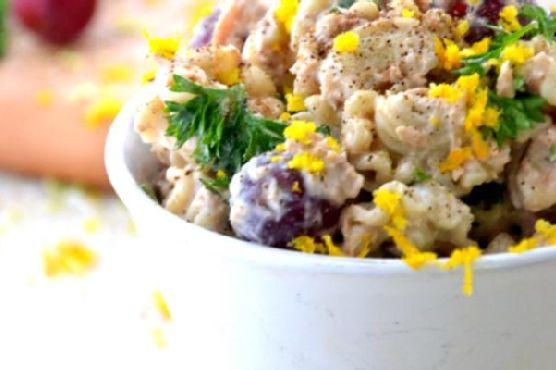

Easy Gluten Free Vegetarian Pasta Salad | Made by Meaghan Moineau

Easy Gluten Free Vegetarian Pasta Salad

Intro

There’s something incredibly heartwarming about the simplicity of a well-made pasta salad. Growing up, summer gatherings at my grandmother’s house were never complete without her famous pasta salad. As kids, we would run around the garden, while the adults chatted over glasses of iced tea, and I can still remember the excitement of finally sitting down to a big bowl of her refreshing creation. With my Easy Gluten Free Vegetarian Pasta Salad, I hope to bring a slice of that nostalgia to your table, offering a dish that’s not only delicious but also mindful of dietary choices.

Why You’ll Love It

This gluten-free vegetarian pasta salad is a delightful blend of flavors and textures that will surely become a staple in your home. Here’s why you’re going to love it:

  • Simple Ingredients: Made with everyday ingredients that are easy to find, this salad is as accessible as it is delicious.
  • Quick to Make: With minimal prep and cooking time, you can have this salad ready in under 30 minutes.
  • Diet-Friendly: Perfect for those following a gluten-free or vegetarian diet, ensuring everyone can enjoy a serving.
  • Versatile: Easily adaptable with various ingredients or substitutions to suit your taste and pantry.
  • Perfectly Balanced: The creamy yogurt dressing, sweet grapes, and zesty citrus create a harmonious flavor profile that’s both refreshing and satisfying.

Ingredients

  • 8 ounces gluten-free pasta
  • 1 cup plain Greek yogurt
  • Zest of one orange
  • 1/4 cup fresh orange juice
  • 2 tablespoons olive oil
  • 1 cup fresh grapes, halved
  • 1/4 cup fresh cilantro, chopped
  • 1 teaspoon sea salt
  • 1/2 teaspoon black pepper

Instructions

  1. Cook the gluten-free pasta according to the package directions. Once cooked, drain the pasta and set it aside to cool for about 10 minutes.
  2. In a large mixing bowl, combine the plain Greek yogurt, orange zest, fresh orange juice, and olive oil. Whisk these ingredients together until you have a smooth dressing.
  3. Add the cooled pasta to the bowl. Then, add the fresh grapes, chopped cilantro, sea salt, and black pepper.
  4. Gently toss all the ingredients together until the pasta is well coated with the dressing, and the ingredients are evenly distributed.
  5. Transfer the pasta salad to four serving bowls. Serve chilled for the best flavor.

Tips

To ensure you get the best results with your pasta salad, consider these helpful tips:

  • Cook Pasta Al Dente: This helps maintain a firmer texture, preventing the pasta from becoming mushy when mixed with the dressing.
  • Cool Pasta Properly: Letting the pasta cool before mixing it with the dressing ensures that the yogurt doesn’t become oily or lose its creaminess.
  • Fresh Ingredients: Use fresh grapes and cilantro for the best flavor and texture. Avoid canned or frozen substitutes.
  • Adjust Seasoning: Taste the salad before serving and adjust the salt and pepper according to your preference.

Variations & Substitutions

This pasta salad is quite versatile, and you can easily customize it to your liking:

  • Fruit Swap: Try using diced apples or pears instead of grapes for a different sweet crunch.
  • Herb Alternatives: If cilantro isn’t your favorite, fresh basil or parsley make excellent alternatives.
  • Dairy-Free Option: Substitute the Greek yogurt with a dairy-free yogurt to make this salad completely dairy-free.
  • Add Protein: For an extra boost, add some chickpeas or chopped nuts like almonds or walnuts.

Storage

This pasta salad stores well and can be made ahead of time. Here’s how to store it:

  • Store the pasta salad in an airtight container in the refrigerator for up to 3 days.
  • If making ahead, you might want to reserve some dressing to mix in just before serving to refresh the flavors.
  • For best results, allow the salad to come to room temperature for about 10 minutes before serving if it’s been chilled for a while.

FAQ

Can I use regular pasta instead of gluten-free pasta?

Absolutely! If you don’t need a gluten-free option, feel free to use your favorite regular pasta. The salad will be just as delicious.

How can I prevent the salad from becoming too dry?

To keep your salad moist and flavorful, ensure the pasta is not overcooked and that you have enough dressing to coat all ingredients. Reserving a bit of dressing to add just before serving can also help refresh the dish.

What can I serve with this pasta salad?

This salad is versatile and pairs well with a variety of dishes. Consider serving it alongside grilled vegetables, a light soup, or as part of a picnic spread with sandwiches and fresh fruit.

Nutrition

While exact nutritional values can vary based on the specific products used, a serving of this gluten-free vegetarian pasta salad is generally a healthy choice, offering a balance of carbohydrates, healthy fats, and proteins. The yogurt provides a good source of probiotics, and the fresh fruits and herbs add nutrients and antioxidants. Always consider portion sizes to align with your dietary needs.

Conclusion

This Easy Gluten Free Vegetarian Pasta Salad is more than just a dish; it’s a reminder of the joy that comes from simple, comforting meals shared with loved ones. Whether you’re looking to recreate a cherished family recipe with a modern twist or seeking a quick and healthy meal option, this salad is sure to please. Serve it at your next gathering, and watch as it becomes a favorite among your family and friends, just as it has in mine. Enjoy the vibrant flavors and the satisfaction of a meal well-made!

Related update: Easy Gluten Free Vegetarian Pasta Salad

Related update: Caramelized Tofu & Gala Apple Salad

Arsenal Blow Lead in Stunning Wolves Draw | Analysis by Brian Moineau

When a Two-Goal Cushion Isn’t Enough: Wolves 2-2 Arsenal and the Title Squeeze

Arsenal arrived at Molineux on February 18, 2026, seemingly in control. Two early blows — Bukayo Saka’s crisp header in the fifth minute and Piero Hincapié’s first goal for the club — had the Gunners cruising toward a crucial three points and, temporarily, a seven-point lead at the top of the Premier League. Instead, they left with a flat feeling and a 2-2 draw after Hugo Bueno’s thunderbolt and a stoppage-time finish from 19-year-old Tom Edozie. What looked like control turned into damage limitation — and the title race suddenly felt a lot more fragile.

Why this result matters

  • It denied Arsenal the chance to open a comfortable gap at the top (they were eyeing a seven-point cushion).
  • It showcased issues that have crept into Arsenal’s season: late-game concentration, defensive calm under pressure, and a tetchy mentality when the margin is small.
  • For Wolves, rock-bottom at the time, this was a galvanizing point — a reminder that league position isn’t destiny and that momentum can flip quickly.

The game in three acts

  • Early control (0–60 minutes)

    • Arsenal’s opener was textbook: quick transition, Declan Rice’s cross, Bukayo Saka’s finish. The early goal set the tone and seemed to allow Mikel Arteta’s side to settle into possession-based control.
    • Hincapié’s second, just after the hour mark, looked to put the result beyond doubt — a composed finish that rewarded Arsenal’s probing play.
  • The momentum swing

    • Hugo Bueno’s strike (61') was a reminder that football is cruelly episodic. A brilliant, swerving left-foot curler from distance suddenly made the game competitive and injected belief into a Wolves side that had been coiled for moments like this.
  • Stoppage-time drama

    • Tom Edozie’s debut goal — a scrappy, opportunistic finish compounded by a defensive mix-up — completed a sensational turnaround. Wolves celebrated like title-chasers; Arsenal left stunned.

Tactical reading: where it went wrong for Arsenal

  • Game management lapse

    • After going 2-0 up, Arsenal’s tempo and focus dipped. Instead of steadying the ship through controlled possession and smart restarts, the team allowed Wolves to find rhythm quickly after the pull-back.
  • Defensive vulnerability to resets and second balls

    • Wolves’ goals came from moments that punished slack moments and loose positioning rather than high-quality sustained attacks. Arsenal looked susceptible to set-piece transitions and rebounds in the box.
  • Substitution choices and timing

    • The game underlined the fine margins of substitutions: a hurried change following a head injury and a late reshuffle coincided with the chaos that led to the equaliser. Fine margins in personnel and timing turned costly.

The title picture: ripple effects

  • Points are points: a draw instead of three feels like two lost points. In a title fight, squandered advantages compound quickly.
  • Psychological swing: instead of tightening the race, Arsenal handed rivals fresh belief. Manchester City (and any chasing sides) now know the leaders can wobble.
  • Momentum matters as much as math: late-season runs are often decided by composure in moments like the 94th minute. Arsenal’s results in the coming fixtures will reveal whether this was an anomaly or the start of a trend.

Players and moments to remember

  • Bukayo Saka: a perfect early finish and a reminder of his importance in decisive moments.
  • Piero Hincapié: his first for the club gave Arsenal breathing room and signaled his offensive threat from defense.
  • Hugo Bueno: a contender for “goal of the game” — a 61st-minute strike that changed the tempo.
  • Tom Edozie: dream debut timing. The kind of late impact that lifts teams and twists title narratives.

What this shows about Arsenal’s growth curve

Arsenal have built a young, dynamic side that pressures opponents and plays with clear identity. But identity alone doesn’t conquer tight end-of-season tests. The Molineux draw is an instructive snapshot: top teams need not just creative structure but also game management, match-wearing discipline, and the cold-blooded ability to close out games. This draw should sharpen, not shatter, their focus — provided the squad and staff treat it as a learning moment rather than a repeatable script.

Closing thoughts

Football is a long story told in many short paragraphs — this was one of those dramatic asides. Arsenal’s result at Wolves doesn’t doom their title chances, but it does remind us how quickly narrative can swing. For Arsenal, the immediate task is clear: translate identity into iron-clad results under pressure. For Wolves, the lesson is to believe — and to keep producing those moments where the game decides to tilt.

Sources


Related update: We recently published an article that expands on this topic: read the latest post.


Related update: We recently published an article that expands on this topic: read the latest post.
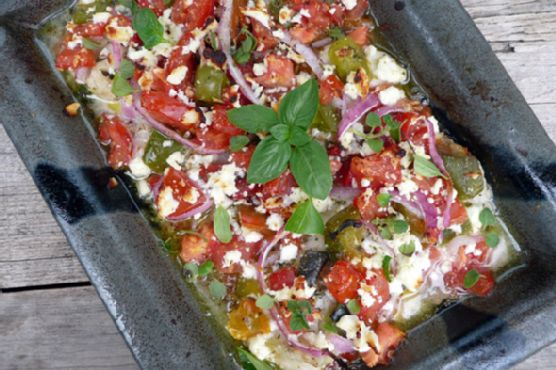
Greek-Style Baked Fish: Fresh, Simple, and Delicious | Made by Meaghan Moineau

Greek-Style Baked Fish: Fresh, Simple, and Delicious

Intro

The aroma of freshly baked fish mingling with herbs and spices transports me back to my grandmother’s kitchen in Athens. Every Sunday, our family gathered around a long wooden table, eagerly awaiting the unveiling of her signature dish: Greek-style baked fish. With its flaky texture, vibrant colors, and Mediterranean flavors, this dish was a celebration of simplicity and freshness. Today, I’m thrilled to share this cherished recipe with you, bringing a little piece of my heritage to your table.

Why You’ll Love It

This Greek-style baked fish recipe is a treasure trove of flavors and textures that will make your taste buds dance. Not only is it easy to prepare, but it’s also a healthy and nutritious meal that fits perfectly into a busy lifestyle. The combination of fresh vegetables, herbs, and tender fish creates a dish that’s both light and satisfying. Whether you’re looking for a quick weeknight dinner or an impressive dish for entertaining, this recipe is sure to become a family favorite.

Ingredients

  • Fish fillets
  • Red onion, sliced
  • Bell pepper, sliced
  • Tomato, chopped
  • Feta cheese, crumbled
  • Dried basil
  • Dried oregano
  • Olive oil
  • White wine
  • Salt & pepper
  • Lemon wedges
  • Fresh basil and/or oregano, for garnish
  • Cooked rice, for serving

Instructions

  1. Preheat the oven to 450 degrees F.
  2. Choose an oven-proof baking dish that your fish will fit in without overlapping and spray it with cooking spray.
  3. Lay the fish fillets in the baking pan in a single layer, season with salt and pepper.
  4. Top the fish with red onion and bell pepper.
  5. Sprinkle with dried basil and oregano, the tomato, and the feta cheese.
  6. Drizzle the white wine and olive oil over top.
  7. Grind some fresh pepper over the top.
  8. Bake uncovered for about 12 – 15 minutes or until the fish flakes easily with a fork.
  9. Squeeze the lemon wedges over the cooked fish, garnish with the fresh basil and/or oregano.
  10. Serve with hot cooked rice.

Tips

For the best results, use fresh fish fillets. If possible, visit your local fish market to find the freshest catch of the day. Don’t skimp on the herbs; they add a delightful aroma and flavor that make this dish truly special. If you’re using frozen fish, make sure it’s fully thawed and patted dry before cooking to ensure even baking.

Variations & Substitutions

This recipe is incredibly versatile. You can substitute the fish fillets with salmon or cod for a different twist. If you’re not a fan of feta cheese, try using goat cheese or ricotta for a milder taste. For a spicier kick, add a pinch of red pepper flakes before baking. Vegetarians can replace the fish with hearty vegetables like eggplant or zucchini for a delicious plant-based version.

Storage

Store any leftovers in an airtight container in the refrigerator for up to 3 days. To reheat, place the fish in a preheated oven at 350 degrees F until warmed through. Avoid microwaving, as it can make the fish rubbery. This dish is also great for meal prepping; simply prepare the ingredients ahead of time and bake when ready to serve.

FAQ

Can I use frozen fish for this recipe?

Yes, you can use frozen fish fillets. Just make sure they are completely thawed and patted dry before you start preparing the dish. This will help them cook evenly and maintain the right texture.

What type of white wine should I use?

Choose a dry white wine like Sauvignon Blanc or Pinot Grigio for this recipe. The acidity and flavor profile of these wines complement the dish’s ingredients without overpowering them.

Is there a non-alcoholic substitute for white wine?

If you prefer not to use wine, you can substitute it with an equal amount of chicken or vegetable broth. Add a splash of lemon juice for a hint of acidity that mimics the wine’s flavor.

Nutrition

This Greek-style baked fish is a nutritious meal packed with protein, healthy fats, and essential vitamins and minerals. Fish is an excellent source of omega-3 fatty acids, which are beneficial for heart health. The vegetables provide fiber and antioxidants, while olive oil adds a dose of healthy monounsaturated fats. Serve with brown rice for added fiber and a complete meal.

Conclusion

Infused with the flavors of the Mediterranean, this Greek-style baked fish is a simple yet exquisite dish that honors tradition while offering modern convenience. It’s a recipe that brings people together, creating lasting memories around the dining table. I hope this dish becomes as cherished in your home as it has been in mine. Bon appétit, or as we say in Greece, Kali Orexi!

Related update: Greek-Style Baked Fish: Fresh, Simple, and Delicious

Related update: Blackened Cajun Chicken

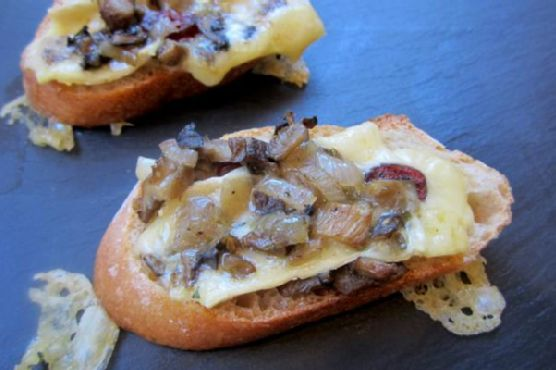
Rustic Brie Toasts with Wild Mushroom, Cranberry and Shallot | Made by Meaghan Moineau

Rustic Brie Toasts with Wild Mushroom, Cranberry, and Shallot

Intro

Growing up, my family always gathered around the kitchen on chilly autumn evenings, our home filled with the cozy aroma of freshly baked bread and warm, melted cheese. These moments are etched in my memory, and they inspire my love for creating comforting, rustic dishes that bring people together. Today, I’m excited to share a recipe that not only embodies that comfort but also highlights the beautiful flavors of the season: Rustic Brie Toasts with Wild Mushroom, Cranberry, and Shallot.

This recipe came to life during a trip to the farmers’ market, where the vibrant colors of fresh produce and the earthy scent of wild mushrooms inspired me to create something special. The combination of creamy brie, tangy cranberries, and savory mushrooms on a crunchy baguette makes for the perfect appetizer or snack to enjoy with loved ones.

Why You’ll Love It

  • Simple yet sophisticated: This dish is easy to prepare but offers a gourmet experience.
  • Seasonal flavors: It captures the essence of fall with its earthy and tangy components.
  • Perfect for gatherings: These toasts are ideal for a party appetizer or a cozy night in.

Ingredients

  • Diced wild mushrooms
  • Diced shallot
  • 1/4 cup dried cranberry (juice sweetened if possible)
  • Fresh thyme
  • Rustic baguette
  • Olive oil
  • Wedge of beautiful brie cheese
  • Salt and pepper

Instructions

  1. Start by pre-heating your oven to 350 degrees Fahrenheit.
  2. While the oven is pre-heating, heat the olive oil in a sauté pan over medium heat.
  3. Add the diced shallot, wild mushrooms, cranberries, and fresh thyme to the pan.
  4. Sauté for a few minutes until the shallot begins to wilt. Season with salt and pepper to taste.
  5. Set the sautéed mixture aside to cool slightly.
  6. Slice the rustic baguette into 12 pieces and place one slice of brie on each slice of bread.
  7. Top each piece with a spoonful of the cranberry, mushroom, and shallot mixture.
  8. Place the prepared toasts on an oiled cookie sheet.
  9. Bake in the oven for about 15 minutes or until the brie is just melted.
  10. Serve warm and enjoy the delightful blend of flavors.

Tips

  • For the best texture, use a crusty rustic baguette that can hold up to the toppings.
  • Feel free to prepare the mushroom mixture ahead of time and assemble the toasts just before baking.
  • When selecting a brie, choose one that is creamy and slightly firm for easy slicing.

Variations & Substitutions

  • If you prefer a sweeter flavor, drizzle a bit of honey over the toasts before baking.
  • Experiment with different herbs such as rosemary or sage for a unique twist.
  • If brie isn’t your favorite, try using camembert or goat cheese as an alternative.

Storage

These toasts are best enjoyed fresh from the oven. However, if you have leftovers, store them in an airtight container in the refrigerator for up to two days. To reheat, place them in a pre-heated oven at 350 degrees Fahrenheit for about 5 minutes or until warmed through.

FAQ

Can I use fresh cranberries instead of dried?

Yes, you can use fresh cranberries, but you may want to cook them down with a bit of sugar to balance their tartness.

What can I serve with these toasts?

These toasts pair beautifully with a light salad or a bowl of hearty soup, making for a complete and satisfying meal.

Are there any gluten-free options?

Absolutely! You can substitute the rustic baguette with your favorite gluten-free bread to accommodate dietary needs.

Nutrition

While I don’t have exact nutritional information, these toasts are a rich source of calcium from the brie and antioxidants from the cranberries. Keep in mind that they are a decadent treat, perfect for indulging in moderation.

Conclusion

Rustic Brie Toasts with Wild Mushroom, Cranberry, and Shallot are more than just a dish; they’re a way to bring warmth and togetherness to your table. Whether you’re sharing them at a festive gathering or enjoying them as a personal treat, they promise to deliver comfort and joy with every bite. I hope this recipe becomes a cherished favorite in your home, just as it has in mine. Happy cooking!

Related update: Rustic Brie Toasts with Wild Mushroom, Cranberry and Shallot

Historic Trick, Silver, and Outrage Sparks | Analysis by Brian Moineau

When a Historic Trick Isn’t Enough: The Mac Forehand Silver That Set Twitter Ablaze

An electric moment on the big air ramp — a nose-butter triple cork 2160, a trick the world had never officially seen landed in competition — and yet the scoreboard read “silver.” For a few feverish hours on February 17–18, 2026, social feeds filled with accusations, theories, and calls for an investigation. The drama wasn’t just about a medal; it was about what we expect judged sports to reward when history is made in a single airborne heartbeat.

The moment that broke the internet

  • Mac Forehand, 24, landed what commentators called a never-before-seen nose-butter triple cork 2160 in the men’s Olympic freeski big air final at Livigno Snow Park. The trick includes three flips and six full rotations — staggering in complexity and execution. (nbcconnecticut.com)
  • Forehand’s final-run score (98.25) vaulted him briefly into the lead and ultimately secured him the silver medal with a two-run total of 193.50; Norway’s Tormod Frostad answered with a 98.50 to take gold (199.50). (mediaite.com)
  • Social media users latched on to the narrative that a single judge (identified by some as Norwegian) swung the contest, and many demanded an investigation into judging bias. (mediaite.com)

Why fans felt robbed — and why that feeling spread so fast

  • Spectacle bias: A trick that “has never been done” naturally reads as definitive proof of superiority to casual viewers. Fans see novelty + clean landing = gold, and feel the scoreboard should follow. (sportscasting.com)
  • Lack of scoring literacy: Big air and other freestyle judged events use multiple criteria (difficulty, execution, amplitude, variety, and landing) and combine runs in specific ways (often averaging best scores). To an untrained eye, nuance looks like nitpicking. (nbcboston.com)
  • Narrative optics: When the athlete who attempted the historic trick is American and the gold goes to a Norwegian, national loyalties and conspiracy instincts amplify doubt — especially on fast-moving platforms like Twitter. (mediaite.com)

What the athlete actually said

Forehand himself put a plug in the “robbed” narrative. He called out the chorus of “I got robbed” hot takes common to judged sports and reminded people that those inside the sport — the athletes, coaches, and experts — have a clearer sense of what will score. His comments were pragmatic and grounded: judged events have layers of nuance, and outsiders’ instincts don’t always match technical scoring realities. (mediaite.com)

A quick primer on big air scoring (so the controversy makes more sense)

  • Most big air finals use the best-two-of-three format or an average of the top two scores, meaning one single jump — however historic — must be paired with another high-scoring run to win overall. (en.wikipedia.org)
  • Judges evaluate multiple elements: amplitude (height), technical difficulty (trick complexity), execution (how cleanly it’s landed), and variety across an athlete’s runs. A groundbreaking trick that sacrifices speed, height, or variety elsewhere may not be enough on its own. (nbcboston.com)
  • Small margins decide medals. In this case the difference between gold and silver was 1.75 points on a 200-point-style combined scale — tiny in absolute terms but huge in perception. (mediaite.com)

Lessons from the backlash

  • Social media speeds outrage, not understanding. Viral clips of single jumps lack the scoring context that explains outcomes.
  • Transparency matters. When judged sports clearly communicate how scores are built and why placements change with each run, it reduces the “robbery” narrative.
  • Respect athletes’ perspective. Competitors like Forehand are embedded in the sport’s rhythms and often accept judging verdicts even when the public gets emotional — and their calm can help diffuse conspiracy talk. (nbcconnecticut.com)

What this moment means for freeskiing

  • Progress is happening on the sport’s technical frontier. Landing a nose-butter triple cork 2160 is a milestone that will be replayed in highlight reels and studied by athletes for years. That advancement matters regardless of medal color. (nbcconnecticut.com)
  • Public debates over judging will keep resurfacing as tricks get more complex and margins stay razor-thin. The sport’s growth will depend on preserving both creative risk-taking and scoring credibility. (sportscasting.com)

Key takeaways

  • Historic tricks create headlines, but judged competitions reward a combination of runs and multiple scoring criteria. (en.wikipedia.org)
  • Outrage on social platforms often reflects emotion more than a full understanding of the rules. (mediaite.com)
  • Athletes like Mac Forehand, who acknowledge the sport’s complexity, can help steer the conversation back to performance and progression. (nbcconnecticut.com)

Final thoughts

There’s a raw joy in watching someone push the limits of what’s possible on skis. Mac Forehand’s nose-butter triple cork 2160 was that kind of moment — one that expands the sport’s language. The rowdy reaction online was predictable and, in a way, a tribute to how invested people are in Olympic outcomes. Still, outrage shouldn’t replace context. Judged sports are messy, incremental, and subjective by nature; they’re also where evolution happens. Today the trick becomes legend. Tomorrow someone else will top it — and the cycle continues, scoreboard and all.

Sources


Related update: We recently published an article that expands on this topic: read the latest post.


Related update: We recently published an article that expands on this topic: read the latest post.