
Game 7 felt like fate: Boston's offense and Jayson Tatum vs. Joel Embiid could decide everything
There’s a special kind of electricity that surrounds a Game 7, and when the Celtics and 76ers met with the series on the line, Boston's offense and Jayson Tatum vs. Joel Embiid were the storylines everyone circled. The Celtics had the regular-season pedigree and the home-court history; the Sixers had the narrative of a comeback and a resurging MVP. Whoever won the small battles — halfcourt offense, paint defense, late-clock execution — would win the war.
Let’s unpack seven numbers and the story behind them, then connect the dots: why Boston’s offense mattered so much, how the Tatum–Embiid axis shaped matchups, and what the game ultimately told us about both teams.
What those seven numbers said (and why they mattered)
-
9 — This Game 7 was the ninth time the Celtics and 76ers have gone the distance, the most common Game 7 matchup in NBA history. History adds pressure and a dash of superstition; Boston’s pedigree in Game 7s (historically strong) was a contextual advantage. (NBA.com)
-
34.7 — Combined transition points per game (Synergy). Neither team leaned on quick, easy baskets; this series featured more halfcourt warfare than open-court sprints. That reality magnified the value of organized sets and star isolation play. (NBA.com)
-
28.0 — Joel Embiid’s points per game over the final four contests coming into the decider. When Embiid was on, Philadelphia’s offense found a center of gravity, especially after his return post-appendectomy. His presence meant Boston had to make a choice: leave a big to deter him or risk perimeter scorers. (NBA.com / AP)
-
53.7% — Embiid’s true shooting percentage in the stretch. Efficient scoring from the rim and midrange forced the Celtics to respect him and adjust rotations. (NBA.com)
-
18 — The largest deficit the Celtics faced during Game 7 before mounting a comeback bid. Boston’s offense showed resilience, but the margin highlighted how much ground they had to make up late. (Boston Globe / NBA recap)
-
DND — Jayson Tatum’s status: ruled out of Game 7 with left knee stiffness about two hours before tip-off. Tatum’s absence shifted Boston’s offensive identity and put pressure on role players and Jaylen Brown to shoulder the load. (Boston Globe / NBA)
-
109-100 — Final score: 76ers over Celtics in Game 7. The number at the end of the box score is the ultimate tie-breaker, but the path to those points was paved by how each team attacked and defended in the halfcourt. (Box score)
Taken together, these numbers frame two competing narratives: Philadelphia’s series pivoted around Embiid’s return and finishing ability; Boston’s project relied on an offense that, even without its primary star, needed to execute complex schemes to create clean looks.
Boston's offense and Jayson Tatum vs. Joel Embiid: matchup implications
When you say "Boston's offense and Jayson Tatum vs. Joel Embiid," you’re naming two fundamentally different engines. Boston typically hums through ball movement, spacing, and off-ball cutting; Tatum is both a scorer and a primary creator. Embiid is a gravitational force — he demands attention in the paint and punishes defensive miscues.
Here’s how that chess match played out:
-
Personnel decisions mattered. With Tatum ruled out, Boston lost a Swiss Army knife: isolation scoring, creation off the bounce, and late-clock playmaking. That elevated Jaylen Brown and role players for scoring, but it also removed the matchup flexibility that helps counter Embiid in the post.
-
Interior offense vs. perimeter juggling. Embiid pulled defenders into the paint; Boston needed to convert perimeter shots or attack off kick-outs. The Celtics’ ability to generate high-quality threes under pressure was a key barometer.
-
Defensive rotations and help principles. Playing drop coverage or committing two bodies to Embiid opens up threes; sticking one-on-one risks him finishing. Boston’s defensive choices against Embiid shaped how often he got straight line entries versus contested finishes.
-
Late-game execution. Transition points were low in this series, so late-clock sets and clutch decisions decided the night. That’s where a healthy Tatum’s gravity and shot-creation would have been invaluable. Without him, the Celtics frequently ran complex sets that required clean reads and crisp passing.
How the series arc favored one team’s strengths
Momentum swung both ways across seven games. Early on, Boston’s depth and regular-season offensive identity looked like the blueprint for control. Philadelphia’s season, however, was a narrative of survival — play-in survival, Embiid’s surgery, and then a heroic return.
-
The Sixers leaned into Embiid. When he was effective and efficient, Philly’s offense became simpler and deadlier. The Celtics had to account for that and still generate offense, a tall order against a defense keyed to collapse.
-
Boston’s offense showed flashes but lacked a consistent fulcrum in the finale. Missing Tatum in Game 7 exposed how much of Boston’s late-clock possessions go through him. Role players can step up, but replacing a primary creation source in a winner-take-all is an enormous hill.
-
Tyrese Maxey’s late-game playmaking and clutch shot-making pushed Philadelphia over the top when the margin tightened.
Transitioning from numbers to narrative, the stat sheet confirms what watching the game felt like: a series decided by the individual matchups and the ability to sustain offensive identity under playoff pressure.
The turning points you didn’t always see in the box score
-
Pre-tip injury report swings. Tatum being ruled out two hours before tip changed Boston’s game plan less on paper than in feeling — rotations were shorter, substitution patterns tightened, and tireless energy that a full roster provides was reduced.
-
Second-chance calculations. Embiid’s rim presence altered defensive rebounding priorities; Boston’s offensive rebounds often translated into hurried possessions rather than sustained offensive sets.
-
Clutch chemistry. When the Celtics clawed back from 18 down, they forced the Sixers into uncomfortable possessions. But in close moments, Philadelphia’s pick-and-roll execution around Embiid and Maxey’s composure sealed decisive baskets.
Final thoughts
Game 7 provided a blunt reminder: when star health and interior dominance collide with an opponent’s identity, matchups and small margins decide outcomes. Boston’s offense — elegant, ball-movement driven, and usually resilient — struggled to find its fulcrum without Jayson Tatum. Conversely, Joel Embiid’s return gave Philadelphia a steady gravitational pull that simplified their attack and stressed Boston’s defense.
In playoff basketball, you want your engine running at full power. The 76ers found theirs in the clutch; the Celtics were left searching for the spark that comes from a healthy Tatum. That, more than any single number, explains how the series ended.
Sources
Related update: We recently published an article that expands on this topic: read the latest post.
Related update: We recently published an article that expands on this topic: read the latest post.

It was one of those weeks where I was juggling a dozen things—work deadlines, a last-minute school project, and the usual life chaos. That’s when I stumbled upon the idea of making soup, a comforting pause in a hectic day. But I wanted something versatile enough to please everyone’s different tastes at home. Enter: One Soup, Two Ways. This recipe is like a choose-your-own-adventure book from my childhood, letting you decide between a comforting chunky vegetable soup or a smooth, creamy version. Perfect for when you want a warm hug in a bowl or to impress your family and friends without breaking a sweat. Plus, it’s one of those recipes where I bet you already have most of the ingredients lying around, so no emergency grocery runs are needed.
Jump to Recipe
What You’ll Need
You might be amazed at how these pantry staples transform into something delicious and heartwarming!
- Olive oil
- Garlic (because everything good starts with garlic, right?)
- Onion
- Carrots
- Celery
- Salt
- Canned tomato puree
- Canned corn
- Chicken broth
- Canned beans
- Dried herbs like thyme
- Whole cooking cream (for the creamy version)
- Turmeric
How to Make One Soup, Two Ways: Chunky Vegetables and Cream Of Vegetables
- Heat a drizzle of olive oil over medium-low heat in a soup pot that’s big enough to hold all the goodness you’re about to create.
- Sauté the garlic, onions, carrots, and celery in the pot. You want that garlic to get fragrant and the onions to turn translucent while the carrots and celery soften up, about 10 minutes.
- Sprinkle in the salt, give it a good stir, and cover the pot to let those veggies sweat it out.
- Pour in the tomato puree and canned corn, stirring them in well. Let that mixture cook for a few minutes until the tomato puree deepens in color.
- Add the chicken broth and turn the heat to high. Bring it all to a rolling boil, which infuses the flavors beautifully.
- Stir in the canned beans and dried herbs, feeling free to add a pinch more if you’re feeling adventurous. Let it simmer for a few more minutes.
- Here’s where you choose your path: For chunky soup, simply ladle it into bowls. For the creamy version, remove the pot from heat, stir in the whole cooking cream, and use an immersion blender to blend until smooth and velvety.
- Sprinkle turmeric over both versions for a pop of color and a hint of earthiness. It’s like the finishing touch that makes everything special.
Cook’s Notes
- This soup is a great “clean out the fridge” meal. Toss in any leftover veggies you’ve got on hand.
- Store leftovers in the fridge, in an airtight container, for up to 3 days. Reheat on the stove over low heat until warmed through.
- If you want to make it ahead, just stop before adding the cream and blend. The chunky version freezes like a charm!
Make It Your Own
- Swap out the chicken broth for vegetable broth to keep it vegetarian-friendly.
- Use crispy tofu instead of beans for a plant-based protein option.
- Add a dash of hot sauce or chili flakes for a spicy kick.
- Incorporate some cooked pasta or rice for a heartier meal.
If you try this, I’d love to hear how it turns out—drop a comment or tag me! Whether you’re slurping the chunky version or savoring the creaminess, enjoy every spoonful. Happy cooking!
Related update: One Soup, Two Ways: Chunky Vegetables and Cream Of Vegetables
Related update: Instant Pot Chicken Thighs
Related update: French Onion Marsala Soup

The fuel pinch: why petrol and diesel prices are rising more swiftly in America than other major economies including the UK and Canada
There’s a simple sentence that explains why your next fill-up will sting more in the U.S.: petrol and diesel prices are rising more swiftly in America than other major economies including the UK and Canada. That reality — underscored after the U.S. military action against Iran and the months of disruption that followed — has turned already tight markets into a sharper, more immediate shock for American drivers and businesses.
The short version: a combination of geopolitics, supply chokepoints and differences in how fuel markets and refining systems are structured across countries has left U.S. pump prices climbing faster than those in many G7 peers.
What happened and why it matters
Late February and March 2026 marked a turning point. Attacks and countermeasures centered on Iran disrupted shipping in and around the Strait of Hormuz and raised the risk premium on crude. Traders responded quickly: benchmark crude surged, and wholesale fuel supplies tightened. The result filtered down into retail gasoline and diesel, with the U.S. national averages spiking noticeably.
Why the U.S. felt the squeeze more acutely?
- The U.S. relies heavily on seaborne crude flows and on tight, regionally balanced refinery operations. When shipping routes slow or refineries adjust runs for summer blends, there’s less slack to smooth price shocks.
- Diesel in particular is a linchpin for freight and logistics. A sharp diesel rise hits trucking and supply chains quickly, feeding broader inflation and distribution headaches.
- Policy and operational choices — such as U.S. biofuel mandates, refinery configurations, and inventory buffers — differ from the UK or Canada, meaning similar crude moves translate into larger retail changes in the U.S.
These factors combined to make the U.S. the G7 member with the steepest fuel-price acceleration in the immediate aftermath of the conflict escalation. That’s not just a headline: it’s a practical hit to household budgets and to sectors that move goods.
Petrol and diesel prices are rising more swiftly in America than other major economies including the UK and Canada
The phrase above isn’t just a soundbite — it captures the crux of recent data and reporting. American retail gasoline averages have jumped more in percentage and absolute terms than many European and North American peers since hostilities intensified.
- U.S. pump prices moved sharply higher as oil rallied above earlier ranges, driven by concerns about blocked or slow tanker traffic through the Strait of Hormuz and possible damage to Middle Eastern energy infrastructure. (axios.com)
- Diesel climbed even more dramatically in places tied to heavy freight demand, pressuring trucking margins and increasing costs for goods movement. Analysts warned that diesel spikes can quickly flow into consumer prices. (supplychaindive.com)
Contrast that with the UK and Canada: both countries experienced increases — crude is a global commodity — but their retail price response was moderated by different refinery flows, regional gas storage dynamics, and in some cases higher starting tax levels that mute percentage swings.
The mechanics behind the divergence
Understanding why one country’s pump price jumps faster requires looking beyond crude alone.
- Refinery complexity and product slates: U.S. refineries are optimized for particular blends and regional demand. When crude grades change or shipping slows, it’s harder and slower to swap product flows without raising prices. (spglobal.com)
- Inventory buffers: Strategic and commercial stockpiles vary. The U.S. Strategic Petroleum Reserve and commercial inventories existed, but traders and refineries still tightened access to supply, pushing spot prices up sooner. (spglobal.com)
- Transportation costs and bottlenecks: Diesel is the lifeblood of trucking. When diesel jumps, carriers either eat margins or pass costs to shippers; either way, effects show up quickly in domestic logistics and retail prices. (supplychaindive.com)
- Market psychology and policy signals: Announcements about blockades, seizures or extended military operations add a risk premium. Traders price in longer disruptions, which inflates wholesale fuel well before shortages materialize at every station. (axios.com)
These mechanisms mean the U.S. average pump price can swing faster and more sharply than in countries where supply channels and market structures dampen short-term volatility.
Who feels it most
- Commuters and low-income households: Fuel is a bigger share of daily budgets for lower-income families. Rapid pump-price rises worsen affordability and discretionary spending.
- Trucking and freight: Higher diesel increases transport costs immediately, squeezing margins for independent carriers and raising prices for goods.
- Small businesses: Companies without fuel hedges or automatic surcharges face margin compression.
- Policymakers and politicians: Rapid price rises become a political issue quickly, especially in an election year, prompting pressure for relief measures or strategic releases.
What might happen next
Markets are forward-looking. Outcomes hinge on the conflict’s duration, shipping restoration through key chokepoints, and how quickly refiners and distributors can rebalance flows.
- If tensions persist and tanker traffic remains constrained, crude and retail fuel prices could stay elevated into the summer driving season. (axios.com)
- Short-term relief is possible if diplomatic progress or a temporary resumption of flows reduces the risk premium, or if strategic reserve releases are coordinated among major consuming countries.
- Structural adjustments — longer-term shifts in refining runs, alternative routing, or changes to inventory policy — could reduce future vulnerability but take time.
Larger economic implications
Rising fuel costs act like a tax on consumption. They reduce discretionary spending, raise input costs across the supply chain, and can complicate inflation control for central banks.
- For the U.S., a steeper fuel shock means more immediate inflationary pressure and a faster pass-through to consumer prices than peers saw, making policy responses more politically fraught. (investing.com)
Key points to remember
- The U.S. saw faster pump-price increases than many G7 peers because of refinery structures, inventory dynamics, and supply-route risks.
- Diesel’s surge is particularly consequential because it propagates quickly through logistics and consumer prices.
- Short-term market psychology and policy signals can amplify price moves even when physical shortages are localized.
My take
Geopolitics has a blunt way of reminding markets and households that energy systems are interconnected and brittle. The U.S. finding itself at the sharpest end of this fuel shock is partly the cost of being a major importer and partly a result of how fuel markets are configured domestically. That doesn’t make the pain any less immediate for drivers and small businesses — but it does clarify where policy levers and private-sector responses should focus: build resilience in supply chains, increase transparency around inventory and distribution, and consider targeted relief where price shocks hit hardest.
Sources
Related update: We recently published an article that expands on this topic: read the latest post.
Related update: We recently published an article that expands on this topic: read the latest post.
Related update: We recently published an article that expands on this topic: read the latest post.
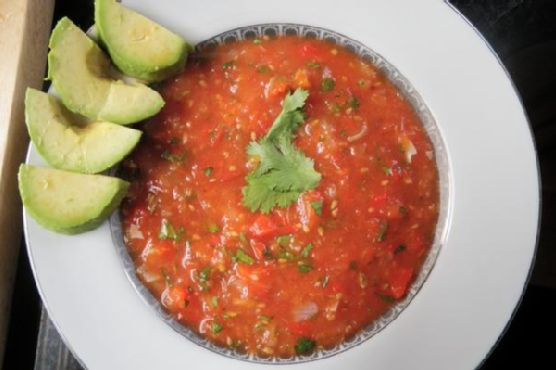
It was one of those lazy Sunday afternoons when the weather couldn’t decide if it wanted to be sunny or stormy. I found myself staring at an overabundance of tomatoes and peppers on my counter, all begging for attention before they started their slow decline. You know, that guilt-inducing moment when your produce is almost too ripe, taunting you with its fleeting freshness? That’s when I decided it was a perfect day to whip up a batch of my favorite Roasted Red Pepper & Tomato Salsa. It’s one of those recipes that rewards you with intense, smoky flavors and a satisfying texture—all with minimal effort. Plus, with the broiler doing most of the work, you’ll spend less time in the kitchen and more time curled up with a good book or catching the latest episode of your favorite show.
Jump to Recipe
What You’ll Need
This recipe is delightfully simple, and chances are you already have most of these ingredients hanging out in your kitchen, just waiting to be transformed into something magical.
- Tomatoes, ripe and juicy
- Red bell pepper, for that sweet, smoky touch
- Onion, because every good salsa needs a little bite
- Whole garlic cloves, roasted to mellow perfection
- Jalapeno pepper, for those who like a kick
- Olive oil, just a drizzle to bring it all together
- Smoked salt or sea salt, whatever you have on hand
- Fresh cilantro, for that bright, herby finish
- Lime juice, to add the perfect zing
- Cumin, a dash for warmth and depth
How to Make Roasted Red Pepper & Tomato Salsa
- Preheat your oven to broil. This step is where all the magic begins—the high heat will give your veggies that perfect char.
- Cut the tomatoes in half and the onions into quarters, then arrange them on a tin-foil lined baking sheet. Trust me, the foil makes clean-up a breeze.
- Add the red bell pepper, whole garlic cloves (leave the skins on for now), and the jalapeno pepper to the sheet. The hot pepper is where we bring the heat, so adjust to your liking.
- Drizzle everything with a bit of olive oil and a sprinkle of salt. This is where the flavor party starts.
- Pop the sheet under the broiler for about 10 minutes. You’re looking for those beautiful char marks—until the skins start to blacken and bubble.
- Remove from the oven and let your veggies cool for about 5 minutes. This gives you just enough time to pour yourself a refreshing drink.
- Once cooled, peel the skins from the tomatoes, pepper, and garlic. It’s a bit messy, but oh-so-worth it.
- Toss all the roasted goodness into a food processor, except for the cilantro and lime juice. Pulse 2-4 times. You’re going for a chunky texture, not smooth.
- Transfer to a bowl and mix in the fresh cilantro and lime juice. This is the part where your salsa gets its vibrant color and zing.
- Season with cumin and add salt to taste. Give it a quick stir, and you’re done! Serve it up with corn chips or toasted pita chips and dig in.
Cook’s Notes
Remember, the key to this salsa is the broil—don’t skip it! It gives the dish that lovely depth of flavor that you simply can’t achieve with raw veggies. If you’re making it ahead, you can store it in the fridge for up to three days in a sealed container. The flavors actually meld together even more beautifully as it sits. Just give it a good stir before serving. If you find your leftovers a bit too thick, a splash of lime juice or even a bit of water can help loosen things up nicely.
Make It Your Own
Here’s where you can let your creativity run wild with some easy variations:
- Swap the red bell pepper for a couple of yellow or orange peppers for a sweeter, milder salsa.
- If you’re not a fan of spice, leave out the jalapeno or replace it with a sweet pepper variety.
- For a smoky twist, replace the cumin with a teaspoon of smoked paprika.
- Want a fruitier version? Add in some mango chunks before serving for a sweet and spicy delight.
If you try this, I’d love to hear how it turns out—drop a comment or tag me! Your feedback and creativity make this journey even more fun. Happy cooking!
Related update: Roasted Red Pepper & Tomato Salsa
Related update: Tzadziki
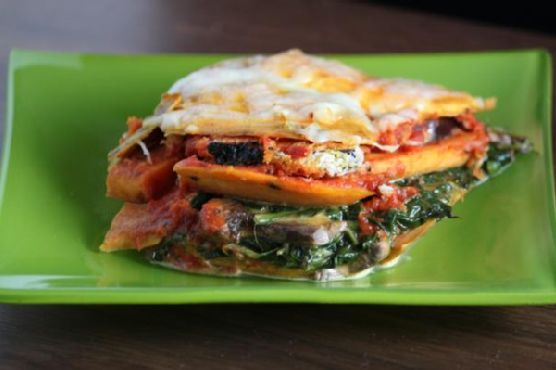
So there I was, staring at my pantry on a chilly Tuesday evening, fingers drumming impatiently on the counter. You know those nights when you crave something cheesy and delightful but also want to sneak in some veggies? Yeah, that was me. Enter: How Sweet It Is Sweet Potato Lasagne. This baby is the answer to those midweek blues — a marriage of hearty, comforting layers with a hint of spice and a whole lot of veggies. It’s one of those dishes that sounds fancy but is surprisingly straightforward. You get to play around with flavors a little, and honestly, who doesn’t like the idea of lasagne that feels a little healthier but still indulgent?
Jump to Recipe
What You’ll Need
So, here’s the kicker with this recipe: chances are you already have most of what you need right at home. A few staples, a couple of fresh picks, and voilà!
- Sweet Potatoes – the star of the show, sliced into 1/4 inch pieces.
- Baby Portabella Mushrooms – because mushrooms are the unsung heroes of any good veggie lasagne.
- Dry curry powder – gives our dish a lovely kick.
- Dried basil leaves – for that aromatic pop.
- Eggplants – sliced just like the sweet potatoes, they add a lovely texture.
- Frozen spinach – convenience meets nutrition.
- Heavy cream – for when you want things creamy, not watery.
- Monterey jack & cheddar cheese mix – because, cheese.
- Jalapeños – optional, but a little spice never hurt anyone.
- Marinara sauce – your favorite brand or homemade, up to you.
- Salt & pepper – always necessary.
- Vegetable cooking oil – canola or your oil of choice.
How to Make How Sweet It Is Sweet Potato Lasagne
- Start by slicing your sweet potatoes into 1/4 inch thick slices. Boil them until they’re just about tender but still a tad firm, around 10 minutes. You don’t want them too mushy.
- Mix together the dry curry powder and olive oil. Rub this aromatic mixture onto your semi-cooked sweet potatoes and let them marinate for at least 10 minutes, soaking in all that spicy goodness.
- Next, slice your eggplants just like the sweet potatoes. Rub them with a mix of olive oil, dried basil, and a pinch of salt and pepper. Let these beauties marinate for at least 15 minutes.
- Heat up some vegetable oil in a pan. Sauté your frozen spinach and baby portabella mushrooms for about 3-5 minutes, until fragrant and slightly softened.
- Add in the jalapeños (if you’re feeling adventurous) and season with salt and pepper. Turn the heat down and stir in some heavy cream and about half of your cheese mix until it’s creamy, but not runny.
- It’s time to assemble the masterpiece! In a baking dish, layer in this order: sweet potatoes, spinach/mushroom mix, eggplants, and a generous pour of marinara sauce. Repeat with sweet potatoes, spinach/mushroom mix, and eggplants.
- Sprinkle the remaining cheese mix on top like you’re raining down cheesy love.
- Bake at 350-375°F for about 35-45 minutes. You’ll know it’s ready when the cheese is bubbly and you can easily pierce through all the layers with a fork.
- Let it rest for a few minutes before serving to let everything meld together. Then, devour with passion!
Cook’s Notes
Let’s talk leftovers. This lasagne is a delight even the next day. Store it in an airtight container in the fridge for up to 3 days, and when you’re ready to reheat, just pop it in the oven at a low temperature until warm.
A word of caution: don’t overcook the sweet potatoes. We want them to hold their shape and add a bit of bite to the lasagne. If you’re prepping ahead, you can have your veggies sliced and marinated in advance, making assembly a breeze when you’re ready to bake.
Make It Your Own
This recipe is your canvas, so paint away:
- Swap the eggplants for zucchini if you prefer a lighter bite.
- Use crispy tofu instead of mushrooms for extra protein.
- Add a layer of ricotta cheese for extra creaminess.
- If curry isn’t your thing, try using smoked paprika for a different flavor profile.
So, if you give this sweet potato lasagne a spin, I’d love to hear how it turns out. Drop a comment or tag me! I’m always ready to chat about all things delicious. Enjoy every cheesy, veggie-packed bite! 🧡
Related update: How Sweet It Is Sweet Potato Lasagne

Caleb Downs receives Cowboys jersey number alongside 2026 rookie class — first steps in a new chapter
The moment every rookie remembers is when they put on their first NFL jersey. Caleb Downs receives Cowboys jersey number 18 as the Dallas Cowboys’ 2026 rookie class reported to rookie minicamp, and that single detail already feels like a small, public christening of a career that began as a headline at Ohio State and now carries the weight of Cowboys expectations. The number is more than fabric — it’s identity, merchandise, and a first handshake with the fanbase.
Rookie minicamp at The Star in Frisco is where paperwork meets pads, and where assignments like equipment, playbooks, and yes, initial jersey numbers, make the draft picks look and act like professionals. For Downs — the Cowboys’ first-round pick at No. 11 overall — getting number 18 was one of the early, visible signs that the transition from college standout to Dallas Cowboy has officially begun. The team also assigned numbers to the rest of the class, including Malachi Lawrence (57) and several others who will vie for roles in training camp. (dallascowboys.com)
What the jersey number moment means
- A jersey number is a snapshot: it tells you position group, immediate availability of preferred digits, and sometimes hints at future branding.
- For rookies, the number assignment is ceremonial and practical — it shows they’re cleared, signed, and on the field with coaches and veterans.
- For fans, it starts the speculation: will Caleb keep 18 or negotiate for another number (reporting shows he’s been linked to No. 2 but currently wears 18 during minicamp)? (star-telegram.com)
Transition: beyond the symbolism, this moment also ties directly into the practical flow of NFL life.
Caleb Downs, the rookie minicamp, and fitting into the Cowboys
Downs arrived in Dallas with a reputation: a physical, instinctive safety who excelled at Ohio State and was one of the most talked-about defensive prospects in the 2026 class. The Cowboys made him their top defensive priority, and his immediate integration into minicamp drills — including work with coaches and veterans — suggests the staff wants him steeped in their defensive language right away. Photos from The Star showed him in No. 18 while learning the “very multiple” Cowboys defense that defensive staff emphasize. (dallascowboys.com)
The rookie minicamp is short but intense. It’s where playbooks get heavy, positional battles begin, and where coaches start to map rookies into the long season ahead. For Downs, wearing that assigned jersey while working one-on-one with established players and coaches does two things: it puts him on the daily radar of staff and it gives fans the first durable image of him in Cowboys blue.
Why fans care about numbers (and why they shouldn’t overreact)
- Numbers sell jerseys. A first-round safety with star potential will generate preorders and social chatter; fans love to buy into the moment. Those sales matter to the franchise and create early brand momentum for the player. (reddit.com)
- Numbers can change. Veteran players already in the room might claim or negotiate numbers. Media coverage has noted that Downs has shown interest in No. 2 — currently held by a veteran — but until the regular season roster finalizes and NFL merchandising updates, minicamp numbers are often provisional. That’s normal. (star-telegram.com)
- The real metric isn’t the digit. How quickly Downs adapts to the scheme, his special teams impact early on, and whether he can translate college instincts into NFL reads are what will ultimately define his rookie season.
Transition: looking outward, the number assignment also frames how Dallas organized its 2026 class.
The rookie class snapshot
The Cowboys used a defensive-first approach in the draft, and their initial number assignments reflect the mix of positions they brought in: from edge rushers to linebackers to defensive backs. Alongside Downs, other picks received numbers that place them into positional groups to immediately join meetings and drills. That early organization helps coaches run focused sessions and gives each rookie a place in the rotation from day one. (dallascowboys.com)
This matters because Dallas isn’t rebuilding from scratch — they’re retooling a defense that expects contributions from youth and vets alike. Assigning numbers, handing out playbooks, and getting rookies on the field speeds up evaluation and helps identify who might be ready to push for snaps come August.
Early signals and what to watch next
- Will Downs remain at No. 18? Keep an eye on roster moves and veteran negotiations as training camp progresses.
- Special teams are often the first proving ground for rookies. How much Downs participates there could determine early roster security.
- Practice reps against starters: how does he match up in coverage and run support against established Cowboys? Those reps will be telling.
Transition: before wrapping up, a brief takeaways section.
Quick takeaways
- The jersey moment is symbolic: Caleb Downs wears No. 18 in rookie minicamp and is officially integrated into the Cowboys’ practice environment. (dallascowboys.com)
- Numbers can be temporary; performance and roster negotiations will determine the permanent assignments. (star-telegram.com)
- More important than the digit is the speed of adaptation — Downs’ learning curve in Dallas’ “very multiple” defense will set the tone for his rookie year. (dallascowboys.com)
My take
There’s a reason fans obsess over jersey numbers: they’re tangible, collectible, and emotionally loaded. But for Caleb Downs, the important story isn’t 18 or 2 — it’s opportunity. Having been drafted to fill a clear need in Dallas’ defense, his true rookie uniform will be defined by snaps, assignments, and how often coaches call his name in critical moments. The jersey is the opening line; the season will write the rest.
Sources
Related update: We recently published an article that expands on this topic: read the latest post.
Related update: We recently published an article that expands on this topic: read the latest post.