
Sixty Super Bowls: The Last Pilgrimage | Analysis by Brian Moineau

Sixty Sundays: The friends who’ve never missed a Super Bowl

From $8 seats to $8,000 trips, the Super Bowl has changed almost as much as the men who’ve watched every single one. This year Don Crisman, Gregory Eaton and Tom Henschel — three friends in their 80s — made the pilgrimage again, closing a chapter that began on January 15, 1967. For two of them, this pilgrimage may be the last.

A hook: why this story matters beyond football

There’s something quietly heroic about a ritual kept for six decades: it’s not just about touchdowns or halftime shows, it’s about continuity in a world that keeps speeding up. These men are living archives of the event that became America’s unofficial holiday. Their story asks a simple question: what do we owe our rituals — and to whom?

What happened this year

  • Don Crisman (Maine), Gregory Eaton (Michigan) and Tom Henschel (Florida) attended Super Bowl LX, preserving a streak that began with the very first AFL-NFL World Championship Game in 1967.
  • Crisman, nearly 90, and Henschel, 84 and recovering from a stroke, said this year will likely be their last trip. Eaton, 86, plans to go as long as he can.
  • The trio — once part of a larger “never missed” club that included media members and staff — are now essentially the living end of an era, having scaled back travel from weeklong stays to short trips focused only on the game. (apnews.com)

A little context: how the Super Bowl and fandom evolved

  • The first two championship games were called the AFL-NFL World Championship Game; “Super Bowl” became the common name almost by accident and then by marketing success.
  • Early Super Bowls felt different: cheaper tickets, smaller media machines, less corporate spectacle. Henschel remembers paying $12 for a ticket in 1969. Today, attending the game — travel, lodging, ticket markups — can run into the thousands. (apnews.com)
  • Over 60 editions, the Super Bowl transformed from a championship to a cultural event: halftime megashows, global advertising, and multi-day corporate campus takeovers around host cities.

Why their streak is about more than numbers

  • Ritual and friendship: The three men speak less about specific plays and more about the habit of showing up together. Their annual meetups, brunches and shared travels turned a sporting event into a social anchor.
  • Memory and changing America: Through their eyes you can trace social shifts — from stadium integration and the first Black winning quarterback to the commercialization of sports.
  • The cost of dedication: Their scaling back — shorter stays, tighter budgets — mirrors how the Super Bowl itself has become more expensive and logistically challenging. For them, the decision to continue is a personal calculus of mobility, finances, and how much the ritual still feeds their joy. (washingtonpost.com)

What this says about fandom and aging

  • Traditions adapt. Where once they’d spend a week soaking in the host city, now it’s three or four days and mostly the game. That’s not resignation — it’s pragmatism.
  • The emotional weight of a final trip: Saying “this might be my last” reframes the game as a milestone rather than an event. It’s the closing of a long-running story that others helped write.
  • Public memory vs. private ritual: The Super Bowl is public spectacle; their streak is private devotion made public. It reminds us that the biggest cultural events are made meaningful by countless small, consistent acts of attendance and attention.

Takeaways for readers

  • Small rituals accumulate into identity: attending once is memorable; attending 60 times becomes a life’s thread.
  • Cultural institutions age with us: as the NFL and its marquee event get bigger and pricier, the people who built the memory bank adapt — or fade away.
  • There’s dignity in ending things on your own terms: both Crisman and Henschel acknowledge limits and choose a graceful exit rather than forcing the habit beyond its meaningfulness. (apnews.com)

My take

The story of Crisman, Eaton and Henschel reads like a human-scale novel about time: the highs, the losses, the friendships that outlast careers and changing cities. Sports often give us a truncated narrative — winners and losers — but this trio shows the richer arc: persistence, memory, and the quiet decision to step back when the ritual stops serving who you are. It’s easy to romanticize “never missed” streaks, but the more interesting, humane moment is watching people choose how to end them.

Sources

(Links were checked on February 7, 2026.)


Related update: We recently published an article that expands on this topic: read the latest post.


Related update: We recently published an article that expands on this topic: read the latest post.

Butchers Reinvent Menus as Beef Costs Soar | Analysis by Brian Moineau

When the Price of a Ribeye Rises, Small Butchers Reinvent the Counter

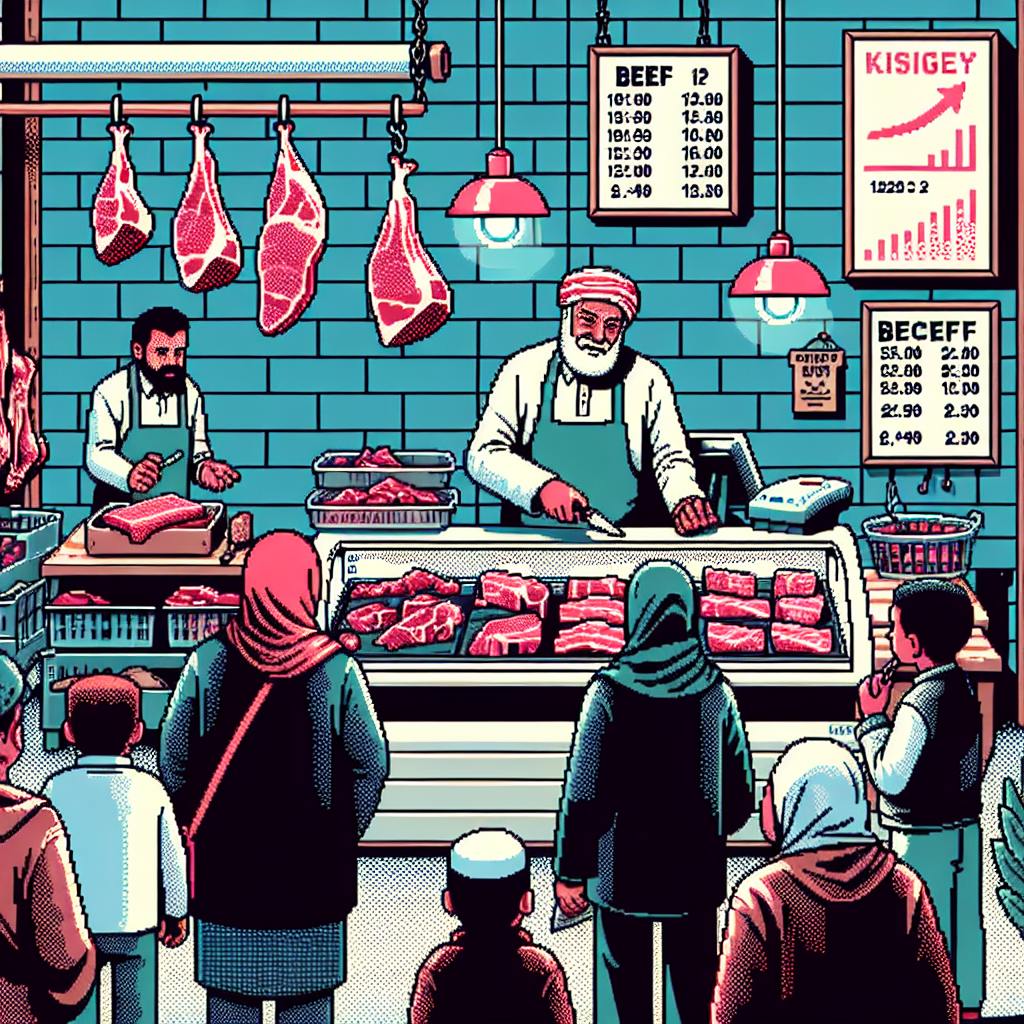
It used to be that a stroll into the neighborhood butcher meant two things: a chat with someone who knew the cut by name, and the smell of fresh meat ready for the weekend grill. Lately, that stroll comes with sticker shock. As beef prices climb to multi‑decade highs, small butcher shops are quietly reshaping how they sell, what they recommend, and how they keep customers coming back.

Why this matters now

  • Ground beef and steak prices climbed to record levels in 2025, driven by shrinking U.S. cattle herds, drought, higher feed and production costs, and other supply‑chain strains. (cbsnews.com)
  • Unlike large grocery chains with buying power and vertical integration, independent butchers rely on local supply and customer trust — two things that feel fragile when the cost of a pound of meat jumps dramatically. (cbsnews.com)

If you buy meat regularly — or run a small meat business — this is more than an economic headline. It changes weekly shopping lists, family dinners, and the way small food retailers position themselves in a competitive market.

How small butcher shops are adapting

Butchers are leaning into the advantages they have: craft, relationship, knowledge. The ways they’re responding fall into a few practical, customer‑facing moves:

  • Recommend cheaper cuts and show how to cook them

    • Educating customers about braises, slow roasts, and mince versus steak helps shoppers stretch a dollar without sacrificing flavor. (cbsnews.com)
  • Offer more value through portioning and combo packs

    • Smaller, recipe‑focused packs or mixed‑protein bundles let households get a taste of beef without buying an expensive whole cut.
  • Promote alternative proteins and mixed dishes

    • Increased suggestion of pork, chicken, plant‑based options, and blends (e.g., beef‑pork blends for meatloaf) helps retain customers who want familiar flavors at lower cost. (cbsnews.com)
  • Lean on relationships and local sourcing narratives

    • Customers are willing to pay a premium for traceability and trust; butchers emphasize provenance, seasonal availability, and chef‑style guidance.
  • Adjust pricing strategies and special offers

    • Time‑limited sales, loyalty deals, and highlighting lower‑cost cuts for weeknight meals help balance margins and foot traffic.

The supply picture behind the counter

To make sense of a butcher’s new pitch, you need the behind‑the‑scenes context:

  • Herds are smaller. The U.S. cattle inventory fell to its lowest levels in decades after years of drought and higher costs, shrinking the supply pipeline from ranch to retail. (axios.com)

  • It takes time to rebuild herds. Biological realities and feeding cycles mean relief won’t be immediate; even when ranchers expand, it can be years before more beef reaches grocery aisles. (farmprogress.com)

  • Policy, trade, and extreme weather add volatility. Tariffs, import/export shifts, and persistent climate stressors have amplified price swings for both cattle and feed. (cbsnews.com)

That combo explains why prices remain elevated even when ranchers or processors tweak production: the whole chain is interdependent and slow to rebalance.

For shoppers: smart moves at the meat counter

If you’re feeling the pinch, small changes at the store (or in your kitchen) can reduce cost without losing satisfaction:

  • Ask your butcher for weeknight‑friendly cuts (chuck, brisket, round) and simple recipes for braising or slow cooking.
  • Buy larger, less‑processed cuts and portion at home — it’s often cheaper per pound and gives leftovers for sandwiches or tacos.
  • Mix proteins in recipes (half beef, half turkey or pork) for flavor and savings.
  • Consider frozen or vacuum‑sealed bargains for longer shelf life and bulk savings.
  • Build rapport with a local butcher: they’ll tip you off on sales, day‑of‑cut discounts, or creative substitutions.

For butchers: business lessons from a beef squeeze

Independent meat sellers can survive and even strengthen their position by leaning into differentiation:

  • Become an educator: host demos, share recipes, and show cooking techniques to make lower‑cost cuts desirable.
  • Diversify inventory: sell more pork, poultry, value‑added items, and prepared foods to smooth revenue.
  • Strengthen supply relationships: local sourcing and cooperative purchasing can reduce exposure to volatile national markets.
  • Use storytelling: provenance and trust are powerful — customers pay for connection and honesty.
  • Innovate pricing and packaging: meal‑kits, subscription boxes, and mixed‑protein bundles increase convenience and perceived value.

What this trend might mean longer term

  • Beef may remain relatively expensive for months or years as herd recovery and supply‑chain fixes take hold. (farmprogress.com)
  • Consumer habits can shift permanently: when families learn new ways to cook cheaper cuts or embrace other proteins, demand patterns change.
  • Smaller shops that pivot effectively could win loyal customers who value expertise and personalized service — but those who cling to old assortments may lose traffic.

What to remember

  • Beef prices rose due to tight supply, drought impacts, and production costs; relief will be gradual. (axios.com)
  • Small butchers are responding by educating customers, promoting alternatives, and rethinking packaging and pricing. (cbsnews.com)
  • Practical consumer choices (different cuts, mixing proteins, buying larger portions) can blunt the sting of higher prices.

Final thoughts

Higher beef prices are reshaping more than grocery bills — they’re nudging everyday cooking toward resourcefulness and creativity. That’s a win for home cooks who learn to coax flavor from unexpected cuts, and for independent butchers who double down on craft and customer relationships. In a world where supply shocks and climate stressors are increasingly common, the butcher’s counter is quietly becoming a classroom in resilience.

Sources

French Indie RPG Wins Presidential Praise | Analysis by Brian Moineau

A tiny French studio, a sweeping RPG, and a presidential nod: why Clair Obscur matters

When a relatively small Montpellier studio walks away from The Game Awards with Game of the Year — and the president of France posts public congratulations — you know something cultural has shifted. Clair Obscur: Expedition 33 isn’t just a surprise hit; it’s an example of how narrative ambition, indie craft, and national pride can collide in the most public of ways.

Why Emmanuel Macron’s congratulations feel bigger than a social media shout-out

  • Macron’s Instagram praise came twice: first after the game’s breakout commercial success earlier in 2025 and again following its record-setting haul at The Game Awards in December 2025.
  • His second message called the Game Awards win “a historic first for a French title” and framed the achievement as “great pride for Montpellier and for France.” (videogameschronicle.com)

That tone matters. Political leaders rarely weigh in on entertainment awards unless they see national cultural value — think of film festivals, literature prizes, or sporting victories. Macron’s public recognition signals that big, mainstream gaming moments are now part of national cultural conversation in France, not just niche industry talk.

What Clair Obscur did — and why the industry took notice

  • It swept multiple major categories at The Game Awards 2025, including Game of the Year, Best Narrative, Best Game Direction, Best Art Direction, Best Score and Music, Best RPG, and several indie-focused awards — a historic haul that made it one of the most-awarded games in the ceremony’s history. (gamesradar.com)
  • The game launched from Sandfall Interactive, a modestly sized French studio, and paired strong sales with critical acclaim — the combination that turns a successful release into a conversation starter about how games are made and valued. (en.wikipedia.org)

This mixture of indie origin, artistic ambition, and mainstream recognition complicates the old “indie vs AAA” story. Clair Obscur shows that a focused, coherent vision — and a smart relationship with players and press — can break through award seasons and sales charts alike.

A few broader ripples to watch

  • National industries: Macron’s praise could amplify interest in French game development funding, education, and export programs. Governments often point to cultural wins when arguing for more creative-sector investment. (videogameschronicle.com)
  • Indie visibility: A high-profile indie success re-centers conversations about creative risk, narrative-driven design, and sustainable studio models that avoid exploitative monetization. Industry leaders and fellow developers have publicly lauded Sandfall’s scale and choices. (en.wikipedia.org)
  • Cultural legitimacy: Games increasingly operate in the same cultural register as film and literature. When a president celebrates a title as representative of national audacity and creativity, that feeds broader acceptance of games as art and soft power.

A concise takeaway for readers (and gamers)

  • Clair Obscur: Expedition 33 proves that a small, well-crafted game can win the world’s attention — and win respect at the highest civic levels. That shift benefits players, creators, and national industries that want culture that travels.

My take

There’s a satisfying poetry to this moment: a team of creatives in Montpellier builds something personal and precise, players respond in force, critics reward daring, and a head of state frames it as national pride. That flow — from studio spark to cultural recognition to political acknowledgment — is exactly the arc that helps games move from hobby to heritage. It doesn’t mean every political comment is unalloyed praise (leaders often have complicated relationships with gaming), but Macron’s public congratulations are a reminder that games now live squarely in the lens of culture and diplomacy.

Sources

(Notes: linked articles above provide reporting on Macron’s messages, the Game Awards results, and the cultural response around Sandfall Interactive’s win.)


Related update: We recently published an article that expands on this topic: read the latest post.


Related update: We recently published an article that expands on this topic: read the latest post.

Related update: We recently published an article that expands on this topic: read the latest post.

Prada, Kolhapuri Deal Sparks IP Debate | Analysis by Brian Moineau

A luxury sandal, a centuries‑old craft, and the price of inspiration

Prada's decision to sell a limited run of "Made in India" Kolhapuri‑style sandals for about $930 has reignited a conversation the fashion world keeps circling back to: where does inspiration end and appropriation begin? What started this year as a pair of tan leather sandals on a Milan runway—briefly billed as simply "leather footwear"—became a flashpoint after Indian artisans and commentators pointed out the clear resemblance to Kolhapuri chappals, the handmade sandals from Maharashtra and Karnataka. Prada has since acknowledged the Indian roots of the design and struck a deal to make 2,000 pairs in collaboration with state‑backed artisan bodies, with plans to sell them globally in February 2026. (feeds.bbci.co.uk)

Quick takeaways

  • Prada showcased sandals in Milan that closely resembled traditional Kolhapuri chappals, prompting accusations of cultural appropriation. (feeds.bbci.co.uk)
  • The brand responded by acknowledging the inspiration and signing agreements with two Indian, state‑backed leather development corporations to produce a limited run made in India — 2,000 pairs priced at roughly €800–€930 each — for global sale in February 2026. (reuters.com)
  • The collaboration promises artisan training, short residencies at Prada's academy, and an investment Prada says will run into "several million euros," but questions remain about profit sharing, pricing parity, and long‑term benefits for the craftspeople. (reuters.com)

Why this matters beyond a single product drop

Kolhapuri chappals are not a trendy motif invented last season. They have a long cultural history, a specific geographic origin (GI protection in India since 2019), and are made by artisans from marginalised communities who rely on this craft for livelihoods. When a global luxury house reproduces that aesthetic and ships it out of context—then prices it at nearly 100 times the local market value—voices in India rightly asked for attribution, accountability and a share of the upside. The debate touches on:

  • Cultural heritage and intellectual property: designs tied to communities and places raise questions about recognition and rights. (dw.com)
  • Economic fairness: local Kolhapuri chappals sell for a few dollars in India; Prada’s versions are priced like collectible luxury items. That gap fuels the sense of extraction. (livemint.com)
  • The power dynamics of taste: global brands can amplify or erase origin stories depending on how they choose to tell them. (feeds.bbci.co.uk)

What Prada has done — and what's still missing

The facts Prada and its critics are pointing to are straightforward:

  • Prada publicly acknowledged the Indian inspiration after the backlash and entered talks with local bodies. (feeds.bbci.co.uk)
  • It signed memoranda of understanding with two government‑linked leather industry corporations in Maharashtra and Karnataka to produce 2,000 pairs locally and to run training programs and exchanges. Prada says the project spans three years and includes artisan residencies in Italy. (reuters.com)
  • The launch is slated for February 2026 across 40 Prada stores and online, with each pair priced around €800–€930 (about $930). (reuters.com)

But several sticky issues remain:

  • Profit sharing and pricing: early reporting indicates artisans are being paid better for production work, yet initial agreements reportedly do not include a formal profit‑sharing clause. That leaves open whether artisans will see long‑term revenue proportional to the value their craft helps create. (timesofindia.indiatimes.com)
  • Attribution vs. agency: attribution alone—acknowledging that a design was inspired by Kolhapuri chappals—is not the same as centring the artisans’ perspectives or ceding decision‑making power about how their craft is represented and sold. (dw.com)
  • Scale and authenticity: producing luxury variants for a global market can raise interest and demand, but it can also shift the meaning of a craft and price out local buyers unless carefully managed. (livemint.com)

A timeline to keep in mind

  • June 2025: Prada presented sandals during Milan Fashion Week that reminded many observers of Kolhapuri chappals; social media outcry and industry criticism followed. (feeds.bbci.co.uk)
  • July–December 2025: Prada acknowledged the Indian inspiration and entered talks with Indian artisan bodies and the Maharashtra Chamber of Commerce. Reporting over late 2025 shows the company formalising agreements and planning the limited run and training programs. (feeds.bbci.co.uk)
  • February 2026: Planned global sale of the 2,000 "Made in India" sandals through 40 Prada stores and Prada.com. (reuters.com)

(Those are the dates reported by news outlets; some implementation details and legal agreements may be updated as the project proceeds.)

The broader industry lesson

Big fashion houses will continue to find inspiration in global crafts; the issue is governance. Brands can handle cultural sources in ways that either replicate extractive patterns or help sustain cultural economies. Meaningful models often include:

  • Co‑design and co‑ownership models that give artisans a seat at the table.
  • Transparent, long‑term revenue arrangements (royalties, profit‑shares, co‑brands).
  • Capacity building that respects local production rhythms and markets, not just upscale retooling for export. (timesofindia.indiatimes.com)

Prada’s announced training programs and residencies are notable steps — they could be transformative if implemented with clear, enforceable commitments to artisans’ economic rights and community representation. Without legally binding profit‑share or co‑ownership terms, though, such initiatives risk being framed as goodwill optics rather than structural change. (timesofindia.indiatimes.com)

My take

This moment is a test case. The optics of a heritage craft going from village markets to luxury boutiques—priced at hundreds of times its local value—will always make people uneasy. What matters is whether this ends as a story of appropriation amended with PR, or as a genuine transfer of value and visibility to the communities who stewarded the craft for generations. Prada’s move toward collaboration is better than silence or denial, but the proof will be in published, enforceable terms: transparent payments, profit‑sharing, design credit, and meaningful decision‑making by artisans and their organisations.

If brands want to borrow cultural capital, they must be prepared to share economic capital and power too. That’s not just ethical—it's smart business for a future in which consumers increasingly expect provenance, fairness, and traceability.

Final thoughts

Heritage crafts entering the global luxury ecosystem can create opportunity, but only when reciprocity is institutionalised rather than optional. We should watch the Prada‑Kolhapuri rollout closely between now and February 2026: will the partnership deliver durable income, training that translates into demand for local makers, and formal obligations to share value? If the answer is yes, this could be a model; if not, it will be another reminder that apology and attribution without structural change aren’t enough.

Sources

(Where paywalls or regional access apply, I prioritized reporting from Reuters and BBC for clarity and accessibility.)

Katie Millers Ghoulish Defense Examined | Analysis by Brian Moineau

The Ghoulish Circus of Grief: A Closer Look at Katie Miller’s Controversial Defense

Sometimes, the circus of modern-day politics and celebrity culture can feel a bit surreal—like watching a bizarre performance where the lines between reality and absurdity blur. The recent article from Boing Boing, titled “Wife of ghoul excuses ghoulish behavior, blames hippies,” dives deep into the peculiar world of Katie Miller, wife of Stephen Miller, as she defends her husband’s controversial funeral. In a peculiar twist, she praises a woman who sold merchandise at this spectacle, framing it as a heroic act.

Understanding the Context: The Circus of Grief

To fully grasp the layers of this situation, let’s rewind a bit. Stephen Miller, known for his hardline immigration policies and association with the Trump administration, passed away under circumstances that sparked its own kind of outrage. His funeral, described as a “carnival,” drew stark contrasts between the somberness typically associated with such events and the commercialization that unfolded.

Katie Miller, in her defense of this event, pointed to a woman who peddled hats and T-shirts emblazoned with slogans related to her husband’s controversial legacy. This odd celebration of a divisive figure raised eyebrows, and Katie’s insistence on framing it as a heroic act only added fuel to the fire.

What’s particularly striking is her attempt to shift the blame for the backlash onto “hippies,” suggesting that a more liberal mindset is responsible for the negative reception surrounding the funeral. This kind of scapegoating is not unfamiliar in today’s political climate, where the personal and political intertwine in increasingly bizarre and theatrical ways.

Key Takeaways

Commercialization of Grief: The blending of a funeral with merchandise sales raises ethical questions about how we honor the deceased. – Defense of the Undeserving: Katie Miller’s defense of her husband’s ghoulish funeral illustrates the lengths to which some will go to uphold their loved ones’ legacies, no matter how controversial. – Scapegoating in Politics: Blaming “hippies” for the backlash reflects a common tactic in today’s political discourse, where opposing views are often dismissed rather than engaged with. – Public Perception Matters: The public’s reaction to events like these can influence broader societal conversations about morality, grief, and the commercialization of personal tragedy. – The Role of the Media: Coverage of such bizarre events highlights the media’s role in shaping narratives around public figures and their families.

Concluding Reflection: The Absurdity of It All

As we navigate this strange cultural landscape, it’s essential to reflect on the absurdity that often accompanies political and social conflicts. Katie Miller’s defense of her husband’s controversial funeral serves as a stark reminder of how easily grief can be commodified and how political narratives can shift responsibility away from personal accountability. In a world where spectacle often overshadows substance, we must remain vigilant about the narratives we accept and the values we uphold.

Sources

– Boing Boing. “Wife of ghoul excuses ghoulish behavior, blames hippies.” [Link to Boing Boing](https://boingboing.net) (Note: Replace with actual URL when available)

In a society saturated with sensationalism, let’s strive for more meaningful conversations about grief, legacy, and the complexities of human behavior.


Related update: We recently published an article that expands on this topic: read the latest post.

Results | Tokyo 25 | World Athletics Championship – worldathletics.org | Analysis by Brian Moineau

Results | Tokyo 25 | World Athletics Championship – worldathletics.org | Analysis by Brian Moineau

Tokyo 2025: A Stage Set for Athletic Greatness and Global Unity

As the Land of the Rising Sun prepares to host the World Athletics Championships from September 13-21, 2025, Tokyo is abuzz with anticipation and excitement. This prestigious event will see over 2000 athletes from approximately 200 nations converge upon this vibrant metropolis, all poised to leave their mark on one of the grandest stages in sports. Beyond the staggering statistics, the Championships represent a celebration of human spirit, determination, and the power of sport to unite diverse cultures.

The choice of Tokyo as the venue is not just a nod to Japan’s storied history in global athletics—having previously hosted the 2020 Summer Olympics under unprecedented circumstances—but also a reflection of its commitment to fostering international camaraderie. Tokyo, a city known for its blend of tradition and modernity, offers an ideal backdrop for athletes to chase records and personal bests amidst a culturally rich setting.

Athletes to Watch: Icons and Rising Stars

The World Athletics Championships always bring forth tales of triumph and heartbreak, with seasoned champions defending their titles and fresh faces emerging into the limelight. Among the athletes to watch is Armand Duplantis, the Swedish pole vaulter who has redefined the sport with his consistent record-breaking performances. His quest for yet another gold will be a storyline that captivates many.

On the track, the showdown between sprinters like Noah Lyles and Sha’Carri Richardson promises to be electrifying. Lyles, known for his charismatic personality and blistering speed, faces stiff competition from Richardson, whose comeback story has captivated fans worldwide. These athletes, with their unique flair and tenacity, epitomize the spirit of the Championships.

Global Connections: Beyond the Track

While the Championships focus on athletic excellence, they also resonate with broader themes in today’s world. In an era where global cooperation is crucial—be it in combating climate change or addressing health crises—events like these remind us of the strength found in unity. Tokyo 2025 will not only showcase athletic prowess but also serve as a platform for cultural exchange and mutual respect.

Moreover, the Championships coincide with Japan’s ongoing efforts to embrace sustainability. From eco-friendly stadiums to initiatives aimed at reducing the carbon footprint of the event, Tokyo is setting a precedent for future sporting events. This aligns with the global push towards sustainability, echoing the sentiments of the Paris Agreement and other international environmental commitments.

Final Thoughts: A Celebration of Humanity

As we count down to the World Athletics Championships in Tokyo, the anticipation is palpable. This event, more than just a series of competitions, is a testament to human potential and the shared dreams that bind us. Whether you’re an avid sports enthusiast or a casual observer, Tokyo 2025 promises stories that will inspire and moments that will linger long after the final race is run.

In a world often divided, the Championships stand as a beacon of what can be achieved when nations come together in the spirit of friendly competition. So, as Tokyo prepares to welcome the world, let us celebrate not just the athletes and their incredible feats, but also the unity and hope that these games inspire.

Read more about AI in Business

Read more about Latest Sports Trends

Read more about Technology Innovations


Related update: We recently published an article that expands on this topic: read the latest post.

Related update: We recently published an article that expands on this topic: read the latest post.

Powerball jackpot rises to an estimated $1.3 billion after no winning ticket sold – AP News | Analysis by Brian Moineau

Powerball jackpot rises to an estimated $1.3 billion after no winning ticket sold – AP News | Analysis by Brian Moineau

The Billion-Dollar Dream: What the $1.3 Billion Powerball Jackpot Says About Us

Ah, the allure of the lottery—a tantalizing dance with fate where the promise of instant wealth fuels our daydreams and sparks countless “what if” conversations. As of now, the Powerball jackpot has soared to a jaw-dropping $1.3 billion, after the numbers 8, 23, 25, 40, 53, and Powerball 5 failed to find a match on Monday night. It’s been a long dry spell since the last jackpot win on May 31, and the excitement is palpable.

But what does this billion-dollar figure really mean in the grand scheme of things? Is it just a reflection of our eternal hope for a better tomorrow, or is it something more profound? Let’s delve into the whimsical world of lotteries and see how this staggering sum ties into our broader cultural narrative.

A Tale as Old as Time

Lotteries have been around for centuries. The Great Wall of China, for example, is rumored to have been partially funded by a lottery. Fast forward to today, and the lottery is a multi-billion-dollar industry in the United States alone. It’s a testament to our enduring fascination with chance and the idea that we could leapfrog our way to prosperity with just a few lucky numbers.

In a world where economic inequality is a hot-button issue, the lottery stands as a curious equalizer. It doesn’t care about your background, your education, or your social status. Anyone can play, and anyone can win—or at least that’s the premise. The odds, of course, are another story entirely. With a 1 in 292.2 million chance of winning the Powerball, you’re statistically more likely to be struck by lightning or become a movie star. But hey, someone has to win eventually, right?

The Bigger Picture

This current lottery frenzy comes at a time when financial headlines are dominated by talks of inflation, interest rates, and market volatility. It’s not far-fetched to think that the prospect of winning a billion dollars is especially appealing in such uncertain times. The notion of financial security, the ability to pay off debts, or even indulge in a few luxuries is a powerful motivator.

Moreover, as we look around the world, we see the impact of sudden wealth on societies. Take tech billionaires, for example. With their newfound riches, they’ve launched philanthropic efforts, invested in space exploration, and even bought social media platforms. While winning the lottery doesn’t quite put you in the same league as Elon Musk or Jeff Bezos, it does give you a taste of that transformative power.

Connecting the Dots

The rise of the Powerball jackpot coincides with some interesting cultural movements. We’re seeing a renewed interest in minimalism, with people focusing on experiences rather than possessions. There’s also a growing emphasis on sustainability and ethical spending. So, if you were to win the $1.3 billion, how would you reconcile these movements with your newfound wealth? Would you invest in green technologies, or perhaps fund educational opportunities for underprivileged communities?

Winning the lottery is a fantasy that lets us imagine the impact we could have if only we had the means. It’s a reflection of our desires, our values, and our dreams for a better world. And while the odds of winning are slim, the conversations it sparks are very real.

Final Thoughts

In the end, the Powerball jackpot is more than just a game of chance. It’s a mirror reflecting society’s hopes and dreams, a reminder of the randomness of life, and a testament to the human spirit’s resilience. Whether or not you choose to buy a ticket, the lottery offers a momentary escape—a chance to dream big and imagine the possibilities.

So, as the jackpot continues to grow, take a moment to ponder what you would do with a billion dollars. Would you change the world, or simply change your world? Whatever your answer, it’s clear that the Powerball is about more than just numbers; it’s about the stories we tell ourselves in the pursuit of happiness.

Read more about AI in Business

Read more about Latest Sports Trends

Read more about Technology Innovations


Related update: We recently published an article that expands on this topic: read the latest post.

Rural America is suffering an economic crisis as crop prices plunge – Fortune | Analysis by Brian Moineau

Rural America is suffering an economic crisis as crop prices plunge - Fortune | Analysis by Brian Moineau

Rural America’s Economic Woes: When the Harvest is Bare

In the heart of Rural America, an economic storm is brewing. It’s a paradox where vast fields of potential are shadowed by the grim reality of plunging crop prices. As Fortune aptly points out, while the prices of crops are on a downward spiral, the costs farmers incur for essential inputs and equipment are climbing sky-high. This unsettling imbalance is leaving many farmer’s pockets—and silos—empty.

The Price Plunge and Its Ripple Effect

The current situation in Rural America is akin to a seesaw stuck midair, where costs outweigh earnings. Farmers are facing a brutal truth: even as they toil endlessly, the financial returns are dwindling. This isn’t just an isolated issue but a chain reaction affecting entire communities. When farmers struggle, local businesses, schools, and services in rural areas feel the pinch too.

Historically, agriculture has been a cornerstone of the U.S. economy. However, today's farmers are grappling with challenges that are increasingly global. The war in Ukraine, for instance, has disrupted global grain supplies and altered trade patterns, affecting crop prices worldwide. Meanwhile, climate change continues to introduce unpredictable weather patterns, further complicating the agricultural landscape.

Global Context: A Shared Struggle

Interestingly, the plight of American farmers finds echoes across the globe. In India, for example, farmers have staged massive protests against laws they perceive threaten their livelihood. In both cases, farmers are caught in a tug-of-war between market forces and policy decisions that seem distant and detached from their daily realities.

In Europe, the push for sustainable farming practices is reshaping the agricultural sector, but not without its own set of challenges and costs. These global perspectives highlight a shared struggle that transcends borders: the quest for a balance between profitability and sustainability.

Innovation: A Beacon of Hope

Despite the challenges, innovation may offer a silver lining. Agri-tech startups are sprouting, offering solutions like precision farming, which optimizes resource use and boosts yields. Drones and AI are revolutionizing how farmers monitor crop health, manage resources, and predict yields. These technologies promise to ease some of the burdens by reducing costs and increasing efficiency.

Moreover, community-supported agriculture (CSA) is gaining traction. By connecting consumers directly with local farmers, CSAs provide farmers with a reliable income stream and consumers with fresh, locally-sourced produce. This model fosters a symbiotic relationship that might just be the lifeline rural communities need.

A Final Thought: Cultivating Resilience

Rural America's current economic crisis underscores the importance of resilience and adaptability in agriculture. As we navigate these turbulent times, it’s crucial to support our farmers, who are the backbone of not just rural economies, but our food systems at large. Whether through policy changes, technological advancements, or consumer support, every effort counts.

In the end, perhaps the lesson here is one of community and connection. Just as crops need the right conditions to thrive, so do our farming communities. By nurturing these connections, we can hope to turn the tide and herald a more sustainable and prosperous future for Rural America and beyond.

---

For more insights and updates on this topic, you might want to check out [Fortune's original article](https://fortune.com) and explore how other regions are dealing with similar challenges. Let’s keep the conversation going and support our farmers in this crucial journey.

Read more about AI in Business

Read more about Latest Sports Trends

Read more about Technology Innovations

Konami Hopes To Revive ‘Metal Gear’ Game Franchise – Bloomberg.com | Analysis by Brian Moineau

Konami Hopes To Revive ‘Metal Gear’ Game Franchise - Bloomberg.com | Analysis by Brian Moineau

Blog Post: "The Return of Metal Gear: A Nostalgic Revival or the Dawn of a New Era?"

In the ever-evolving landscape of video games, few franchises hold as much nostalgic and innovative clout as Metal Gear. For decades, this series has been a touchstone for stealth gaming aficionados and storytelling enthusiasts alike. Recently, Konami decided to dust off one of its most cherished titles, releasing *Metal Gear Solid Delta: Snake Eater*, a remake of the 2004 classic. As it hits the shelves (both physical and digital), the gaming community is abuzz with excitement and curiosity. But what does this revival mean for the franchise and the industry as a whole?

A Trip Down Memory Lane


For those unfamiliar, the original *Metal Gear Solid 3: Snake Eater* was a groundbreaking title that took players into the heart of the Cold War, weaving a tale of espionage, loyalty, and survival. It was a game that not only pushed the boundaries of graphics and gameplay mechanics at the time but also offered a richly detailed narrative that was rare in the early 2000s. The remake, now dubbed *Metal Gear Solid Delta: Snake Eater*, promises to retain the essence of its predecessor while offering enhanced graphics and refined mechanics to meet modern gaming standards.

The Industry's Love Affair with Remakes


In recent years, the gaming industry has seen a surge in remakes and remasters. From *Final Fantasy VII Remake* to *Resident Evil 2*, developers are tapping into the nostalgic hearts of gamers while introducing classic titles to a new generation. This trend mirrors a broader cultural phenomenon where the past is being repackaged and sold in a shiny new bottle. Whether it's fashion trends inspired by the '90s or the resurgence of vinyl records, nostalgia is a powerful force.

But the question remains: Is this reliance on the past stifling creativity, or does it serve as a bridge to future innovations? In the case of *Metal Gear Solid Delta: Snake Eater*, early reviews suggest that the game not only honors its roots but also elevates the experience, potentially setting a precedent for how remakes can be approached.

The Konami Factor


Konami, the Japanese entertainment juggernaut, has had a tumultuous relationship with its fan base over the years. Once a dominant force in the gaming world, the company's focus shifted, much to the chagrin of die-hard fans. However, this latest release might signal a change in strategy. By revisiting one of its most beloved franchises, is Konami seeking redemption in the eyes of gamers? Or is this merely a tactical move to capitalize on a beloved brand? Only time will tell, but the positive reception of the remake could be a beacon of hope for fans longing for a return to form.

A Broader Cultural Resonance


Beyond the realm of gaming, the revival of *Metal Gear* resonates with broader cultural trends. In a world marked by rapid technological advancements and uncertainty, nostalgia offers comfort. It allows individuals to revisit a time when things seemed simpler, even if only through the lens of a video game. Moreover, as society grapples with issues of privacy, surveillance, and geopolitical tensions, the themes explored in *Metal Gear* remain as relevant today as they were nearly two decades ago.

Final Thoughts


The release of *Metal Gear Solid Delta: Snake Eater* is more than just a gaming event; it’s a cultural moment. It’s a reminder of the enduring power of storytelling and the ability of video games to captivate and inspire. Whether you're a seasoned veteran of the series or a newcomer curious to explore its depths, this remake offers something for everyone. As Konami charts its path forward, one can only hope that this revival is a harbinger of more exciting adventures to come.

In the end, the return of *Metal Gear* isn't just about revisiting the past—it's about reimagining it for the future. And in that, there is a kind of magic that transcends pixels and polygons.

Read more about AI in Business

Read more about Latest Sports Trends

Read more about Technology Innovations

Are tariffs to blame for nearly 40% spike in wholesale vegetable prices? Experts weigh in – ABC News | Analysis by Brian Moineau

Are tariffs to blame for nearly 40% spike in wholesale vegetable prices? Experts weigh in – ABC News | Analysis by Brian Moineau

Title: Veggie Tales: Are Tariffs Turning Our Salads Into Pricey Delicacies?

Hello, dear readers! Today, we’re diving into a topic that’s spicing up dinner conversations and sprouting concerns among both consumers and economists alike. If the latest headline from ABC News is any indication, “Are tariffs to blame for nearly 40% spike in wholesale vegetable prices? Experts weigh in,” there’s quite a lot to chew on.

Now, let’s be honest. We all have a love-hate relationship with vegetables. They’re the unsung heroes of our plates, and while we may not always appreciate a broccoli floret or a spinach leaf, they’re vital for our health. But what happens when these leafy greens and vibrant veggies start costing as much as a prime rib? That’s the question at the heart of this article, and a 40% spike in wholesale prices is enough to raise eyebrows—and grocery bills!

The Tariff Tango

So, what’s driving this price surge? According to some experts, tariffs might be the culprits. Tariffs, for those of us who skipped that day in economics class, are taxes imposed on imported goods. They’re intended to protect domestic industries, but sometimes, they can create a ripple effect that leads to higher consumer costs.

In recent years, tariffs have been a hot topic globally. Remember the U.S.-China trade war? That wasn’t just a headline; it was a major economic event that had repercussions on everything from electronics to agriculture. And while the U.S. has been trying to untangle itself from this tariff web, the effects linger, like the aroma of garlic on your fingers after a good meal prep session.

A Global Green Crunch

But it’s not just tariffs causing our veggie woes. Climate change, labor shortages, and supply chain disruptions are all playing supporting roles in this drama. From droughts in California—America’s salad bowl—to unpredictable weather patterns across Europe, Mother Nature has been less than cooperative. A report from the United Nations’ Food and Agriculture Organization notes that extreme weather has significantly impacted global food production, making it a challenging time for farmers and consumers alike.

Moreover, the COVID-19 pandemic has thrown a wrench in the works, affecting labor markets and transportation networks. Remember when certain items seemed to vanish from store shelves faster than you could say “toilet paper”? Similar disruptions have hit the agricultural sector, complicating the journey from farm to table.

The Global Context

This isn’t just a U.S. problem. Across the pond, the United Kingdom has been grappling with its own set of challenges. Brexit has introduced new tariff barriers and regulatory hurdles, leading to increased costs and shortages. It’s a classic case of “you don’t know what you’ve got until it’s gone”—or in this case, until it’s more expensive.

Final Thoughts: From Farm to Table, and Beyond

So, what’s the takeaway here? As consumers, we might need to brace ourselves for a continued rollercoaster ride in grocery store prices. While tariffs are certainly a piece of the puzzle, they’re just one part of a complex global picture. It’s a reminder of how interconnected our world is and how local policies can have far-reaching effects.

In the meantime, perhaps it’s time to embrace creative cooking—exploring seasonal produce, starting a small home garden, or participating in community-supported agriculture programs. Not only could this help ease the sting of rising prices, but it also brings us closer to the food we eat and the people who grow it.

Here’s hoping for smoother trails and greener pastures ahead. Until next time, may your produce be plentiful and your meals delightful!

Read more about AI in Business

Read more about Latest Sports Trends

Read more about Technology Innovations


Related update: We recently published an article that expands on this topic: read the latest post.

She Spent 20 Years Restoring a Rare 1958 Cadillac Convertible – The Wall Street Journal | Analysis by Brian Moineau

She Spent 20 Years Restoring a Rare 1958 Cadillac Convertible – The Wall Street Journal | Analysis by Brian Moineau

Revving Up Memories: The Tale of a 1958 Cadillac Convertible Restoration

In a world often dominated by the latest tech gadgets and futuristic innovations, there’s something uniquely charming about nostalgia—especially when it comes in the form of a classic car. The Wall Street Journal recently told the captivating story of a woman who spent two decades restoring a rare 1958 Cadillac Convertible. This isn’t just a tale of nuts and bolts; it’s a narrative of passion, patience, and the pursuit of preserving history.

For those unfamiliar with the classic car restoration world, the 1958 Cadillac Convertible is akin to finding a unicorn in your backyard. It’s a symbol of an era where American automotive design was all about grandeur and elegance, with fins that could rival a space shuttle and chrome that glistened like the morning sun. Restoring such a vehicle is no small feat, demanding a blend of mechanical expertise, artistic flair, and an ardent love for history.

This story mirrors a broader trend of looking to the past for inspiration. Just as vinyl records have made a triumphant return in the music industry, classic cars have seen a resurgence in popularity. Events like the Pebble Beach Concours d’Elegance and the Goodwood Festival of Speed celebrate these automotive marvels, drawing enthusiasts from around the globe.

The woman behind this restoration project, whose dedication spanned 20 years, is a testament to the power of perseverance. Imagine the countless weekends spent scouring junkyards for parts, the late nights poring over repair manuals, and the joy of finally hearing the purr of a long-dormant engine. Her journey is reminiscent of the spirit seen in other restoration endeavors, like the recent push to rejuvenate historic buildings and landmarks. It’s about breathing new life into old stories, ensuring they aren’t lost to the sands of time.

Beyond the world of cars, this story resonates with current global movements focused on sustainability and preservation. The restoration of classic cars is, in essence, a form of recycling—one that respects craftsmanship and history. It’s about valuing what we have and making the most of it, a philosophy that echoes in today’s environmental consciousness campaigns.

The tale of the 1958 Cadillac Convertible restoration also serves as an inspiring reminder that passion projects are worth the time and effort. Whether you’re restoring a car, writing a novel, or learning a new skill, the journey can be as rewarding as the destination. It’s a narrative that encourages us to embrace patience in a world that often demands immediacy.

As we look towards the future, stories like this remind us of the importance of preserving our past. They encourage us to appreciate the intricate beauty found in history, to learn from it, and to keep its spirit alive for future generations. So, here’s to the woman and her Cadillac—a tribute to the love of the ride, the art of restoration, and the timeless allure of classic elegance.

In the end, whether you’re a car enthusiast, a history buff, or simply someone who appreciates a good story, let this tale be a reminder: sometimes, the road less traveled holds the most rewarding journey. Keep driving forward, but don’t forget to glance in the rearview mirror every so often. You never know what treasures you might rediscover.

Read more about AI in Business

Read more about Latest Sports Trends

Read more about Technology Innovations


Related update: We recently published an article that expands on this topic: read the latest post.

NBA announces 3-year slate of games in Europe, beginning in 2026 – NBA | Analysis by Brian Moineau

NBA announces 3-year slate of games in Europe, beginning in 2026 - NBA | Analysis by Brian Moineau

The NBA's European Adventure: A Slam Dunk for Global Diplomacy and Basketball Fans Alike!

In a move that echoes the harmonious tune of basketballs dribbling on courts worldwide, the NBA has announced an exciting three-year slate of games in Europe, starting in 2026. This decision is set to bring the electrifying energy of NBA regular-season games to Manchester and Paris in 2027, followed by Berlin and Paris in 2028. This initiative is more than just a sporting event; it's a cultural exchange, a love letter to European basketball fans, and a strategic play in the global sports diplomacy arena.

The NBA’s decision to expand its regular-season games across Europe is a testament to basketball's growing popularity beyond American borders. Basketball Without Borders, an initiative started by the NBA and FIBA, has already proven the sport's potential to bridge cultural divides and foster cross-border friendships. The Europe games are a natural extension of this ethos, providing fans with an opportunity to witness the NBA's magic live, while simultaneously nurturing the local basketball scene.

Manchester, known for its rich sporting history thanks to its famous football clubs, will now add NBA games to its list of sporting accolades. Paris, already a host to the NBA Paris Game—a regular fixture since 2020—will continue to bask in the basketball spotlight. Berlin, a city synonymous with historic resilience and cultural fusion, will also experience the NBA's vibrant energy.

This isn't the NBA's first foray into Europe, but it's certainly its most ambitious. The league has a history of hosting exhibition matches and the aforementioned NBA Paris Game. However, integrating regular-season games into the European calendar is an acknowledgment of the continent's growing appetite for basketball. It's a strategic move not unlike the NFL's series of games in London, which has successfully broadened American football's fanbase in Europe.

The timing of this announcement is also noteworthy. In a period marked by geopolitical tensions and cultural divisions, sports remain a unifying force. Much like the Olympics, these NBA games promise to bring people together, transcending language barriers and political boundaries. It's a reminder that whether you're in Manchester, Paris, Berlin, or beyond, the thrill of a buzzer-beater, the elegance of a perfect three-pointer, and the camaraderie of fandom are universal experiences.

In the context of global sports trends, the NBA's European expansion also mirrors the increasing globalization of sports leagues. Major European football clubs have long been engaging with American audiences through summer tours and strategic partnerships. Similarly, the NBA's European venture can be seen as a reciprocal gesture, fostering a global sports community where borders are just lines on a map.

As we look forward to these landmark events, one can't help but feel a sense of excitement and anticipation. The NBA's European tour is poised to be a festival of sport, culture, and unity. It's an opportunity for European fans to experience the NBA's passion and for the NBA to embrace the rich tapestry of European cultures.

In closing, the NBA's decision to bring regular-season games to Europe is a slam dunk for fans, players, and the spirit of international cooperation. It’s a step towards a world where sports serve as a bridge, connecting us across oceans and cultures. So, whether you're a die-hard basketball aficionado or a casual sports enthusiast, this European adventure promises to be an unforgettable chapter in the NBA's storied history. Let the games begin!

Read more about AI in Business

Read more about Latest Sports Trends

Read more about Technology Innovations

Atlanta’s Growth Streak Has Come to an End – The Wall Street Journal | Analysis by Brian Moineau

Atlanta’s Growth Streak Has Come to an End - The Wall Street Journal | Analysis by Brian Moineau

Atlanta's Growth Streak: A Pause, Not a Period

Atlanta, the bustling heart of the South, has long been the poster child for economic growth and urban development. But according to a recent Wall Street Journal article, this vibrant city's growth streak has seemingly hit a speed bump. While the headline might sound like a harbinger of doom, let's take a step back and view this development not as a full stop but rather as a comma in Atlanta's ongoing narrative.

The Rise of the Empire State of the South

Atlanta's growth over the past few decades has been nothing short of remarkable. From hosting the 1996 Summer Olympics to becoming a hub for Fortune 500 companies, such as Coca-Cola and Delta Airlines, the city has consistently proven its mettle on both national and global stages. Its airport, Hartsfield-Jackson, remains the busiest in the world, a testament to the city's global connectivity.

However, like many major urban areas, Atlanta is not immune to the ebbs and flows of economic cycles. The recent halt in its growth streak might be attributed to a variety of factors, including rising housing costs, infrastructure challenges, and perhaps a shift in the business landscape as companies explore remote work and decentralized operations.

A Broader Economic Context

Atlanta's situation is not unique. Cities across the globe are grappling with similar challenges as they balance growth with sustainability and quality of life. Take San Francisco, for instance, which has seen a tech boom that led to soaring living costs and a subsequent exodus of its creative class. Similarly, New York City has been navigating the complexities of maintaining its status as a financial powerhouse while addressing socio-economic inequalities exacerbated by the pandemic.

Moreover, the recent global focus on environmental sustainability has led cities to reconsider how they grow. Urban planners are increasingly advocating for green spaces, public transit, and mixed-use developments to create more livable and sustainable urban environments. Atlanta, with its rich history of innovation, is well-positioned to lead in this new paradigm.

A Silver Lining: Innovation and Resilience

Despite the apparent slowdown, Atlanta remains a city of resilience and innovation. The city is home to a burgeoning tech scene, with startups and innovation hubs sprouting up across its landscape. The presence of major universities like Georgia Tech and Emory provides a steady stream of talent and research initiatives that could spearhead the next wave of economic growth.

Additionally, Atlanta's cultural scene continues to thrive. The city's vibrant music and arts communities, coupled with its historical significance in the civil rights movement, ensure that it remains a beacon of creativity and cultural richness.

Final Thoughts

While Atlanta's growth streak may have paused, it’s by no means the end of its story. The city stands at a crossroads, with an opportunity to redefine what growth looks like in the 21st century. By focusing on sustainable development, embracing innovation, and addressing socio-economic challenges, Atlanta can emerge stronger and more vibrant than ever.

In the grand tapestry of urban evolution, pauses are not setbacks but opportunities for introspection and reinvention. Atlanta, with its spirit of resilience and innovation, is poised to turn this chapter into yet another success story. After all, it's not about how fast you grow, but how well you adapt and thrive in an ever-changing world.

Read more about AI in Business

Read more about Latest Sports Trends

Read more about Technology Innovations

A Short Hike dev halts work on unfinished RPG, saying, “I might never finish this, so I’m releasing the demo!” – Eurogamer | Analysis by Brian Moineau

A Short Hike dev halts work on unfinished RPG, saying, "I might never finish this, so I'm releasing the demo!" - Eurogamer | Analysis by Brian Moineau

Embracing the Unfinished: A Short Hike's Developer Dares to Share an Unfinished RPG

In a world where the pressure to perfect and polish is pivotal, Adam Robinson-Yu, the indie developer behind the charming game "A Short Hike," is taking a refreshing detour. Instead of shelving an unfinished RPG in the depths of digital obscurity, Robinson-Yu has decided to share it with the gaming community as a demo. This bold move not only highlights the evolving landscape of game development but also underscores a broader cultural shift towards transparency and authenticity.

The Beauty of the Unfinished

Robinson-Yu's decision to release an unfinished RPG as a demo resonates with a growing trend across various creative fields. Whether it's authors sharing early drafts, musicians unveiling raw recordings, or filmmakers releasing director's cuts, creators are increasingly valuing the process over the polished product. This shift allows audiences to peek behind the curtain, offering a more intimate experience and a deeper appreciation of the creative journey.

In the tech world, this mirrors the open-source movement, where developers share their work in-progress, inviting collaboration and feedback. Open-source projects like Linux and Mozilla Firefox thrive on community involvement, proving that unfinished doesn't mean unworthy. By releasing his demo, Robinson-Yu invites players to be part of his creative process, potentially influencing the game's future development.

A Leap of Faith in the Gaming Industry

The gaming industry, known for its high stakes and even higher expectations, often sees developers striving to meet the demands of an ever-evolving audience. Yet, in an era where early access and beta testing have become standard practice, Robinson-Yu's approach is a natural progression. Games like "Hades" and "Minecraft" have flourished under such models, using player feedback to refine and enhance the gaming experience.

Moreover, Robinson-Yu's decision could be seen as a response to the mounting pressures developers face. The infamous crunch culture, where developers work intense hours to meet deadlines, has sparked conversations about mental health and sustainability in the industry. By choosing to release a demo instead of pushing towards an arbitrary finish line, Robinson-Yu prioritizes his well-being and creative integrity.

A Personal Touch

Adam Robinson-Yu's journey is as compelling as the games he creates. Known for the critically acclaimed "A Short Hike," a delightful exploration game that captures the essence of adventure and discovery, Robinson-Yu has carved a niche for himself with his unique storytelling and captivating art style. His willingness to share an unfinished project speaks volumes about his commitment to authenticity and community engagement.

In an interview, Robinson-Yu expressed his desire to connect with players on a personal level, stating that sharing his work, even in its incomplete form, is a way to foster genuine connections. This sentiment is echoed by creators across various mediums, who find that vulnerability often leads to the most meaningful interactions with their audience.

Final Thoughts

In releasing an unfinished RPG as a demo, Adam Robinson-Yu not only challenges conventional norms but also champions a culture of creativity and community. His decision highlights the importance of valuing the journey over the destination and encourages both creators and consumers to embrace imperfection.

As we navigate an increasingly polished world, Robinson-Yu's approach serves as a reminder that sometimes, the most captivating stories are the ones still being written. Whether you're a developer, a gamer, or simply a lover of creativity, there's something profoundly inspiring about daring to share the unfinished.

So, here's to the demos, drafts, and works-in-progress—may they continue to shape our worlds in ways we never imagined.

Read more about AI in Business

Read more about Latest Sports Trends

Read more about Technology Innovations

Millions of Eggs Recalled After Dozens Sickened With Salmonella – Bloomberg | Analysis by Brian Moineau

Millions of Eggs Recalled After Dozens Sickened With Salmonella - Bloomberg | Analysis by Brian Moineau

Title: "Eggs-traordinary Recall: When Breakfast Turns Scrambled with Salmonella"

In a world where breakfast is often hailed as the most important meal of the day, news like the recent egg recall can certainly throw a wrench—or a whisk—into our morning routines. According to a report by Bloomberg, the US Food and Drug Administration (FDA) has recalled over 20 million eggs after 21 individuals were hospitalized due to salmonella. This might be a bitter pill—or perhaps, a bitter yolk—to swallow for egg enthusiasts across the nation.

At first glance, the numbers are staggering. Twenty million eggs! That’s enough to make even the most ardent egg lover consider switching to oatmeal. The salmonella scare is a serious issue, and it’s a reminder of how interconnected our food systems are. With eggs being a staple in many households, it’s no wonder that such a massive recall has made national headlines.

But before you start eyeing your breakfast suspiciously, let's crack open the topic a bit more. Salmonella outbreaks related to eggs are not entirely new. In fact, these incidents serve as recurring reminders of the importance of food safety. The Centers for Disease Control and Prevention (CDC) notes that salmonella affects about 1.35 million people in the United States each year. While this particular recall is significant, it’s part of a broader pattern that highlights the need for stringent oversight in food production.

Interestingly, this egg recall coincides with a broader conversation about food security and supply chain resilience, issues that have been magnified by the COVID-19 pandemic. The pandemic exposed vulnerabilities in global supply chains, leading to shortages and increased scrutiny of food safety standards. This egg recall is yet another chapter in that ongoing narrative, emphasizing the importance of robust safety protocols to prevent future outbreaks.

Moreover, the recall also parallels environmental discussions about sustainable agriculture. Eggs, being a major component of many diets, are linked to larger issues such as animal welfare and environmental impact. The recall could potentially accelerate conversations about sustainable farming practices, which aim to reduce such health risks and improve food safety.

While this recall may have you reconsidering that omelet, it’s also a reminder of the resilience of food systems. History has shown us that recalls, while inconvenient, are a necessary part of ensuring public safety. The FDA, along with other agencies, plays a crucial role in maintaining these standards, and their swift action in this case is commendable.

In a lighter vein, this situation also offers a chance for culinary creativity. Perhaps it’s time to try out that breakfast smoothie recipe or explore plant-based alternatives like tofu scrambles. After all, diversity in our diets can be both nutritious and delicious.

In conclusion, while the egg recall is a serious matter with real health implications, it also serves as a reminder of the complex web of food safety, environmental sustainability, and public health. As we navigate these challenges, let’s also take the opportunity to embrace culinary exploration and innovation. Who knows? Maybe this is the perfect moment to discover your new favorite breakfast dish. So, here’s to a safe, healthy, and eggs-traordinary culinary journey ahead!

Read more about AI in Business

Read more about Latest Sports Trends

Read more about Technology Innovations