When Love Enables: Ending Family | Analysis by Brian Moineau

When Love Enables Stagnation: Helping an Unmotivated Adult Grandson

A grandfather watches his 26-year-old grandson, fresh with a master’s degree, spend nights gaming and days sleeping while his daughter quietly keeps him afloat. He worries that helping has become enabling — and asks how to break the cycle without wrecking family ties. That exact letter ran in R. Eric Thomas’s “Asking Eric” column in The Washington Post on March 1, 2026, and it’s a situation many families recognize: good intentions that accidentally shop for someone’s excuses.

Below I unpack that dilemma, offer practical ways to hold boundaries with compassion, and suggest next steps families can use to move from enabling to empowering.

Why enabling happens (and why it’s so sticky)

  • Emotional loyalty and love: A parent (or grandparent) often believes shielding a loved one from discomfort is kindness — especially if the child once struggled or is seen as “different.”
  • Fear of fallout: Saying “no” feels like risking rejection, guilt, or family conflict.
  • Immediate relief, long-term harm: Paying bills, excusing behavior, or covering consequences reduces immediate stress but removes incentives for growth.
  • Cultural and economic friction: Today’s job market, mental-health strains, and online lifestyles (overnight gaming, gig economy norms) complicate simple comparisons to earlier generations.

R. Eric Thomas’s advice to the grandfather is practical: start with curiosity and a conversation, ask about goals and obstacles, and work as a coach rather than a commander. He also cautions against simply removing support without a jointly agreed plan — that risks conflict without progress. (R. Eric Thomas, Washington Post, March 1, 2026.)

Practical steps: what the grandfather (and his daughter) can try now

  • Open with curiosity, not accusation
    • Ask specific questions: “What are you trying to do next? What’s gotten in the way of job hunting? What would you like help with this week?”
    • Listen without immediate fixes. People are more responsive when they feel heard.
  • Set clear, limited supports — not blank checks
    • Replace vague “help” with concrete offers (example: “I’ll pay for a resume rewrite if you apply to five jobs this month”).
    • Tie assistance to measurable steps and timelines.
  • Define household expectations
    • If he lives at home, require contributions: chores, job-search hours, partial rent, or a reasonable household role.
    • Create a written, short agreement so expectations are unambiguous.
  • Use natural consequences, not shame
    • Let consequences reflect reality: missed rent means losing privileges; not looking for work may mean a plan to move out.
    • Frame consequences as learning tools, not punishment.
  • Encourage small wins and structure
    • Replace “find a career” pressure with bite-sized goals: apply to X jobs this week, attend one networking event, join a course or volunteer role.
    • Celebrate incremental progress to build confidence.
  • Offer coaching and resources, not rescue
    • Help with practical job-hunt steps (resume, LinkedIn, mock interviews) but don’t submit applications for him.
    • Suggest counseling if there are signs of depression, anxiety, or addiction — mental health often underlies motivation issues.
  • Keep the daughter included and aligned
    • The grandfather and mother should present a united, consistent approach. Mixed signals (one enabling, one enforcing) undermine any plan.
    • Encourage the daughter to set boundaries for her own wellbeing, perhaps starting with a small, enforceable change.

What to avoid

  • Sudden, total withdrawal with no plan — abrupt cutoffs may sever trust and provoke conflict.
  • Rewarding avoidance — paying for leisure, bailing out of obligations, or doing work the grandson can and should do.
  • Moralizing or shaming — lecturing about character rarely motivates sustained change.

Ways to structure a short “family agreement”

  • Duration: 30 or 90 days, then reassess.
  • Responsibilities: hours per week devoted to job search, daily household tasks, and a modest financial contribution if feasible.
  • Support offered: two coaching sessions for resume/CV, one budget review, help researching training programs.
  • Consequences: loss of certain privileges (car use, gaming time, additional allowance) if milestones aren’t met.
  • Check-ins: weekly 20–30 minute progress conversation with one consistent family member acting as coach.

A note on gaming, degrees, and expectations

A master’s degree doesn’t guarantee immediate employment, and the rise of online gaming or nocturnal schedules can be both a symptom and a trap. Distinguish between:

  • Legitimate obstacles (mental-health issues, systemic hiring challenges, skill mismatches) that need support and services.
  • Avoidant patterns (using gaming to escape job search) that need boundary-based redirection.

If the grandson claims he’s applied but isn’t, request proof (copies of applications, timestamps). Tracking progress removes fuzzy excuses and gives everyone factual footing.

Helpful resources and expert perspectives

  • Guidance on moving from enabling to empowering often emphasizes boundaries, measurable expectations, and consistency. Practical guides and therapy-oriented summaries suggest similar steps: set limits, require contribution, and help with skill-building resources. (SkillsYouNeed; BetterHelp.)
  • If mental-health concerns arise, a clinician can check for depression, ADHD, or other conditions that frequently reduce motivation. Professional evaluation is not an admission of failure — it’s a tool.

What to expect: pushback and a path forward

  • Expect resistance at first. Changing learned dynamics triggers guilt, anger, or manipulation attempts.
  • Stay steady. One relaxed boundary breach often erodes progress. Small, consistent enforcement wins over time.
  • Be prepared that change may be slow or incomplete. The family can still reclaim peace and reduce enabling even if the grandson’s trajectory takes time.

What matters most

  • Preserve the relationship, but stop being the only safety net for harmful habits.
  • Turn “help” into a partnership for growth rather than a maintenance contract for stagnation.
  • Keep compassion and accountability in balance.

Three quick reminders

  • Boundaries are acts of love when they teach responsibility.
  • Support can be conditional and still be kind.
  • Professional help (career services or mental-health care) often accelerates progress.

My take

The Washington Post letter is a familiar, aching scenario: the line between help and harm blurs when love tries too hard to protect. The best move usually isn’t dramatic withdrawal but a deliberate, compassionate reframe — from bailing someone out to training them up. That means clear expectations, measurable steps, and the willingness to feel uncomfortable for a while. Over the long run, that discomfort is the bridge to self-reliance and healthier family dynamics.

Sources

Are Smartwatches Helping or Hurting Us | Analysis by Brian Moineau

Am I addicted to my smartwatch? The tiny device that keeps pulling at my attention

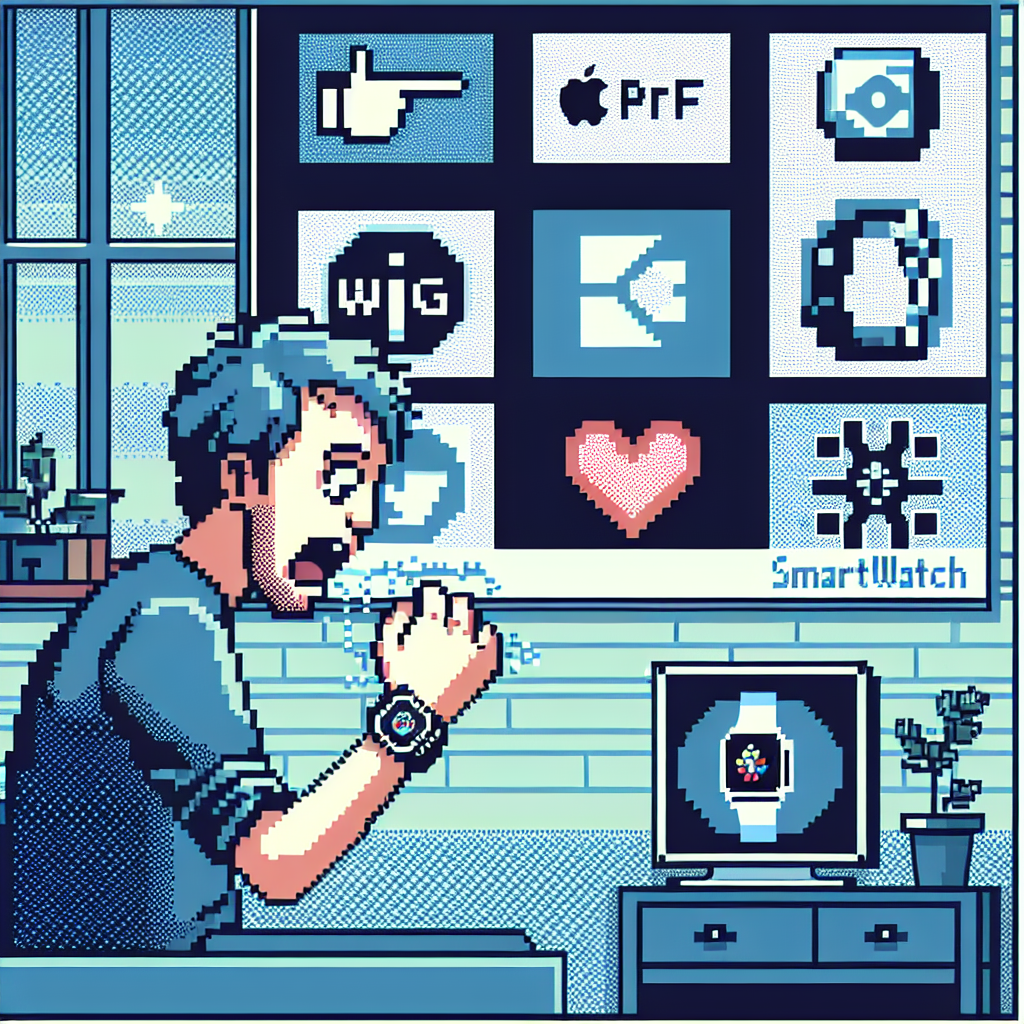
There’s a tiny buzz on my wrist. I glance. A heart-rate spike, a congratulatory confetti for closing my rings, a calendar nudge about a meeting I already forgot. My smartwatch promises fitness, safety and calm — and yet sometimes it feels like it’s the one making me anxious. Do Apple Watch and Samsung Galaxy Watch actually help us live better lives, or are they quietly turning our well-being into a stream of notifications and metrics?

Why this matters right now

Smartwatches are everywhere. From runners timing their 5K to people tracking sleep, oxygen saturation and “stress,” modern wearables do a lot more than count steps. That expansion has sparked two conversations at once:

  • The hopeful one: wearables give us data to act on — nudging us toward more movement, better sleep and earlier detection of health issues.
  • The wary one: constant feedback, alerts and “insights” can create pressure, obsession and information overload — especially when the metrics aren’t perfect or are poorly explained.

The BBC recently explored this tension in a piece that mixes first-person experiences with wider questions about whether these devices reduce harm — or contribute to stress. The debate is worth paying attention to: the devices aim to change daily behavior and mental states, so their real-world effect matters.

What smartwatches promise

  • Continuous health signals: heart rate, HRV (heart rate variability), SpO2, sleep stages, and sometimes ECGs or blood-pressure estimates.
  • Activity tracking and motivation: step counts, workout detection, coaching and goal reminders.
  • Safety features: fall detection, emergency SOS, location sharing.
  • Behavioral nudges: stand reminders, breathing exercises, and trend-based “energy” or stress scores.

These features are powerful in theory. They give immediate feedback and can gamify healthy choices. But promise and reality aren’t always the same.

What the evidence says — helpful but mixed

  • Wearables can increase physical activity. Reviews and umbrella studies indicate moderate evidence that wearables help many people move more (more steps, more minutes of activity), especially when combined with behavior support or programs, rather than being used passively. (link.springer.com)

  • Accuracy and clinical value vary. Systematic reviews show that while wearables are getting better at detecting activity and some physiological signals, their accuracy for diagnosing medical conditions or replacing clinical measurement is still limited. That matters when users treat a smartwatch reading as medical truth. (pubmed.ncbi.nlm.nih.gov)

  • Stress detection and intervention can work — with caveats. Pilot studies using heart rate and HRV data show promise for flagging stress, and interventions that combine momentary prompts with reflective visualizations have reduced stress frequency and intensity in controlled studies. Still, those studies are limited, and commercial “stress alerts” may not match the careful context used in research. (arxiv.org)

In short: wearables can be helpful tools, but their benefits depend on accuracy, context, how feedback is framed, and whether users integrate data into realistic behavior change — not compulsive checking.

Why smartwatches can make us stressed

  • Notification overload: constant pings for messages, health flags and “reminders” interrupt flow and increase cognitive load.
  • Ambiguous signals: a high heart rate could mean exercise, excitement, caffeine, or anxiety. Without context, a spike can feel alarming.
  • Gamification pressure: daily goals and streaks motivate some users, but for others they foster comparison and a sense of failure.
  • False reassurance or false alarms: relying on a device for health reassurance can delay care, while false positives can cause unnecessary worry.

The BBC article shares personal stories of people who felt overwhelmed by messages — from productivity nudges that made pregnant users feel “not productive enough” to constant prompts that exaggerated normal bodily variation. Those anecdotes mirror broader research showing the psychological duality of feedback loops: motivating for some, stress-inducing for others. (nz.news.yahoo.com)

How to keep the benefits and reduce the harm

  • Curate notifications ruthlessly.
    • Turn off non-essential alerts (apps, promotional nudges) and keep only what helps you act.
  • Contextualize metrics.
    • Remember that one number seldom tells the whole story — look for trends over time rather than fixating on a single reading.
  • Use insights, not guilt.
    • Treat weekly or monthly summaries as coaching data. Set small, achievable goals rather than chasing perfection.
  • Pair devices with human support when needed.
    • Structured programs, coaches, or clinicians amplify benefits; passive tracking alone is less likely to produce lasting change. (mdpi.com)
  • Give yourself tech-free windows.
    • Schedule periods where your watch switches to Do Not Disturb or Theatre mode so you can restore focus.

A few realistic limits to expect

  • Not every measurement is clinical-grade. For clinical decisions, rely on medical-grade tests and professional advice.
  • The novelty effect fades. Many people increase activity early on, then regress without behavior design or social support.
  • Personal differences matter. Some people thrive on quantified feedback; others find it intrusive. There’s no single “right” relationship with a wearable.

How companies could make things better

  • Improve calibration and transparency about what a metric really means.
  • Offer simpler, optional modes focused on wellbeing rather than constant tracking (e.g., a “calm” profile that limits alerts and prioritizes long-term trends).
  • Make personalization easier so the device learns how you respond to alerts and reduces harmful nudges.

My take

Smartwatches are powerful little coaches — and, depending on how you use them, either useful allies or nagging bosses. The difference usually isn’t the hardware itself but the relationship you form with it. Turn down the noise, focus on trends not single data points, and use wearables as one part of a broader wellbeing strategy (sleep hygiene, regular exercise, social connection, and professional care when needed). When used thoughtfully, these devices can nudge small, meaningful improvements. If they start to increase anxiety or make you compulsively check your wrist, that’s your cue to change the settings — or simply take a break.

Quick takeaways

  • Smartwatches can increase activity and help detect patterns, but their accuracy and clinical usefulness vary.
  • Constant feedback and notifications can create stress for some users.
  • Best results come when wearables are combined with behavior support and personalized settings.
  • You control the device: curate alerts, focus on trends, and take tech-free breaks.

Sources


Related update: We recently published an article that expands on this topic: read the latest post.

B.J. Penn Arrests Tarnish MMA Legend | Analysis by Brian Moineau

A fallen champion: B.J. Penn’s latest arrest and what it reveals

The image of B.J. Penn — quick, fearless, the first non‑Brazilian to win the World Jiu‑Jitsu Championship black‑belt division and a two‑division UFC champion — is seared into fight fans’ memories. That image is now colliding with a troubling string of real‑world headlines. On the morning of November 4, 2025, police in Hilo say they responded to an assault and later arrested Penn; authorities located him at 11:50 a.m. and took him into custody without incident, charging him with third‑degree assault. The incident adds to a year of repeated legal and mental‑health concerns that have increasingly overshadowed the legacy of one of MMA’s most talented fighters.

Quick context you should know

  • The alleged assault occurred in Hilo, Hawai‘i, at about 1:00 a.m. on November 4, 2025, when a 45‑year‑old man reported being punched and kicked and later sought medical care.
  • Police say they located Penn on Lehua Street at 11:50 a.m. and arrested him without incident; bail was set at $1,000, which he posted.
  • Penn is scheduled to make an initial court appearance on December 2, 2025, in Hilo District Court.
  • This is at least the sixth arrest involving Penn during 2025, most incidents tied to family disputes and a restraining order filed by his mother; courts have ordered mental‑health evaluations amid the legal proceedings.

What happened — the facts

  • Hawai‘i Island police responded to an assault call early on November 4, 2025. The reported victim told officers he was punched and kicked multiple times before escaping and calling for help.
  • The victim later went to Hilo Benioff Medical Center for treatment.
  • Officers located Penn at 11:50 a.m., arrested him without incident, charged him with third‑degree assault, and set bail at $1,000. Penn posted bail the same day.
  • Local authorities and multiple sports outlets have reported that the case will proceed in December and that it sits alongside several other legal matters involving Penn this year, including family‑related incidents and court orders for mental‑health evaluation. (Sources below.)

Why this matters beyond the headline

  • Loss of trust and legacy: Penn’s achievements in MMA are undeniable, but repeated legal troubles risk permanently reshaping public memory of his career. For many athletes, the court of public opinion weighs as heavily as any official record — and patterns of behavior matter.
  • Mental health in pro sports: Several reports this year have cited concerns about Penn’s mental state, including claims by family members that he believes relatives have been “replaced” by impostors (a description consistent with Capgras‑like delusions). That raises challenging questions about how legal systems, medical professionals, and sports communities support figures who may be struggling psychologically.
  • Accountability and care: Arrests and court dates are part of the legal process, but policymakers and communities must balance accountability with pathways to treatment when illness appears to be a factor.

Takeaways for readers who follow sports and society

  • This is not an isolated headline: the November 4 incident fits a pattern of run‑ins and family disputes for Penn in 2025.
  • Mental‑health concerns are central to this story; several court actions and media reports reference evaluations and allegations that point beyond simple criminality.
  • The legal timeline is concrete: initial hearing set for December 2, 2025, and possible future evaluations or proceedings could shape outcomes.
  • For fans and observers, it’s a reminder that athlete legacies are complex — athletic brilliance can coexist with serious personal struggles.

My take

There’s a sad, almost tragic element to watching a once‑dominant athlete unravel in public. B.J. Penn’s career highs — world jiu‑jitsu success, two UFC titles, Hall of Fame induction — are real and impressive. But repeated arrests and the specter of untreated or poorly managed mental illness change the conversation from nostalgia to concern. Ideally, the legal process will ensure safety and accountability for any victim while also directing Penn toward meaningful psychiatric care if that’s needed. For a community that lionizes toughness, this should be a wake‑up call: strength also includes getting help.

Sources


Related update: We recently published an article that expands on this topic: read the latest post.


Related update: We recently published an article that expands on this topic: read the latest post.


Related update: We recently published an article that expands on this topic: read the latest post.

Five ex-Wisconsin women’s basketball players suing former coach for alleged mental abuse – New York Post | Analysis by Brian Moineau

Five ex-Wisconsin women’s basketball players suing former coach for alleged mental abuse - New York Post | Analysis by Brian Moineau

Title: Navigating the Court: When Sports and Legal Battles Collide

In the world of sports, the court is often a place of triumph, teamwork, and tenacity. However, for five former members of the Wisconsin women’s basketball team, the court has taken on a different connotation — one of legal battles and claims of alleged mental abuse. This development has turned the spotlight onto their former coach, Marisa Moseley, as the lawsuit unfolds in federal court.

Marisa Moseley, who took the helm of the Wisconsin women’s basketball team in 2021, was seen as a beacon of hope and rejuvenation for a program that had struggled in recent years. Her tenure as head coach at Boston University, where she led the team to a 45-29 record over three seasons, provided a promising prelude to her arrival at Wisconsin. However, the lawsuit filed by these former players casts a shadow over her tenure and highlights the complexity of the relationships between coaches and athletes.

The Larger Picture: A Balancing Act in Coaching

Coaching, by nature, is a balancing act between pushing athletes to their limits and ensuring their well-being. The stakes are high, especially in collegiate sports, where the pressure to excel is immense. This situation is not unique to Wisconsin. Across the globe, there have been increasing discussions about the mental health of athletes and the role coaches play in either supporting or undermining it.

For instance, the sports world recently witnessed Naomi Osaka's withdrawal from the French Open due to mental health struggles, sparking widespread conversations about the pressures athletes face. Similarly, Simone Biles' decision to prioritize her mental health during the Tokyo Olympics brought much-needed attention to the issue. These instances remind us that while physical prowess is celebrated, mental resilience is equally crucial.

A Broader Cultural Shift

The lawsuit against Coach Moseley reflects a broader cultural shift in how we perceive mental health and authority figures. In past decades, rigorous and sometimes harsh coaching methods were often overlooked or even praised as part of the game. Today, however, there is a growing recognition that mental abuse can be just as damaging as physical harm.

This shift is not limited to sports. In workplaces, schools, and other institutions, there is an increasing demand for accountability and a nurturing environment. This case adds to the ongoing dialogue about what constitutes acceptable behavior and the responsibilities of those in power.

Looking Forward: A Game Plan for Change

As this lawsuit unfolds, it serves as a reminder of the importance of safeguarding the mental health of athletes and maintaining a supportive environment. It also highlights the need for clear guidelines and training for coaches to navigate the fine line between motivation and mistreatment.

For Moseley, this legal battle is undoubtedly a challenging chapter in her career. Regardless of the outcome, it offers an opportunity for reflection and growth — not just for her, but for the entire sports community. As we continue to champion the physical achievements of athletes, let us also champion their mental well-being and strive for a future where the court is a place of both victory and support.

Final Thought: Embracing Change

As the sports world evolves, so too must our understanding of what it means to be a coach and a player. This case is a poignant reminder that while winning is important, the true victory lies in creating an environment where every athlete feels valued, respected, and empowered — both on and off the court.

Read more about AI in Business

Read more about Latest Sports Trends

Read more about Technology Innovations

Laid-off workers should use AI to manage their emotions, says Xbox exec – The Verge | Analysis by Brian Moineau

Laid-off workers should use AI to manage their emotions, says Xbox exec - The Verge | Analysis by Brian Moineau

Navigating Job Loss in the Digital Age: Can AI Be Our Emotional Copilot?

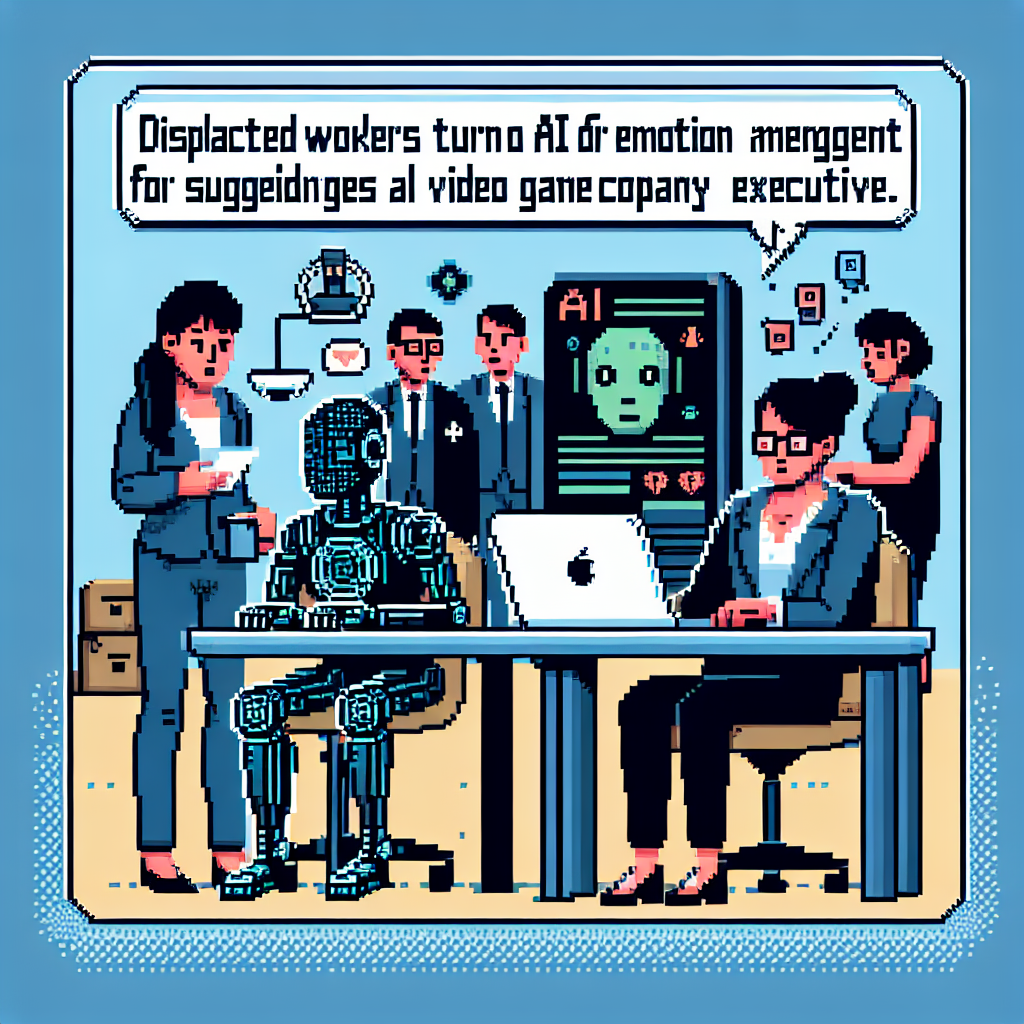
In a world where technological advancements are reshaping every aspect of our lives, it's no surprise that even our emotional well-being is getting a digital upgrade. Recently, Xbox executive Matt Turnbull made headlines with a controversial suggestion: using AI to manage emotions during job loss. His post, which was quickly deleted, sparked a lively debate about the role of technology in personal and emotional spheres.

The Emotional Toll of Job Loss

Job loss is an emotional rollercoaster. It can lead to stress, anxiety, and a feeling of uncertainty about the future. Traditionally, people have turned to friends, family, or even professional counselors to navigate these choppy waters. However, Turnbull's suggestion points to a future where artificial intelligence could offer a new kind of support system.

Imagine an AI that can help process emotions, suggest coping strategies, and even provide motivational nudges when you're feeling down. It's not as far-fetched as it sounds. In fact, AI-driven mental health platforms like Woebot and Wysa are already providing support to individuals around the world. These platforms use natural language processing to engage users in therapeutic conversations, offering a glimpse into the potential of AI as a mental health ally.

AI: Friend or Foe?

While the idea of AI as an emotional copilot is intriguing, it's important to approach it with a healthy dose of skepticism. AI lacks the human touch – the empathy and understanding that comes from shared human experience. Critics argue that relying too heavily on AI for emotional support could lead to isolation and a diminished capacity for human connection.

Moreover, there's the question of data privacy. In an age where data is a commodity, users must be cautious about the information they share with AI platforms. Ensuring that personal data is protected and used ethically is paramount.

A Broader Technological Context

Turnbull's suggestion comes at a time when AI is making waves across various industries. From ChatGPT revolutionizing customer service to AI-powered tools enhancing creative processes, the technology is becoming an integral part of our daily lives. However, this rapid integration also raises questions about its impact on employment. AI is automating tasks that were once the domain of humans, leading to concerns about job displacement and the need for upskilling.

Interestingly, similar discussions are happening in other sectors. For example, in sports, AI is being used to analyze player performance and develop strategies, as seen with teams leveraging data analytics to gain a competitive edge. Coaches and players alike are learning to balance human intuition with data-driven insights.

Matt Turnbull: A Brief Commentary

Matt Turnbull, as an executive at Xbox, is no stranger to the intersection of technology and entertainment. His work in the gaming industry involves staying ahead of the curve, anticipating trends, and understanding how technology can enhance user experiences. It’s no wonder he’s pondering AI’s potential beyond gaming, even if his recent suggestion stirred the pot.

Final Thoughts

As we stand on the brink of a new era in technology and mental health, it's crucial to strike a balance. AI has the potential to be a powerful tool in managing emotions, but it should complement, not replace, human interaction. As we explore these new frontiers, let’s remain mindful of the ethical implications and prioritize the human element that makes life rich and meaningful.

In the end, whether you're navigating job loss or any other challenge, remember that reaching out to a trusted friend or professional remains invaluable. After all, some things are best left to the heart, not just the algorithm.

Read more about AI in Business

Read more about Latest Sports Trends

Read more about Technology Innovations

Panthers rely on strong foundations to win Game 7 against Maple Leafs – NHL.com | Analysis by Brian Moineau

Panthers rely on strong foundations to win Game 7 against Maple Leafs - NHL.com | Analysis by Brian Moineau

Title: Panthers’ Prowess: Building on Strong Foundations to Roar into the Conference Final

In the heart-pounding world of sports, few things captivate fans more than a Game 7 showdown. The Florida Panthers’ recent victory against the Toronto Maple Leafs in the NHL playoffs is a testament to the adage that a strong foundation is crucial for success. This victory not only propels the Panthers into their third consecutive conference final but also highlights the importance of both physical and mental toughness in achieving greatness.

The Bedrock of Success

The Panthers’ journey to this pivotal moment has been anything but easy. Building a strong foundation has been key to their success, much like constructing a skyscraper that can withstand the fiercest of storms. At the core of this foundation is a relentless focus on physical conditioning and mental resilience. The ability to endure grueling matches and maintain composure under pressure is what sets championship teams apart.

Coach Paul Maurice, who took the reins of the Panthers, has been instrumental in instilling this philosophy. Known for his strategic acumen and ability to inspire, Maurice has transformed the Panthers into a formidable force. His leadership style, which emphasizes discipline, teamwork, and adaptability, mirrors that of successful leaders in other fields. For instance, in the world of business, leaders like Satya Nadella of Microsoft have revitalized their organizations by fostering a culture of innovation and resilience.

Drawing Parallels Beyond the Rink

The Panthers’ triumph is not just a sports story—it resonates with themes of perseverance and ingenuity that are prevalent in many arenas. Consider the world of technology, where companies like SpaceX have redefined possibilities through relentless innovation and strategic focus. Just as the Panthers have navigated the challenges of a competitive league, SpaceX has maneuvered through the complexities of space exploration to achieve historic milestones.

Similarly, the current global emphasis on mental health highlights the importance of mental toughness, not just for athletes but for everyone. The Panthers’ ability to stay mentally strong in high-pressure situations offers a valuable lesson in resilience, applicable whether you're on the ice or navigating everyday life challenges.

The Road Ahead

As the Florida Panthers gear up for their next challenge in the conference final, the stakes continue to rise. Their journey exemplifies the power of a solid foundation, a testament to the age-old wisdom that true strength lies not only in physical prowess but also in mental fortitude. As they face new adversaries, the Panthers will undoubtedly continue to rely on these core attributes, much like a well-prepared mountaineer tackling the peak of Everest.

In conclusion, the Florida Panthers’ victory against the Maple Leafs is a celebration of what can be achieved through dedication, strategy, and resilience. Their journey reminds us that in sports, as in life, success is often built on the strong foundations of preparation, adaptability, and an unyielding spirit. As the playoffs continue, fans and followers alike can look forward to witnessing how these elements combine to create moments of triumph and inspiration on the ice.

Read more about AI in Business

Read more about Latest Sports Trends

Read more about Technology Innovations

Scottie Scheffler sits under a tree at the 18th hole of the Masters — and everyone had jokes – New York Post | Analysis by Brian Moineau

Scottie Scheffler sits under a tree at the 18th hole of the Masters — and everyone had jokes - New York Post | Analysis by Brian Moineau

Title: When Life Gives You Magnolias: Scottie Scheffler’s Moment at the Masters

Ah, the Masters—the pinnacle of golf where legends are made and dreams are either realized or dashed among the azaleas. But this year, Scottie Scheffler added a new chapter, or should I say, a new perch, to the storied history of Augusta National. On Friday of the 2025 Masters, Scheffler was spotted hanging out in a magnolia tree at the 18th hole, and naturally, the internet responded with a flurry of jokes that would make even a seasoned comedian chuckle.

Scheffler’s Tree-mendous Pause

Imagine the scene: the pressure of the Masters, the eyes of the world on you, and you decide to take a breather under a magnolia tree. Was it a strategic retreat or simply a moment of zen amid the chaos? Perhaps Scheffler was channeling his inner Thoreau, finding tranquility in nature as he pondered his next move. After all, golf is as much a mental game as it is physical, and a little arboreal meditation might just be what the doctor ordered.

The Internet Reacts

Predictably, social media had a field day. Memes sprouted like wildflowers, with captions ranging from "Scheffler’s new caddy" to "When you finally find shade from the pressure." The photo quickly became a symbol of calmness in the face of adversity, a reminder that sometimes it’s okay to pause, breathe, and take in the world around you—even if that world is a high-stakes golf tournament.

Scottie Scheffler: More Than Just a Tree Hugger

For those unfamiliar with Scottie Scheffler, this moment under the magnolia is just one of many highlights in a burgeoning career. Known for his composure and skill, Scheffler has quickly risen through the ranks to become one of golf’s top players. Since turning pro, he has consistently delivered remarkable performances, showcasing a style that blends precision with a touch of flair.

Connections Beyond the Green

Scheffler’s moment of zen resonates beyond the world of golf. In an era where burnout is a buzzword and "hustle culture" reigns supreme, his decision to take a moment for himself serves as a gentle reminder that rest is not only acceptable but necessary. Whether you're navigating the corporate world, creative pursuits, or personal challenges, taking a step back can offer fresh perspectives and renewed energy.

In the realm of sports, we’ve seen similar moments of pause. Remember when tennis star Naomi Osaka took a break from the court to focus on her mental health? Or when NBA player Kyrie Irving sat out games to prioritize his well-being? Scheffler’s tree moment is part of a growing narrative that highlights the importance of mental health and self-care, even in the most competitive environments.

Final Thoughts

In the end, Scottie Scheffler’s brief escapade under the magnolia tree will likely become one of those endearing Masters moments that fans recall with fondness. It’s a testament to the human side of sports, where even the most skilled athletes need a moment to find their center.

So, the next time you find yourself overwhelmed, whether on the green or in life, remember Scottie Scheffler’s magnolia moment. Take a pause, enjoy the view, and when you’re ready, step back into the game with renewed focus and determination. After all, life, much like golf, is about the journey—and sometimes that journey leads you to the perfect tree at the perfect time.

Read more about AI in Business

Read more about Latest Sports Trends

Read more about Technology Innovations

J’Wan Roberts Embodies Houston’s Discipline Mantra to Seal Final Four Win With Clutch Free Throws – Sports Illustrated | Analysis by Brian Moineau

J’Wan Roberts Embodies Houston’s Discipline Mantra to Seal Final Four Win With Clutch Free Throws - Sports Illustrated | Analysis by Brian Moineau

Title: J’Wan Roberts: The Quintessential Cougar of Discipline

In a scene straight out of a sports drama, J’Wan Roberts stood at the free-throw line with the weight of Houston’s hopes resting on his shoulders. The Cougars, who have historically faced their share of NCAA tournament disappointments, were staring down a familiar foe in Duke. Yet, in a game that was both extraordinary and rooted in their ordinary discipline, Roberts delivered, sealing a Final Four victory with icy composure.

The Houston Cougars have long been synonymous with basketball excellence, yet their path has been peppered with heartbreaking near-misses and lessons in resilience. This year, however, Coach Kelvin Sampson’s mantra of discipline and grit has been embodied by none other than Roberts, whose clutch free throws epitomized the team’s unwavering focus. It’s a narrative that’s become all too familiar in sports: the quiet determination of an underdog who rises to the occasion at the most critical moment.

But Roberts is not just a hero for the highlights reel. His journey is a testament to perseverance and the power of preparation. Growing up in a competitive environment, he learned early on the importance of consistency and hard work. These values have been further instilled by the Cougars’ training ethos, which emphasizes discipline both on and off the court. In a world where flashy plays often steal the spotlight, Roberts reminds us that sometimes, the most unassuming plays can be game-changers.

Beyond the basketball court, Roberts’ story resonates with current global happenings where discipline and resilience are paramount. Consider the recent push for mental health awareness, a movement advocating for the same kind of mental toughness and preparation that athletes like Roberts display. In a broader sense, his performance echoes the resilience seen in various fields, from healthcare workers persevering through a pandemic to scientists relentlessly pursuing breakthroughs.

In sports, as in life, it's not always about the grand gestures but the quiet moments of steadfastness. Roberts’ free throws were a simple act in the grand scheme of a basketball game, yet they carried the weight of lessons learned and the promise of new beginnings.

The Cougars’ victory over Duke is a chapter in a larger narrative of a team that thrives on turning ordinary discipline into extraordinary success. It’s a reminder that in sports, as in life, those who prepare and persevere are often the ones who emerge victorious.

As we celebrate this triumph, let us also honor the spirit of J’Wan Roberts—a player who personifies the heart of a Cougar and the soul of a champion. His story is a beacon of hope for anyone who believes in the power of discipline and the promise of redemption.

Final Thought:

In the ever-evolving landscape of sports, where unpredictability reigns supreme, the tale of J’Wan Roberts and the Houston Cougars serves as a compelling reminder that discipline and preparation are timeless virtues. As we look forward to future tournaments and new heroes, let us carry this lesson forward: success is often born from the ordinary, nurtured by resilience, and realized in the extraordinary moments of life.

Read more about AI in Business

Read more about Latest Sports Trends

Read more about Technology Innovations

This mental health chatbot aims to fill the counseling gap at understaffed schools – TechCrunch | Analysis by Brian Moineau

This mental health chatbot aims to fill the counseling gap at understaffed schools - TechCrunch | Analysis by Brian Moineau

**Bridging the Gap: How a Mental Health Chatbot is Revolutionizing Support in Schools**

In the era of digital innovation, where technology has permeated every facet of our lives, it's heartening to witness its impact on mental health, particularly within the education sector. As school districts grapple with the daunting challenge of providing adequate mental health support to their students, a glimmer of hope emerges from an unexpected ally: a chatbot. TechCrunch recently highlighted a startup, Sonar Mental Health, which has risen to the occasion by developing a "wellbeing companion" chatbot designed to fill the counseling gap in understaffed schools.

**The Role of Sonar Mental Health's Chatbot**

Sonar Mental Health's chatbot aims to act as a "wellbeing companion," offering students an accessible platform to voice their concerns, anxieties, or simply seek guidance. In a world where mental health resources are often limited and stretched thin, particularly in schools, this innovation couldn't be more timely. According to the American School Counselor Association, the recommended student-to-counselor ratio is 250:1, yet the national average is nearly double that figure. This disparity underscores the urgent need for alternative solutions.

**A Broader Perspective on Mental Health Tech**

The initiative by Sonar Mental Health is part of a larger movement where technology is being leveraged to address mental health issues. Apps like Headspace and Calm have already made significant inroads by offering mindfulness and relaxation techniques at users' fingertips. Similarly, platforms like Talkspace and BetterHelp provide virtual therapy sessions, making professional mental health support more accessible to a broader audience. These innovations reflect a growing recognition of the importance of mental health and the role technology can play in supporting it.

**Global Connections and Implications**

Globally, mental health is gaining recognition as a crucial component of overall well-being. The World Health Organization has highlighted mental health as an integral part of health, emphasizing the need for innovative solutions to make mental health care more accessible. The introduction of chatbots in schools aligns with global efforts to integrate technology in mental health strategies, aiming to reduce the stigma associated with seeking help and providing immediate support.

Moreover, the COVID-19 pandemic has exacerbated mental health issues worldwide, with isolation and uncertainty taking a toll on students' mental well-being. In response, educational institutions have been pressured to prioritize mental health, making solutions like Sonar's chatbot even more pertinent. This innovation not only promises to alleviate the burden on school counselors but also empowers students to take proactive steps in managing their mental health.

**Final Thoughts**

As we navigate through an increasingly digitized world, the intersection of technology and mental health presents a unique opportunity to address long-standing challenges. Sonar Mental Health's chatbot is a testament to how creative solutions can emerge from pressing needs, offering hope and support to students who might otherwise fall through the cracks. As we continue to embrace technological advancements, it is imperative that we remain committed to ensuring that these tools are used ethically and effectively, ultimately fostering a future where mental health support is accessible to all who need it.

In conclusion, the integration of a "wellbeing companion" in schools is not just a temporary fix, but a glimpse into a future where technology and humanity work in tandem to create a more compassionate world. And as we continue to explore this brave new world, perhaps the biggest lesson is that while technology can facilitate our journey, it is empathy and understanding that will truly bridge the gap.

Read more about AI in Business

Read more about Latest Sports Trends

Read more about Technology Innovations