Chandler Smith’s Four‑Wide Daytona Shot | Analysis by Brian Moineau

Chandler Smith Pulled Off One of Daytona’s Wildest Finishes — One Day After Missing the 500

There are few things in NASCAR that feel as electric as a superspeedway photo finish. Then there was Friday at Daytona: Chandler Smith — fresh off failing to make the Daytona 500 the previous day — ripped through a four‑wide melee on the final drag to the line and stole the NASCAR Craftsman Truck Series season opener in a finish that felt like something out of a movie.

This wasn’t luck. It was timing, teamwork, and the kind of boldness that separates a headline moment from a "what if." Let’s unpack why that last lap mattered, how Smith got there, and what it might mean for his season.

What happened — the finish in plain English

  • On the final lap of the Fresh From Florida 250 at Daytona International Speedway, John Hunter Nemechek led the pack out of Turn 4.
  • As the leaders jockeyed three‑wide, Gio Ruggiero made an aggressive outside run. Nemechek tried to block, which opened the inside just enough.
  • Chandler Smith, running sixth entering Turn 3 of the final circuit, grabbed a huge push from teammate Ty Majeski and sliced into the open bottom lane.
  • Smith completed a four‑wide pass and beat Ruggiero to the line by 0.044 seconds. The top five were separated by just 0.069 seconds — pure superspeedway chaos. (motorsport.com)

Why the timing made this so juicy

  • One day after missing the Daytona 500, Smith showed how quickly fortunes can flip in NASCAR. The sting of a DNQ turned into a spotlight moment 24 hours later — the kind of narrative motorsport fans eat up. (motorsport.com)
  • Superspeedway racing rewards collaboration and split‑second decisions. Majeski’s push was the unsung engine of the win; Smith acknowledged that publicly, and it underscores how much drafting partnerships still matter. (nascar.com)
  • Daytona’s unpredictability — spins, late cautions, and fuel gambles — compressed opportunity into those final laps. When packs stay intact, the line is thin and the payoff for a courageous seam‑cut is massive. (motorsport.com)

A little context on Smith and the field

  • Chandler Smith drives the No. 38 Ford F‑150 for Front Row Motorsports in the Truck Series and has been building momentum in recent seasons. The Daytona win is his eighth Truck Series victory and his first at the season opener at Daytona. (frontstretch.com)
  • The race was sprinkled with big names and storylines: Tony Stewart made an anticipated on‑track return but crashed in Stage 2, Cleetus McFarland and Travis Pastrana made headlines, and multiple drivers — including Carson Hocevar — had dramatic spins and tire issues that shaped the late strategy. (motorsport.com)
  • The event featured a record‑like flurry of lead changes and tight margins — the kind of race that makes Daytona nights feel unpredictable and theater‑like. (nascar.com)

Why this win matters beyond the trophy

  • Momentum and media narratives: Turning a DNQ into a Daytona victory in roughly 24 hours is the kind of story that elevates a driver’s profile. Sponsors, teams, and fans notice how a driver responds to setbacks — Smith answered big. (motorsport.com)
  • Team chemistry: Smith’s shout‑out to Ty Majeski underlines how collaboration inside a stable (even across teams) can decide wins. That dynamic is especially important at superspeedways where one push can change everything. (nascar.com)
  • Superspeedway cred: Daytona (and Talladega) have a way of crowning drivers who can adapt to chaos. A Daytona win is a rare, headline‑ready achievement that can define a season’s narrative even before the schedule fills out. (frontstretch.com)

Moments that stood out

  • The four‑wide pass itself — a gutsy, borderline reckless seam that worked because Smith had commitment, momentum, and the lane to do it. That image alone will live on in highlight reels.
  • The narrow margins — with five trucks separated by hundredths of a second — reinforced how little separates victory from second place at these tracks. (motorsport.com)
  • Smith’s reaction — gratitude, faith, and an immediate shout‑out to his crew and teammates — gave the win the human element it deserved. It wasn’t just a highlight clip; it was a team win. (motorsport.com)

What to watch next

  • How Front Row Motorsports leverages this momentum in the Trucks and whether Smith’s Cup‑attempts (and the heartbreak of missing the 500) will inform a renewed focus on Truck Series championship ambitions. (roundtable.io)
  • Whether drafting alliances form around Smith or if rival teams will adjust strategies to cut off his late‑race pushes at future superspeedways. The way Majeski and Smith connected on that finish will be studied by competitors. (nascar.com)
  • If Daytona becomes a season‑defining moment or merely a headline: consistency across the rest of the schedule will tell us which it is.

Quick takeaways

  • Smith turned a Daytona 500 miss into a Daytona triumph in about 24 hours — a dramatic emotional reversal that fuels narratives and momentum. (motorsport.com)
  • The four‑wide last‑lap pass highlighted the decisive value of drafting partners and split‑second lane decisions at superspeedways. (nascar.com)
  • Daytona remains a place where tiny margins and bold moves produce unforgettable finishes — and this one will be replayed for a long time. (frontstretch.com)

Final thoughts

There’s a rare, cinematic quality when the sport’s risk‑reward calculus pays off in a moment like Smith’s finish. Against a backdrop of heartbreak (missing the 500) and high drama (spins, big‑name entries, and late cautions), Chandler Smith and his team executed a perfectly messy kind of victory: raw, team‑driven, and impossibly close. Whether this becomes the springboard to a championship run or remains a singular Daytona night, it’s a reminder why superspeedway racing still makes even veteran fans hold their breath.

Sources


Related update: We recently published an article that expands on this topic: read the latest post.
Megazilla vs Godzilla: Ford V8 Showdown | Analysis by Brian Moineau

When Ford turned Godzilla into Megazilla: a friendly explainer

You know that feeling when a factory truck engine moonlights as a hot-rod hero? Ford did exactly that. The Godzilla V8 started life as a burly, no-nonsense 7.3‑liter powerplant for Super Duty trucks — built for durability and torque — and Ford Performance then took that same basic architecture and forged it into Megazilla: a high-performance crate engine aimed at builders who want big displacement with even bigger attitude.

Below I break down what’s actually different between the two, why those differences matter, and whether the price jump is justifiable for different kinds of projects.

Quick highlights

  • Godzilla = the stock 7.3L truck engine: reliable, simple, tuned for longevity and towing.
  • Megazilla = a factory-built high-performance version of the same 7.3L platform with upgraded internals, heads, and a larger throttle body — roughly +180–185 hp and a huge torque bump.
  • Megazilla is sold as a crate engine and carries a much higher price and competition-use positioning compared with the more utilitarian Godzilla.

Why people care: the setup and the story

When Ford introduced the Godzilla 7.3L (around 2020), it wasn’t trying to win a horsepower war. It was offering a big-displacement pushrod V8 for heavy-duty trucks that favors durability, serviceability, and broad torque. That engine’s cast‑iron block, simple cam‑in‑block pushrod layout, and conservative internals made it ideal for work trucks.

Enter Megazilla: Ford Performance saw a platform with tons of potential and built a crate engine that keeps the block and displacement but swaps in stronger internals and performance cylinder heads to make a thoroughly different animal — one aimed at hot rods, track cars, desert rigs, and high‑power builds.

Key technical differences

  • Displacement and block
    • Both are 7.3 liters with the same cast‑iron block — the shared foundation is part of what makes this transition possible.
  • Internals
    • Godzilla: production truck internals (hypereutectic pistons or similar factory pieces, powdered‑metal connecting rods in the standard form).
    • Megazilla: forged Mahle pistons, forged Callies H‑beam connecting rods, and other beefed‑up hardware to handle much higher rpm and power.
  • Cylinder heads and breathing
    • Megazilla gets CNC‑ported, higher‑flow heads and a larger throttle body (reported ~92 mm vs the Godzilla’s ~80 mm) plus a low‑profile intake to improve airflow.
  • Cam and valve train
    • The Megazilla’s cam and valve gear are tuned for more aggressive timing and higher powerband compared with the truck tune.
  • Power and torque (real-world, factory figures)
    • Godzilla (stock truck tune): ~430 hp and about 475 lb‑ft (varies slightly by model year/tune).
    • Megazilla (naturally aspirated crate engine): ~615 hp and roughly 638 lb‑ft of torque (peak and usable torque is much broader).
  • Forced‑induction option
    • Ford and aftermarket builders have pushed the platform even further — Ford Performance later offered a supercharged “Megazilla 2.0” that can exceed 1,000 hp for competition use.
  • Legality and intended use
    • Godzilla is a production, emissions‑compliant engine used in Super Duty trucks.
    • Megazilla crate engines are positioned for builds; higher‑output or supercharged variants are often flagged for competition or off‑road use (non‑street legal in some configurations).

The numbers that catch attention

  • Horsepower delta: Megazilla ≈ 615 hp vs Godzilla ≈ 430 hp — roughly +180–185 hp.
  • Torque delta: Megazilla peaks around the mid‑600s lb‑ft vs Godzilla’s mid‑400s — a dramatic increase and much more usable across the rev range.
  • Price delta: Godzilla crate engines or production installations are available for much less (Godzilla crate pricing has been listed in the low‑$9k range historically), whereas Ford listed the Megazilla crate engine at around $22,995 when it went on sale — a sizable premium for the performance hardware and turn‑key nature.

So, is the Megazilla “worth it”?

  • For hot‑rod builders, race teams, desert racers, or anyone who wants a straight, factory‑supported path to big, reliable NA V8 power — yes, Megazilla is compelling. It removes much of the guesswork and fabrication required to push a truck engine to these numbers.
  • For truck owners who prioritize towing, longevity, and emissions compliance, the stock Godzilla is the practical choice. It’s lighter on wallet, proven in work use, and fully road‑legal in production trucks.
  • For budget-minded tuners, some may prefer buying a Godzilla crate engine and upgrading specific components themselves; that can be cheaper but takes time, expertise, and risk.

My take

There’s something deliciously irreverent about Ford turning a cast‑iron truck V8 into a crate engine with supercar‑level horsepower. Megazilla isn’t just “more Godzilla”; it’s a factory‑built answer to a specific demand: builders wanting a big‑bore, durable V8 that’s already optimized for high power. The price is steep, but for many it’s the convenience, reliability, and Ford Performance backing that seal the deal.

If you’re building a trophy truck, a track monster, or a high‑power restomod and your budget isn’t shy, Megazilla is a turnkey shortcut to headline numbers. If you’re after a straightforward, workaday V8 that won’t get you arrested or exceed emissions limits, Godzilla remains an elegant and sensible choice.

Sources


Related update: We recently published an article that expands on this topic: read the latest post.


Related update: We recently published an article that expands on this topic: read the latest post.

Related update: We recently published an article that expands on this topic: read the latest post.

Why Chevy’s Corvette Went Flat‑Plane | Analysis by Brian Moineau

Why Chevy Went Flat‑Plane: The Corvette’s V8 That Screams Like an Exotic

There’s a moment you can’t forget the first time you hear a flat‑plane V8 alive at full song: a high, urgent wail that feels less “American V8” and more “race car from Italy.” That’s exactly what Chevrolet chased with the LT6 in the C8 Z06 — a 5.5‑liter V8 built to rev, breathe, and sound like nothing else in the Corvette family. But the change wasn’t just about noise and showmanship. It was a careful engineering choice that traded old-school torque curves and a burbly soundtrack for low rotating mass, cleaner breathing, higher revs, and — yes — a distinctive personality.

The moment that mattered

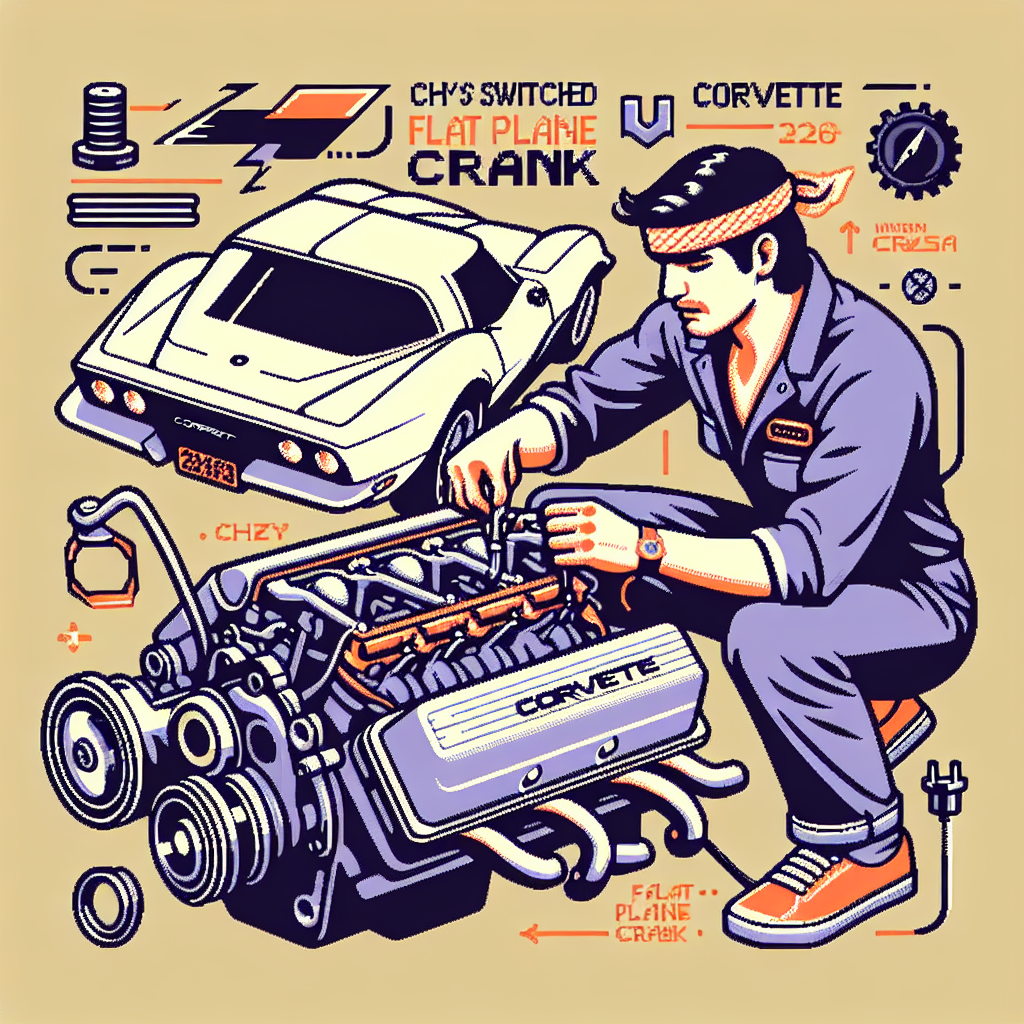
  • The LT6 is a purpose‑built, naturally aspirated 5.5L V8 with a flat‑plane crank, dual overhead cams, titanium rods, and a racing‑level dry sump system.
  • Chevrolet’s aim: make a production, naturally aspirated V8 that can reliably rev into the 8,000s and deliver peak power at very high rpm — something cross‑plane street V8s struggle to do without heavy compromise.
  • The result: 670 hp at around 8,400 rpm and a redline in the neighborhood of 8,600 rpm (GM figures), and an exhaust that sounds more exotic than its lineage.

What a flat‑plane crank actually does

  • Different journal layout: a flat‑plane crank spaces its rod journals 180° apart in one plane (think two 4‑cylinder engines sharing a crank), versus the 90° stagger of a traditional cross‑plane V8.
  • Alternating firing order: the firing alternates bank to bank, which evens out intake/exhaust pulses and helps the engine “breathe” with less internal interference.
  • Lower rotational inertia: flat‑plane cranks can be made lighter and require smaller counterweights, which helps the engine accelerate in rpm faster and sustain higher revs.
  • Distinctive sound: the alternating banks and equal‑length header pulses create a higher‑pitched, exotic‑style wail that’s immediately recognizable.

The tradeoffs Chevrolet accepted — and fixed

  • More vibration: flat‑plane V8s are inherently less naturally balanced than cross‑plane V8s, producing stronger secondary vibrations and lateral shaking.
  • How Chevy mitigated it:
    • Radical weight reduction in reciprocating parts: forged aluminum pistons, forged titanium connecting rods, and a lightweight harmonic balancer.
    • Short stroke and oversquare bore (large bore, short stroke) to reduce piston speeds and secondary vibration at high rpm.
    • Sophisticated engine mounts, NVH tuning, and chassis-level solutions borrowed from racing development to keep the car civilized in everyday driving.
    • An advanced oiling system (multiple scavenge stages/dry sump) and a race‑derived valvetrain for reliability at sustained high rpm.

Why it mattered for performance

  • Rev capability: lower rotating mass and optimized breathing let the LT6 stay healthy at very high engine speeds, where horsepower is won.
  • Better volumetric efficiency: alternating bank pulses allow cleaner intake and exhaust flow strategies (including variable intake tuning) so the engine can develop torque farther up the rev range.
  • Race development benefits: the LT6 architecture was honed in the C8.R race program, accelerating learning for durability and packaging for a production car.
  • Packaging and weight penalty balance: while the flat‑plane design posed new NVH and packaging challenges, the payoff in peak power and engine character was judged worth it for a track‑focused Z‑model.

Notes on the exhaust and sonic design

  • Engineering the exhaust for a flat‑plane V8 is more than bolting on pipes. The LT6 uses equal‑length headers and a purposely tuned mid‑mounted/center exit exhaust layout to shape the sound and manage pulse interactions.
  • Chevy’s approach avoided X‑pipes that would damp the exotic note; instead they tuned the routing and mufflers so the sound is dramatic yet controllable, projecting into the cabin in a satisfying way.

What this means for Corvette buyers and enthusiasts

  • If you want raw, high‑revving, naturally aspirated V8 character with race‑car breathing and exotic sound, the LT6 Z06 delivers it.
  • If you prefer low‑down torque and the traditional burble of the classic American cross‑plane V8, the standard Stingray and its LT2 will feel more familiar.
  • The LT6 represents a deliberate pivot: use advanced materials and race‑derived engineering to get the best out of a flat‑plane design while minimizing the compromises that once confined those cranks to small‑production exotics.

Highlights to remember

  • The LT6’s flat‑plane crank reduces rotating mass and allows very high revs.
  • Alternating bank firing improves breathing and helps extract power at high rpm.
  • Engineering countermeasures (light internals, short stroke, race oiling, mounts, NVH tuning) tame vibration and make the concept viable for production.

My take

Chevy’s decision to fit the Z06 with a flat‑plane crank wasn’t a fashion statement — it was a performance-first engineering gambit. By leaning into lightweight components, race‑proven oiling and valvetrain tech, and carefully tuned exhaust and mounts, Chevrolet turned a historically exotic idea into a viable production solution. The LT6 is thrilling because it’s uncompromising where it counts: it revs hard, breathes freely, and sounds alive. For the enthusiast who wants a naturally aspirated V8 that behaves like a race engine on the street, that tradeoff — more NVH complexity for raw, rev‑happy performance — is exactly the point.

A few final thoughts

The shift to a flat‑plane crank in the Corvette Z06 is a reminder that automotive progress isn’t always about downsizing or electrification. Sometimes it’s about revisiting old ideas with new materials and systems and extracting performance in a visceral, memorable way. The LT6 showcases how race tech can be adapted to production with dramatic results — and gives the Corvette a voice that turns heads in a different register.

Sources


Related update: We recently published an article that expands on this topic: read the latest post.


Related update: We recently published an article that expands on this topic: read the latest post.


Related update: We recently published an article that expands on this topic: read the latest post.

Las Vegas GP Night Race: Stats & Strategy | Analysis by Brian Moineau

Neon, brakes and big-picture drama: why Las Vegas matters for the 2025 finale

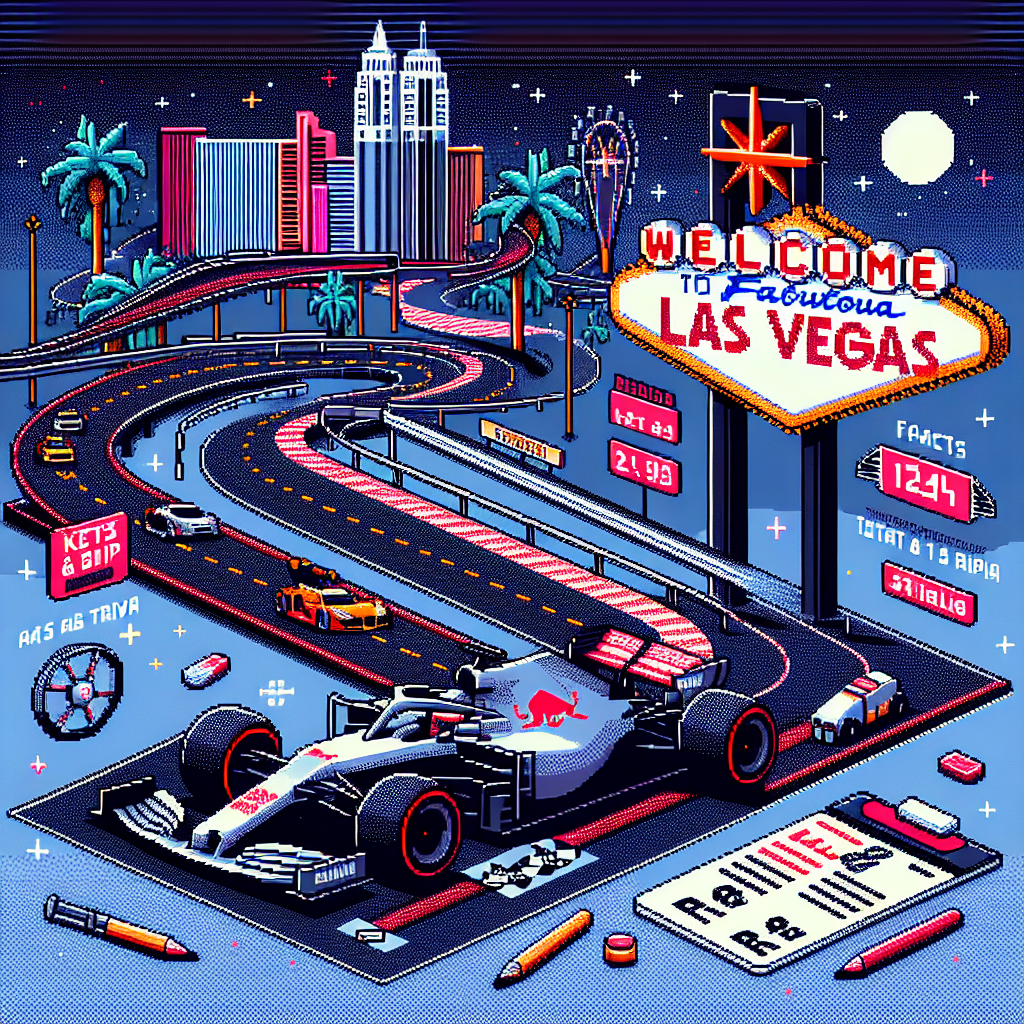
There’s something intoxicating about a street circuit that runs down the Strip: the lights, the straights that make your stomach drop, and the knowledge that one small mistake can echo through an entire championship. The 2025 Las Vegas Grand Prix arrives as the first race of the season’s final triple-header, and it’s built to serve fireworks — on-track and in the standings. This guide walks through the stats, the setup, and the tactical thinking you’ll see under the neon for the Las Vegas night race.

Snapshot — what to watch this weekend

  • Date and format: Las Vegas is a night race on the 6.201 km Las Vegas Strip Circuit. Free Practice 1 and 2 are scheduled for Thursday evening (Nov 20), FP3 and Qualifying on Friday (Nov 21), and the 50-lap Grand Prix on Saturday (Nov 22). (formula1.com)
  • Race position in season: Round 22 of a 24-race calendar — the start of the final triple-header (Las Vegas → Qatar → Abu Dhabi). (formula1.com)
  • Key championship context: Lando Norris arrives in form after back-to-back poles and wins; there are still 83 points available across the three remaining events, so the title fight is alive. (formula1.com)

Quick facts that shape the weekend

  • Track length: 6.201 km — one of the longest on the calendar. (formula1.com)
  • Lap record: 1:34.876 (Lando Norris, McLaren, 2024). (formula1.com)
  • Safety Car and VSC probabilities: listed high (both around 50%), reflecting the tight walls and potential street-circuit incidents. (formula1.com)
  • Typical pit-stop time loss: ~20 seconds (including the stationary 2.5s). (formula1.com)

These numbers aren’t trivia — they’re the inputs teams use when deciding how aggressive to be on tyre choice, fuel load and overtaking strategy.

What the drivers and engineers will be sweating

  • Tyre warm-up: cold evening air plus long straights makes bringing tyres into the working window hard — especially for qualifying laps. Pirelli and the teams stress tyre warm-up and management as the main challenge. Short prep laps before a flying lap become invaluable. (formula1.com)
  • Low downforce demand: the long straights encourage trimmed setups, which increases the car’s sensitivity and makes braking zones trickier; traction out of corners becomes paramount. (formula1.com)
  • Braking hotspots: Turn 6→7 and Turn 12 were highlighted as heavy-braking, make-or-break areas where locking up or poor exits cost big time. Expect drivers to sacrifice apexes for exit speed. (formula1.com)
  • Track surface & street-circuit quirks: manhole covers and surface transitions are not theoretical — the Las Vegas layout has produced sessions disrupted by shifting covers in past events, and teams will be hyper-aware of debris and kerb behaviour. (Event-day reporting from practice sessions has shown such risks remain real.) (talksport.com)

Strategy primers — how the race could play out

  • One-stop vs. two-stop: with a 20s pit loss and relatively high straight-line speed, teams will weigh degraded grip vs. track position. If tyre degradation is moderate (as Pirelli’s C3–C5 selection and compound updates suggest), a one-stop is feasible — but safety car interruptions or graining could force strategies to diverge. (formula1.com)
  • Qualifying premium: the difficulty warming tyres for a hot lap makes qualifying position extra valuable — a clean run is worth more here than at many permanent circuits. Expect high emphasis on nailing the final run in Q3. (formula1.com)
  • Safety car leverage: given the elevated SC/VSC probabilities, opportunistic pit stops under neutralized conditions could reshuffle the order. Teams will have contingency plans to exploit any mid-race interruption. (formula1.com)

Drivers and teams to keep an eye on

  • Lando Norris / McLaren: hot form heading in; if McLaren can nail qualifying and manage tyres into the race, Norris will be the benchmark. (formula1.com)
  • Oscar Piastri / McLaren: close in the fight but inconsistent recently — a weekend swing for or against him could decide the title. (formula1.com)
  • Max Verstappen / Red Bull: out of the lead by points but still supremely dangerous — Red Bull will chase race pace and strategy to claw ground back. (formula1.com)
  • Mercedes and Ferrari: fighting for P2 in the constructors’ table; Las Vegas could offer a big pay-off if they balance performance with reliability and risk management. (formula1.com)

Race-day narrative threads to watch

  • Can tyre upgrades and compound choices reduce last year’s graining and allow more aggressive strategies? Pirelli’s notes suggest improved mechanical properties in the 2025 tyres, which could make medium compounds more viable. (formula1.com)
  • Who handles the cold-track tyre window better at night? The sessions are running earlier this year, which should slightly ease cold conditions — but cold remains a limiter. (formula1.com)
  • How teams respond to on-track disruptions (manhole covers, debris, safety cars) will reveal operational strength. Quick decisions under caution could swing the race. Recent practice interruptions underline this fragile element. (talksport.com)

What the numbers suggest about the championship

  • With 83 points left across three events, nothing’s settled. A strong Las Vegas haul could put a driver on the verge of sealing the title in Qatar or Abu Dhabi; a poor weekend and the pendulum swings the other way. Expect calculated aggression from those who need to claw points back. (formula1.com)

My take

Las Vegas is a cocktail of extremes: raw speed down the Strip married to the unforgiving intimacy of a street track. That mix rewards the precise, punishes the overeager, and creates strategic chaos when the safety car comes out — which it often will. For fans, that makes for one of the most entertaining and consequential rounds of the year: expect drama, late-race gambits, and a championship narrative that could be rewritten under neon.

Sources


Related update: We recently published an article that expands on this topic: read the latest post.


Related update: We recently published an article that expands on this topic: read the latest post.

Qualifying results: West Series at Portland International Raceway – arcaracing.com | Analysis by Brian Moineau

Qualifying results: West Series at Portland International Raceway - arcaracing.com | Analysis by Brian Moineau

Racing to the Future: Reflections on the ARCA Menards Series West at Portland

Zooming around the iconic Portland International Raceway, the ARCA Menards Series West recently turned up the heat with a thrilling 20-minute qualifying session ahead of the much-anticipated Portland 112. As engines roared and tires screeched against the asphalt, drivers fought tooth and nail for the best starting positions, setting the stage for an adrenaline-packed showdown.

But why should we care about this slice of motorsport madness? In a world where technology and innovation are advancing at breakneck speeds, auto racing is an exhilarating testament to the synergy between human skill and mechanical prowess. Just as tech enthusiasts eagerly await the latest smartphone or electric vehicle release, racing fans find excitement in the evolution of racing technology and driver strategy.

The ARCA Menards Series West: A Breeding Ground for Talent

For those unfamiliar with the ARCA Menards Series West, it's more than just a racing series; it's a crucible where aspiring drivers hone their skills and make their mark on the racing world. Many drivers who shine here often move on to higher tiers of NASCAR, much like how promising tech startups can evolve into industry giants.

One standout performer in this qualifying session was [Driver Name], whose impressive time secured a prime starting position. [Driver Name] has been making waves in the series, and their journey mirrors the persistence of young entrepreneurs striving for success in competitive fields. With sharp reflexes and an intuitive understanding of their car's limits, [Driver Name] exemplifies the modern racer: a blend of athleticism, strategic thinking, and a touch of daring.

Beyond the Checkered Flag: Racing and Technology

The interplay between racing and technology is fascinating. From advancements in vehicle aerodynamics and enhanced safety features to the integration of data analytics for performance optimization, racing is a microcosm of technological progression. It reflects broader trends in our world, where data-driven insights and cutting-edge innovations are reshaping industries, from healthcare to finance to entertainment.

Consider, for instance, the rise of electric and autonomous vehicles. While traditional racing remains a beloved spectacle, there is a growing interest in electric racing series like Formula E, which aligns with global sustainability goals. The efforts to balance speed with environmental consciousness are mirrored in the automotive industry's push towards greener technologies.

A Broader Perspective: Racing Amidst Global Events

In a year marked by significant global events, from climate change discussions to technological breakthroughs, the ARCA Menards Series West serves as a reminder of the joy and excitement that sports bring to our lives. It offers an escape, a community, and a celebration of human ingenuity and competition.

As we cheer on these drivers, we're also rooting for innovation, progress, and the relentless pursuit of excellence. Whether on the track or in the tech sphere, the spirit of competition drives us forward, pushing the boundaries of what's possible.

Final Thoughts

The qualifying results from the ARCA Menards Series West at Portland International Raceway are not just numbers on a leaderboard; they are a testament to the resilience and ambition of those who dare to chase their dreams. As we continue to witness the fusion of racing and technology, let's celebrate the passion and ingenuity that propel both worlds forward. Whether you're a racing aficionado or a tech enthusiast, there's something undeniably thrilling about watching the race unfold, both on the track and in the ever-evolving landscape of innovation.

Read more about AI in Business

Read more about Latest Sports Trends

Read more about Technology Innovations

How to watch Sunday’s Cup race at Dover: Start time, TV info and weather – NBC Sports | Analysis by Brian Moineau

How to watch Sunday’s Cup race at Dover: Start time, TV info and weather - NBC Sports | Analysis by Brian Moineau

Gearing Up for the Dover Cup: A Sunday Race with More Than Just Fast Laps

As NASCAR’s premier series returns to the ovals, gearheads and casual fans alike find themselves drawn to the thrill of Sunday’s Cup race at Dover. This weekend promises not just a spectacle of speed and strategy, but a celebration of a sport that has somehow managed to blend the classic with the contemporary. So, whether you’re a seasoned NASCAR aficionado or just a curious observer, here's everything you need to know about tuning into the high-octane action at Dover International Speedway.

Start Your Engines: Tuning into the Race


This Sunday, the engines will roar to life at a track nicknamed "The Monster Mile," a befitting moniker for Dover International Speedway. Known for its challenging layout and concrete surface, Dover is a favorite for many drivers who thrive on its high-banked turns and the unique demands it places on both car and crew.

For those planning to watch from the comfort of home, NBC Sports has you covered. Broadcasting the race live, NBC ensures you won’t miss a moment of the action. Check your local listings for start times, as nothing says "weekend in America" like the roar of engines on a Sunday afternoon.

Weathering the Race


The weather can be as unpredictable as the race itself, often playing a crucial role in the outcome. As fans prepare for the showdown, the meteorological conditions at Dover are just as important as the performance of the drivers. Historically, races at Dover have seen a mix of sunshine and showers, each adding its own layer of complexity to the event. A sudden downpour might lead to a strategic pit stop, or a sunny day could see tires wearing down faster than anticipated. Keep an eye on the forecast, as it might just be the dark horse in the race narrative.

The Dover Dynamics


As we circle back to the track, it’s important to appreciate what makes Dover a standout in the NASCAR calendar. The track has been home to many legendary moments and drivers who’ve etched their names into the annals of racing history. This weekend, all eyes will be on the current crop of drivers aiming to make their mark.

Take, for instance, the defending champion of the Cup Series, who brings both skill and charisma to the track. Known for his tactical acumen and ability to stay calm under pressure, he embodies the spirit of NASCAR – relentless, daring, and always striving for the win. As he takes on Dover, fans will be watching to see if he can outsmart both the competition and the track itself.

The Bigger Picture: NASCAR and the World


Beyond the track, NASCAR continues to evolve, reflecting broader trends in sports and society. The series has been making strides in sustainability, with initiatives aimed at reducing carbon footprints and promoting electric vehicle technology. This mirrors global movements toward environmentally conscious practices, proving that even in the world of high-speed racing, there’s room for progress and innovation.

Moreover, NASCAR's efforts to foster diversity and inclusion within the sport are commendable. By supporting initiatives that encourage diverse participation, NASCAR is not just paving new paths on the track but also setting a progressive agenda in the motorsport industry.

Final Thoughts


As we prepare for Sunday’s race at Dover, remember that NASCAR offers more than just a competition of speed; it’s a microcosm of innovation, tradition, and community. Whether you're there for the love of the sport, the roar of the engines, or the strategic chess game played out at high speed, there's something for everyone. So, grab your favorite race-day snacks, settle in front of your screen, and get ready to witness not just a race, but a celebration of all that NASCAR embodies.

In the end, the Dover Cup race isn't just about who takes the checkered flag; it’s about the stories that unfold on and off the track, the shared passion among fans, and the ever-evolving journey of NASCAR itself. Happy racing!

Read more about AI in Business

Read more about Latest Sports Trends

Read more about Technology Innovations

IndyCar paddock ‘kinda sad’ to be back at Iowa Speedway. Series tries to improve races since repave – IndyStar | Analysis by Brian Moineau

IndyCar paddock 'kinda sad' to be back at Iowa Speedway. Series tries to improve races since repave - IndyStar | Analysis by Brian Moineau

Revving Up Nostalgia: IndyCar’s Emotional Return to Iowa Speedway

In a world where speed meets strategy, the IndyCar series is often seen as a thrilling dance of precision, power, and performance. Yet, amidst the roar of engines and the blur of colors on the track, there's a human element that often gets overshadowed: the emotional connection between racers and their tracks. This sentiment was palpable as the IndyCar paddock found itself back at Iowa Speedway, a venue that has been a beloved, albeit challenging, chapter in the series' history.

The Iowa Speedway Saga

Nestled in the heart of the Midwest, Iowa Speedway has been a staple for IndyCar fans and drivers alike. Known for its short oval track that demands high skill and concentration, it has been both a proving ground and a source of frustration. The recent repaving efforts have been part of a broader initiative to improve race conditions and safety, yet not everyone is convinced that these changes have captured the essence of the old track. The feeling in the paddock was, as some described, "kinda sad."

This sense of melancholy might be familiar to anyone who has ever revisited a childhood haunt, only to find it altered by time. It’s a reminder that while progress is essential, it often comes with a bittersweet price. The repave aims to enhance the racing experience, but for many, it’s the memories of past races that fuel their passion.

The Broader Racing Landscape

IndyCar’s return to Iowa is not just an isolated event. It resonates with a larger narrative in motorsports where tradition meets innovation. Similar sentiments were observed with Formula 1's return to Zandvoort in the Netherlands, a track that underwent significant changes to accommodate modern racing. Fans and drivers alike grappled with the balance between preserving history and embracing necessary advancements.

In the world of NASCAR, the revival of tracks like North Wilkesboro Speedway echoes this same emotional dichotomy. These venues are more than mere asphalt; they’re hallowed grounds where legends were born and stories were written.

A Connection Beyond the Track

The racers themselves are not immune to these emotions. Take, for example, Josef Newgarden, a prominent figure in the IndyCar series, known for his strategic prowess and charisma. For drivers like him, tracks like Iowa Speedway hold personal significance, akin to a seasoned pianist returning to a beloved concert hall. The vibrations of the engine are matched by the pounding of the heart.

Newgarden, known for his adaptability and keen sense of the track, once remarked on the importance of understanding a track's character—a sentiment that rings true as the series adapts to changes in Iowa. His journey is a testament to the resilience and adaptability required in this high-stakes sport.

Final Thoughts: Embracing Change While Honoring Tradition

As the engines roar back to life at Iowa Speedway, there’s an underlying acknowledgment that change is inevitable. The challenge lies in embracing these changes while honoring the traditions and memories that define the sport. For fans and drivers alike, returning to Iowa is a poignant reminder of the delicate balance between progress and nostalgia.

In the ever-evolving world of motorsports, it’s this blend of heart and horsepower that keeps the spirit of racing alive. As we look forward to the future, let’s cherish the memories of the past and the tracks that have shaped the legends we admire today. Whether you’re a die-hard fan or a casual viewer, there's no denying the unique magic that Iowa Speedway brings to the IndyCar series—repaved or not.

Read more about AI in Business

Read more about Latest Sports Trends

Read more about Technology Innovations