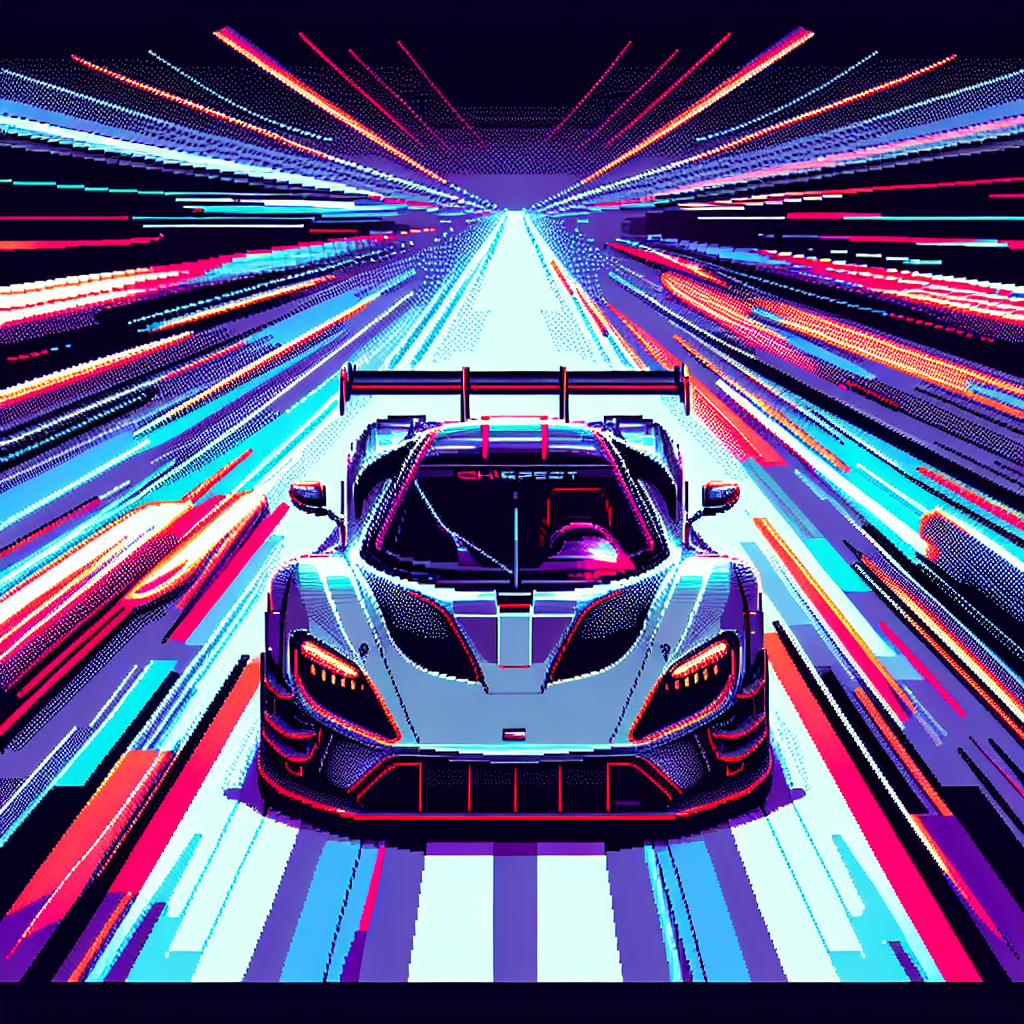
When numbers hit you like a freight train: supercars with mind-boggling torque specs
There’s a particular moment in modern car culture when a spec sheet stops being a set of sterile numbers and becomes something visceral — a promise of a shove, a howl, a wheel-spin, or a perfectly timed launch. Supercars with mind-boggling torque specs aren’t just about headline horsepower; they’re about how force is packaged and delivered to the road, often in ways that rewrite what you expect from an engine, electric motor, or hybrid system.
Torque changed the game. Engineers now blend high-revving V12s, twin-turbo V8s, axial-flux electric motors, and front-axle e-drives to produce numbers that would have been science fiction a decade ago. Below, I take a look at four standout machines — the Maserati MCPura, Ferrari 849 Testarossa, Lamborghini Revuelto, and Chevrolet Corvette ZR1X — and why their torque figures matter beyond the spreadsheet.
Why torque matters more than you think
Torque is the rotational force an engine (or motor) produces. Where horsepower is about the engine’s ability to do work over time, torque is the immediate shove you feel. High torque at low RPMs gives blistering acceleration off the line; a broad torque curve makes a car feel effortless across its usable rev range. Modern electrified supercars complicate this: instant electric torque paired with internal combustion’s sustained power can give both explosive launches and relentless midrange thrust.
That marriage of instant and sustained torque is the theme running through today’s most exciting supercars.
Maserati MCPura: Nettuno pedigree with surprising torque
Maserati’s MCPura is a new chapter for the brand — a coupe that leans heavily on the Nettuno engine heritage from the MC20, but tuned and packaged for a more dramatic delivery. Maserati’s technical materials list the MCPura’s peak torque around 730 Nm (roughly 538 lb-ft) available across a useful midrange band. That kind of torque from a naturally aspirated-feeling powerplant (albeit with modern breathing and electronics) makes the MCPura feel eager without the abruptness of a big turbocharged unit.
- Why it matters: Maserati tuned torque delivery to emphasize drivability and character. The result is a grand-tourer-meets-supercar sensation: plenty of shove when you want it, with a pliant, composed chassis to exploit it.
Ferrari 849 Testarossa: a retro name, a modern torque story
Ferrari’s 849 Testarossa revives a legendary name but does so with a thoroughly modern approach: hybridized powertrain architecture with front-axle electric motors and an axial-flux motor between the engine and gearbox. Official Ferrari materials report high torque figures that combine the combustion engine with electric torque-fillers to create a broad, brutal band of usable force.
- Why it matters: Ferrari’s approach is about control and responsiveness. Torque vectoring from front electric motors plus the engine’s output lets the 849 serve up cornering precision and explosive exits — an exercise in how torque management can make a car feel scalpel-sharp rather than merely fast.
Lamborghini Revuelto: V12 meets electrification
Lamborghini’s Revuelto marks the brand’s full-hearted dive into electrified supercars. It pairs a newly developed, high-revving V12 with three electric motors (one axial-flux between engine and gearbox, two for the front axle), producing monstrous combined torque figures when the systems are working together. The internal combustion engine itself contributes big numbers (reported figures place the ICE torque around the mid-500s ft-lb), while the electric motors add instant front-axle torque and torque vectoring.
- Why it matters: The Revuelto demonstrates a crucial trend — rather than replace the emotional core of a V12, electrification amplifies it. The result is instant off-the-line response without sacrificing the drama of a screaming petrol V12 at higher revs.
Chevrolet Corvette ZR1X: American zeal with hybrid assistance
The Corvette ZR1X represents Chevrolet’s answer to hypercar performance built around the C8 platform. It combines a twin-turbo 5.5L V8 with an electric front axle (an e-axle) that contributes additional horsepower and torque. GM’s materials and reporting around the ZR1X point to combined outputs that place torque in the league of exotic hybrids; the e-axle’s instant torque makes the Corvette’s launches ferocious and its traction far more manageable.
- Why it matters: The ZR1X is notable because it packages hybrid torque benefits in an attainable, almost democratic way. It shows how high torque outputs are no longer exclusive to boutique exotics — American engineering puts them in reach with real-world usability.
Torque curves tell stories
It’s tempting to treat torque as a single number, but the shape of the torque curve often matters more than its peak. Here’s what to watch for:
- Broad plateau: Torque that’s high across a wide RPM range makes a car feel strong at any revs — great for everyday usability and overtakes.
- Low-end punch: High torque at low RPM gives explosive acceleration from a standstill.
- Midrange shove: A car that pulls hard through the midrange feels relentless, perfect for fast back-road driving.
- Electric instant torque: Motors provide immediate force; combined with ICE, they cover holes in the curve and enable better traction control and torque vectoring.
Manufacturers now design torque delivery as carefully as aerodynamics or suspension — it’s part of the vehicle’s personality.
How electrification changed the torque arms race
Electrification rewrote the rules. Where once torque increases required bigger displacements or forced induction, electric motors offer instant torque without lag. The best modern supercars use hybrids not merely to boost numbers but to tune how torque is delivered — front-axle e-motors for traction, in-between motors for gearbox fill, or multiple motors for torque vectoring in corners.
That technical layering gives designers a palette to make cars that are simultaneously faster, safer, and more entertaining to drive. The result: torque figures that astonish on paper and translate into immediate, usable performance on tarmac.
What those numbers mean on the road
Numbers alone don’t tell the whole story, but they’re a useful shorthand:
- Launches become surgical — 0–60 times tumble as traction and instant torque improve.
- Midrange overtakes are effortless, reducing the need for downshifts and complex driver input.
- Chassis and tire engineering become the limiting factor; massive torque demands equally sophisticated handling and electronic control systems.
- Emotional return: louder, more immediate power delivery often brings the visceral thrill drivers crave.
The numbers that leave you smiling (and sometimes dizzy)
These four cars show different philosophies: Maserati’s characterful torque delivery, Ferrari’s controlled hybrid mastery, Lamborghini’s V12 thunder plus electric flair, and Chevrolet’s accessible hypercar ambition. Each uses torque — and the way it’s given to the wheels — to define its driving personality.
Final thoughts
Torque used to be the domain of engine builders chasing displacement and boost. Now it’s a multi-disciplinary art, mixing electric motors, sophisticated controls, and old-school engine drama. The result is a new era of supercars where numbers on a spec sheet actually map to unforgettable moments behind the wheel. That’s why a dozen digits (and a few Nm or lb‑ft) can mean the difference between an impressive car and one that haunts your memory long after you’ve parked it.
Sources
-
Maserati MCPura Press Kit — Stellantis Media.
https://nocache.media.stellantis.com/us-en/maserati/press/maserati-mcpura-press-kit-july-2025 -
Ferrari 849 Testarossa technical information — Ferrari.
https://www.ferrari.com/en-US/corporate/articles/849-testarossa-spider -
Lamborghini Revuelto coverage and specs — Ars Technica.
https://arstechnica.com/cars/2025/02/three-electric-motors-a-v12-and-1001-hp-driving-the-lamborghini-revuelto/ -
Chevrolet Corvette ZR1X product page — Chevrolet.
https://www.chevrolet.com/performance/corvette/zr1x -
Additional specification references and reporting (various technical pages and spec databases).
(Search results used to cross-check torque figures and drivetrain layouts.)
Related update: We recently published an article that expands on this topic: read the latest post.