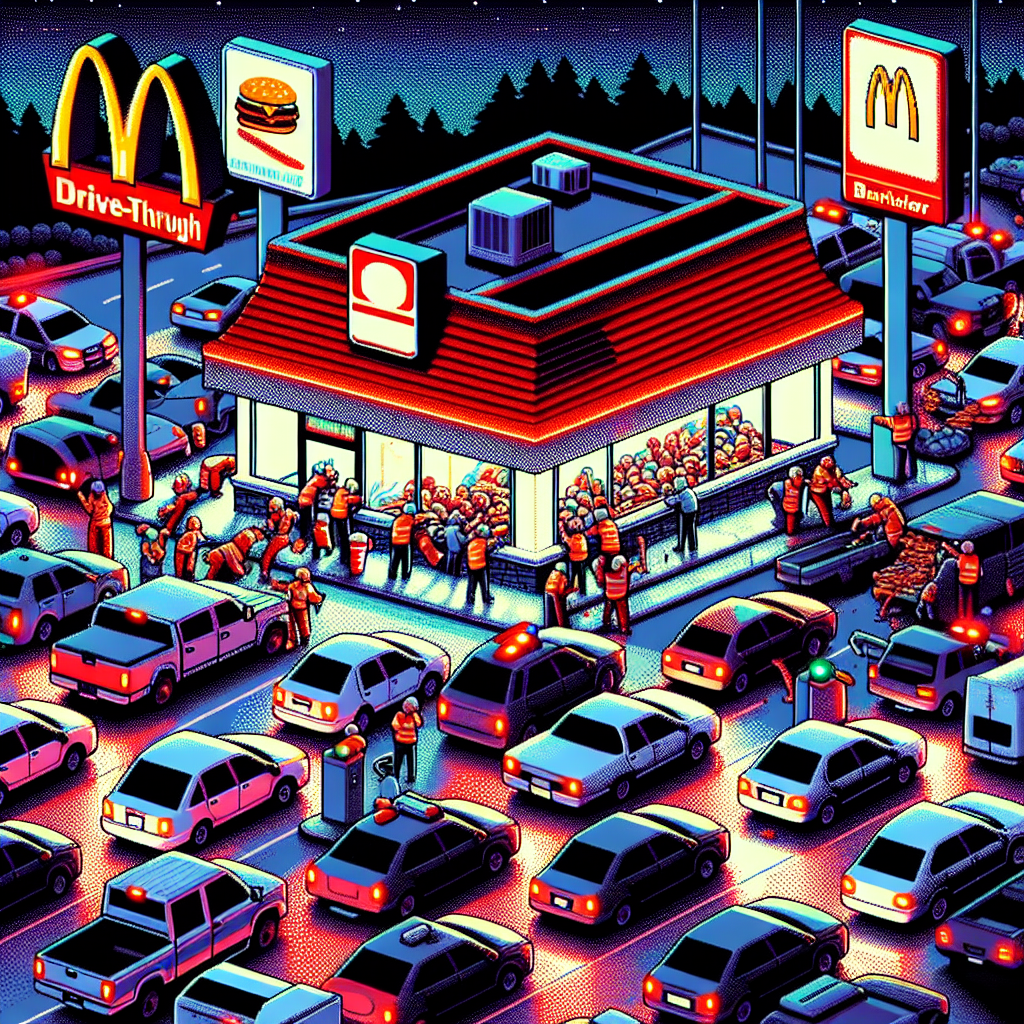
Drive‑Thru Violence Shakes Fast‑Food | Analysis by Brian Moineau

A chaotic night at Wendy’s: what the Ewing Township drive-thru video tells us about public safety and fast-food flashpoints

A viral video of violence at a Wendy’s drive-thru in Ewing Township, New Jersey, landed in people’s feeds and raised the same uneasy question: how did a late-night trip for fries and a Frosty turn into breaking windows and attempted assaults? The footage — and the police account that followed — feel like a snapshot of broader tensions playing out in public, commercial and late-night spaces.

What happened (the essentials)

  • Date and place: The incident occurred in the early hours of February 21, 2026, at the Wendy’s on the 1700 block of Olden Avenue in Ewing Township, New Jersey.
  • Who: Police identified three people from Trenton — 23-year-old Honesty Harrison, 18-year-old Saniyah Brittingham and 19-year-old Leah Williford Stevens.
  • Police account: Investigators say the trio damaged property inside the restaurant and attempted to assault employees with various items just before 3 a.m. Two of the suspects face burglary, criminal mischief and unlawful possession of a weapon charges; the third faces burglary and criminal mischief charges. Two turned themselves in; police were asking the public for help locating the third. (Published February 28, 2026). (6abc.com)

Why the video resonated

  • Violence in plain sight: Fast-food restaurants are public, highly visible spaces. Surveillance and phone video make it easy for incidents to spread quickly, sparking community alarm and online debate.
  • Late-night dynamics: After-hours shifts, reduced staffing, and customers under stress (fatigue, alcohol, conflict) can create conditions where small disputes escalate. The Wendy’s video taps into a pattern we’ve unfortunately seen in other fast-food altercations across the country. (cbsnews.com)
  • Emotional response: Viewers don’t only react to the specific actors in the clip — they react to the vulnerability of workers and the breakdown of ordinary civility where people expect quick service and little drama.

Broader context and patterns

  • Not an isolated phenomenon: Incidents at drive-thrus and fast-food locations — from assaults to robberies to crashes into buildings — recur in local news. Those stories highlight vulnerabilities: 24/7 operations, limited security presence late at night, and the physical layout of drive-thrus that can funnel conflict into tight spaces. (cbsnews.com)
  • Worker safety as a policy issue: The footage revives policy questions about protection for frontline employees — from better lighting and barriers to panic buttons, clearer late-night staffing protocols, and collaboration with local police.
  • Social-media ripple effects: Viral video can accelerate investigations (public IDs, tips) but also inflame speculation. Responsible reporting and community restraint help ensure investigations proceed fairly.

What to watch next

  • Legal outcomes: Charges listed in early reports may change as prosecutors review evidence and surveillance is formally entered into court records. Expect updates from local law enforcement and county prosecutors. (6abc.com)
  • Business and community response: Restaurants often respond with temporary closures, revised opening hours, or added security measures after violent incidents. Community leaders may call for interventions to address root causes (youth outreach, mental health supports, curfews).
  • The missing suspect: As of the report, one person had not been located; public tips to police were encouraged. That kind of public lead can be decisive in fast-moving local investigations. (6abc.com)

What this means for customers and workers

  • For customers: Keep interactions calm, especially late at night. If you witness violence, prioritize safety — get to a safe place, call 911, and preserve video only for law enforcement if you're asked to share it.
  • For workers: If your workplace lacks emergency procedures, raise the issue with management. Small protections — training on de-escalation, clear lockup procedures, access to a manager or dispatcher — can make a big difference.
  • For businesses: Reassess late-night staffing, lighting, camera coverage, and partnerships with local police. Investing in safety is both a moral and a business imperative.

Key takeaways

  • The February 21, 2026 Wendy’s incident in Ewing Township shows how quickly late-night disagreements can escalate into property damage and attempted assaults. (6abc.com)
  • Fast-food locations remain vulnerable because of hours of operation, limited security, and layouts that concentrate conflict. (cbsnews.com)
  • Video can spur rapid public reaction and aid investigations, but it also requires careful handling to avoid rushed judgments and misinformation.

My take

The clip is jarring, partly because it strips away the mundane expectation of a frictionless, anonymous late-night purchase. It’s a reminder that public safety and civility depend on small systems — sensible operating policies, visible deterrents, and community supports — not just individual good behavior. Protecting workers and customers doesn’t require grand gestures; it requires practical, often inexpensive steps plus clear communication and community cooperation.

Sources

Gold Medal Hug: Spotlight on Caregivers | Analysis by Brian Moineau

The hug that changed the narrative: what Elana Meyers Taylor’s embrace of her nanny tells us about caregiving

The image is simple and powerful: Elana Meyers Taylor, gold medal around her neck at the 2026 Winter Olympics, bends down and hugs the woman who helped raise her children while she chased a lifetime dream. The first person she hugged after standing on sport’s highest podium was her nanny. That moment—captured in photos and shared across social media—did more than warm hearts. It pulled a spotlight onto the invisible labor and complex logistics that make elite achievement possible.

Why that hug resonated

  • It interrupts the romantic myth of lone genius and replaces it with a truer story: success is a team sport.
  • It makes visible a caregiver who usually operates offstage, reminding viewers that parenting and elite performance often rely on paid and unpaid support.
  • It humanizes a champion who is also a mother of two children with special needs, showing the emotional and practical stakes behind every training run, flight, and night away from home.

Those reactions aren’t accidental. Commentators, parent advocates, and caregiving experts used the moment to sharpen a conversation that’s been quietly building: when public figures acknowledge their caregiving teams, it can reshape cultural expectations about work, family and who gets credit.

Context: Elana’s story and the caregiving reality

Elana Meyers Taylor’s gold was the culmination of a long career—five Olympics, multiple medals—and a life lived in public and private challenge: managing training, travel, injuries, and parenting two sons who are deaf and require specialized attention. She thanked a wide circle—her husband, her parents, and her nannies—then ran to hug Macy, the nanny who helps care for her children. That photo became shorthand for a larger truth: elite performance often rides on a scaffolding of care. (yahoo.com)

The moment also lands against stark statistics. Care.com’s 2026 Cost of Care Report finds nearly half of U.S. parents say they don’t have enough help, and many families spend roughly 20% of income on child care. The report lays bare the emotional and financial strain of piecing together childcare—something many working parents know intimately. When a world-champion athlete publicly credits her nanny, it validates an experience shared by millions: success frequently depends on paid caregivers and informal village networks. (care.com)

What this moment reveals about caregiving as infrastructure

  • Care is core, not peripheral. From elite sport to corporate leadership, caregiving enables participation and peak performance. Acknowledging that publicly helps destigmatize the practical choices parents make—hiring nannies, relying on relatives, or creating hybrid care plans.
  • Visibility can drive respect. When public figures name caregivers in their victory narratives, they shift how society values caregiving work—encouraging respect, fair wages, and professional recognition rather than secrecy or embarrassment.
  • The gap between gratitude and policy. A hug is symbolic and beautiful; policy change is the structural next step. Families still face unaffordable care, burnout, and career trade-offs. Visibility should be a step toward concrete supports—subsidies, employer benefits, and accessible care options—so gratitude doesn’t remain performative. (care.com)

Cultural ripple effects

  • Normalizing teamwork at home: When athletes and celebrities publicly credit caregivers, it validates building a “village” rather than hiding help. That can reduce shame around paid childcare and encourage parents to ask for the support they need.
  • Elevating caregiver professionalism: Spotlight moments can reframe nannies, family members, and childcare workers as skilled contributors to household stability and professional success—not just “help.”
  • Sparking public conversation: Images from stadiums and podiums travel fast. They can prompt news cycles, op-eds, parenting communities, and policymakers to reexamine caregiving’s social value—and to demand better supports. (yahoo.com)

Practical implications for families and employers

  • For parents: owning your caregiving network publicly (when comfortable and safe) can normalize the reality that no one does it all alone. It also opens conversations with employers about flexible schedules and caregiving benefits.
  • For employers: visible moments like this are a reminder that benefits matter—employer-subsidized childcare, flexible leave, and caregiver resources aren’t perks; they remove barriers that keep talented people from contributing their best.
  • For policymakers: the crisis in care is measurable and costly. Reports show measurable economic harm when caregiving is under-resourced; policy responses (tax credits, expanded subsidies, investment in childcare infrastructure) would reduce that drag. (care.com)

Takeaways worth keeping

  • Public gratitude matters—it humanizes success and makes caregiving visible.
  • Visibility alone isn’t enough; it should fuel respect, better pay and real policy fixes.
  • Caregiving is infrastructure: when it’s stable and affordable, more people can pursue demanding careers, including in sport and other high-performance fields.

My take

That hug on the podium was more than a touching image; it was a quiet rebuke to cultural stories that equate success with singular sacrifice. Elana Meyers Taylor’s embrace acknowledged a truth many parents live: achievement usually rests on a web of relationships, labor, and love. Let that image do more than make us feel good—let it nudge us toward practical change that honors and sustains the caregivers who make so much possible.

Sources


Related update: We recently published an article that expands on this topic: read the latest post.


Related update: We recently published an article that expands on this topic: read the latest post.

Jet2 Lifelong Ban After Midair Brawl | Analysis by Brian Moineau

A midair brawl and a lifetime ban: what happened on Jet2 flight LS896

It should have been the end of a holiday: a Jet2 flight taking passengers from Antalya, Turkey back to Manchester, England on February 12, 2026. Instead, the cabin erupted into violence, the pilot diverted to Brussels for safety, and two people were removed by police — later receiving lifetime bans from the airline. The incident has since rattled passengers, reignited debates about inflight safety, and hammered home that zero-tolerance policies are only as meaningful as the actions that follow them. (yahoo.com)

What we know (the timeline)

  • The flight, Jet2 LS896, departed Antalya on February 12, 2026 en route to Manchester. (flightradar24.com)
  • Shortly after takeoff a dispute escalated into a physical altercation in the aisle; video circulated online showing multiple people exchanging blows while others shouted and tried to intervene. (yahoo.com)
  • For safety reasons the crew and pilot diverted the aircraft to Brussels, Belgium, where police boarded and removed the two primary aggressors. The aircraft subsequently continued to Manchester. (yahoo.com)
  • Jet2 described the behaviour as “appalling,” confirmed the two passengers were banned from flying with the airline for life, and said it would seek to recover costs from the diversion. Witnesses reported racist slurs and heavy drinking as possible triggers, though the airline’s public statement focused on the disruptive conduct. (yahoo.com)

Why this story matters beyond the spectacle

  • Safety and duty of care: When violence breaks out mid-flight the options are limited — cabin crew can try to de-escalate, but the aircraft is a confined space at 30,000 feet with vulnerable people on board (children, elderly, passengers with disabilities). The decision to divert is a safety-first judgment that carries financial and operational consequences. (yahoo.com)
  • Zero-tolerance policies in practice: Airlines increasingly publish strict rules about disruptive behaviour, but enforcement and follow-through vary. A lifetime ban sends a public signal, and the airline’s stated plan to pursue financial recovery reinforces accountability — yet criminal charges, prosecutions, and the legal aftermath often determine whether consequences stick. (people.com)
  • The social context: Eyewitnesses alleging racist abuse points to a broader problem: disputes onboard can be about more than a spilled drink or a seat row. They can expose social tensions that play out in the smallest shared spaces we still rely on. That makes crew training, passenger education, and clear airline policy more important than ever. (yahoo.com)

Highlights you can scan quickly

  • Flight LS896 diverted to Brussels on February 12, 2026, after a midair brawl. (flightradar24.com)
  • Jet2 permanently banned the two disruptive passengers and will seek to recover diversion costs. (people.com)
  • Video and witness accounts circulated widely, reporting racist remarks and aggressive behaviour as contributing factors. (yahoo.com)

The airline response and legal landscape

Jet2’s statement framed the move as both protective and punitive: a family-focused carrier emphasizing zero tolerance, and a company that will pursue financial recovery for operational disruption. That’s a familiar script: airlines publicly distance themselves from violent incidents, promise support to affected customers and crew, and follow up with bans and claims. But criminal liability — arrests were made in Brussels — and any subsequent prosecutions are handled by local authorities and can take time. Public bans matter for travel privileges, but they’re not a substitute for legal accountability when laws have been broken. (yahoo.com)

How airlines, crews and passengers can make flights safer

  • Clear, enforced policies: Publicised bans mean little if enforcement is inconsistent. Airlines need fast, transparent processes that coordinate with ground authorities. (people.com)
  • Crew training and resources: De-escalation, communication, and access to rapid ground intervention make the difference between an incident that’s contained and one that requires diversion. (yahoo.com)
  • Passenger norms and expectations: Travelers should know the limits — intoxication, harassment, or physical aggression are not “part of the holiday.” Shared spaces require shared rules. (yahoo.com)

My take

This episode is jarring, but not surprising. In recent years the industry has seen a rise in disruptive incidents — sometimes fueled by alcohol, sometimes by outright bigotry — and airlines have had to balance deterrence with legal and practical limits on enforcement. A lifetime ban signals seriousness, and seeking to recover diversion costs is fair, but the real test is whether airlines, regulators, and courts together deter future incidents and protect those who are powerless in that small, pressurised space of the cabin. For passengers, the simplest protective step is choosing to behave like a neighbor: respect boundaries, follow crew instructions, and remember you’re sharing a space with strangers — some of whom are vulnerable and don’t deserve to be terrorized in the name of a holiday. (yahoo.com)

Sources

Southwest’s New Policy Spurs Travel Loss | Analysis by Brian Moineau

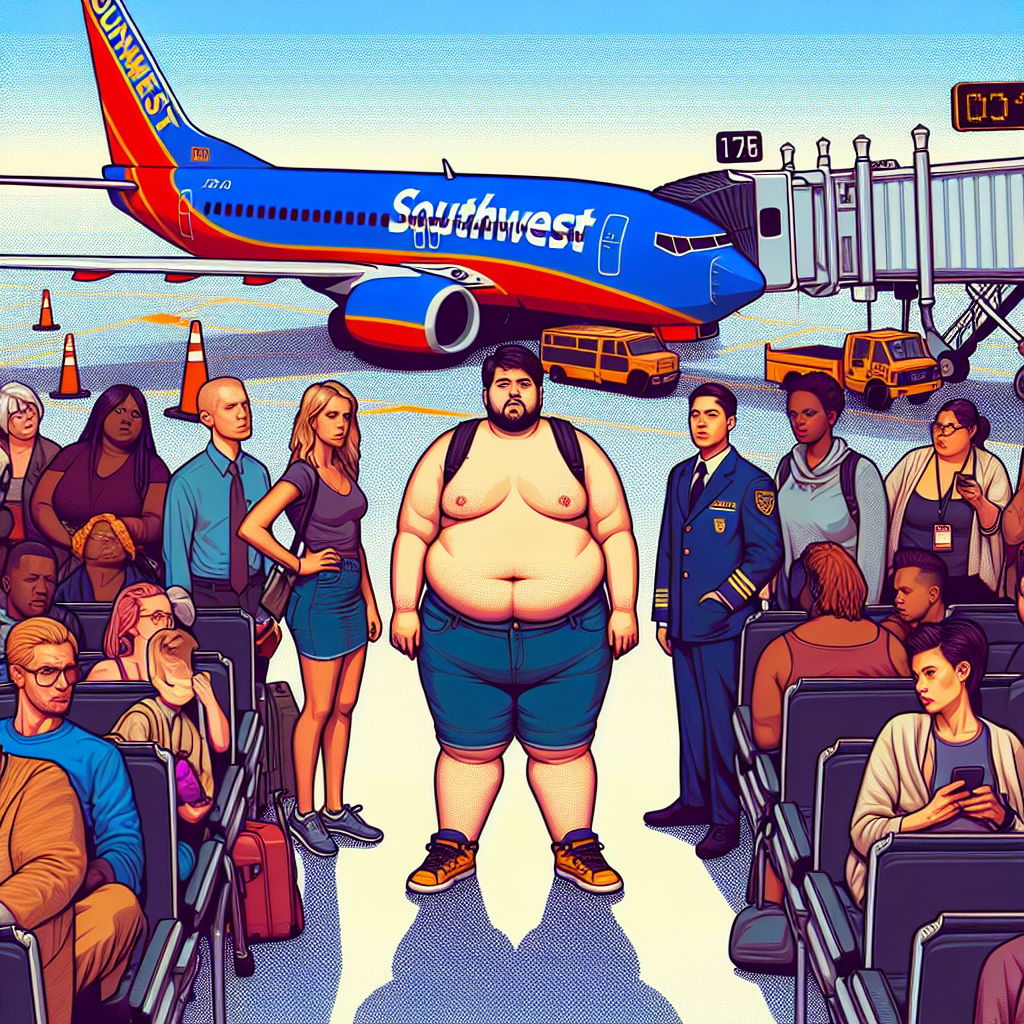
“A betrayal”: Southwest’s new plus-size rule and the passengers it sidelines

Southwest Airlines has built a brand on being the friendly, affordable airline that makes travel feel a little easier. Which is why the recent change in its “Customer of Size” policy — requiring travelers who need more than one seat to buy the adjacent seat at booking rather than relying on a last-minute accommodation — hit so many loyal customers like a gut punch. For some regulars, it isn’t just an inconvenience: it’s a decision that shrinks their ability to travel at all.

Why this feels personal

  • The policy change goes into effect January 27, 2026 — the same day Southwest abandons its decades-old open-seating approach and adopts assigned seats.
  • Under the previous practice, plus-size travelers who needed an extra seat could request one at the gate and often receive a refund afterward if space allowed.
  • Now, travelers who “encroach upon the neighboring seat(s)” are asked to proactively purchase the adjacent seat when booking. Refunds are allowed only if specific conditions are met (the flight had at least one open seat, both seats were in the same fare class, and the passenger requests the refund within 90 days).

That mixture of ambiguity (what exactly counts as “encroaching”) and financial risk (pay now, maybe get money back later) is what’s driving the anger and the sense of betrayal among longtime Southwest customers.

The human impact

  • For some travelers, buying two seats doubles the cost of a trip — suddenly making family visits, medical travel, or business trips unaffordable.
  • The change shifts the burden onto individuals who already face stigma and logistical barriers when they travel.
  • Because refunds depend on the flight’s occupancy at departure, travelers can’t know in advance whether they’ll get their money back. That uncertainty pressures people to either pay upfront or gamble on being rebooked — an untenable choice for many.

You can see why advocacy groups and regular flyers call the move “fatphobic” or discriminatory in practice. Even if the airline frames it as operational fairness (ensuring every passenger has the seat they purchased), the outcome disproportionately affects a marginalized group.

The broader context

This policy isn’t happening in a vacuum. Southwest has been reshaping its product and revenue model throughout 2025–2026:

  • It ended the open-seating tradition and introduced assigned seating.
  • It rolled out new fare tiers and seat types (Standard, Preferred, Extra Legroom).
  • Starting in 2025, Southwest began charging for checked bags on many fares — a major departure from its historic “two free bags” perk.

Those changes reflect a strategic pivot toward the commercial norms of legacy carriers: more segmentation, more ancillary fees, and more ways to upsell. For investors, that can look like maturation and profit optimization; for some customers, it feels like losing the airline’s original promise.

Practical questions the policy raises

  • How will “encroaching” be measured? Southwest refers to the armrest as the boundary and reserves discretion for staff; that leaves room for inconsistent application.
  • What happens if a traveler buys a seat and it’s later assigned to someone else as a standby or reissued? Reports suggest confusion and inconsistent refunds have already surfaced in some cases.
  • Will crews be trained and supported to handle emotionally charged interactions when a passenger is asked to buy an extra seat at the gate or be rebooked?

These are operational details that will determine whether the policy functions as a polite nudge toward fairness or as a recurring source of conflict and exclusion.

Perspectives around the change

  • Supporters say the rule is reasonable: if a passenger truly needs more space, paying for two seats treats them like any other customer who buys multiple seats and prevents disputes over who’s entitled to what.
  • Critics counter that the policy ignores systemic issues — from seat width standards to social stigma — and imposes additional cost and humiliation on people who may already avoid travel because of these barriers.

The airline’s stated intent is to “ensure space” and align policies with assigned seating. But intent and impact are different things, and for people whose mobility and livelihood depend on accessible—and affordable—air travel, the impact is what matters.

What travelers can do now

  • If you or a traveling companion might need an extra seat, consider purchasing it at booking to avoid last-minute gate pressure.
  • Keep documentation and fare class parity if you hope to qualify for a post-travel refund (and request the refund within the stated 90 days).
  • When possible, pick flights with lower expected loads or times that historically have less demand; refunds depend on open seats at departure.

None of these are ideal fixes — they’re stopgap tactics while customers and advocates push for clearer, fairer approaches.

A few fast takeaways

  • Southwest’s policy, effective Jan 27, 2026, requires advance purchase of adjacent seats for passengers who “encroach” on neighboring seats; refunds are limited and conditional.
  • The change coincides with Southwest’s shift to assigned seating and other revenue-driven reforms.
  • The policy creates financial and emotional burdens for plus-size flyers and leaves significant operational ambiguity.

My take

This feels like a classic clash between operational clarity and human dignity. Airlines need clear rules to run safe, predictable operations — but rules should be designed with empathy and equity. Requiring upfront payment for an extra seat is administratively tidy, but when the policy disproportionately reduces access for a vulnerable group, it risks crossing from practical to punitive.

If Southwest wanted to uphold both operational integrity and inclusion, it could publish clear, objective criteria (rather than discretionary ones), offer a straightforward refund guarantee when an airline cancels or reassigns seats, and couple the policy with investments in brighter, wider cabin options over time. Otherwise, the airline may gain short-term predictability while losing the loyalty of travelers who helped define its identity.

Sources


Related update: We recently published an article that expands on this topic: read the latest post.

K‑Shaped Recovery: Winners and Losers | Analysis by Brian Moineau

Why everyone’s talking about the “K‑shaped” economy — and why it should make you think twice

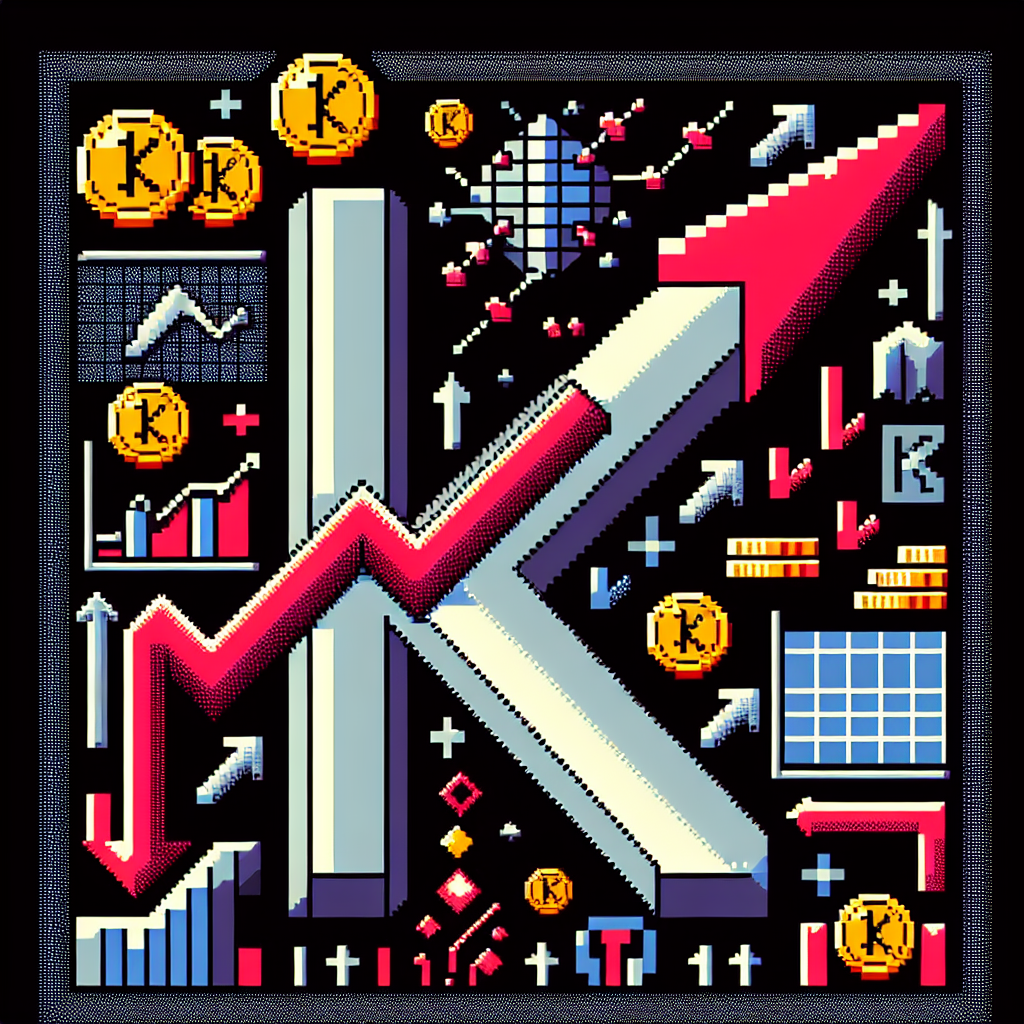
You’ve probably heard the phrase “K‑shaped recovery” a few times lately — and not just from economists. It’s showing up in corporate earnings calls, news headlines, and even at kitchen‑table conversations. The image is simple: a K, with one arm shooting up and the other slumping down. But the real story behind that picture is messy, emotional, and getting more relevant to daily life than many of us expected.

What the K really means

  • The upper arm of the K represents higher‑income households: incomes, asset values and spending are rising for people who own lots of stocks, real estate or high‑paying jobs tied to tech and finance.
  • The lower arm represents lower‑ and middle‑income households: wage growth is weak, price pressure (rent, groceries, energy) bites harder, and many people have less ability to spend or save.
  • The result: headline GDP and stock indices can look healthy while large swaths of Americans feel stuck or squeezed.

This isn’t a new concept — economists used “K‑shaped” during the pandemic to describe divergent recoveries. What’s changed is how sharply the split has re‑emerged in 2025 as asset prices and AI‑sector gains lift wealth at the top while pay and hiring cool off for lower‑wage workers.

How we got here: context that matters

  • Pandemic-era policies, huge fiscal responses, shifting labor markets and record‑high tech valuations created a period where asset owners got a disproportionate share of the gains.
  • In 2023–24 some lower‑wage workers saw real wage improvements, narrowing the gap briefly — but that momentum faded in 2025 as inflation‑adjusted wage growth slowed more for the bottom quartile than for the top.
  • The AI boom and heavy corporate investment in data centers and infrastructure have powered big gains for a few companies (and their shareholders) without producing broad wage gains or mass hiring in many sectors.
  • Consumer spending overall continues, but a growing share comes from higher‑income households; lower‑income spending lags, which reshuffles which businesses win and which struggle.

Who’s winning and who’s losing

  • Winners:
    • Households that own stocks and other financial assets. The stock market and gains tied to the AI winners have boosted wealth for the top slice of Americans.
    • Companies that sell premium goods and services to affluent buyers. Luxury retail and high‑end travel show resilience even when mass‑market demand softens.
  • Losers:
    • Lower‑wage workers in retail, hospitality and entry‑level services where hiring and pay growth have cooled.
    • Businesses that rely on broad, volume‑based spending by younger and lower‑income consumers (certain fast‑casual restaurants, budget retailers, travel tailored to younger demographics).

Why this pattern matters beyond headlines

  • Fragile consumer demand: If lower‑ and middle‑income households pull back sharply, overall spending — and corporate revenue — could fall, potentially causing a feedback loop that hits hiring and investment.
  • Policy risks: If policymakers respond by cutting rates or changing tax rules to stoke growth, the effects may again flow unevenly and could widen the gap unless targeted measures accompany them.
  • Social and political consequences: Persistent divergence heightens concerns about affordability, social mobility and the role of public policy in redistributing opportunity.

Signals to watch next

  • Wage growth by income quartile (are lower‑income wages improving or stagnating?)
  • Consumer spending breakdowns by income (is spending concentration at the top growing?)
  • Hiring trends in low‑wage industries (is employment cooling or recovering?)
  • Corporate capex in AI and how much of that translates into broader hiring
  • Stock market concentration vs. household participation (who holds the gains?)

A few practical takeaways

  • For workers: Skills and mobility matter. Sectors tied to AI, cloud infrastructure, health care and trade‑sensitive manufacturing may offer different pathways than retail or entry‑level hospitality.
  • For savers and investors: Recognize concentration risk. Heavy reliance on a handful of tech winners can be rewarding — and risky — if broader demand softens.
  • For businesses: Reassess customer segmentation. Firms that depended on volume from younger or lower‑income consumers may need to tweak pricing, value propositions, or product mix.
  • For policymakers: Monitoring and targeted supports (training, childcare, housing affordability) will be essential to prevent a K‑shaped boom from calcifying into longer‑term inequality.

A few numbers that make it real

  • Bank of America card data (October 2025) showed higher‑income households’ spending grew noticeably faster than lower‑income households (roughly 2.7% vs. 0.7% year‑over‑year in October).
  • Federal Reserve data has long shown stock ownership is heavily concentrated; recent analyses report that the top 10% of households own the vast majority of equities, which amplifies asset‑price gains for the wealthy.
    (These figures help explain why stock rallies lift the top arm of the K much more than they lift the bottom.)

My take

We’re living in an economy that can look simultaneously strong and fragile — strong for people whose wealth is tied to rising assets and fragile for those whose day‑to‑day living depends on wages and price stability. The “K” is a useful shorthand, but it’s not destiny. Policy choices, corporate strategies, and investment in people’s skills and safety nets will decide whether that divergence narrows or becomes structural. If you care about sustainable growth that doesn’t leave large groups behind, pay attention to the signals above — and to how policies shift in the next year.

Sources


Related update: We recently published an article that expands on this topic: read the latest post.


Related update: We recently published an article that expands on this topic: read the latest post.

Brewers Take Stand by Banning | Analysis by Brian Moineau

Brewers Ban Fans Over ‘Call ICE’ Incident: A Look at Sports, Community, and Accountability

In a world where sports unite fans from all walks of life, a recent incident at American Family Field has highlighted the thin line between passion and divisiveness. The Milwaukee Brewers have made headlines after banning a group of fans involved in a controversial “Call ICE” incident during a game. This decision not only reflects the team’s stance on community values but also raises important conversations about the role of sports in society.

Context: What Happened at American Family Field?

The incident unfolded during a Brewers game when a group of fans was recorded calling for U.S. Immigration and Customs Enforcement (ICE) to intervene regarding a perceived disturbance involving other attendees. The video quickly went viral, sparking outrage and discussions around respect, inclusivity, and the responsibilities that come with fandom. The Brewers organization swiftly responded by banning these fans from attending any future events at the stadium, making it clear that such behavior is unacceptable.

This response is part of a broader movement within sports organizations to foster a welcoming atmosphere for all fans. Sporting events have always been a gathering place for diverse communities, and it is crucial for teams to uphold values that promote unity rather than division.

Key Takeaways

Immediate Action: The Brewers acted quickly by banning the involved fans, demonstrating a commitment to maintaining a respectful environment at their games. – Viral Impact: The incident highlights the power of social media in amplifying events and shaping public opinion, making teams more accountable for their fan base’s behavior. – Community Values: Sports organizations are increasingly recognizing their role in promoting inclusivity and community values, moving beyond mere entertainment. – Fan Responsibility: This incident serves as a reminder that fans play a significant role in creating the atmosphere at games and should respect the diversity of fellow attendees. – Broader Conversation: The event has sparked discussions about how sports can serve as a platform for addressing social issues, reflecting on the responsibilities of both teams and fans.

A Reflection on Sports and Society

As we reflect on the Brewers’ decisive action, it becomes clear that sports are more than just games; they are a reflection of our society. The values upheld by teams resonate far beyond the confines of the stadium. While controversies will inevitably arise, how organizations respond can shape the narrative and impact the community they serve.

In moments like these, we are reminded of the power that sports have to unite us in joy, camaraderie, and even in discussions about our shared values. Let’s hope that this incident leads to more constructive conversations around respect and inclusion in sports.

Sources

– New York Post. “Brewers ban fans involved in ‘Call ICE’ incident from stadium.” [New York Post Article](https://nypost.com)

By staying aware and engaged, we can all contribute to a more inclusive sports culture. After all, the true spirit of sports lies in the unity and joy they bring to our lives, irrespective of our backgrounds.


Related update: We recently published an article that expands on this topic: read the latest post.


Related update: We recently published an article that expands on this topic: read the latest post.

An important warning sign for the economy is flashing – Axios | Analysis by Brian Moineau

An important warning sign for the economy is flashing – Axios | Analysis by Brian Moineau

Title: The Economy’s Subtle Alarm: A Deep Dive into the Black Unemployment Rate

When it comes to reading the economic tea leaves, there are the usual suspects — GDP growth rates, inflation, and the Federal Reserve’s interest policies. But occasionally, an often-overlooked statistic starts waving its arms, demanding attention. That’s precisely the case with the Black unemployment rate, which stood at 7.5% in August. While this might seem like just another number in the sea of economic data, it’s an important indicator that’s flashing a cautionary signal.

The Bigger Picture

To understand why this is significant, let’s put it into context. If the overall unemployment rate were at 7.5%, headlines would scream of economic distress, and policymakers would be scrambling to implement corrective measures. However, because this is a statistic concerning Black unemployment, it often doesn’t get the attention it deserves.

The national unemployment rate was around 3.8% in August 2023. The disparity between this and the Black unemployment rate is not just a statistical anomaly—it’s a reflection of systemic issues that have persisted for decades. This gap highlights ongoing inequalities in job opportunities, access to education, and economic mobility.

A Historical Context

Historically, the divide in unemployment rates between Black and white workers in the United States has been significant. According to a study by the Economic Policy Institute, the Black unemployment rate has consistently been about twice that of white Americans since the U.S. government began tracking these numbers. This trend underscores the structural barriers that have long hindered economic equality.

Furthermore, the COVID-19 pandemic exacerbated these disparities. Many industries heavily staffed by Black workers, such as hospitality and retail, were hit hardest by lockdowns and social distancing measures. Although the economy has rebounded in many ways, recovery has been uneven, leaving many minority communities still struggling to regain their footing.

Global Connections

This issue isn’t isolated to the United States. Globally, marginalized communities often face higher unemployment rates and lower economic prospects. For example, in countries like South Africa, unemployment rates for Black citizens are significantly higher than those for white citizens, reflecting a similar legacy of systemic inequality.

Interestingly, the conversation about economic inequality is also resonating in other parts of the world. In Europe, for instance, countries are grappling with integrating immigrant populations into their economies, as many face similar challenges of unemployment and underemployment.

Looking Forward

What can be done? Addressing this issue requires multi-faceted solutions. Improving access to quality education, fostering inclusive hiring practices, and investing in communities that have been historically marginalized are essential steps. Organizations and governments must work together to dismantle the barriers that perpetuate inequality.

Moreover, initiatives focused on job training and skills development can equip individuals with the tools needed to thrive in an ever-evolving job market. The rise of technology and AI presents new opportunities and challenges, and ensuring that all communities can benefit from these advancements is crucial.

Final Thoughts

The Black unemployment rate is more than just a statistic—it’s a call to action. While the economic outlook may seem bright in some areas, this flashing warning sign reminds us that prosperity isn’t truly shared until it’s shared by all. As we continue to navigate the complexities of the modern economy, let’s hope that this signal doesn’t go unnoticed and that real, substantive change is on the horizon.

As we look to the future, let us not forget the lessons of the past. By addressing these disparities, we can build a more equitable and resilient economy for everyone. Here’s to hoping that the next time we see an economic warning light, it spurs not just conversation but meaningful action.

Read more about AI in Business

Read more about Latest Sports Trends

Read more about Technology Innovations


Related update: We recently published an article that expands on this topic: read the latest post.

“Lost” Star Daniel Dae Kim Just Called Out The “Overcorrection” In “Ethnic-Specific Casting,” And He Did Not Stutter – BuzzFeed | Analysis by Brian Moineau

“Lost” Star Daniel Dae Kim Just Called Out The “Overcorrection” In “Ethnic-Specific Casting,” And He Did Not Stutter - BuzzFeed | Analysis by Brian Moineau

Title: Navigating the Nuance: Daniel Dae Kim on Ethnic-Specific Casting in Hollywood

In a recent interview with BuzzFeed, Daniel Dae Kim, famed for his role in "Lost," deftly tackled the complex issue of ethnic-specific casting in Hollywood. His insights have sparked widespread admiration across social media, leaving many, including myself, marveling at his articulation of a deeply nuanced topic.

Daniel Dae Kim's commentary highlighted what he perceives as an "overcorrection" in Hollywood's casting practices. He acknowledged the industry's efforts to rectify historical underrepresentation but cautioned against swinging too far in the opposite direction. His thoughtful analysis reminds us of the delicate balance between authenticity and inclusivity—a balance that Hollywood, and indeed other industries, must strive to achieve.

Kim's perspective is particularly relevant in today's cultural landscape, where conversations about representation and diversity are front and center. His remarks call to mind similar discussions in other sectors, such as the tech industry's ongoing struggle with diversity. Just as Hollywood has been called out for its casting choices, tech giants have faced scrutiny over their predominantly homogenous workforces. Both industries are grappling with how to implement meaningful change without veering into tokenism or performative diversity.

Outside of his insightful interviews, Daniel Dae Kim is known for his advocacy work, particularly in support of Asian American and Pacific Islander (AAPI) communities. He has consistently used his platform to speak out against anti-Asian hate, especially in light of the pandemic's exacerbation of racial tensions. His commitment to these causes adds weight to his words on casting and representation—he speaks not just as an actor but as a genuine advocate for change.

Kim's reflections also invite us to consider the broader implications of representation in media. As audiences, we have a role to play in supporting diverse stories and voices. The success of films like "Black Panther" and "Crazy Rich Asians" demonstrated that there is a significant audience for stories that reflect the diversity of the real world. These films' box office triumphs challenge the outdated notion that diverse casts are a financial risk.

In the end, Daniel Dae Kim's commentary is a reminder of the power of nuance in discussions about representation. His ability to acknowledge progress while advocating for thoughtful, balanced approaches is a model for how we can engage with complex issues. As Hollywood—and other industries—continue to evolve, it is voices like Kim's that will help guide the way forward.

Final Thought: As we navigate these conversations, let's remember that progress is a journey, not a destination. By championing nuanced dialogue and meaningful representation, we can work towards a media landscape that truly reflects the diversity of our world.

Read more about AI in Business

Read more about Latest Sports Trends

Read more about Technology Innovations

Atlanta’s Growth Streak Has Come to an End – The Wall Street Journal | Analysis by Brian Moineau

Atlanta’s Growth Streak Has Come to an End - The Wall Street Journal | Analysis by Brian Moineau

Atlanta's Growth Streak: A Pause, Not a Period

Atlanta, the bustling heart of the South, has long been the poster child for economic growth and urban development. But according to a recent Wall Street Journal article, this vibrant city's growth streak has seemingly hit a speed bump. While the headline might sound like a harbinger of doom, let's take a step back and view this development not as a full stop but rather as a comma in Atlanta's ongoing narrative.

The Rise of the Empire State of the South

Atlanta's growth over the past few decades has been nothing short of remarkable. From hosting the 1996 Summer Olympics to becoming a hub for Fortune 500 companies, such as Coca-Cola and Delta Airlines, the city has consistently proven its mettle on both national and global stages. Its airport, Hartsfield-Jackson, remains the busiest in the world, a testament to the city's global connectivity.

However, like many major urban areas, Atlanta is not immune to the ebbs and flows of economic cycles. The recent halt in its growth streak might be attributed to a variety of factors, including rising housing costs, infrastructure challenges, and perhaps a shift in the business landscape as companies explore remote work and decentralized operations.

A Broader Economic Context

Atlanta's situation is not unique. Cities across the globe are grappling with similar challenges as they balance growth with sustainability and quality of life. Take San Francisco, for instance, which has seen a tech boom that led to soaring living costs and a subsequent exodus of its creative class. Similarly, New York City has been navigating the complexities of maintaining its status as a financial powerhouse while addressing socio-economic inequalities exacerbated by the pandemic.

Moreover, the recent global focus on environmental sustainability has led cities to reconsider how they grow. Urban planners are increasingly advocating for green spaces, public transit, and mixed-use developments to create more livable and sustainable urban environments. Atlanta, with its rich history of innovation, is well-positioned to lead in this new paradigm.

A Silver Lining: Innovation and Resilience

Despite the apparent slowdown, Atlanta remains a city of resilience and innovation. The city is home to a burgeoning tech scene, with startups and innovation hubs sprouting up across its landscape. The presence of major universities like Georgia Tech and Emory provides a steady stream of talent and research initiatives that could spearhead the next wave of economic growth.

Additionally, Atlanta's cultural scene continues to thrive. The city's vibrant music and arts communities, coupled with its historical significance in the civil rights movement, ensure that it remains a beacon of creativity and cultural richness.

Final Thoughts

While Atlanta's growth streak may have paused, it’s by no means the end of its story. The city stands at a crossroads, with an opportunity to redefine what growth looks like in the 21st century. By focusing on sustainable development, embracing innovation, and addressing socio-economic challenges, Atlanta can emerge stronger and more vibrant than ever.

In the grand tapestry of urban evolution, pauses are not setbacks but opportunities for introspection and reinvention. Atlanta, with its spirit of resilience and innovation, is poised to turn this chapter into yet another success story. After all, it's not about how fast you grow, but how well you adapt and thrive in an ever-changing world.

Read more about AI in Business

Read more about Latest Sports Trends

Read more about Technology Innovations

Ramy Youssef Gets Teary Bringing Out Zohran Mamdani and Mahmoud Khalil on Stage – Vulture | Analysis by Brian Moineau

Ramy Youssef Gets Teary Bringing Out Zohran Mamdani and Mahmoud Khalil on Stage - Vulture | Analysis by Brian Moineau

The Emotional Intersection of Comedy and Civic Engagement: Ramy Youssef's Heartfelt Moment

In a world where comedy often serves as a refuge from the harsh realities of life, there are moments when the lines between laughter and life’s poignant truths blur beautifully. Such was the case on a warm Saturday evening, June 28th, when comedian Ramy Youssef took to the stage in Manhattan. Known for his groundbreaking show "Ramy," which navigates the complexities of identity and faith, Youssef has a knack for blending humor with heartfelt narratives. This particular night, however, took an unexpectedly emotional turn.

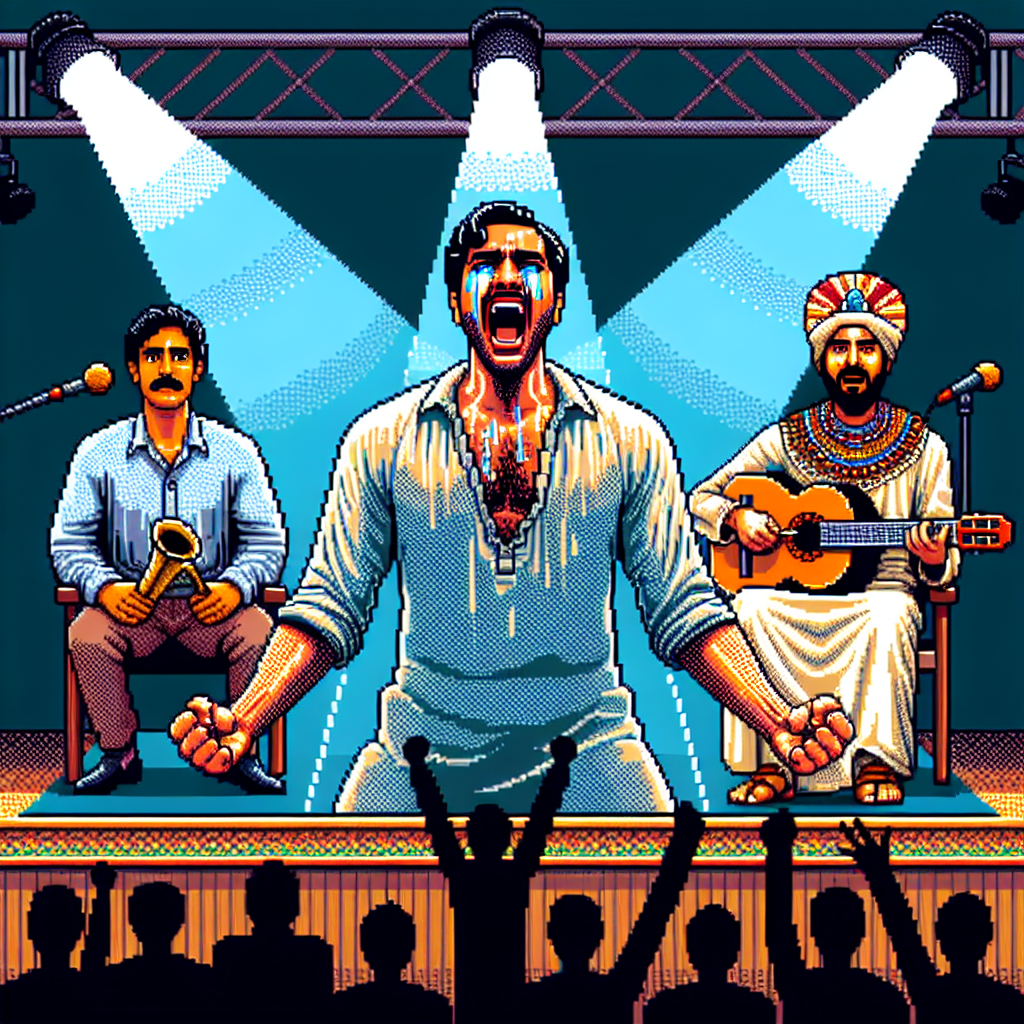
As the curtains began to close on what had been a night of laughter and reflection, Youssef introduced two special guests: Zohran Mamdani, a New York City mayoral candidate, and Mahmoud Khalil. As they stepped onto the stage, the atmosphere shifted from comedic relief to a profound reminder of the power of civic engagement. Youssef, visibly moved, got teary-eyed—a testament to the evening's significance.

Bridging Comedy and Politics

Bringing political figures onto a comedy stage might seem unusual at first, but Youssef's choice to do so speaks volumes about the evolving role of comedy in public discourse. Comedy has long been a medium through which societal issues are dissected and understood. Shows like "The Daily Show" and comedians such as John Oliver and Hasan Minhaj have demonstrated the powerful impact humor can have in raising awareness and inspiring action.

Youssef's gesture is a reflection of a larger movement where artists and entertainers are using their platforms to spotlight political and social issues. Zohran Mamdani, a candidate known for his progressive views and dedication to social justice, personifies the kind of leadership that resonates with Youssef's audience. His presence on stage alongside Mahmoud Khalil, whose work in community organizing has earned him widespread respect, underscores the synergy between cultural dialogue and political activism.

A Global Context

This moment isn't happening in isolation. Around the world, we're witnessing a surge in civic engagement driven by individuals who transcend traditional roles. From Volodymyr Zelenskyy, a former comedian who became Ukraine's president, to celebrities like Emma Watson advocating for gender equality, the lines between entertainment and activism are increasingly intertwined.

This blending of roles is crucial in today’s global climate. As misinformation spreads and political landscapes become more polarized, the need for trusted voices—be they in comedy, politics, or both—to guide and inspire thoughtful dialogue is more important than ever. By bringing Mamdani and Khalil onto his stage, Youssef is doing just that: fostering a space where laughter and civic responsibility meet.

Final Thoughts

Ramy Youssef’s touching moment on stage serves as a reminder that humor and humanity are not mutually exclusive. In fact, they are often most powerful when combined. As audiences, it’s easy to get lost in the laughter and forget the underlying messages that comedians like Youssef weave into their narratives. But moments like these urge us to pause and reflect on the broader conversations being had—ones that extend far beyond the stage and into the real world.

In the end, Youssef's tearful introduction of Mamdani and Khalil is more than just a heartwarming gesture; it’s a call to action. It’s a reminder that while comedy can make us laugh, it can also inspire us to make meaningful changes in our communities. And perhaps, that’s the most profound punchline of all.

Read more about AI in Business

Read more about Latest Sports Trends

Read more about Technology Innovations

Jeff Bezos And Lauren Sanchez’s Wedding Events Begin: What We Know About Venice Extravaganza – Forbes | Analysis by Brian Moineau

Jeff Bezos And Lauren Sanchez's Wedding Events Begin: What We Know About Venice Extravaganza - Forbes | Analysis by Brian Moineau

Title: Jeff Bezos and Lauren Sanchez’s Venetian Wedding: A Tale of Glamour, Riches, and Local Dissonance

Ah, Venice. The city of canals, gondolas, and romance. It's no wonder that Jeff Bezos and Lauren Sanchez chose this iconic locale for their much-anticipated wedding festivities. According to a recent Forbes article, the affair is expected to cost millions, a price tag befitting the union of one of the world's richest individuals and his accomplished partner. But as the couple prepares for their luxurious nuptials, not everyone is thrilled about this opulent event. In fact, some local Venetians are less than pleased.

A Venetian Affair


Venice, with its picturesque beauty and rich history, serves as the perfect backdrop for an event of this magnitude. Bezos, the founder of Amazon, is known for his taste for the grandiose, and this wedding seems to be no exception. From exclusive venues to star-studded guest lists, the extravaganza promises to be a spectacle of wealth and elegance. But while the canals shimmer with anticipation, beneath the surface, there's a wave of discontent.

Local Dissonance


While Bezos and Sanchez's wedding is a private affair, its scale and impact have stirred concerns among Venetian residents. Venice has long struggled with the effects of overtourism, which has led to environmental degradation and a diminished quality of life for locals. The influx of celebrities and media attention for such a high-profile event only adds to the pressure. Residents worry about the disruptions to daily life and the message it sends about the city being a playground for the rich and famous.

This isn't the first time Venice has grappled with the consequences of its allure. The city has been battling rising tides, sinking foundations, and the impact of climate change. In 2019, for instance, Venice experienced some of the worst flooding in over 50 years. The city's resilience is tested by both natural and human-induced challenges, making events like this wedding a point of contention.

A Broader Context


The Bezos-Sanchez wedding isn't happening in a vacuum. Around the world, there's a growing conversation about wealth inequality and the responsibility of the ultra-rich. In an era where billionaires can shape economies and influence global policies, their choices and actions are under scrutiny. The juxtaposition of extreme luxury against a backdrop of global challenges — from climate change to economic disparities — is a narrative that's becoming increasingly hard to ignore.

Interestingly, Bezos himself has made significant philanthropic pledges, including a $10 billion commitment to combat climate change through the Bezos Earth Fund. Yet, events like this wedding highlight the complexities and contradictions often associated with extreme wealth.

A Final Thought


As Jeff Bezos and Lauren Sanchez celebrate their love amidst the splendor of Venice, it's worth pondering the broader implications of such extravagant displays. While it's easy to marvel at the glamour, it's equally important to consider the impact on local communities and the message it sends in a world grappling with profound challenges.

In the end, love stories are universal, transcending wealth and status. But as the world watches this particular story unfold, one hopes it sparks conversations not just about romance, but about responsibility, sustainability, and the kind of legacy we wish to leave behind.

As we await the next chapter in Bezos and Sanchez's journey, let's remember to balance the allure of the extraordinary with the importance of the everyday. After all, in the theater of life, every role, big or small, contributes to the story we share.

Read more about AI in Business

Read more about Latest Sports Trends

Read more about Technology Innovations

Verdict in trial of Rays shortstop Wander Franco to come Thursday – Tampa Bay Times | Analysis by Brian Moineau

Verdict in trial of Rays shortstop Wander Franco to come Thursday - Tampa Bay Times | Analysis by Brian Moineau

Title: The Changing Landscape of Sports: Wander Franco and the Heavy Weight of Expectations

As the sports world holds its breath, the much-anticipated verdict in the trial of Tampa Bay Rays shortstop Wander Franco is set to be announced this Thursday. The charges, centered around sexual abuse allegations, have cast a shadow over Franco's burgeoning career and sent ripples through the baseball community. Prosecutors have stated they’ve made their case and are pushing for a five-year prison term, a significant reduction from the possible 30-year sentence. But as we await the outcome, it's crucial to consider the broader implications for both Franco and the world of sports.

Wander Franco, once a beacon of hope for the Tampa Bay Rays, joined the team with high expectations. Known for his extraordinary talent and potential, Franco was seen as a future cornerstone for the franchise. His career statistics, prior to the allegations, spoke volumes of his capabilities: a batting average north of .300 and a promising trajectory that had analysts and fans buzzing. Yet, like many athletes before him, Franco now finds himself at a crossroads, balancing his professional aspirations against personal challenges.

This case is a striking reminder of the intricate interplay between an athlete's professional life and personal conduct. In recent years, we've seen several high-profile athletes face legal troubles, from the NFL's Deshaun Watson to MLB's Trevor Bauer. Each case brings a renewed focus on the behavior of athletes off the field and the responsibilities that come with celebrity status. The sports industry, with its global reach and influence, is increasingly being held accountable for the actions of its stars, reflecting a broader societal push for integrity and accountability.

Beyond the confines of the baseball diamond, Franco's trial echoes larger conversations happening worldwide about consent, accountability, and the power dynamics inherent in fame. The

MeToo movement, which gained momentum in 2017, has empowered countless individuals to come forward with their stories, shining a light on issues that were once swept under the rug. Sports, like any other industry, is not immune to these discussions, and the outcomes of such trials can have lasting impacts on how leagues and teams address player conduct.


As fans, it’s easy to get caught up in the drama of the game, the thrill of a home run, or the anticipation of a championship win. However, it’s essential to remember that athletes are human, susceptible to the same flaws and mistakes as anyone else. The key is to balance our admiration for their skills with a realistic understanding of their humanity.

In conclusion, the verdict in Wander Franco’s trial will not only determine the future of a promising athlete but will also serve as a pivotal moment for Major League Baseball and the sports world at large. It’s a reminder that the landscape is shifting, with greater emphasis on accountability and ethical conduct. As we look forward to the verdict, let’s hope for a resolution that upholds justice and paves the way for a more conscientious sporting community.

Read more about AI in Business

Read more about Latest Sports Trends

Read more about Technology Innovations

Here come the glassholes, part II – Financial Times | Analysis by Brian Moineau

Here come the glassholes, part II - Financial Times | Analysis by Brian Moineau

Title: The Return of the Glassholes: Will Facial Recognition in Smart Glasses Ever Be a Good Look?

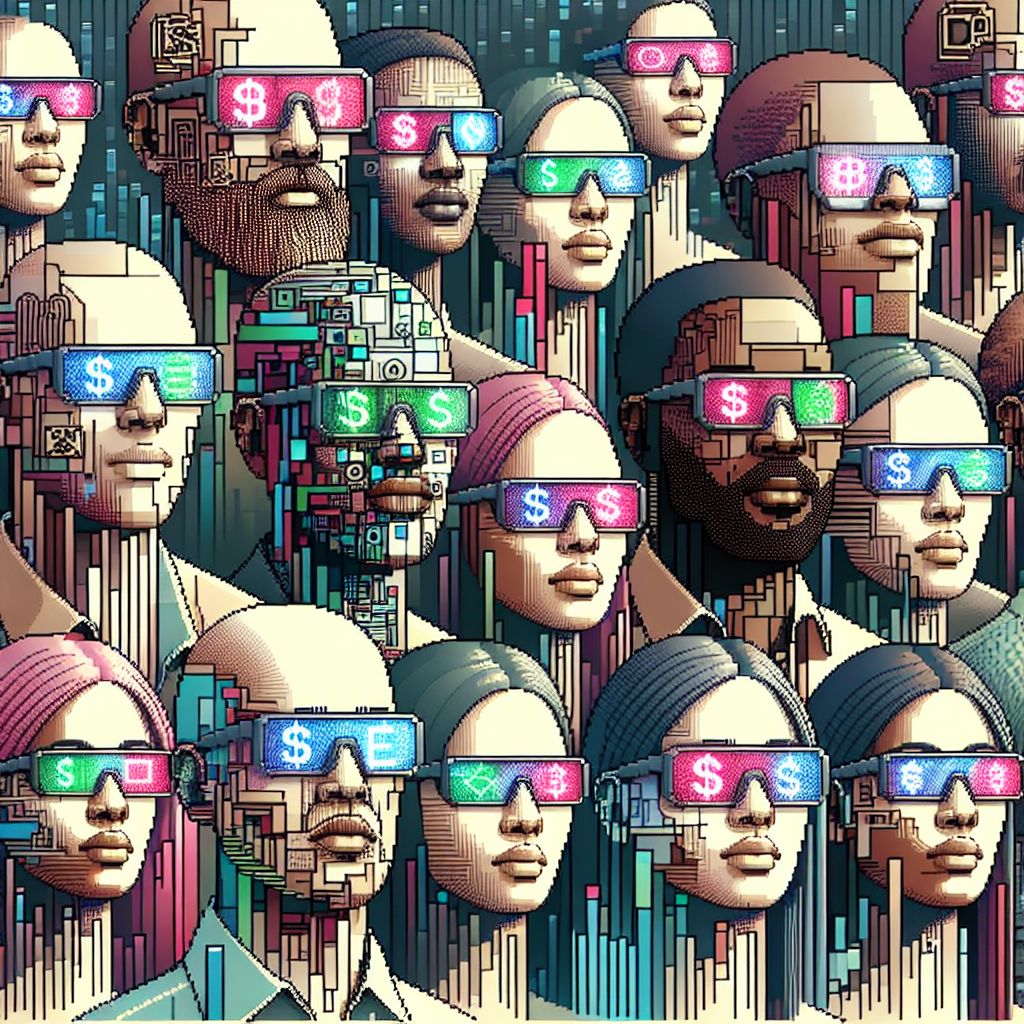
Ah, smart glasses. Remember the early 2010s when Google Glass promised to revolutionize how we view the world? Instead, it gifted us a new term - "glassholes" - for those who wore them with a bit too much enthusiasm, often at the expense of social norms. Fast forward to today, and we're on the brink of a sequel, thanks to the latest tech trend: integrating facial recognition into smart glasses.

Silicon Valley's dreamers are once again at the forefront, eagerly pushing the boundaries of what's technologically possible. But will their vision align with societal acceptance? If history has taught us anything, it's that the path from innovation to integration is often fraught with unforeseen twists.

The Tech Temptation


Facial recognition technology is no stranger to controversy. While its applications can be groundbreaking, such as aiding law enforcement or streamlining airport security, it also raises significant privacy concerns. Incorporating it into smart glasses could let users identify strangers on the street, an appeal to some, but a potential invasion of privacy to many others.

Consider the recent pushback against facial recognition in public spaces. Cities like San Francisco and Portland have already enacted bans on its use by government agencies, citing concerns over accuracy, bias, and civil liberties. If public sentiment is any indication, adding this feature to smart glasses may not be as warmly received as some tech enthusiasts hope.

A World Already on Edge


The timing of this innovation is particularly noteworthy. We're living in a world increasingly conscious of privacy, driven by revelations of data breaches and surveillance. The Cambridge Analytica scandal, which revealed how personal data could be weaponized, has made people more protective of their digital footprints.

Moreover, the COVID-19 pandemic has accelerated our dependence on technology, while simultaneously highlighting the importance of personal space and privacy. As we navigate this new normal, the idea of being constantly watched, even if just through a pair of glasses, might not sit well with the public.

Echoes of Innovation


This isn't the first time tech has faced resistance before eventual acceptance. The smartphone, now an indispensable part of daily life, was once met with skepticism. However, those devices offered clear, immediate benefits that outweighed privacy concerns for most users. Smart glasses with facial recognition, on the other hand, are yet to make a compelling case for how they will enhance, rather than intrude upon, our lives.

The Broader Implications


Beyond privacy, there's the question of social etiquette. How will society adapt to a world where anyone can know your name with a glance? The potential for misuse is high, from unwanted advances to more sinister applications like stalking or doxing.

Interestingly, this debate parallels discussions in other tech domains. Take, for example, the rise of AI-driven customer service bots. While they promise efficiency, they also risk depersonalizing interactions. Similarly, smart glasses must balance innovation with the human element, ensuring they serve rather than disrupt society.

Final Thoughts


As we stand on the precipice of another potential technological leap, it's crucial to remember that just because we can do something doesn't mean we should. The allure of smart glasses with facial recognition is undeniable, yet we must tread cautiously. Society must have a say in how this technology is developed and deployed.

In the end, perhaps the most significant lesson from the "glassholes" saga is that technology should enhance human interaction, not replace it. If smart glasses can find that balance, they might just avoid the pitfalls of their predecessors. Otherwise, we might find ourselves peering into a future where the promise of connectivity comes at the cost of our privacy.

Read more about AI in Business

Read more about Latest Sports Trends

Read more about Technology Innovations

Sex advice: Whenever men get a glimpse of my naked body, I never hear from them again. – Slate | Analysis by Brian Moineau

Sex advice: Whenever men get a glimpse of my naked body, I never hear from them again. - Slate | Analysis by Brian Moineau

Navigating the Digital Dating Jungle: The Naked Truth

In today's digital age, where swipes decide our romantic fate and emojis replace handwritten love letters, the quest for connection has transformed into a tech-driven adventure. Amidst the sea of apps promising true love lies a personal tale from Slate's Technology section, intriguingly titled: "Sex advice: Whenever men get a glimpse of my naked body, I never hear from them again." The title itself is a siren call for introspection into how modern dating practices impact self-perception and relationships.

The article narrates the journey of a woman who feels a profound disconnect between the vulnerability of revealing her physical self and the subsequent evaporating interest from potential partners. Her concern, "I'm going to end up alone," resonates with many who have dared to open their hearts (and profiles) to the world, only to encounter silence in return.

This narrative is not just a personal lament; it echoes a broader societal shift. Our world is increasingly visual, with platforms like Instagram and TikTok celebrating the curated, filtered self. The pressure to present an idealized image can be overwhelming. In this context, the rawness of real-life encounters, stripped of digital enhancements, can be jarring.

Interestingly, the phenomenon extends beyond personal relationships into professional realms. Consider the rise of remote work, where virtual meetings have replaced in-person interactions. The digital divide can create a disconnect between online personas and real-life counterparts, much like the dating world described in the article.

Moreover, the insecurities surrounding physical appearance aren't exclusive to any gender. Studies have shown that social media can exacerbate body image issues across the board. Platforms that were once meant to connect us are now breeding grounds for comparison and self-doubt. It's a reminder that behind every profile is a person grappling with their unique set of insecurities and desires.

The woman's story also intersects with broader conversations about body positivity and acceptance. Movements like

BodyPositivity and campaigns by brands such as Dove advocate for embracing all body types and challenging traditional beauty standards. These initiatives are crucial in reshaping perceptions and encouraging inclusivity.


But what about the men who vanish after a glimpse of vulnerability? It's essential to consider that they, too, might be victims of societal expectations. The pressure to conform to an idealized notion of masculinity can be as stifling as that faced by women. Encouraging open dialogue and empathy could bridge the gap between perceived and real expectations.

In a world where technology governs our interactions, the hope lies in reclaiming authenticity. Whether it's through dating apps or social media, the goal should be to connect as whole individuals, not just curated avatars. As we navigate this digital jungle, let's remember that behind the screens are human beings seeking genuine connection.

So, to the woman who fears ending up alone, take heart. The journey to love is not a solitary one; it's shared by countless others navigating the same digital waters. Embrace your authentic self, and remember that true connection transcends the pixels on a screen.

Final Thought: In the ever-evolving landscape of digital relationships, it's crucial to foster empathy, authenticity, and understanding. By doing so, we can transform the tech-driven dating jungle into a haven for genuine human connection.

Read more about AI in Business

Read more about Latest Sports Trends

Read more about Technology Innovations

Elon’s cryin’ about those mean ol’ Democrats – Michigan Advance | Analysis by Brian Moineau

Elon’s cryin’ about those mean ol’ Democrats - Michigan Advance | Analysis by Brian Moineau

Title: Elon Musk’s Empathy Paradox: Crying Over Democrats and Burnt Teslas

In a surprising twist of events, the ever-controversial Elon Musk found himself lamenting over his perceived mistreatment by Democrats. It seems the visionary entrepreneur, who often positions himself as a free-thinking libertarian, is learning the hard way that political affiliations can sometimes be as volatile as the lithium-ion batteries in his Teslas.

Elon Musk: Innovator or Provocateur?

Elon Musk is a name synonymous with innovation. Whether it's launching rockets with SpaceX or revolutionizing the auto industry with Tesla, Musk's impact on technology is undeniable. However, his social media presence and outspoken views often land him in hot water. This week's drama unfolded as Musk bemoaned the Democrats, whom he once considered the "nice guys," for their lack of empathy towards his plight.

Musk's lamentations come amidst a week where multiple Tesla vehicles reportedly caught fire. While vehicle fires are not exclusive to electric cars, the incidents added fuel to Musk's grievances. It's worth noting that Musk’s companies have been under scrutiny for various reasons, from labor practices to environmental concerns. His public persona oscillates between that of a forward-thinking genius and a provocateur, making it difficult for any political group to wholeheartedly embrace him.

Empathy: A Double-Edged Sword

Musk's recent comments about the dangers of empathy are ironic, given his current plea for understanding from political leaders. Empathy, by definition, involves understanding and sharing the feelings of others—a quality Musk seems to struggle with, at least publicly. His stance raises an interesting paradox: can one decry empathy while simultaneously seeking it?

This contradiction isn't isolated to Musk. In a world increasingly divided by political and social ideologies, many leaders grapple with the balance between staunch self-advocacy and the understanding of others. Musk's predicament echoes larger societal debates about the role of empathy in leadership and politics.

A Broader Context

Beyond Musk's immediate grievances, this situation highlights a broader trend in global politics and business. Leaders across industries are finding it increasingly difficult to maintain consistent alliances as public sentiment shifts rapidly. The tech industry, in particular, often finds itself at odds with governmental policies, whether it's about data privacy, antitrust issues, or environmental regulations.

Consider the recent backlash against tech giants like Facebook (now Meta) and Google, which have faced bipartisan criticism for their handling of user data and market dominance. Musk, despite his different business model, faces similar scrutiny, reminding us that innovation does not exempt one from accountability.

Final Thoughts

Elon Musk's recent outcry against Democrats may seem like an isolated incident, but it underscores a larger narrative about the responsibilities of business leaders in an interconnected world. While Musk asks for empathy from those he believes have wronged him, he might do well to reflect on how empathy can be a tool for understanding and bridging divides rather than a weakness to be scorned.

In a world where technology and politics are inextricably linked, perhaps the lesson here is that empathy, for all its perceived dangers, remains a crucial part of human interaction. As Musk continues to chart the future of technology, a dash of empathy might just pave the way for more harmonious progress.

Read more about AI in Business

Read more about Latest Sports Trends

Read more about Technology Innovations

Suns look resigned to fate in awful loss to shorthanded Pelicans – Arizona Sports | Analysis by Brian Moineau

Suns look resigned to fate in awful loss to shorthanded Pelicans - Arizona Sports | Analysis by Brian Moineau

**The Phoenix Suns and the Apathy Epidemic: A Cautionary Tale in Sports and Beyond**

Ah, the Phoenix Suns. A team that once soared to the heights of NBA glory, now seemingly resigned to wandering in a fog of indifference. In a recent disheartening loss to a shorthanded New Orleans Pelicans team, the Suns’ performance (or lack thereof) has sparked a conversation about the silent saboteur of success: apathy.

Apathy, like a pesky virus, has a way of creeping into teams and organizations, spreading its tendrils of lethargy and complacency until the vibrant energy that once fueled victory is all but extinguished. The Suns’ recent display on the court is a testament to this, as they appeared to shuffle through the game with the enthusiasm of a teenager dragged out of bed on a Saturday morning.

But let’s take a step back and look at the bigger picture. The Suns are not the first, nor will they be the last, to fall victim to this intangible malaise. In the world of sports, we’ve seen it time and time again. Remember the Los Angeles Lakers' drama-filled seasons post-Kobe Bryant? Or how about the New York Knicks’ seemingly endless cycle of rebuilding? Apathy can strike any team, at any time.

This isn’t just a sports phenomenon. In corporate settings, apathy can lead to stagnation, as noted in a Harvard Business Review article discussing how employee disengagement can drag down productivity. Similarly, in politics, voter apathy is a well-documented issue that can drastically alter election outcomes. The parallels are uncanny: when people stop caring, success becomes an elusive goal.

So, what’s causing this wave of indifference to crash over the Suns? Some might point to internal team dynamics, coaching strategies, or even the pressures of past successes. Monty Williams, the Suns’ head coach, has the unenviable task of reigniting the spark within his players. Known for his leadership and motivational skills, Williams has previously transformed the Suns into a formidable force, leading them to the NBA Finals in 2021. However, as any seasoned coach will tell you, sustaining that fire is often more challenging than igniting it.

In the broader context of 2023, we’re seeing a world grappling with its own forms of apathy. From climate change fatigue to the ongoing challenges of the COVID-19 pandemic, there’s a palpable sense of burnout. Just as the Suns must rally to overcome their on-court indifference, so too must we, as a global community, find ways to combat this pervasive sense of disengagement.

So, what’s the takeaway here? If there’s one thing we can learn from the Suns’ current plight, it’s the importance of resilience and the need for a renewed sense of purpose. Whether it’s a basketball team striving for victory or a world aiming for progress, shaking off the cloak of apathy is the first step toward achieving greatness.

In the end, the Suns’ story is a mirror reflecting a universal truth: success is not just about talent or strategy; it’s about heart, passion, and the relentless pursuit of excellence. Here’s hoping the Suns find their mojo soon—because as any fan will tell you, there’s nothing more thrilling than watching a team rise from the ashes to shine once more.

Read more about AI in Business

Read more about Latest Sports Trends

Read more about Technology Innovations