Classic Carrot Cake With Cream Cheese Frosting | Made by Meaghan Moineau

Classic Carrot Cake With Cream Cheese Frosting

Intro

There’s something magical about the aroma of a freshly baked carrot cake wafting through the kitchen. It takes me back to my grandmother’s cozy kitchen, where I first learned to bake. I remember the sound of her gentle voice guiding me as we grated the carrots together, my small hands eager to help. She would always let me lick the spoon, a sweet reward that made those afternoons unforgettable. This classic carrot cake with cream cheese frosting is a tribute to those cherished moments, combining tender, moist cake layers with the rich tang of cream cheese frosting.

Why You’ll Love It

This carrot cake is a timeless dessert that never goes out of style. It’s perfect for any occasion, from birthdays to casual get-togethers. Here’s why you’ll fall in love with this recipe:

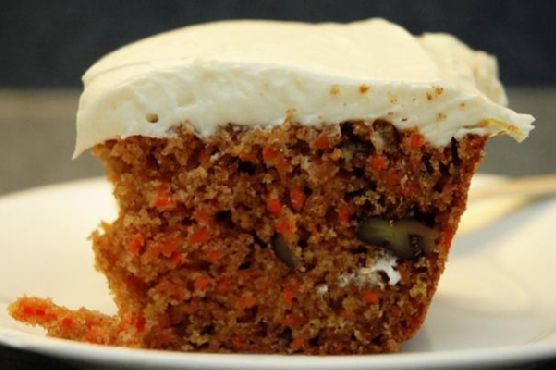
  • Moist and Flavorful: The combination of buttermilk, vegetable oil, and freshly grated carrots ensures a moist cake that’s bursting with flavor.
  • Simple Ingredients: You likely have most of the ingredients in your pantry already.
  • Rich Cream Cheese Frosting: The tangy frosting perfectly complements the sweetness of the cake.
  • Versatility: Whether you’re making a layer cake or cupcakes, this recipe adapts beautifully.

Ingredients

  • 2 cups all-purpose flour
  • 2 teaspoons baking powder
  • 1 teaspoon baking soda
  • 1/2 teaspoon salt
  • 2 teaspoons ground cinnamon
  • 1 cup vegetable oil
  • 1 cup buttermilk
  • 4 large eggs
  • 2 cups sugar
  • 1 teaspoon vanilla extract
  • 3 cups shredded carrots
  • 1 cup chopped pecans
  • 1/2 cup unsalted butter, softened
  • 8 ounces cream cheese, softened
  • 4 cups confectioners’ sugar
  • 1 teaspoon vanilla extract

Instructions

  1. Preheat your oven to 350°F (175°C). Grease and flour two 9-inch round cake pans.
  2. In a medium bowl, whisk together the flour, baking powder, baking soda, salt, and cinnamon.
  3. In a large bowl, combine the vegetable oil, buttermilk, eggs, sugar, and vanilla extract. Beat until well mixed.
  4. Gradually add the dry ingredients to the wet ingredients, mixing until just combined.
  5. Fold in the shredded carrots and chopped pecans.
  6. Divide the batter evenly between the prepared pans and smooth the tops with a spatula.
  7. Bake for 30 to 35 minutes, or until a toothpick inserted into the center comes out clean.
  8. Allow the cakes to cool in the pans for 10 minutes, then turn them out onto a wire rack to cool completely.
  9. For the frosting, beat the softened butter and cream cheese in a large bowl until creamy and smooth.
  10. Gradually add the confectioners’ sugar, beating until well combined. Stir in the vanilla extract.
  11. Once the cakes are completely cool, spread a layer of frosting on top of one cake. Place the second cake on top and frost the top and sides of the cake.
  12. Decorate with additional pecans if desired. Serve and enjoy!

Tips

  • Make sure the cream cheese and butter are softened to room temperature for a smoother frosting.
  • To prevent the cake from sticking, line the bottom of the cake pans with parchment paper.
  • For extra flavor, toast the pecans before adding them to the batter.

Variations & Substitutions

If you’re looking to switch things up, here are some variations and substitutions:

  • Raisins or Pineapple: Add 1/2 cup of raisins or crushed pineapple for a fruity twist.
  • Whole Wheat Flour: Substitute half of the all-purpose flour with whole wheat flour for a nuttier taste.
  • Walnuts: Use walnuts instead of pecans for a different nutty flavor.

Storage

Store any leftover carrot cake in an airtight container in the refrigerator for up to 5 days. You can also freeze the unfrosted cake layers by wrapping them tightly in plastic wrap and aluminum foil for up to 3 months. Thaw overnight in the refrigerator before frosting and serving.

FAQ

Can I make this carrot cake gluten-free?

Yes, you can replace the all-purpose flour with a gluten-free flour blend. Make sure to choose a blend that contains xanthan gum or add it separately to help bind the cake.

How can I make this recipe vegan?

To make a vegan carrot cake, substitute the eggs with flax eggs (1 tablespoon of flaxseed meal mixed with 2.5 tablespoons of water per egg), use a plant-based milk with a tablespoon of vinegar instead of buttermilk, and replace the cream cheese and butter with vegan alternatives.

Can I make this cake ahead of time?

Absolutely! You can bake the cake layers a day in advance and store them in the refrigerator. Frost the cake just before serving for the best texture.

Nutrition

While I always encourage indulging in moderation, here’s a rough estimate of the nutritional content per serving (based on 12 servings):

  • Calories: 450
  • Protein: 5g
  • Fat: 22g
  • Carbohydrates: 58g
  • Sugar: 43g
  • Fiber: 2g

Conclusion

Our classic carrot cake with cream cheese frosting is more than just a dessert; it’s a celebration of flavors and memories wrapped into one delicious treat. Whether you’re savoring a slice with a cup of tea or sharing it with loved ones, this cake is sure to bring joy and nostalgia to your table. Happy baking!

Related update: Classic Carrot Cake With Cream Cheese Frosting

Related update: Triple Chocolate Whoppers
Delicious Rhubarb Custard Pie | Made by Meaghan Moineau

Delicious Rhubarb Custard Pie

Intro

There’s something magical about the smell of a freshly baked pie wafting through the house. It takes me back to my grandmother’s cozy kitchen, where I spent countless Sundays as a child. My grandmother always had a pie cooling on the windowsill, and her rhubarb custard pie was a family favorite. The tangy rhubarb paired with the creamy custard is a match made in dessert heaven. Today, I’m thrilled to share this timeless recipe with you, hoping it brings as much joy to your table as it has to mine.

Why You’ll Love It

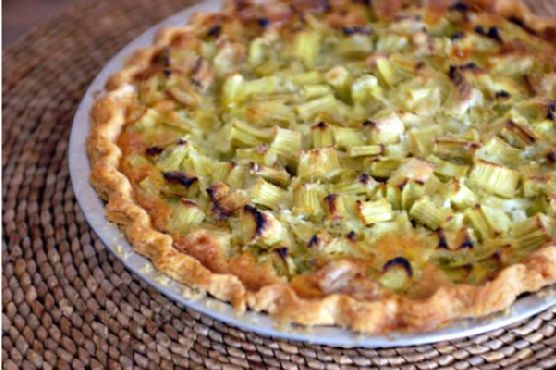
This rhubarb custard pie is a delightful combination of flavors and textures. The tartness of the rhubarb perfectly balances the sweetness of the custard, and the buttery crust adds a lovely crunch. It’s a simple yet elegant dessert that’s perfect for any occasion, whether it’s a family gathering or a potluck with friends. Plus, it’s a great way to use up that rhubarb from your garden or local farmers’ market. You’ll love how easy it is to make, and your guests will love how delicious it tastes.

Ingredients

  • 1 pre-baked pie crust
  • 3 cups raw rhubarb, chopped
  • 1 cup sugar
  • 3 tablespoons all-purpose flour
  • 1/2 teaspoon nutmeg
  • 1/4 teaspoon salt
  • 3 large eggs, beaten
  • 1/4 cup butter, melted

Instructions

  1. Preheat your oven to 400°F (220°C).
  2. In a large bowl, combine the chopped rhubarb, sugar, flour, nutmeg, and salt. Mix well until the rhubarb is evenly coated.
  3. Pour the rhubarb mixture into the pre-baked pie crust, spreading it out evenly.
  4. Beat the eggs in a separate bowl until well combined, then pour them over the rhubarb mixture in the pie crust.
  5. Drizzle the melted butter evenly over the top of the pie to add richness and flavor.
  6. Make sure all the rhubarb is covered with the egg and butter mixture, pressing down gently if needed.
  7. Cover the edges of the pie crust with aluminum foil to prevent them from over-browning.
  8. Bake the pie in the preheated oven for 50 minutes, or until the custard is set and the top is golden brown.
  9. Allow the pie to cool on a wire rack before serving. This will help the custard firm up, making it easier to slice.

Tips

For the best results, use fresh rhubarb that’s firm and brightly colored. If your rhubarb is particularly tart, you can adjust the sugar to suit your taste. To prevent a soggy bottom crust, make sure your pie crust is fully baked before adding the filling. If you find that your pie is browning too quickly, you can tent a piece of foil over the top to slow down the browning process.

Variations & Substitutions

If you’re looking to mix things up, consider adding a teaspoon of vanilla extract or a pinch of cinnamon to the custard mixture for a different flavor profile. You can also substitute half of the rhubarb with strawberries for a classic strawberry-rhubarb combination. For a gluten-free version, use a gluten-free pie crust and substitute the all-purpose flour with a gluten-free flour blend.

Storage

This pie is best enjoyed fresh, but it can be stored in the refrigerator for up to three days. Simply cover the pie with plastic wrap or aluminum foil to keep it fresh. If you want to freeze the pie, wrap it tightly in plastic wrap and foil, and store it in the freezer for up to two months. Thaw it in the refrigerator overnight before serving.

FAQ

Can I use frozen rhubarb instead of fresh?

Yes, you can use frozen rhubarb if fresh is not available. Just make sure to thaw it completely and drain any excess liquid before using it in the pie to prevent a watery filling.

How can I tell when the pie is done?

The pie is done when the custard is set in the center and the top is lightly browned. You can gently jiggle the pie; if the center is firm and doesn’t wobble, it’s ready. If using a thermometer, the internal temperature of the custard should be around 180°F (82°C).

Can I make this pie ahead of time?

Yes, you can make the pie a day in advance. Once baked and cooled, cover it with plastic wrap and store it in the refrigerator. This allows the flavors to meld together, making it even more delicious.

Nutrition

This rhubarb custard pie is a delightful treat, but it is indulgent. Each slice contains approximately 300 calories, 15 grams of fat, 40 grams of carbohydrates, and 5 grams of protein. Enjoy it in moderation as part of a balanced diet.

Conclusion

There you have it, a delightful rhubarb custard pie that’s sure to be a hit at your next gathering. Whether you’re a rhubarb lover or new to this unique ingredient, this pie is a fantastic way to enjoy its distinctive flavor. I hope this recipe brings a touch of nostalgia to your home and becomes a cherished favorite. Happy baking!

Related update: Delicious Rhubarb Custard Pie

Baked Caramel Custard | Made by Meaghan Moineau

Baked Caramel Custard: A Sweet Journey Back in Time

Intro

There’s something magical about the aroma of caramel wafting through the kitchen. It transports me back to my grandmother’s cozy home, where weekends were filled with warmth and the promise of something sweet baking in the oven. Her Baked Caramel Custard was a family favorite, a simple yet elegant dessert that graced our table on special occasions and ordinary days alike. Each spoonful was a creamy, dreamy reminder of home, love, and the art of simple cooking. Today, I invite you to join me on this nostalgic journey and create your own sweet memories with this timeless recipe.

Why You’ll Love It

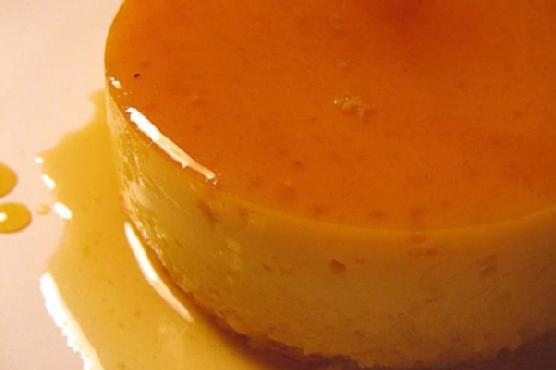
This Baked Caramel Custard is a delightful dessert that blends the rich, buttery flavor of caramel with the smoothness of custard. It’s not only a treat for the palate but also a feast for the eyes with its glossy, amber top. This recipe is perfect for those who appreciate simple ingredients coming together to create something extraordinary. Whether you’re new to custard-making or a seasoned pro, this recipe is easy to follow and promises a dessert that’s as satisfying to make as it is to eat.

Ingredients

  • Egg substitute
  • 1 egg yolk
  • Evaporated skim milk
  • Port wine
  • Skim milk
  • Sugar plus
  • Sugar
  • Vanilla

Instructions

  1. Preheat the oven to 350°F (175°C).
  2. Scald the evaporated skim milk and skim milk together in a heavy saucepan. Remove from heat and set aside.
  3. In a skillet over medium heat, caramelize the sugar until it melts and turns a golden brown.
  4. Slowly add the milk mixture to the caramelized sugar, stirring constantly until the sugar dissolves completely.
  5. In a medium bowl, beat the egg substitute and egg yolk together until lemon-colored.
  6. Add the milk mixture, port wine, and vanilla to the eggs, stirring well to combine.
  7. Pour the custard mixture into 6 custard cups and place them in a baking dish.
  8. Add boiling water to the baking dish, ensuring the water reaches halfway up the sides of the cups.
  9. Bake in the preheated oven for 35 to 40 minutes, or until the custards are set.
  10. Remove the custard cups from the oven and chill completely in the refrigerator.
  11. Once chilled, place a dessert plate on top of each custard cup and invert to serve.

Tips

For the perfect caramel, keep a close eye on the sugar as it melts. It can go from golden to burnt very quickly, so be ready to remove it from the heat as soon as it reaches the desired color. Additionally, when adding the milk to the caramel, pour slowly to avoid splattering and ensure a smooth mixture.

Variations & Substitutions

If you’re looking to adapt this recipe, consider using almond milk in place of skim milk for a nutty flavor. For a boozy twist, swap out the port wine for a favorite liqueur. You can also add a pinch of sea salt to the caramel for a salted caramel version that balances sweet with savory.

Storage

Store any leftover custard in the refrigerator, covered, for up to three days. This dessert is best enjoyed chilled, so feel free to prepare it a day in advance for a fuss-free treat.

FAQ

Can I make this custard without the egg substitute?

Yes, you can replace the egg substitute with an additional egg yolk if you prefer a richer custard.

How do I know when the custard is set?

The custard is set when it jiggles slightly in the center but is firm around the edges. A knife inserted into the center should come out clean.

Nutrition

This recipe yields six servings, with each serving being approximately 1/2 cup. While specific nutritional values will vary depending on ingredient brands and substitutions, this custard is generally lower in fat due to the use of skim milk and egg substitutes. It’s a delightful indulgence that can fit into a balanced diet.

Conclusion

Baked Caramel Custard is more than just a dessert; it’s a comforting reminder of simpler times and the joy of creating something special from everyday ingredients. Whether you’re making it for a family gathering or a quiet night in, this recipe is sure to delight and impress. So grab your apron, preheat the oven, and let the sweet journey begin!

Related update: Baked Caramel Custard

Related update: Gluten Free Profiteroles

Related update: Wild Blueberry Lemon Muffins

Lemon and Strawberry Loaf | Made by Meaghan Moineau

Lemon and Strawberry Loaf

Intro

There’s something truly magical about the aroma of freshly baked goods wafting through the house. It takes me back to my childhood, spending weekends at my grandmother’s house. I would watch her bake, my tiny hands eagerly helping sprinkle flour on the countertop. One of my favorite recipes from those days is this delightful Lemon and Strawberry Loaf. Not only is it a beautiful marriage of tangy and sweet, but it also brings back warm memories of those precious moments spent baking alongside my grandmother.

Why You’ll Love It

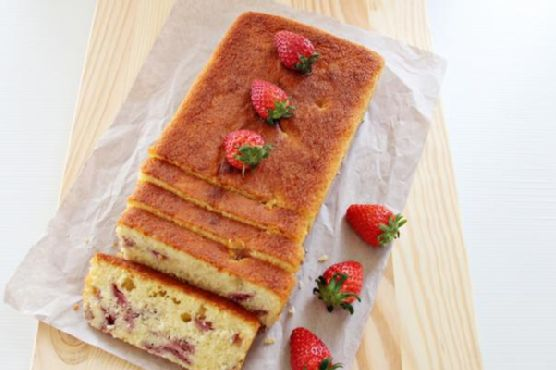
This Lemon and Strawberry Loaf is a delightful treat for any occasion. The tartness of the lemon perfectly complements the sweetness of the strawberries, creating a balanced flavor profile that is both refreshing and comforting. The addition of dessicated coconut adds a subtle nuttiness and texture that elevates the loaf to a new level. Whether you’re enjoying a slice with your morning coffee or serving it as a dessert at a dinner party, this loaf is sure to impress.

Ingredients

  • 125g butter, softened
  • 200g sugar
  • 2 eggs
  • 250g self-raising flour
  • 50g dessicated coconut
  • 150ml natural yoghurt
  • 1 lemon, juice and rind
  • 150g fresh strawberries, chopped

Instructions

  1. Preheat the oven to 180°C (350°F).
  2. Line a 23cm x 12cm loaf tin with baking paper.
  3. In a mixing bowl, beat the butter and sugar until pale and creamy.
  4. Add the eggs, one at a time, beating well after each addition.
  5. Mix in the lemon rind and juice.
  6. Using a rubber spatula, stir in the flour, dessicated coconut, yoghurt, and strawberries until just combined.
  7. Pour the mixture into the prepared loaf tin and smooth the top with the spatula.
  8. Bake for 50-60 minutes or until a skewer inserted in the center comes out clean.
  9. Allow the loaf to cool in the tin for 10 minutes, then turn out onto a wire rack to cool completely.

Tips

To ensure your loaf is moist and fluffy, make sure all your ingredients are at room temperature before you begin. This helps them blend together more smoothly. Additionally, be careful not to overmix the batter, as this can result in a dense loaf. When folding in the strawberries, do so gently to avoid crushing them and turning the batter pink.

Variations & Substitutions

If you’re feeling adventurous, there are several ways you can tweak this recipe to suit your taste. You could substitute the strawberries with raspberries or blueberries for a different berry flavor. For a dairy-free version, replace the butter with a dairy-free spread and the yoghurt with a coconut-based alternative. You can also add a handful of chopped nuts, like almonds or walnuts, for some extra crunch.

Storage

This Lemon and Strawberry Loaf is best enjoyed fresh, but it can be stored for later enjoyment as well. Keep the loaf in an airtight container at room temperature for up to three days. If you’d like to store it for longer, wrap it tightly in plastic wrap and store it in the refrigerator for up to a week. For even longer storage, you can freeze the loaf for up to three months. Simply slice it before freezing so you can defrost individual pieces as needed.

FAQ

Can I use frozen strawberries instead of fresh?

Yes, you can use frozen strawberries if fresh ones are not available. Just be sure to thaw them completely and drain any excess liquid before adding them to the batter to prevent it from becoming too runny.

What can I use if I don’t have self-raising flour?

If you don’t have self-raising flour, you can make your own by combining 2 cups of all-purpose flour with 3 teaspoons of baking powder and 1/2 teaspoon of salt. This will give you the same effect as self-raising flour.

Can I make this loaf gluten-free?

Absolutely! You can substitute the self-raising flour with a gluten-free flour blend. Just make sure it includes a binding agent like xanthan gum to help maintain the structure of the loaf.

Nutrition

This loaf is not only delicious but also contains some nutritional benefits. The strawberries provide a good source of vitamin C and antioxidants, while the lemon juice offers an additional boost of vitamin C. The inclusion of natural yoghurt adds a dose of protein and calcium.

Conclusion

Baking this Lemon and Strawberry Loaf brings a piece of nostalgia into the modern kitchen. It’s a simple recipe that delivers a burst of flavor and warmth with every bite. Whether you’re baking it for a special occasion, as a sweet treat for your family, or simply to enjoy a moment of peace with a slice of homemade goodness, this loaf is sure to become a beloved addition to your recipe collection. Happy baking!

Related update: Lemon and Strawberry Loaf