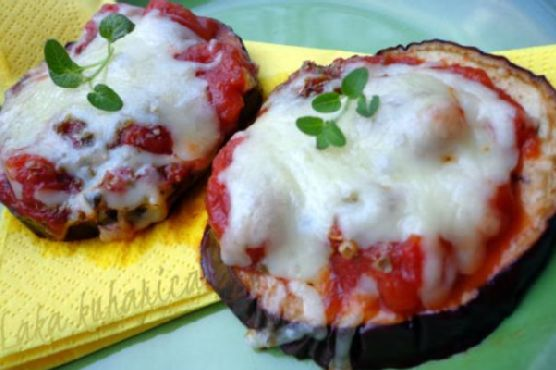
Eggplant pizzette | Made by Meaghan Moineau

Eggplant Pizzette: A Delightful Twist on a Classic Dish

Intro

Eggplant pizzette has always held a special place in my heart. I vividly remember visiting my grandmother’s kitchen on summer afternoons, the air thick with the scent of fresh basil and the sizzle of tomatoes simmering on the stove. As a child, I would eagerly await her signature eggplant pizzette, a dish that never failed to bring the family together around the table. This recipe, inspired by her culinary magic, offers a modern twist on a cherished classic, ideal for both intimate gatherings and solo indulgence.

Why You’ll Love It

Eggplant pizzette is an innovative and delightful dish that brings together the best of both worlds: the comforting flavors of pizza and the health benefits of fresh vegetables. Whether you’re a lifelong vegetarian or simply looking to incorporate more plant-based meals into your diet, this recipe is a winner. It’s simple to prepare, requires minimal ingredients, and is perfect for a quick appetizer or a light, satisfying meal. You’ll love the way the creamy eggplant pairs with the fresh, zesty tomatoes and aromatic herbs, all topped with a layer of melted Swiss cheese for that extra touch of indulgence.

Ingredients

  • Round eggplant
  • Tomatoes
  • Swiss cheese
  • Fresh basil leaves
  • Fresh oregano leaves

Instructions

  1. Preheat your oven to 230°C (450°F) and prepare a non-stick pan by greasing it lightly with olive oil.
  2. Slice the eggplant into rounds, about 1/2 inch thick, and arrange them in the prepared pan.
  3. Bake the eggplant rounds in the oven for 10 minutes. This will soften them and bring out their natural flavors.
  4. Remove the pan from the oven, leaving the baked eggplant inside to retain its warmth.
  5. On each eggplant round, place a spoonful of chopped tomatoes, ensuring even coverage.
  6. Sprinkle fresh basil and oregano leaves over the tomatoes for a burst of herbal aroma.
  7. Top each round with a generous amount of grated Swiss cheese.
  8. Return the pan to the oven and bake for an additional 5 minutes. Watch closely until the cheese is melted and golden brown.
  9. Remove from the oven and allow to cool slightly before serving. Enjoy your pizzette warm or cooled as a delightful appetizer or small meal.

Tips

To make your eggplant pizzette truly shine, ensure that the eggplants are fresh and firm to the touch. If you prefer a slightly thicker texture, you can leave the eggplant rounds a bit thicker, but adjust the initial baking time accordingly. Also, feel free to experiment with the cheese; while Swiss cheese is recommended for its mild flavor, mozzarella or provolone can be great substitutes for a different taste experience.

Variations & Substitutions

The beauty of eggplant pizzette is its versatility. You can easily customize it to suit your taste preferences or dietary needs. For a vegan version, simply replace the Swiss cheese with your favorite plant-based cheese. If you’re looking for a spicier kick, add a sprinkle of red pepper flakes or a dash of hot sauce. Additionally, you can incorporate other toppings like olives, roasted red peppers, or caramelized onions to add more depth to the dish.

Storage

If you have leftovers, store them in an airtight container in the refrigerator for up to three days. To reheat, place the pizzette in a preheated oven at 180°C (350°F) for about 5 minutes, or until they are warmed through. Avoid microwaving, as it may cause the eggplant to become too soggy.

FAQ

Can I make the eggplant pizzette ahead of time?

Yes, you can prepare the eggplant rounds and toppings ahead of time. Assemble them right before the second baking stage to ensure the cheese melts perfectly and the flavors remain vibrant.

What can I serve with eggplant pizzette?

Eggplant pizzette pairs beautifully with a fresh green salad or a light pasta dish. You can also serve them alongside a charcuterie board for a more substantial appetizer spread.

Is eggplant a good substitute for pizza dough?

Absolutely! Eggplant offers a nutritious and gluten-free alternative to traditional pizza dough. It’s lower in calories and carbohydrates, making it a healthier option without compromising on flavor.

Nutrition

Eggplant pizzette is a nutritious dish, rich in fiber and essential vitamins. Eggplants are a good source of antioxidants and can help in maintaining heart health. Fresh tomatoes and herbs add to the nutritional profile with vitamins C and K, while Swiss cheese provides a good dose of calcium and protein.

Conclusion

Eggplant pizzette is more than just a recipe; it’s a culinary journey that marries tradition with creativity. Whether you’re recreating a childhood memory or discovering a new favorite dish, this recipe promises satisfaction in every bite. Enjoy this delightful twist on a classic, and don’t forget to share the experience with loved ones. Cooking is, after all, an act of love, and what better way to express it than with delicious food!

Related update: Eggplant pizzette

Related update: Honey Dijon Roasted Brussels Sprout
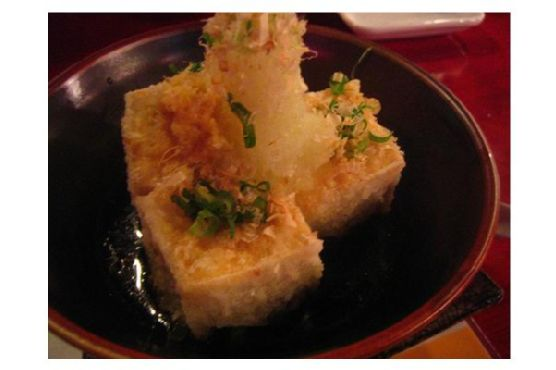
Agedashi Tofu | Made by Meaghan Moineau

Agedashi Tofu: A Crispy Delight with a Silken Heart

Intro

There’s something magically comforting about a perfectly prepared dish of Agedashi Tofu. I remember the first time I encountered this delightful appetizer at a cozy Japanese restaurant tucked away in a busy Tokyo street. The warmth of the tofu, crisp on the outside and soft within, felt like a welcoming embrace. As the waiter set down the plate, the steam rose into the air, carrying the tantalizing aroma of fried goodness mixed with a hint of the savory hoisin sauce. That experience is forever etched in my memory as a moment of pure culinary joy. Today, I’m excited to share with you a simple yet authentic recipe for Agedashi Tofu, allowing you to recreate this beautiful dish in your own kitchen.

Why You’ll Love It

Agedashi Tofu is a dish that truly delights the senses. Its crispy exterior gives way to a soft, creamy interior, creating a contrast that’s both exciting and comforting. The sprinkle of fresh green onions adds a burst of color and a fresh, zesty flavor that complements the rich hoisin sauce perfectly. This recipe is straightforward and quick to prepare, making it an excellent choice for both weekday dinners and special occasions. Whether you’re a seasoned tofu lover or new to this versatile ingredient, this dish is sure to win you over.

Ingredients

  • 1 block silken tofu
  • Cornstarch, for dredging
  • Oil, for frying
  • 2 green onions, finely chopped
  • Hoisin sauce, for drizzling

Instructions

  1. Cut the tofu into 12 equal-sized cubes, handling gently to avoid breaking.
  2. Place the cornstarch on a plate or in a shallow bowl. Dredge each tofu cube in the cornstarch, ensuring all sides are coated thoroughly.
  3. In a medium-sized frying pan, heat enough oil so that the tofu cubes will be half-submerged when placed in the pan. The oil should be hot but not smoking.
  4. Fry the tofu cubes in the hot oil for 3 to 5 minutes on each side, or until they are golden brown and crispy. Avoid overcrowding the pan to ensure even frying.
  5. Once fried, remove the tofu cubes and let them drain on paper towels to remove excess oil.
  6. Place the tofu cubes on a serving dish. Sprinkle the chopped green onions over the top and drizzle with hoisin sauce.
  7. Serve immediately while the tofu is still warm and crispy.

Tips

For the best results, use silken tofu, which provides a creamy texture that contrasts beautifully with the crispy exterior. Be gentle when handling the tofu to keep it from breaking apart. Ensure your oil is hot enough to achieve that perfect crispiness without absorbing too much oil. A quick test is to drop a small piece of tofu into the oil; if it sizzles and rises to the surface, the oil is ready.

Variations & Substitutions

If you’re looking to add a twist to this classic dish, consider these variations:

  • Spicy Kick: Add a dash of chili oil or sprinkle some red pepper flakes on the tofu for a spicy version.
  • Gluten-Free: Substitute the hoisin sauce with a gluten-free alternative or tamari sauce.
  • Extra Flavor: Add a splash of soy sauce or ponzu to the hoisin for additional depth of flavor.

Storage

Agedashi Tofu is best enjoyed fresh for maximum crispiness. However, if you have leftovers, store them in an airtight container in the refrigerator for up to two days. Reheat in a hot pan with a little oil to restore some of the crispiness before serving. Avoid microwaving as it can make the tofu soggy.

FAQ

Can I use firm tofu instead of silken tofu?

While the recipe traditionally uses silken tofu for its creamy texture, you can use firm tofu if you prefer a slightly denser texture. The cooking method remains the same, but you might find the firm tofu easier to handle without breaking.

What oil is best for frying tofu?

Use a neutral oil with a high smoke point, such as vegetable oil, canola oil, or peanut oil. These oils will ensure your tofu crisps up nicely without imparting any unwanted flavors.

Is hoisin sauce necessary, or can I use something else?

Hoisin sauce adds a sweet and savory flavor that complements the tofu well. However, if you prefer a different taste, you can use soy sauce, teriyaki sauce, or even a splash of your favorite dipping sauce to customize the dish to your liking.

Nutrition

This delightful dish is not only tasty but also relatively low in calories, especially when compared to other fried foods. Tofu is a great source of protein and contains essential amino acids. It also provides iron, calcium, and other important minerals, making it a nutritious choice for vegetarians and meat-eaters alike. The key to keeping this dish healthy is to enjoy it in moderation and to thoroughly drain the tofu after frying to remove excess oil.

Conclusion

Agedashi Tofu is a beloved dish in Japanese cuisine, celebrated for its textural contrast and simple yet satisfying flavors. By following this recipe, you can bring a taste of Japan into your home and share a dish that’s sure to become a favorite at your dining table. Whether you’re reminiscing about a past trip or creating new memories with loved ones, this Agedashi Tofu recipe is a warm, inviting choice that promises to delight with every crispy bite. Enjoy!

Related update: Agedashi Tofu

Parmesan Mashed Potatoes | Made by Meaghan Moineau

Parmesan Mashed Potatoes

Intro

There’s nothing quite like the comforting embrace of a bowl of mashed potatoes. Growing up, my grandmother’s kitchen was always filled with the intoxicating aroma of buttery potatoes during the holiday season. She had a special way of incorporating Parmesan that made her mashed potatoes the highlight of every meal. I’ve tried to capture that beloved family tradition in this recipe. Whether you’re gathered around the table with family or enjoying a cozy dinner for two, these Parmesan Mashed Potatoes are sure to bring warmth and joy to your meal.

Why You’ll Love It

This recipe takes a classic comfort food and elevates it with the rich, savory flavor of Parmesan cheese. The creaminess of the potatoes is perfectly complemented by the nutty and salty notes of the cheese, making it a dish that’s both simple and sophisticated. It’s easy to prepare, yet impressive enough to serve at a dinner party. Plus, it’s versatile enough to accompany a variety of main courses, from roasted chicken to grilled steak. You’ll love how these mashed potatoes turn any meal into a special occasion.

Ingredients

  • 4 pounds russet potatoes, peeled and cubed
  • 1 cup heavy cream
  • 1/2 cup unsalted butter
  • 1 cup grated Parmesan cheese
  • Salt and freshly ground black pepper, to taste

Instructions

  1. Place potatoes in a medium pot and cover with cold water.
  2. Bring to a boil, then reduce the heat to a simmer.
  3. Add a generous pinch of salt and continue to simmer until the potatoes are fork-tender, about 20 minutes.
  4. Meanwhile, heat the cream, butter, salt, and pepper in a medium saucepan over medium heat until steaming hot, about 6 minutes.
  5. When the potatoes are done, drain them and return them to the pot to dry slightly.
  6. Optional: Run potatoes through a food mill or potato ricer back into the pot for extra smoothness.
  7. Add the potatoes to the cream and butter mixture.
  8. Stir in the Parmesan cheese and taste for seasoning.

Tips

For the best texture, use russet potatoes as they are high in starch and yield a fluffier mash. Make sure to heat the cream and butter before adding them to the potatoes; this helps the potatoes absorb the liquid better, resulting in a creamier texture. If you prefer, you can leave the skins on for a more rustic feel, but be sure to scrub them well.

Variations & Substitutions

If you’re looking to change things up, consider adding roasted garlic for a deeper flavor. You can also substitute the Parmesan with Pecorino Romano for a slightly sharper taste. For a lighter version, you can use half-and-half in place of heavy cream. If you prefer a vegan option, use plant-based butter and cream, and nutritional yeast instead of Parmesan.

Storage

Store any leftover mashed potatoes in an airtight container in the refrigerator for up to 3 days. To reheat, place them in a saucepan over low heat, adding a splash of cream or milk to restore their creamy consistency. Stir frequently to prevent sticking.

FAQ

Can I make these mashed potatoes ahead of time?

Yes, you can prepare the mashed potatoes up to 2 days in advance. Store them in the refrigerator and reheat gently on the stovetop or in the oven before serving. Add a bit more cream or butter if needed to restore their creamy texture.

Can I freeze Parmesan Mashed Potatoes?

While it is possible to freeze mashed potatoes, the texture can change upon thawing. If you choose to freeze them, place them in a freezer-safe container for up to 1 month. Thaw in the refrigerator and reheat slowly, adding additional cream or butter as necessary.

Nutrition

Each serving of Parmesan Mashed Potatoes is approximately 250 calories. It contains about 15 grams of fat, 20 grams of carbohydrates, and 6 grams of protein. This dish is a source of calcium and vitamin C, thanks to the potatoes and Parmesan cheese.

Conclusion

These Parmesan Mashed Potatoes are a delightful twist on a classic dish that’s sure to be a hit with family and friends. Whether you’re making them for a special holiday meal or a cozy weeknight dinner, they bring a touch of elegance and warmth to the table. So, gather your loved ones, serve a generous helping, and enjoy the smiles that follow!

Related update: Parmesan Mashed Potatoes

Ratatouille With Brie | Made by Meaghan Moineau

Ratatouille With Brie

Intro

Welcome to a delightful culinary journey that combines the rustic charm of traditional French ratatouille with the creamy decadence of Brie cheese. This Ratatouille With Brie recipe is more than just a dish; it’s a heartfelt tribute to my grandmother’s kitchen, where the aroma of roasting vegetables and melting cheese would waft through the air, drawing family members into the cozy embrace of her dining room. I remember sitting by the window, watching her expertly layer each ingredient, a process that seemed like a beautiful dance. Today, I’m thrilled to share this recipe with you, hoping it brings warmth and joy to your home just as it did to ours.

Why You’ll Love It

This Ratatouille With Brie is a harmonious blend of textures and flavors. The creamy Brie melts beautifully, enveloping the tender, caramelized vegetables. It’s a dish that’s both comforting and sophisticated, making it perfect for any occasion, whether it’s a casual family dinner or a festive gathering. The recipe is simple yet elegant, allowing the natural flavors of the vegetables to shine through while being elevated by the rich creaminess of the Brie. It’s a perfect way to celebrate the bounty of summer produce and indulge in a taste of France.

Ingredients

  • 1 log of Brie cheese, such as Alouette
  • 1 medium eggplant
  • 1-2 oz. olive oil
  • 1 zucchini
  • 1 yellow squash
  • 2-3 plum tomatoes
  • Fresh thyme, chopped
  • Salt and pepper to taste

Instructions

  1. Remove the outer peel from the eggplant and dice it into 1-inch pieces.
  2. Heat 1-2 oz. of olive oil in a heavy-gauge skillet.
  3. Sauté the diced eggplant for 2-3 minutes, then place on a towel to drain.
  4. After draining, place the cooked eggplant into a small oval casserole dish.
  5. Preheat your oven to 375°F (190°C).
  6. Carefully slice the zucchini, yellow squash, and tomatoes into ¼-inch even slices.
  7. Slice the Brie into ¼-inch slices. Using a cheese wire simplifies this step.
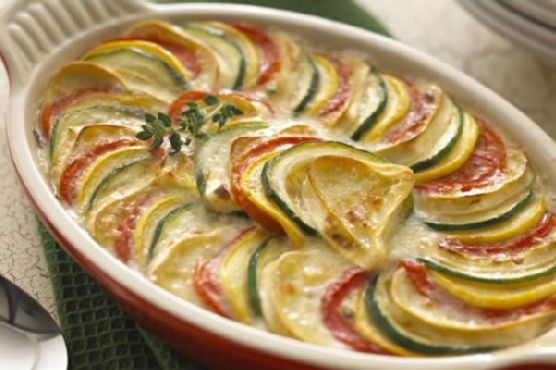
  8. Begin placing sliced yellow squash, zucchini, Brie, and tomatoes in a shingled pattern, working from the outside of the casserole toward the center.
  9. Once all vegetables and cheese are placed in the casserole, drizzle with the remaining olive oil and sprinkle with chopped thyme.
  10. Season with salt and pepper, and bake in the oven for 10-15 minutes until bubbly.

Tips

For the best results, choose fresh, firm vegetables and a high-quality Brie. Make sure to slice the vegetables and cheese evenly for uniform cooking. If possible, use a mandoline for precise, thin slices. Let the dish rest for a few minutes after baking to allow the flavors to meld before serving.

Variations & Substitutions

If you’re looking to mix things up, try adding bell peppers or mushrooms for a different flavor profile. For a dairy-free version, replace the Brie with a plant-based cheese. You can also experiment with herbs like basil or oregano for a unique twist.

Storage

Store any leftovers in an airtight container in the refrigerator for up to three days. To reheat, place the ratatouille in a preheated oven at 350°F (175°C) for 10-15 minutes, or until heated through.

FAQ

Can I make this dish ahead of time?

Yes, you can prepare the vegetables and cheese ahead of time and assemble the dish just before baking. This makes it a great option for entertaining, as you can have everything ready and simply pop it in the oven when your guests arrive.

What should I serve with Ratatouille With Brie?

This dish pairs wonderfully with a simple green salad and crusty bread. It also complements roasted meats or can be enjoyed as a vegetarian main course.

Can I freeze Ratatouille With Brie?

While it’s possible to freeze this dish, the texture of the vegetables may change upon thawing. If you choose to freeze it, do so before baking. Wrap the casserole tightly and freeze for up to one month. Thaw in the refrigerator before baking as directed.

Nutrition

This dish is rich in vegetables, making it a great source of vitamins and fiber. The Brie adds a dose of calcium and protein. While it’s indulgent, it’s also a balanced meal when enjoyed in moderation.

Conclusion

Ratatouille With Brie is a dish that brings together the best of both worlds: the simplicity and wholesome goodness of fresh vegetables with the luxurious, creamy touch of Brie cheese. It’s a recipe that holds a special place in my heart, and I hope it becomes a cherished classic in your home, too. Whether you’re sharing it with family or savoring a quiet meal alone, it promises to deliver comfort and joy in every bite. Bon appétit!

Related update: Ratatouille With Brie

Related update: Indian Lentil Dahl

Herbivoracious’ White Bean and Kale Soup | Made by Meaghan Moineau

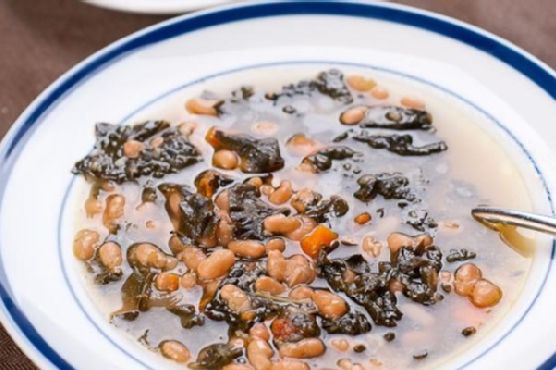
Herbivoracious' White Bean and Kale Soup | Made by Meaghan Moineau

Savoring Simplicity: Herbivoracious' White Bean and Kale Soup Recipe


A Comforting Bowl of Nostalgia and Nutrition


In the hustle and bustle of modern life, it's often the simplest things that bring the most comfort. Herbivoracious' White Bean and Kale Soup is one of those treasured recipes that seamlessly blends heartiness with wholesomeness. Whether you're a seasoned chef or a culinary novice, this soup is your gateway to a world of flavors that marries nutrition with nostalgia.


Ingredients


- 2 tablespoons olive oil
- 1 medium onion, diced
- 3 cloves garlic, whole
- 2 carrots, diced
- 1 teaspoon kosher salt
- 2 bay leaves
- 1 tablespoon fresh rosemary leaves
- Choice of Parmesan rind, dried porcini, or broth powder
- 1 cup dried white navy beans
- 6 cups water
- 1 bunch dinosaur kale, chopped
- Juice of 1 lemon
- Extra-virgin olive oil for drizzling

Instructions


Pressure Cooker Method


1. Sauté the Vegetables: In the pressure cooker, heat olive oil over medium-high heat. Sauté the onion, garlic, carrot, and salt until the onion is translucent, about 4 minutes.
2. Add Aromatics and Beans: Stir in the bay leaves, rosemary, and your choice of Parmesan rind, dried porcini, or broth powder. Add the dried beans and water.
3. Pressure Cook: Seal the pressure cooker and bring to high pressure. Cook for 40 minutes, then allow the pressure to release naturally.
4. Finalize the Soup: Open the lid, remove the bay leaves and Parmesan rind. Add the kale and lemon juice, and simmer for 10 minutes until the kale is tender. Adjust seasoning to taste.
5. Serve: Garnish with a generous drizzle of extra-virgin olive oil before serving.

Stovetop Method


1. Prepare the Beans: Soak beans overnight in ample water. Drain and place them in a large saucepan with enough water to cover by 2 inches. Bring to a boil, then reduce heat and simmer until tender, about 1 ½ to 2 hours. Drain, reserving the broth.
2. Sauté the Vegetables: In a large saucepan, heat olive oil over medium-high heat. Sauté the onion, garlic, carrot, and salt until the onion is translucent, about 4 minutes.
3. Simmer the Soup Base: Add 4 cups of the reserved bean broth, bay leaves, rosemary, and your choice of Parmesan rind, dried porcini, or broth powder. Simmer for 30 minutes.
4. Complete the Soup: Remove bay leaves and Parmesan rind. Add the cooked beans, kale, and lemon juice, simmering for 10 minutes until the kale is tender.
5. Serve: Adjust seasoning and serve with a drizzle of extra-virgin olive oil.

A Nostalgic Taste of Home


Growing up, Sundays were a time for family gatherings, where stories were shared and laughter echoed through the house. My grandmother often made a version of this White Bean and Kale Soup, filling the kitchen with its irresistible aroma. I remember sitting at her worn wooden table, watching the steam rise from my bowl as she recounted tales from her childhood. This soup, with its rustic charm and hearty flavors, became a symbol of family love and togetherness. Even today, every spoonful takes me back to those cherished moments, reminding me of the warmth and comfort of home.


Difficulty Rating: 4/10


Herbivoracious' White Bean and Kale Soup is a delightful main dish that's simple to prepare, making it accessible to cooks of all skill levels. With a bit of patience and love, this recipe transforms basic ingredients into a nourishing meal that feeds both body and soul.


Embrace the culinary journey of creating this comforting dish, and allow it to become a staple in your family's collection of wholesome recipes. Whether you're gathering around the table with loved ones or seeking solitude with a good book, this soup is a testament to the power of simplicity and the joy of homemade goodness.

Read more about Appetizers

Read more about Main Dishes

Read more about Desserts

Vegetable Tart With Goat Cheese | Made by Meaghan Moineau

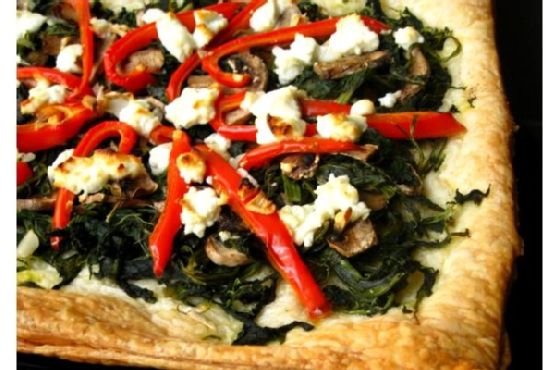
Vegetable Tart With Goat Cheese | Made by Meaghan Moineau

A Taste of Tradition: Vegetable Tart with Goat Cheese


A Delightful Appetizer Rich in Flavor and Memories


As the autumn leaves begin to fall and the air turns crisp, there’s nothing quite like the comforting aroma of a homemade dish wafting through the house. Today, I’m excited to share a recipe that’s close to my heart—a Vegetable Tart with Goat Cheese. This savory tart not only brims with delightful flavors but also carries a nostalgic story from my childhood.


Ingredients


- 1 package frozen spinach, thawed and drained


- 4 oz goat cheese, crumbled


- 1 cup mushrooms, sliced


- 1 sheet puff pastry, thawed


- 1 red bell pepper, thinly sliced


- Salt and pepper to taste


Instructions


1. Preheat the Oven: Start by preheating your oven to 350°F (175°C).
2. Prepare the Puff Pastry: Roll out the puff pastry onto a cookie sheet lined with parchment paper to prevent sticking. This will be the crispy base for our tart.
3. Layer the Vegetables: Spread the thawed spinach evenly over the pastry, leaving about an inch of the edges uncovered. This will ensure a nice border of golden, flaky crust.
4. Add Mushrooms and Peppers: Layer the sliced mushrooms over the spinach, followed by the vibrant red bell pepper slices.
5. Top with Goat Cheese: Generously sprinkle crumbled goat cheese over the top. The creamy tanginess of the goat cheese perfectly complements the earthy and sweet flavors of the vegetables.
6. Season to Taste: Finish with a dash of salt and pepper to enhance the flavors.
7. Bake: Place the tart in the oven and bake for 15-20 minutes, or until the pastry is golden brown and the cheese is slightly melted.

A Nostalgic Story


This Vegetable Tart with Goat Cheese transports me back to cozy Sunday afternoons at my grandmother’s house. The kitchen was always bustling with family members preparing for our weekly gatherings. My grandmother, the heart and soul of these gatherings, would often enlist me as her little helper. Together, we would prepare this tart, surrounded by laughter and the tantalizing scents of our culinary creations.


I vividly remember the first time I was allowed to sprinkle the goat cheese—a task I took very seriously. My grandmother would watch with a gentle smile, offering tips and encouragement. As the tart baked, we would sit at the kitchen table, sipping on freshly brewed herbal tea, eagerly anticipating the moment we’d all gather around the dining table to enjoy our creation.


Difficulty: 3/10


This recipe is relatively simple, making it an excellent choice for both amateur and seasoned cooks. It’s classified as an appetizer, yet its rich flavors ensure it stands out as a star dish at any gathering.


Conclusion


This Vegetable Tart with Goat Cheese is more than just a recipe; it’s a cherished tradition, a flavorful journey back to simpler times. Its rich blend of ingredients and ease of preparation make it a favorite for any occasion. Whether you’re hosting a dinner party or seeking comfort food on a chilly day, this tart is sure to warm both your heart and your palate. Enjoy!

Read more about Appetizers

Read more about Main Dishes

Read more about Desserts