NewsGuard Sues FTC Over Ad Market Control | Analysis by Brian Moineau

A ratings service says the FTC is trying to strangle it — and the First Amendment is now part of the fight

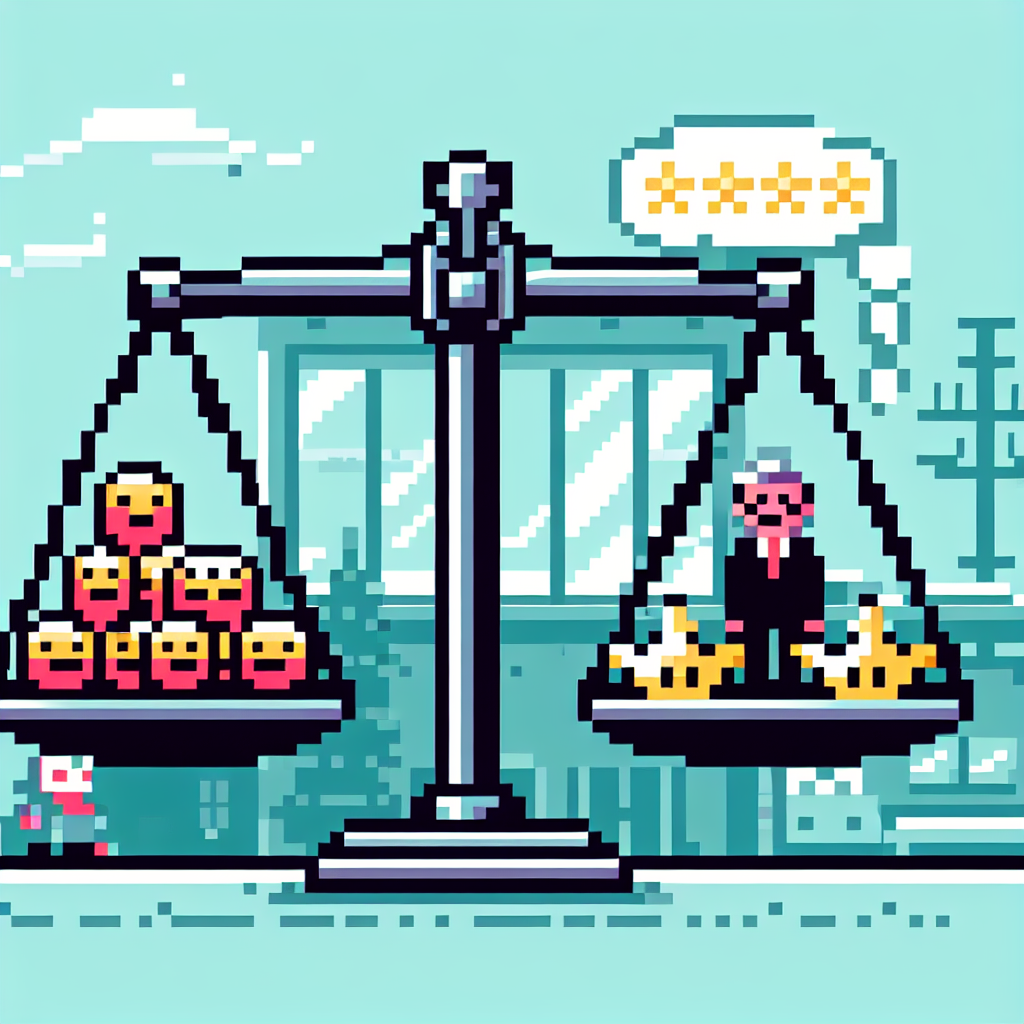
The headline reads like a legal thriller: a company that assigns "trust scores" to news websites has sued the Federal Trade Commission, accusing the agency of weaponizing regulatory power to cut it out of the advertising ecosystem. It's NewsGuard versus the FTC, fronted by Chairman Andrew Ferguson — and the dispute raises three big questions: who gets to police the media marketplace, when does regulation become censorship, and how much power do ad buyers and agencies hold over what counts as “acceptable” news?

Why this matters (hook)

  • Advertisers funnel billions of dollars through a handful of ad agencies. If those agencies can't or won't buy inventory adjacent to particular outlets, the outlets' survival and audiences are affected.
  • Independent evaluators like NewsGuard say they help brands avoid reputational risk and help readers assess reliability. Critics say these ratings can be subjective or politically skewed.
  • When a regulator uses merger remedies or investigations that have the effect of freezing a ratings company out of the market, the stakes shift from commercial competition to free-speech and due-process questions.

Quick takeaways

  • NewsGuard filed a lawsuit in early February 2026 alleging the FTC burdened it with sweeping document demands and inserted merger conditions that effectively bar major ad agencies from using its ratings. (Filed Feb. 6, 2026.) (washingtonpost.com)
  • The contested merger remedy arose in the Omnicom–Interpublic transaction; the FTC’s order reportedly prevents those ad holding companies from basing ad buys on “journalistic standards or ethics” set by third parties — language NewsGuard says was crafted to target it. (washingtonpost.com)
  • NewsGuard argues the FTC’s actions violate the First and Fourth Amendments and amount to government censorship of a private service. The FTC and some conservatives argue NewsGuard has a political slant and has inflicted commercial harm on certain outlets. (washingtonpost.com)

What NewsGuard does and why advertisers use it

NewsGuard, launched in 2018 by media veterans including Steven Brill and Gordon Crovitz, uses human journalists to score sites on nine transparency and credibility criteria and publishes a “nutrition label” explaining each score. Brands and agencies have used these ratings to reduce ad placement near sites they judge risky, and browser extensions surface those trust scores to consumers. NewsGuard emphasizes transparency in its methodology and publishes the criteria it applies. (newsguardtech.com)

Why advertisers care:

  • Brand safety concerns: running ads next to fraudulent, extreme, or disinformation-filled content can cause reputational damage.
  • Liability and client pressure: large advertisers increasingly demand oversight tools to demonstrate they’re avoiding harmful placements.
  • Centralized buying power: big holding companies and ad agencies set de facto industry norms for what’s acceptable.

The FTC’s actions that sparked the lawsuit

According to NewsGuard’s complaint and reporting by The Washington Post, two lines of FTC activity prompted the suit:

  • An extensive information demand: the FTC ordered broad disclosures of NewsGuard’s client lists, ratings deliberations, communications, and financials — an investigation NewsGuard says is so sweeping it chills its business and violates privacy and press protections. (washingtonpost.com)

  • A merger condition in Omnicom–Interpublic approval: the FTC’s order included language preventing the combined agency from directing ad buys based on “adherence to journalistic standards or ethics established or set by a third party.” NewsGuard argues that language functions as a ban on companies using its ratings, effectively blacklisting the service. Newsmax and other conservative outlets publicly urged the FTC to broaden the language, which NewsGuard says revealed intent. (washingtonpost.com)

NewsGuard’s legal team frames these moves as retaliation driven by political disagreement, pointing to prior public criticism of the company by now-FTC Chair Ferguson. The company has asked a federal court to block enforcement of the merger condition and the investigative demand. (mediapost.com)

The competing narratives

  • NewsGuard’s story: a neutral, transparent ratings firm is being targeted for its editorial judgments. The FTC is overreaching by using merger remedies and investigations to hobble a private business whose work touches on public discourse. That, NewsGuard says, raises free-speech and due-process problems. (newsguardtech.com)

  • The FTC and critics’ story: regulators and some conservative outlets argue NewsGuard exercises editorial power that has real commercial effects and that its judgments may be politically biased. From this angle, the FTC’s scrutiny is about market power and potential exclusionary conduct — not censorship per se. Public comments from outlets like Newsmax influenced how the merger language was revised, suggesting industry players saw the remedy as relevant. (washingtonpost.com)

Both sides point to market realities: when ratings influence ad placement, they affect revenue flows. The novel legal wrinkle is whether a regulator may lawfully condition a merger or investigate a small ratings firm in a way that some regard as singling out protected speech.

Broader implications

  • The case could reshape how third-party content evaluators operate in advertising markets. If agencies are barred from relying on such ratings, advertisers lose one tool for brand protection; if regulators are limited, they may be less able to police potential collusion or exclusionary tactics in ad buying.
  • There’s a constitutional debate at the center: does the First Amendment protect the editorial judgments of a private ratings firm from regulatory interference? Conversely, do regulators have the authority to step in when a ratings product materially affects market competition or harms specific outlets?
  • The dispute exposes how intertwined advertising, editorial judgments, and platform economics have become. A private score can effectively act like a traffic light for publishers; when government action changes who can see or use that traffic light, the ripple effects are political, commercial, and civic.

My take

This lawsuit sits at the intersection of market structure and speech. NewsGuard’s methodology is transparent and human-driven — that matters in an era of opaque algorithmic moderation — but its influence on advertisers gives its judgments real economic weight. Regulators worried about arbitrary exclusion in ad markets have a legitimate role; at the same time, wielding merger conditions or sweeping investigative powers in ways that single out a small player risks the appearance (and perhaps the reality) of viewpoint-based regulation.

The healthier path would be clearer rules and neutral standards for ad buyers and ratings services: transparent criteria (which NewsGuard publishes), robust appeals and correction processes for rated outlets, and merger remedies narrowly targeted at anticompetitive conduct rather than broad language that could be read as a blacklist. These guardrails would protect both market fairness and free expression.

Final thoughts

At stake is not only one company’s business but the architecture of trust in the information ecosystem. When ratings, advertisers, and regulators collide, the outcome will shape how audiences find reliable information and how publishers — of whatever stripe — survive. Courts will now have to weigh whether the FTC crossed a constitutional line or acted within its mandate to police markets. Either way, the case underscores that in today’s media economy, the line between commerce and speech is increasingly hard to draw.

Sources


Related update: We recently published an article that expands on this topic: read the latest post.

Related update: We recently published an article that expands on this topic: read the latest post.


Related update: We recently published an article that expands on this topic: read the latest post.


Related update: We recently published an article that expands on this topic: read the latest post.

Tisch, Epstein Emails and Public Trust | Analysis by Brian Moineau

Epstein’s emails and the Steve Tisch revelations: why the latest document dump matters

A short, sharp scene: an email thread from 2013 shows Jeffrey Epstein offering to connect New York Giants co-owner Steve Tisch with women — one exchange even has Tisch asking, “Is she fun?” The U.S. Department of Justice’s recent release of millions of pages of Epstein-related material has forced that exchange and others back into the public eye, raising familiar questions about power, access and accountability.

This post walks through what the records show, why those details matter beyond the salacious headlines, and how to think about reputational fallout when prominent figures appear in leaked or released documents tied to criminal networks.

Why this story landed in the headlines

  • The Department of Justice released a massive trove of documents related to Jeffrey Epstein and Ghislaine Maxwell in late January 2026 under the Epstein Files Transparency Act.
  • Multiple news outlets reported that the files contain emails from 2013 in which Epstein repeatedly offered or arranged meetings between women and Steve Tisch, who has been a co-owner and executive of the New York Giants for decades.
  • Tisch has publicly said he “had a brief association” with Epstein, exchanged some emails about “adult women,” and “did not take him up on any of his invitations” nor visited Epstein’s private island. He was not charged with any crimes related to Epstein’s trafficking.

What the newly released emails actually show

  • The exchanges appear to be largely contemporaneous threads from 2013 in which Epstein proposes or confirms introductions between Tisch and various women — described by Epstein in transactional language and sometimes with details about travel, age differences, or anxieties.
  • Some messages show Tisch asking pointed questions (for example, whether a woman was a “working girl” or whether she was “fun”) and responding casually when Epstein followed up about encounters.
  • Other messages reference professional topics — movies, philanthropy, or invitations to sporting events — mixing conventional networking with arrangements that read as personal and sexual in nature.

(These descriptions are based on contemporaneous reporting and direct excerpts from the released files as covered by major outlets.)

A few ways to interpret these revelations

  • Reputation vs. criminal liability:
    • Being named in documents or receiving introductions does not equal criminal wrongdoing. Tisch has not been charged, and he denies participation in criminal acts linked to Epstein.
    • But reputational harm can be swift and enduring for public figures tied—even peripherally—to criminal networks, particularly in sex-trafficking scandals.
  • Power dynamics and plausibility:
    • The exchanges exhibit the social choreography that allowed Epstein to act as a broker of introductions between wealthy men and vulnerable or young women. That pattern matters because it helps explain how trafficking networks exploited influence and financial incentives.
  • Media and institutional response:
    • Teams, leagues, studios and foundations often respond defensively or with distance when board members or executives are implicated. Statements of regret, clarification of limited contact, or policies review are typical first steps — but not always sufficient to restore public trust.

What we should ask next

  • Transparency: Will institutions connected to named individuals disclose any internal reviews or conclusions about conduct and associations?
  • Context and corroboration: Do the emails stand alone, or are there additional documents, witness statements or contemporaneous evidence that further clarify intent and actions?
  • Policy: How will sports franchises and cultural institutions update vetting and governance to reduce the risk of leaders being entangled in abusive networks?

What to remember

  • Released emails indicate that Jeffrey Epstein acted as a connector between prominent men and women; they show social introductions and suggestive exchanges involving Steve Tisch but do not prove criminal conduct by Tisch.
  • The public and institutions reasonably expect clearer explanations from those named in the files — both about what happened and about steps taken since to address any ethical lapses.
  • Document dumps create headlines, but the long-term consequences fall on how organizations and individuals handle accountability, transparency, and prevention.

My take

The Epstein file releases are ugly, necessary reminders of how influence and commerce can cloak predatory behavior. When powerful people show up in those documents, we shouldn’t leap straight to assumptions about criminality — but we also shouldn’t minimize the moral responsibility that comes with wealth and leadership. The right first moves are clear: full transparency from institutions, independent review where warranted, and public policy that makes it harder for exploiters to operate in plain sight. The real test is whether cultural and legal systems learn from these revelations or simply file them away as another scandal headline.

Sources

(Note: links above point to non-paywalled news reporting on the January 2026 release of Epstein-related documents.)


Related update: We recently published an article that expands on this topic: read the latest post.


Related update: We recently published an article that expands on this topic: read the latest post.


Related update: We recently published an article that expands on this topic: read the latest post.


Related update: We recently published an article that expands on this topic: read the latest post.


Related update: We recently published an article that expands on this topic: read the latest post.

Should Critics Be Metacritic-Style Rated | Analysis by Brian Moineau

When the studio pushes back: Swen Vincke, hurtful reviews, and the idea of scoring critics

Fresh from the fallout over generative AI in Larian’s next Divinity game, Larian CEO Swen Vincke resurfaced on social media this week with a blunt, emotional take: some game reviews aren’t just critical — they’re hurtful and personal. He even floated a provocative remedy: “Sometimes I think it'd be a good idea for critics to be scored, Metacritic-style.” That one line reopened old wounds about reviews, platforms, and what accountability — if any — should look like in games journalism.

Why this matters right now

  • Larian’s recent public debate about generative AI in Divinity set the stage: fans and creators have been arguing passionately about how studios use new tools and what that means for artists and the finished game. (gamespot.com).
  • Vincke’s reaction is personal and timely: he’s defending developers who feel targeted by vitriolic commentary, while also reacting to the stress and visibility studio leads now face online. (gamesradar.com).
  • Proposals to rate reviewers would upend a familiar dynamic — critics already influence buying, discourse, and developer reputations. A rating-for-reviewers system would change incentives, for better or worse. (pushsquare.com).

The short version: what Vincke said

  • He called some reviews “hurtful” and “personal,” arguing that creators shouldn’t have to “grow callus on [their] soul” to publish work. He suggested critics themselves might benefit from being evaluated more visibly — a Metacritic-like scoring for critics. The comment was later deleted, but it captured a wider feeling among some developers. (pushsquare.com).

The context you need

  • The AI controversy: Vincke and Larian had already been defending limited uses of generative AI (idea exploration, reference imagery) after a Bloomberg interview and fan backlash. That flare-up made the studio more sensitive to public criticism while internal decisions were under scrutiny. (gamespot.com).
  • History of aggregated scores: Metacritic and similar aggregators have long been criticized for turning nuanced reviews into single numbers that can tank a game’s perceived success, influence bonuses, and shape public debate. Applying a similar system to critics would flip the script — but not without risk. (pushsquare.com).

Three ways to see the idea

  • As empathy-building:

    • Scoring critics could encourage tone-awareness and accountability. If repeated harshness leads to a lower “trust” score, some reviewers might temper gratuitous cruelty and focus more on fair, evidence-backed critique.
  • As censorship-by-metric:

    • Ratings create incentives. Critics might soften legitimate stances to avoid community backlash or platform penalties, eroding critical independence. A popularity contest rarely rewards tough, necessary criticism.
  • As a platform problem, not an individual one:

    • The core issue often isn’t the critic’s opinion but how platforms amplify mob responses, harassment, and out-of-context quotes. Addressing amplification, harassment, and context — rather than scoring individuals — might be more effective and less corrosive.

The practical pitfalls

  • Gaming the system: Scores can be manipulated with brigading, fake accounts, and review-bombing — precisely the same problems that hurt games on Metacritic and storefronts. (washingtonpost.com).
  • Blurry boundaries between critique and attack: Not every harsh review is a personal attack; not every negative reaction is harassment. Implementing a system that distinguishes tone, intent, and substance is technically and ethically fraught.
  • Power and incentives: Who would run the scoring system? Platforms? Independent bodies? Whoever controls scores shapes discourse — and that introduces new conflicts of interest.

What would healthier discourse look like?

  • Better context on reviews: Publications and platforms could require clearer disclosures (scope of review, version played, reviewer experience) and encourage measured language when critique becomes personal.
  • Platform-level harassment controls: Faster removal of doxxing, targeted abuse, and brigading that moves beyond critique into threats or harassment. (washingtonpost.com).
  • Community literacy: Readers learning to separate a reviewer’s taste from objective issues (bugs, performance, business practices) reduces the emotional pressure on creators and critics alike.
  • Editorial standards and internal accountability: Outlets can enforce codes of conduct and remedial measures when a reviewer crosses ethical lines — without needing a public scorecard that invites retaliation.

Developer fragility vs. public accountability

It’s important to hold both positions as true: developers are human and vulnerable to targeted cruelty; critics and publications serve readers and must be honest and rigorous. The messy part is reconciling emotional harm with the need for frank, sometimes tough criticism that protects consumers and advances the medium.

Things to watch next

  • Whether platforms (X/Twitter, editorial sites, aggregator services) discuss or prototype any “critic rating” features.
  • How outlets and publishers respond to calls for better tone and transparency in reviews.
  • Whether Larian’s public stance changes the tone of developer responses when games receive negative coverage.

Parting thoughts

Scoring critics like games sounds appealing as a quick fix to “mean” reviews, but it risks trading one set of harms for another. A healthier path blends better moderation of abuse, clearer editorial standards, and community education — while preserving the independence that lets critics call out real problems. If Vincke’s comment does anything useful, it’s to remind us that game-making is human work — and that our conversations about it could use more nuance, less bile.

A few practical takeaways

  • Criticism should aim to be precise, evidence-based, and separated from personal attacks.
  • Platforms must reduce the amplification of harassment and improve moderation tools.
  • Developers and outlets should prioritize transparency about process and context to lower misunderstanding.
  • Any system that rates reviewers must be designed to resist manipulation and protect free critique.

My take

Protecting creators from abuse and protecting critical independence aren’t mutually exclusive — but balancing them requires structural fixes, not just scoreboard solutions. Let’s demand accountability from both sides: call out harassment swiftly, and encourage reviewers to be rigorous, fair, and humane.

Sources


Related update: We recently published an article that expands on this topic: read the latest post.


Related update: We recently published an article that expands on this topic: read the latest post.

TikTok Outages Fuel U.S. Trust Crisis | Analysis by Brian Moineau

When a Power Outage Looks Like Politics: TikTok’s U.S. Glitches and the Trust Test

A handful of spinning loading icons turned into a national conversation: were TikTok’s recent U.S. posting problems just a technical headache, or the first sign of politically motivated content suppression under new ownership? The short answer is messy — a weather-related power outage is the proximate cause TikTok and its data-center partner point to, but the timing and stakes make user suspicion inevitable. (investing.com)

Why people noticed — and why the timing matters

  • TikTok users across the U.S. reported failures to upload videos, sudden drops in views and engagement, delayed publishing, and content flagged as “Ineligible for Recommendation.” Those symptoms arrived within days of the formation of a new U.S. joint venture that moved much of TikTok’s operations and data oversight stateside. (techcrunch.com)
  • The company and Oracle (one of the new venture’s managing investors) say a weather-related power outage at a U.S. data center triggered cascading system failures that hampered posting and recommendation systems — and that they’re working to restore service. (investing.com)
  • But because the outage overlapped with politically sensitive events — and came right after the ownership change — many users assumed causation: new owners, new rules, and sudden suppression of certain content. That leap from correlation to accusation is understandable in a polarized media environment. (wired.com)

The technical explanation (in plain language)

  • Data centers host the servers that store content, run recommendation systems, and process uploads. When a power outage affects one, services can slow down, requests can time out, and queued operations (like surface-level recommendations) may be lost or delayed. (techcrunch.com)
  • Complex platforms typically have redundancy, but real-world outages—especially weather-related ones affecting regional power or networking—can produce “cascading” failures where multiple dependent systems degrade at once. That can look like targeted suppression: a video suddenly shows zero views, a post is routed into review, or search returns odd results. Those are plausible failure modes of infrastructure, not necessarily evidence of deliberate moderation. (techcrunch.com)

The political and trust dimensions

  • Ownership change matters. TikTok’s new U.S. joint venture — with Oracle, Silver Lake and MGX as managing investors and ByteDance retaining a minority stake — was explicitly framed as a national-security and data-protection fix. Because that shift was sold as protecting U.S. users’ data and content integrity, anything that looks like content interference becomes a high-suspicion event. (techcrunch.com)
  • Political actors amplified concerns. State officials and high-profile voices raised alarms about potential suppression of content critical of political figures or about sensitive events. That political amplification shapes user perception regardless of technical facts. (investing.com)
  • The reputational cost is asymmetric: one glitch can undo months (or years) of trust-building. Even if an outage is genuinely technical, the brand hit from a moment perceived as censorship lingers.

What platforms and users can learn from this

  • Operational transparency matters. Quick, clear explanations from both the platform and its infrastructure partners — with timelines and concrete remediation steps — reduce the space for speculation. TikTok posted updates about recovery progress and said engagement data remained safe while systems were restored. (techcrunch.com)
  • Technical resiliency should be framed as a trust metric. Redundancy, better failover testing, and public incident summaries help show that problems are infrastructural, not editorial.
  • Users want verifiable signals. Independent third-party status pages, reproducible outage telemetry (e.g., Cloudflare/DNS data), or audits of moderation logs (where privacy and law allow) are examples of credibility-building tools platforms can use. (cnbc.com)

What this doesn’t settle

  • An outage explanation doesn’t erase legitimate long-term worries about who controls recommendation algorithms, moderation policies, and data access. The ownership shift was built to address national-security concerns — but it also changes who sits at the control panel for the platform. That shift deserves continued scrutiny and independent oversight. (techcrunch.com)
  • Nor does it mean every future suppression claim is a false alarm. Cloud failures and malfeasance can both happen; the challenge is designing verification systems that shrink false positives and false negatives in public trust.

A few practical tips for creators and everyday users

  • If you see sudden drops in views or publishing issues, check official platform status channels first and watch for updates from platform infrastructure partners. (techcrunch.com)
  • Back up important content and diversify audiences across platforms — creators learned this lesson earlier in the TikTok ban saga and during past outages. (cnbc.com)
  • Hold platforms and new ownership structures accountable for transparency: ask for incident reports, moderation audits where possible, and clearer explanations about algorithm changes.

My take

Timing is everything. A power outage is an ordinary, solvable technical problem — but in the context of a freshly restructured, politically charged ownership story, ordinary problems become extraordinary trust tests. Platforms that want to keep their communities need to treat operational reliability and public trust as two sides of the same coin. Faster fixes matter, yes — but so do pre-committed transparency practices and independent verification so that the next outage doesn’t automatically become a geopolitical headline.

Sources


Related update: We recently published an article that expands on this topic: read the latest post.


Related update: We recently published an article that expands on this topic: read the latest post.


Related update: We recently published an article that expands on this topic: read the latest post.

J&J Deal Lowers Drug Costs, Boosts U.S | Analysis by Brian Moineau

Johnson & Johnson’s deal with the U.S. government: what it means for drug prices, tariffs, and American manufacturing

A deal that’s equal parts policy, public relations, and industrial strategy landed on January 8, 2026: Johnson & Johnson announced a voluntary agreement with the U.S. government to lower medicine costs for millions of Americans while securing an exemption from potential tariffs — and pledging new domestic manufacturing investments. It’s one of several recent pacts between major drugmakers and the administration, and it touches on three hot-button issues at once: affordability, trade policy, and reshoring of pharmaceutical production. (jnj.com)

Why this caught headlines

  • The company says millions of Americans will be able to buy J&J medicines at “significantly discounted rates” through a direct purchasing pathway described in the announcement. (jnj.com)
  • In exchange, J&J’s pharmaceutical products receive an exemption from tariffs under the administration’s Section 232 trade scrutiny — a form of regulatory certainty that can materially affect margins and strategy. (jnj.com)
  • The firm also confirmed further U.S. investment: two additional manufacturing facilities (cell therapy in Pennsylvania; drug product manufacturing in North Carolina) as part of its previously announced $55 billion U.S. investment plan. (jnj.com)

Those three elements—price concessions, tariff relief, and capital commitments—create a compact meant to satisfy both political and business imperatives. But beneath the headlines are subtler trade-offs and questions about scope, transparency, and longer-term impact.

Quick takeaways for readers scanning this

  • J&J will offer discounted medicines to Americans via a direct-purchase program; exact drugs and discount levels were not disclosed in the press release. (jnj.com)
  • The agreement provides a tariff exemption tied to continued U.S. investment in manufacturing, echoing similar arrangements other pharma firms have struck. (pharmamanufacturing.com)
  • J&J is moving forward on domestic capacity: new sites in North Carolina and Pennsylvania add to its ongoing $55 billion commitment to U.S. manufacturing and R&D. (jnj.com)

Context: where this fits into the bigger picture

Drug pricing has been a political lightning rod for years. Policymakers are pushing for lower out-of-pocket costs and for the U.S. to stop shouldering a disproportionate share of global drug prices. At the same time, the administration’s tariff and trade posture has created uncertainty for multinational pharma companies that import materials or finished products. The recent flurry of voluntary agreements — in which companies promise price concessions or program participation in exchange for regulatory certainty and encouragement to invest domestically — is an attempt to square those circles. (reuters.com)

From industry perspective, the carrot of tariff relief plus a runway for U.S.-based manufacturing can be persuasive. From public interest and policy angles, voluntary deals leave open questions about which medicines are affected, how savings are passed to patients and taxpayers, and what accountability measures exist. Several recent announcements from peers show similar frameworks; secrecy around specific terms is a recurring criticism. (pharmamanufacturing.com)

What to watch next

  • Specific drug list and discount details: The J&J release did not name which medicines would be included or the depth of discounts. Those details determine whether the move benefits a broad population or a narrower set of patients. (jnj.com)
  • Timeline and duration of the tariff exemption: Other agreements have included multi-year grace periods; the length and conditionality matter for corporate planning and taxpayer exposure. (pharmamanufacturing.com)
  • Job creation and plant timelines: J&J projects thousands of construction and manufacturing jobs from its investments; tracking actual hiring and capital deployment will show how much reshoring is real vs. aspirational. (jnj.com)
  • Regulatory and legislative interplay: Ongoing Medicare negotiation rules, state-level reforms, and future trade actions could change incentives and the real-world effect of voluntary pacts. (apnews.com)

The investor dilemma

For investors, these deals can be double-edged:

  • Positive: tariff certainty and clearer regulatory backdrop can reduce downside risk and encourage capital spending that strengthens future growth. (jnj.com)
  • Negative: pricing concessions and participation in discount platforms could compress margins, especially if applied to high-revenue drugs or expand over time. Transparency around which products are included will be crucial to modeling impacts. (reuters.com)

My take

This agreement is smart politics and pragmatic business strategy wrapped together. It’s pragmatic because it buys the company regulatory breathing room and a path to expand domestic capacity—both defensible corporate goals. It’s political because offering discounted access addresses immediate public anger over drug prices, even if the long-term structural drivers of U.S. drug costs are not fully resolved by voluntary deals alone. What matters now is follow-through: clear lists of included medicines, measurable patient savings, and verifiable timelines for the manufacturing investments. Without those, good press risks becoming little more than a headline. (jnj.com)

Final thoughts

Deals like this will likely keep appearing as administrations try to lower healthcare costs without upending the pharmaceutical innovation engine. For patients, any program that lowers out-of-pocket costs is welcome — provided the discounts are meaningful and accessible. For policymakers and watchdogs, the job is to demand the transparency and metrics that turn press releases into policy outcomes: who benefits, by how much, and for how long.

Sources

Instacart $60M Settlement Exposes Fees | Analysis by Brian Moineau

A delivery fee that wasn’t really free: why Instacart’s $60M FTC settlement matters

The headline is crisp: Instacart will pay $60 million in consumer refunds to settle allegations from the Federal Trade Commission that it misled shoppers about fees, refunds and subscription trials. But the story beneath the dollar figure is about trust, the fine print of digital commerce, and how big platforms nudge behavior — sometimes at consumers’ expense.

Why this feels familiar

  • App-first shopping promised convenience and transparency. Instead, many consumers discovered surprise service fees, hard-to-find refund options, and automatic subscription charges after “free” trials.
  • Regulators have been sharpening their focus on online marketplaces and subscription rollovers for years. This enforcement action is a continuation of that trend — and a reminder that “free” often comes with strings.

Quick takeaways

  • The FTC’s settlement requires Instacart to refund $60 million to affected customers and to stop making misleading claims about delivery costs, satisfaction guarantees, and free-trial enrollment practices. (ftc.gov)
  • The agency found consumers were often charged mandatory “service fees” (up to ~15%) even when pages advertised “free delivery,” and refund options were buried so customers received credits instead of full refunds. (ftc.gov)
  • The ruling highlights broader scrutiny of gig-economy and platform pricing tactics, including questions about how personalized pricing or A/B experiments can affect fairness and transparency. (apnews.com)

What the FTC said, in plain language

According to the FTC, Instacart used three main tactics that harmed shoppers:

  • Advertising “free delivery” for first orders while still charging mandatory service fees that increased total cost. (ftc.gov)
  • Promoting a “100% satisfaction guarantee” that rarely produced full refunds; instead customers typically received small credits and the real refund option was hard to find. (ftc.gov)
  • Enrolling consumers into paid Instacart+ memberships after free trials without adequately disclosing automatic renewal and refund restrictions. Hundreds of thousands were allegedly billed without receiving benefits or refunds. (ftc.gov)

Instacart denies wrongdoing in public statements, but agreed to the settlement terms to resolve the case and move forward. Media coverage notes the company faces additional scrutiny about dynamic-pricing tools. (reuters.com)

Ripples beyond one company

  • Consumer protection implications: The decision reinforces that platform marketing and UI flows are subject to consumer-protection rules. “Free” claims, subscription opt-ins, and refund pathways must be clear and conspicuous.
  • Competitive implications: When fees are hidden or refunds hard to obtain, the advertised prices don’t reflect true cost — skewing how users compare services and potentially disadvantaging competitors who are more transparent.
  • Product and design lessons: Companies that rely on A/B tests, progressive disclosure, or dark-pattern-like flows should expect regulators to scrutinize whether those designs mislead consumers or obscure costs.

For shoppers and product teams: practical lessons

  • Shoppers: Read the total cost at checkout, not the headline promise. Watch free-trial end dates and whether a membership will auto-enroll you. Look for full-refund options rather than platform credits.
  • Product teams: Make price components and membership rollovers explicit in UI text and flows. If refunds differ from credits, state it plainly. If you use experiments or personalization that affect price, document and vet them for fairness and clarity.

My take

This settlement is less about a single headline number and more about the power imbalance in platform commerce. Apps can design paths that nudge behavior, and when transparency lags, that nudge becomes a money-making lever. Regulators stepping in signals a larger cultural shift: consumers and watchdogs expect platform economics to be auditable and understandable. For companies, that means honesty in marketing and user flows isn’t just ethical — it’s a business risk-management imperative.

Sources


Related update: We recently published an article that expands on this topic: read the latest post.

Grasso’s Tough Stance Shapes Michigan | Analysis by Brian Moineau

A moment of truth in Ann Arbor: Grasso’s message and what comes next for Michigan athletics

The video dropped on a quiet Wednesday night, but its ripples are anything but quiet. Interim University of Michigan president Domenico Grasso spoke directly to the community about the investigation into the athletic department and the search for a new football coach after the abrupt firing of Sherrone Moore. The tone was firm, the message blunt: the university will “leave no stone unturned,” and the next coach must embody the “highest moral character.”

Below I walk through what Grasso said, why the expanded Jenner & Block probe matters, how the coaching search is being framed now, and the larger cultural questions Michigan faces.

Quick snapshot

  • Who spoke: Interim President Domenico Grasso.
  • What happened: Grasso posted a video update expanding an existing investigation into former coach Sherrone Moore to a broader review of the athletics department’s culture, conduct, and procedures.
  • Who’s investigating: Chicago law firm Jenner & Block, already involved in related reviews.
  • Coaching search stance: Michigan is prioritizing moral character and leadership in its next head coach.

Why the video mattered — the human angle

Hook: Colleges are built on reputations that take generations to earn and seconds to erode. Grasso’s message landed as an attempt to stop the erosion.

Grasso’s address was not just PR; it was an attempt to re-center the conversation on values and accountability. For students, staff, alumni and donors who felt blindsided and betrayed by the Moore episode, the video did three things simultaneously:

  • Acknowledged hurt and disillusionment without downplaying it.
  • Announced concrete next steps (expanded independent review, a contact line for tipsters).
  • Signaled that personnel decisions — including further terminations if warranted — are possible based on the probe’s findings.

That combination matters. When an institution signals both empathy and action, it reduces the vacuum where rumor and distrust grow.

The investigation: why expanding to the whole athletics department matters

Grasso expanded an already ongoing Jenner & Block review into a broader look at the department’s culture and procedures. That’s notable for several reasons:

  • It moves the response beyond a single “bad actor” narrative to a systemic inquiry.
  • It shifts focus from only disciplinary outcomes to process and prevention — how the department handles reports, training, supervision, and compliance.
  • Using outside counsel with prior experience at Michigan (Jenner & Block) provides legal thoroughness, but also raises questions about institutional self-reflection versus external accountability. Independent reviews can be rigorous, but their credibility hinges on transparency about methodology and follow-through on recommendations.

In short, it’s the difference between fire-fighting and re-building a safer structure.

The coaching search: character first

Grasso was emphatic that Michigan will hire someone “of the highest moral character” who will be a role model and “with dignity and integrity be a fierce competitor.” That language does two jobs:

  • It narrows the public field of acceptable candidates to those without serious prior controversy.
  • It signals to recruits, parents, and donors that the university intends leadership who reflect institutional values — not only on-field success.

Practically, that will complicate a search if the market of high-profile, proven coaches includes names with baggage. But in a post-scandal moment, optics and message matter almost as much as playbooks.

What to watch next

  • The Jenner & Block timeline and level of disclosure. Will the university publicly release findings or only act on specific recommendations?
  • Whether the athletics compliance and ethics office receives sustained structural investment (staffing, reporting lines, independence).
  • How the Regents and athletic director Warde Manuel participate in the search and the response; leadership alignment will be crucial.
  • The selection criteria and vetting process used for the next head coach — especially how background checks and cultural fit evaluations are handled.

Broader context

This moment at Michigan is part of a larger pattern across college athletics — from misconduct revelations to debates over governance and athlete welfare. Universities are under intense pressure to reconcile competitive ambition with ethical stewardship. Grasso’s remarks reflect that balancing act: a commitment to on-field excellence, paired with an insistence that athletics must live up to the university’s broader mission.

What doesn’t solve the problem overnight

  • A single firing, even if necessary, won’t fix systemic problems.
  • A PR-forward video won’t replace transparent processes that build trust over time.
  • Hiring a high-profile coach without structural changes risks repeating the same vulnerabilities.

My take

Grasso’s statement felt necessary and measured — a leader trying to steady a shaken community while promising rigorous scrutiny. The test, though, is not in the words but the deeds that follow: open, credible investigations; real investments in compliance and culture; and a search for a coach that privileges character as highly as wins. If Michigan matches the force of its rhetoric with transparent action, this moment could become a turning point rather than a stain.

Sources


Related update: We recently published an article that expands on this topic: read the latest post.


Related update: We recently published an article that expands on this topic: read the latest post.

Stewart Mocks Trump’s Peace Prize | Analysis by Brian Moineau

When a “Peace Prize” Meets a Buildup of Battleships: Jon Stewart Calls Out the Contradiction

Opening with a laugh, Jon Stewart didn’t just roast a spectacle — he pointed to an uncomfortable contradiction. On The Daily Show, Stewart mocked FIFA’s newly minted Peace Prize going to President Donald Trump, then flipped the channel to images of an escalating U.S. military posture around Venezuela. The joke landed like a pin on a balloon: if you’re wearing a “peace” medal while sending warships to a neighbor, what exactly does the award mean?

Why the moment feels so surreal

  • The headline-grabbing image: Donald Trump accepting FIFA’s inaugural Peace Prize at the World Cup draw in Washington, D.C.
  • The punchline: Stewart’s line calling the prize “entirely fictitious” — a comic shorthand for how hollow awards look when policy contradicts the symbolism.
  • The context: Simultaneous reporting that the U.S. was ramping up military pressure on Venezuela, prompting commentators to question the sincerity of any “peace” honor.

This isn’t just late-night glee at a president’s expense. It’s the collision of spectacle, soft power and real-world consequences — an episode that exposes how awards, institutions and PR can be weaponized or rendered meaningless when actions don’t match words.

What actually happened

  • FIFA unveiled a new Peace Prize at the 2026 World Cup draw and presented the inaugural award to President Trump. Coverage noted limited transparency about the prize’s nomination or selection process. (See Al Jazeera for reporting on the award and Human Rights Watch requests for details.)
  • Around the same time, multiple outlets reported an increased U.S. military presence near Venezuela and heightened rhetoric toward Nicolás Maduro’s government, prompting concerns about potential confrontation.
  • Independent groups and rights organizations criticized FIFA’s move and raised questions about the organization’s political neutrality; formal complaints were filed over the award and the apparent support shown by FIFA leadership. (The Associated Press reported on complaints to FIFA’s ethics investigators.)

What Jon Stewart was really pointing to

  • Cognitive dissonance: Symbolic honors like a “Peace Prize” carry a moral meaning. When policy actions — troop movements, military build-ups, threats of strikes — look contrary, the symbolism rings hollow.
  • The optics of appeasement: Stewart framed the prize as an “appease-prize,” implying the honor may have been created to flatter or legitimize a political leader rather than to recognize genuine peacemaking.
  • Institutional credibility: When major institutions (sports bodies, media, governments) mix celebration and geopolitics without clear, consistent principles, they risk undermining their own claims to neutrality or moral authority.

Broader implications

  • Awards and legitimacy: Prizes can amplify reputations. But when a prize appears instrumental — given for convenience or influence — it can backfire and erode trust in the awarding institution.
  • Sport and politics: FIFA has long been criticized for uneven governance and ethical lapses. A politically fraught prize handed to an incumbent U.S. president in a high-profile event intensifies scrutiny about sports bodies entering partisan terrain.
  • Messaging vs. policy: The episode underscores how leaders’ image-making (trophy cases, photo ops) can be at odds with the hard calculus of foreign policy — and how comedians and journalists act as translators of that contradiction for the public.

Key takeaways

  • Symbolic honors lose power when they conflict with simultaneous actions; the “peace” label invites scrutiny if policies suggest otherwise.
  • FIFA’s new prize and the ceremony raised questions about transparency and neutrality, prompting formal complaints and concern from rights groups.
  • Stewart’s critique is less about theatrical insult and more about accountability: symbolism should align with substance, or it becomes propaganda.

My take

Comedy has always been an X-ray for civic life: it reveals the cracks by pointing and laughing. Stewart’s monologue did that work here — he turned a glitzy moment into a question: are institutions awarding virtue, or are they renting it out? When a global sports body hands a peace award during a ceremony soaked in celebrity and politics, while a government moves forces into the Caribbean, the public is right to ask whether any of it is sincere. Laughter is the entry point; the follow-up — scrutiny, transparency, and accountability — is what matters.

Sources


Related update: We recently published an article that expands on this topic: read the latest post.


Related update: We recently published an article that expands on this topic: read the latest post.


Related update: We recently published an article that expands on this topic: read the latest post.

When Your 401(k) Contributions Disappear | Analysis by Brian Moineau

The Disappearing Act: What Happens When Your 401(k) Contributions Go Missing?

Imagine this: you’ve been diligently saving for retirement, month after month, and suddenly, you notice something alarming—your 401(k) contributions have vanished into thin air. Sounds like a plot twist from a thriller novel, right? Unfortunately, for one woman, this nightmare became a reality.

In a recent article by the Wall Street Journal titled “Her 401(k) Contributions Vanished—and Her Company Had No Answers,” we are confronted with a serious issue that many employees might not even think about until it happens to them. Let’s dive deeper into this unsettling story and what it means for all of us.

Understanding the 401(k) Dilemma

The Wall Street Journal article highlights the case of a woman whose contributions to her 401(k) plan mysteriously disappeared. This incident raises critical questions about the integrity of employee retirement plans and the responsibilities that companies have to their employees.

In the competitive landscape of benefits offered by employers, a 401(k) plan is often a cornerstone for employees looking to secure their financial future. However, what happens when that cornerstone starts to crumble?

As more employees embrace remote work and flexible arrangements, the traditional structures of employment are being tested. This particular case emphasizes the need for transparency and accountability in the management of retirement funds. After all, employees trust their employers to safeguard their hard-earned money, so when something goes awry, the consequences can be severe—not just financially, but emotionally.

Key Takeaways

Accountability is Key: Employers must have clear systems in place to track and manage employee contributions to avoid mishaps and ensure financial security. – Stay Informed: Employees should regularly monitor their 401(k) accounts and understand their company’s policies regarding contributions and withdrawals. – Know Your Rights: Familiarize yourself with the Employee Retirement Income Security Act (ERISA), which sets standards for pension and health plans in private industry, to understand your rights regarding retirement savings. – Communicate: If you notice discrepancies in your contributions, reach out to your HR department or plan administrator immediately for clarification and resolution. – Consider Alternatives: If your employer’s 401(k) plan lacks transparency or reliability, look into other retirement savings options, such as IRAs or brokerage accounts.

Conclusion: The Importance of Vigilance

The story of the woman whose 401(k) contributions vanished serves as a cautionary tale for all employees. It underscores the importance of vigilance and active participation in your financial future. While we trust our employers to manage our retirement savings responsibly, it’s crucial to take ownership of our accounts and stay informed about our financial health.

After all, retirement should be a chapter of life filled with enjoyment and relaxation, not stress over missing funds. So, let’s stay proactive and ensure that our hard work doesn’t go unrecognized—or worse, unaccounted for.

Sources

– “Her 401(k) Contributions Vanished—and Her Company Had No Answers” – Wall Street Journal [https://www.wsj.com]

In a world where financial security often feels like a puzzle, let’s make sure we have all the pieces in place. Stay informed, stay engaged, and protect your future!


Related update: We recently published an article that expands on this topic: read the latest post.

Bill Pulte accused Fed Governor Lisa Cook of fraud. His relatives filed housing claims similar to hers: Reuters – CNBC | Analysis by Brian Moineau

Bill Pulte accused Fed Governor Lisa Cook of fraud. His relatives filed housing claims similar to hers: Reuters - CNBC | Analysis by Brian Moineau

Title: Of Fraud Allegations and Housing Claims: A Tale of Two Residences

In an age where public scrutiny is just a tweet away, the recent squabble involving Bill Pulte and Federal Reserve Governor Lisa Cook serves as a fascinating case study of how personal and professional lives often intersect in unexpected ways. According to a CNBC article, Pulte accused Cook of fraud, alleging that she improperly claimed primary residence on two properties. But, as the plot thickens, public records reveal that some of Pulte's own relatives have declared the same status on two homes in two different states.

The irony here is palpable. While Pulte's allegations against Cook seem reminiscent of classic accusatory business dramas, the twist of his relatives being embroiled in similar claims paints a more complex picture. This situation highlights a broader issue that resonates with many: the convoluted world of property claims and the fine line between what's legal and what's ethical.

The story of Bill Pulte is intriguing in itself. Known as a philanthropist and a Twitter influencer, Pulte has made headlines for his "Twitter philanthropy," where he gives away money to those in need. His approach to charity is as modern as it gets—embracing social media to connect with people directly. However, this latest controversy positions him in a different light, prompting us to wonder about the complexities of balancing public personas with private matters.

On the other side, Lisa Cook is no stranger to challenges. As one of the few African American women to serve as a Federal Reserve governor, Cook's journey is a testament to resilience and excellence. Her work at the Fed focuses on economic growth and stability, areas where integrity is paramount. This allegation, if nothing else, is a distraction from the critical work she and her colleagues are doing.

While this debacle unfolds, it’s interesting to draw parallels with other recent events in the realm of finance and governance. For instance, the ongoing discussions around housing affordability and the ethics of property ownership have been spotlighted by political figures like Elizabeth Warren and Bernie Sanders. Both have pushed for reforms to address housing inequality, a topic that indirectly ties back to the ethics of declaring primary residences.

Moreover, in the world of sports, similar scrutiny over personal and professional boundaries can be observed. Take, for example, the saga of Lionel Messi's move to Inter Miami. Beyond the excitement of his arrival in Major League Soccer, there were questions about his ownership stakes in properties and businesses—a reminder of how personal decisions often carry significant public interest.

Returning to the Pulte-Cook scenario, one might wonder: Is this a case of "people who live in glass houses shouldn’t throw stones"? Or is it a deeper reflection of systemic issues within housing regulations? The truth likely lies somewhere in between, revealing the messy intersection of personal interests and public responsibilities.

In conclusion, this narrative serves as a reminder of the intricate dance between personal lives and public expectations. Whether it's a philanthropist with a penchant for controversy or a public official under the spotlight, the challenges of modern life demand transparency and accountability. As we watch this story develop, one can only hope that it leads to meaningful conversations about ethics, governance, and the complexities of property ownership in today's world.

Read more about AI in Business

Read more about Latest Sports Trends

Read more about Technology Innovations

Unnamed NFLPA sources mobilize to defend Lloyd Howell’s potential conflict of interest – NBC Sports | Analysis by Brian Moineau

Unnamed NFLPA sources mobilize to defend Lloyd Howell’s potential conflict of interest - NBC Sports | Analysis by Brian Moineau

Title: In Defense of the Indefensible: Navigating Conflicts of Interest in the NFLPA

In recent days, the sports world has been abuzz with discussions surrounding Lloyd Howell, the executive director of the NFL Players Association (NFLPA). The New York Times has stepped in, providing a shield for those rallying to Howell's defense amid allegations of a potential conflict of interest. The situation is a classic case of sports drama, with unnamed sources within the NFLPA mobilizing to protect Howell, under the media spotlight.

The Heart of the Matter

Lloyd Howell, a figure of significant influence within the NFLPA, now finds himself at the center of a controversy that raises important questions about ethical boundaries and leadership. It’s a predicament that, while not uncommon in the world of sports administration, serves as a stark reminder of the complexities involved in managing player welfare and organizational integrity.

Conflicts of interest in sports are as old as the games themselves. From coaching decisions influenced by personal relationships to administrative roles where lines blur between personal gain and professional duty, sports history is replete with examples. Howell’s situation, though unique in its specifics, echoes similar challenges faced by leaders in various domains.

Drawing Parallels

The NFLPA’s current scenario isn’t isolated in the sports world. Consider the recent controversies in FIFA, where leadership struggles and ethical dilemmas have cast shadows over the organization. Similarly, the NBA has faced its share of turmoil, with executives navigating the tricky waters of balancing player interests with league demands.

Outside of sports, the corporate world provides a parallel narrative. For instance, the tech industry has seen figures like Elon Musk straddle multiple roles across companies, raising questions about potential conflicts of interest. The challenge of maintaining transparency while holding power is universal, transcending fields and industries.

Lloyd Howell: A Closer Look

As the executive director of the NFLPA, Lloyd Howell carries the weighty responsibility of advocating for player rights and welfare. His role demands a delicate balance between leadership and advocacy, ensuring that players' voices are heard while maintaining the integrity of the association. Howell’s career has been marked by a steadfast commitment to these principles, yet the recent allegations threaten to overshadow his contributions.

Howell’s leadership has been instrumental in navigating the NFLPA through complex negotiations and policy changes. His understanding of the intricate dynamics between players and league officials has allowed for advancements in player safety protocols and contract negotiations. However, the current allegations present a critical test of his resilience and ethical compass.

A Broader Perspective

This incident within the NFLPA is more than just a sports story; it’s a reflection of broader societal challenges in leadership and accountability. It underscores the ongoing dialogue about transparency and ethical governance in all sectors, from sports to business to politics.

In today's fast-paced, information-saturated world, leaders must be vigilant in upholding ethical standards. The scrutiny faced by figures like Howell serves as a reminder that integrity remains a cornerstone of effective leadership. As the NFLPA navigates this storm, it is a valuable opportunity for introspection and growth, not just for Howell, but for the entire sports community.

Final Thoughts

The defense of Lloyd Howell by unnamed NFLPA sources, despite the allegations of conflict of interest, illustrates the complexities of leadership roles within major organizations. It challenges us to consider the balance between supporting a leader and holding them accountable. As fans, stakeholders, and participants in this ever-evolving world of sports, we must advocate for transparency and integrity, ensuring that the spirit of the game we love is preserved.

In the end, whether on the field or off, the principles of fair play, honesty, and accountability should guide us. As the story unfolds, it will be fascinating to see how Howell and the NFLPA address these challenges, setting a precedent for future leaders in the world of sports and beyond.

Read more about AI in Business

Read more about Latest Sports Trends

Read more about Technology Innovations

A Short Hike dev halts work on unfinished RPG, saying, “I might never finish this, so I’m releasing the demo!” – Eurogamer | Analysis by Brian Moineau

A Short Hike dev halts work on unfinished RPG, saying, "I might never finish this, so I'm releasing the demo!" - Eurogamer | Analysis by Brian Moineau

Embracing the Unfinished: A Short Hike's Developer Dares to Share an Unfinished RPG

In a world where the pressure to perfect and polish is pivotal, Adam Robinson-Yu, the indie developer behind the charming game "A Short Hike," is taking a refreshing detour. Instead of shelving an unfinished RPG in the depths of digital obscurity, Robinson-Yu has decided to share it with the gaming community as a demo. This bold move not only highlights the evolving landscape of game development but also underscores a broader cultural shift towards transparency and authenticity.

The Beauty of the Unfinished

Robinson-Yu's decision to release an unfinished RPG as a demo resonates with a growing trend across various creative fields. Whether it's authors sharing early drafts, musicians unveiling raw recordings, or filmmakers releasing director's cuts, creators are increasingly valuing the process over the polished product. This shift allows audiences to peek behind the curtain, offering a more intimate experience and a deeper appreciation of the creative journey.

In the tech world, this mirrors the open-source movement, where developers share their work in-progress, inviting collaboration and feedback. Open-source projects like Linux and Mozilla Firefox thrive on community involvement, proving that unfinished doesn't mean unworthy. By releasing his demo, Robinson-Yu invites players to be part of his creative process, potentially influencing the game's future development.

A Leap of Faith in the Gaming Industry

The gaming industry, known for its high stakes and even higher expectations, often sees developers striving to meet the demands of an ever-evolving audience. Yet, in an era where early access and beta testing have become standard practice, Robinson-Yu's approach is a natural progression. Games like "Hades" and "Minecraft" have flourished under such models, using player feedback to refine and enhance the gaming experience.

Moreover, Robinson-Yu's decision could be seen as a response to the mounting pressures developers face. The infamous crunch culture, where developers work intense hours to meet deadlines, has sparked conversations about mental health and sustainability in the industry. By choosing to release a demo instead of pushing towards an arbitrary finish line, Robinson-Yu prioritizes his well-being and creative integrity.

A Personal Touch

Adam Robinson-Yu's journey is as compelling as the games he creates. Known for the critically acclaimed "A Short Hike," a delightful exploration game that captures the essence of adventure and discovery, Robinson-Yu has carved a niche for himself with his unique storytelling and captivating art style. His willingness to share an unfinished project speaks volumes about his commitment to authenticity and community engagement.

In an interview, Robinson-Yu expressed his desire to connect with players on a personal level, stating that sharing his work, even in its incomplete form, is a way to foster genuine connections. This sentiment is echoed by creators across various mediums, who find that vulnerability often leads to the most meaningful interactions with their audience.

Final Thoughts

In releasing an unfinished RPG as a demo, Adam Robinson-Yu not only challenges conventional norms but also champions a culture of creativity and community. His decision highlights the importance of valuing the journey over the destination and encourages both creators and consumers to embrace imperfection.

As we navigate an increasingly polished world, Robinson-Yu's approach serves as a reminder that sometimes, the most captivating stories are the ones still being written. Whether you're a developer, a gamer, or simply a lover of creativity, there's something profoundly inspiring about daring to share the unfinished.

So, here's to the demos, drafts, and works-in-progress—may they continue to shape our worlds in ways we never imagined.

Read more about AI in Business

Read more about Latest Sports Trends

Read more about Technology Innovations

Meta and Yandex are de-anonymizing Android users’ web browsing identifiers – Ars Technica | Analysis by Brian Moineau

Meta and Yandex are de-anonymizing Android users’ web browsing identifiers - Ars Technica | Analysis by Brian Moineau

Title: Navigating the Digital Maze: The Unmasking of Android Users by Meta and Yandex

In the ever-evolving landscape of technology, where privacy concerns and digital innovation constantly collide, a recent revelation has added yet another layer to the ongoing debate around data privacy. The intriguing, albeit unsettling, report from Ars Technica highlights how tech giants Meta and Yandex have found themselves embroiled in a new controversy over de-anonymizing Android users' web browsing identifiers. This technological sleight of hand allows these companies to attach persistent identifiers to detailed browsing histories, raising significant questions about user privacy and data protection.

A Peek Behind the Digital Curtain


At the heart of this revelation is the ability of Meta (formerly Facebook) and Yandex to track Android users' online activities. This is done by exploiting certain vulnerabilities, essentially tagging users with unique identifiers that persist across browsing sessions. It's a bit like walking through a maze, thinking you're anonymous, only to find out that someone is mapping your every turn.

This isn't the first time Meta has navigated choppy waters regarding privacy. The company has a long history of privacy-related issues, from the Cambridge Analytica scandal to more recent concerns about data handling on its various platforms. Yandex, often dubbed the "Google of Russia," has similarly faced scrutiny over its data practices, making this new development a significant point of contention for privacy advocates worldwide.

The Bigger Picture: A World Awakening to Data Privacy


This incident with Meta and Yandex is not happening in a vacuum. It ties into a broader global narrative where data privacy is becoming a hot-button issue. Just last year, Apple's introduction of App Tracking Transparency sent shockwaves through the advertising world, giving users more control over their data and forcing companies to rethink their strategies.

Moreover, governments around the world are stepping up their game. The European Union's GDPR has set a global benchmark for data protection, and countries like Canada and Brazil are following suit with their own stringent regulations. Even the U.S., traditionally more laissez-faire in its approach, has seen states like California implement robust privacy laws.

The Human Element: Users in the Digital Crossfire


While the technological intricacies of this issue are fascinating, it's crucial to remember the human element. For most users, the digital world is an integral part of daily life, from checking social media feeds to online shopping. The idea that one's browsing history could be meticulously tracked and analyzed without explicit consent is unsettling, to say the least.

This development should serve as a wake-up call for users to become more aware of their digital footprints. Tools like VPNs, privacy-focused browsers, and ad blockers are becoming essential for those who wish to navigate the internet with a semblance of anonymity.

Final Thoughts: Charting a Course Forward


As we sail further into the digital age, the balance between innovation and privacy will continue to be a delicate one. Companies like Meta and Yandex are at the forefront of shaping this new reality, but with great power comes great responsibility.

The challenge will be for tech companies to innovate while respecting user privacy, for governments to craft regulations that protect citizens without stifling progress, and for individuals to remain informed and vigilant. As we move forward, the hope is that transparency and trust become the guiding principles of our digital interactions, ensuring that we can enjoy the benefits of technology without sacrificing our privacy.

Read more about AI in Business

Read more about Latest Sports Trends

Read more about Technology Innovations

NAACP calls on Memphis officials to halt operations at xAI’s ‘dirty data center’ – TechCrunch | Analysis by Brian Moineau

NAACP calls on Memphis officials to halt operations at xAI’s ‘dirty data center’ - TechCrunch | Analysis by Brian Moineau

Data Dilemmas in the Heart of Memphis: The NAACP’s Call for Action Against xAI's Colossus


In a surprising turn of events, the NAACP has set its sights on South Memphis, urging local officials to halt operations at Colossus, the supercomputer facility operated by Elon Musk’s xAI. This development isn’t just about a clash over data ethics and environmental impact; it’s a reflection of broader tensions in the tech world and society at large.

The Supercomputer in the Spotlight


Elon Musk, a figure as polarizing as he is innovative, has always been at the forefront of technology's cutting edge. From pioneering electric vehicles with Tesla to reaching for the stars with SpaceX, Musk is no stranger to controversy or ambition. His latest endeavor, xAI, aims to push the boundaries of artificial intelligence. However, the Colossus facility in South Memphis has become a flashpoint for environmental and social justice concerns.

The NAACP argues that the data center's operations could have adverse effects on the local environment and community. Dubbed a “dirty data center,” Colossus is accused of being a significant energy consumer, potentially exacerbating local pollution issues. This echoes broader global conversations about the sustainability of massive tech facilities, as seen with Google's data centers in the Netherlands and Microsoft's in Arizona, both of which have faced scrutiny over their environmental footprints.

A Broader Conversation


The NAACP’s call to action isn't just about one facility; it’s part of a larger narrative about the intersection of technology, environmental justice, and community impact. Across the globe, there’s a growing awareness of how large-scale technological operations can affect local ecosystems and the people who live within them. For instance, in Ireland, Apple faced significant pushback over plans for a new data center due to environmental concerns, ultimately leading to a reevaluation of the project.

Moreover, the debate surrounding Colossus taps into wider discussions about the ethical implications of artificial intelligence. AI technology, while holding immense potential for innovation, is frequently criticized for its “black box” nature—where its decision-making processes are opaque and not easily understood. Critics argue that without transparency and accountability, AI can perpetuate biases and exacerbate inequalities.

Elon Musk: The Man Behind the Machine


Elon Musk's ventures have always been characterized by their audacity and scale. Yet, they often tread the fine line between groundbreaking and contentious. With xAI, Musk aims to create an AI that is not just smart, but also aligned with human values—a vision that is both ambitious and fraught with challenges. Musk’s track record, including his controversial management style and outspoken social media presence, adds layers of complexity to every project he undertakes.

Final Thoughts


The NAACP’s stand against the Colossus data center in South Memphis is a microcosm of larger, pressing issues. As we continue to integrate advanced technologies into the fabric of our societies, the importance of balancing innovation with ethical responsibility becomes ever more critical. The question remains: How can we harness the power of technology without sacrificing the health and well-being of our communities and planet?

As this story unfolds, it serves as a reminder that even the most advanced technologies must be scrutinized and held accountable. In the end, perhaps the greatest challenge isn’t just building smarter machines, but fostering a world where technology and humanity coexist harmoniously.

Read more about AI in Business

Read more about Latest Sports Trends

Read more about Technology Innovations

Nvidia’s RTX 5060 review debacle should be a wake-up call for gamers and reviewers – The Verge | Analysis by Brian Moineau

Nvidia’s RTX 5060 review debacle should be a wake-up call for gamers and reviewers - The Verge | Analysis by Brian Moineau

Title: The Nvidia RTX 5060 Review Fiasco: A Cautionary Tale for Gamers and Reviewers

In the ever-evolving world of technology, where innovation is often met with skepticism, the recent debacle surrounding Nvidia's RTX 5060 graphics card has left both gamers and reviewers in a state of disbelief. With reports emerging that Nvidia allegedly attempted to delay, derail, and manipulate reviews of its $299 GeForce RTX 5060, we're reminded of the delicate balance between corporate interests and consumer trust. As we unpack this situation, it's crucial to explore the ramifications not just for Nvidia, but for the tech industry as a whole.

The Unfolding Drama

The Verge's coverage of the RTX 5060 controversy highlights a critical issue: the erosion of trust. Nvidia, a titan in the world of graphics processing units (GPUs), has long been a favorite among gamers for its cutting-edge technology and reliable performance. However, the attempts to control the narrative surrounding the RTX 5060 have cast a shadow over this reputation.

This isn't the first time Nvidia has found itself in hot water. Back in 2017, the company faced backlash over its GeForce Partner Program, which was criticized for being anti-competitive. The program was eventually scrapped, but it serves as a reminder of the company's occasional missteps when it comes to transparency and fairness.

A Broader Context

Nvidia's situation mirrors similar issues in other industries. In the world of gaming, for instance, we've seen controversies such as the disastrous launch of "Cyberpunk 2077" by CD Projekt Red. The game, which was highly anticipated, was released with numerous bugs and performance issues, leading to refunds and a significant hit to the company's reputation. This incident, much like Nvidia's current predicament, underscores the importance of honesty and transparency with consumers.

In the automotive industry, the Volkswagen emissions scandal serves as another parallel. The company's deliberate deception regarding diesel emissions not only resulted in legal repercussions but also a profound loss of consumer trust. Both VW and Nvidia's experiences illustrate the long-term impact that ethical lapses can have on brand loyalty and public perception.

Implications for Reviewers

For tech reviewers, the Nvidia RTX 5060 saga is a wake-up call. Reviewers serve as the bridge between companies and consumers, providing insights and analyses that guide purchasing decisions. It's essential that they remain vigilant and maintain their independence, ensuring that their reviews are both honest and unbiased. As we've seen with Nvidia, attempts to manipulate reviews can backfire, damaging reputations and trust.

The role of reviewers has never been more critical. In a world where misinformation can spread rapidly, thorough and credible reviews are a safeguard for consumers seeking to make informed decisions. Reviewers must continue to hold companies accountable, shining a light on both their successes and failures.

Final Thoughts

As the dust settles on the Nvidia RTX 5060 review debacle, it's clear that there are lessons to be learned for all parties involved. For Nvidia, it's an opportunity to reflect on its approach to transparency and communication. For gamers and tech enthusiasts, it's a reminder to remain discerning and demand accountability from the companies they support. And for reviewers, it's a call to uphold the integrity of their work.

In the end, trust is a fragile commodity, easily broken but not easily repaired. As Nvidia works to rebuild its reputation, let this situation serve as a reminder that honesty and integrity are not just ethical imperatives—they're good business. So, whether you're a gamer, a tech enthusiast, or a reviewer, let's all strive for a future where transparency and trust are at the forefront of every interaction.

And who knows? Maybe the RTX 5060 will eventually shine, but for now, the spotlight remains on the lessons we've learned. Keep gaming, keep reviewing, and keep those companies on their toes. After all, it's your trust that's on the line.

Read more about AI in Business

Read more about Latest Sports Trends

Read more about Technology Innovations

At long last, Michigan State aligns with Larry Nassar survivors – ESPN | Analysis by Brian Moineau

At long last, Michigan State aligns with Larry Nassar survivors - ESPN | Analysis by Brian Moineau

A New Chapter for Michigan State: Aligning with Larry Nassar Survivors

In the world of collegiate athletics, change often comes at the pace of a leisurely stroll rather than a sprint. However, Michigan State University (MSU) has recently taken a significant step forward in addressing a dark chapter of its history by committing to a new assessment of its cultural landscape in the wake of the Larry Nassar scandal. This move, announced by MSU President Kevin Guskiewicz in collaboration with Nassar's survivors, marks a pivotal moment for the university and offers a glimmer of hope for transformative justice and healing.

For those unfamiliar with the Larry Nassar case, it is one of the most egregious examples of abuse in sports history. Nassar, a former MSU and USA Gymnastics doctor, was convicted of sexually abusing hundreds of young athletes under the guise of medical treatment. His actions left deep scars not only on his victims but also on the institutions that failed to protect them.

The recent announcement from MSU signals a much-needed alignment with the survivors' voices and a commitment to evaluating and reshaping the university's culture. President Guskiewicz's involvement suggests a conscious effort to bridge the gap between the administration and those who suffered under its watch. It's a move that echoes a broader societal shift towards accountability and transparency, reminiscent of other institutions grappling with their pasts.

Take, for example, the

MeToo movement, which has spurred organizations worldwide to reevaluate how they handle allegations of misconduct. In this era of increased awareness, universities, corporations, and sports bodies are being called to task to ensure safer environments for everyone. MSU's decision to reassess its culture is a reflection of this global wave of change.


Additionally, this development at MSU connects to similar efforts in the world of sports. The National Women's Soccer League (NWSL) recently underwent a cultural reckoning of its own, promising systemic changes after reports of abuse surfaced within its ranks. Both scenarios highlight a critical understanding: systemic issues require systemic solutions.

While the road to redemption is long, MSU's commitment to change offers a blueprint for other institutions facing similar challenges. It's a reminder that healing is possible when there is a willingness to listen, learn, and act.

As we reflect on this moment, it's important to recognize the bravery of the survivors who continue to speak out. Their courage has not only brought about change at MSU but has also inspired a broader conversation about safety, integrity, and justice in sports and beyond.

In closing, the steps MSU is taking are commendable, but they are just the beginning. The true test will be in the university's ability to implement meaningful changes that protect and empower its community. By aligning with the survivors, MSU has taken a crucial first step towards healing and accountability. Now, it's up to all of us to ensure that this momentum is maintained and that the lessons learned here resonate far beyond East Lansing.

Read more about AI in Business

Read more about Latest Sports Trends

Read more about Technology Innovations

A Tesla worker built a website protesting Elon Musk. He was fired a few days later. – Business Insider | Analysis by Brian Moineau

A Tesla worker built a website protesting Elon Musk. He was fired a few days later. - Business Insider | Analysis by Brian Moineau

Silicon Valley Showdown: When Innovation Meets Protest

In the ever-evolving world of tech, where innovation is the name of the game, a curious dance between corporate giants and individual voices is always unfolding. Enter Matthew LaBrot, a former Tesla worker whose story is both a cautionary tale and a beacon of hope for those advocating for change within monolithic organizations.

Matthew LaBrot recently made headlines by taking a bold step that few of his colleagues dared to consider. In an era where Tesla has climbed the ranks to become a symbol of innovation and sustainability, LaBrot decided to build a website protesting some of Elon Musk's decisions. His efforts, however, were met with a swift response from his employer: termination.

This incident isn't just a blip on the radar for Tesla; it highlights a broader conversation happening across industries. As companies grow and their influence becomes more pervasive, employees are increasingly finding their voices, advocating for change from within. This isn't just about one man or one company—it's a reflection of a larger movement where employees demand more transparency, better conditions, and a say in the direction their companies are headed.

The Man Behind the Website


Matthew LaBrot isn't just a disgruntled employee; he's part of a new wave of tech workers who are willing to put their livelihoods on the line for what they believe in. LaBrot's willingness to stand up against a corporate behemoth like Tesla is reminiscent of other movements within tech, like the Google employees who protested their company's handling of sexual harassment claims and the Amazon workers who have been vocal about climate change policies.

LaBrot's website was more than just a protest; it was a platform intended to spark dialogue among Tesla employees and beyond. It was his way of saying that the employees who help build the brand should also have a voice in shaping its future.

A Global Conversation


This event is part of a larger, global conversation about the power dynamics between employees and employers. In recent years, we've seen similar stories unfold across different sectors. For example, in the world of sports, athletes like Colin Kaepernick have used their platforms to protest systemic issues, leading to intense debates about the role of activism in professional settings.

Similarly, in the entertainment industry, the

MeToo movement showcased the power of individual voices coming together to challenge longstanding practices. LaBrot's story is another chapter in this ongoing narrative, illustrating that no industry is immune to the calls for change and accountability.


The Elon Musk Effect


Of course, any discussion involving Tesla inevitably circles back to its enigmatic CEO, Elon Musk. Musk is a figure who inspires both adulation and criticism, often in equal measure. Known for his ambitious visions and sometimes controversial tweets, Musk has become a lightning rod for discussions about leadership in the tech industry.

While some view him as a modern-day Thomas Edison, pushing the boundaries of what's possible, others see him as emblematic of a Silicon Valley culture that prioritizes rapid growth over the welfare of its employees. LaBrot's protest adds another layer to this complex narrative, challenging Musk to consider the voices of those who work tirelessly to bring his visions to life.

Final Thoughts


As we navigate this new era of employee activism, it's important to remember that change is rarely comfortable, but often necessary. Matthew LaBrot's story is a reminder that even the most innovative companies must remain accountable to those who help make them successful. As employees continue to find their voices, companies will need to adapt, creating environments where dialogue is encouraged, not suppressed.

In the end, the dance between innovation and protest is a delicate one, but it's a dance worth engaging in. For it's in this space that true progress occurs—where the brightest ideas are not just born but are also nurtured by a workforce that feels heard, valued, and inspired.

Read more about AI in Business

Read more about Latest Sports Trends

Read more about Technology Innovations

Anthropic appears to be using Brave to power web search for its Claude chatbot – TechCrunch | Analysis by Brian Moineau

Anthropic appears to be using Brave to power web search for its Claude chatbot - TechCrunch | Analysis by Brian Moineau

Title: When Claude Met Brave: A New Chapter in AI and Web Search

In the ever-evolving landscape of artificial intelligence, the marriage between chatbots and web search engines is akin to a modern-day fairy tale. The latest development in this narrative is the intriguing partnership between Anthropic's AI-powered chatbot, Claude, and the privacy-focused web browser, Brave. It seems that Claude, much like a diligent student, has found a study partner in Brave to enhance its web search capabilities, as reported by TechCrunch.

A Brave New World for AI Search

Anthropic, a company founded by former OpenAI employees, has been making waves with Claude, a chatbot designed with safety and alignment in mind. The decision to pair Claude with Brave is a strategic one, given Brave's commitment to privacy and user-first browsing experiences. Brave, known for blocking invasive ads and trackers, provides a cleaner, more secure browsing experience. This aligns well with Claude's mission to be a conscientious AI companion—one that respects user privacy while delivering accurate information.

While the tech world buzzes with this collaboration, it's worth noting the broader context. The integration of AI with search engines isn't entirely new; we're witnessing a trend where AI capabilities are being harnessed to refine the search experience. Google's BERT and OpenAI's GPT series have already started to reshape how search queries are understood and processed. In this light, Claude's partnership with Brave is a continuation of this trend, but with a unique twist focused on privacy and ethical AI.

The Privacy Paradox and AI

Privacy has become a focal point in today's digital age. With increasing concerns over data security and the ethical use of AI, the Claude-Brave partnership could be seen as a response to these apprehensions. Brave's browser, with its privacy-centric ethos, offers a refreshing alternative to the data-hungry practices of some tech giants. By leveraging Brave, Claude is not only enhancing its search capabilities but also reinforcing a commitment to user privacy.

This development parallels other significant moves in the tech world. For instance, Apple's introduction of App Tracking Transparency has shifted the conversation about privacy, forcing companies to rethink their data policies. Similarly, the European Union's General Data Protection Regulation (GDPR) has set a precedent for data protection laws worldwide. In this environment, Claude's collaboration with Brave is a testament to the growing importance of privacy in tech innovations.

A Glimpse into Claude's Future

The Claude-Brave partnership might just be the beginning for Anthropic's ambitions. As AI continues to permeate various aspects of our lives, the emphasis on creating systems that are not only powerful but also ethical and privacy-conscious will become increasingly important. This move could inspire other AI developers to consider similar collaborations, where technology serves the user without compromising their privacy.

Moreover, this partnership could signal a shift in how we perceive AI and web search. As AI becomes more integrated into our daily digital interactions, the standards for privacy and ethical use will likely evolve, hopefully leading to a more balanced coexistence with technology.

Final Thoughts

In a world where data is often compared to "the new oil," the Claude-Brave partnership offers a beacon of hope for those concerned about privacy and ethical AI use. While it's still early days, the potential for Claude to reshape the AI search experience is promising. By prioritizing user privacy and delivering more refined search results, this collaboration could mark the beginning of a new era in AI-powered web interactions.

As we watch this story unfold, it's clear that the future of AI and search is not just about what we find, but also about how we find it—and who gets to see it along the way. Here's to hoping that this partnership sets a precedent for others, leading to an AI future that's as considerate as it is innovative.

Read more about AI in Business

Read more about Latest Sports Trends

Read more about Technology Innovations