OnePlus 15T: Compact Flagship, Refined | Analysis by Brian Moineau

OnePlus 15T — the compact flagship that’s quietly becoming its own thing

If you liked the OnePlus 15 but wished it came in a smaller, pocket-friendlier package, OnePlus appears to be answering that call again — this time with a subtly updated “T” model. The OnePlus 15T has been officially teased ahead of a China launch, showing a design that leans heavily on the OnePlus 15’s clean lines while preserving the compact spirit of last year’s 13T. The early reveals make it clear: OnePlus is positioning the 15T as a small flagship with a few measured surprises tucked under the hood. (gizmochina.com)

Why this matters (quick snapshot)

  • OnePlus is continuing the “T” strategy: compact flagship refreshes that sit alongside the main numbered series. (gadgets.beebom.com)
  • The 15T keeps the OnePlus 15’s design language but in smaller form — appealing to users who don’t want gigantic phones. (gizmochina.com)
  • Leaks and official teases hint at practical upgrades (notably a very large battery in some reports), which could make the 15T a rare small phone with long battery life. (androidcentral.com)

What we’ve actually seen so far

  • Design and colors: OnePlus posted official imagery showing the 15T in at least two colorways — an olive/matcha green and a dark brown (and reports suggest a white variant may be revealed shortly). The phone adopts the OnePlus 15’s minimalist metal unibody and a squircle camera island, keeping the overall look restrained and premium. (gizmochina.com)

  • Compact form factor: Early photos and past leaks place the 15T among OnePlus’s “small-screen king” models, following the compact sizing trend of the 13T while borrowing the newer aesthetic from the 15 series. That trend makes this variant attractive to people who prefer one-handed use without sacrificing flagship class specs. (smartprix.com)

  • Launch plans: OnePlus has confirmed the device will launch in China later this month. Past behavior suggests the 15T (or a close variant named 15s) may later appear in India and possibly other regions, but OnePlus sometimes limits T-series launches to select markets or rebrands them when expanding. Expect China first, global presence uncertain. (gizmochina.com)

Rumors and reports worth noting

  • Battery talk: Several outlets have flagged a leaked / teased battery upgrade — numbers as high as a 7,500 mAh “Glacier” battery have been circulated in the rumor mill and social posts. If accurate, that would be notable for a compact flagship and could change expectations for daily endurance. Treat this as an unconfirmed but widely reported claim for now. (androidcentral.com)

  • Performance and chip expectations: Tipsters and earlier leaks have suggested the 15T may adopt a current-generation flagship chipset (rumors mentioned variants of Qualcomm’s top-tier silicon), but OnePlus hasn’t confirmed specifics. Historically, “T” variants either reuse the main chip or introduce a bump — we’ll know more at launch. (pcquest.com)

  • Regional strategy: OnePlus has a pattern of debuting T models in China and rebranding or selectively releasing them elsewhere (the 13T and 13s last year are examples). That means whether you’ll see the 15T in North America or Europe could depend on OnePlus’s broader release calendar. (gadgets.beebom.com)

What this means for buyers and fans

  • For OnePlus fans who want a smaller phone: The 15T looks like the most obvious pick if you want flagship-level polish (camera island, premium finish) without a huge display. The brand seems determined to keep the small-flagship niche alive. (smartprix.com)

  • For battery-conscious users: If the 7,500 mAh figure or anything close to it is true, it addresses the long-standing complaint about small phones and short battery life. That would be a rare combination — a compact body with very high endurance. But wait for official specs before planning upgrades based on battery alone. (androidcentral.com)

  • For global buyers: Don’t assume immediate worldwide availability. OnePlus often staggers releases or renames models for different markets. If you’re outside China, keep an eye on OnePlus announcements for a possible 15s or similar rebrand. (9to5google.com)

Visual and product strategy: OnePlus playing it safe (and smart)

OnePlus isn’t radically reinventing its look with the 15T. The company is doing what it does best: subtle iteration. By keeping the OnePlus 15’s design cues but dialing the size down, OnePlus preserves brand consistency (fewer design lines to manage across a portfolio) while appealing to a distinct buyer segment. That approach minimizes risk and maximizes the chance that loyal customers will upgrade within the ecosystem. (gizmochina.com)

My take

OnePlus has a comfortable rhythm now: flagship series, then tactical “T” variants that refine or repackage the experience for specific markets. The 15T seems to follow that playbook closely — conservative visually, potentially bold where it matters (battery, ergonomics). If OnePlus really balances a compact chassis with class-leading battery life and a competent chipset, the 15T could be one of the year’s most interesting phones for people who’ve felt priced out of premium small devices. For everyone else, it’s a reminder that better ergonomics don’t require sacrificing flagship features — as long as manufacturers keep innovating in battery and thermal engineering.

Sources

Rotated AM5 MicroATX Workstation | Analysis by Brian Moineau

Small board, big ambitions: ASUS Pro WS B850M-ACE SE brings workstation features to microATX AM5 builds

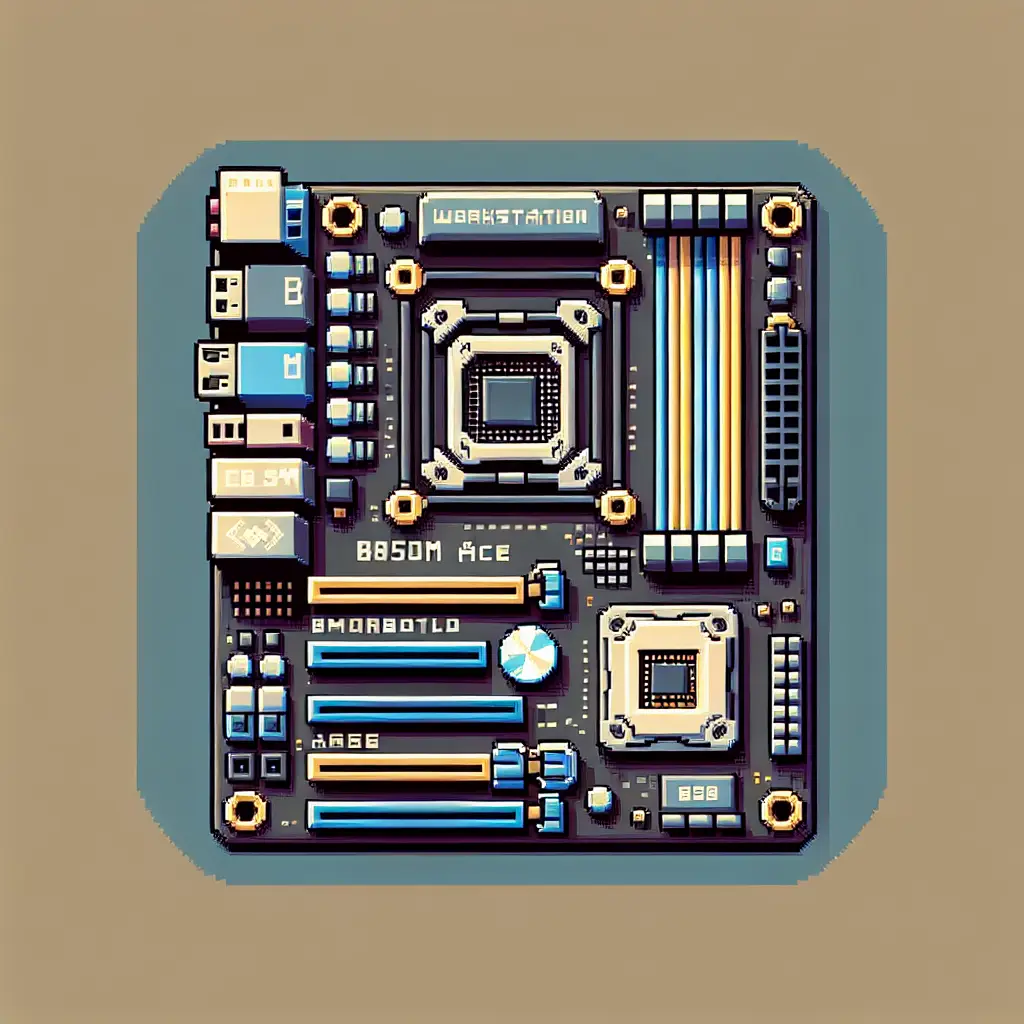
The first time you see the Pro WS B850M-ACE SE you do a double-take — the AM5 socket and the DIMM banks are rotated 90°, giving this microATX board an unconventional layout. That visual oddity is a clue: ASUS didn’t just squeeze desktop features into a smaller footprint. They rethought layout and connectivity to make a compact, IT-friendly workstation that pulls a surprising amount of pro-level hardware into a 244 × 244 mm package.

Below I unpack what makes this board interesting, who it’s for, and why that rotated socket matters beyond aesthetics.

Why this release matters now

  • AMD’s AM5 platform continues to expand from mainstream desktop into workstation and server-adjacent use. The B850 chipset fills a sweet spot for builders who want modern AM5 features without an E-ATX footprint.
  • ASUS targeted this board at compact workstations and small business servers by adding features you usually see on larger or server boards: onboard BMC with IPMI, a U.2 connector, dual high-speed Ethernet (10 Gb + 2.5 Gb), and PCIe 5.0 support.
  • With increasing demand for AI/ML inference at the edge and compact creator rigs, dense connectivity (fast NVMe, multi-Gb networking, remote management) matters as much as raw CPU core count.

Eye-catching specs at a glance

  • Form factor: microATX (244 × 244 mm).
  • Socket/chipset: AM5 with AMD B850 chipset — supports Ryzen 7000/8000/9000 and EPYC 4005 series.
  • Memory: 4 × DDR5 DIMM slots, up to 256 GB, EXPO support (OC up to high speeds).
  • Expansion/storage: PCIe 5.0 x16 primary slot, two M.2 slots (one PCIe 5.0 x4), MCIO support and an onboard U.2 connector.
  • Networking: onboard 10 Gb Ethernet + 2.5 Gb Ethernet, plus a dedicated 1 Gb IPMI/BMC port.
  • Management: onboard BMC (AST2600) with IPMI and ASUS Control Center Express for remote monitoring.
  • Extras: front USB-C 20 Gbps header, robust 8+2+1 power stages, 24/7 reliability testing.

(Full tech details on the ASUS product page linked below.)

The rotated socket: what it does and why ASUS might have chosen it

  • Space optimization: Rotating the CPU socket (and thus orienting the memory slots along a different axis) rearranges the board’s internal real estate. That allows ASUS to add server-grade features — BMC circuitry, a U.2 connector, MCIO, additional LAN ports — without pushing the layout beyond a microATX size.
  • Cooler compatibility trade-offs: Most aftermarket coolers assume the CPU orientation found on ATX boards. While standard AIOs and many air coolers will still fit, tight builds or unusual bracket designs could encounter clearance issues. Builders should check cooler compatibility against the board’s layout.
  • Cable routing and case fit: The rotated layout changes cable and fan header positions relative to case panels. For compact workstations and bespoke small-form-factor enclosures, that can be an advantage (shorter NVMe/MCIO traces, better airflow zoning) — just confirm the case supports the positioning.
  • Serviceability and pro usage: For IT/enterprise customers, being able to cram more I/O and remote management into a smaller board is a net win; the rotated layout is a practical compromise to prioritize features over standard orientation.

Who should consider the Pro WS B850M-ACE SE

  • Small business or home lab admins who need remote management (IPMI) but prefer a compact chassis. The onboard BMC and dedicated management NIC let you monitor and administer systems headlessly.
  • Creators and AI/ML hobbyists who want high-bandwidth storage (PCIe 5.0 M.2, MCIO, U.2) and multi-gig networking in a small desktop/workstation build.
  • Builders constrained by space who still want PCIe 5.0 graphics or accelerators plus enterprise-grade connectivity.
  • Not ideal for people who want plug-and-play compatibility with every consumer cooler or who insist on standard ATX layout expectations without checking clearances first.

Trade-offs and things to check before buying

  • Cooler fit: verify your CPU cooler (air or AIO bracket) supports the rotated socket or has enough clearance.
  • Case compatibility: microATX cases vary; double-check standoff alignment, IO shield area, and whether front-panel USB-C routing lines up.
  • U.2 vs modern NVMe priorities: U.2 remains useful for certain enterprise SSDs and hot-swap setups, but many consumer builds will rely primarily on M.2 drives. If you need U.2 specifically, this board is unusually accommodating for its size.
  • Remote management complexity: IPMI/BMC is powerful for IT, but it introduces additional configuration and potential security considerations; treat the BMC interface like any network-facing admin service.

How this fits into the broader AM5 & workstation landscape

ASUS is signaling that AM5 isn’t just for full-size enthusiast motherboards. By putting server-grade features into microATX format, they’re acknowledging a market trend: people want workstation capabilities in smaller form factors for edge inference, compact studios, and dense deployments. Expect more OEMs and board makers to explore similar compromises — squeezing IPMI, multi-gig networking, and industrial storage interfaces into smaller boards — especially as AI workloads demand fast local storage and network throughput.

My take

This is one of those “clever engineering” products: it doesn’t radically change performance specs for consumers, but it democratizes workstation features into a compact footprint that actually makes sense for modern workflows. The rotated socket is a pragmatic design choice rather than a gimmick — it unlocks space for the features that matter to IT and pro users. If you’re building a small workstation with remote management or need industrial storage support in a microATX box, this board is worth a close look. If you’re purely a gaming consumer who swaps coolers and cards frequently, the unusual layout means extra homework before purchase.

Practical buying notes

  • Expect pricing to be above typical consumer microATX boards because of the embedded BMC, 10 GbE, and industrial connectors. Retail listings show it in the workstation price band.
  • Verify BIOS compatibility with your chosen Ryzen or EPYC 4005 CPU (ASUS lists supported families; check the support page for CPU compatibility).
  • For IT deployments, plan for BMC security (firmware updates, network segmentation, credential management).

Final thoughts

ASUS’s Pro WS B850M-ACE SE is a tidy example of product differentiation: same AM5 ecosystem, but a different set of priorities. It’s a microATX motherboard built for professionals who need remote management, industrial storage options and high-speed networking without the bulk of a larger board. The rotated socket is simply the engineering price paid to make all that fit — a smart trade for the intended audience, and a sign that motherboards will keep evolving in form as well as function.

Sources


Related update: We recently published an article that expands on this topic: read the latest post.


Related update: We recently published an article that expands on this topic: read the latest post.