
A quiet gesture that said everything: Why Fernando Mendoza’s dad stayed seated during the CFP title night
There are moments in sports that need no commentary — a single image, a small action, a split-second decision that carries a lifetime of meaning. During Indiana’s College Football Playoff national championship win, while confetti fell and cameras swarmed the field, one simple choice by Fernando Mendoza’s father captured as much attention as any touchdown: he stayed seated beside his wife. For a generation raised on highlight reels and mic’d-up celebrations, that stillness felt like its own kind of celebration.
Why he stayed seated
- Fernando Mendoza told reporters the decision is deliberate: his father never stands at games so his mother, Elsa — who has lived with multiple sclerosis for many years and now uses a wheelchair — has an unobstructed view.
- It’s a practical, daily kindness that became a visible symbol during the national championship: a reminder that support can be quiet, consistent, and profoundly public without fanfare. (si.com)
The scene and the stakes
- The moment came after Indiana’s 27–21 victory over Miami on January 19, 2026, a result that capped a perfect 16–0 season and the program’s first national title.
- Cameras caught Fernando kneeling to embrace his mother on the field and then hugging his father — the family tableau that followed the final whistle made the simple act of sitting together feel cinematic. Fans and media quickly picked up on the family’s dynamic and the tender reasoning behind it. (people.com)
Why that small choice resonates beyond the stadium
- It reframes what “being there” means. In a culture that often equates presence with exuberance, Mendoza Sr.’s choice is a reminder that presence can be attentiveness — a daily accommodation born of love and necessity.
- It humanizes elite athletes. Mendoza’s on‑field heroics are headline material, but the image of a family tending to each other in plain sight helps fans connect on a deeper level.
- It lifts the conversation about caregiving into view. Multiple sclerosis and other chronic conditions touch millions of families. The Mendoza family’s public gratitude and visible accommodations subtly amplify that reality and the dignity of caregiving. (people.com)
Lessons from one seat in the stands
- Small habits tell big stories: the things families do every day — trading places, holding hands, staying seated so someone else can see — are powerful narratives when we slow down to notice.
- Public platforms can humanize private struggles: championship stages and national television gave an intimate family practice a wide audience, and the reaction showed people were hungry for that kind of humanity.
- Visibility matters: when public figures show the real contours of family life, the conversation about accessibility, accommodation, and caregiving gets a wider, more compassionate hearing.
A few takeaways for fans and fellow humans
- Actions matter more than spectacle. A quiet, thoughtful gesture can be as meaningful as the loudest celebration.
- Empathy scales — seeing someone make room (literally) for their loved one invites us all to consider how we make space in our own lives.
- Celebrations are for everyone. The best moments in sport are those where victory is shared, not staged.
My take
The image of Fernando kneeling with his mom and then embracing his dad — who had been sitting the whole time — felt like a small redemption of what sports are supposed to be about: community and connection. Mendoza’s father didn’t stand to avoid blocking Elsa’s view; he sat to make sure she was included. In a season filled with buzzer-beaters, viral interviews, and Heisman buzz, that quiet choice cut to the core of what makes the Mendoza story stick: family before finish line.
Sources
Related update: We recently published an article that expands on this topic: read the latest post.
Related update: We recently published an article that expands on this topic: read the latest post.
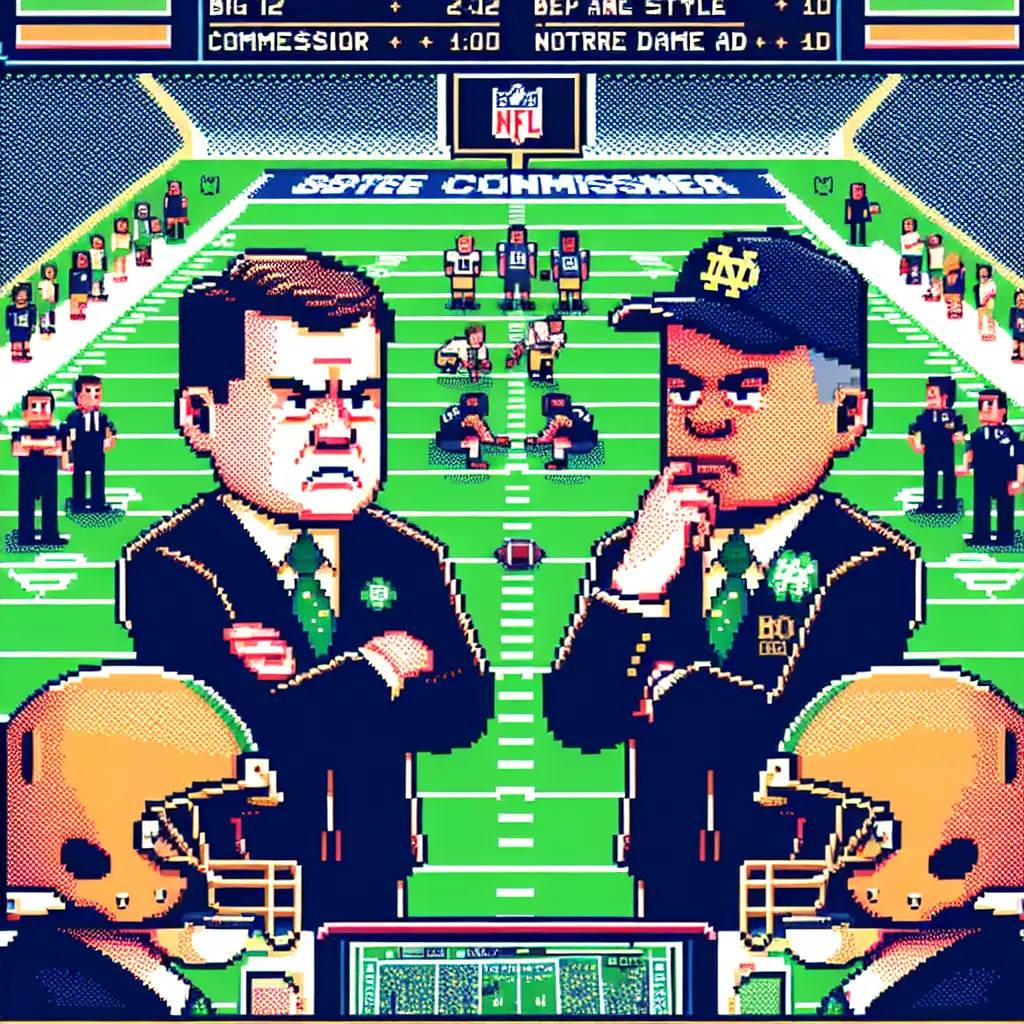
Notre Dame’s Public Meltdown and the Cost of Burning Bridges
The college-football offseason rarely delivers on drama like a rivalry game — yet here we are: Notre Dame’s athletic director, Pete Bevacqua, publicly calling out the ACC after the Fighting Irish were left out of the 2025 College Football Playoff, and Big 12 commissioner Brett Yormark answering back by calling Bevacqua’s actions “egregious.” The exchange is more than headline fodder. It’s a study in modern power dynamics in college sports: brand protection, conference alliances, and the long memory of favors.
Why this row matters more than just pride
- Notre Dame is unique: football independent in practice but tied to the ACC in most sports and scheduling agreements. Its network of relationships matters more than ever in an expanded 12-team playoff world.
- Public finger-pointing isn’t just awkward — it can cost future scheduling, revenue, and political capital when the sport’s power players make decisions about expansion, access, and TV money.
- Brett Yormark’s rebuke highlights an important theme: institutions that benefit from alliances don’t always get to publicly scold their partners without consequences.
What happened (plain and simple)
- After the CFP selection favored Miami over Notre Dame (Miami had the head-to-head win), Pete Bevacqua publicly criticized the ACC, accusing it of undermining Notre Dame’s case by pushing Miami in league messaging and social media.
- Notre Dame officials also signaled the relationship with the ACC had been “strained,” and Bevacqua suggested the league’s actions did “permanent damage.”
- At the Sports Business Journal Intercollegiate Athletics Forum, Big 12 commissioner Brett Yormark called Bevacqua’s conduct “egregious” and “totally out of bounds,” noting the ACC had “saved” Notre Dame during the COVID-19 season in 2020 by giving them a full conference schedule and access to the conference championship.
- The episode opened talk of potential reprisals from other athletic directors (scheduling aversion), and renewed speculation about where Notre Dame fits in the evolving conference landscape. (bleacherreport.com)
A closer look at the players and incentives
-
Pete Bevacqua (Notre Dame AD)
- Incentives: Protect Notre Dame’s brand, fight for access to the playoff and its financial upside, and signal to fans and donors that the program will push back.
- Risk: Alienating conference allies, compromising behind-the-scenes relationships that matter for scheduling and future political support.
-
Jim Phillips (ACC commissioner)
- Incentives: Advocate for all ACC members and preserve the league’s credibility when promoting its teams.
- Risk: Accusations of favoritism, even if the league was acting within normal advocacy duties.
-
Brett Yormark (Big 12 commissioner)
- Incentives: Defend conference solidarity and discourage public feuds that could destabilize the broader system.
- Risk: Appearing partisan or discouraging legitimate transparency about selection processes.
Bigger context: governance, memory, and leverage
- College sports is a relationship economy. Conferences and independents trade scheduling, revenue sharing, and access. Publicly criticizing a partner is not just emotional — it’s strategic malpractice if you need that partner again.
- Yormark’s point about the 2020 season is a reminder: favors are remembered. The ACC allowed Notre Dame a 10-game conference slate in COVID-impacted 2020; that accommodation had long-term competitive consequences and built goodwill.
- The CFP’s expanded format and the myriad memorandums and understandings that govern access mean that political capital and perceived fairness matter almost as much as wins and losses.
Key takeaways
- Publicly calling out a partner rarely wins loyalty; it often costs leverage.
- Short-term PR satisfaction (rallying the fanbase) can come with long-term strategic losses (fewer high-quality opponents, strained negotiations).
- Transparency in selection criteria is crucial — but the way institutions air grievances matters just as much as the grievance itself.
- The Notre Dame–ACC–CFP spat is a microcosm of college sports’ transition: bigger stakes, more politics, and less room for emotional outbursts without consequences.
My take
Bevacqua’s frustration is understandable — missing the CFP stings, and athletic directors are tasked with fiercely protecting institutional interests. But stewardship in college athletics requires a balance between defending your program and preserving the relationships that make future success possible. Publicly accusing a conference partner of undermining you burns trust. Yormark’s rebuke isn’t just rhetorical theater; it’s a reminder that in the post-expansion era, relationships are currency. Notre Dame’s leadership needed a different channel: a private, strategic response that preserved options rather than narrowed them.
Sources
Related update: We recently published an article that expands on this topic: read the latest post.
Related update: We recently published an article that expands on this topic: read the latest post.