Steam Goes Fully 64‑Bit on Windows | Analysis by Brian Moineau

Steam finally goes fully 64‑bit on Windows — and it actually matters

A small, quiet change rolled out in December 2025 that will make a surprising number of problems less annoying over time: Valve has converted the Windows Steam client to a native 64‑bit application. If that sounds like a nerdy footnote, stick with me — this is the kind of technical housekeeping that unlocks better stability, simpler development, and fewer edge-case crashes for millions of PC gamers.

What to know right away

  • The Steam desktop client for Windows 10 (64‑bit) and Windows 11 is now a native 64‑bit application (stable rollout in December 2025).
  • Valve will continue delivering a 32‑bit build only to systems that require it until January 1, 2026; after that date 32‑bit Windows installs will no longer receive updates or support.
  • The update also bundled several quality‑of‑life fixes and controller/input improvements (friends/chat reporting tweaks, recording/export fixes, better controller support, Big Picture/Remote Play bug fixes).

Why this upgrade matters

Upgrading an app from 32‑bit to 64‑bit is more than a checkbox for developers. For Steam, the switch brings practical benefits:

  • Better memory handling. A 64‑bit client can address far more memory, which makes it harder for leaks or memory‑hogging bugs to bring the whole Steam client (and sometimes the running game) to its knees.
  • Cleaner toolchain and testing. Valve no longer has to maintain two separate native builds for modern Windows installs, which reduces platform complexity and frees engineering time.
  • Compatibility with modern platform pieces. Many modern libraries, browser engines, and drivers are optimized for 64‑bit Windows — moving the client to 64‑bit aligns Steam with that ecosystem and avoids fragile edge cases.
  • A path for future features. Removing a legacy constraint lets Valve adopt newer subsystems or optimizations that assume 64‑bit execution.

Put simply: this is an investment in long‑term stability and fewer weird failures for the vast majority of Steam users.

What else shipped with the December update

Valve didn’t stop at the binary switch. The release notes and coverage show a batch of smaller but tangible fixes and additions:

  • Friends & Chat: new reporting options for suspicious or harassing messages inside group chats (right‑click to report and optionally block/unfriend).
  • Game recording: fixes for exporting H.265 videos and clipboard issues on certain NVIDIA 50xx GPUs.
  • Steam Input: expanded controller support — including Nintendo Switch 2 controllers over USB, improved GameCube adapter behavior in Wii U mode (with rumble), and pairing improvements for high‑end controllers like DualSense Edge and Xbox Elite.
  • Big Picture / Remote Play: stability and usability fixes (fewer in‑game purchase failures for some titles, Remote Play mouse movement fixes across multiple monitors when using touch).
  • Miscellaneous stability fixes: for the embedded browser helper and other components that could occasionally spawn stray windows.

These are the small wins that make day‑to‑day Steam use more pleasant.

Who’s affected (and who isn’t)

  • Practically everyone on modern Windows is unaffected in a painful way — if you’re on Windows 10 64‑bit or Windows 11 you get the 64‑bit client automatically.
  • A vanishingly small group of users on 32‑bit Windows 10 (Valve’s telemetry puts this at around 0.01% of the user base) will still be able to run Steam for a short while, but their client will stop receiving updates and security fixes after January 1, 2026. If you’re in that group, upgrading to a 64‑bit OS is the practical recommendation.
  • 32‑bit games remain supported. This change affects the Steam client binary and support lifecycle for 32‑bit Windows OSes — it doesn’t mean Valve is suddenly dropping older games.

The broader context

The move fits a larger trend across the industry: operating systems and large platform apps are shedding 32‑bit legacy support. Microsoft’s push and the natural hardware turnover means most PCs now run 64‑bit Windows, and browser engines and middleware are drifting away from 32‑bit compatibility. For Valve, consolidating around 64‑bit simplifies interactions with anti‑cheat vendors, browser components, and controller vendors — all of which tend to favor 64‑bit builds.

It’s also a subtle signal about priorities: Valve is choosing engineering simplicity and future readiness over maintaining obscure legacy setups. For a platform serving hundreds of millions of users, that pragmatism makes sense.

My take

This isn’t flashy, but it’s the kind of under‑the‑hood improvement that compounds. You won’t see a headline getting you excited about a new feature, but you will notice fewer random crashes, smoother controller behavior, and a slightly cleaner Steam client experience over time. For power users and developers, it removes a constraint that used to complicate troubleshooting and testing. For the tiny fraction still on 32‑bit Windows, the deadline of January 1, 2026 makes upgrading unavoidable if you want continued support.

Sources


Related update: We recently published an article that expands on this topic: read the latest post.
Related update: We recently published an article that expands on this topic: read the latest post.

The Fed’s New Focus: Rethinking Long-Term | Analysis by Brian Moineau

The Fed’s Evolving Mandate: A Look Beyond the Dual Focus

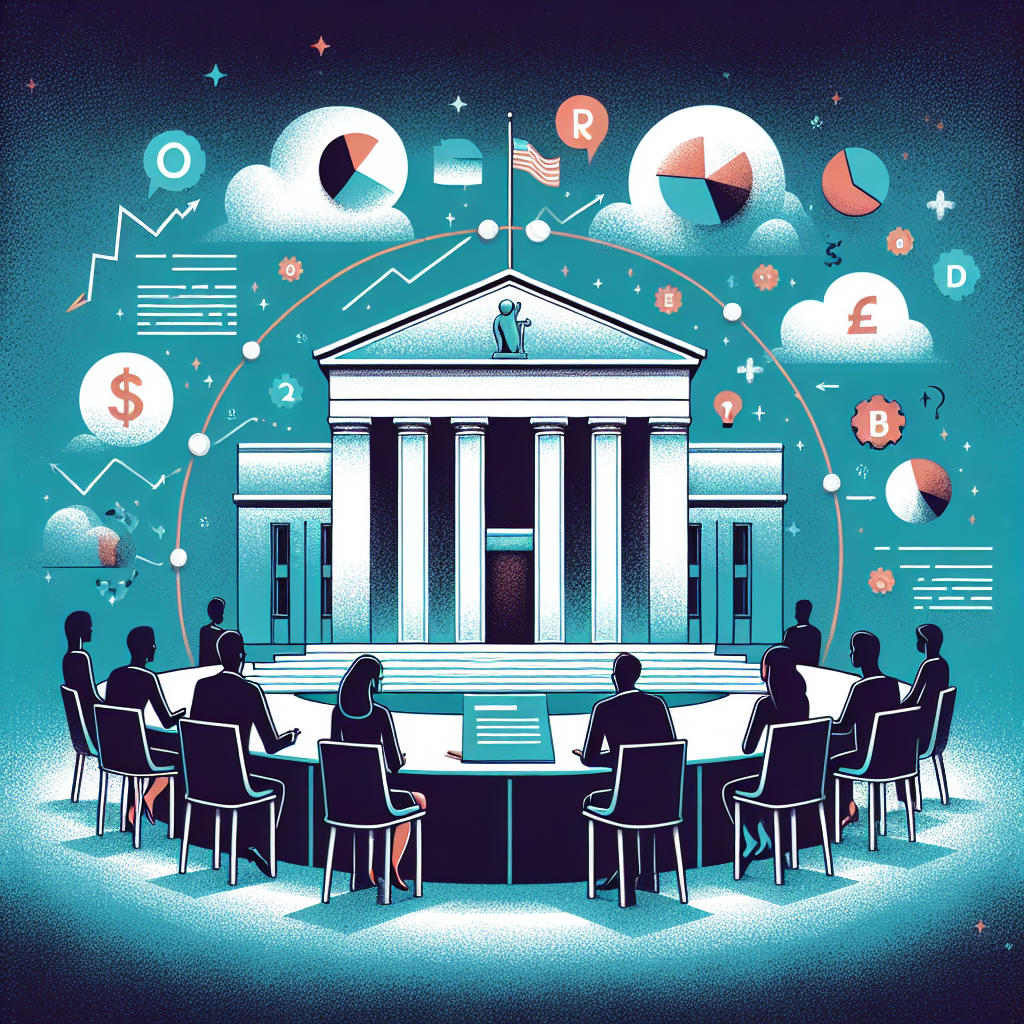
In the ever-shifting landscape of U.S. monetary policy, it seems the Federal Reserve is navigating uncharted waters. Recent discussions led by Jerome Powell and Stephen Miran have brought to light the notion that the Fed may not just be focused on its traditional dual mandate of maximum employment and stable prices. Instead, they hinted at a third goal: managing long-term interest rates. This conversation opens up a wealth of questions about the future of our economy and the direction of monetary policy.

The Traditional Mandate: A Quick Overview

For decades, the Federal Reserve has operated under a dual mandate. This means that its primary objectives are to promote maximum employment and ensure price stability. However, as inflation has surged and the economic landscape has evolved, some experts argue that the Fed needs to broaden its focus. The recent discussions underscore the idea that long-term interest rates deserve more attention in shaping monetary policy.

Context: The Changing Economic Landscape

In the wake of the pandemic, the economy has experienced unprecedented volatility. Supply chain disruptions, workforce shortages, and rising energy prices have all contributed to inflation rates that many experts have not seen in decades. As central bankers like Powell and Miran grapple with these challenges, it’s clear that a narrow focus on employment and inflation may no longer suffice.

Moreover, the long-term interest rate rule—essentially a guideline that outlines how interest rates should be adjusted based on economic conditions—has seemingly slipped from the radar. This oversight could have significant implications for how the Fed approaches its policies moving forward.

Key Takeaways

Broader Focus Needed: Experts are advocating for a more comprehensive approach to monetary policy that includes long-term interest rates.

Inflation Concerns: The ongoing inflation crisis is pushing the Fed to reconsider its dual mandate and explore additional goals.

Long-Term Interest Rates: There’s a growing recognition that managing long-term interest rates is crucial for sustainable economic health.

Policy Implications: The Fed’s evolving focus could lead to changes in how monetary policy is implemented, impacting everything from loans to savings rates.

Economic Stability: A well-rounded approach could help ensure greater economic stability in the face of future uncertainties.

Concluding Reflection

As the Federal Reserve navigates these complex economic waters, the conversation around its mandate is more crucial than ever. Acknowledging the importance of long-term interest rates could be a game-changer for monetary policy, potentially leading to more stable economic conditions. While change can be intimidating, it’s often necessary for growth. The Fed’s ability to adapt to new challenges may ultimately determine the strength and resilience of the U.S. economy.

Sources

– “The Fed doesn’t have a ‘dual’ mandate—Jerome Powell and Stephen Miran are talking about the third.” Fortune. [Fortune Article](https://fortune.com/2023/10/05/fed-dual-mandate-jerome-powell-stephen-miran-third-mandate-interest-rates/)

By shifting our focus from a dual mandate to a broader understanding of economic dynamics, we can better prepare for the future. As we reflect on these discussions, it’s clear that the path to economic stability may require a more nuanced approach than we’ve previously considered.


Related update: We recently published an article that expands on this topic: read the latest post.

Related update: We recently published an article that expands on this topic: read the latest post.

Fed Gets Green Light for Interest Rate Cuts as Unemployment Rate Jumps to 4-Year High – Realtor.com | Analysis by Brian Moineau

Fed Gets Green Light for Interest Rate Cuts as Unemployment Rate Jumps to 4-Year High - Realtor.com | Analysis by Brian Moineau

Blog Post: The Fed’s Interest Rate Tango: A Dance with the Economy

In a world where economic indicators often feel as unpredictable as a game of Jenga on a shaky table, the recent news that the Federal Reserve has been given the green light for interest rate cuts might just be the stability we need—or at least a strategic move in the economic dance. According to Realtor.com, the unemployment rate has jumped to a four-year high, prompting the Fed to consider cutting interest rates in response. Let's unpack what this means, not just for the U.S. economy but for your wallet and perhaps even your dream of owning that cozy cottage by the lake.

The Fed’s Balancing Act

The Federal Reserve has always played a critical role in maintaining economic stability. By adjusting interest rates, the Fed can either cool down an overheating economy or give it a much-needed boost. With unemployment on the rise, this is an opportune moment for the Fed to step in and cut rates. Lower interest rates mean cheaper borrowing costs, which can stimulate spending by consumers and businesses alike. This is akin to giving the economy a shot of espresso—just what it might need to liven up!

However, this isn’t a decision made lightly. Jerome Powell, the Fed Chair, and his team must weigh the potential risks of cutting rates. Lower rates could lead to increased borrowing, which is great for economic growth, but it could also inflate asset bubbles. It’s a delicate dance, where one wrong move could send the economy spinning off the floor.

Global Economic Connections

The decision to cut rates doesn’t occur in isolation. Globally, economies are interlinked in a complex web of trade and finance. Recently, the International Monetary Fund (IMF) lowered its global growth forecasts, citing issues such as trade tensions and geopolitical uncertainties. A move by the Fed to lower rates could have ripple effects, influencing other central banks to consider similar measures to keep their economies competitive and prevent capital outflows.

Moreover, with the ongoing buzz around climate change and sustainability, it’s interesting to note how economic policies are increasingly factoring in environmental impacts. Investment in green technologies is becoming a priority, and lower interest rates could provide the necessary capital boost for these eco-friendly ventures.

The Real Estate Angle

For those eyeing the real estate market, this news comes as a mixed bag. On one hand, lower rates could make mortgages more affordable, a boon for homebuyers. Realtor.com’s insights suggest that this could invigorate the housing market, which has been showing signs of cooling off. On the other hand, if unemployment continues to rise, consumer confidence might wane, impacting the real estate sector negatively.

Final Thoughts

As the Fed prepares to potentially tweak interest rates, it’s crucial to remain informed and pragmatic about the implications. While lower rates could indeed stimulate economic activity, they also come with their own set of challenges. For the average person, this might be a good time to reassess financial plans, whether it’s locking in a mortgage rate or considering investments.

In the grand scheme of things, economic policies are like a complex waltz—requiring precision, timing, and a bit of flair. The Fed’s decision to cut rates will be just one move in this ongoing dance, one that affects not just Wall Street but Main Street too.

As we watch this economic choreography unfold, let’s hope it leads to a harmonious outcome for all. After all, in the dance of economics, every step counts.

Read more about AI in Business

Read more about Latest Sports Trends

Read more about Technology Innovations

Why oil prices are falling, and what it means for the economy – NPR | Analysis by Brian Moineau

Why oil prices are falling, and what it means for the economy - NPR | Analysis by Brian Moineau

Title: The Ripple Effect of Falling Oil Prices: A Win for Consumers, a Challenge for Oil Companies

As we ride the rollercoaster of global economics, one of the more thrilling aspects has been the recent plunge in oil prices. For many, it's akin to finding a hidden stash of cash in the pockets of last winter's coat. Yet, while consumers revel in the unexpected boon, oil companies are left adjusting their belts. This dichotomy paints an interesting picture of the global economy and its interconnectedness, as highlighted in a recent NPR article, "Why oil prices are falling, and what it means for the economy."

The Mechanics Behind the Drop

Several factors have contributed to this drop in oil prices. One major player is the ongoing saga of global tariffs, which have injected uncertainty into the economy. As countries grapple with the implications of tariffs, oil demand has wavered, leading to a decrease in prices. Simultaneously, OPEC's decision to increase oil production has flooded the market with more barrels, further driving down costs. It's a classic tale of supply and demand, with the scales tipping in favor of supply.

But this isn't just a simple supply-and-demand story. The global oil market is a complex beast, influenced by geopolitical tensions, technological advancements, and environmental considerations. For instance, the rise of renewable energy sources and electric vehicles is reshaping energy consumption patterns, adding another layer to the oil price narrative.

Consumers in the Driver's Seat

For everyday consumers, this dip in oil prices is a welcome relief. Lower prices at the pump mean more disposable income for travel, shopping, or saving for a rainy day. It's a small victory in a world where the cost of living seems to perpetually climb. Moreover, industries reliant on fuel, such as airlines and transportation companies, can also enjoy reduced operational costs, which may trickle down to consumers as well.

Oil Companies Feeling the Heat

On the flip side, oil companies are navigating choppy waters. Lower prices mean tighter profit margins, and for some, it could mean scaling back operations or delaying new projects. This is where the economic ripple effect becomes apparent. Reduced profits can lead to job cuts in the sector, impacting local economies, particularly in regions heavily reliant on oil production.

Yet, this isn't the first time the oil industry has faced such challenges. Historically, the sector has shown resilience, adapting through innovation and strategic shifts. Diversification into renewable energy and investing in technology to improve efficiency are some avenues companies might explore to weather this storm.

Global Implications

The fluctuating oil prices are not happening in isolation. They are intertwined with broader global issues, such as the ongoing climate change debate and the push for sustainable energy solutions. As nations strive to meet climate goals, the pressure on traditional energy sources mounts, influencing policy decisions and consumer behavior.

Furthermore, the dynamics of oil prices also affect geopolitical alliances and conflicts. Countries heavily dependent on oil revenues must strategize to maintain economic stability, sometimes leading to shifts in foreign policy and trade relations.

Final Thoughts

In the grand tapestry of global economics, the fall in oil prices is but one thread. It highlights the delicate balance between consumer benefits and industry challenges, showcasing the interconnected nature of modern economies. As we move forward, the key will be adaptability—both for consumers enjoying the current relief and for companies strategizing for long-term sustainability.

The oil price saga is a reminder of the ever-changing nature of global economics, where today's advantage can quickly become tomorrow's challenge. As we watch this story unfold, the focus should remain on innovation and collaboration, ensuring that the benefits and challenges are shared across the board. Let's keep our eyes on the horizon, ready for the next chapter in this economic adventure.

Read more about AI in Business

Read more about Latest Sports Trends

Read more about Technology Innovations

How to stay on Windows 10 instead of installing Linux – theregister.com | Analysis by Brian Moineau

How to stay on Windows 10 instead of installing Linux - theregister.com | Analysis by Brian Moineau

Title: Embracing Windows 10: A Journey of Comfort and Choice in the Tech World

In a world where operating systems evolve faster than our morning cup of coffee cools, sticking with what you know can feel oddly comforting. Amidst the flurry of technological advancements, the debate over whether to upgrade to Windows 11 or explore the alternative landscape of Linux is heating up. Yet, there's a third option gaining traction—staying put on trusty Windows 10.

As highlighted in a recent article by The Register, the choice to remain on Windows 10 is not only a feasible one but also a legal and surprisingly sensible option for many users. Whether you're constrained by hardware limitations or simply prefer the familiarity of your current setup, staying with Windows 10 allows you to maintain a stable environment while exploring other tech trends without disruption.

The Comfort of the Known

For many, technology can be a double-edged sword. While new updates promise enhanced security, improved functionalities, and sleek designs, they often come with a learning curve and the potential for bugs. Windows 11 has been lauded for its aesthetic and performance improvements, but it also demands specific hardware requirements that not all users can meet. This has left a significant number of users contemplating their next move.

Enter Windows 10—a steadfast companion since its release in 2015. With support extended until October 2025, Windows 10 offers an ideal solution for those who wish to avoid the hassle of upgrading hardware or learning a new system just yet. This decision aligns with broader societal trends where stability often trumps novelty, as seen with the resurgence of vinyl records, or even the growing preference for sustainable fashion over fast fashion.

Legal and Viable Alternatives

The Register's article emphasizes that staying on Windows 10 is entirely legal, a point that may surprise some who feel pressured to constantly upgrade. Microsoft continues to support Windows 10 with security updates, ensuring that users are not left vulnerable. This approach mirrors industries like automotive, where older models are still maintained and driven with pride and reliability.

Connections to the Broader World

The tech world isn't the only place where the old meets the new. Consider the culinary world, where classic recipes are cherished alongside modern gastronomic experiments. Similarly, in sports, veteran athletes often provide the wisdom and stability that balance the exuberance of rising stars. A prime example is Tom Brady, whose enduring career in the NFL has shown that sometimes, experience and consistency are as valuable as youthful innovation.

Final Thoughts

Choosing to remain on Windows 10 is a testament to the power of choice in technology. While the allure of new operating systems can be strong, there's undeniable value in sticking with the tried and true. In a rapidly changing world, sometimes staying put is the most revolutionary act of all. So, whether you're a tech enthusiast or simply someone who likes what they know, rest assured that staying on Windows 10 is not only an option—it's a perfectly valid one.

As we navigate the ever-evolving tech landscape, let's remember that the best choice is the one that serves our needs and brings us satisfaction. After all, in both technology and life, it's all about finding what works for you.

Read more about AI in Business

Read more about Latest Sports Trends

Read more about Technology Innovations

Unemployment fears hit worst levels since Covid as tariffs fuel inflation outlook, Fed survey shows – CNBC | Analysis by Brian Moineau

Unemployment fears hit worst levels since Covid as tariffs fuel inflation outlook, Fed survey shows - CNBC | Analysis by Brian Moineau

Navigating the Economic Storm: Unemployment Fears and Inflation Woes


As the world continues to grapple with the aftershocks of the Covid-19 pandemic, it seems we've found ourselves in the economic equivalent of a perfect storm. A recent survey by the Federal Reserve, highlighted in a CNBC article, paints a picture of growing consumer concerns over inflation, unemployment, and the stock market. Let's dive into the heart of these issues and explore their broader implications.

The Tariff Tangle


One of the primary drivers of these economic jitters is the ongoing global trade war. Tariffs, initially introduced as leverage in international negotiations, have started to take a toll on both consumer prices and business operations. It's a bit like playing a high-stakes poker game; every time a country raises its tariffs, it risks driving up inflation, which in turn impacts everything from grocery bills to mortgage rates.

This isn't the first time tariffs have stirred the economic pot. History is peppered with examples, such as the Smoot-Hawley Tariff Act of 1930, which many economists believe exacerbated the Great Depression. While today's global economy is vastly different, the fundamental principles remain the same: trade barriers often come with unintended consequences.

Rising Unemployment Fears


Adding another layer of anxiety is the specter of unemployment. The pandemic-induced job market recovery, while robust in some sectors, remains uneven. Industries like hospitality and travel have bounced back with vigor, but others, especially those reliant on international supply chains, continue to struggle.

According to the Fed's survey, consumer confidence in job security is at its lowest since the height of the pandemic. This unease is not unfounded; the ripple effects of supply chain disruptions and increased production costs can lead to job cuts as companies seek to preserve their bottom lines.

Inflation: The Silent Wallet Drainer


Inflation is the silent economic force that erodes purchasing power. As tariffs drive up production costs, these increases are often passed down to consumers. The result? Higher prices on everyday goods and services. The Fed's survey reveals that these inflationary pressures are a major concern for consumers, who fear that their hard-earned dollars will stretch less and less.

The situation isn't entirely bleak, though. Some economists argue that moderate inflation can be a sign of a growing economy. However, when inflation outpaces wage growth, it can lead to decreased consumer spending, which in turn slows economic growth—a delicate balance that policymakers must manage.

A Broader Perspective


While these economic challenges may seem daunting, it's crucial to remember that the world has faced similar trials before and emerged stronger. For instance, during the 2008 financial crisis, coordinated global efforts led to significant economic reforms that bolstered financial systems worldwide.

Moreover, innovation continues to thrive despite these challenges. Just look at the rise of remote work technologies and the rapid development of vaccines during the pandemic. These advancements not only address immediate needs but also lay the groundwork for future growth.

In the broader context, geopolitical tensions, like those between the US and China, also play a significant role in shaping economic landscapes. As countries navigate these complex relationships, the emphasis on diplomacy and cooperation becomes ever more critical.

Final Thoughts


While the current economic landscape may feel uncertain, it's essential to approach these challenges with both caution and optimism. Consumers and businesses alike must remain adaptable, as flexibility is often the key to weathering economic storms.

As we look ahead, the lessons learned from past crises can guide us. By fostering innovation, strengthening global cooperation, and prioritizing economic stability, we can overcome these hurdles and pave the way for a more resilient future.

In the words of Winston Churchill, "A pessimist sees the difficulty in every opportunity; an optimist sees the opportunity in every difficulty." As we navigate these turbulent times, let's choose optimism and work towards a brighter economic future.

Read more about AI in Business

Read more about Latest Sports Trends

Read more about Technology Innovations