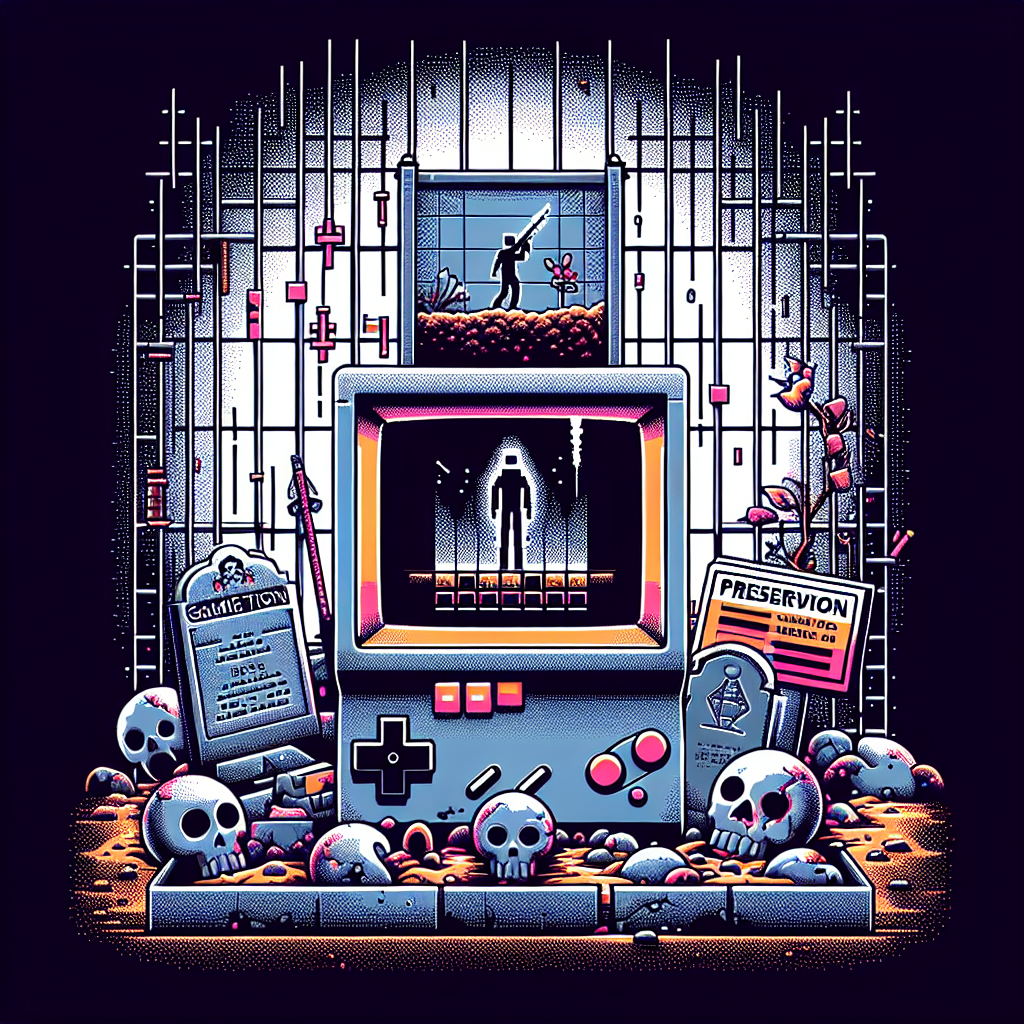
When a Failed Shooter Refuses to Die: Blindfire Lives On Because Games Are Art
Blindfire is now free to play and will stick around for "years" so players can see what the studio created — and that simple choice tells us more about games, preservation, and the economics of live-service design than a typical shutdown story does.
The news landed quietly on May 7, 2026: Double Eleven rebranded the struggling FPS as Blindfire: Lights Out, pushed a final major update, and flipped the price to free. Crucially, the studio said it will keep the servers running for years because, as the team put it on the Steam page, they’re “proud of it” and want to preserve the work. That line — “games are art and deserve to be preserved” — is the headline-grabbing quote, but the decision behind it sits at the crossroads of creative pride, player goodwill, and the messy realities of maintaining online games.
Why this matters beyond a niche shooter
Most players have seen this pattern: an online game launches, fails to attract the numbers the publisher hoped for, and then quietly powers down. It’s jarring because, unlike single-player titles you can keep on a shelf, live multiplayer games often disappear entirely when servers go offline or licensing expires. Blindfire’s pivot — going free and remaining online despite its commercial struggles — feels like an act of preservation that acknowledges games as cultural artifacts, not just revenue streams.
That matters because digital ephemerality is real. When a server goes dark, so do the unique systems, player histories, and social experiences that made the game what it was. For some studios that inability to “archive” a multiplayer experience is an ethical sore point: games embody design choices, music, code, and community interactions that future devs, historians, and curious players will never see if everything is erased.
Blindfire: the short story
- Released in October 2024 as an experimental online FPS built around darkness and detection.
- Never carved out a big audience amid fierce competition and discoverability issues.
- After a year without major patches, Double Eleven released a final update on May 7, 2026, renamed the game Blindfire: Lights Out, and made it free to download.
- The studio committed to keeping servers running for “years” so people can play and researchers or fans can study the design. (kotaku.com)
Blindfire is now free to play and will stick around for 'years' so players can see what the studio created
That phrase — the official framing of the update — works as both marketing and manifesto. On one hand, free-to-play removes a price barrier that was likely limiting discovery. On the other, the “we’ll keep it online” pledge signals respect for the project’s lifespan beyond pure profit.
This approach isn’t unprecedented, but it’s rare. Some studios release server tools, set up private-server support, or open-source parts of a game so communities can continue running them. Double Eleven’s choice to keep the official servers live is different: it preserves the canonical experience under the developer’s own care.
The tension: stewardship versus sustainability
Keeping a game online is not free. Servers, matchmaking infrastructure, anti-cheat systems, and staff time all cost money. When a title is losing players and revenue, companies typically cut those costs. So why would a studio choose preservation over immediate bottom-line savings?
- Reputation and goodwill. A public gesture to preserve a game can build trust and respect across the community and the wider industry.
- Ethical and historical considerations. For teams proud of their work, shutting it down feels like erasing a creative statement.
- Low-cost middle ground. Some server bills and maintenance can be scaled back; keeping simple, low-overhead servers running might be feasible for years with modest investment.
- Future upside. A preserved title can become a historical curiosity, a case study, or even a source of renewed interest later on.
That last point is practical: the way communities rediscover old games — through streamers, nostalgia, or unexpected cultural moments — means that “dead” titles can sometimes be revived. A standing server makes any revival simpler.
Where this sits in the bigger preservation debate
Game preservation activists and archivists have long warned that more games are being lost every year, especially online-only experiences. The Blindfire case adds nuance: publishers can act as stewards, not just gatekeepers. It also highlights the need for industry standards around preservation: documentation, tooling for private servers, and clearer licensing for assets and code.
At the same time, the move raises questions. Will Double Eleven truly fund servers “for years,” or is this a temporary grace period? How will anti-cheat, matchmaking, and live services be maintained long-term? The answers matter for players who invest time and identity in these worlds.
Players and preservation: what this means for you
- If you’re curious, now’s the perfect time to try Blindfire: Lights Out while the official servers remain active. Free access makes it easy to experiment without commitment. (kotaku.com)
- If you value digital preservation, support initiatives that document live-service games: archival projects, fan wikis, and recordings of gameplay are all critical.
- For developers, this is a reminder that the choices you make at the end of a project define its legacy — whether it’s open-sourcing tools, providing server-running instructions, or simply announcing a preservation plan.
My take
I’m glad Double Eleven chose to keep Blindfire alive. It’s a humane move in an industry that often treats projects like disposable experiments. Preserving a game acknowledges the labor and creativity behind it, and it keeps an honest record of what developers tried — successes and failures both.
That said, this can’t be the only pattern. Preservation needs systemic solutions: clearer laws around game archiving, industry norms for handing off server code, and funding for noncommercial archival efforts. Developer goodwill helps, but it’s fragile when balanced against quarterly budgets.
Sources
-
Failed Online Shooter Won't Shut Down Because 'Games Are Art And Deserve To Be Preserved' — Kotaku. https://kotaku.com/blindfire-free-to-play-steam-shooter-fps-update-shut-down-2000694020. (kotaku.com)
-
Blindfire: Lights Out — Official news on blindfiregame.com. https://www.blindfiregame.com/news. (blindfiregame.com)
-
Blindfire (App ID 2854480) — SteamDB entry confirming release and updates. https://steamdb.info/app/2854480/. (steamdb.info)
Related update: We recently published an article that expands on this topic: read the latest post.
Related update: We recently published an article that expands on this topic: read the latest post.

