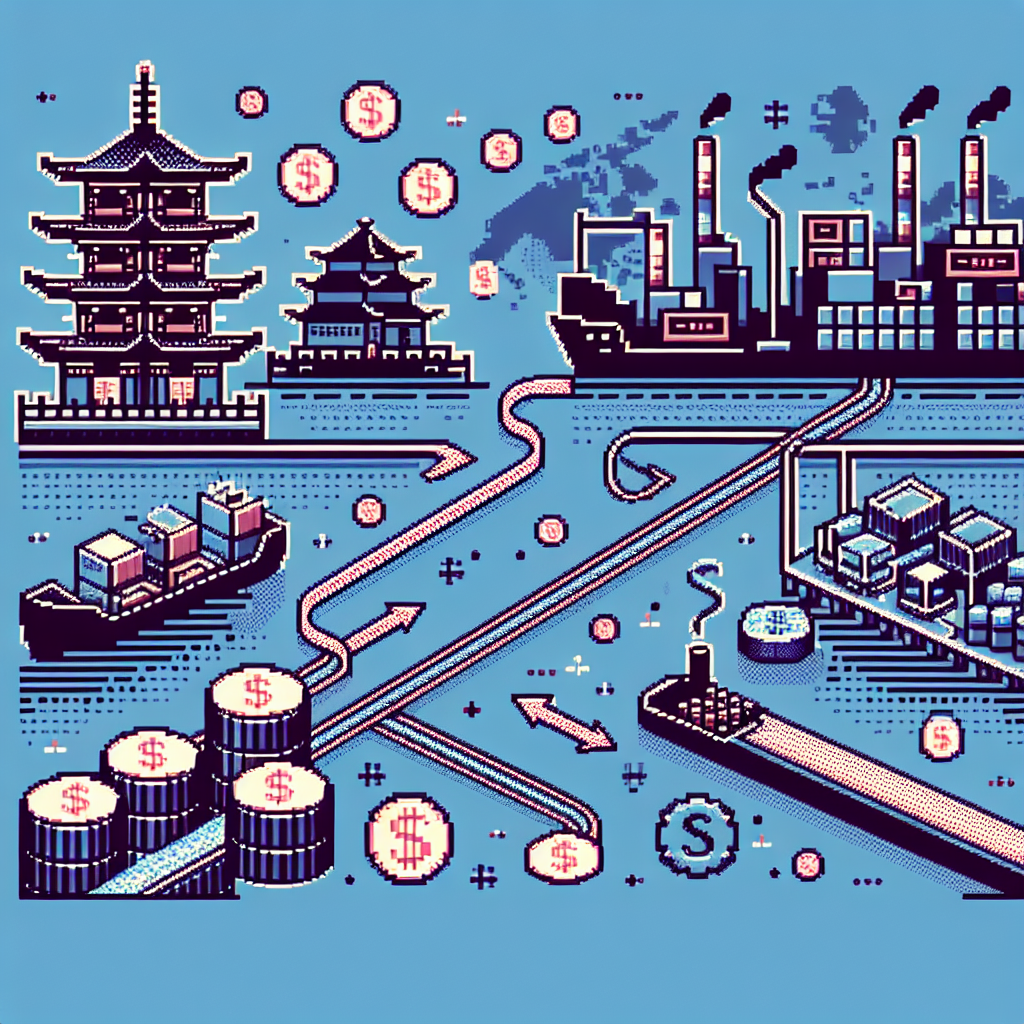
China reports bumper April exports ahead of crucial trade talks with US – Financial Times | Analysis by Brian Moineau

China reports bumper April exports ahead of crucial trade talks with US - Financial Times | Analysis by Brian Moineau

Navigating the Trade Winds: China's Export Surge and the Global Chessboard

In a world where economic narratives are as dynamic as the tides, China's latest trade data offers a compelling chapter. According to the Financial Times, China's exports have experienced a remarkable surge in April, largely buoyed by increased shipments to Southeast Asia and Europe. This uptick comes at a particularly pivotal moment, just ahead of crucial trade talks with the United States. The timing couldn't be more interesting, as these negotiations could potentially reshape the contours of global trade.

Shifting Trade Currents

China's ability to offset a drop in exports to the United States with increases in other regions is a testament to its strategic maneuvering in the global market. As the world's factory, China has been adept at expanding its trade networks, and the current data underscores its resilience. The pivot to Southeast Asia and Europe is not just a reaction to strained US-China trade relations but also a reflection of China's long-term strategy to diversify its economic relationships. In recent years, China's Belt and Road Initiative has fostered stronger ties with these regions, providing a foundation for increased trade.

A Broader Context

This development in China's trade dynamics is happening against a backdrop of significant global economic shifts. For instance, Europe is increasingly looking to strengthen its own economic ties within Asia, as seen in the EU's recent investment agreements with Vietnam and other Southeast Asian nations. Meanwhile, the United States is recalibrating its trade policies, focusing on reshoring industries and reducing dependency on foreign manufacturing, particularly from China.

The trade talks between China and the US are a microcosm of a larger geopolitical chess game. Both nations are vying for economic supremacy, but they are also aware of their intertwined destinies. The global supply chain disruptions caused by the COVID-19 pandemic have added an extra layer of urgency to these discussions, reminding all parties of the need for a more resilient and diversified global economy.

Global Trade and Innovation

China's export resilience is also indicative of its growing prowess in innovation. Over the past decade, China has shifted from being primarily a manufacturer of low-cost goods to becoming a hub of technological advancement. This evolution is evident in its export profiles, which now include high-tech products and green technology solutions. As countries worldwide strive to meet climate goals, China's role as a leader in renewable energy exports cannot be overlooked.

Final Thoughts

As China and the United States prepare for their trade discussions, the world watches with bated breath. The outcome of these talks will not only influence bilateral relations but also set the tone for the future of global trade. China's export strategy, with its focus on diversification and innovation, exemplifies the changing nature of international commerce. In an interconnected world, the ripples of these economic decisions will be felt far and wide.

In conclusion, the April export data serves as a reminder of the ever-evolving landscape of global trade. As nations navigate these waters, the need for collaboration and strategic foresight becomes paramount. While the winds of change are unpredictable, they also bring the promise of new opportunities for those willing to adapt.

Read more about AI in Business

Read more about Latest Sports Trends

Read more about Technology Innovations

Opinion: Trump has made it (almost) impossible for Powell to cut interest rates – MarketWatch | Analysis by Brian Moineau

Opinion: Trump has made it (almost) impossible for Powell to cut interest rates - MarketWatch | Analysis by Brian Moineau

Title: The Unlikely Dance of Politics and Economics: Trump, Powell, and the Interest Rate Riddle

In the world of economics, the dance between politics and monetary policy often resembles a chaotic tango where partners step on each other's toes more frequently than they glide gracefully across the floor. One of the most recent and riveting performances in this ongoing saga is the complex dynamic between former President Donald Trump and Federal Reserve Chairman Jerome Powell. The MarketWatch article, "Opinion: Trump has made it (almost) impossible for Powell to cut interest rates," highlights this intricate relationship and its implications for the global economy.

Trump, a businessman-turned-politician known for his charismatic yet brash style, has always been a figure of controversy. His presidency was marked by a series of unprecedented moves, not the least of which was his frequent public criticism of the Federal Reserve and its chairman, Jerome Powell. Traditionally, the Fed operates independently of political pressures to ensure unbiased economic stewardship. However, Trump's vocal discontent with interest rate policies during his tenure has made it challenging for Powell to maneuver effectively, particularly in terms of cutting rates.

The heart of the matter lies in the Fed's independence, a cornerstone of its credibility with investors. Historically, bond investors have relied on the Fed's ability to make decisions free from political influence, akin to trusting an experienced captain to steer a ship through turbulent waters without interference from the passengers. Yet, as the MarketWatch article suggests, Trump's approach has shaken this trust, leading to concerns over future bond market stability. After all, few are eager to invest in a system where decisions might be swayed by political whims, much like few would volunteer to set fire to their money.

This situation is not just an isolated economic issue; it reflects broader global trends where political figures increasingly influence institutions traditionally designed to be independent. Take, for instance, the global rise of populist leaders who challenge established norms and institutions, creating ripple effects in financial markets worldwide. Whether it's Brexit's impact on the UK economy or political shifts in countries like Brazil and India, the interplay between political decision-making and economic policy is a recurring theme.

While Powell has maintained a steady hand despite the pressures, the broader implications of this Trump-induced challenge are worth considering. An independent central bank is not just a luxury; it's a necessity for maintaining economic stability and investor confidence. Without it, the economy risks becoming a vessel tossed about by the ever-changing winds of political fortune.

In reflecting on this dynamic, one cannot help but wonder about the future of economic policy-making in an increasingly politicized world. Trump may no longer reside in the White House, but the precedent set during his administration could influence how future leaders interact with economic institutions.

As we ponder these developments, it's clear that the relationship between politics and economics will continue to be a dance of complexity and unpredictability. In the end, the challenge for future policymakers, much like Powell, will be to navigate this dance with grace and determination, ensuring that economic decisions remain rooted in sound principles rather than political expediency.

Final Thought: In a world where political and economic landscapes are ever-evolving, maintaining the independence of institutions like the Federal Reserve is more crucial than ever. As citizens and investors, understanding this balance helps us appreciate the intricate dance between politics and economics, reminding us that while leaders may come and go, the principles of sound governance should remain steadfast.

Read more about AI in Business

Read more about Latest Sports Trends

Read more about Technology Innovations

Why China curbing rare earth exports is a huge blow to the US – BBC | Analysis by Brian Moineau

Why China curbing rare earth exports is a huge blow to the US - BBC | Analysis by Brian Moineau

A Rare Move: China's Strategic Play in the Global Trade Chess Game

In the grand chessboard of global trade, few moves have been as calculated and impactful as China's recent decision to curb exports of rare earth minerals to the United States. This strategic maneuver, a counter-punch in the ongoing trade war, has sent ripples through international markets and raised eyebrows across boardrooms from Silicon Valley to Wall Street.

The Glittering Importance of Rare Earths

Rare earth elements might not sparkle like gold or silver, but they are invaluable in the modern world. These 17 elements are critical in the manufacturing of everything from smartphones and electric vehicles to wind turbines and military equipment. In essence, they are the unsung heroes of the technological age.

China, holding a commanding position with about 80% of the world's rare earth supply, has leveraged this dominance as a strategic asset. The suspension of exports to the U.S. is akin to a masterful chess move, putting pressure on the U.S. to reconsider its trade strategies. It's a reminder that, in the high-stakes game of global trade, control over critical resources can be a powerful bargaining chip.

The Broader Implications

This move doesn't just affect the U.S.; it's a wake-up call to the world about the vulnerabilities in global supply chains. The European Union, for example, has already been taking steps to reduce its dependency on Chinese rare earths by exploring alternative suppliers and investing in local production capabilities. Australia's Lynas Rare Earths, one of the few significant producers outside China, has seen a surge in interest and investment.

Meanwhile, the U.S. is not sitting idly by. Efforts are underway to boost domestic production and develop recycling technologies to reclaim rare earths from electronic waste. However, these initiatives will take time to bear fruit, and in the short term, industries reliant on these materials may face disruptions.

Drawing Parallels

This rare earth conundrum is reminiscent of the oil crises of the 1970s when geopolitical tensions led to energy shortages and skyrocketing prices. Both situations underscore the importance of resource independence and the need for diversified supply sources in an interconnected world.

Moreover, the rare earth saga parallels the current push for semiconductor self-sufficiency. With the global chip shortage still fresh in memory, countries are keenly aware of the risks posed by over-reliance on a single supplier or region.

Final Thoughts

China's suspension of rare earth exports is more than just a reaction to trade tensions; it’s a strategic reminder of the interconnectedness and fragility of global supply chains. As nations navigate this complex landscape, the lesson is clear: diversification and innovation are key to resilience.

In the end, the rare earths issue is not just about minerals—it's about understanding and adapting to the dynamics of global power. As the world watches this high-stakes game unfold, one thing is certain: the era of business as usual has come to an end. It's time for new strategies, fresh thinking, and above all, a commitment to collaboration and sustainability in the face of shared challenges.

For more insights on how global trade dynamics are shaping the future, check out [this link](https://www.bbc.com/news/business) to explore additional articles.

Read more about AI in Business

Read more about Latest Sports Trends

Read more about Technology Innovations

China to review BlackRock’s deal to buy Panama Canal ports – Financial Times | Analysis by Brian Moineau

China to review BlackRock’s deal to buy Panama Canal ports - Financial Times | Analysis by Brian Moineau

Title: The Ripple Effect of BlackRock’s Panama Canal Ports Deal: Navigating the Waters of Geopolitics

In a world where geopolitics and business are increasingly intertwined, BlackRock's recent move to acquire Panama Canal ports has sparked waves of both intrigue and uncertainty. The latest development in this saga comes from Beijing, as China officially announces its intention to review the deal. This is not just a mere business transaction; it’s a geopolitical chess move that could have implications far beyond the sandy shores of Panama.

The Panama Canal: A Strategic Waterway

To understand the gravity of this deal, one must appreciate the significance of the Panama Canal. It’s not just a conduit for ships; it's a key artery in global trade. Since its completion in 1914, the canal has been a crucial shortcut connecting the Atlantic and Pacific Oceans, reducing travel time for maritime cargo and thus serving as a linchpin in the global economy.

BlackRock, the world’s largest asset manager, is not new to making waves in the financial world. However, this deal ventures into the realm of geopolitics, where the stakes are higher and the players more formidable. China’s review of the transaction is a reminder that when it comes to global assets of strategic importance, sovereign interests often take precedence over corporate ambitions.

China’s Strategic Interests

China’s interest in the Panama Canal is not surprising. The canal is a critical point in China's Belt and Road Initiative, which aims to enhance global trade routes and foster economic cooperation. The review of BlackRock’s deal can be seen as a protective measure to safeguard China's existing and future investments in the region.

Moreover, China’s involvement in Latin America has been steadily growing. According to a report by the Inter-American Dialogue, Chinese investments in Latin America have surged over the past two decades, covering sectors from infrastructure to energy. This makes the BlackRock deal a focal point in the broader narrative of China’s expanding influence in the Western Hemisphere.

A Global Perspective

In the grand scheme of things, the review of BlackRock's deal is but one piece of a larger puzzle. Elsewhere in the world, similar geopolitical frictions are unfolding. Take, for instance, the recent tensions surrounding the Nord Stream 2 pipeline in Europe. Much like the Panama Canal, this pipeline is a critical infrastructure project with significant geopolitical implications, particularly concerning Europe’s energy dependency on Russia.

Similarly, the global semiconductor shortage has highlighted the importance of strategic assets and the geopolitical maneuvering required to secure them. Taiwan, home to major semiconductor manufacturers, has become a focal point of U.S.-China tensions, showcasing how strategic assets can influence global diplomacy.

Final Thoughts

As the world watches China’s review of BlackRock’s Panama Canal ports deal, it’s clear that this is more than just a business transaction. It’s a testament to the intricate dance of geopolitics and commerce, where each move is carefully calculated and carries significant global implications.

Ultimately, while BlackRock seeks to expand its portfolio, the geopolitical undertones of this deal cannot be understated. As nations vie for strategic dominance, businesses operating on the global stage must navigate these turbulent waters with both caution and foresight. The Panama Canal might just be a strip of water, but in the realm of geopolitics, it is an ocean of opportunity and complexity.

Read more about AI in Business

Read more about Latest Sports Trends

Read more about Technology Innovations

Hong Kong’s richest man is in hot water over his company’s Panama Canal ports deal – The Associated Press | Analysis by Brian Moineau

Hong Kong’s richest man is in hot water over his company’s Panama Canal ports deal - The Associated Press | Analysis by Brian Moineau

Navigating Choppy Waters: Li Ka-shing, the Panama Canal, and the Geopolitical Ripples

In the latest installment of the high-stakes global chess game known as international business, Hong Kong's legendary tycoon Li Ka-shing finds himself at the epicenter of a geopolitical squall. The news that CK Hutchison Holdings, part of Li's sprawling business empire, decided to sell its Panama Canal port assets to a consortium including U.S. investment firm BlackRock Inc. has apparently ruffled feathers in Beijing. It seems that the decision has stirred the pot in the intricate relationship between China and the global business community.

Li Ka-shing, often hailed as one of the most astute businessmen in Asia, is no stranger to navigating complex waters. Known for his rags-to-riches story, Li's ventures span telecommunications, retail, and real estate, earning him a reputation as Hong Kong’s richest man. His strategic decisions have always been scrutinized, but none perhaps as closely as this latest move involving the strategically significant Panama Canal.

The Panama Canal, a critical artery of global trade, has long been more than just a waterway; it's a geopolitical hotspot. Control over its ports is akin to holding a key to the kingdom of international commerce. The decision to sell these assets to a consortium with American interests might have been seen as a pragmatic business move, but in the world of geopolitics, it's a bit like throwing a stone into a pond: the ripples are inevitable and often unpredictable.

In recent years, the geopolitical landscape has seen increasing tensions between the United States and China. This sale, involving prominent U.S. investment firm BlackRock Inc., adds a layer of complexity to these strained relations. It underscores the delicate balance that businesses like CK Hutchison must maintain in a world where business decisions are often inseparable from political implications.

This scenario is reminiscent of other global business maneuvers where strategic assets have changed hands, often igniting geopolitical debates. Consider the case of Huawei, the Chinese technology giant, whose global expansion has been met with both enthusiasm and apprehension due to underlying political considerations. Similarly, the sale of Panama Canal port assets becomes not just a business transaction but a statement of economic alliances and strategic positioning.

As we observe this unfolding drama, it's crucial to consider the broader context. In the backdrop of this deal is a world grappling with complex issues such as supply chain disruptions, trade wars, and the ever-evolving dynamics of globalization. The Panama Canal is just one piece of the puzzle, but it's a piece that holds significant weight.

Li Ka-shing, with his storied career and a track record of anticipating market trends, likely saw the potential benefits of this sale. However, as with any high-profile business decision, especially one with geopolitical implications, the ripple effects extend beyond the boardroom. For Li, navigating these choppy waters requires not just business acumen but an acute awareness of the shifting tides of global politics.

In conclusion, the sale of CK Hutchison Holdings' Panama Canal port assets is a microcosm of the complex interplay between business decisions and geopolitical realities. It highlights the challenging landscape that global business leaders must navigate, where every move is scrutinized through both economic and political lenses. As the world watches how this narrative unfolds, one can't help but admire Li Ka-shing’s continued ability to steer through the storm, reminding us all that in business, as in life, the journey is as important as the destination.

Read more about AI in Business

Read more about Latest Sports Trends

Read more about Technology Innovations