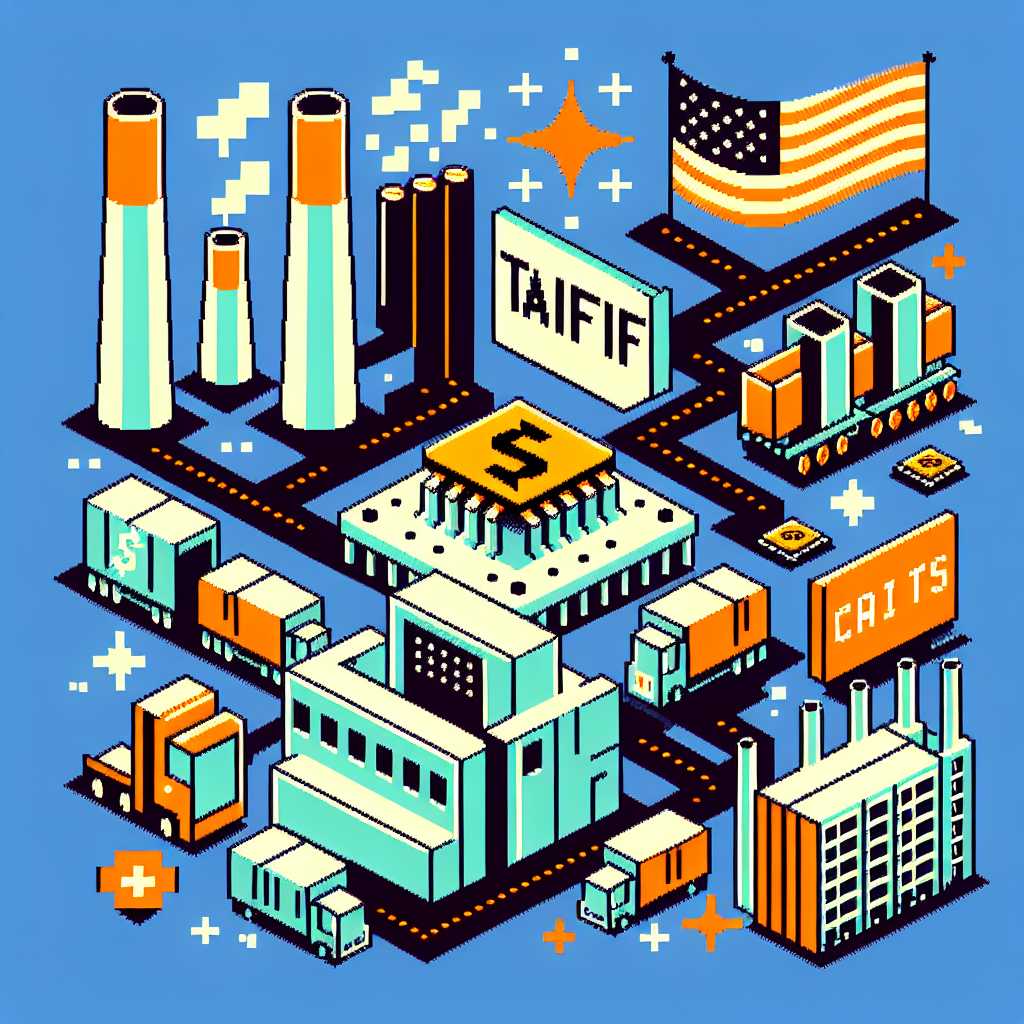
Trumps Chip Rule: A Tech Industry Crisis | Analysis by Brian Moineau

Trump’s Tariff-Tinged Dilemma: The Reality of US Chip Manufacturing

In the ever-evolving landscape of technology and international trade, the ongoing battle over chip manufacturing in the United States raises more questions than answers. Just when we thought the dust had settled, former President Trump has reignited the conversation with a proposed “1:1 chip rule.” But what does this mean for the future of US tech? Spoiler alert: it’s not good.

Understanding the 1:1 Chip Rule

To truly grasp the implications of Trump’s proposed 1:1 chip rule, we need to understand the context. The semiconductor industry is the backbone of modern technology, powering everything from smartphones to electric vehicles. However, the US has been facing significant challenges in domestic chip production, primarily due to globalization and competition from countries like China and Taiwan.

Trump’s administration previously introduced tariffs aimed at reshaping trade dynamics and boosting domestic manufacturing. Despite these efforts, the reality is that many US tech companies rely on overseas production to keep costs manageable and meet demand. The proposed 1:1 chip rule, which suggests that for every chip imported, a chip must be produced domestically, adds another layer of complexity to an already tangled web.

The Painful Reality for US Tech

So, what are the potential pitfalls of the 1:1 chip rule? As the article from The Register highlights, the rule could mean significant pain for US tech until Trump is out of office. Here are some key considerations:

Key Takeaways

Increased Costs: Mandating domestic production could lead to skyrocketing costs for tech companies, which may ultimately be passed down to consumers.

Supply Chain Disruption: The semiconductor supply chain is global. A sudden shift to domestic-only production could disrupt established supply chains, causing delays and shortages.

Innovation Stifling: With the focus on meeting the 1:1 requirement, companies may divert resources away from research and development, stifling innovation in a rapidly advancing industry.

Global Competitiveness at Risk: The US could fall behind in the global race for semiconductor technology, especially as competitors like China continue to ramp up their investments in chip manufacturing.

Political Play: This proposal seems to be more about political posturing than practical economic strategy, raising questions about its long-term viability.

Concluding Reflection

As the world watches the unfolding saga of US chip manufacturing, it’s clear that the proposed 1:1 chip rule is fraught with challenges. While the desire to bolster domestic production is commendable, the practical implications of such a rule could lead to unintended consequences that hurt the very industry it aims to protect. As we navigate these turbulent waters, it’s essential for policymakers to consider the realities of global trade and the intricate nature of technology supply chains.

For now, we can only wait and see how this proposal unfolds, but one thing is certain: reality has a way of shaping policies, often in ways that are less than favorable for those caught in the middle.

Sources

– “Trump’s tariff‑shaped stick can’t beat reality on US chip fabbing.” The Register. [The Register](https://www.theregister.com) (search for the article).

Stay tuned for more insights on technology and trade as this story develops!


Related update: We recently published an article that expands on this topic: read the latest post.


Related update: We recently published an article that expands on this topic: read the latest post.

Related update: We recently published an article that expands on this topic: read the latest post.

America’s 10 Most Expensive ZIP Codes Revealed—From Miami to Malibu – Realtor.com | Analysis by Brian Moineau

America’s 10 Most Expensive ZIP Codes Revealed—From Miami to Malibu - Realtor.com | Analysis by Brian Moineau

Unlocking the Secrets of America's Most Expensive ZIP Codes: From Sun-Kissed Shores to Glamorous Heights

Ah, ZIP codes—those little strings of numbers that define and divide our world, often acting as a status symbol in the realm of real estate. Recently, Realtor.com unveiled its list of America’s 10 Most Expensive ZIP Codes, and it’s a fascinating peek into the crème de la crème of U.S. neighborhoods. From the sun-soaked beaches of Miami to the star-studded hills of Malibu, these areas are more than just digits; they are a reflection of the economic, cultural, and social tapestry of America.

Miami: More Than Just Beaches and Parties

Miami, often perceived as a playground for the rich and famous, has secured its spot on this prestigious list. But there's more to this city than just its nightlife and stunning coastline. Miami is increasingly becoming a hub for tech entrepreneurs and creatives, earning the nickname "The Silicon Valley of the South." With companies like Spotify expanding their presence and major art events like Art Basel Miami Beach, the city is a melting pot of innovation and culture.

In fact, Miami's allure isn't just about opulence. It's about a lifestyle that combines work and play, where business executives might start their day with a beachfront run and end it at a chic rooftop bar. The city's inclusion in the list signals its evolving identity—one that is as much about high culture and technology as it is about luxury.

Malibu: Where Hollywood Meets Home

Moving across the country to Malibu, this ZIP code needs no introduction. Known for its breathtaking cliffs and celebrity residents, Malibu is synonymous with luxury. But beyond its glamorous façade, Malibu has a strong sense of community and environmental consciousness. The residents here are not just about living lavishly; they’re also about protecting the stunning natural beauty that surrounds them.

In recent years, Malibu has also been the focus of climate change discussions, particularly after the devastating Woolsey Fire in 2018. This has led to increased awareness and efforts toward sustainable living, even in the most luxurious of settings. The juxtaposition of wealth and environmental vulnerability in Malibu is a poignant reminder of the broader challenges facing many affluent communities worldwide.

Connecting the Dots: A Global Perspective

These ZIP codes are more than just local phenomena; they are part of a global network of affluent neighborhoods facing similar trends and challenges. From London’s Kensington to Hong Kong’s The Peak, high-value neighborhoods around the world are grappling with issues like housing shortages, environmental concerns, and the impact of globalization.

Interestingly, in the wake of the COVID-19 pandemic, there has been a noticeable shift in the real estate market. Remote work has enabled more people to seek homes outside traditional urban centers, leading to increased demand—and prices—in previously overlooked areas. This trend is reshaping real estate markets globally, as people prioritize space and lifestyle over proximity to urban workplaces.

Final Thoughts: More Than Just Numbers

Ultimately, these ZIP codes are more than just a collection of numbers; they represent dreams, aspirations, and the ever-evolving definition of luxury. Whether it’s the cultural vibrancy of Miami or the serene beauty of Malibu, these neighborhoods offer a glimpse into the diverse ways people choose to live extravagantly.

In a world where real estate can serve as both a sanctuary and a status symbol, understanding these ZIP codes helps us appreciate the broader social and economic forces at play. They remind us that while luxury has its price, it also reflects the values and priorities of those who choose to call these places home.

So, whether you're dreaming of a beachfront condo in Miami or a hillside retreat in Malibu, remember: it's not just about the ZIP code—it's about the lifestyle and community that come with it. And that, perhaps, is the true luxury of all.

Read more about AI in Business

Read more about Latest Sports Trends

Read more about Technology Innovations

NBA announces 3-year slate of games in Europe, beginning in 2026 – NBA | Analysis by Brian Moineau

NBA announces 3-year slate of games in Europe, beginning in 2026 - NBA | Analysis by Brian Moineau

The NBA's European Adventure: A Slam Dunk for Global Diplomacy and Basketball Fans Alike!

In a move that echoes the harmonious tune of basketballs dribbling on courts worldwide, the NBA has announced an exciting three-year slate of games in Europe, starting in 2026. This decision is set to bring the electrifying energy of NBA regular-season games to Manchester and Paris in 2027, followed by Berlin and Paris in 2028. This initiative is more than just a sporting event; it's a cultural exchange, a love letter to European basketball fans, and a strategic play in the global sports diplomacy arena.

The NBA’s decision to expand its regular-season games across Europe is a testament to basketball's growing popularity beyond American borders. Basketball Without Borders, an initiative started by the NBA and FIBA, has already proven the sport's potential to bridge cultural divides and foster cross-border friendships. The Europe games are a natural extension of this ethos, providing fans with an opportunity to witness the NBA's magic live, while simultaneously nurturing the local basketball scene.

Manchester, known for its rich sporting history thanks to its famous football clubs, will now add NBA games to its list of sporting accolades. Paris, already a host to the NBA Paris Game—a regular fixture since 2020—will continue to bask in the basketball spotlight. Berlin, a city synonymous with historic resilience and cultural fusion, will also experience the NBA's vibrant energy.

This isn't the NBA's first foray into Europe, but it's certainly its most ambitious. The league has a history of hosting exhibition matches and the aforementioned NBA Paris Game. However, integrating regular-season games into the European calendar is an acknowledgment of the continent's growing appetite for basketball. It's a strategic move not unlike the NFL's series of games in London, which has successfully broadened American football's fanbase in Europe.

The timing of this announcement is also noteworthy. In a period marked by geopolitical tensions and cultural divisions, sports remain a unifying force. Much like the Olympics, these NBA games promise to bring people together, transcending language barriers and political boundaries. It's a reminder that whether you're in Manchester, Paris, Berlin, or beyond, the thrill of a buzzer-beater, the elegance of a perfect three-pointer, and the camaraderie of fandom are universal experiences.

In the context of global sports trends, the NBA's European expansion also mirrors the increasing globalization of sports leagues. Major European football clubs have long been engaging with American audiences through summer tours and strategic partnerships. Similarly, the NBA's European venture can be seen as a reciprocal gesture, fostering a global sports community where borders are just lines on a map.

As we look forward to these landmark events, one can't help but feel a sense of excitement and anticipation. The NBA's European tour is poised to be a festival of sport, culture, and unity. It's an opportunity for European fans to experience the NBA's passion and for the NBA to embrace the rich tapestry of European cultures.

In closing, the NBA's decision to bring regular-season games to Europe is a slam dunk for fans, players, and the spirit of international cooperation. It’s a step towards a world where sports serve as a bridge, connecting us across oceans and cultures. So, whether you're a die-hard basketball aficionado or a casual sports enthusiast, this European adventure promises to be an unforgettable chapter in the NBA's storied history. Let the games begin!

Read more about AI in Business

Read more about Latest Sports Trends

Read more about Technology Innovations

Apple Stock Falls After Trump Threatens Tariffs on Foreign-Made iPhones – Barron’s | Analysis by Brian Moineau

Apple Stock Falls After Trump Threatens Tariffs on Foreign-Made iPhones - Barron's | Analysis by Brian Moineau

The Tariff Tango: How Trump's Threats Danced with Apple's Stock

Alright, folks, let's dive into the fascinating world of international trade, politics, and technology, where iPhones are the stars, Trump is the director, and the stock market is the unpredictable audience.

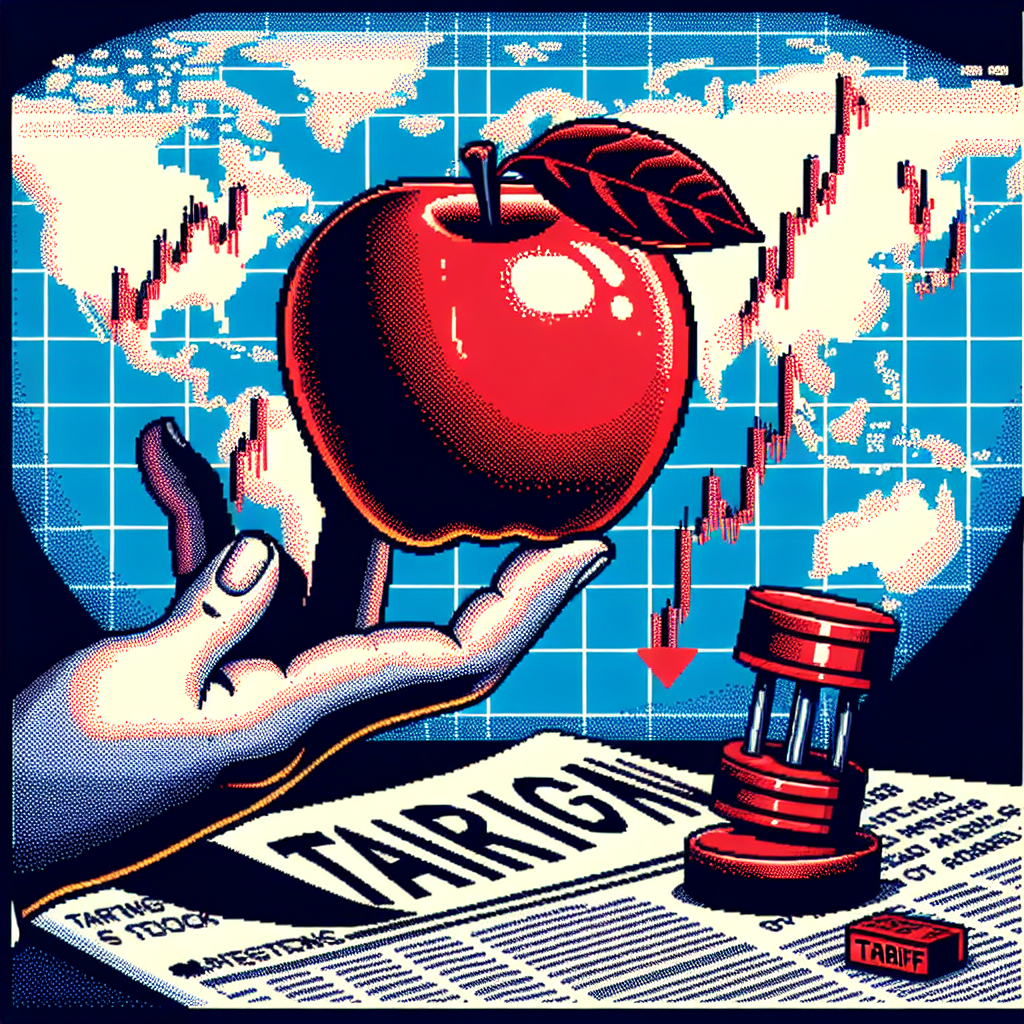
Recently, Apple stock took a bit of a nosedive after former President Donald Trump floated the idea of imposing tariffs on foreign-made iPhones. Now, let's not pretend the stock market hasn't been on a rollercoaster ride over the past few years, but this particular twist in the tale has a few interesting layers.

Trump's Tariff Talk: The Sequel

Now, if you've been following the saga of Trump and tariffs, you know this isn't the first time he's flirted with the idea of imposing tariffs on products made overseas. His presidency was marked by a series of tariff threats and implementations, particularly targeting China, in an attempt to bring manufacturing back to the United States. Love him or hate him, Trump's tariff tactics were a central part of his economic strategy.

The latest chapter in this ongoing narrative seems to have come out of the blue. Even though Trump is no longer in office, his comments still carry weight—particularly when it involves a tech giant like Apple. The notion of tariffs on foreign-made iPhones is enough to send shivers down the spine of investors and consumers alike. After all, who wants to pay more for their gadgets?

The Global Web of iPhone Production

Apple's production strategy is a masterclass in globalization. The company has a sprawling supply chain that spans the globe, with key production facilities in China and other countries. This global tapestry is what allows Apple to produce iPhones at a scale and cost that keeps them competitive. Slapping tariffs on these devices would mean increased costs for Apple, which could trickle down to consumers in the form of higher prices.

And let's be honest, nobody wants to pay more for their iPhone, especially when they're already dropping a small fortune on the latest model with all the bells and whistles.

The Ripple Effect of Tariffs

The mention of tariffs doesn’t just affect Apple; it has a domino effect on the broader tech industry and the stock market. Investors, ever wary of uncertainty, tend to react swiftly to any disruptions in the production flow of major companies like Apple.

Moreover, tariffs are a double-edged sword. While they might incentivize companies to bring production back to the U.S., they can also lead to increased production costs and strained international relations. For instance, during Trump's presidency, the U.S.-China trade tensions led to a series of retaliatory tariffs that impacted various industries.

A World of Change

Outside the tech and trade bubble, it's fascinating to see how interconnected our world is. From the global supply chains that bring us our beloved tech gadgets to the political moves that can shake markets, everything is intertwined. Even as we navigate the complexities of international trade and politics, the bigger picture is how these developments push companies to innovate. For instance, Apple's recent investment in U.S. manufacturing facilities, such as the Austin, Texas plant, is a testament to the balancing act companies must perform.

Final Thoughts: The Dance Continues

In the grand scheme of things, Trump's tariff threats are just one more step in the ongoing dance of global trade. While Apple's stock may have taken a hit, the company has weathered storms before. With its massive cash reserves and innovative prowess, it's likely that Apple will adapt, just as it always has.

In a world that's constantly evolving, the only certainty is change. Whether it's tariffs, tech advancements, or political shifts, companies like Apple will continue to navigate the dance floor of global commerce. And as spectators, all we can do is watch, speculate, and maybe hold onto our wallets a little tighter the next time we upgrade our iPhones.

Read more about AI in Business

Read more about Latest Sports Trends

Read more about Technology Innovations

Ford loses its last cheap vehicle to tariffs – TheStreet | Analysis by Brian Moineau

Ford loses its last cheap vehicle to tariffs - TheStreet | Analysis by Brian Moineau

Title: The End of an Automotive Era: Ford's Farewell to Affordability

As the automotive landscape shifts beneath our feet, one of the most iconic players in the game is waving goodbye to a chapter of its storied history. Ford, a name synonymous with American ingenuity and rugged reliability, is quietly bidding adieu to its last affordable vehicle, a casualty of the ever-evolving global trade environment and the relentless rise of tariffs. It's a poignant moment that marks the close of a bygone era, but it's also an opportunity to reflect on the wider implications in the world of business and trade.

The story here isn't just about a car; it's about the broader economic forces at play. For years, tariffs have been a tool wielded by governments to protect domestic industries and level the playing field. However, they can also lead to unintended consequences, such as increased production costs, which are inevitably passed down to consumers. Ford's decision to phase out its last cheap vehicle is a direct result of these pressures. It's a move that underscores the complex balancing act manufacturers must perform in a global market where politics and economics are as intertwined as the gears in a transmission.

This shift is not happening in isolation. Across the pond, European carmakers are grappling with their own challenges, from Brexit’s impact on supply chains to the push for greener, more sustainable vehicles. Meanwhile, in Asia, the rise of electric vehicle manufacturers like BYD and NIO is reshaping the competitive landscape, prompting traditional automakers to rethink their strategies. Ford's farewell to affordability is just one thread in a vast tapestry of change sweeping across the automotive industry.

Let's not forget the consumer in this equation. As Ford trims its lineup, the quest for affordable, reliable transportation becomes more challenging for many. It's a reminder of the delicate balance companies must maintain between innovation, profitability, and accessibility. For the average car buyer, this might mean turning to the burgeoning second-hand market or exploring alternative modes of transportation, such as ride-sharing services or public transit, which are themselves undergoing rapid transformation.

Consider this: Just as Ford is navigating these choppy waters, so too are countless other industries. The tech world, for instance, is contending with its own set of challenges, from supply chain disruptions to regulatory scrutiny. The recent semiconductor shortage is a perfect example of how interconnected and fragile our global systems have become. In a world where everything from cars to smartphones relies on these tiny chips, the ripple effects of such shortages are felt far and wide.

As we watch Ford pivot and adapt, it's clear that we are witnessing more than just the end of an era for a single automaker. We are observing the complex dance of globalization, where every step is influenced by a myriad of factors, from trade policies to technological advancements. It's a reminder that change is the only constant, and adaptability is the key to survival.

In closing, Ford's farewell to its last affordable vehicle is a moment of reflection not just for car enthusiasts, but for anyone interested in the dynamics of global business. It's a testament to the intricate web of forces that shape our world, and a call to all industries to remain agile and forward-thinking. As we move into this new chapter, let's keep our eyes on the road ahead and navigate these changes with resilience and optimism. After all, the journey is just as important as the destination.

Read more about AI in Business

Read more about Latest Sports Trends

Read more about Technology Innovations

Global bank chiefs hold talks over Trump tariffs crisis – Sky News | Analysis by Brian Moineau

Global bank chiefs hold talks over Trump tariffs crisis - Sky News | Analysis by Brian Moineau

Global Bank Chiefs and the Trump Tariffs Tango: A Lighthearted Look at a Serious Situation

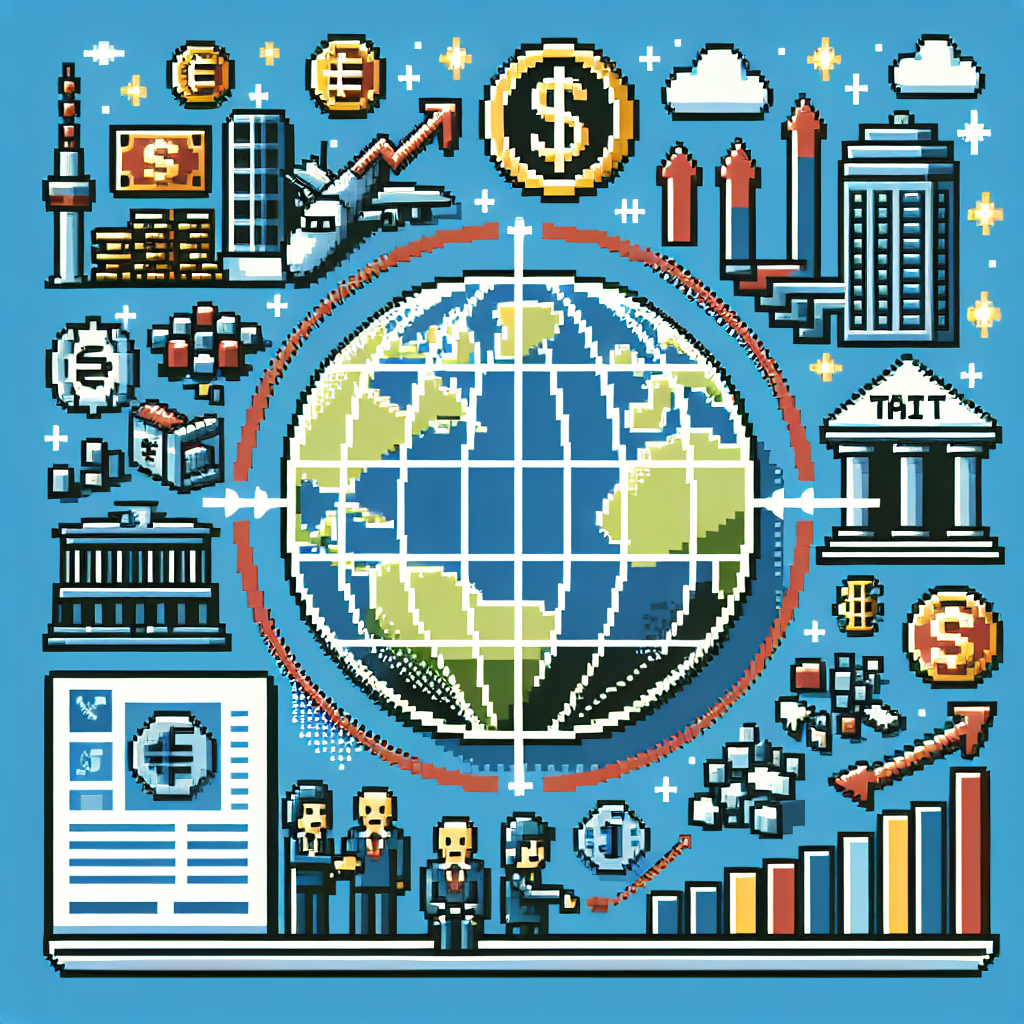
In a world where economic strategies often feel like a high-stakes poker game, the recent move by global bank chiefs to convene talks over the Trump tariffs crisis is akin to the players gathering in a huddle to reassess their game plan. As reported by Sky News, these financial powerhouses are seeking to navigate the turbulent waters stirred by the tariffs imposed during the Trump administration. But let's take a step back and add a sprinkle of levity to this heavy topic, shall we?

Picture this: A room filled with some of the world's most influential banking figures, all exchanging glances and furrowing brows as they discuss the implications of tariffs that have sent ripples through global markets. It's almost like the financial version of an Avengers movie, where each character brings their unique abilities and insights to save the day—or at least the economy.

The tariffs in question, introduced by former President Donald Trump, were initially aimed at protecting American industries by imposing taxes on imports. The rationale? To level the playing field for U.S. manufacturers. However, these tariffs have had far-reaching consequences, influencing global trade dynamics and prompting reactions from countries around the world. It’s almost like a game of international chess, where each move is carefully calculated and can lead to unexpected outcomes.

For instance, the European Union, China, and other trading partners have responded with their own tariffs, creating a complex web of economic tit-for-tat. This has not only affected industries but also raised concerns among global banks about the potential impact on international markets and economic stability. And here we are, witnessing a gathering of financial leaders trying to unravel this intricate tapestry.

Beyond the world of economics, the tariffs have sparked discussions reminiscent of the ongoing debate over globalization. Much like the climate change dialogues or the tech giants' data privacy controversies, tariffs touch on a larger narrative about national interests versus global cooperation. It's a reminder of how interconnected our world has become and how decisions in one part of the globe can resonate worldwide.

It's worth noting that Donald Trump, the man behind the tariff curtain, is no stranger to controversy. Whether you view him as a savvy businessman or a polarizing figure, his policies have undeniably shaped global discourse. Love him or loathe him, Trump has a knack for making headlines and keeping the world on its toes.

In a similar vein, the recent surge in popularity of electric vehicles (EVs) offers a parallel to the tariff situation. Just as Tesla and other EV manufacturers are redefining the automotive industry landscape, global banks are trying to redefine their strategies amidst the shifting sands of international trade policies. Both scenarios highlight the importance of adaptability and forward-thinking in an ever-changing world.

So, what's the takeaway from this financial tête-à-tête? Well, while the outcome of these talks remains to be seen, one thing is clear: In the grand theater of global economics, the players are constantly evolving, adapting, and strategizing to stay ahead. As spectators, all we can do is watch, speculate, and perhaps enjoy a popcorn or two as the drama unfolds.

In conclusion, while the topic of tariffs and global banking might sound daunting, it's a testament to the intricate dance of diplomacy and strategy that defines our modern world. And who knows, maybe one day this will make for a riveting plot in a blockbuster film. Until then, we’ll keep our eyes peeled, our minds open, and perhaps our wallets safe—just in case.

Read more about AI in Business

Read more about Latest Sports Trends

Read more about Technology Innovations