When the Price of a Ribeye Rises, Small Butchers Reinvent the Counter
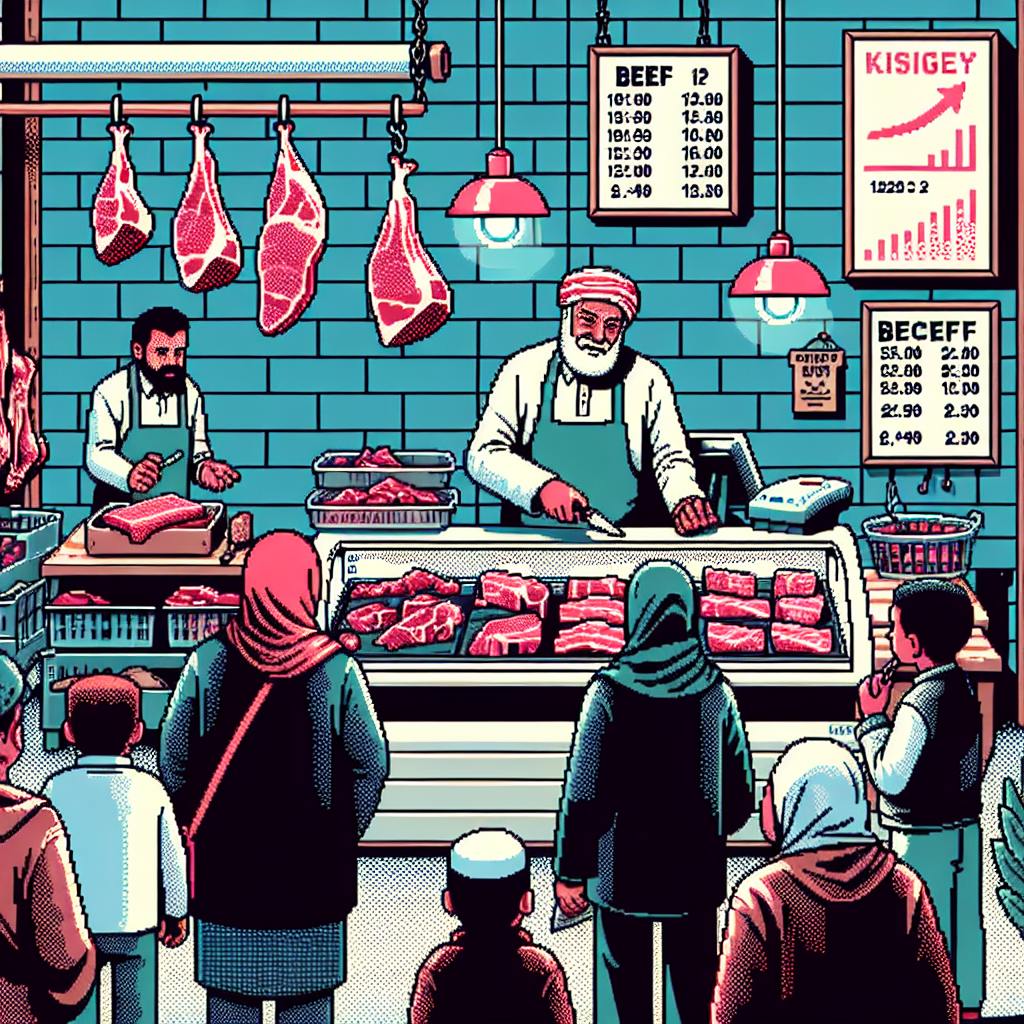
It used to be that a stroll into the neighborhood butcher meant two things: a chat with someone who knew the cut by name, and the smell of fresh meat ready for the weekend grill. Lately, that stroll comes with sticker shock. As beef prices climb to multi‑decade highs, small butcher shops are quietly reshaping how they sell, what they recommend, and how they keep customers coming back.
Why this matters now
- Ground beef and steak prices climbed to record levels in 2025, driven by shrinking U.S. cattle herds, drought, higher feed and production costs, and other supply‑chain strains. (cbsnews.com)
- Unlike large grocery chains with buying power and vertical integration, independent butchers rely on local supply and customer trust — two things that feel fragile when the cost of a pound of meat jumps dramatically. (cbsnews.com)
If you buy meat regularly — or run a small meat business — this is more than an economic headline. It changes weekly shopping lists, family dinners, and the way small food retailers position themselves in a competitive market.
How small butcher shops are adapting
Butchers are leaning into the advantages they have: craft, relationship, knowledge. The ways they’re responding fall into a few practical, customer‑facing moves:
Recommend cheaper cuts and show how to cook them
- Educating customers about braises, slow roasts, and mince versus steak helps shoppers stretch a dollar without sacrificing flavor. (cbsnews.com)
Offer more value through portioning and combo packs
- Smaller, recipe‑focused packs or mixed‑protein bundles let households get a taste of beef without buying an expensive whole cut.
Promote alternative proteins and mixed dishes
- Increased suggestion of pork, chicken, plant‑based options, and blends (e.g., beef‑pork blends for meatloaf) helps retain customers who want familiar flavors at lower cost. (cbsnews.com)
Lean on relationships and local sourcing narratives
- Customers are willing to pay a premium for traceability and trust; butchers emphasize provenance, seasonal availability, and chef‑style guidance.
Adjust pricing strategies and special offers
- Time‑limited sales, loyalty deals, and highlighting lower‑cost cuts for weeknight meals help balance margins and foot traffic.
The supply picture behind the counter
To make sense of a butcher’s new pitch, you need the behind‑the‑scenes context:
Herds are smaller. The U.S. cattle inventory fell to its lowest levels in decades after years of drought and higher costs, shrinking the supply pipeline from ranch to retail. (axios.com)
It takes time to rebuild herds. Biological realities and feeding cycles mean relief won’t be immediate; even when ranchers expand, it can be years before more beef reaches grocery aisles. (farmprogress.com)
Policy, trade, and extreme weather add volatility. Tariffs, import/export shifts, and persistent climate stressors have amplified price swings for both cattle and feed. (cbsnews.com)
That combo explains why prices remain elevated even when ranchers or processors tweak production: the whole chain is interdependent and slow to rebalance.
For shoppers: smart moves at the meat counter
If you’re feeling the pinch, small changes at the store (or in your kitchen) can reduce cost without losing satisfaction:
- Ask your butcher for weeknight‑friendly cuts (chuck, brisket, round) and simple recipes for braising or slow cooking.
- Buy larger, less‑processed cuts and portion at home — it’s often cheaper per pound and gives leftovers for sandwiches or tacos.
- Mix proteins in recipes (half beef, half turkey or pork) for flavor and savings.
- Consider frozen or vacuum‑sealed bargains for longer shelf life and bulk savings.
- Build rapport with a local butcher: they’ll tip you off on sales, day‑of‑cut discounts, or creative substitutions.
For butchers: business lessons from a beef squeeze
Independent meat sellers can survive and even strengthen their position by leaning into differentiation:
- Become an educator: host demos, share recipes, and show cooking techniques to make lower‑cost cuts desirable.
- Diversify inventory: sell more pork, poultry, value‑added items, and prepared foods to smooth revenue.
- Strengthen supply relationships: local sourcing and cooperative purchasing can reduce exposure to volatile national markets.
- Use storytelling: provenance and trust are powerful — customers pay for connection and honesty.
- Innovate pricing and packaging: meal‑kits, subscription boxes, and mixed‑protein bundles increase convenience and perceived value.
What this trend might mean longer term
- Beef may remain relatively expensive for months or years as herd recovery and supply‑chain fixes take hold. (farmprogress.com)
- Consumer habits can shift permanently: when families learn new ways to cook cheaper cuts or embrace other proteins, demand patterns change.
- Smaller shops that pivot effectively could win loyal customers who value expertise and personalized service — but those who cling to old assortments may lose traffic.
What to remember
- Beef prices rose due to tight supply, drought impacts, and production costs; relief will be gradual. (axios.com)
- Small butchers are responding by educating customers, promoting alternatives, and rethinking packaging and pricing. (cbsnews.com)
- Practical consumer choices (different cuts, mixing proteins, buying larger portions) can blunt the sting of higher prices.
Final thoughts
Higher beef prices are reshaping more than grocery bills — they’re nudging everyday cooking toward resourcefulness and creativity. That’s a win for home cooks who learn to coax flavor from unexpected cuts, and for independent butchers who double down on craft and customer relationships. In a world where supply shocks and climate stressors are increasingly common, the butcher’s counter is quietly becoming a classroom in resilience.
Sources
Beef prices in the U.S. are searingly high. Here's why. - CBS News
https://www.cbsnews.com/news/beef-prices-record-highs-drought/ (cbsnews.com)Ground beef prices 2025: Why cost of meat, steak is at record high - Axios
https://www.axios.com/2025/07/19/beef-prices-2025-cpi-inflation (axios.com)U.S. beef prices reach record highs as cattle industry struggles to keep costs down - CBS News
https://www.cbsnews.com/news/u-s-beef-prices-record-highs-cattle-industry-struggles-to-keep-costs-down/ (cbsnews.com)Beef Prices Hit Record High (NACS summary of BLS/CPI data)
https://www.convenience.org/Media/Daily/2025/July/7/4-Beef-Prices-Hit-Record-High_Research (convenience.org)Not a happy Trump supporter: Cattle ranchers hit by push for lower beef prices - Reuters
https://www.reuters.com/world/us/not-happy-trump-supporter-cattle-ranchers-hit-push-lower-beef-prices-2025-12-24/ (reuters.com)