UnitedHealth, Applied Materials, Intel, Quantum Computing, Nucor, and More Movers – Barron’s | Analysis by Brian Moineau

UnitedHealth, Applied Materials, Intel, Quantum Computing, Nucor, and More Movers – Barron’s | Analysis by Brian Moineau

The Movers and Shakers of the Business World: A Lighthearted Look at UnitedHealth, Applied Materials, Intel, Quantum Computing, Nucor, and More

In the ever-evolving world of business, certain companies are like the life of the party. They shake things up, keep us on our toes, and remind us why we love the hustle and bustle of the market. Recently, Barron’s highlighted some of these movers: UnitedHealth, Applied Materials, Intel, Quantum Computing, and Nucor. Let’s take a sip of our morning coffee and dive into what makes these companies the talk of the business town.

UnitedHealth: The Healthcare Behemoth with a Heart

UnitedHealth Group, a name synonymous with healthcare excellence, continues to dominate its sector. With their expansive healthcare services and insurance products, they’re like the wise elder at the party, always ready with a solution. As the world grapples with health crises, UnitedHealth’s role becomes even more pivotal. A nod to their continuous innovation in telehealth services shows how they’re not just about treating ailments but also about embracing technology for better care.

Applied Materials: The Unsung Hero of Tech

In the tech world, Applied Materials is like the backstage crew at a concert. You might not always see them, but without them, the show wouldn’t go on. Specializing in materials engineering solutions, they’re the backbone of semiconductor production. As the demand for chips skyrockets — thanks to everything from gaming consoles to electric vehicles — Applied Materials’ contributions are becoming more critical. The global chip shortage has shone a spotlight on the importance of companies like Applied Materials, proving that sometimes, it’s the quiet ones who make the loudest impact.

Intel: The Comeback Kid

Intel’s journey is one of resilience. Once the reigning king of microprocessors, it faced stiff competition from rivals like AMD. However, Intel’s recent strategic pivots and investments in manufacturing have positioned it as the comeback kid of the tech industry. Their focus on innovation and expansion into new markets, such as autonomous vehicles, shows they’re not just about keeping pace but leading the charge. It’s a classic tale of redemption, showing us that with the right moves, even giants can dance.

Quantum Computing: The Future is Now

Quantum computing is no longer the stuff of science fiction. It’s the tech world’s mysterious, alluring guest, promising to revolutionize industries from pharmaceuticals to finance. Companies investing in quantum computing are essentially betting on the future, where problems that would take classical computers millennia to solve could be tackled in mere moments. As these quantum pioneers continue their research, we’re reminded of Arthur C. Clarke’s famous words: “Any sufficiently advanced technology is indistinguishable from magic.”

Nucor: The Steel Stronghold

In the world of steel production, Nucor stands as a testament to strength and sustainability. As the largest steel producer in the United States, Nucor’s commitment to recycling and innovation sets it apart. With the global push towards sustainable practices, Nucor’s leadership in eco-friendly steel production is more relevant than ever. They’re like the environmentally-conscious partygoer, reminding us that strength and sustainability can go hand in hand.

Final Thoughts: Dancing Through the Market

As we watch these companies maneuver through the complexities of their industries, it’s a reminder of the dynamic nature of the business world. Each has its role to play, contributing to the larger narrative of innovation and progress. Whether it’s healthcare, tech, or steel, these movers and shakers keep the market vibrant and ever-changing, much like a never-ending dance. So here’s to the companies that keep things interesting and to us, the observers, who get to enjoy the show. Cheers to progress, innovation, and the bright future ahead!

Read more about AI in Business

Read more about Latest Sports Trends

Read more about Technology Innovations


Related update: We recently published an article that expands on this topic: read the latest post.

Related update: We recently published an article that expands on this topic: read the latest post.

Nvidia CEO reveals the person who will replace you thanks to AI—’every job will be affected, and immediately – Fortune | Analysis by Brian Moineau

Nvidia CEO reveals the person who will replace you thanks to AI—'every job will be affected, and immediately - Fortune | Analysis by Brian Moineau

Navigating the AI Revolution: Lessons from Nvidia's CEO

In a world where technology seems to be advancing at warp speed, the words of Nvidia’s CEO, Jensen Huang, resonate with both urgency and opportunity: “Ignoring AI may be a one-way ticket to unemployment.” As someone who has led Nvidia to become a powerhouse in the tech industry, Huang's insights are worth noting, especially as he predicts that AI will impact every job “immediately.”

The AI Tsunami

Huang’s comment is not just a warning; it’s a wake-up call. AI is no longer a futuristic concept confined to sci-fi novels or tech conferences. It’s here, and it’s rapidly transforming the way we work. From retail to healthcare, and finance to education, AI’s footprint is expanding. According to a study by McKinsey, by 2030, 70% of companies might have adopted at least one type of AI technology. But what does this mean for the average worker?

Well, it’s not all doom and gloom. Yes, AI will automate certain tasks, but it will also create new opportunities. Historical precedents, like the Industrial Revolution, show us that technological advancements often lead to more jobs, albeit different ones. The key is adaptability. Workers who are willing to learn and evolve with the technology are more likely to thrive in this new landscape.

Jensen Huang: The Man Behind the Vision

Jensen Huang is not just a tech titan; he's a visionary who has a knack for spotting trends before they become mainstream. Under his leadership, Nvidia has not only become synonymous with high-performance graphics cards but also a pivotal player in AI computing. His ability to pivot and innovate has been a major factor in Nvidia's success. Huang’s background in electrical engineering and his relentless curiosity have established him as a thought leader in AI.

AI and the World Stage

Huang’s remarks come at a time when AI is making headlines globally. For instance, the European Union is working on legislation to regulate AI, aiming to balance innovation with ethical considerations. Meanwhile, in the U.S., companies are scrambling to integrate AI into their operations to stay competitive. AI's role in global geopolitics is also growing, as nations vie for supremacy in this critical field.

Embracing the Change

The narrative around AI shouldn't only focus on replacement but also on augmentation. AI can be a powerful tool that enhances human capabilities. Consider the healthcare industry, where AI is being used to predict patient outcomes and personalize treatments. In education, AI-driven platforms are offering personalized learning experiences that cater to individual student needs.

Final Thoughts

As we stand on the brink of this AI revolution, it’s crucial to remember that technology is a tool, not a master. The future of work will undoubtedly be different from today, but it can also be brighter. By embracing change and harnessing the power of AI, we can create a future that’s not just automated, but also innovative and inclusive. As Huang implies, the choice is ours: adapt and thrive, or ignore and risk obsolescence. It’s time to choose wisely.

Read more about AI in Business

Read more about Latest Sports Trends

Read more about Technology Innovations

The Score: UnitedHealth, Walmart, Coinbase Global and More Stocks That Moved on the Week’s News – WSJ | Analysis by Brian Moineau

The Score: UnitedHealth, Walmart, Coinbase Global and More Stocks That Moved on the Week’s News - WSJ | Analysis by Brian Moineau

Title: Market Movements: A Week in Review with UnitedHealth, Walmart, and Coinbase Global

As the stock market continues its rollercoaster ride, certain companies have been the highlight of this week's financial headlines. The Wall Street Journal recently published an article titled "The Score: UnitedHealth, Walmart, Coinbase Global and More Stocks That Moved on the Week’s News," detailing the significant shifts in these companies' stock prices. Let's dive into what this means in the broader context of the market and the world.

UnitedHealth: Healthcare's Resilient Giant

UnitedHealth Group, a titan in the healthcare industry, remains a focal point for investors. Amidst the ongoing challenges of healthcare reform and the aftermath of the pandemic, UnitedHealth’s stock movements reflect not just company performance, but also broader healthcare trends. With increasing focus on digital health, telemedicine, and personalized care, UnitedHealth has been investing in tech-driven solutions. Their strategic acquisitions and innovations are crucial in shaping the future of healthcare.

Outside the financials, the healthcare industry is under pressure to adapt to an aging population and rising healthcare costs. UnitedHealth's ability to navigate these waters not only affects its stock but also serves as a barometer for the sector's health.

Walmart: The Retail Behemoth

Walmart, the world's largest retailer, continues to adapt in a rapidly changing retail landscape. This week, its stock moved in response to various factors, including supply chain disruptions and inflationary pressures. However, Walmart's robust e-commerce growth and strategic partnerships, such as its collaboration with Shopify, have positioned it well against competitors like Amazon.

On a global scale, Walmart's operations provide insights into consumer behavior and economic trends. With inflation concerns looming, Walmart's pricing strategies and supply chain management will be critical in determining its future performance. Additionally, its commitment to sustainability and community initiatives, such as reducing carbon emissions, highlights a modern approach to corporate responsibility.

Coinbase Global: Navigating Cryptocurrency Volatility

Coinbase Global, a leading cryptocurrency exchange, showcases the wild volatility synonymous with the crypto market. This week, its stock fluctuations were tied to the ever-changing landscape of digital currencies, regulatory scrutiny, and ongoing debates about the future of decentralized finance.

The rise of cryptocurrencies has sparked discussions about the future of money, financial inclusion, and the potential destabilization of traditional banking systems. As governments worldwide explore central bank digital currencies (CBDCs), companies like Coinbase play a pivotal role in shaping the narrative and infrastructure of the crypto ecosystem.

Connecting the Dots: Global Implications and Future Trends

These companies’ stock movements are more than just numbers; they are indicators of broader economic and societal trends. UnitedHealth reflects the ongoing transformation in healthcare, Walmart serves as a bellwether for retail and consumer confidence, and Coinbase represents the frontier of digital finance.

As we look ahead, the intersection of technology, regulation, and consumer behavior will continue to drive these sectors. Investors and stakeholders must remain vigilant, considering not only financial metrics but also environmental, social, and governance (ESG) factors that increasingly influence company valuations and reputations.

Final Thought

The stock market is a complex web of interrelated factors, where each company’s journey tells a part of a larger story. Whether it's healthcare, retail, or crypto, understanding these movements requires a holistic view that considers not just financial outcomes, but also their societal and global impacts. As the world continues to evolve, staying informed and adaptable will be key to navigating the ever-changing market landscape.

Read more about AI in Business

Read more about Latest Sports Trends

Read more about Technology Innovations

Material 3 Expressive is already making its way to Wear OS Tiles – 9to5Google | Analysis by Brian Moineau

Material 3 Expressive is already making its way to Wear OS Tiles - 9to5Google | Analysis by Brian Moineau

Title: Embracing the Future of Wearables: Material 3 Expressive Makes Its Mark on Wear OS Tiles

In the fast-paced world of technology, staying ahead of the curve is the name of the game. Just when we thought our smartwatches couldn't get any more stylish and functional, Google surprises us with a sneak peek into the future. Enter Material 3 Expressive, the latest design language that's already weaving its magic into Wear OS Tiles—even before the official launch of Wear OS 6 later this year.

A Sneak Peek into Material 3 Expressive

Material 3 Expressive is Google's latest design philosophy, offering a fresh and vibrant look that's set to redefine user interfaces. With its bold colors, dynamic layouts, and a heightened focus on personalization, Material 3 Expressive aims to make interactions more intuitive and visually appealing. While it's poised to officially debut with Wear OS 6, Google has already started rolling out updates to Wear OS Tiles, giving users an exciting preview of what's to come.

The Evolution of Wear OS

Wear OS has come a long way since its inception. Initially launched as Android Wear in 2014, Google's smartwatch platform has undergone several transformations. Over the years, it has evolved from being a basic extension of Android smartphones to a powerful standalone ecosystem. The introduction of Material 3 Expressive marks another significant milestone in this journey, reflecting Google's commitment to enhancing user experience.

Drawing Parallels with the Broader Tech World

Google's proactive approach with Material 3 Expressive is reminiscent of other recent tech advancements. Apple's introduction of widgets in iOS 14, for instance, brought a new level of customization and interactivity to the iPhone's home screen. Similarly, Microsoft's Fluent Design System has been gradually reshaping Windows 10, making it more cohesive and user-friendly.

The common thread across these developments is a focus on personalization and user engagement. As technology continues to integrate more seamlessly into our daily lives, the demand for intuitive and aesthetically pleasing interfaces is only going to grow.

Expanding Horizons in Wearable Tech

As Material 3 Expressive begins to take root, it's worth noting how wearables are influencing various industries. In healthcare, for instance, smartwatches are playing an increasingly vital role. According to a study by the Journal of Medical Internet Research, wearable devices are now being used to monitor everything from heart rate to stress levels, offering valuable insights for both users and healthcare providers.

In the fashion world, tech-infused garments and accessories are becoming more mainstream. The collaboration between Louis Vuitton and Google's Wear OS for luxury smartwatches exemplifies the fusion of technology and high fashion, highlighting the growing appeal of wearables beyond tech enthusiasts.

Final Thoughts

The early introduction of Material 3 Expressive to Wear OS Tiles is a testament to Google's forward-thinking strategy. As we await the full release of Wear OS 6, this sneak peek offers a tantalizing glimpse into the future of wearable technology. With tech companies constantly pushing the boundaries of design and functionality, the next wave of innovation promises to be both exciting and transformative.

In a world where technology is as much about style as it is about function, the evolution of Wear OS with Material 3 Expressive is a step toward a more personalized and visually captivating digital experience. Whether you're a tech aficionado or a casual user, one thing is clear: the future of wearables is bright, and it's just around the corner.

Read more about AI in Business

Read more about Latest Sports Trends

Read more about Technology Innovations

Tech industry tried reducing AI’s pervasive bias. Now Trump wants to end its ‘woke AI’ efforts – AP News | Analysis by Brian Moineau

Tech industry tried reducing AI’s pervasive bias. Now Trump wants to end its ‘woke AI’ efforts – AP News | Analysis by Brian Moineau

Title: Navigating the Crossroads: AI, Bias, and the Quest for Balance

In a world where technology intertwines with every facet of our lives, the journey towards creating equitable AI systems has become a central narrative. Recently, the debate has taken a new turn with former President Donald Trump’s opposition to what he calls “woke AI” efforts, potentially shifting the tech industry’s direction. This development is reminiscent of a world on the brink of a technological crossroads, where the balance between innovation and ethics is more crucial than ever.

Artificial intelligence, once a fantastical concept, is now a tangible part of our everyday lives. From voice-activated assistants to personalized content recommendations, AI’s reach is extensive. However, the technology’s pervasive bias has been a point of contention, as highlighted in a recent article from AP News. The piece discusses how industry leaders, like Google, have made strides towards inclusivity by collaborating with experts, such as sociologist Ellis Monk, to ensure AI products serve a diverse global population. This drive for inclusivity isn’t just a moral imperative but also a business necessity in a world where nearly two-thirds of the population comprises people of color.

Yet, as with many progressive initiatives, resistance has emerged. Former President Trump’s call to end “woke AI” efforts reflects a broader cultural and political pushback against initiatives perceived as overly progressive or pandering to political correctness. This sentiment echoes a recurring theme in global politics, where technological advancements are scrutinized through the lenses of ideological belief.

The tech industry’s battle with bias isn’t new. As AI systems learn from vast datasets, they inadvertently mirror the prejudices embedded in those data. A well-documented example is the facial recognition technology that performs better on lighter skin tones than darker ones. This discrepancy has led to wrongful arrests and misidentifications, stirring public outcry and legislative scrutiny. It’s a reminder of the profound impact AI can have when it fails to account for diversity.

The significance of addressing AI bias extends beyond tech circles. In healthcare, biased algorithms can lead to disparities in treatment recommendations. In finance, they can affect loan approvals. The ripple effect of unaddressed bias in AI systems can perpetuate systemic inequalities, making the quest for fair AI not just a tech issue but a societal one.

Parallel to the tech world, the entertainment industry has faced similar reckonings. Hollywood, for instance, has been under pressure to diversify its storytelling and representation, recognizing the power of media to shape societal norms. The recent success of films like “Black Panther” and “Crazy Rich Asians” showcases the commercial viability of inclusivity, mirroring the tech industry’s realization that diversity drives innovation and growth.

Returning to Ellis Monk, his role in this narrative is crucial. As a sociologist and a voice for inclusivity, his contributions are a testament to the interdisciplinary approach needed to tackle AI bias. His work underscores the importance of blending social sciences with technological development to create systems that are not only efficient but also equitable.

As we stand at this technological crossroads, it’s essential to consider the broader implications of halting efforts to make AI more inclusive. While the debate over “woke AI” continues, it serves as a reminder of the delicate balance between innovation and ethics. The tech industry’s challenge is not just to create smarter systems but to ensure those systems work for everyone.

In conclusion, the journey towards inclusive AI is far from over. It requires a concerted effort from technologists, policymakers, and society at large to navigate the complexities of bias and ensure technology serves as a force for good. As we move forward, let us remember that the true measure of progress is not just in the sophistication of our technology but in its ability to uplift and empower all individuals, regardless of their background.

Read more about AI in Business

Read more about Latest Sports Trends

Read more about Technology Innovations


Related update: We recently published an article that expands on this topic: read the latest post.

Fund manager’s bold words on Marvell stock turn heads – TheStreet | Analysis by Brian Moineau

Fund manager’s bold words on Marvell stock turn heads - TheStreet | Analysis by Brian Moineau

**Turning Heads and Turning Pages: Marvell Technology's Bold Leap into the Future**

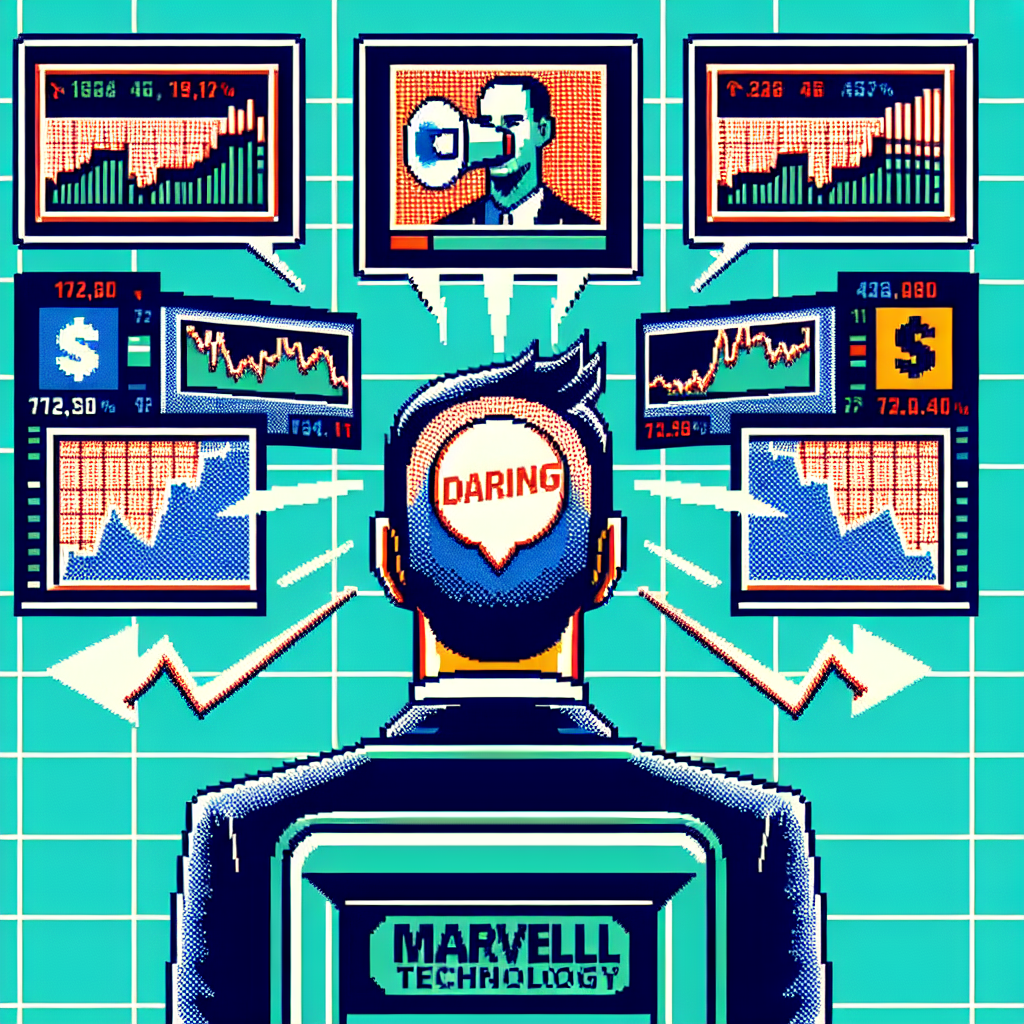
In the fast-paced world of technology and finance, headlines are often dominated by bold predictions and daring moves. Recently, a fund manager's outspoken remarks about Marvell Technology's stock have stirred the pot, sparking curiosity among investors and tech enthusiasts alike. With AI-chip producers like Marvell at the frontier of technological innovation, it's no surprise that their stocks are under the microscope. But what lies ahead for Marvell, and why should we care?

**Marvell’s Marvelous Momentum**

Marvell Technology, a key player in the semiconductor industry, has been making waves with its focus on AI chips. As the demand for AI-driven solutions continues to skyrocket, companies that power these technologies are positioned for potential growth. The fund manager’s comments, as highlighted in TheStreet's article, suggest a bullish outlook for Marvell, predicting that their stock could soar thanks to their strategic positioning in the AI-chip market.

This optimism isn't unfounded. Marvell has consistently demonstrated innovation and adaptability, crucial traits in an industry that evolves at lightning speed. Their commitment to advancing AI technology aligns well with the broader trend of increased AI adoption across various sectors, from healthcare to automotive.

**AI's Expanding Universe**

The excitement surrounding AI technology isn't confined to Marvell alone. Globally, AI is revolutionizing industries by enhancing efficiency, driving innovation, and creating new opportunities. For instance, in the automotive sector, AI is pivotal in developing autonomous vehicles. In healthcare, it's being used to improve diagnostics and personalize patient care. The financial world is no exception, with AI algorithms transforming trading strategies and risk management.

With AI’s potential seemingly limitless, companies like Marvell that provide the foundational technology are in a prime position to benefit. Their success doesn't just impact stockholders; it plays a role in the global narrative of technological advancement.

**The Bigger Picture: Tech and Society**

Beyond the numbers and market predictions lies a deeper conversation about technology's role in society. As companies like Marvell push the boundaries of what's possible, ethical considerations and regulatory frameworks become increasingly important. Ensuring that AI advancements benefit society as a whole, while addressing concerns such as data privacy and algorithmic bias, is crucial.

Moreover, the geopolitical landscape surrounding semiconductor production adds another layer of complexity. With ongoing tensions and trade considerations, the semiconductor industry is at the heart of global economic discussions, influencing everything from international relations to local economies.

**Final Thoughts**

In a world where technology is the driving force behind societal change, companies like Marvell are not just participants but leaders. Their journey, as highlighted by the fund manager's bold predictions, is a testament to the dynamic nature of the tech industry. While the stock market will always have its ups and downs, the underlying story is one of innovation and progress.

As we watch Marvell’s next moves, let’s keep in mind the broader implications of their success. It’s not just about the stock price; it’s about the future of technology and its impact on our world. So, whether you're an investor, a tech enthusiast, or simply a curious observer, Marvell's story is one to follow closely. After all, in the world of tech, today’s bold predictions could be tomorrow’s reality.

Read more about AI in Business

Read more about Latest Sports Trends

Read more about Technology Innovations

Walgreens Goes From $100 Billion Health Giant to Private-Equity Salvage Project – The Wall Street Journal | Analysis by Brian Moineau

Walgreens Goes From $100 Billion Health Giant to Private-Equity Salvage Project - The Wall Street Journal | Analysis by Brian Moineau

**From Pharmacy Powerhouse to Private-Equity Project: The Walgreens Odyssey**

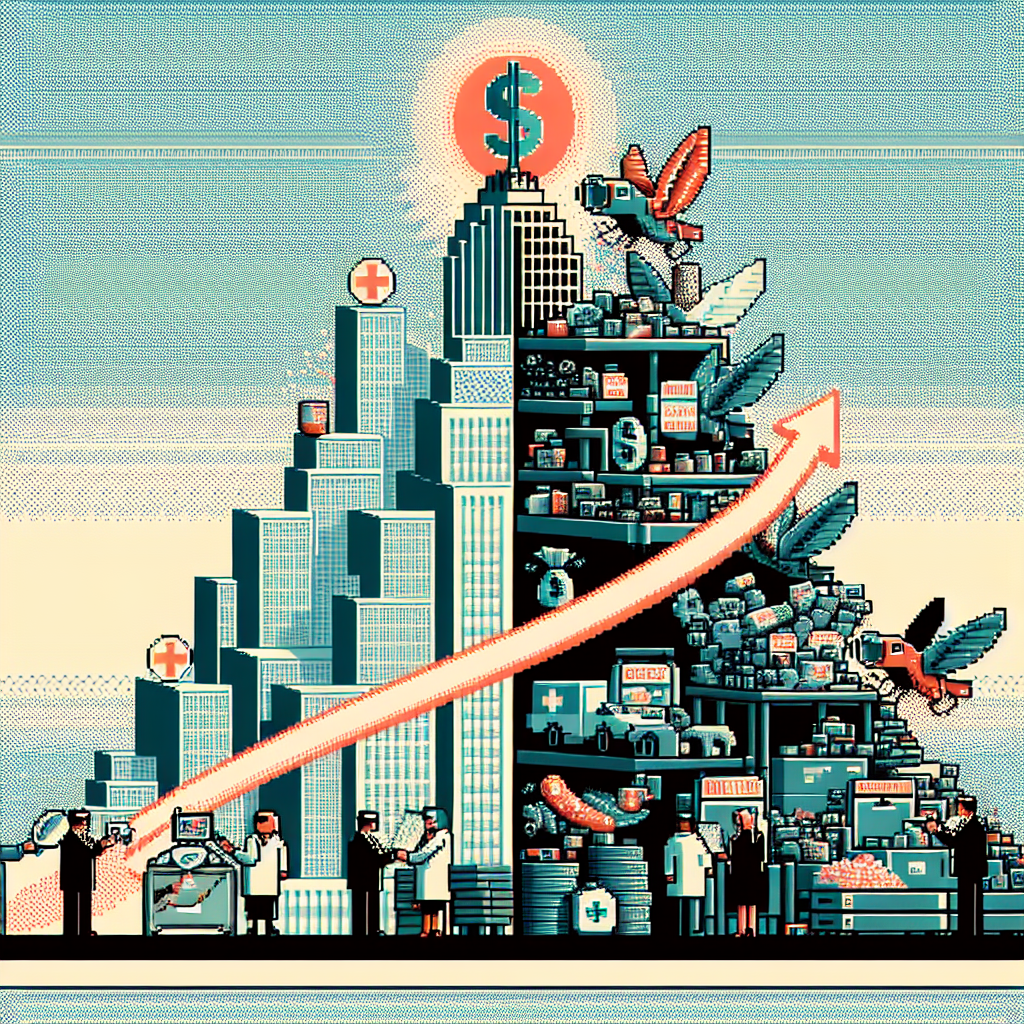
Once upon a time, Walgreens stood tall as a $100 billion behemoth in the health industry, a giant among giants in the world of pharmacy and retail. Fast forward to today, and this titan is finding itself in the arms of Sycamore Partners, a private-equity firm known for taking companies on a journey of transformation—or, more aptly, salvage operations. What's led Walgreens down this winding road from the peak of pharmaceutical prowess to a private-equity project? Let’s explore the narrative of change in the retail pharmacy landscape.

**The E-Commerce Effect**

The decline of Walgreens is not an isolated incident but rather a chapter in the larger story of retail evolution. As the tides of e-commerce have swept across the globe, traditional brick-and-mortar stores have found themselves in increasingly choppy waters. Giants like Amazon have redefined customer expectations, offering convenience and competitive pricing that physical stores struggle to match. Walgreens, despite its storied history, has not been immune to these forces.

In the broader context, it’s worth noting how other traditional retailers have navigated this digital disruption. Take, for instance, Best Buy, which found a way to thrive by revamping its online presence and customer service strategies, proving that adaptation is indeed possible. Meanwhile, Sears, once a retail stalwart, serves as a cautionary tale, having succumbed to the pressures without adequately evolving.

**Health-Industry Shifts**

Beyond the digital revolution, the health industry itself is in flux. The rise of telemedicine, changing patient expectations, and new regulatory landscapes have altered how health services are delivered and consumed. Walgreens, which had long been synonymous with the local pharmacy experience, needed to innovate and expand its healthcare offerings. Competitors like CVS Health have embraced this change more readily, integrating health services and digital solutions to meet the modern consumer's needs.

In a world where healthcare is moving towards more integrated and holistic models, Walgreens' slower pivot has been a significant factor in its decline. The acquisition by Sycamore Partners might be the catalyst needed for a strategic realignment, potentially infusing the company with a fresh perspective on navigating these changing terrains.

**A Broader Economic Lens**

Walgreens’ predicament can be seen as a microcosm of the broader economic climate. As private equity increasingly steps in to rescue or revitalize struggling businesses, we see echoes of this in other sectors. For instance, the restaurant industry has witnessed similar patterns, with private-equity firms stepping in to revitalize brands that have fallen out of favor with shifting consumer tastes.

Furthermore, as we transition into a post-pandemic world, the business landscape is undergoing significant recalibration. Companies are re-evaluating their operational strategies, supply chain mechanisms, and digital footprints to remain competitive and relevant.

**Final Thoughts**

The story of Walgreens serves as a poignant reminder of the necessity for businesses to adapt proactively and innovatively. In an era defined by rapid technological advancements and shifting consumer expectations, standing still is not an option. Whether Sycamore Partners can successfully steer Walgreens back to its former glory remains to be seen, but one thing is certain: the journey will be closely watched by those who understand the importance of evolution in the ever-changing world of business.

As we look to the future, it’s crucial for businesses to embrace change, foster innovation, and, perhaps most importantly, place the customer at the heart of their strategies. After all, the ability to adapt is not just a business strategy; it is an imperative for survival.

Read more about AI in Business

Read more about Latest Sports Trends

Read more about Technology Innovations