NewsGuard Sues FTC Over Ad Market Control | Analysis by Brian Moineau

A ratings service says the FTC is trying to strangle it — and the First Amendment is now part of the fight

The headline reads like a legal thriller: a company that assigns "trust scores" to news websites has sued the Federal Trade Commission, accusing the agency of weaponizing regulatory power to cut it out of the advertising ecosystem. It's NewsGuard versus the FTC, fronted by Chairman Andrew Ferguson — and the dispute raises three big questions: who gets to police the media marketplace, when does regulation become censorship, and how much power do ad buyers and agencies hold over what counts as “acceptable” news?

Why this matters (hook)

  • Advertisers funnel billions of dollars through a handful of ad agencies. If those agencies can't or won't buy inventory adjacent to particular outlets, the outlets' survival and audiences are affected.
  • Independent evaluators like NewsGuard say they help brands avoid reputational risk and help readers assess reliability. Critics say these ratings can be subjective or politically skewed.
  • When a regulator uses merger remedies or investigations that have the effect of freezing a ratings company out of the market, the stakes shift from commercial competition to free-speech and due-process questions.

Quick takeaways

  • NewsGuard filed a lawsuit in early February 2026 alleging the FTC burdened it with sweeping document demands and inserted merger conditions that effectively bar major ad agencies from using its ratings. (Filed Feb. 6, 2026.) (washingtonpost.com)
  • The contested merger remedy arose in the Omnicom–Interpublic transaction; the FTC’s order reportedly prevents those ad holding companies from basing ad buys on “journalistic standards or ethics” set by third parties — language NewsGuard says was crafted to target it. (washingtonpost.com)
  • NewsGuard argues the FTC’s actions violate the First and Fourth Amendments and amount to government censorship of a private service. The FTC and some conservatives argue NewsGuard has a political slant and has inflicted commercial harm on certain outlets. (washingtonpost.com)

What NewsGuard does and why advertisers use it

NewsGuard, launched in 2018 by media veterans including Steven Brill and Gordon Crovitz, uses human journalists to score sites on nine transparency and credibility criteria and publishes a “nutrition label” explaining each score. Brands and agencies have used these ratings to reduce ad placement near sites they judge risky, and browser extensions surface those trust scores to consumers. NewsGuard emphasizes transparency in its methodology and publishes the criteria it applies. (newsguardtech.com)

Why advertisers care:

  • Brand safety concerns: running ads next to fraudulent, extreme, or disinformation-filled content can cause reputational damage.
  • Liability and client pressure: large advertisers increasingly demand oversight tools to demonstrate they’re avoiding harmful placements.
  • Centralized buying power: big holding companies and ad agencies set de facto industry norms for what’s acceptable.

The FTC’s actions that sparked the lawsuit

According to NewsGuard’s complaint and reporting by The Washington Post, two lines of FTC activity prompted the suit:

  • An extensive information demand: the FTC ordered broad disclosures of NewsGuard’s client lists, ratings deliberations, communications, and financials — an investigation NewsGuard says is so sweeping it chills its business and violates privacy and press protections. (washingtonpost.com)

  • A merger condition in Omnicom–Interpublic approval: the FTC’s order included language preventing the combined agency from directing ad buys based on “adherence to journalistic standards or ethics established or set by a third party.” NewsGuard argues that language functions as a ban on companies using its ratings, effectively blacklisting the service. Newsmax and other conservative outlets publicly urged the FTC to broaden the language, which NewsGuard says revealed intent. (washingtonpost.com)

NewsGuard’s legal team frames these moves as retaliation driven by political disagreement, pointing to prior public criticism of the company by now-FTC Chair Ferguson. The company has asked a federal court to block enforcement of the merger condition and the investigative demand. (mediapost.com)

The competing narratives

  • NewsGuard’s story: a neutral, transparent ratings firm is being targeted for its editorial judgments. The FTC is overreaching by using merger remedies and investigations to hobble a private business whose work touches on public discourse. That, NewsGuard says, raises free-speech and due-process problems. (newsguardtech.com)

  • The FTC and critics’ story: regulators and some conservative outlets argue NewsGuard exercises editorial power that has real commercial effects and that its judgments may be politically biased. From this angle, the FTC’s scrutiny is about market power and potential exclusionary conduct — not censorship per se. Public comments from outlets like Newsmax influenced how the merger language was revised, suggesting industry players saw the remedy as relevant. (washingtonpost.com)

Both sides point to market realities: when ratings influence ad placement, they affect revenue flows. The novel legal wrinkle is whether a regulator may lawfully condition a merger or investigate a small ratings firm in a way that some regard as singling out protected speech.

Broader implications

  • The case could reshape how third-party content evaluators operate in advertising markets. If agencies are barred from relying on such ratings, advertisers lose one tool for brand protection; if regulators are limited, they may be less able to police potential collusion or exclusionary tactics in ad buying.
  • There’s a constitutional debate at the center: does the First Amendment protect the editorial judgments of a private ratings firm from regulatory interference? Conversely, do regulators have the authority to step in when a ratings product materially affects market competition or harms specific outlets?
  • The dispute exposes how intertwined advertising, editorial judgments, and platform economics have become. A private score can effectively act like a traffic light for publishers; when government action changes who can see or use that traffic light, the ripple effects are political, commercial, and civic.

My take

This lawsuit sits at the intersection of market structure and speech. NewsGuard’s methodology is transparent and human-driven — that matters in an era of opaque algorithmic moderation — but its influence on advertisers gives its judgments real economic weight. Regulators worried about arbitrary exclusion in ad markets have a legitimate role; at the same time, wielding merger conditions or sweeping investigative powers in ways that single out a small player risks the appearance (and perhaps the reality) of viewpoint-based regulation.

The healthier path would be clearer rules and neutral standards for ad buyers and ratings services: transparent criteria (which NewsGuard publishes), robust appeals and correction processes for rated outlets, and merger remedies narrowly targeted at anticompetitive conduct rather than broad language that could be read as a blacklist. These guardrails would protect both market fairness and free expression.

Final thoughts

At stake is not only one company’s business but the architecture of trust in the information ecosystem. When ratings, advertisers, and regulators collide, the outcome will shape how audiences find reliable information and how publishers — of whatever stripe — survive. Courts will now have to weigh whether the FTC crossed a constitutional line or acted within its mandate to police markets. Either way, the case underscores that in today’s media economy, the line between commerce and speech is increasingly hard to draw.

Sources


Related update: We recently published an article that expands on this topic: read the latest post.


Related update: We recently published an article that expands on this topic: read the latest post.


Related update: We recently published an article that expands on this topic: read the latest post.


Related update: We recently published an article that expands on this topic: read the latest post.

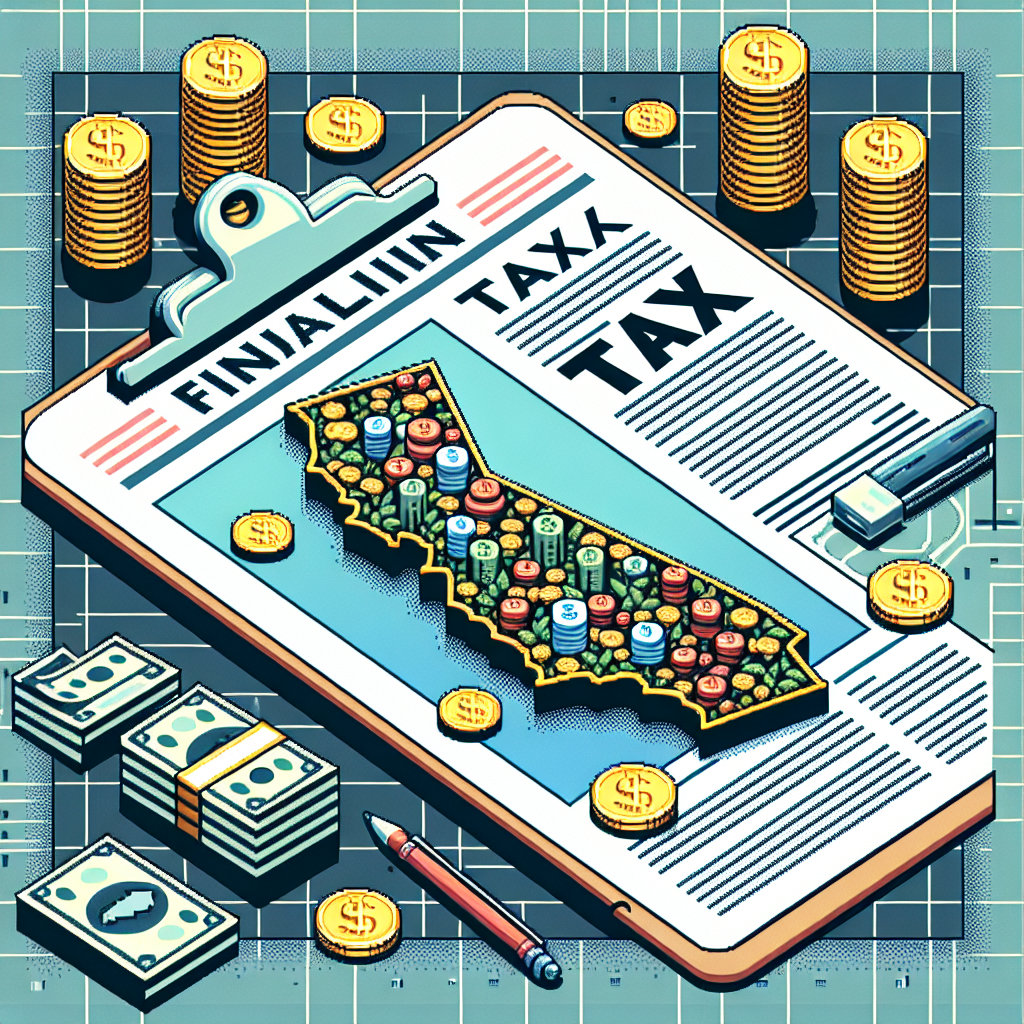
California’s Billionaire Tax Sparks Rift | Analysis by Brian Moineau

California’s billionaire tax: a rebellion in the heart of Silicon Valley

An audacious idea landed in Sacramento’s inbox and the reaction was immediate: outrage, delight, opportunism and a scramble to change addresses. A proposed one-time levy on billionaires—aimed at people with nine-figure and higher net worths who live in California—has ripped open debates about fairness, economic growth and the political future of the state that invents so much of the modern tech economy.

This post untangles the politics, the likely economic fallout, and why the proposal has split Democrats and rattled Silicon Valley in equal measure.

Quick snapshot

  • What: A proposed “billionaire tax” — a one-time 5% levy on net worth above $1 billion, with stiffer fixed amounts for ultra-wealthy tiers (the initiative was filed for the 2026 ballot by SEIU-UHW).
  • Why now: Supporters say it would raise roughly $100 billion to shore up healthcare, food assistance and education after federal cuts; opponents warn it will chase away the state’s richest residents and damage growth.
  • Political reaction: Progressive leaders like Bernie Sanders endorsed it; Governor Gavin Newsom and many business leaders oppose it. Some billionaires publicly threatened to leave; at least a few have already rearranged domiciles or offices.

Why the idea landed and why it resonates

California is a place of extremes: world-class wealth next to deeply stressed public services. That contrast fuels political energy.

  • Rising inequality and the visibility of nine-figure fortunes make a targeted wealth tax emotionally and politically compelling for many voters.
  • The immediate goal—raising money to replace lost federal funding for healthcare and shore up safety-net programs—gives the proposal a concrete use-case beyond abstract redistribution.
  • The union behind the filing argues the tax focuses only on the ultra-rich and won’t touch the middle class.

In short: it’s a focused ask with a dramatic headline number, and in politics, dramatic asks tend to move the needle.

Why Silicon Valley is panicking (and why some aren’t)

The reaction among the ultra-wealthy has not been uniform, but loud and visible.

  • Many tech figures portrayed the proposal as an existential threat: if taxes rise on paper wealth (stock holdings, unliquidated shares), founders and investors say they could be forced to sell stakes or move. Some have publicly announced moves to Florida or Texas; offices and legal addresses have shifted in ways that critics say preempt the levy.
  • Opponents argue that a state-level tax on worldwide assets creates enforcement and constitutional headaches, and that wealthy people are mobile—so revenue estimates may be optimistic if people pack up and leave.
  • Not everyone in the top tier sees it as catastrophic. Some billionaires have publicly shrugged, noting they chose California for talent and infrastructure and won’t be chased off by a one-time levy.

The net effect: a mix of bluster, legal posturing, real relocations and a publicity fight that will shape public opinion.

The political split inside the Democratic coalition

This proposal has exposed a rare public split among Democrats:

  • Progressive leaders frame the levy as moral and practical: wealthy Californians benefit from public goods (education, infrastructure, legal stability) and the state needs revenue for essential services. Some Democrats see it as a way to regain political legitimacy amid affordability crises.
  • Moderate Democrats and many elected officials worry about the state’s tax base. California already depends heavily on high-income taxpayers; if a number of the richest leave or shelter assets, revenues could fall. The governor’s opposition signals that the establishment wing is worried about economic consequences and political optics.

This isn’t just an intra-party debate about tax policy; it’s a fight over political identity—whether California leans into aggressive redistribution or prioritizes a stable business climate.

Economic and legal realities to watch

  • Revenue estimates are uncertain. Ballpark figures like $100 billion assume most targeted people remain in-state and that valuation and collection are enforceable. Past experiences suggest aggressive taxes can trigger behavioral responses that reduce expected receipts.
  • Valuation complexity. Taxing unrealized gains or illiquid assets (private company stock, art, intellectual property) is administratively hard and prone to legal challenge.
  • Mobility matters. The very wealthy can—and sometimes do—change residency or restructure holdings. Even the appearance of tax risk can spur preemptive moves.
  • Constitutional, interstate and federal issues could surface. State-level wealth taxes are uncommon in the U.S., and legal fights over retroactivity, apportionment, and interstate effects are likely.

All of that means the practical outcome will be shaped as much in courtrooms and tax counsels’ offices as at the ballot box.

What happens next

  • Signature drive and ballot placement. The initiative needs enough valid signatures to qualify for the November ballot (the filing targeted 2026). If it makes the ballot, the public debate will intensify.
  • Counter-campaigning. Expect deep-pocketed opposition, ad spending, messaging about jobs and innovation, and union-backed pro-tax campaigns framing the tax as funding essential services.
  • Potential legal challenges even before election day, and numerous legislative and advocacy responses aimed at shaping public perception and technicalities.

Something to keep in mind

Policies like this don’t play out in a single election cycle. Even if a ballot measure fails, the conversation nudges policy options and political narratives for years—about taxation, corporate responsibility, and the balance between wealth creation and social stability.

What the headlines miss

  • The debate isn’t only about punishing success. It’s about how a state dependent on a handful of mega-wealthy taxpayers secures long-term funding for services most residents rely on.
  • It’s also a test of political branding: can progressives convert anger at inequality into durable policy without triggering capital flight that undermines the tax base?

Key takeaways

  • The billionaire tax proposal crystallizes a larger question: who pays for California’s public goods when wealth is increasingly concentrated?
  • Economic estimates are uncertain and vulnerable to behavioral changes—residency shifts and asset structuring could shrink expected revenues.
  • The split among Democrats shows this is as much a political and cultural contest as a fiscal one.
  • Expect years of litigation, lobbying and relocation strategies regardless of the ballot outcome.

My take

There’s a moral clarity to asking the ultra-rich for more when public systems are strained—but the mechanics matter. A smart approach would pair targeted revenue aims with careful legal design and federal coordination to avoid making California a test-case for unintended consequences. Whether through state action or renewed federal attention to wealth taxation, the core problem—extreme concentration of wealth amid crumbling public infrastructure—needs durable solutions, not just headline-grabbing measures.

Sources


Related update: We recently published an article that expands on this topic: read the latest post.

Trump Shock Reignites Corporate Landlord | Analysis by Brian Moineau

When Wall Street Got Blindsided: Trump, Corporate Homebuying, and the Housing Debate

The time of the corporate landlord as America’s housing villain was supposed to be over. Then, on January 7, 2026, a single social-media post from President Donald Trump threw markets, policymakers, and renters back into a debate that many thought had cooled: a move to bar large institutional investors from buying single-family homes. The announcement ricocheted through Wall Street — stocks of big landlords plunged — and reopened long-standing arguments about who should own America’s neighborhoods.

Why this felt like a surprise

  • The big institutional buyers — private-equity managers, REITs and other large funds — dramatically slowed purchases after their buying binge following the 2008 crisis. By many accounts, their share of the single-family market was small nationally (often cited near 1–3%), though concentrated in some metros.
  • Trump’s abrupt pledge to stop future institutional home purchases landed without legislative details. That lack of clarity was enough to spook investors who price policy risk quickly.
  • Markets reacted on instinct: shares of firms with single-family exposure dropped sharply the same day the post went up, reflecting uncertainty about the scale and enforceability of any new ban.

What’s actually at stake

  • Supply and affordability: Supporters of restrictions argue institutional buyers reduced available entry-level homes and raised prices in certain markets, making first-time homeownership harder.
  • Scale matters: Most research suggests large institutions own a small slice of single-family homes nationally, but in some cities their presence is significant and politically visible.
  • Legal and operational questions: Any federal ban would face tricky legal terrain — from property rights to the mechanics of enforcement — and would need clarity on whether it targets future purchases only or forces sales of existing portfolios.

The investor dilemma

  • Short-term shock vs. long-term exposure: Even if institutional buying has tapered, firms with existing portfolios — and public REITs associated with single-family rentals — face immediate valuation pressure when policy uncertainty spikes.
  • Regulatory risk pricing: Traders priced the unknowns quickly; without details on scope, definitions (what counts as “institutional”), exemptions, or transition rules, the proper valuation is hard to determine.
  • Reputational and political realities: Some lawmakers from both parties have at times criticized corporate landlords. That bipartisan sting makes this a politically potent issue even if the data on national impact are mixed.

A bit of history to ground this moment

  • After the 2008 housing crash, opportunistic capital acquired thousands of foreclosed single-family homes and converted many into rentals. Firms argued they provided needed rental supply and professionalized property management.
  • Critics pointed to concentrated ownership, alleged poor landlord practices, and a perception that large buyers crowded out would‑be homeowners, especially in hard-hit markets.
  • Over the past several years institutional purchases slowed, and conversations shifted toward building more homes, zoning reform, and tenant protections — but the narrative of the “corporate landlord” stuck in public debate.

Likely scenarios and practical effects

  • Narrow policy focused on future purchases: This would reduce the chance of forced sales, limit shock, and primarily constrain growth of institutional footprints. It could be less disruptive to markets but still politically meaningful.
  • Broad policy that forces divestiture: That would be unprecedented, likely face lengthy legal battles, and create significant market disruption and unintended consequences for housing finance.
  • State and local action: Expect an uptick in state/local proposals that limit corporate purchases (already happening in some locales), which may be easier to craft and defend than a sweeping federal ban.
  • Market adaptation: Investors may pivot toward multifamily, build-to-rent development, or other asset classes less politically fraught.

What the data and experts say

  • Nationally, large investors own a relatively small share of single-family homes; however, their impact varies widely by metro area. That concentration helps explain the political heat even when the national numbers look modest.
  • Economists generally point to constrained supply — lack of new construction, zoning limits, and rising building costs — as the primary drivers of housing affordability problems. Targeting buyers addresses distribution of existing stock more than the underlying supply shortage.
  • Policy design matters: measures that increase transparency (registries of corporate owners), limit predatory practices, or incentivize construction may produce more durable improvements than blunt purchase bans.

My take

This moment is a reminder that housing debates rarely center on just one variable. The optics of corporate landlords are powerful — they make for clear villains in news stories and political speeches — but durable solutions will need to tackle supply, financing, and local regulations, not only buyer identities. A narrowly tailored restriction on new institutional purchases could calm political pressure without wrecking markets; a broad forced-divestiture approach would risk legal peril and market disruption while doing little to spur new homebuilding.

Ultimately, real reform should aim for policies that increase access to homes for first-time buyers (more supply, better financing, down-payment assistance) and hold large landlords to strong standards where they exist — while recognizing that headline-grabbing bans are a blunt instrument for a multifaceted problem.

What to watch next

  • Precise policy language: definitions, effective dates, grandfathering clauses, and whether federal or state rules take precedence.
  • Court challenges and legal analyses about takings and property rights.
  • Local legislation and pilot programs in metros with high institutional ownership.
  • Market shifts: capital reallocating into other real-estate types or exit strategies if restrictions tighten.

Final thoughts

The surge of attention around institutional homebuying shows how housing policy mixes facts with perception. Markets move on uncertainty; voters respond to visible harms. Crafting effective housing policy means listening to both — but prioritizing the levers that actually increase affordable home access: more supply, smarter financing, and accountable landlords. A policy conversation that starts and ends with “who’s buying” risks missing the harder but more productive questions about how we build and sustain communities where people can afford to live.

Sources


Related update: We recently published an article that expands on this topic: read the latest post.


Related update: We recently published an article that expands on this topic: read the latest post.

Medicare Cuts Prices for 15 Big Drugs | Analysis by Brian Moineau

Medicare just picked 15 big-name drugs for steep price cuts — here's what it means

The headline alone is a jaw-dropper: Medicare will pay less for 15 high-cost medicines — including household names like Ozempic, Wegovy and several cancer treatments — after the latest round of negotiations under the Inflation Reduction Act. That change, announced by the Centers for Medicare & Medicaid Services, is scheduled to take effect January 1, 2027, and CMS says the negotiated prices would have shaved billions off last year’s spending if they’d already been in place. (cms.gov)

Why this matters right now

  • Drug prices are a top worry for older Americans and people with chronic illnesses; Medicare Part D covers many of the therapies on this list.
  • The Medicare negotiation program — born out of the Inflation Reduction Act of 2022 — is moving from pilot to policy: this is the second batch of negotiated drugs, bringing the total with final prices to 25. (cms.gov)
  • Some of the medicines targeted are among the fastest-growing sellers in the pharmaceutical market (notably GLP-1 drugs for diabetes and weight loss), so the political and commercial ripples will be big. (washingtonpost.com)

A quick snapshot of what's on the list

  • GLP-1 drugs: Ozempic, Wegovy, Rybelsus (diabetes and weight-loss).
  • Asthma/COPD inhalers: Trelegy Ellipta, Breo Ellipta.
  • Cancer drugs: Xtandi, Pomalyst, Ibrance, Calquence.
  • Other chronic-disease drugs: Janumet (diabetes), Tradjenta, Otezla (psoriatic arthritis), Linzess (IBS), Xifaxan, Austedo (movement disorders), Vraylar (psychiatric). (cms.gov)

What the price cuts actually look like

CMS reports negotiated discounts ranging widely — from substantial (dozens of percent off list price) to very large (some as high as about 70% for certain GLP-1 drugs in reporting). CMS estimates these second-round deals would have reduced Medicare spending by billions in a single year and projects material out-of-pocket relief for beneficiaries once the prices take effect. Exact monthly/annual costs for individual patients will still depend on their plan design and whether the manufacturer participates in the finalized deals. (cms.gov)

The stakes for patients, companies and taxpayers

  • Patients: Lower Medicare-negotiated prices should reduce out-of-pocket costs for many seniors who use these drugs, especially those who reach catastrophic spending. CMS also pointed to a broader out-of-pocket cap in Part D that complements these negotiations. (cms.gov)
  • Drugmakers: These negotiations can cut into revenues for blockbuster medicines, prompting pushback from industry — from public relations campaigns to lawsuits. Companies can choose to participate in negotiations (and accept a lower “maximum fair price”) or refuse and face penalties such as excise taxes or exclusion from Medicare markets. (cms.gov)
  • Taxpayers/government: CMS frames the moves as meaningful federal savings; independent analysts and outlets have produced different estimates, but the consensus is these rounds will save Medicare and beneficiaries billions over time. (cms.gov)

The practical complications to watch

  • Timing and transitions: Negotiated prices become effective January 1, 2027. Until then, current list/pricing structures remain in place, and insurers will have to adjust formularies and cost-sharing schedules ahead of implementation. (cms.gov)
  • Manufacturer responses: History suggests some companies will litigate or otherwise resist; others may negotiate quietly. That can affect availability, manufacturer assistance programs, and how quickly savings reach patients. (apnews.com)
  • Market effects: Large discounts on GLP-1s and other best-sellers could shift prescribing patterns, spur competition, and influence drug development priorities. How innovation incentives change is a central political and economic debate. (washingtonpost.com)

What to watch next

  • Implementation details from CMS and Plan Sponsors: how Part D plans will show beneficiary savings (copays vs. coinsurance), and whether manufacturers alter patient support programs.
  • Legal challenges from manufacturers and any court rulings that could delay or reshape the program.
  • Market responses: price moves on competing therapies, potential shifts in formulary placement, and whether private insurers seek similar negotiated prices.

Quick takeaways for readers

  • These negotiations are real, targeted, and scheduled to take effect Jan 1, 2027. (cms.gov)
  • The second round covers 15 drugs used for diabetes, weight loss, cancer, asthma and other chronic conditions — many are widely used and high-spend items for Medicare. (cms.gov)
  • Expected savings are large in aggregate but will vary for individual patients based on their plan and whether they hit the new out-of-pocket cap. (cms.gov)

My take

This moment is a practical test of a policy born from the Inflation Reduction Act: can government negotiation deliver meaningful relief without tangling the market in legal and logistical knots? The answer will be messy at first — implementation always is — but millions of Medicare beneficiaries stand to gain tangible relief if the rules play out as CMS projects. The bigger policy conversation — balancing affordability with incentives for pharmaceutical innovation — will continue to be fought in courtrooms, boardrooms and Congress. For now, patients facing high drug bills should follow their plan notices and work with providers and pharmacists to understand the impacts once 2027 approaches. (cms.gov)

Sources


Related update: We recently published an article that expands on this topic: read the latest post.

Michael Saylor’s Strategy Hit With Lawsuit Following $5.9B Bitcoin Loss – Decrypt | Analysis by Brian Moineau

Michael Saylor's Strategy Hit With Lawsuit Following $5.9B Bitcoin Loss - Decrypt | Analysis by Brian Moineau

Title: The Bitcoin Roller Coaster: Michael Saylor's Wild Ride and What We Can Learn

In the ever-volatile world of cryptocurrency, few stories have been as compelling—or as polarizing—as Michael Saylor's audacious Bitcoin strategy. Recently, Saylor's approach took a legal hit as an investor claimed that the strategy "overstated" its profitability before revealing a staggering $5.9 billion loss in the first quarter. As we dive into this high-stakes drama, let's keep things light and explore what this means for both crypto enthusiasts and cautious investors.

Michael Saylor, the CEO of MicroStrategy, is no stranger to controversy or bold moves. Known for his fervent belief in Bitcoin, Saylor has transformed his company into a corporate Bitcoin whale. This is no small feat, as MicroStrategy holds more Bitcoin than any other publicly traded company. The strategy seemed simple: buy and hold Bitcoin, betting on its long-term appreciation. However, as the recent lawsuit highlights, the path has been anything but straightforward.

For those who might not be familiar with Saylor, he's a man who thrives on risk. Before his Bitcoin escapades, Saylor was known for his software company and his philosophical musings. His Twitter feed is a treasure trove of Bitcoin evangelism, often urging followers to see beyond the short-term fluctuations.

But let's not forget the broader context here. Saylor's gamble is part of a larger narrative in the crypto world, where volatility is the norm and not the exception. Just look at the roller coaster ride Bitcoin has been on this year alone. From Elon Musk's tweets to regulatory crackdowns in countries like China, the market has been on a wild ride.

Interestingly, Saylor's strategy isn't just about financial gain—it's about a belief in the future of decentralized finance. In a world where central banks wield immense power, Bitcoin represents a decentralized alternative, a way to "opt-out" of traditional financial systems. This vision has gained traction among younger investors who view cryptocurrency as the future of money.

However, as Saylor's experience shows, holding large amounts of Bitcoin isn't without risks. Market volatility can lead to massive paper losses, and the recent lawsuit underscores the importance of transparency and managing expectations. It's a stark reminder that even the most optimistic strategies need a reality check every now and then.

In a world where change is the only constant, Saylor's story is a microcosm of the broader shifts occurring in finance. As more companies and individuals explore cryptocurrency, they must balance ambition with caution, innovation with regulation.

So, what can we learn from Michael Saylor's bold strategy and its subsequent legal challenges? Perhaps it's the age-old wisdom that in investing, as in life, there are no guarantees. While it's thrilling to be on the cutting edge, it's also crucial to stay grounded and adaptable.

In conclusion, whether you're a crypto enthusiast or a skeptical observer, Saylor's journey offers valuable insights. As we watch this saga unfold, let's remember that the world of cryptocurrency is still in its infancy, with plenty of lessons yet to be learned. And who knows? Perhaps Saylor will emerge from this turmoil stronger and even more convinced of Bitcoin's potential. After all, in the words of the man himself, "Bitcoin is hope."

Read more about AI in Business

Read more about Latest Sports Trends

Read more about Technology Innovations

DOGE Is Coming for Your Social Security, States Prepare to Sue – Gizmodo | Analysis by Brian Moineau

DOGE Is Coming for Your Social Security, States Prepare to Sue - Gizmodo | Analysis by Brian Moineau

**Title: When Meme Coins Meet Bureaucracy: The DOGE-Driven Drama Unfolding**

In the ever-evolving world of cryptocurrency, the line between the absurd and the revolutionary often blurs. Enter DOGE, the meme-inspired cryptocurrency that has captured imaginations and wallets alike. According to a recent Gizmodo article, "DOGE Is Coming for Your Social Security, States Prepare to Sue," things are heating up as Elon Musk's team makes moves that are raising eyebrows—and legal challenges—across various agencies.

**The DOGE Dilemma**

It was all fun and games when DOGE was just the Shiba Inu meme that became a digital currency. But now, with Musk's group reportedly pushing DOGE into more formal financial spaces, states are starting to get nervous. The idea of a meme coin being involved in something as serious as social security is enough to make anyone do a double take. While the specifics of how DOGE could intertwine with such systems weren't fully detailed, the prospect alone has been enough to stir legal waters.

**Elon Musk: The Ringmaster of the Crypto Circus**

Elon Musk, the enigmatic billionaire and tech mogul, seems to thrive in chaos and controversy. Whether he's launching rockets with SpaceX, revolutionizing electric cars with Tesla, or sending Dogecoin's value on a rollercoaster ride with a single tweet, Musk is no stranger to making headlines. His involvement with DOGE has been particularly notable, with his tweets alone often causing dramatic spikes or dips in the coin's value.

Musk's influence over DOGE has drawn both admiration and criticism. On one hand, he's made cryptocurrency accessible and fun for the masses; on the other, his unpredictable whims can destabilize markets. His apparent push to integrate DOGE into more structured systems is yet another bold, albeit contentious, move in his playbook.

**Crypto and the Broader Picture**

The drama surrounding DOGE and social security isn't happening in a vacuum. The entire cryptocurrency landscape is undergoing significant shifts. Governments worldwide are grappling with how to regulate digital currencies, while central banks are exploring their own digital options. For instance, China's digital yuan and the European Central Bank's digital euro are both responses to the crypto craze, aiming to harness the benefits of digital currency while maintaining regulatory oversight.

Furthermore, the United States has been seeing a surge in discussions around cryptocurrency regulation. The Securities and Exchange Commission (SEC) has been particularly active, with Chairman Gary Gensler frequently emphasizing the need for comprehensive regulatory frameworks to protect investors and maintain market integrity.

**A Lighthearted Look at a Serious Subject**

While the idea of DOGE meddling with social security might sound like the plot of a satirical novel, it highlights the real and urgent need for clarity in the crypto space. It's a reminder that as technology evolves, so too must our laws and societal structures. The comedic nature of DOGE's origins doesn't negate the serious implications of its integration into mainstream systems.

In the words of the late Douglas Adams, author of "The Hitchhiker's Guide to the Galaxy," "Don't Panic." The world of cryptocurrency might feel chaotic and unpredictable, but it's also filled with potential and innovation. As states prepare to sue and legal teams gear up for battle, one can't help but watch with a mix of amusement and anticipation.

**Final Thought**

As this saga unfolds, remember that the world of cryptocurrency is still in its early days. Mistakes will be made, lessons will be learned, and hopefully, a balanced approach will emerge that harnesses the benefits of digital currencies while safeguarding vital societal structures. In the meantime, keep your digital wallets close and your sense of humor closer—because in the world of DOGE, anything is pawsible.

Read more about AI in Business

Read more about Latest Sports Trends

Read more about Technology Innovations