
Olympic medals breaking: fragile triumphs | Analysis by Brian Moineau

Handle with care: when Olympic medals snap during victory celebrations

There’s a peculiar, heartbreaking kind of silence that follows a split-second of pure joy — the sound of metal clattering onto the ground where only triumph should have landed. At the Milan Cortina 2026 Winter Olympics, that sound cut through the opening weekend as several athletes discovered their medals had come apart mid-celebration. Breezy Johnson, fresh off a downhill-gold high, laughed and then warned teammates: “Don’t jump in them.” It’s a small phrase, but it points to a bigger moment about craftsmanship, symbolism, and how we treat the physical tokens of athletic history.

Why this feels worse than a broken trinket

  • Medals are not ordinary souvenirs. They’re the tangible proof of years — often decades — of sacrifice, heartbreak, and single-minded focus.
  • The moment of receiving a medal is ritualistic: the anthem, the ribbon, the way it rests against an exhausted chest. When that object fails, it can feel like the ritual itself has been undermined.
  • These aren’t mass-market products sold at a stadium kiosk. They are designed, produced, and presented by organizing committees as part of a Games’ legacy. Quality issues therefore reflect on the event as much as they affect the athlete.

What happened in Milan Cortina 2026

  • During the opening weekend (February 8–9, 2026), multiple athletes had medals detach from their ribbons or break during celebrations. U.S. skier Breezy Johnson said she was “jumping in excitement” when her medal came loose. German biathlete Justus Strelow saw his bronze fall off and a small clasp piece come away. U.S. figure skater Alysa Liu posted video showing a gold medal detached from its ribbon. Organizers said they were investigating and paying “maximum attention.” (abcnews.go.com)

Not the first time: a pattern of medal-quality headaches

  • This isn’t unprecedented. After the Paris 2024 Games, some medals required replacing because athletes complained of tarnishing or corrosion that made the finish look mottled. That issue prompted scrutiny of materials and plating techniques and left athletes uneasy about handing down blemished symbols of achievement. The Milan incidents echo that earlier quality control problem. (washingtonpost.com)

Possible causes (what to consider)

  • Design choices: Modern Olympic medals often incorporate complex materials, cutouts, and mixed metals for aesthetic and sustainability reasons. Those design elements can introduce weak points at attachment points or thin sections.
  • Manufacturing pressure: Tight timelines, outsourcing, or cost constraints can result in inconsistent finishes or assembly problems — especially when organizers aim to produce thousands of medals on a schedule.
  • Attachment hardware: The ribbon-to-medal interface (clasp, loop, soldering) is a mechanical system that must withstand movement, sweat, and ecstatic jostling. Failure there seems to explain several of the recent incidents.
  • Celebration behavior: Athletes hug, jump, spin, toss their heads back while shouting. That kinetic energy is part of the medal’s real-world test — sometimes a harsh one.

The human side: reactions that matter as much as fixes

  • Athletes’ reactions were lighthearted but pointed: Breezy Johnson joked she’d get it fixed; Alysa Liu quipped about her medal not needing the ribbon. The tone matters — many athletes handled it with humor — but that doesn’t erase the emotional sting for winners who want a flawless moment preserved for life and for family.
  • Organizers must act quickly and transparently. Replacing or repairing medals, checking the entire production batch, and explaining corrective measures will help preserve trust. The organizers in Milan Cortina said they were investigating. (abcnews.go.com)

Bigger questions beyond Milan

  • What should Olympic organizers prioritize: aesthetics and innovation, or durability and symbolic permanence? Ideally both, but trade-offs happen.
  • Are athletes given enough input on the final, wearable design? Some delegations and athletes might push for sturdier attachment hardware or simpler designs that tolerate celebration rituals.
  • How will these incidents affect collectors, museums, and the legacy value of medals? A medal that’s damaged immediately risks being viewed as less archival or worthy of display — an odd fate for an object meant to become a family heirloom.

Notes on solutions and fixes

  • Short term: repair and replacement for affected athletes, plus immediate inspection of production batches to prevent more failures.
  • Medium term: re-examine attachment designs (stronger clasps, reinforced loops), test medals under realistic celebration forces, and adopt stricter quality-control checks before ceremonies.
  • Long term: balance creativity and sustainability with mechanical durability. If materials are novel or recycled (a growing trend), manufacturers must anticipate different wear characteristics.

What this moment teaches us

  • Objects carry meaning far beyond their material make-up. When a medal breaks, it irritates a communal idea of perfection that surrounds the Olympics: that the pinnacle moment should be flawless.
  • Manufacturing and design aren’t abstract processes. They intersect with emotion, memory, and national pride.
  • Small things matter in a big spectacle. A clasp failure becomes a PR issue, an emotional footnote, and — for the athlete — an avoidable blemish on a lifetime achievement.

Takeaways for readers and fans

  • Celebrate the athletes first — the humans who earned those medals — not the objects. A broken medal doesn’t diminish the victory.
  • Expect organizers to move fast: investigate, repair, and communicate. Past incidents (Paris 2024 and now Milan Cortina 2026) make swift action necessary. (washingtonpost.com)
  • Appreciate the hidden complexity behind Olympic iconography: design, engineering, and supply chains all have to perform under pressure.

Final thoughts

There’s an irony in witnessing fragile metal fail at the moment it’s supposed to confer permanence. The broken clasp is an invitation to rethink how we treat symbols: more padding in the design process, yes — but also more room for the messy human joy that produced the break in the first place. Let the medals be fixed, let the images be restored, but don’t let these little fractures obscure what the Games are for: the athletes, their work, and the stories they carry home.

Sources


Related update: We recently published an article that expands on this topic: read the latest post.


Related update: We recently published an article that expands on this topic: read the latest post.
Apple Engineers Teach Factories AI Quality | Analysis by Brian Moineau

Why Apple engineers are checking bacon labels — and why that matters for U.S. manufacturing

The image is deliciously odd: senior Apple engineers hunkered down beside a label press in Vermont, teaching a 54-person label maker how to use cameras and open-source AI to spot slightly off-color bacon packaging before it ships. It’s the kind of moment that makes headlines because it’s unexpected — but the story behind it reveals something more consequential about tech, supply chains, and how large companies can influence manufacturing on the ground.

What happened (the quick version)

  • Apple launched the Apple Manufacturing Academy in Detroit this year in partnership with Michigan State University as part of a broader U.S. manufacturing investment program.
  • Through the Academy and follow-up consultations, Apple engineers have been working with smaller manufacturers — not just Apple suppliers — on practical problems: sensor deployments, predictive maintenance, and computer vision for quality control.
  • A notable example: ImageTek, a small label printer in Vermont, received help creating a computer-vision tool that flagged bacon labels with a wrong tint before they reached a customer. That catch likely saved contracts and revenue. (Reported by WIRED on December 17, 2025.)

A few things that make this worth watching

  • It’s hands-on, real work. This isn’t a glossy PR class where executives talk about strategy; Apple staff are helping with shop-floor problems: cameras, algorithms, Little’s Law to find bottlenecks, and low-cost sensor networks. For many small manufacturers, that level of applied engineering is prohibitively expensive or simply unavailable.
  • The help is practical and tactical, not just theoretical. Small manufacturers described the Apple teams as candid, experienced, and willing to hand off code and guidance rather than locking up IP. That lowers friction for adoption.
  • The timing is strategic. Apple’s program ties into a much larger U.S. investment push (Apple increased its U.S. commitment and opened a server factory in Houston, among other moves). Helping suppliers and adjacent manufacturers strengthens the domestic ecosystem that supports high-tech production.
  • It’s a PR win — and potentially a policy lever. Demonstrating concrete investments in U.S. manufacturing can influence political conversations about tariffs, incentives, and reshoring.

Lessons for small manufacturers

  • Define a clear problem statement. Apple’s Academy reportedly prioritizes companies that can articulate a concrete challenge. That turns vague interest into feasible pilots.
  • Start with affordable pilots. ImageTek’s camera-and-vision setup sits beside the press for now — a low-risk way to prove value before full integration. Polygon expects to spend around $50k for fixes that might otherwise cost ten times as much through traditional consultancies.
  • Data-based decisions beat “muddle through” approaches. Sensors and simple analytics can quickly surface root causes — humidity, worn rollers, timing issues — that manual inspection can miss.

What this means for bigger debates

  • Reshoring isn’t just about moving final assembly. Building resilient supply chains requires investment across tiers — tooling, sensors, software skills, testing culture, and quality processes. Apple’s effort suggests that the “soft infrastructure” of expertise and training matters as much as factory square footage.
  • Large firms can raise the tide, but they won’t (and likely won’t want to) carry every ship. Apple’s engineers can seed capability and show paths; scaling will require equipment vendors, local consultants, community colleges, and public programs.
  • There are potential tensions. Even if Apple hands off code and claims no ownership now, tighter relationships between platform companies and small manufacturers raise questions about dependency, standards, and who benefits from later upgrades or downstream sales.

Examples from the Academy that illuminate the approach

  • ImageTek (Vermont): AI-enabled color-checking on labels prevented a costly quality slip for a food customer.
  • Amtech Electrocircuits (Detroit area): Sensors and analytics to reduce downtime on electronics lines used in agriculture and medicine.
  • Polygon (Indiana): Industrial engineering advice using Little’s Law to map bottlenecks and inexpensive sensor-driven diagnostics to double throughput ambitions.

These are small, specific wins — but they’re the kinds of wins that add up to stronger local competitiveness.

Practical takeaways for manufacturers and policymakers

  • Manufacturers: invest in problem definition, partner with programs that provide both training and hands-on follow-through, and pilot low-cost solutions first.
  • Industry groups and community colleges: scale hands-on curricula that teach applied machine vision, sensors, and basic industrial engineering so more firms don’t have to rely on a single large corporate partner for expertise.
  • Policymakers: incentive programs that combine capital grants with training and technical assistance amplify impact. The “last mile” of deployment is often where public funding can make a difference.

My take

It would be easy to write this off as a cute PR vignette — Apple folks inspecting bacon labels — but that misses the point. The striking detail is not the bacon; it’s the mode of intervention: experienced engineers applying practical, low-cost fixes and coaching teams how to adopt them. That’s the kind of catalytic help small manufacturers often lack. If Apple’s effort scales — through the Academy’s virtual programs, MSU partnership, and other ecosystem players — it could help lower the barriers for many businesses to adopt modern manufacturing methods. That’s not just good for those companies’ bottom lines; it’s how a sustainable, competitive domestic manufacturing base gets rebuilt: one practical fix at a time.

Final thoughts

Technology giants stepping into the training and transformation space changes the game from “let’s talk about reshoring” to “let’s make factories measurably better.” The story of bacon labels is an entertaining hook, but the enduring value will be measured in throughput, contract wins, and a generation of smaller manufacturers who can compete because they were taught how to instrument and measure their own operations. If more big firms follow suit — and if public institutions and local trainers scale these methods — U.S. manufacturing may indeed get a meaningful productivity boost.

Sources

Hormel Recalls Chicken Over Metal | Analysis by Brian Moineau

Hormel’s Massive Chicken Recall: What You Need to Know

Imagine sitting down to enjoy a meal, only to discover a piece of metal lurking in your food. This unsettling reality has recently struck many consumers, as Hormel Foods—one of the largest food companies in the United States—has announced a recall of nearly 5 million pounds of ready-to-eat frozen chicken products due to concerns over metal contamination. Let’s dig into the details of this significant recall, its implications, and what you can do to stay informed and safe.

Understanding the Recall

Hormel’s recall, which was made public on a Saturday, comes after several complaints from consumers who reported finding metal pieces in their chicken products. This kind of contamination is not only alarming but raises serious questions about food safety protocols and quality control in the food industry. The specific products involved include various frozen chicken items sold under Hormel's brand, which are often staples in many households.

This incident is not only a hiccup for Hormel but also reflects a broader issue within the food industry—ensuring that the food we eat is safe and free from contaminants. Such recalls aren’t just about corporate responsibility; they are about consumer trust and public health.

Hormel has stated that these products were distributed across various states and that they are taking immediate action to ensure that all affected items are removed from store shelves. They are urging consumers who may have purchased these products to check their freezers and discard any items that fall under the recall.

Key Takeaways

- Scope of the Recall: Nearly 5 million pounds of ready-to-eat frozen chicken products are being recalled due to potential metal contamination. - Consumer Safety: Hormel is urging consumers to check their freezers and dispose of any affected products to avoid health risks. - Quality Control Concerns: This incident raises important questions about food safety protocols within the food industry. - Company Response: Hormel is actively working to resolve the issue and has committed to enhancing their safety measures. - Stay Informed: Consumers should remain vigilant and monitor announcements from food companies regarding recalls and safety issues.

Conclusion: A Call for Vigilance

As consumers, we often trust that the food we purchase is safe to eat, but incidents like Hormel’s chicken recall serve as a sobering reminder of the importance of vigilance. It’s crucial to stay informed about food recalls and to be proactive about checking the products we bring into our homes. While Hormel is taking steps to address this issue, we all have a role to play in ensuring our food safety.

So, the next time you reach for that frozen chicken in your freezer, take a moment to double-check the packaging and make sure it’s not part of any recall. Let’s keep our kitchens safe and our meals enjoyable!

Sources

- NBC News: [Hormel is recalling 5 million pounds of ready-to-eat frozen chicken over metal concerns](https://www.nbcnews.com/news/us-news/hormel-recalling-5-million-pounds-ready-eat-frozen-chicken-metal-concerns-rcna116189)

By staying informed and taking simple precautions, we can help ensure that our meals are both delicious and safe.

Apple Stores Unveil New MagSafe Chargers | Analysis by Brian Moineau

The MagSafe Revolution: Apple Stores Adapt to the iPhone 17 Launch

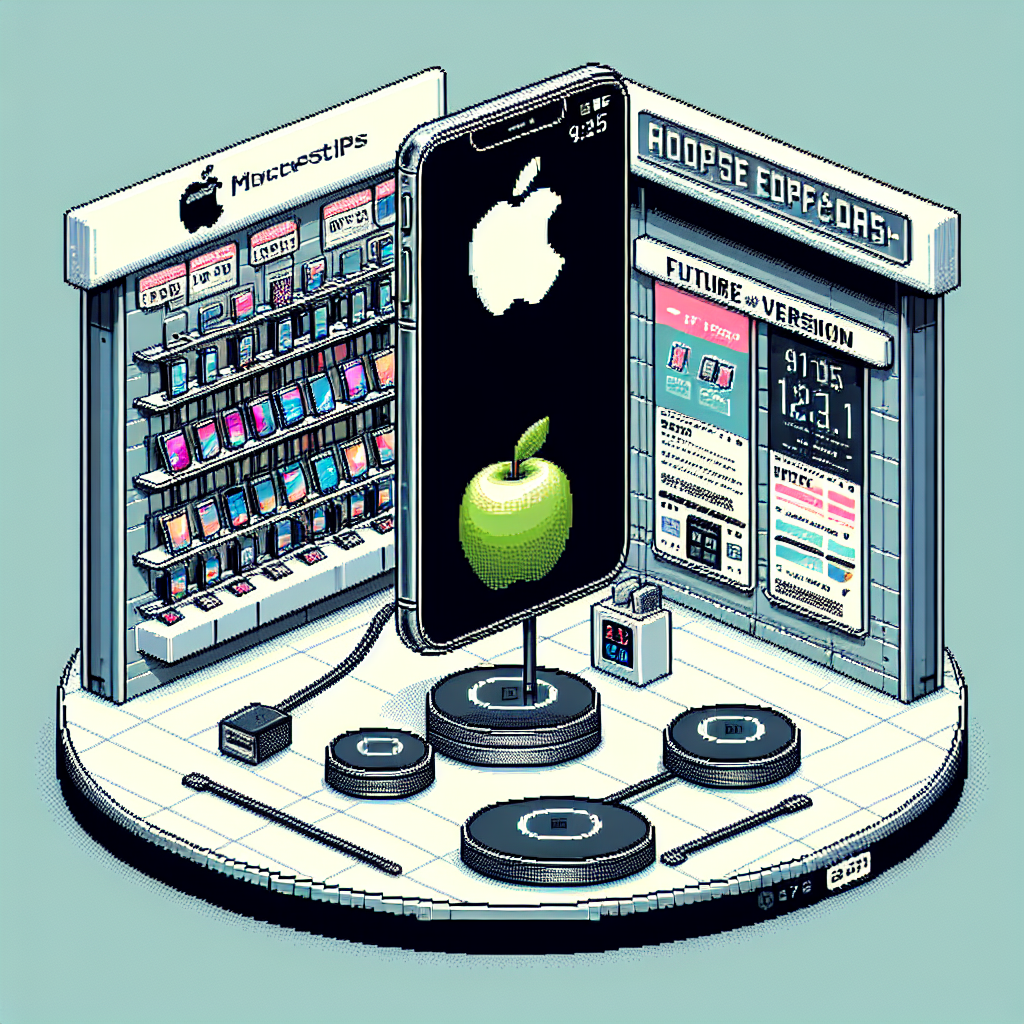
With every new iPhone launch, there's a buzz that electrifies tech enthusiasts and everyday users alike. This year's iPhone 17 rollout was no exception, but it was accompanied by some unexpected drama—dubbed 'scratchgate'—that had customers raising eyebrows and Apple responding swiftly. Amidst this backdrop, Apple Store employees are now equipped with innovative MagSafe chargers featuring silicone rings, adding an intriguing twist to the iPhone demo experience.

The Context: What Happened with iPhone 17?

The iPhone 17 launch was met with excitement, but it quickly turned into a mixed bag of reactions when reports of scratches appearing on the devices started surfacing. Customers were quick to voice their concerns on social media, leading to discussions about potential quality control issues. In response to this 'scratchgate' controversy, Apple took proactive measures to ensure that their demo units were presented in the best possible light—both aesthetically and functionally.

One of the standout initiatives was the introduction of new MagSafe chargers with silicone rings designed specifically for demo units of the iPhone 17. These chargers not only offer a secure connection but also protect the devices from scratches that might occur during customer interactions. This thoughtful design change reflects Apple's commitment to maintaining a premium experience, even amidst criticism.

Key Takeaways

- Customer Concerns: The 'scratchgate' controversy highlighted potential quality control issues with the iPhone 17, prompting a swift response from Apple to address customer feedback.

- Innovative Solutions: Apple Stores are now using MagSafe chargers with silicone rings to protect demo units, ensuring that devices remain pristine for potential buyers.

- Enhanced Demo Experience: The new chargers not only safeguard the devices but also enhance the overall demonstration experience, allowing customers to engage with the new features worry-free.

- Brand Reputation: Apple's quick action reinforces its dedication to brand integrity and customer satisfaction, showcasing how the company adapts to feedback in real-time.

- Community Engagement: The 'scratchgate' incident has sparked conversations among users, highlighting the importance of customer voices in shaping product quality and company practices.

Reflecting on the Future of iPhone Experience

As we look ahead, Apple's adaptive strategies—like the introduction of silicone-ringed MagSafe chargers—demonstrate a broader commitment to consumer satisfaction and innovation in retail environments. By swiftly addressing concerns and enhancing the customer experience, Apple not only mitigates potential backlash but also reinforces its position as a leader in the tech industry. The iPhone 17 may have had a rocky start, but with thoughtful adjustments, Apple is steering the narrative back to what matters most: the user experience.

Sources

- 9to5Mac: [Apple Stores are using new MagSafe chargers with silicone rings for iPhone 17 demo units](https://9to5mac.com/2023/10/01/iphone-17-magsafe-charger-silicone-rings/)

In the world of technology, how companies respond to challenges often defines their legacy. As Apple continues to innovate and adapt, we can only imagine what exciting developments lie ahead.

Coffee sold by major budget retailer recalled in 48 states for potential glass fragments – Syracuse.com | Analysis by Brian Moineau

Coffee sold by major budget retailer recalled in 48 states for potential glass fragments – Syracuse.com | Analysis by Brian Moineau

Coffee and Crunch: When Your Morning Brew Comes with Unexpected Surprises

Picture this: it’s a brisk autumn morning, and you’re reaching for your favorite morning brew to kickstart your day. As you pour that much-needed cup of joe, you can’t help but anticipate the rich aroma and comforting warmth that will soon envelop you. But wait—what’s that crunch? Suddenly, your coffee experience includes an uninvited guest: the dreaded glass fragment. Welcome to the latest installment of “When Good Mornings Go Bad,” brought to you by a beloved budget retailer.

Yes, you read that right. Coffee sold by a major budget retailer has been recalled in 48 states due to the potential presence of glass fragments, as reported by Syracuse.com. Customers who purchased the affected coffee are advised to contact the retailer via phone or email for a full refund. It’s like a plot twist in a suspense novel, except it’s happening right in your kitchen.

Before you panic and toss your entire coffee stash, it’s worth noting that recalls are not uncommon in the food and beverage industry. In fact, they serve as a vital safety net, ensuring that any potential hazards are swiftly addressed. Just last year, a popular brand of frozen berries was recalled due to possible Hepatitis A contamination. And who can forget the infamous romaine lettuce recall of 2018? These incidents, while alarming, highlight the importance of vigilance and prompt action in maintaining consumer safety.

In a world where unexpected surprises are the norm, the glass-in-coffee saga joins a growing list of recent recalls. The fast-food giant Taco Bell recently made headlines for recalling over 2.3 million pounds of seasoned beef over concerns it contained metal shavings. These incidents remind us that even the most established brands can face hiccups in quality control.

But let’s pivot back to our morning cup of coffee. The allure of a budget-friendly brew is undeniable, especially when inflation seems to be the buzzword of the year. With prices soaring from the grocery store aisles to the gas pumps, finding a good deal on your daily caffeine fix can feel like winning the lottery. Yet, as this recall reminds us, sometimes you get what you pay for—and occasionally, a little extra.

As consumers, it’s essential to stay informed and proactive. Checking recall notices, understanding return policies, and keeping an eye on product updates can help prevent any unwanted breakfast surprises. Plus, it’s always a good idea to have a backup plan for your caffeine needs. Perhaps it’s time to finally try that trendy matcha latte or explore the world of herbal teas.

In the grand scheme of things, a coffee recall might seem like a small blip on the radar. But it’s a timely reminder of the importance of quality and safety in the products we consume daily. So, next time you brew your morning coffee, take a moment to appreciate the journey it took to reach your mug—glass-free, of course.

Final Thought:
In a world filled with unpredictability, sometimes even the most mundane routines can surprise us. While a recall might temporarily disrupt your morning ritual, it’s also an opportunity to explore new flavors, support local coffee shops, or even experiment with brewing techniques at home. And remember, in the words of the great Johann Sebastian Bach: “Without my morning coffee, I’m just like a dried-up piece of roast goat.” Here’s to hoping your next cup of coffee is as smooth as your morning playlist. Cheers!

Read more about AI in Business

Read more about Latest Sports Trends

Read more about Technology Innovations


Related update: We recently published an article that expands on this topic: read the latest post.