Jack Hughes Wants His "Golden Goal" Puck Back — and the Hockey World Isn’t Sure Who’s Right
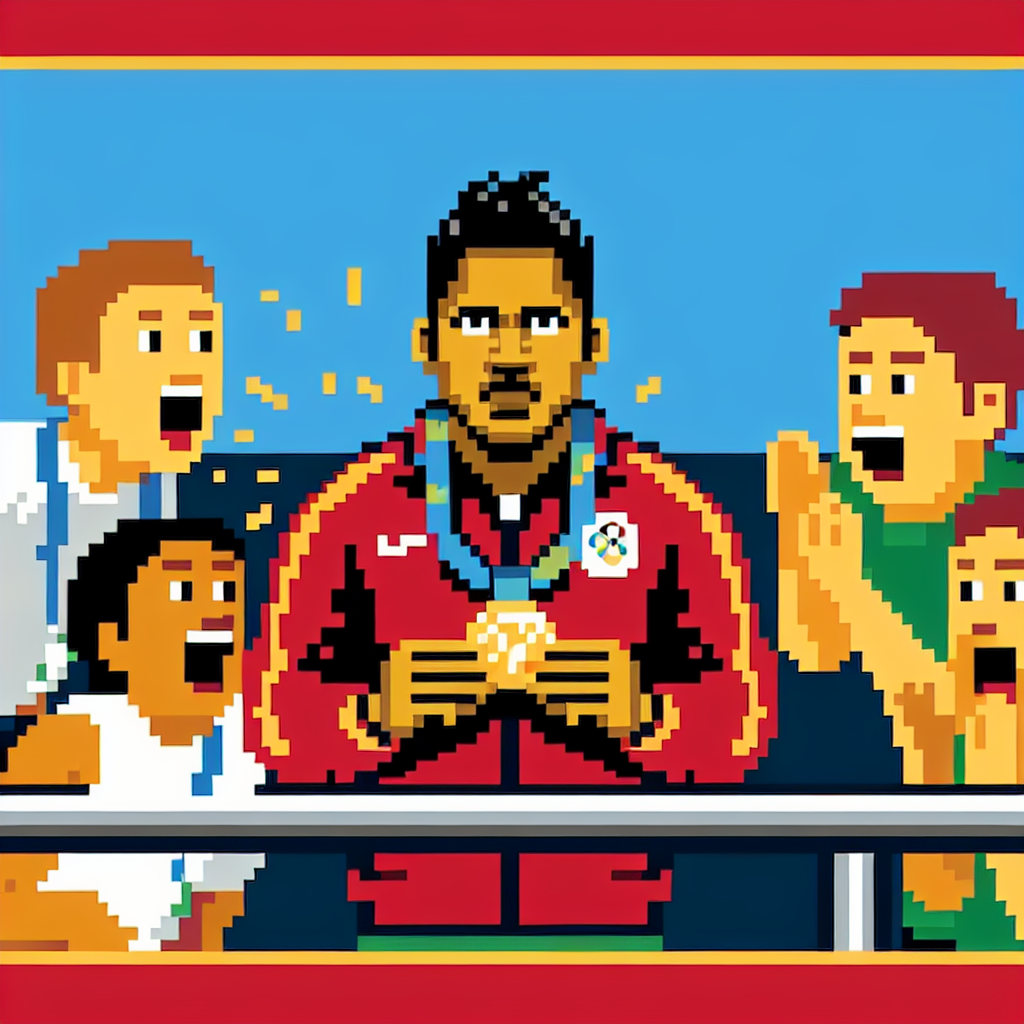
There’s a line every athlete remembers: the puck that changes everything. For Jack Hughes, that puck is literal — the overtime shot that delivered the United States the men’s Olympic hockey gold in Milan-Cortina 2026. But now “Jack Hughes wants his ‘Golden Goal’ puck back” has become its own little drama, one that raises questions about ownership, tradition, and what a single object means to a family versus the sport’s collective memory.
The headline hits you fast: Hughes told ESPN he was trying to get the puck back and called it “bullshit” that the Hockey Hall of Fame (HHOF) had it. He said he wanted to give it to his dad, Jim Hughes, who collects keepsakes from his sons’ careers. The HHOF’s curator, Philip Pritchard, shot back: the puck was never Jack’s to begin with — it arrived as part of an official donation process tied to international authorities and the museum’s stewardship. The puck now sits in Toronto alongside other pieces of hockey lore. (nhl.com)
Why this feels bigger than a puck
Sports fans are sentimental by nature. A puck — small, black, unassuming — can become sacred because of the moment it helped create. Jack Hughes’ goal snapped a 46-year drought for U.S. men’s hockey at the Olympics and instantly joined the sport’s highlight reels, headlines, and social feeds. A handful of seconds in overtime transformed a piece of rubber into a national talisman. That’s why the question of who “owns” it doesn’t feel trivial.
But the legal and institutional reality is messy. International tournaments like the Olympics often have rules or established practices around game-used equipment. Museums and halls of fame rely on formal donation pipelines and relationships with governing bodies (like the IIHF) to curate and preserve artifacts meant for public display and historical record. The HHOF framed its hold on the puck as part of that role: a custodian of shared history rather than a private collector. (sportscollectorsdaily.com)
The human element: family, history, and a simple ask
Put aside the policy for a minute and you see a son wanting to thank his father. Jack’s ask was plain and emotional: he wanted the puck to give to Jim Hughes, a dad who raised three NHL sons and collects meaningful items from their careers. That plea resonates because it’s understandable — athletes often pass milestone objects to family members as keepsakes and symbols of shared sacrifice.
That said, public reaction has been a mixed bag. Some people sympathize with Jack — who’s only 24 and just lived in the brightest possible spotlight — while others point out precedent: iconic items from sport often end up in museums to be shared with future generations. The internet, predictably, turned this into hot takes and memes. (omni.se)
What precedent says (and where the gray area is)
There are examples both ways. Sidney Crosby’s “golden goal” puck (from the 2010 Olympics) ended up in a museum display. Other singular items — sticks, jerseys, even teeth in rare cases — find their way into institutional collections because they’re deemed part of the public story of the sport. Museums argue that keeping such artifacts preserves the narrative for everyone, not just one family.
On the flip side, many players routinely keep personal milestone items: first goals, playoff pucks, and other mementos. That practice is common in club and league play, where team policies and game officials may hand items back to players. The Olympics, operated under different governance and higher-profile archiving practices, creates friction between personal ownership and a broader historical claim. (en.wikipedia.org)
A closer look at the HHOF's position
The Hockey Hall of Fame emphasizes long-standing relationships with international bodies and a formalized donation process. Philip Pritchard framed the situation bluntly: it was never Jack’s puck to own. From the museum’s perspective, taking custody of artifacts from the Olympic Games is standard practice — they accept and display pieces that tell the story of hockey’s global history. That rationale makes sense for preservation and public access, though it also feels bureaucratic when set against a son’s plea. (espn.com)
What could a compromise look like?
There are paths that preserve both the artifact for public viewing and the emotional intent behind Jack’s request.
- Loan agreements: The HHOF could formalize a loan or replica arrangement so the family receives a certified puck (or an identical replica) while the original remains on display.
- Time-limited custody: The puck could be temporarily loaned back for a family display or ceremony, then returned to the museum collection.
- Dual recognition: The HHOF could create a small on-site feature recognizing the family’s role and include high-quality replicas, photos, and an explanatory plaque about the artifact’s journey from Milan to Toronto.
These solutions acknowledge institutional duties while honoring the personal story — a win-win that keeps the history accessible and the family’s emotional claim respected.
What this tells us about sports and memory
This isn’t just a puck battle. It’s a reminder that sports objects are loaded with meaning for individuals, families, and nations. Museums preserve the collective memory, but players and their families live the private history. When those two worlds collide, tensions arise — and sometimes social media inflames them further.
Transitioning from outrage to understanding often requires a little context. The HHOF’s job is stewardship; Jack’s ask came from the heart. Both positions hold merit.
My take
I get why Jack wanted to give the puck to his dad — that impulse is pure and human. I also get why the HHOF, as an institution, would preserve the puck for public history. The best outcome is one that treats the artifact as both a family treasure and a piece of shared heritage. A formal loan or replica solution would be the kind of practical, respectful compromise that keeps history alive without erasing personal meaning.
This little controversy has a silver lining: it pushes a conversation about how we honor moments in sport and how institutions and families can work together to preserve both memory and meaning.
Notes and references
-
IIHF: Jack Hughes scores golden goal for U.S. — recaps and context on the goal.
https://www.iihf.com/en/events/2026/olympic-m/news/72235/gmg -
NHL.com: Jack Hughes becomes U.S. hockey hero by scoring 'Golden Goal' against Canada.
https://www.nhl.com/news/topic/olympics/jack-hughes-becomes-usa-hockey-hero-with-golden-goal-against-canada -
Washington Post: Jack Hughes' golden goal at the Olympics explained.
https://www.washingtonpost.com/sports/olympics/2026/02/22/jack-hughes-golden-goal-olympics/d99f0728-1022-11f1-8e8d-fe91db44677b_story.html -
Sports Collectors Daily: Gold Medal Pucks Not Lost, Soon to Be Unveiled (on HHOF acquiring Olympic pucks).
https://www.sportscollectorsdaily.com/2026-olympic-memorabilia-hockey-hall-fame/ -
Yahoo Sports: Jack Hughes' golden goal puck is IN CANADA?! (coverage of puck being at HHOF).
https://sports.yahoo.com/articles/jack-hughes-golden-goal-puck-230000292.html -
TMZ: Jack Hughes’ Gold Medal Game-Winning Puck Could Be Worth $1M, Auction Experts Say.
https://www.tmz.com/2026/03/03/jack-hughes-gold-medal-puck-could-be-worth-one-million-says-experts/ -
Wikipedia: Ice hockey at the 2026 Winter Olympics — summary and notes on puck custody and events.
https://en.wikipedia.org/wiki/Ice_hockey_at_the_2026_Winter_Olympics_%E2%80%93_Men%27s_tournament
(Note: sources were reviewed to provide context and quotes about the puck and the Hockey Hall of Fame's position.)
Related update: We recently published an article that expands on this topic: read the latest post.
Related update: We recently published an article that expands on this topic: read the latest post.