Bezos Not Buying Seahawks, Sale Looms | Analysis by Brian Moineau

The Seahawks are for sale — and Jeff Bezos isn’t buying them

You could feel it in the city air: confetti still in the gutters, fans wearing Super Bowl gear, and suddenly the franchise that Paul Allen saved in 1997 is officially on the market. The news has one obvious question trailing it everywhere — will a local billionaire swoop in and keep the team in familiar hands? Short answer, at least for now: not Jeff Bezos.

Why this feels like the end of an era (and the start of a new one)

  • The Paul G. Allen Estate has begun a formal sale process for the Seattle Seahawks, following Allen’s long-stated plan to eventually sell his sports holdings and funnel proceeds to philanthropy.
  • The timing — just after a Super Bowl victory — is dramatic. The team’s value is sky-high, ownership matters more than ever, and expectations from fans, civic leaders, and the NFL will shape how the sale unfolds.
  • Speculation raced immediately to familiar names tied to Seattle wealth and influence. Jeff Bezos — once a Seattle resident and a recent bidder (or at least an interested party) in other NFL ownership scenarios — was an obvious name to attach to the story. But one prominent media insider says he’s not pursuing a bid. (yardbarker.com)

What the “Bezos isn’t buying” update actually means

  • The reporting traces back to media insider Dylan Byers, who relayed that Bezos — who looked at the Washington Commanders sale in 2023 before stepping away — is not pursuing the Seahawks sale. That line quiets one of the louder rumors but doesn’t close the door on other potential deep-pocketed suitors. (yardbarker.com)
  • The Allen estate has engaged Allen & Company and Latham & Watkins to run the process. The NFL will need to approve any eventual buyer, and league approval can be both a speed bump and a gatekeeper for potential conflicts (media ownership, regional ties, league relationships). (spokesman.com)
  • Remember the broader context: NFL franchise prices have surged. The recent Commanders sale set a new floor above $6 billion, and valuations have only climbed since. The Seahawks — with a championship, a large market, and stable stadium lease — could attract a bidding range that surprises even veteran observers. (forbes.com)

The buyer puzzle — what teams, city, and fans should watch for

  • Financial firepower: Any credible offer will need multibillion-dollar capital, whether from a single billionaire or a consortium of investors.
  • Local optics and civic priorities: Seattleites care about the team staying in town. The Allen estate and the NFL will both factor in community ties, stadium lease terms (Lumen Field), and potential public reaction.
  • Conflicts and regulatory scrutiny: Potential buyers with ties to national media platforms, streaming rights, or technology companies can face closer league scrutiny — another reason some high-profile names (like Bezos) may opt out. (washingtonpost.com)
  • Philanthropic legacy: Because the proceeds are intended for charity, the estate’s mandate colors the process; it’s not merely a quick sale but a transfer intended to fuel philanthropy consistent with Paul Allen’s wishes. (fortune.com)

A practical timeline to watch:

  • The sale process was announced February 18, 2026; the estate expects the process to run through the 2026 offseason and will require NFL approval. Watch for an initial slate of bidders and then, several months later, a narrowed group and a finalist. (spokesman.com)

What this says about Bezos and billionaire ownership narratives

  • Bezos stepping back from a bid is not a moral judgment — it’s strategic. Buying an NFL franchise is a unique mix of emotional, civic, and business calculations. Previous interest (like in the Commanders) shows he’s willing to explore the option, but he’s also shown he’ll walk away if conditions aren’t right.
  • Fans’ reactions to billionaire owners are emotional and varied. Some want a civic steward with deep ties to the city; others prefer ownership groups that prioritize the bottom line, competitive roster-building, or community investment. The absence of a Bezos bid narrows one worry for many fans but opens speculation about who else will show up. (ca.sports.yahoo.com)

Things to keep an eye on next

  • Who officially enters the bidding (individuals and consortia).
  • How the estate prioritizes terms tied to philanthropy and community protections.
  • NFL signals on preferred ownership structures and any statements about keeping the team in Seattle.
  • Local reaction from civic leaders and season-ticket holders — their voice matters when a franchise’s location is considered.

Quick takeaways

  • The Seahawks are officially on the market as of February 18, 2026, per the Paul G. Allen Estate’s announcement. (spokesman.com)
  • Media insider reporting indicates Jeff Bezos is not pursuing a purchase of the Seahawks at this time. (yardbarker.com)
  • The sale will likely be complex and public, involving multi-billion-dollar valuations, NFL approval, and community scrutiny. (forbes.com)

My take

There’s a bittersweet poetry to this moment: a franchise saved by Paul Allen now cycles back into the market to fund the causes he cared about. Fans should brace for a months-long process full of rumor, namedropping, and armchair owners. But the practical part of me thinks a deal that keeps the team in Seattle and respects the philanthropic purpose behind the sale is the outcome most people — whether they cheer in the stands or work downtown — will quietly hope for.

Sources


Related update: We recently published an article that expands on this topic: read the latest post.


Related update: We recently published an article that expands on this topic: read the latest post.

Related update: We recently published an article that expands on this topic: read the latest post.


Related update: We recently published an article that expands on this topic: read the latest post.


Related update: We recently published an article that expands on this topic: read the latest post.

Instacart’s Algorithm Inflates Grocery | Analysis by Brian Moineau

The grocery price you see might not be the grocery price someone else sees

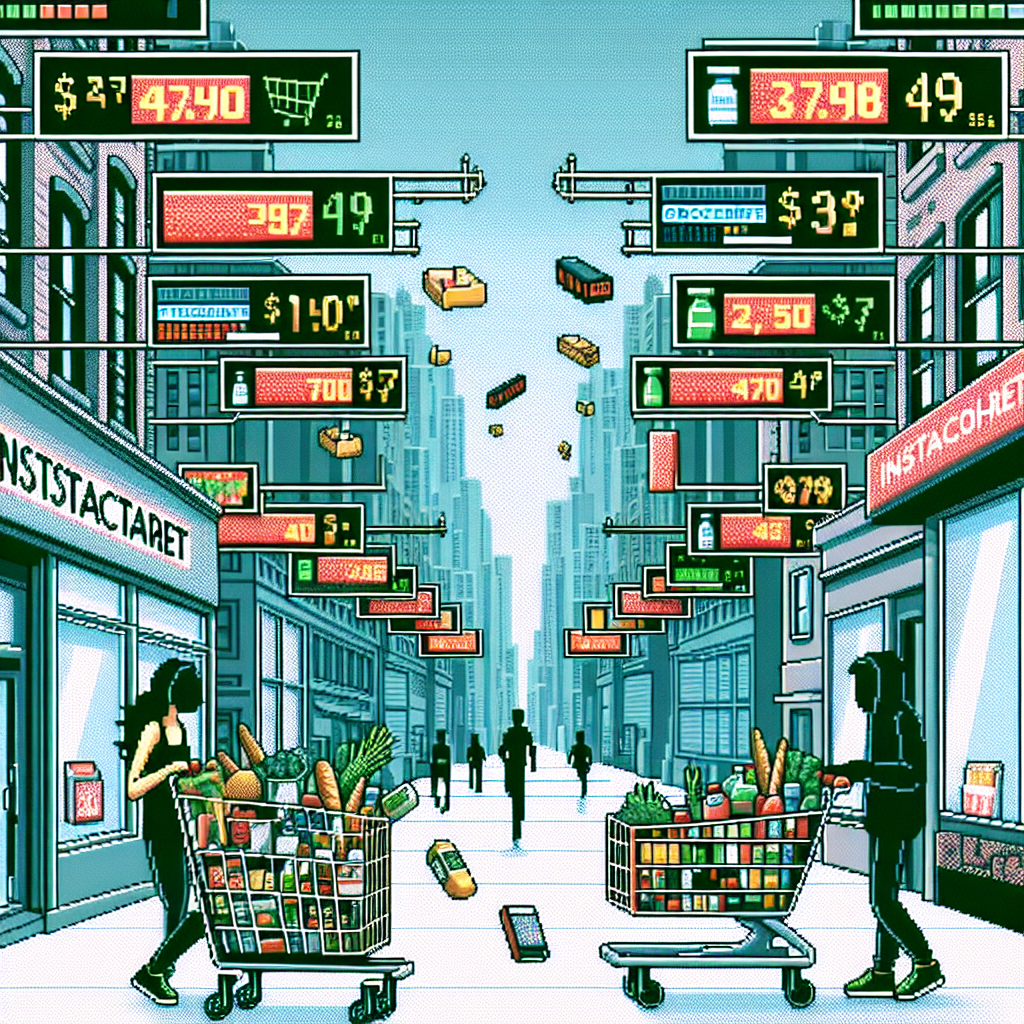
Imagine loading your cart with the same staples you always buy — eggs, peanut butter, cereal — and watching the total quietly climb depending on who’s logged into the app. That’s the unsettling picture painted by a new investigation into Instacart’s pricing experiments. The findings suggest algorithmic pricing on grocery delivery platforms is no longer hypothetical: it’s affecting the bills people pay for essentials.

Why this matters right now

  • Grocery affordability is a top concern for many households in the U.S., and small percentage differences compound quickly.
  • The findings come from a coordinated investigation by Groundwork Collaborative, Consumer Reports, and labor group More Perfect Union that tested live prices across hundreds of Instacart users in multiple cities.
  • The study’s headline figure — that average pricing variation could cost a four-person household roughly $1,200 a year — is what turned heads and spurred debate about transparency, fairness, and the role of algorithmic experiments in everyday commerce.

What the investigation found

  • Across tests in four U.S. cities, nearly three-quarters of items showed multiple prices to different shoppers for the exact same product at the exact same store and time. (groundworkcollaborative.org)
  • Price differences for individual items were often sizable — the highest price was as much as 23% above the lowest for the same SKU. Examples included peanut butter, deli turkey and eggs. (groundworkcollaborative.org)
  • Average basket totals for identical carts differed by about 7% in the study’s sample. Using Instacart’s own estimates of household grocery spending, that swing could translate to roughly $1,200 extra per year for a household of four exposed to the typical price variance observed. (consumerreports.org)

How it works (the mechanics, in plain language)

  • Instacart and some retailers use dynamic pricing tools and experimentation platforms (including technology Instacart acquired in 2022) to run price tests.
  • These systems can show different “original” or “sale” prices and can test multiple price points simultaneously across users to see what increases purchases or revenue.
  • The troubling element isn’t experimentation per se — price testing exists in physical stores too — but the lack of disclosure and the fact that shoppers trying to comparison-shop or budget are effectively excluded from seeing consistent prices. (consumerreports.org)

Responses and pushback

  • Instacart has acknowledged running pricing experiments in some cases but has asserted it does not use personal or demographic data to set prices and that most retailers do not use their pricing tools. The company also said it had stopped running experiments for some retailers named in coverage. (consumerreports.org)
  • Retail partners gave mixed reactions: some distanced themselves or said they were not involved, while others did not comment. Lawmakers and consumer advocates have seized on the report to call for clearer disclosures or limits on “surveillance pricing.” (consumerreports.org)

Broader implications

  • Algorithmic pricing can amplify existing inequalities if certain groups are more likely to be exposed to higher-priced experiments — even if a company insists it’s not using demographic targeting. The opacity of models and the complexity of A/B tests make oversight difficult. (consumerreports.org)
  • The grocery sector is already under regulatory and public scrutiny for price transparency. States and federal policymakers are beginning to consider rules about algorithmic price disclosures and “surveillance pricing” bans. Expect legislative activity and watchdog attention to grow. (wcvb.com)
  • For consumers, the convenience of home delivery may now come with a hidden premium that is not obvious at checkout.

What shoppers can do now

  • Compare with in-store prices when possible. If an item looks markedly higher in the app, check the store shelf price or call the store before completing a large order. (wcvb.com)
  • Use price-tracking habits: keep receipts, note repeated price differences, and report discrepancies to the retailer or Instacart. Consumer complaints create records that regulators and journalists can use.
  • Consider pickup (if available) or buying directly through a retailer’s own online service when price transparency matters most. Some retailers still control and publish consistent prices on their own platforms. (wcvb.com)

My take

Algorithmic testing can be a useful business tool — it can tune pricing to demand, clear inventory, or optimize promotions. But when the item is a family’s food staples, the ethical and practical bar for transparency should be higher. Consumers budgeting for essentials need predictable, comparable prices. If pricing experiments are going to be run on grocery purchases, they should be disclosed clearly, limited in scope for essentials, and subject to guardrails so that convenience doesn’t become a stealth surcharge.

Sources


Related update: We recently published an article that expands on this topic: read the latest post.

Waymos Robotaxi Incident Raises Safety | Analysis by Brian Moineau

Waymo’s Robotaxi Incident: A Wake-Up Call for Autonomous Driving Safety

Imagine stepping out of your home, hailing a ride, and watching as a sleek robotaxi pulls up to whisk you away—all without a human driver at the wheel. This is the future that companies like Waymo are working hard to create. However, recent events have cast a shadow on this vision. Earlier this month, in Atlanta, Georgia, a Waymo robotaxi was observed driving around a stopped school bus, igniting concerns about the safety and reliability of autonomous vehicles.

Background on Waymo’s Journey

Waymo, a subsidiary of Alphabet Inc., has been a pioneer in the autonomous vehicle space for years. With extensive testing and a fleet of robotaxis operating in select cities, the company has touted the safety and efficiency of its self-driving technology. However, as with any innovative technology, there are growing pains. The incident involving the robotaxi and the school bus raises critical questions about the current state of autonomous driving technology and the regulatory frameworks that govern it.

In the aftermath of the incident, Waymo quickly responded by updating the software in its vehicles. This swift action demonstrates the company’s commitment to addressing potential issues, but it also highlights the challenges that come with integrating cutting-edge technology into everyday life.

Regulators Take Notice

Following the incident, regulators have stepped in to investigate. The scrutiny from governing bodies is a necessary part of ensuring that autonomous vehicles operate safely in public spaces. As these vehicles become more prevalent, it’s vital that they adhere to strict safety standards, especially when it comes to scenarios like navigating around school buses, which are often filled with children.

Waymo’s incident is not an isolated case but part of a broader conversation about the maturity of autonomous driving technology. With more companies entering the space, the need for clear regulations and safety protocols has never been more pressing.

Key Takeaways

Regulatory Scrutiny: The incident has prompted regulators to investigate Waymo’s practices, emphasizing the need for oversight in the autonomous vehicle sector. – Software Updates: Waymo has already rolled out a software update to address the issue, showcasing the importance of continuous improvements in technology. – Public Safety Concerns: The event raises valid concerns about the safety of autonomous vehicles, particularly in scenarios involving vulnerable road users like schoolchildren. – Industry Implications: As more autonomous vehicles hit the roads, incidents like this will shape public perception and regulatory measures that govern their operations. – Future of Autonomous Driving: This incident serves as a reminder that while the future of transportation is promising, it comes with responsibilities that need unwavering attention.

Concluding Reflection

The Waymo robotaxi incident is more than just a blip on the radar; it’s a critical moment in the evolution of autonomous driving technology. As we push toward a future where self-driving vehicles become the norm, we must prioritize safety and accountability. The consequences of overlooking these elements can be dire, not just for the companies involved but for society as a whole. Moving forward, we need to foster a collaborative environment where innovation and safety go hand in hand, ensuring that our roads are safe for everyone.

Sources

– TechCrunch: [Regulators probe Waymo after its robotaxi drove around a stopped school bus](https://techcrunch.com/2023/10/15/waymo-robotaxi-school-bus/)

By staying informed and engaged in discussions around autonomous vehicle safety, we can help shape a future that not only embraces innovation but also safeguards our communities.


Related update: We recently published an article that expands on this topic: read the latest post.


Related update: We recently published an article that expands on this topic: read the latest post.


Related update: We recently published an article that expands on this topic: read the latest post.


Related update: We recently published an article that expands on this topic: read the latest post.

Lloyds Faces £2 Billion Car Finance | Analysis by Brian Moineau

The Car Finance Scandal: Lloyds Bank Faces a £2 Billion Fallout

It’s not every day that a bank announces a potential £2 billion hit to its finances. But that’s exactly the scenario Lloyds Banking Group finds itself in as it grapples with the fallout from a car finance scandal. The recent announcement of an additional £800 million set aside for claims has sent shockwaves through the banking sector, raising questions about regulatory oversight and customer trust.

Understanding the Scandal

So, what led to this staggering financial estimate? The scandal revolves around allegations that Lloyds, like several other banks, engaged in improper lending practices in their car finance division. Reports indicate that many customers may have been sold loans that were unsuitable for their financial situations, potentially leading to significant debt and financial distress. As more customers come forward, Lloyds anticipates a higher volume of claims than initially expected, thus the need for a larger reserve.

This isn’t just an isolated incident. The car finance market has come under scrutiny in recent years, with regulators investigating various lenders for similar practices. The Financial Conduct Authority (FCA) has been cracking down on unfair lending practices, pushing banks and finance companies to reassess how they interact with customers. For Lloyds, this scandal could be a pivotal moment, not just financially but also in terms of reputation.

Key Takeaways

Financial Impact: Lloyds has earmarked an additional £800 million for potential claims related to the car finance scandal, raising the overall potential cost to £2 billion. – Higher Claims Expected: The bank has revised its estimates, anticipating a larger number of eligible claims than previously thought, indicating widespread issues within its car finance division. – Regulatory Scrutiny: The scandal underscores the ongoing regulatory scrutiny of the car finance market, with the FCA actively investigating lending practices across the industry. – Customer Trust at Stake: As banks face increased scrutiny, maintaining customer trust becomes more crucial than ever. The fallout from this scandal could have long-lasting effects on Lloyds’ reputation. – Industry-Wide Reflection: This incident may prompt other financial institutions to revisit their lending practices to ensure compliance and ethical standards.

Conclusion: A Call for Accountability

As the fallout from the Lloyds car finance scandal continues to unfold, it serves as a stark reminder of the responsibilities that banks have towards their customers. The potential £2 billion cost is not just a number; it represents the lives and financial well-being of countless individuals who may have been adversely affected by these lending practices. Moving forward, it will be essential for Lloyds and other banks to prioritize transparency and accountability to rebuild trust with their customers. The financial industry is at a crossroads, and how it handles these challenges could shape the future landscape of banking in the UK.

Sources

– BBC News. “Lloyds warns car finance scandal could cost it £2bn.” [BBC](https://www.bbc.com/news/business-67004511) – Financial Conduct Authority. “Consumer credit: Understanding the regulatory framework.” [FCA](https://www.fca.org.uk) – The Guardian. “Lloyds Banking Group faces £2bn bill for car finance scandal.” [The Guardian](https://www.theguardian.com/business/2023/oct/18/lloyds-banking-group-faces-2bn-bill-for-car-finance-scandal)

As we continue to monitor this situation, it will be interesting to see how Lloyds and the wider banking industry respond to the growing call for ethical lending practices. What are your thoughts?


Related update: We recently published an article that expands on this topic: read the latest post.


Related update: We recently published an article that expands on this topic: read the latest post.

Square Earnings, Revenue, Key Metrics Miss In Q1. Payment Firm Lowers 2025 Guidance. – Investor’s Business Daily | Analysis by Brian Moineau

Square Earnings, Revenue, Key Metrics Miss In Q1. Payment Firm Lowers 2025 Guidance. - Investor's Business Daily | Analysis by Brian Moineau

A Rocky Start for Square: Navigating the Choppy Waters of Q1 Earnings


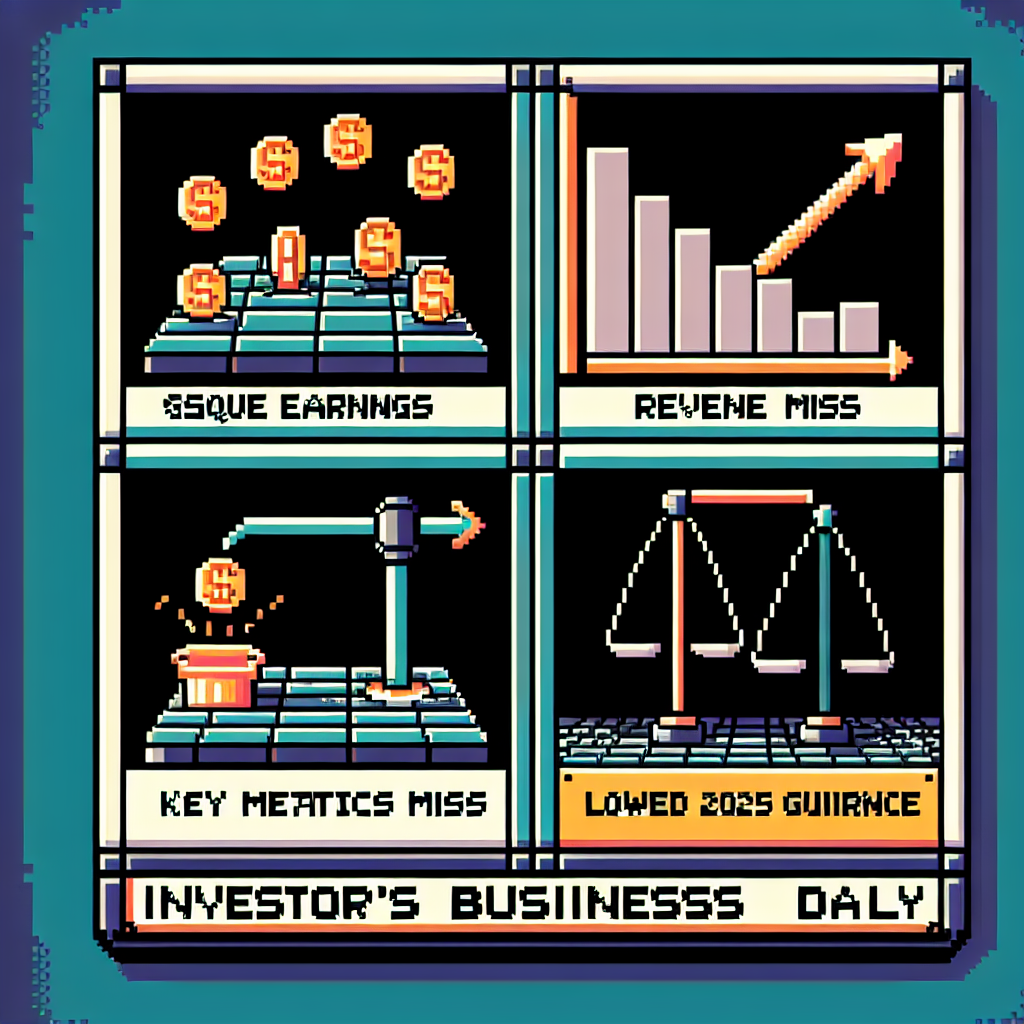
In the world of finance, a company’s earnings report can be akin to a blockbuster movie release. Investors wait with bated breath, analysts sharpen their pencils, and the market collectively holds its breath. The latest release from Square, the payments firm now known as Block, was met with quite a plot twist — a plunge in stock price following their Q1 earnings and revenue report that missed Wall Street estimates, alongside a lowered fiscal 2025 guidance.

A Slightly Bumpy Ride

Square has long been a darling of the fintech world, celebrated for its innovative approach to digital payments and its ability to empower small businesses. However, even the most visionary companies encounter turbulence. Block's recent earnings report, which revealed a less-than-stellar performance in the first quarter, sent shockwaves through the financial community.

The company’s revenue and earnings for Q1 fell short of expectations, leading to a swift reaction in the stock market with a significant drop in share prices. The lowered guidance for fiscal year 2025 added another layer of complexity to the narrative. But let’s not hit the panic button just yet. After all, even the best-laid plans can go awry — especially in a post-pandemic world where unpredictability has become the norm.

A Broader Context

To put Block’s situation in perspective, it’s essential to consider the broader economic landscape. The entire technology and financial sectors have been navigating a challenging environment marked by inflationary pressures, fluctuating consumer spending, and the ever-present specter of regulatory scrutiny. These factors have contributed to a notably volatile market, not just for Square but for many companies across the globe.

Interestingly, Block’s challenges come at a time when other sectors are experiencing their own ups and downs. For instance, as Block grapples with its financial forecasts, the automotive industry is facing supply chain disruptions, and the tech industry is battling chip shortages. It’s a reminder that unpredictability is a theme that resonates far beyond the boundaries of a single sector.

Innovating Through Adversity

Despite the current setback, it’s important to remember that Square, or Block, has always been a company that thrives on innovation. Under the leadership of Jack Dorsey, known for his forward-thinking approach and his role in co-founding Twitter, Square has consistently pushed the envelope. Whether it’s venturing into cryptocurrency with its Cash App or exploring decentralized finance, Block is not one to shy away from taking risks.

Moreover, as businesses worldwide adapt to new consumer behaviors and digital payment trends continue to evolve, Block has the opportunity to recalibrate and refine its strategies. The fintech landscape is constantly shifting, and those who adapt quickly can often emerge stronger.

Looking Ahead

So, what does the future hold for Square? While the immediate reaction might be one of concern, there’s a broader narrative to consider. Square is a company built on resilience and innovation, and these qualities will be crucial as it navigates the road ahead. The lowered guidance for 2025 might seem like a setback, but it also reflects a realistic assessment of the challenges and opportunities that lie in wait.

In conclusion, while Square’s Q1 earnings report might have missed the mark, it’s a reminder that business, much like life, is filled with ebbs and flows. The key is to stay the course, adapt to the changing tides, and continue to innovate. After all, as the saying goes, it's not about how many times you fall, but how many times you get back up that truly counts. So, here’s to Block — may it ride the waves of the future with the resilience and creativity it’s known for.

Read more about AI in Business

Read more about Latest Sports Trends

Read more about Technology Innovations