Olympic medals breaking: fragile triumphs | Analysis by Brian Moineau

Handle with care: when Olympic medals snap during victory celebrations

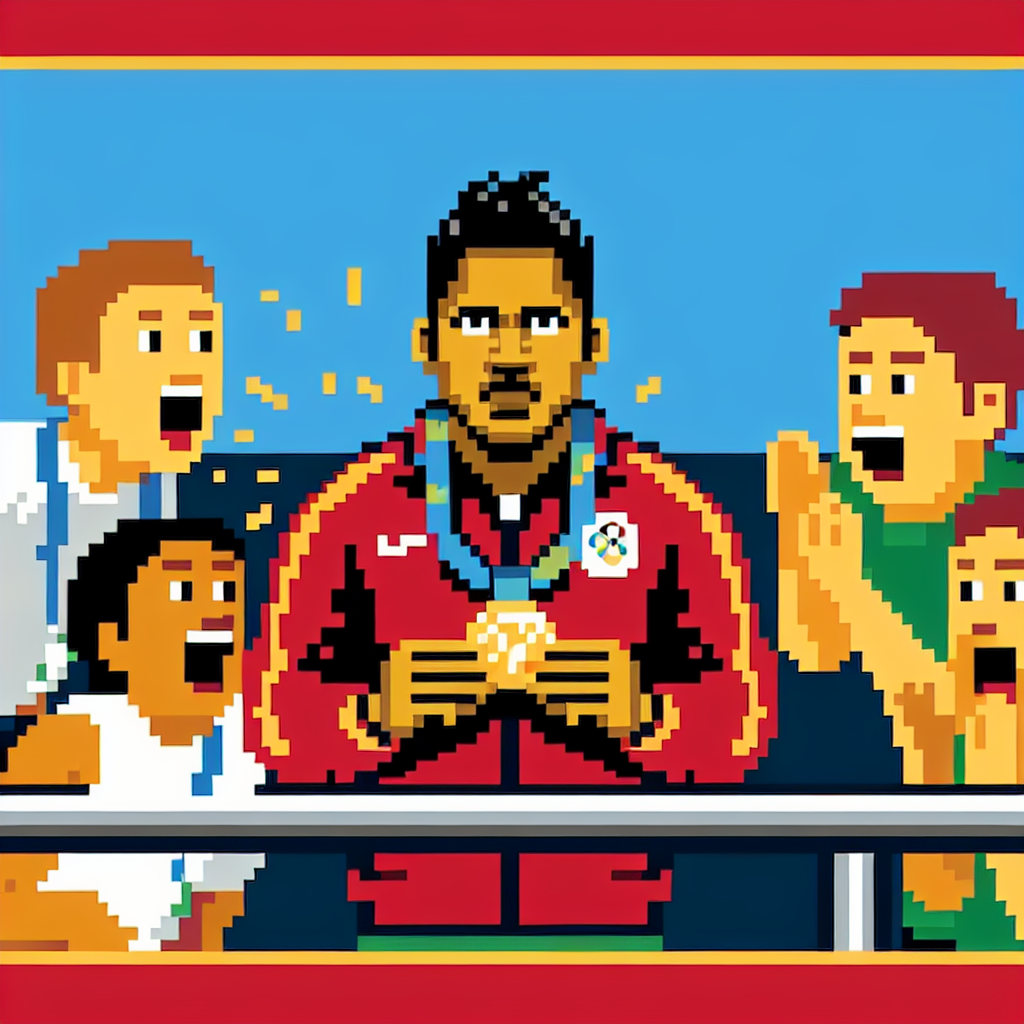
There’s a peculiar, heartbreaking kind of silence that follows a split-second of pure joy — the sound of metal clattering onto the ground where only triumph should have landed. At the Milan Cortina 2026 Winter Olympics, that sound cut through the opening weekend as several athletes discovered their medals had come apart mid-celebration. Breezy Johnson, fresh off a downhill-gold high, laughed and then warned teammates: “Don’t jump in them.” It’s a small phrase, but it points to a bigger moment about craftsmanship, symbolism, and how we treat the physical tokens of athletic history.

Why this feels worse than a broken trinket

  • Medals are not ordinary souvenirs. They’re the tangible proof of years — often decades — of sacrifice, heartbreak, and single-minded focus.
  • The moment of receiving a medal is ritualistic: the anthem, the ribbon, the way it rests against an exhausted chest. When that object fails, it can feel like the ritual itself has been undermined.
  • These aren’t mass-market products sold at a stadium kiosk. They are designed, produced, and presented by organizing committees as part of a Games’ legacy. Quality issues therefore reflect on the event as much as they affect the athlete.

What happened in Milan Cortina 2026

  • During the opening weekend (February 8–9, 2026), multiple athletes had medals detach from their ribbons or break during celebrations. U.S. skier Breezy Johnson said she was “jumping in excitement” when her medal came loose. German biathlete Justus Strelow saw his bronze fall off and a small clasp piece come away. U.S. figure skater Alysa Liu posted video showing a gold medal detached from its ribbon. Organizers said they were investigating and paying “maximum attention.” (abcnews.go.com)

Not the first time: a pattern of medal-quality headaches

  • This isn’t unprecedented. After the Paris 2024 Games, some medals required replacing because athletes complained of tarnishing or corrosion that made the finish look mottled. That issue prompted scrutiny of materials and plating techniques and left athletes uneasy about handing down blemished symbols of achievement. The Milan incidents echo that earlier quality control problem. (washingtonpost.com)

Possible causes (what to consider)

  • Design choices: Modern Olympic medals often incorporate complex materials, cutouts, and mixed metals for aesthetic and sustainability reasons. Those design elements can introduce weak points at attachment points or thin sections.
  • Manufacturing pressure: Tight timelines, outsourcing, or cost constraints can result in inconsistent finishes or assembly problems — especially when organizers aim to produce thousands of medals on a schedule.
  • Attachment hardware: The ribbon-to-medal interface (clasp, loop, soldering) is a mechanical system that must withstand movement, sweat, and ecstatic jostling. Failure there seems to explain several of the recent incidents.
  • Celebration behavior: Athletes hug, jump, spin, toss their heads back while shouting. That kinetic energy is part of the medal’s real-world test — sometimes a harsh one.

The human side: reactions that matter as much as fixes

  • Athletes’ reactions were lighthearted but pointed: Breezy Johnson joked she’d get it fixed; Alysa Liu quipped about her medal not needing the ribbon. The tone matters — many athletes handled it with humor — but that doesn’t erase the emotional sting for winners who want a flawless moment preserved for life and for family.
  • Organizers must act quickly and transparently. Replacing or repairing medals, checking the entire production batch, and explaining corrective measures will help preserve trust. The organizers in Milan Cortina said they were investigating. (abcnews.go.com)

Bigger questions beyond Milan

  • What should Olympic organizers prioritize: aesthetics and innovation, or durability and symbolic permanence? Ideally both, but trade-offs happen.
  • Are athletes given enough input on the final, wearable design? Some delegations and athletes might push for sturdier attachment hardware or simpler designs that tolerate celebration rituals.
  • How will these incidents affect collectors, museums, and the legacy value of medals? A medal that’s damaged immediately risks being viewed as less archival or worthy of display — an odd fate for an object meant to become a family heirloom.

Notes on solutions and fixes

  • Short term: repair and replacement for affected athletes, plus immediate inspection of production batches to prevent more failures.
  • Medium term: re-examine attachment designs (stronger clasps, reinforced loops), test medals under realistic celebration forces, and adopt stricter quality-control checks before ceremonies.
  • Long term: balance creativity and sustainability with mechanical durability. If materials are novel or recycled (a growing trend), manufacturers must anticipate different wear characteristics.

What this moment teaches us

  • Objects carry meaning far beyond their material make-up. When a medal breaks, it irritates a communal idea of perfection that surrounds the Olympics: that the pinnacle moment should be flawless.
  • Manufacturing and design aren’t abstract processes. They intersect with emotion, memory, and national pride.
  • Small things matter in a big spectacle. A clasp failure becomes a PR issue, an emotional footnote, and — for the athlete — an avoidable blemish on a lifetime achievement.

Takeaways for readers and fans

  • Celebrate the athletes first — the humans who earned those medals — not the objects. A broken medal doesn’t diminish the victory.
  • Expect organizers to move fast: investigate, repair, and communicate. Past incidents (Paris 2024 and now Milan Cortina 2026) make swift action necessary. (washingtonpost.com)
  • Appreciate the hidden complexity behind Olympic iconography: design, engineering, and supply chains all have to perform under pressure.

Final thoughts

There’s an irony in witnessing fragile metal fail at the moment it’s supposed to confer permanence. The broken clasp is an invitation to rethink how we treat symbols: more padding in the design process, yes — but also more room for the messy human joy that produced the break in the first place. Let the medals be fixed, let the images be restored, but don’t let these little fractures obscure what the Games are for: the athletes, their work, and the stories they carry home.

Sources


Related update: We recently published an article that expands on this topic: read the latest post.
Related update: We recently published an article that expands on this topic: read the latest post.
Ngannou Shrugs Off Dana White Drama | Analysis by Brian Moineau

Francis Ngannou and the Dana White Dust-Up: Why the Predator Isn’t Biting

There’s a certain rhythm to combat-sports drama: a fiery headline, a torrent of takes, clips that loop until everyone has an opinion. But when Francis Ngannou was asked about Dana White’s recent allegations that he physically accosted White and Hunter Campbell at UFC headquarters, the former heavyweight champion did something unexpected — he shrugged, pointed to cameras, and said he’s done with the noise.

In a calm exchange with Ariel Helwani, Ngannou didn’t leap to deny or escalate. Instead he sounded weary, almost philosophical, about the continued back-and-forth with the man who once helped make his career. That response matters — and not just for headlines.

What happened (quick context)

  • Dana White publicly claimed that, after being denied a post-fight bonus, Francis Ngannou pushed him in his office and grabbed Hunter Campbell by the collar. White’s comments painted a picture of a heated confrontation at UFC headquarters. (mmafighting.com)
  • Ngannou, now signed with the PFL and a recent crossover boxer, addressed the allegation on the Ariel Helwani Show. He didn’t explicitly confirm or deny the specifics. Instead he expressed fatigue with endless controversy, noted that White “must have a lot of cameras” in his office, and said he wants peace rather than drama. (mmafighting.com)
  • The exchange is the latest chapter in a fractured relationship that stretches back to Ngannou’s UFC days and his eventual departure to pursue other opportunities. (mmafighting.com)

Why Ngannou’s response is telling

  • He’s opted out of the spectacle. Fighters and promoters thrive on attention, but Ngannou’s posture — tired, measured, uninterested — signals a conscious choice to step away from whatever narrative White wants to spin. That’s a rare public display of discipline in a sport that feeds on heat.
  • The camera comment is strategic. Mentioning security footage does two things: it subtly invites verification without demanding it, and it reframes the claim from he-said-she-said gossip into something potentially objective.
  • There’s image management on both sides. White’s recounting of the episode reinforces a version of events that justifies his criticism of Ngannou; Ngannou’s refusal to engage denies the story the oxygen it needs to keep burning. Both are managing reputation — one with volume, the other with silence. (mmafighting.com)

A few practical takeaways for fans and the media

  • Don’t let drama drown out sport: Ngannou’s career choices (UFC → boxing → PFL) and performance matter more for his legacy than gossip. Focus on results and contracts, not rumors. (mmafighting.com)
  • Evidence > assertions: If there’s an actual incident at a corporate office, security footage would be decisive. Until then, treat secondhand recollections as just that — recollections. (mmafighting.com)
  • Read posture as a statement: Choosing not to escalate is itself a public position. Ngannou’s coolness communicates weariness and a desire to move on — a signal that’s harder to spin than a hot rebuttal. (mmafighting.com)

My take

This feels less like a punch than a punctuation mark in a long story. Ngannou’s trajectory — from underdog to UFC champion to international boxing star and PFL competitor — has always included moments of friction with the UFC establishment. Dana White’s latest comments are consistent with that pattern: loud, definitive, and engineered to land. Ngannou’s gentle refusal to play the erupt-or-defend game is smarter than it looks. Public feuds can lift short-term attention, but they also tether a fighter to a narrative that’s rarely beneficial in the long run.

If Ngannou wants options — bigger fights, crossover paydays, a path back to the biggest platforms — staying above the noise and letting outcomes speak will serve him better than getting dragged into another public war. And by dropping a neutral remark about cameras, he left the door open for facts to do the talking without inviting more headlines.

Final thoughts

In combat sports, heat sells. But there’s also power in restraint. Francis Ngannou’s answer — tired, clipped, and pointed toward objective proof — is a reminder that sometimes the strongest response is the quietest one. Whether you root for him or for the spectacle, this exchange underscores a larger question for the sport: how much of what we call “news” is really about athletes and how much is theater produced by promoters, networks, and personalities?

Sources


Related update: We recently published an article that expands on this topic: read the latest post.


Related update: We recently published an article that expands on this topic: read the latest post.

Reeves Suspension: Lynx Face Crucial Game | Analysis by Brian Moineau

Cheryl Reeve Suspended: A Turning Point for the Lynx?

As the WNBA playoffs heat up, tensions are running even higher than usual for the Minnesota Lynx. Following a heartbreaking Game 3 loss to the Phoenix Mercury, the Lynx find themselves on the brink of elimination, and the stakes have never been higher. But it’s not just the players feeling the pressure—head coach Cheryl Reeve has been thrust into the spotlight for her passionate defense of her team after a controversial officiating call led to a suspension that could change the course of the playoffs.

Context: The Lynx’s Struggles and Reeve’s Fiery Rant

In the lead-up to the pivotal Game 4, Reeve’s emotions boiled over during her post-game press conference on Friday. After watching star player Napheesa Collier suffer an injury during Game 3—a game that ended in a loss for the Lynx—Reeve unleashed a scathing critique of the officials, calling out what she described as inconsistent and unfair calls that have plagued her team throughout the series.

Reeve’s impassioned rant resonated with fans and analysts alike, highlighting a growing sentiment regarding officiating in the league. Her comments were not merely about one game; they encapsulated a broader frustration within the WNBA community about how officiating can impact the outcome of crucial games, especially during the high-stakes playoff season.

However, the consequences of her outburst were swift. The WNBA announced that Reeve would be suspended for Game 4, a decision that leaves the Lynx without their head coach as they face elimination. This suspension raises questions about the impact of officiating and the pressures coaches and players face in a competitive league where every decision can make or break a season.

Key Takeaways

Emotional Impact: Reeve’s passionate defense of her team underscores the emotional stakes involved in playoff basketball, especially when players like Collier are sidelined due to injuries.

Officiating Controversies: The discussion around officiating in the WNBA has intensified, with many players and coaches advocating for improved accountability and consistency in calls, particularly during crucial playoff moments.

Suspension Consequences: Reeve’s suspension places added pressure on the Lynx as they must navigate a critical Game 4 without their leader, potentially affecting team dynamics and game strategy.

Team Resilience: The Lynx have shown resilience in the face of adversity throughout the season, and this challenge could either galvanize the team or expose vulnerabilities as they fight to keep their playoff hopes alive.

Broader Implications: The incident raises broader questions about the league’s approach to officiating and how it affects team morale and performance during high-stakes games.

Conclusion: A Defining Moment for the Lynx

As the Lynx prepare for a do-or-die Game 4 against the Mercury, all eyes will be on how they adapt to the absence of their head coach. Will they rally together in the face of adversity, or will the pressure prove too much? One thing is clear: the outcome of this game will not only impact their playoff run but also serve as a pivotal moment in the ongoing conversation about officiating in the WNBA.

Whether you’re a die-hard fan or a casual observer, this is a moment to watch as the Lynx fight to keep their season alive. Let’s hope they channel that fiery spirit Reeve exhibited into their play on the court.

Sources

– Star Tribune: [Cheryl Reeve suspended for Game 4 Sunday against Phoenix with Lynx on brink of elimination](https://www.startribune.com/cheryl-reeve-suspended-game-4-sunday-phoenix-lynx-elimination/600303965/)


Related update: We recently published an article that expands on this topic: read the latest post.


Related update: We recently published an article that expands on this topic: read the latest post.

Ex-Ravens PK Tucker gets 10-week suspension – ESPN | Analysis by Brian Moineau

Ex-Ravens PK Tucker gets 10-week suspension - ESPN | Analysis by Brian Moineau

Kicking Up Controversy: Justin Tucker's Suspension and the Ripple Effects in Sports

In a surprising turn of events, former Baltimore Ravens kicker Justin Tucker has been suspended for the first 10 weeks of the 2025 NFL regular season. The NFL's decision comes after finding that Tucker violated its personal conduct policy. While specifics about the violation have not been disclosed, the impact of this suspension is already making waves in the sports world.

Justin Tucker, widely regarded as one of the most accurate kickers in NFL history, has been a cornerstone for the Ravens since joining the team in 2012. His consistency and clutch performances have earned him a reputation as a reliable and invaluable player. Tucker's prowess on the field is well-documented; he holds the record for the longest field goal in NFL history at 66 yards, a feat he accomplished in 2021. This suspension, therefore, marks a significant deviation from the career of a player known more for his on-field heroics than off-field controversies.

The NFL's personal conduct policy is no stranger to the spotlight. It emphasizes the league's commitment to maintaining a standard of behavior that is "consistent with NFL values." While the specifics of Tucker's violation remain under wraps, the suspension serves as a reminder of the league's steadfast approach to upholding its policies. This decision echoes other recent high-profile suspensions, such as that of Deshaun Watson, whose off-field conduct led to a significant suspension and sparked widespread debate on the league's handling of such matters.

In a broader context, Tucker's suspension also reflects a growing trend in professional sports where athletes' actions off the field are scrutinized as much as their performances on it. With the rise of social media, public figures are under constant observation, and any misstep can quickly become a headline. This shift underscores the evolving role of athletes as not just sportspeople but also as public figures and role models.

Interestingly, Tucker's suspension coincides with a time when the sports world is increasingly focused on mental health and personal development. Athletes like Naomi Osaka and Simone Biles have brought attention to the pressures faced by sports professionals, advocating for a more supportive environment that addresses both physical and mental well-being. Perhaps this situation will lead to broader discussions about the support systems in place for athletes, both during and after their careers.

As football fans and sports enthusiasts digest this news, it's essential to consider the human aspect behind the headlines. Justin Tucker, like all athletes, is a person navigating the complexities of public life. His career, filled with incredible achievements, is a testament to his dedication and talent. While this suspension is undoubtedly a setback, it also presents an opportunity for reflection and growth.

In conclusion, the suspension of Justin Tucker for violating the NFL's personal conduct policy serves as a poignant reminder of the responsibilities that come with being a professional athlete. It highlights the importance of maintaining personal integrity alongside professional excellence. As fans, while we may be disappointed, it's crucial to remember that athletes, like all of us, are fallible and deserving of the chance to learn from their mistakes. Here's hoping that Tucker's return to the field will be as memorable as his record-breaking kicks.

Read more about AI in Business

Read more about Latest Sports Trends

Read more about Technology Innovations

Lawyers will likely nudge the league to dump the tush push – NBC Sports | Analysis by Brian Moineau

Lawyers will likely nudge the league to dump the tush push - NBC Sports | Analysis by Brian Moineau

Title: The Great Tush Push Debate: Is It Time to Bid Adieu to the NFL's Most Controversial Play?

Ah, the world of sports—where strategy, skill, and sometimes a bit of controversy collide on the field. This time, the buzz surrounds the NFL's infamous "tush push" play, a maneuver that has sparked heated debates among fans, officials, and lawyers alike. As NBC Sports recently highlighted, the legal eagles are circling, hinting that the days of the tush push might be numbered due to concerns over potential "catastrophic injury."

Understanding the Tush Push Phenomenon

For those unacquainted with this play, the tush push is a short-yardage tactic where players push the ball carrier from behind to gain extra yards. It’s a play that walks a fine line between brilliant innovation and reckless endangerment. While it may seem like just another strategic move, the potential for injury has raised eyebrows. Critics argue that the play increases the risk of pile-ups, which can lead to serious injuries—something the NFL is keen to avoid in its mission to enhance player safety.

Echoes from the Sports World

The concern over safety isn't unique to football, as we've seen similar discussions in other sports. Take rugby, for instance. The sport has faced its own scrutiny over player welfare, leading to changes in tackling rules to mitigate head injuries. Similarly, in soccer, headers are being re-evaluated at youth levels to protect young athletes' developing brains. The common thread? A growing awareness and proactive approach to minimizing risk in sports.

Legal Influence on the Field

The legal aspect is fascinating. Lawyers play a pivotal role in shaping the rules of the game, often advocating for changes that prioritize player safety. Their influence is evident in the NFL's concussion protocol and the ongoing evolution of helmet technology. In this case, the push for banning the tush push could be seen as another step towards creating a safer playing environment. However, it's a delicate balance between maintaining the sport's competitive edge and ensuring player safety.

A Look at the Teams and Coaches Involved

The Philadelphia Eagles have been particularly adept at executing the tush push, with quarterback Jalen Hurts often at the center of these plays. Nick Sirianni, the Eagles' head coach, has defended the tactic as a legitimate part of the game. It's a testament to the creativity and adaptability of NFL teams, always seeking that competitive advantage. Yet, as the league listens to legal and safety concerns, teams may need to rethink their strategies.

The Bigger Picture

Beyond the gridiron, this debate mirrors larger societal themes about risk management and safety. Whether it's autonomous vehicles or workplace ergonomics, we're continually assessing how to minimize harm while maximizing efficiency and innovation. Sports, as a microcosm of society, reflects these broader conversations.

Final Thoughts

In the end, whether the tush push remains or fades into the annals of NFL history will depend on a careful consideration of safety, legality, and the essence of the sport itself. The dialogue around this play highlights the ongoing evolution of sports, where tradition meets innovation, and safety meets competition. As fans, we can only watch and hope that whatever the decision, it serves the best interests of the players and the game we love.

So, as we buckle up for another thrilling NFL season, let's keep an eye on the tush push saga. It’s a reminder that in sports, as in life, the only constant is change. Here's to the evolution of the game—may it always be exciting, safe, and a little bit controversial.

Read more about AI in Business

Read more about Latest Sports Trends

Read more about Technology Innovations