Bevacqua vs. Yormark: Notre Dame Fallout | Analysis by Brian Moineau

Notre Dame’s Public Meltdown and the Cost of Burning Bridges

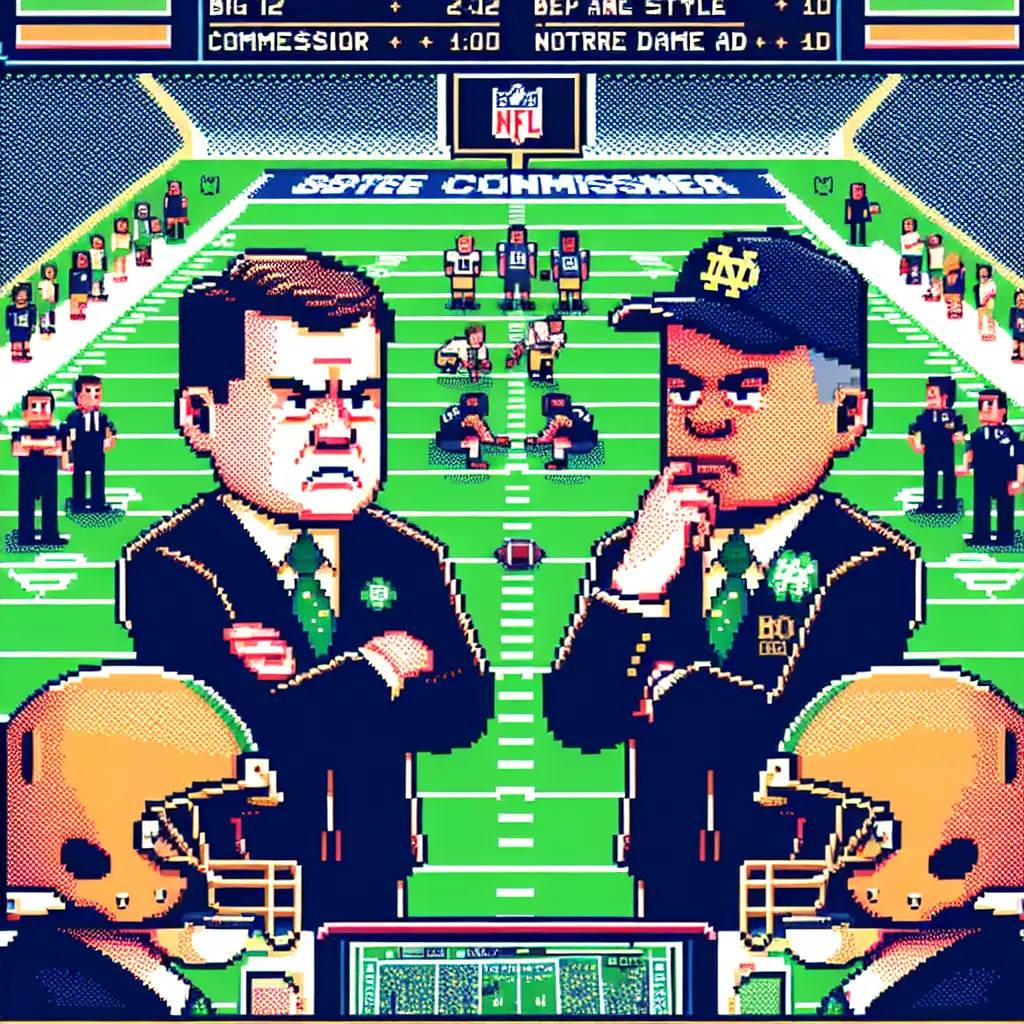
The college-football offseason rarely delivers on drama like a rivalry game — yet here we are: Notre Dame’s athletic director, Pete Bevacqua, publicly calling out the ACC after the Fighting Irish were left out of the 2025 College Football Playoff, and Big 12 commissioner Brett Yormark answering back by calling Bevacqua’s actions “egregious.” The exchange is more than headline fodder. It’s a study in modern power dynamics in college sports: brand protection, conference alliances, and the long memory of favors.

Why this row matters more than just pride

  • Notre Dame is unique: football independent in practice but tied to the ACC in most sports and scheduling agreements. Its network of relationships matters more than ever in an expanded 12-team playoff world.
  • Public finger-pointing isn’t just awkward — it can cost future scheduling, revenue, and political capital when the sport’s power players make decisions about expansion, access, and TV money.
  • Brett Yormark’s rebuke highlights an important theme: institutions that benefit from alliances don’t always get to publicly scold their partners without consequences.

What happened (plain and simple)

  • After the CFP selection favored Miami over Notre Dame (Miami had the head-to-head win), Pete Bevacqua publicly criticized the ACC, accusing it of undermining Notre Dame’s case by pushing Miami in league messaging and social media.
  • Notre Dame officials also signaled the relationship with the ACC had been “strained,” and Bevacqua suggested the league’s actions did “permanent damage.”
  • At the Sports Business Journal Intercollegiate Athletics Forum, Big 12 commissioner Brett Yormark called Bevacqua’s conduct “egregious” and “totally out of bounds,” noting the ACC had “saved” Notre Dame during the COVID-19 season in 2020 by giving them a full conference schedule and access to the conference championship.
  • The episode opened talk of potential reprisals from other athletic directors (scheduling aversion), and renewed speculation about where Notre Dame fits in the evolving conference landscape. (bleacherreport.com)

A closer look at the players and incentives

  • Pete Bevacqua (Notre Dame AD)

    • Incentives: Protect Notre Dame’s brand, fight for access to the playoff and its financial upside, and signal to fans and donors that the program will push back.
    • Risk: Alienating conference allies, compromising behind-the-scenes relationships that matter for scheduling and future political support.
  • Jim Phillips (ACC commissioner)

    • Incentives: Advocate for all ACC members and preserve the league’s credibility when promoting its teams.
    • Risk: Accusations of favoritism, even if the league was acting within normal advocacy duties.
  • Brett Yormark (Big 12 commissioner)

    • Incentives: Defend conference solidarity and discourage public feuds that could destabilize the broader system.
    • Risk: Appearing partisan or discouraging legitimate transparency about selection processes.

Bigger context: governance, memory, and leverage

  • College sports is a relationship economy. Conferences and independents trade scheduling, revenue sharing, and access. Publicly criticizing a partner is not just emotional — it’s strategic malpractice if you need that partner again.
  • Yormark’s point about the 2020 season is a reminder: favors are remembered. The ACC allowed Notre Dame a 10-game conference slate in COVID-impacted 2020; that accommodation had long-term competitive consequences and built goodwill.
  • The CFP’s expanded format and the myriad memorandums and understandings that govern access mean that political capital and perceived fairness matter almost as much as wins and losses.

Key takeaways

  • Publicly calling out a partner rarely wins loyalty; it often costs leverage.
  • Short-term PR satisfaction (rallying the fanbase) can come with long-term strategic losses (fewer high-quality opponents, strained negotiations).
  • Transparency in selection criteria is crucial — but the way institutions air grievances matters just as much as the grievance itself.
  • The Notre Dame–ACC–CFP spat is a microcosm of college sports’ transition: bigger stakes, more politics, and less room for emotional outbursts without consequences.

My take

Bevacqua’s frustration is understandable — missing the CFP stings, and athletic directors are tasked with fiercely protecting institutional interests. But stewardship in college athletics requires a balance between defending your program and preserving the relationships that make future success possible. Publicly accusing a conference partner of undermining you burns trust. Yormark’s rebuke isn’t just rhetorical theater; it’s a reminder that in the post-expansion era, relationships are currency. Notre Dame’s leadership needed a different channel: a private, strategic response that preserved options rather than narrowed them.

Sources


Related update: We recently published an article that expands on this topic: read the latest post.

Related update: We recently published an article that expands on this topic: read the latest post.

Brazils Elite Burned Out by Packed | Analysis by Brian Moineau

A final of the century — that felt like a slog

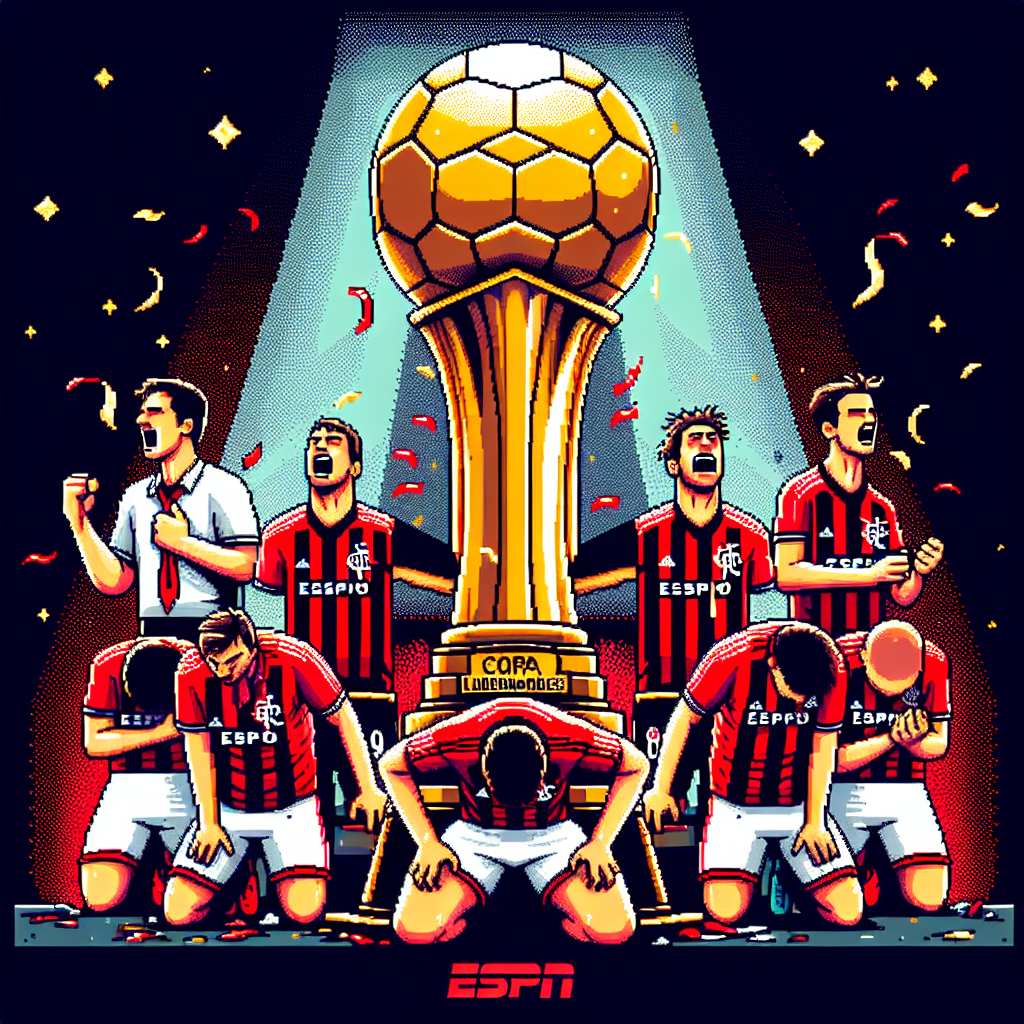
There was a promise built into the billing: Flamengo vs Palmeiras, Copa Libertadores final in Lima — football fireworks, raw passion, South America's biggest club prize decided by two of Brazil's best. What we got instead was a war of attrition. Flamengo lifted the trophy after Danilo’s header, but the headlines aren’t just about the winner — they’re about two teams (and a whole league) running on fumes.

Why the game felt tired, not thrilling

  • Flamengo and Palmeiras are the elite of Brazilian club football right now — they have carried the Libertadores for years between them. That dominance is impressive, but it comes at a cost: players piling up minutes across club, continental and international windows with barely a pause.
  • The final in Lima (a 1–0 win for Flamengo thanks to Danilo’s 67th-minute header) was scrappy: few real chances, plenty of fouls and a sense that both sides were conserving energy rather than risking everything to entertain. The spectacle that some expected — a “final of the century” — never quite arrived. (espn.com)

The scheduling problem in plain English

  • Many Flamengo and Palmeiras players were part of national-team squads during recent FIFA windows, then returned to crucial domestic matches almost immediately. Travel, recovery and preparation time evaporated. The result: foggy legs and frayed minds on a neutral pitch in Lima. (espn.com)
  • Club success breeds more fixtures: domestic title chases, Libertadores knockout rounds, Super Cups, and the intercontinental calendar (which can send winners to the FIFA Club World Cup or intercontinental friendlies). For the two giants, the season can be a treadmill with barely any breaks. (espn.com)

Moments from the match that screamed fatigue

  • The decisive moment itself was a set-piece — a header from a defender — not a flowing, counter-attacking move. Set pieces can win finals, but when open-play chances are scarce, it often signals a midfield that's been ground down. (reuters.com)
  • The match saw a high foul count and flashpoints (including a near red-card incident) — classic signs of players stopping the game because they’re not at their sharpest. When reading body language, that added to the feeling this was about survival, not expression. (aljazeera.com)

Bigger picture: what this says about South American football

  • Brazil’s clubs have been supremely successful in the Libertadores recently, but dominance masked a structural strain: a calendar that asks too much of the same core of players. The sport’s commercial and sporting incentives (titles, prize money, global exposure) reward success — which then produces the very fixture congestion that saps performance.
  • Fans want drama and artistry. Coaches want competitive squads and rotation. Medical teams plead for rest. Right now, the incentives line up to produce more matches and fewer meaningful, high-quality 90 minutes. That tension is the heart of the problem. (espn.com)

What could help (realistically)

  • Smarter spacing of international windows and a more player-friendly calendar. That’s easier said than done — FIFA, national associations and confederations need to coordinate, and commercial interests push against calendar reform.
  • Deeper squad planning and rotation strategies at clubs, though financial realities mean not every team can stock a high-quality bench.
  • Tournament planners could consider timing and travel load when choosing neutral venues and match dates — the spectacle suffers if players are spent before kickoff.

A few quick takeaways

  • Flamengo earned the trophy and deserved credit for seeing out the match; Danilo’s header was the decisive moment. (reuters.com)
  • The final felt attritional because top Brazilian players are being overused across club, continental and international commitments. (espn.com)
  • The pattern of fixture congestion threatens the quality of big matches unless stakeholders — clubs, leagues, confederations and FIFA — take steps to rebalance the calendar. (espn.com)

My take

There’s something poetic about a defender rising to head a trophy-winning goal in a grinding final. But poetry shouldn’t be the default because the rest of the show is spent catching breath. South American club football is richer for having giants like Flamengo and Palmeiras — they bring rivalry, talent and storylines. Still, if we want the Libertadores to be remembered for moments of genius rather than tired resilience, the game needs a little more breathing room. Give the players time, and the spectacle will follow.

Sources


Related update: We recently published an article that expands on this topic: read the latest post.


Related update: We recently published an article that expands on this topic: read the latest post.

Transform Your Time: 6 Essential Google Ca | Analysis by Brian Moineau

Transform Your Schedule: 6 Google Calendar Hacks You Need to Know

Are you tired of feeling overwhelmed by your schedule? If your calendar resembles a complex puzzle rather than a helpful tool, then you’re in the right place. With the right tricks and tools, Google Calendar can become your ultimate ally in managing time more effectively. Let’s dive into six Google Calendar hacks from the insightful article by Android Police that can help streamline your daily routine and reduce admin tasks.

The Importance of an Organized Schedule

In today’s fast-paced world, staying organized is more crucial than ever. Whether you’re juggling work commitments, personal projects, or social engagements, a well-managed calendar can be a game-changer. Google Calendar is one of the most popular scheduling tools, but many users aren’t aware of its hidden features that can significantly enhance their productivity. By leveraging add-ons and Chrome extensions, you can optimize your calendar experience, making it not just a planner but a powerful time-management tool.

6 Google Calendar Hacks to Streamline Your Day

1. Utilize Add-ons for Enhanced Functionality Google Calendar offers a plethora of add-ons that can enhance its capabilities. From project management tools like Asana to scheduling assistants like Calendly, integrating these tools can save you time and effort.

2. Explore Chrome Extensions There are numerous Chrome extensions designed to work seamlessly with Google Calendar. For example, extensions like “Event Merge” allow you to combine similar events into one, reducing clutter and simplifying your schedule.

3. Master Keyboard Shortcuts Familiarizing yourself with keyboard shortcuts can drastically speed up navigation within Google Calendar. Simple commands can help you create events, switch views, and manage your calendar more efficiently.

4. Set Up Reminders and Notifications Don’t let important events slip through the cracks! Setting up custom notifications and reminders will ensure you’re always prepared. You can choose how far in advance you want to be notified, ensuring you never miss a beat.

5. Color-code Your Events Visual organization can be incredibly helpful. By color-coding your events (work, personal, appointments), you can quickly assess your day at a glance and prioritize your time effectively.

6. Share Your Calendar Wisely Sharing your calendar with family, friends, or colleagues can foster better collaboration. You can grant different levels of access, allowing others to see your availability or even edit events.

Key Takeaways

Leverage Google Calendar add-ons and Chrome extensions to enhance functionality and streamline your scheduling process. – Familiarize yourself with keyboard shortcuts to navigate and manage your calendar more efficiently. – Set custom reminders and notifications to ensure you stay on top of important events. – Utilize color-coding for easy visual organization and prioritization of tasks. – Share your calendar wisely to improve collaboration and communication with others.

Conclusion: A Calendar That Works for You

Embracing these Google Calendar hacks can transform your scheduling experience from chaotic to streamlined. By making use of the available tools, shortcuts, and features, you can reclaim your time and enhance your productivity. So why wait? Start implementing these strategies today and see how a few simple changes can make a world of difference in your daily life.

Sources

– Android Police. “6 Google Calendar hacks that will transform your schedule.” [Android Police](https://www.androidpolice.com/2023/01/10/google-calendar-hacks/) (replace with actual URL).

Embrace technology not just as a tool, but as a partner in your journey towards better time management. Happy scheduling!


Related update: We recently published an article that expands on this topic: read the latest post.

Penn State star Carter Starocci rips decision to put 184-pound final first, talks historic fifth NCAA title – On3.com | Analysis by Brian Moineau

Penn State star Carter Starocci rips decision to put 184-pound final first, talks historic fifth NCAA title - On3.com | Analysis by Brian Moineau

Title: A Champion's Timing: Carter Starocci's Historic Win and the Value of Prime Time

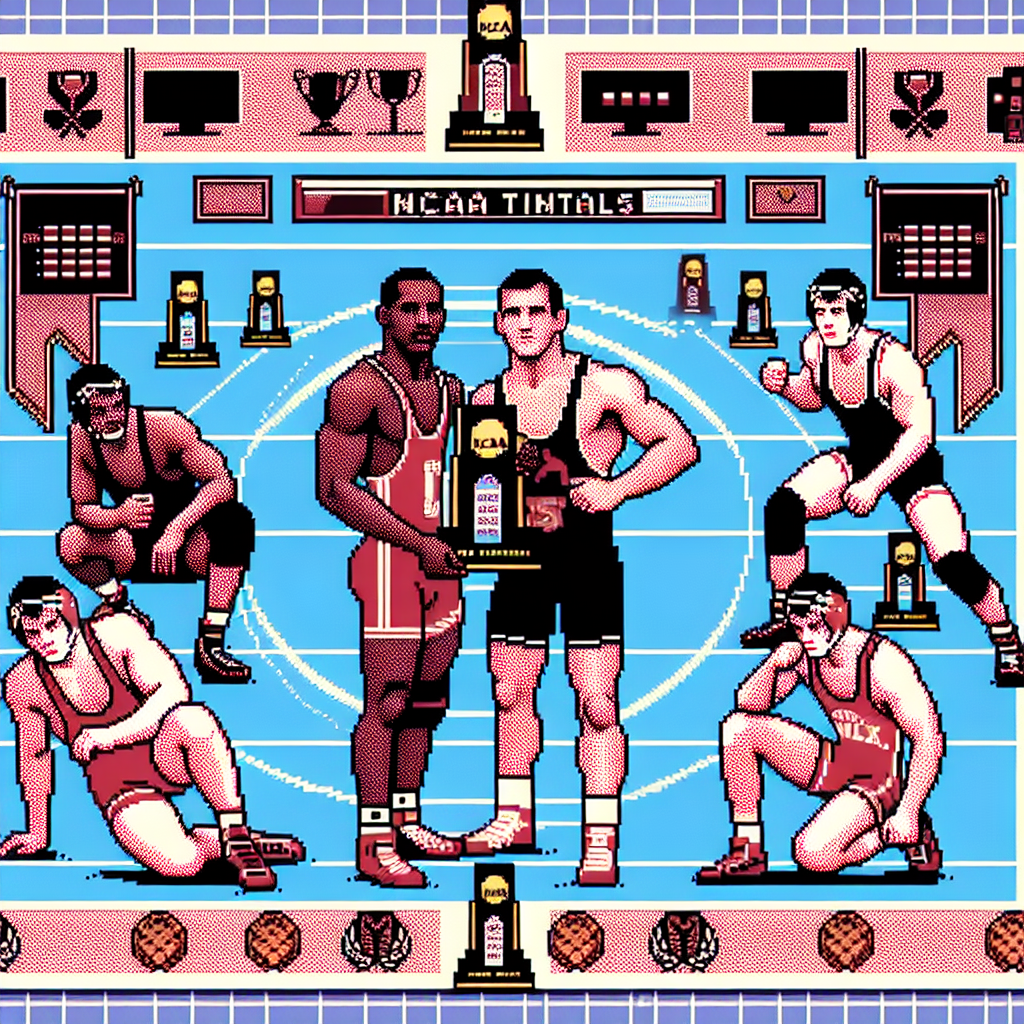
In the world of sports, timing is everything. Whether it's the swish of a basketball at the buzzer, a last-second goal in soccer, or the perfectly timed takedown in wrestling, athletes and fans alike know that when things happen can be just as important as how they happen. This concept was brought into sharp focus recently when Penn State's wrestling sensation, Carter Starocci, made headlines not just for his record-setting fifth NCAA title, but for his candid comments on the timing of his championship match.

Starocci, a name now etched in collegiate wrestling history, expressed his discontent with the scheduling of the 184-pound final. In a surprising move, his match was placed at the start of the event rather than in its traditional prime-time slot. For someone like Starocci, whose journey has been marked by dedication, skill, and an undeniable flair for the dramatic, the timing of his match seemed like a missed opportunity for both him and the fans.

Imagine tuning into the Oscars, only to find out that the Best Picture award was handed out at the beginning of the night. The build-up, the anticipation, the crescendo of excitement — all lost. This, in essence, was Starocci's sentiment. The pinnacle of NCAA wrestling, the moment the crowd awaits with bated breath, was given top billing in a less-than-ideal slot.

Carter Starocci is no stranger to the spotlight. Since his debut, he has captured the attention of the wrestling community with his remarkable talent and tenacity. His journey is reminiscent of other sports icons who have transcended their disciplines to become ambassadors for their sports. Think of Serena Williams in tennis or Michael Jordan in basketball; athletes who brought their A-game not just in skill but in showmanship, understanding that part of their role was to elevate the sport itself.

The decision to schedule the final early might seem trivial to some, but it's a reminder of how sports, much like theater, thrives on narrative and spectacle. Starocci's fifth title was a momentous achievement, a testament to his hard work, and a highlight of his career that deserved the full attention of a prime-time audience.

This isn't the first time that scheduling has sparked debate in the sports world. Fans of international soccer often grapple with time zone challenges, and the recent Tokyo Olympics saw athletes competing at odd hours to accommodate global broadcasts. These decisions, while sometimes necessary, often lead to discussions about the balance between viewership, athlete performance, and event prestige.

As we reflect on Starocci's incredible accomplishment, it's worth celebrating not just his victory but also his willingness to speak out on behalf of his sport. In doing so, he joins a chorus of athletes who are advocating for the integrity and presentation of their events, ensuring that their moments of glory are shared with the world in the way they deserve.

In the end, Carter Starocci's fifth NCAA title wasn't just another win; it was a milestone in a stellar career that continues to inspire. While the timing of his match might not have been ideal, the significance of his achievement remains undiminished. As fans, we can only hope that future scheduling decisions will honor the athletes who give everything for their sport, allowing them to shine when the world is truly watching.

Final Thought:
In sports, as in life, timing is key. As Carter Starocci continues to build his legacy, perhaps his candid critique will spur a broader conversation about how we celebrate our champions and the moments that define them. In doing so, we ensure that future stars have their rightful place in the spotlight, inspiring the next generation of athletes to aim for greatness, no matter when or where their journey takes them.

Read more about AI in Business

Read more about Latest Sports Trends

Read more about Technology Innovations