Traditional Panzanella | Made by Meaghan Moineau

Traditional Panzanella: A Taste of Tuscan Summer

Intro

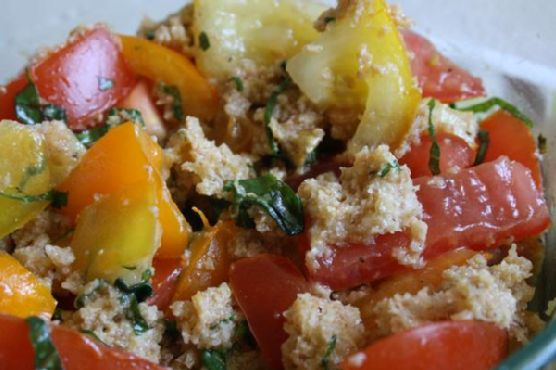
Ah, Panzanella! This delightful Tuscan salad offers a bite of sun-drenched summer days and leisurely family gatherings. My first encounter with this classic dish was at my grandmother’s kitchen table in Italy, where every meal was an event, and every dish told a story. As a child, I eagerly watched her transform day-old bread and the ripest tomatoes from her garden into a flavorful masterpiece. The aroma of fresh basil mingling with olive oil and vinegar still transports me back to those cherished summer afternoons. Now, I invite you to experience the simple joys and deep flavors of this traditional Panzanella recipe, a dish that captures the essence of Tuscany in every bite.

Why You’ll Love It

Why will you love this Traditional Panzanella? Let me count the ways:

  • Simple Ingredients: This recipe calls for just a handful of ingredients, most of which you may already have in your pantry.
  • Quick and Easy: With minimal preparation and no cooking required, it’s a perfect dish for busy days.
  • Refreshing and Flavorful: The combination of juicy tomatoes, fragrant basil, and tangy vinegar is refreshing and full of flavor.
  • Sustainable: It’s a great way to use up day-old bread, preventing waste and creating something delicious.
  • Versatile: Easily adaptable to suit your taste preferences or dietary needs.

Ingredients

  • 6 slices of day-old Tuscan bread
  • 1/4 cup extra virgin olive oil
  • 1 cup fresh basil leaves, chopped
  • 1 red onion, thinly sliced
  • 2 tablespoons red wine vinegar
  • Salt and pepper, to taste
  • 4 ripe tomatoes, diced

Instructions

  1. In a large bowl, combine the bread with enough water to cover and let it stand for at least 20 minutes or until it’s soft.
  2. Drain the bread and squeeze out as much water as you can. Crumble the bread into a serving bowl.
  3. Scatter the diced tomatoes, sliced onions, and chopped basil over the crumbled bread.
  4. Dress the Panzanella with extra virgin olive oil and red wine vinegar. Season with salt and pepper and toss well to combine.
  5. Taste and adjust the seasoning with more olive oil, salt, or vinegar as needed.
  6. Leave the Panzanella to stand for about 15 minutes to allow the flavors to meld. Serve at room temperature.

Tips

For the best Panzanella, use high-quality ingredients. Opt for the freshest tomatoes you can find, and don’t skimp on the olive oil—it’s integral to the salad’s flavor. If your bread is very hard, allow it to soak a bit longer until it’s sufficiently softened. Lastly, Panzanella is best when served at room temperature, allowing the flavors to fully develop.

Variations & Substitutions

Panzanella is a wonderfully adaptable dish. Here are a few ideas to make it your own:

  • Add Protein: For a heartier salad, add some fresh mozzarella, grilled chicken, or canned tuna.
  • Vegetable Variations: Include cucumbers, bell peppers, or even olives for added crunch and flavor.
  • Herb Alternatives: If basil isn’t your favorite, try parsley or mint for a different herbal note.
  • Different Breads: While traditional Panzanella uses Tuscan bread, any crusty bread like ciabatta or a baguette will work.

Storage

Panzanella is best enjoyed fresh, but if you have leftovers, store them in an airtight container in the refrigerator for up to one day. Keep in mind that the bread will continue to absorb moisture and flavors, so you may need to refresh the salad with a bit more olive oil or vinegar before serving.

FAQ

Can I use fresh bread instead of day-old bread?

While you can use fresh bread, day-old or slightly stale bread is preferred as it holds up better to the dressing and maintains a pleasant texture. If using fresh bread, you might consider toasting it lightly first.

Can I make Panzanella ahead of time?

Panzanella is best made shortly before serving, as this allows the bread to soak up the flavors without becoming too soggy. However, you can prepare the vegetables and dressing a few hours in advance and combine them with the bread just before serving.

What kind of vinegar should I use?

Red wine vinegar is traditional for Panzanella, lending a tangy depth to the dish. However, feel free to experiment with other vinegars like balsamic or apple cider for a unique twist.

Nutrition

This traditional Panzanella is a nutritious addition to any meal. Rich in vitamins A and C from the tomatoes and basil, and healthy fats from the olive oil, it’s a wholesome and satisfying choice. The dish is naturally vegan and can be gluten-free if made with gluten-free bread.

Conclusion

Traditional Panzanella is more than just a salad; it’s a celebration of summer flavors and culinary heritage. With its simple preparation and fresh, vibrant ingredients, it’s no wonder this dish has been cherished across generations. Whether you’re hosting a garden party or enjoying a quiet family dinner, Panzanella brings a touch of Tuscany to your table. I hope this recipe finds a special place in your home, creating new memories as it has for me. Buon appetito!

Related update: Traditional Panzanella

Related update: Avocado Chicken Salad
Rural America is suffering an economic crisis as crop prices plunge – Fortune | Analysis by Brian Moineau

Rural America is suffering an economic crisis as crop prices plunge - Fortune | Analysis by Brian Moineau

Rural America’s Economic Woes: When the Harvest is Bare

In the heart of Rural America, an economic storm is brewing. It’s a paradox where vast fields of potential are shadowed by the grim reality of plunging crop prices. As Fortune aptly points out, while the prices of crops are on a downward spiral, the costs farmers incur for essential inputs and equipment are climbing sky-high. This unsettling imbalance is leaving many farmer’s pockets—and silos—empty.

The Price Plunge and Its Ripple Effect

The current situation in Rural America is akin to a seesaw stuck midair, where costs outweigh earnings. Farmers are facing a brutal truth: even as they toil endlessly, the financial returns are dwindling. This isn’t just an isolated issue but a chain reaction affecting entire communities. When farmers struggle, local businesses, schools, and services in rural areas feel the pinch too.

Historically, agriculture has been a cornerstone of the U.S. economy. However, today's farmers are grappling with challenges that are increasingly global. The war in Ukraine, for instance, has disrupted global grain supplies and altered trade patterns, affecting crop prices worldwide. Meanwhile, climate change continues to introduce unpredictable weather patterns, further complicating the agricultural landscape.

Global Context: A Shared Struggle

Interestingly, the plight of American farmers finds echoes across the globe. In India, for example, farmers have staged massive protests against laws they perceive threaten their livelihood. In both cases, farmers are caught in a tug-of-war between market forces and policy decisions that seem distant and detached from their daily realities.

In Europe, the push for sustainable farming practices is reshaping the agricultural sector, but not without its own set of challenges and costs. These global perspectives highlight a shared struggle that transcends borders: the quest for a balance between profitability and sustainability.

Innovation: A Beacon of Hope

Despite the challenges, innovation may offer a silver lining. Agri-tech startups are sprouting, offering solutions like precision farming, which optimizes resource use and boosts yields. Drones and AI are revolutionizing how farmers monitor crop health, manage resources, and predict yields. These technologies promise to ease some of the burdens by reducing costs and increasing efficiency.

Moreover, community-supported agriculture (CSA) is gaining traction. By connecting consumers directly with local farmers, CSAs provide farmers with a reliable income stream and consumers with fresh, locally-sourced produce. This model fosters a symbiotic relationship that might just be the lifeline rural communities need.

A Final Thought: Cultivating Resilience

Rural America's current economic crisis underscores the importance of resilience and adaptability in agriculture. As we navigate these turbulent times, it’s crucial to support our farmers, who are the backbone of not just rural economies, but our food systems at large. Whether through policy changes, technological advancements, or consumer support, every effort counts.

In the end, perhaps the lesson here is one of community and connection. Just as crops need the right conditions to thrive, so do our farming communities. By nurturing these connections, we can hope to turn the tide and herald a more sustainable and prosperous future for Rural America and beyond.

---

For more insights and updates on this topic, you might want to check out [Fortune's original article](https://fortune.com) and explore how other regions are dealing with similar challenges. Let’s keep the conversation going and support our farmers in this crucial journey.

Read more about AI in Business

Read more about Latest Sports Trends

Read more about Technology Innovations

Are tariffs to blame for nearly 40% spike in wholesale vegetable prices? Experts weigh in – ABC News | Analysis by Brian Moineau

Are tariffs to blame for nearly 40% spike in wholesale vegetable prices? Experts weigh in – ABC News | Analysis by Brian Moineau

Title: Veggie Tales: Are Tariffs Turning Our Salads Into Pricey Delicacies?

Hello, dear readers! Today, we’re diving into a topic that’s spicing up dinner conversations and sprouting concerns among both consumers and economists alike. If the latest headline from ABC News is any indication, “Are tariffs to blame for nearly 40% spike in wholesale vegetable prices? Experts weigh in,” there’s quite a lot to chew on.

Now, let’s be honest. We all have a love-hate relationship with vegetables. They’re the unsung heroes of our plates, and while we may not always appreciate a broccoli floret or a spinach leaf, they’re vital for our health. But what happens when these leafy greens and vibrant veggies start costing as much as a prime rib? That’s the question at the heart of this article, and a 40% spike in wholesale prices is enough to raise eyebrows—and grocery bills!

The Tariff Tango

So, what’s driving this price surge? According to some experts, tariffs might be the culprits. Tariffs, for those of us who skipped that day in economics class, are taxes imposed on imported goods. They’re intended to protect domestic industries, but sometimes, they can create a ripple effect that leads to higher consumer costs.

In recent years, tariffs have been a hot topic globally. Remember the U.S.-China trade war? That wasn’t just a headline; it was a major economic event that had repercussions on everything from electronics to agriculture. And while the U.S. has been trying to untangle itself from this tariff web, the effects linger, like the aroma of garlic on your fingers after a good meal prep session.

A Global Green Crunch

But it’s not just tariffs causing our veggie woes. Climate change, labor shortages, and supply chain disruptions are all playing supporting roles in this drama. From droughts in California—America’s salad bowl—to unpredictable weather patterns across Europe, Mother Nature has been less than cooperative. A report from the United Nations’ Food and Agriculture Organization notes that extreme weather has significantly impacted global food production, making it a challenging time for farmers and consumers alike.

Moreover, the COVID-19 pandemic has thrown a wrench in the works, affecting labor markets and transportation networks. Remember when certain items seemed to vanish from store shelves faster than you could say “toilet paper”? Similar disruptions have hit the agricultural sector, complicating the journey from farm to table.

The Global Context

This isn’t just a U.S. problem. Across the pond, the United Kingdom has been grappling with its own set of challenges. Brexit has introduced new tariff barriers and regulatory hurdles, leading to increased costs and shortages. It’s a classic case of “you don’t know what you’ve got until it’s gone”—or in this case, until it’s more expensive.

Final Thoughts: From Farm to Table, and Beyond

So, what’s the takeaway here? As consumers, we might need to brace ourselves for a continued rollercoaster ride in grocery store prices. While tariffs are certainly a piece of the puzzle, they’re just one part of a complex global picture. It’s a reminder of how interconnected our world is and how local policies can have far-reaching effects.

In the meantime, perhaps it’s time to embrace creative cooking—exploring seasonal produce, starting a small home garden, or participating in community-supported agriculture programs. Not only could this help ease the sting of rising prices, but it also brings us closer to the food we eat and the people who grow it.

Here’s hoping for smoother trails and greener pastures ahead. Until next time, may your produce be plentiful and your meals delightful!

Read more about AI in Business

Read more about Latest Sports Trends

Read more about Technology Innovations


Related update: We recently published an article that expands on this topic: read the latest post.

Millions of Eggs Recalled After Dozens Sickened With Salmonella – Bloomberg | Analysis by Brian Moineau

Millions of Eggs Recalled After Dozens Sickened With Salmonella - Bloomberg | Analysis by Brian Moineau

Title: "Eggs-traordinary Recall: When Breakfast Turns Scrambled with Salmonella"

In a world where breakfast is often hailed as the most important meal of the day, news like the recent egg recall can certainly throw a wrench—or a whisk—into our morning routines. According to a report by Bloomberg, the US Food and Drug Administration (FDA) has recalled over 20 million eggs after 21 individuals were hospitalized due to salmonella. This might be a bitter pill—or perhaps, a bitter yolk—to swallow for egg enthusiasts across the nation.

At first glance, the numbers are staggering. Twenty million eggs! That’s enough to make even the most ardent egg lover consider switching to oatmeal. The salmonella scare is a serious issue, and it’s a reminder of how interconnected our food systems are. With eggs being a staple in many households, it’s no wonder that such a massive recall has made national headlines.

But before you start eyeing your breakfast suspiciously, let's crack open the topic a bit more. Salmonella outbreaks related to eggs are not entirely new. In fact, these incidents serve as recurring reminders of the importance of food safety. The Centers for Disease Control and Prevention (CDC) notes that salmonella affects about 1.35 million people in the United States each year. While this particular recall is significant, it’s part of a broader pattern that highlights the need for stringent oversight in food production.

Interestingly, this egg recall coincides with a broader conversation about food security and supply chain resilience, issues that have been magnified by the COVID-19 pandemic. The pandemic exposed vulnerabilities in global supply chains, leading to shortages and increased scrutiny of food safety standards. This egg recall is yet another chapter in that ongoing narrative, emphasizing the importance of robust safety protocols to prevent future outbreaks.

Moreover, the recall also parallels environmental discussions about sustainable agriculture. Eggs, being a major component of many diets, are linked to larger issues such as animal welfare and environmental impact. The recall could potentially accelerate conversations about sustainable farming practices, which aim to reduce such health risks and improve food safety.

While this recall may have you reconsidering that omelet, it’s also a reminder of the resilience of food systems. History has shown us that recalls, while inconvenient, are a necessary part of ensuring public safety. The FDA, along with other agencies, plays a crucial role in maintaining these standards, and their swift action in this case is commendable.

In a lighter vein, this situation also offers a chance for culinary creativity. Perhaps it’s time to try out that breakfast smoothie recipe or explore plant-based alternatives like tofu scrambles. After all, diversity in our diets can be both nutritious and delicious.

In conclusion, while the egg recall is a serious matter with real health implications, it also serves as a reminder of the complex web of food safety, environmental sustainability, and public health. As we navigate these challenges, let’s also take the opportunity to embrace culinary exploration and innovation. Who knows? Maybe this is the perfect moment to discover your new favorite breakfast dish. So, here’s to a safe, healthy, and eggs-traordinary culinary journey ahead!

Read more about AI in Business

Read more about Latest Sports Trends

Read more about Technology Innovations