
Swiss Shock at Trump Tariffs Floats EU Rethink – Bloomberg.com | Analysis by Brian Moineau

Swiss Shock at Trump Tariffs Floats EU Rethink – Bloomberg.com | Analysis by Brian Moineau

Title: When the Swiss Meet Trump: A Tale of Tariffs and Diplomacy

The Swiss are known for their impeccable timing, precision, and neutrality. However, as the Swiss president lands in Washington, these qualities might be put to the test. The reason? A mission to negotiate a reduction in the tariffs threatened by former U.S. President Donald Trump. This meeting is not just a page in the economic playbook; it’s a chapter in the evolving narrative of global trade relations.

The Swiss Diplomacy: A Balancing Act

The Swiss president, representing a nation synonymous with neutrality and diplomacy, is now tasked with navigating the unpredictable waters of U.S. trade policy. Switzerland, though small in size, punches above its weight in global trade. Its economy thrives on exports, and the imposition of tariffs could ripple unfavorably through its markets. The stakes are high, and the Swiss approach, characterized by diplomacy and negotiation, will be critical.

Historically, Switzerland’s role in global diplomacy cannot be overstated. From hosting the signing of pivotal international treaties to acting as a neutral ground for high-stakes negotiations, the Swiss have mastered the art of conversation and compromise. This legacy provides a solid foundation for their current mission in Washington.

The Trump Tariff Tango

The tariffs in question are part of a broader trade strategy employed during Trump’s presidency, often characterized by abrupt announcements and aggressive negotiation tactics. While some argue that these measures were aimed at leveling the playing field for American industries, others view them as disruptive to long-standing trade relationships.

As the Swiss president engages in talks, it’s essential to understand Trump’s broader tariff strategy, which was not limited to Switzerland. The trade wars with China, the renegotiation of NAFTA into the USMCA, and tariff threats on European automobiles illustrate a pattern of leveraging tariffs as a negotiation tool. The Swiss negotiations are a microcosm of the larger international trade dynamics shaped during Trump’s tenure.

Global Trade Winds: A Changing Landscape

The Swiss-American tariff talks are not happening in isolation. Across the globe, trade relationships are being redefined. The United Kingdom, post-Brexit, is navigating its new economic path, negotiating trade deals from scratch. Meanwhile, the U.S.-China trade tensions simmer, affecting global supply chains and economic stability.

Moreover, the European Union is watching closely. The Swiss president’s success or failure could influence the EU’s approach to its trade discussions with the U.S. and other global partners. The EU, already dealing with internal challenges such as Brexit and differing economic priorities among member states, might find itself rethinking its strategies in response to the outcome of these Swiss negotiations.

A Personality in Focus: The Swiss President

Leading this diplomatic mission is a figure of quiet competence and strategic insight. The Swiss president, though less visible on the global stage than some of their counterparts, embodies the Swiss penchant for calm resilience and thoughtful action. This mission to Washington is not just about tariffs; it’s a testament to the enduring importance of diplomacy in resolving complex international issues.

Final Thoughts: The Future of Trade

As the Swiss president meets with U.S. officials, the outcome of these discussions could set a precedent for future trade negotiations. In an era where protectionism and globalism often clash, finding a balance is crucial. The Swiss approach serves as a reminder that diplomacy, patience, and dialogue remain vital tools in the ever-evolving landscape of international trade.

In conclusion, whether these negotiations result in reduced tariffs or not, they symbolize the ongoing dance of diplomacy—a dance that requires both partners to listen, adapt, and find common ground. As the world watches, the Swiss president’s visit underscores the enduring relevance of diplomacy in shaping a fair and balanced global economy.

Read more about AI in Business

Read more about Latest Sports Trends

Read more about Technology Innovations


Related update: We recently published an article that expands on this topic: read the latest post.
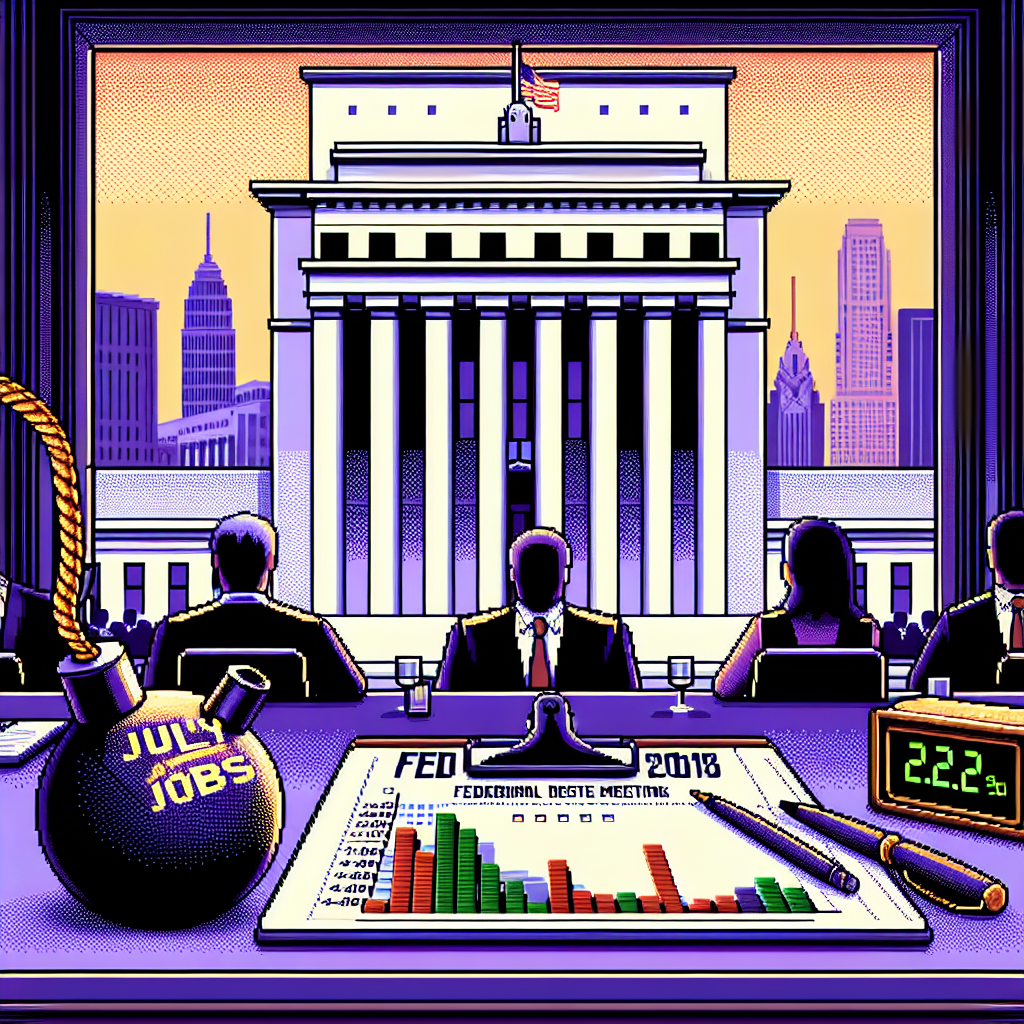
What To Expect in Markets This Week: Fed Meeting, Tariffs Deadline, July Jobs Report – Investopedia | Analysis by Brian Moineau

What To Expect in Markets This Week: Fed Meeting, Tariffs Deadline, July Jobs Report - Investopedia | Analysis by Brian Moineau

Navigating the Week: Tariffs, the Fed, and Tech Titans Take Center Stage

As we sip our morning coffee and brace ourselves for the economic rollercoaster of the week, several pivotal events are poised to shape the financial landscape. From tariffs and interest rates to the July jobs report, the business world is buzzing with anticipation. Let's embark on this journey together, shall we?

Tariffs Deadline: The Global Game of Chess

First up on our agenda is the key tariffs deadline. Tariffs have long been the economic equivalent of a chess game, with countries maneuvering to protect their industries while negotiating for better trade deals. This week’s deadline is particularly significant, as it could impact sectors ranging from agriculture to technology. While the details of these tariffs might feel like a distant concern to some, they ripple through the global supply chain, potentially affecting everything from the price of your morning avocado toast to the latest smartphone you can’t wait to upgrade to.

A nod to the broader geopolitical stage, the ongoing trade negotiations echo the tensions and collaborations seen in recent international summits. As nations strive for balance in a rapidly changing world, we are reminded that economic decisions are rarely isolated and often reflect larger themes of diplomacy and strategy.

The Fed's Interest-Rate Decision: A Dance of Numbers

Next, all eyes turn to the Federal Reserve as it prepares to announce its latest interest-rate decision. This is the moment when economists and investors lean in, analyzing every word and nuance for hints about the Fed's future trajectory. With inflation data also being released, the stakes are high. Will the Fed choose to hold steady, or will it pivot in response to the economic conditions? The answer could influence everything from mortgage rates to the stock market's mood.

In a world increasingly driven by data, the Fed's decision is akin to a dance with numbers, where rhythm and timing are crucial. It's a reminder of how interconnected our financial systems are and how a decision in Washington can reverberate around the globe.

July Jobs Report: The Pulse of the Workforce

The July jobs report will offer a snapshot of the labor market’s health and momentum. Employment figures are not just numbers on a page; they represent real people and their livelihoods. In an era where remote work and AI are reshaping the employment landscape, these reports are more telling than ever.

Moreover, as companies grapple with the challenges of attracting and retaining talent, the jobs report also reflects broader societal shifts. From the rise of the gig economy to debates over work-life balance, the data can provide insights into the evolving nature of work itself.

Tech Titans' Earnings: The Battle of the Giants

Lastly, we have the tech giants—Microsoft, Meta, Apple, and Amazon—reporting their earnings. These companies are more than just market leaders; they are cultural behemoths shaping the way we live, communicate, and consume. Their performance will not only influence stock indices but also provide a window into consumer behavior and technological trends.

As these titans of industry reveal their financials, it's worth considering their role in addressing global challenges, such as privacy concerns, digital addiction, and misinformation. They are at the forefront of innovation, yet they also face scrutiny over their impact on society and the economy.

Final Thoughts: A Week of Reflection and Anticipation

This week promises to be a whirlwind of economic indicators and corporate revelations. As we navigate through tariffs, interest rates, jobs data, and tech earnings, it's crucial to remain informed and engaged. After all, these developments affect not only investors and policymakers but also everyday citizens.

In the grand tapestry of global events, this week serves as a reminder of the interconnectedness of markets, nations, and individuals. So, as we keep an eye on the headlines, let's also take a moment to reflect on the broader implications and the shared journey we are all a part of. Here's to a week of discovery and insight!

Read more about AI in Business

Read more about Latest Sports Trends

Read more about Technology Innovations

Volkswagen seeks audience with Trump, dangling more than $10 billion in U.S. investments in exchange for tariff exemptions – Fortune | Analysis by Brian Moineau

Volkswagen seeks audience with Trump, dangling more than $10 billion in U.S. investments in exchange for tariff exemptions - Fortune | Analysis by Brian Moineau

Title: Volkswagen's $10 Billion Gamble: Navigating Tariffs and Tempting Trump

In a world where international relations are as unpredictable as the latest TikTok trends, Volkswagen’s recent strategic maneuver is nothing short of a high-stakes chess game. In a bid to gain favor with former President Donald Trump, the automotive behemoth is contemplating a whopping $10 billion investment in the United States. The catch? They’re hoping for a little leniency on those pesky tariffs that have been squeezing their margins tighter than a pair of skinny jeans after Thanksgiving dinner.

The Tariff Tango

Volkswagen, the world’s second-largest carmaker, is feeling the heat from U.S. tariffs, which have cost the company approximately $1.4 billion in the second quarter alone. These tariffs have forced Volkswagen to slash its 2025 guidance for revenue, margins, and cash. It’s a classic case of economic cause and effect, where political decisions trickle down to impact the bottom line of even the mightiest corporations.

The proposed $10 billion investment is not just a generous offer; it’s a strategic move aimed at positioning Volkswagen favorably in a market that is as lucrative as it is challenging. The U.S. auto market is a battleground, and Volkswagen's investment could lead to increased production capabilities, more jobs, and potentially a stronger competitive edge.

Trump and the Art of the (Auto) Deal

Former President Trump, known for his business acumen and penchant for deal-making, is no stranger to the world of tariffs and trade negotiations. During his presidency, Trump was a polarizing figure on the global stage, often using tariffs as a tool to negotiate better terms for American interests. Whether you see him as a savvy businessman or a disruptor, his influence on international trade policies is undeniable.

Volkswagen's decision to seek an audience with Trump is intriguing. It’s a reminder of how businesses often have to navigate the intricate dance of politics to achieve their objectives. By dangling a $10 billion carrot, Volkswagen is not just making an investment; it’s making a statement about its commitment to the U.S. market and its willingness to adapt to the ever-changing geopolitical landscape.

Connecting the Dots: Global Trade and Tensions

Volkswagen’s strategic gambit is reflective of a broader trend in global trade. Companies worldwide are grappling with the complexities of tariffs and trade wars. The U.S.-China trade tensions, for instance, have had ripple effects across various industries, from technology to agriculture. Similarly, the ongoing discussions about Brexit and its implications on trade between the UK and the EU illustrate how political decisions can have far-reaching economic consequences.

In this interconnected world, businesses must remain agile and proactive. Volkswagen’s move is a testament to the importance of strategic foresight and the ability to pivot in response to external pressures.

Final Thoughts: Driving into the Future

As Volkswagen navigates this challenging terrain, it serves as a reminder that the road to success is rarely a straight line. It’s filled with twists, turns, and the occasional pothole. Whether their $10 billion proposal will lead to tariff exemptions remains to be seen, but one thing is certain: Volkswagen is playing the long game.

In the end, this story is about more than just cars and tariffs; it's about the delicate balance between business strategy and political diplomacy. As we watch this narrative unfold, one can’t help but wonder: what other surprises does the world of international trade have in store for us? Buckle up, because the journey is just beginning.

Read more about AI in Business

Read more about Latest Sports Trends

Read more about Technology Innovations

Stock futures jump on hope of possible Trump compromise on tariffs: Live updates – CNBC | Analysis by Brian Moineau

Stock futures jump on hope of possible Trump compromise on tariffs: Live updates - CNBC | Analysis by Brian Moineau

**Title: A Ray of Sunshine in the Trade Talk Clouds: Stock Futures Soar Amid Tariff Compromise Hopes**

In the ever-churning seas of global trade, even a whisper of compromise can send ripples far and wide. Late Tuesday, U.S. Commerce Secretary Howard Lutnick teased a potential breakthrough that has the financial world buzzing: the prospect of the United States meeting Canada and Mexico "somewhere in the middle" on tariffs. This glimmer of hope was enough to send stock futures jumping, a testament to the power of diplomacy in calming the often volatile waters of international trade.

The hint of compromise comes at a crucial time. With trade tensions having simmered for years, the global economy has been eagerly awaiting signs of resolution. The tariffs in question have been a sticking point, not just affecting the economies directly involved but also sending shockwaves through global markets. The mere suggestion that these tensions might ease was enough to buoy investor spirits, highlighting the interconnected nature of today's economic landscape.

On the surface, this development might seem like just another headline in the ongoing saga of trade negotiations. But look a little deeper, and you'll find a narrative rich with implications. For one, it signals a potential shift in the Trump administration's often hardline stance on trade. While President Trump has long championed the idea of America-first policies, this move could indicate a willingness to adopt a more conciliatory approach, at least with North American neighbors.

It's also worth noting how this potential compromise aligns with wider global trends. Across the Atlantic, the European Union has been grappling with its own set of trade challenges, particularly with Brexit looming over the continent like a storm cloud. The EU has been keen to establish new trade relationships and solidify existing ones, mindful of the need for economic stability in turbulent times. A U.S. move towards compromise could set a positive precedent, encouraging other nations to seek collaborative solutions rather than confrontational standoffs.

Howard Lutnick, the man behind the tantalizing suggestion, is no stranger to steering through choppy waters. As a seasoned leader, he's known for his pragmatic approach to problem-solving. His hint at a middle ground approach reflects a strategic understanding that trade wars have no real winners and that compromise is often the most viable path forward.

Beyond the realm of trade, this development resonates with other global narratives of compromise and cooperation. Take, for instance, the recent international efforts to address climate change. The need for countries to find common ground on reducing emissions echoes the dynamics of trade negotiations. In both arenas, the message is clear: global challenges demand collective solutions.

While it's too early to pop the champagne, the market's response is a reminder of the power of optimism. Investors, like the rest of us, are eager for signs of progress, for those moments when the clouds part and light breaks through. It's a sentiment not just confined to stock markets but one that reverberates through boardrooms, trading floors, and dinner tables around the world.

In conclusion, the news of a possible tariff compromise is a small but significant step towards a more harmonious global trade environment. Whether this will lead to lasting change remains to be seen, but for now, it offers a welcome respite in an era often marked by division. As we watch and wait, one thing is certain: in the world of trade, as in life, a little compromise can go a long way.

Read more about AI in Business

Read more about Latest Sports Trends

Read more about Technology Innovations