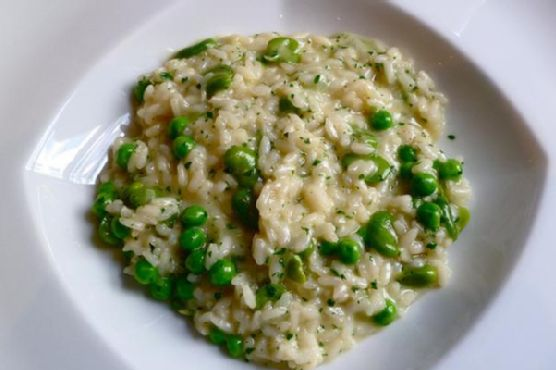
Risotto With Fresh Peas: A Creamy, Comforting Delight
Intro
There’s something undeniably comforting about a warm bowl of risotto, especially when it’s made with fresh, vibrant peas. I vividly recall spending weekends in my grandmother’s kitchen, where the scent of simmering onions and garlic would fill the air as she prepared her signature risotto. It was a dish that brought our family together, and every bite seemed to tell a story of love and tradition. Today, I’m excited to share this beloved recipe with you, hoping it brings as much joy to your table as it has to mine.
Why You’ll Love It
This risotto with fresh peas is more than just a meal; it’s an experience. The creamy texture of the arborio rice, the subtle sweetness of the peas, and the richness of Parmesan cheese create a symphony of flavors that are both luxurious and comforting. Whether you’re making it for a special occasion or a simple weeknight dinner, this dish is sure to impress. Plus, it’s a fantastic way to incorporate more vegetables into your diet while indulging in a bit of decadence.
Ingredients
- Chicken stock
- Butter
- Extra virgin olive oil
- Onions
- Garlic cloves
- Arborio rice
- Dry white wine
- Peas
- Parmesan cheese
- Bay leaf
- Salt and pepper
Instructions
- Melt butter in a heavy large saucepan over medium heat, then add extra virgin olive oil, bay leaf, and onions. Season with salt and pepper.
- Cook until onions are translucent, then add minced garlic. Sauté until tender, roughly 8 minutes.
- Stir in the arborio rice and toast it for a few minutes, ensuring each grain is coated.
- Add the dry white wine and cook until the liquid is absorbed, stirring often, about 2 minutes.
- Add 1 cup of hot chicken broth at a time, allowing the liquid to be absorbed before adding more. Stir often. This should be done over medium-low heat and will take about 28 minutes.
- Continue adding 1 cup of chicken broth roughly every 3 minutes, cooking the rice until it’s tender and the mixture is creamy.
- Stir in the fresh peas, Parmesan cheese, and additional salt and pepper to taste. Cook until the mixture has absorbed all the liquid and doubled in size.
- Let cool slightly before serving. Be warned: it might not last long, as it’s irresistibly delicious!
Tips
For the best results, use high-quality ingredients. Fresh peas will give a burst of flavor and color, while freshly grated Parmesan will melt beautifully into the risotto. Make sure to keep stirring; this is key to achieving that creamy texture. If you find your risotto is drying out, a splash of broth or water will help bring it back to life.
Variations & Substitutions
If you’re looking to switch things up, consider these variations. For a vegetarian version, substitute vegetable stock for chicken stock. Add a handful of sautéed mushrooms for an earthy depth, or stir in some cooked shrimp for a seafood twist. If you’re a fan of herbs, a sprinkle of fresh thyme or basil can add a delightful aromatic note.
Storage
Store any leftover risotto in an airtight container in the refrigerator for up to 3 days. To reheat, add a splash of chicken stock or water to loosen the texture and warm gently over the stove or in the microwave. While risotto is best enjoyed fresh, these storage tips will help maintain its wonderful flavor and texture.
FAQ
Can I use frozen peas instead of fresh peas?
Absolutely! If fresh peas are not available, frozen peas are a perfect substitute. Just be sure to thaw them before adding to the risotto to ensure even cooking.
What can I use instead of arborio rice?
For the classic creamy texture, arborio rice is ideal due to its high starch content. However, you can also use other short-grain rice varieties like carnaroli or vialone nano, which will yield similar results.
Is it necessary to use wine in the recipe?
While wine adds a lovely depth of flavor, you can skip it if preferred or replace it with additional broth. The dish will still be delicious!
Nutrition
While exact nutritional values can vary based on ingredients and portion sizes, this risotto is a well-balanced dish. It offers carbohydrates from the rice, protein from the cheese and stock, and vitamins from the peas. Using olive oil and moderate amounts of cheese keeps it relatively heart-healthy.
Conclusion
This risotto with fresh peas is a dish that embodies comfort and sophistication in every bite. Whether you’re crafting it for a family dinner or a special gathering, it’s sure to become a favorite. It’s a reminder of the joy and warmth that comes from sharing a homemade meal with loved ones. I hope this recipe finds a cherished place in your culinary repertoire, just as it has in mine.
Related update: Risotto With Fresh Peas
Related update: Barbecued Baby Back Pork Ribs and Bush's Grillin' Beans