Delightful Thai Shrimp: A Flavorful Journey to Thailand’s Kitchens
Intro
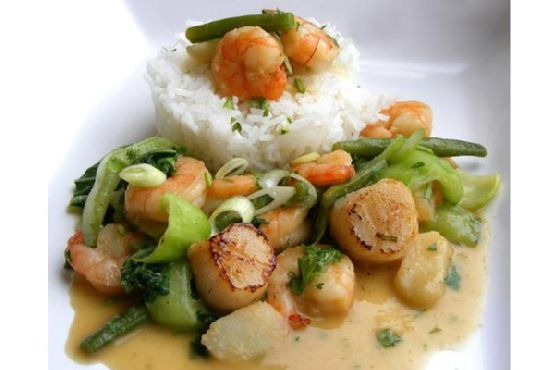
There are few dishes that capture the vibrant spirit of Thai cuisine quite like a well-prepared Thai Shrimp. This dish takes me back to a summer spent in Thailand, where I learned the secrets of authentic Thai cooking in a bustling Bangkok kitchen. The aroma of fresh basil mingling with the sizzling shrimp was unforgettable, and I am thrilled to share this recipe that has brought my kitchen to life on countless occasions. This Thai Shrimp recipe is a beautiful blend of flavors and textures that will surely become a staple in your culinary repertoire.
Why You’ll Love It
Thai Shrimp is a dish bursting with fresh flavors and the perfect balance of sweet, spicy, and savory notes. It’s not only delicious but also incredibly quick to prepare, making it an ideal choice for a weekday dinner or a special weekend meal. The succulent shrimp pair wonderfully with the aromatic basil and the subtle heat of red and green chilies, creating an unforgettable taste experience. This dish is a celebration of simplicity and complexity, offering a taste of Thailand that is both accessible and authentic.
Ingredients
- 1 pound of shrimp, peeled and deveined
- 1 cup of fresh basil leaves
- 1 cup of chicken stock
- 2 cups of cooked rice
- 2 tablespoons of fish sauce
- 2 green onions, white and green parts separated
- 2 tablespoons of peanut oil
- 2-3 red and green chilies, seeded and thinly sliced
- 2 tablespoons of soy sauce
- 1 teaspoon of sugar
Instructions
- Peel and devein the shrimp, ensuring they are clean and ready to cook.
- Wash and dry the basil leaves, then steam them lightly to enhance their aroma.
- Mince the garlic and the white parts of the green onions, and cut the green parts into 1-inch pieces.
- Thinly slice the red and green chilies, making sure to remove the seeds to control the heat.
- Heat a wok over high heat until it is nearly smoking.
- Swirl the peanut oil into the wok, letting it heat up almost to smoking point.
- Add the minced garlic, chilies, and the white parts of the green onions to the wok. Stir-fry for 10-15 seconds to release their flavors.
- Add the shrimp to the wok and stir-fry for about 20 seconds, or until they just start to change color.
- Pour in the fish sauce, soy sauce, sugar, and chicken stock, and bring the mixture to a boil.
- Stir in the green parts of the onions and the basil, cooking for another 20 seconds until the basil leaves wilt and the shrimp are firm and pink.
- Serve the dish over hot cooked rice, ensuring to include some of the flavorful broth.
Tips
For the best results, use fresh shrimp and basil. The freshness of these ingredients significantly enhances the dish’s overall flavor. If you prefer a spicier dish, you can leave some seeds in the chilies or add a pinch of crushed red pepper flakes. To achieve the right consistency, make sure not to overcook the shrimp; they should be firm but not rubbery.
Variations & Substitutions
If you’re looking to switch things up, consider using chicken or tofu in place of shrimp. Both absorb the flavors beautifully and offer a different texture. For a gluten-free version, substitute the soy sauce with tamari. If you prefer a less soupy dish, reduce the amount of chicken stock by half. You can also add vegetables like bell peppers or snap peas for added crunch and color.
Storage
Thai Shrimp is best enjoyed fresh, but leftovers can be stored in an airtight container in the refrigerator for up to 2 days. When reheating, do so gently on the stovetop to maintain the shrimp’s texture. Avoid microwaving, as it can make the shrimp rubbery. Unfortunately, this dish doesn’t freeze well due to the delicate nature of shrimp.
FAQ
Can I make this dish ahead of time?
Yes, you can prepare the ingredients ahead of time by peeling and deveining the shrimp, slicing the chilies, and mincing the garlic and onions. Keep them refrigerated and ready to go. The actual cooking should be done just before serving to ensure the shrimp remain perfectly cooked and the flavors are fresh.
What can I serve with Thai Shrimp?
Thai Shrimp pairs wonderfully with steamed jasmine rice, which absorbs the flavorful broth beautifully. You can also serve it alongside a fresh Thai salad or a side of stir-fried vegetables to complement the meal.
Is this dish very spicy?
The level of spiciness in Thai Shrimp primarily depends on the chilies used and whether or not you include the seeds. You have complete control over the heat; if you prefer a milder dish, simply reduce the number of chilies or remove the seeds entirely.
Nutrition
This Thai Shrimp dish is a nutritious option, offering a good source of protein from the shrimp and a variety of vitamins and minerals from the fresh herbs and chilies. It’s relatively low in calories and can be part of a balanced diet. For those watching sodium intake, consider using low-sodium soy sauce and fish sauce.
Conclusion
Thai Shrimp is more than just a meal; it’s a sensory experience that transports you to the heart of Thailand with each bite. The harmony of flavors and aromas in this dish is truly a testament to the beauty of Thai cuisine. Whether you’re cooking for family, friends, or just for yourself, this recipe is sure to delight and satisfy. I hope it brings as much joy to your table as it has to mine. Enjoy your culinary journey to Thailand!
Related update: Thai Shrimp