Hill hopes to prove to Fins he’s ‘still 1 of them 1s’ – ESPN | Analysis by Brian Moineau

Hill hopes to prove to Fins he's 'still 1 of them 1s' - ESPN | Analysis by Brian Moineau

Tyreek Hill's Transformation: From Cheetah to Comeback King

In the high-octane world of professional football, where every play could spell victory or defeat, maintaining an elite status is an ever-evolving challenge. For Tyreek Hill, the Miami Dolphins' electrifying wide receiver, the 2024 season was a poignant reminder that even the swiftest among us can stumble. Hill, known affectionately as "Cheetah" for his blazing speed, faced a year that tested his resilience both on and off the field. Now, with a renewed mindset, he's determined to remind the Dolphins and the NFL that he's "still 1 of them 1s."

The 2024 Season: A Year of Lessons

The past season was a rollercoaster for Hill, marred by inconsistent performances and off-field controversies that made as many headlines as his game-day exploits. For a player whose career has been defined by game-changing plays and record-setting speeds, the dip in performance was both unexpected and humbling. Hill has expressed a shift in mentality, a recalibration of sorts, aiming to channel his focus and energy toward proving his worth anew.

Tyreek Hill: More Than Just Speed

Tyreek Hill's journey in the NFL has been nothing short of remarkable. From a fifth-round draft pick to a Super Bowl champion with the Kansas City Chiefs, Hill's career has been defined by defying the odds. His ability to outpace defenders and turn a routine catch into a touchdown has solidified his reputation as one of the league's most feared receivers. However, speed alone doesn't guarantee success. It's the blend of skill, strategy, and mentality that creates a true game-changer—a realization Hill seems to have embraced.

Parallels in the World of Sports and Beyond

Hill's story of resilience and transformation is not unique to football. It mirrors narratives across the sports world and beyond. Consider the NBA's Stephen Curry, who faced criticism early in his career for being too small or injury-prone but went on to revolutionize the game with his shooting prowess. Or think of tennis legend Roger Federer, who, even in the twilight of his career, continually redefined his game to stay competitive.

Outside of sports, such transformations resonate with anyone facing challenges. Whether it's a tech startup overcoming a market slump or an artist reimagining their craft after a creative block, the journey of reinvention is universal. It's about acknowledging setbacks, recalibrating, and fiercely pursuing one's goals.

A Look Ahead: The 2025 Season

As Tyreek Hill gears up for the 2025 NFL season, fans and analysts alike are eager to see how this revamped mentality translates on the field. The Dolphins, with their sights set on a deep playoff run, will be counting on Hill to be the dynamic playmaker he's known to be. His journey serves as a reminder that even the best athletes face adversity, but it's their response that defines their legacy.

Final Thought

In sports, as in life, proving oneself is a continuous journey. Tyreek Hill's determination to reaffirm his status as one of the elite is a testament to his character and drive. Whether you're a dedicated fan of the Dolphins or simply someone navigating your own path, Hill's story is an inspiring reminder of the power of resilience and reinvention. As we look forward to the upcoming season, let's cheer not just for the touchdowns and victories, but for the personal triumphs that define the true spirit of competition.

Read more about AI in Business

Read more about Latest Sports Trends

Read more about Technology Innovations

What I learned from a Bambu Labs A1 3D printer, part 2: Upgrades and mistakes – Ars Technica | Analysis by Brian Moineau

What I learned from a Bambu Labs A1 3D printer, part 2: Upgrades and mistakes - Ars Technica | Analysis by Brian Moineau

Title: Beyond the Blueprint: Lessons from Upgrading the Bambu Labs A1 3D Printer

In the ever-evolving realm of technology, where innovation meets creativity, 3D printing stands as a testament to human ingenuity. The journey of enhancing a Bambu Labs A1 3D printer, as detailed in Ars Technica's "What I Learned from a Bambu Labs A1 3D Printer, Part 2: Upgrades and Mistakes," offers a fascinating glimpse into this world. The article explores the nuances of upgrading the A1, shedding light on the intricacies of plastic and the broader lessons learned along the way.

The Art of Plastic: A Tangible Revolution

One of the standout revelations from upgrading the A1 was the diverse nature of plastics used in 3D printing. Plastics, often underestimated, are the unsung heroes of the modern age, molding the framework of countless innovations. From biodegradable PLA to robust ABS, each type of plastic brings its own set of properties and challenges. The process of selecting and printing new parts for the A1 underscored the importance of understanding these materials, not just as elements of creation but as pivotal factors in the success or failure of a project.

This exploration of plastic aligns with the global push towards sustainable alternatives. Companies worldwide are racing to develop eco-friendly materials, reducing the carbon footprint of manufacturing. The European Union, for instance, is investing heavily in bioplastics research, aiming to replace traditional plastics with greener solutions. The lessons from upgrading the A1 mirror this shift, emphasizing the need for conscientious material choices in tech and beyond.

A Symphony of Errors: Embracing Mistakes

No technological journey is complete without its fair share of stumbles. The article candidly acknowledges the mistakes made during the upgrade process, transforming them into valuable learning experiences. This is reminiscent of the iterative design philosophy embraced by tech giants like Google and Apple, where failure is simply a stepping stone to innovation.

In the context of 3D printing, errors often lead to unexpected breakthroughs. The flexibility to print, test, and tweak designs rapidly allows for a trial-and-error approach that fuels creativity. This mindset is not limited to tech but is increasingly being adopted in education and business, where learning from mistakes is encouraged as a pathway to success.

A Broader Connection: The Maker Movement

The journey of upgrading the Bambu Labs A1 is emblematic of the larger Maker Movement, a cultural trend that celebrates DIY and tinkering. Across the globe, makerspaces are popping up, providing tools and resources for hobbyists and professionals alike to bring their ideas to life. This democratization of technology fosters innovation, allowing individuals to contribute to fields as diverse as healthcare, education, and environmental science.

The Maker Movement has also played a crucial role in times of crisis. During the COVID-19 pandemic, makers worldwide rallied to produce PPE and medical supplies, showcasing the power of community-driven innovation. The Bambu Labs A1 journey, with its emphasis on creativity and problem-solving, embodies the spirit of this movement.

Final Thoughts: Crafting the Future

Upgrading a 3D printer like the Bambu Labs A1 is more than a technical endeavor; it's a microcosm of the challenges and triumphs inherent in technological progress. As we continue to push the boundaries of what's possible, the lessons learned from such projects remind us of the importance of material knowledge, the value of mistakes, and the power of community.

In a world increasingly defined by technology, these insights are invaluable. Whether you're a seasoned engineer or a curious hobbyist, the journey of upgrading and learning from a 3D printer offers a roadmap for innovation. So, here's to the makers, the tinkerers, and the dreamers—may your blueprints be bold, your plastic choices wise, and your mistakes enlightening.

Read more about AI in Business

Read more about Latest Sports Trends

Read more about Technology Innovations

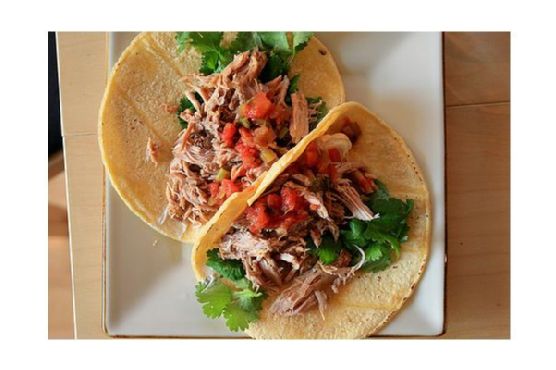
Pork Carnitas Tacos | Made by Meaghan Moineau

Pork Carnitas Tacos | Made by Meaghan Moineau

Unforgettable Pork Carnitas Tacos: A Taste of Tradition and Togetherness


A Culinary Journey Down Memory Lane


There's something truly magical about the way food can evoke cherished memories and transport us back to special moments spent with loved ones. In our family, Pork Carnitas Tacos have always held a special place in our hearts. Not only is this dish a tantalizing blend of flavors and textures, but it also serves as a delicious reminder of countless family gatherings, where the kitchen buzzed with laughter and the air was filled with the irresistible aroma of simmering pork and fresh cilantro.


The Recipe: Pork Carnitas Tacos


Difficulty: 6/10
Category: Main Dish

Ingredients:

- 2 cups water

- 3 lbs lean pork butt


- 4 cloves garlic, minced


- Sea salt and ground pepper to taste


- 2 tablespoons olive oil


- 1 cup orange juice


- 1 cup milk


- Corn tortillas


- Salsa fresca


- 2 ripe avocados, sliced


- Fresh cilantro, chopped


- 1 onion, finely chopped


- 2 limes, sliced into wedges


Instructions:

1. Prepare the Pork:

In a large Dutch oven, combine the pork, garlic, sea salt, ground pepper, and water. Bring the mixture to a boil, then reduce the heat, cover, and let it simmer over medium-low heat for 45 minutes to one hour. This slow cooking process ensures the meat becomes tender and infused with the aromatic flavors of garlic and spices.


2. Shred and Brown the Pork:

Once cooked, drain the pork well. Allow it to cool until it's manageable, then shred the meat by hand or with the tines of a fork, discarding any remaining fat. Return the shredded pork to the Dutch oven, heating the olive oil over medium heat. Add the orange juice and milk, cooking until the liquid evaporates and the pork is beautifully browned. Season with additional salt and pepper to taste.


3. Prepare the Toppings:

Chop the onion and cilantro, and slice the avocado and limes. Place each in small individual bowls for an inviting serving presentation.


4. Assemble the Tacos:

Heat the corn tortillas in a dry frying pan to keep them warm and pliable. For each taco, stack two tortillas and layer them with warm carnitas. Top with chopped cilantro, onion, avocado slices, and a squeeze of fresh lime juice for that perfect burst of citrusy brightness.


A Nostalgic Family Memory


Growing up, weekends at Grandma's house were synonymous with the sizzle of carnitas on the stove. I remember sitting on a stool by the kitchen counter, watching in awe as she effortlessly transformed simple ingredients into a feast that brought us all together. The highlight of those afternoons was gathering around the table, each of us eagerly assembling our tacos, swapping stories, and savoring the rich, savory flavors that felt like a warm embrace.


Even as I recreate this dish today, I can almost hear the echoes of playful banter and feel the familial warmth that made those gatherings so special. Pork Carnitas Tacos are more than just a meal; they are a bridge to the past, a reminder of the joy that comes from shared moments and the love that binds us together.


Conclusion


Pork Carnitas Tacos are a delightful main dish that combines the heartiness of seasoned pork with the freshness of vibrant toppings. With a difficulty rating of 6/10, it's a recipe that balances simplicity with a touch of culinary finesse. Whether you're creating new memories or reliving cherished ones, these tacos promise to bring a touch of tradition and a whole lot of flavor to your table. So gather your loved ones, roll up your sleeves, and let the delicious journey begin!

Read more about Appetizers

Read more about Main Dishes

Read more about Desserts

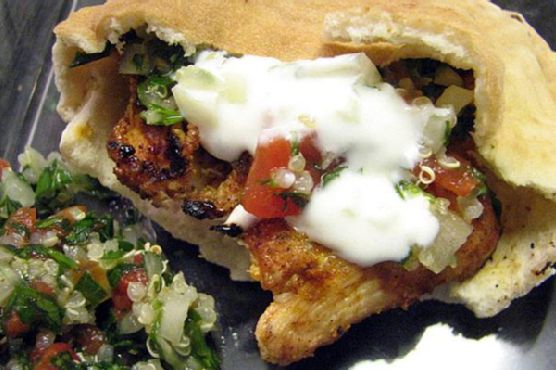
Moroccan Chicken Pitas | Made by Meaghan Moineau

Moroccan Chicken Pitas | Made by Meaghan Moineau

Title: A Taste of Tradition: Moroccan Chicken Pitas
Description: Embark on a flavorful journey with our Moroccan Chicken Pitas, a recipe steeped in rich spices and cherished family memories. Discover how to create this enticing main dish that marries the vibrant flavors of Morocco with a personal touch of nostalgia.

---


A Culinary Adventure: Moroccan Chicken Pitas


When the aroma of paprika, coriander, and cinnamon fills the kitchen, it takes me back to sunny afternoons at my grandmother's house. Our family would gather around the backyard grill, eagerly awaiting the delicious spread that promised to transport us to the bustling souks of Marrakesh. Today, I'm thrilled to share with you our cherished family recipe for Moroccan Chicken Pitas—a dish that's as heartwarming as it is flavorful.


Ingredients:


- For the Chicken:

- Skinless boneless chicken breasts


- 1 teaspoon paprika


- 1 teaspoon coriander


- 1/2 teaspoon cinnamon


- 1 teaspoon cumin


- 1/4 teaspoon cayenne pepper


- 2 cloves garlic, minced


- 1 teaspoon ginger, grated


- Salt to taste


- 2 tablespoons olive oil


- Fresh Italian parsley, finely chopped


- For the Tabbouleh:

- 1 cup cooked quinoa


- 1 can diced petite tomatoes, drained


- 1 yellow onion, diced


- Juice of 1 lemon


- 1/2 cup diced Medjool dates


- 2 tablespoons olive oil


- Sea salt to taste


- For the Yogurt Sauce:

- 1 cup Greek yogurt


- 1/2 cucumber, diced


- Fresh mint, chopped


- Juice of 1 lemon


- Additional:

- Pita bread, halved and split open


Instructions:


1. Prepare the Chicken:

Combine paprika, coriander, cinnamon, cumin, cayenne pepper, garlic, ginger, and salt in a bowl. Mix well to create a fragrant spice blend. Place chicken breasts on a cutting board and pound to about 1/2 inch thick using a meat mallet. Generously rub the spice mixture over all sides of the chicken breasts. Cover and refrigerate for at least an hour to allow the flavors to meld.


2. Make the Tabbouleh:

In a large bowl, combine cooked quinoa, diced tomatoes, onion, lemon juice, Medjool dates, olive oil, and sea salt. Stir well to integrate all the ingredients. Adjust salt and oil to your liking. Cover and chill in the refrigerator while the chicken marinates.


3. Prepare the Yogurt Sauce:

In a separate bowl, combine Greek yogurt, diced cucumber, mint, and lemon juice. Stir to combine and refrigerate until ready to serve.


4. Grill the Chicken:

Preheat your grill to medium heat. Grill the marinated chicken breasts until fully cooked, about 16 minutes, ensuring some crispy edges form for added flavor. Once cooked, let them rest for a few minutes before slicing.


5. Assemble the Pitas:

Take the halved pita bread and fill each with slices of grilled chicken, a generous helping of tabbouleh, and a dollop of the refreshing yogurt sauce.


Nostalgic Family Story:


This dish always reminds me of family gatherings at my grandmother's home. She had a magical way of bringing everyone together with her cooking. I vividly remember my cousins and I playing in the garden while the adults chatted around the grill. The smell of the spices wafted through the air, creating an atmosphere of warmth and anticipation. My grandmother would always remind us that food is not just about nourishment—it's about connection and creating memories. These Moroccan Chicken Pitas are more than just a recipe; they are a piece of our family's history, a tradition we continue to savor and celebrate.


Recipe Difficulty: 6/10


Classification: Main Dish

---


Whether you're introducing your family to the vibrant flavors of Morocco or simply looking to add a new favorite to your meal rotation, these Moroccan Chicken Pitas promise an unforgettable dining experience. Enjoy the journey and create your own cherished memories with every bite.

Read more about Appetizers

Read more about Main Dishes

Read more about Desserts

Japan’s bond market ignites fears of outflows from U.S., carry trade unwind and market turmoil – CNBC | Analysis by Brian Moineau

Japan's bond market ignites fears of outflows from U.S., carry trade unwind and market turmoil - CNBC | Analysis by Brian Moineau

Title: The Rising Tide of Japan's Bond Market: A Tsunami for Global Investments?

In the ever-dynamic world of global finance, a new ripple is making waves. As Japan's government bond yields climb, investors around the globe are holding their breath, anticipating a potential capital shift that could make or break markets. If you've been watching the financial headlines lately, you might have come across CNBC's coverage of these brewing concerns. Higher yields in Japan could trigger a capital repatriation, pulling funds from the U.S. and setting off a chain reaction that could unwind the famed "carry trade" and stir up market turmoil.

But before we jump to conclusions, let's take a step back and explore what this means in layman's terms. For years, Japanese investors have taken advantage of the lower interest rates at home to invest in higher-yielding assets abroad, particularly in the U.S. This strategy, known as the carry trade, has been a lucrative venture, providing steady returns with relatively low risk. However, with Japan's bond yields on the rise, the equation might be changing.

Imagine a Japanese investor who once enjoyed a pleasant stroll on a beach with a gentle tide (low yields at home and high yields abroad). Suddenly, the tide turns, and they find themselves knee-deep in water as yields rise back home. Naturally, they might consider retreating back to safer, drier ground—repatriating their capital to Japan. This could mean a massive outflow of funds from U.S. markets, which would send shockwaves through global finance.

To put this in perspective, it's akin to the global sensation of Taylor Swift's concerts causing seismic shifts in local economies. Just as the "Swift effect" can boost a city's revenue and tourism, a shift in investment flows can dramatically impact financial markets. However, unlike a concert, financial markets thrive on stability and predictability, and unexpected shifts can lead to volatility and uncertainty.

But this isn't just a story about numbers and percentages. It's also a tale woven into the fabric of our interconnected world. For example, the U.S. is currently navigating its own set of challenges, from inflation concerns to political debates about fiscal policy. A sudden capital outflow could add pressure to an already strained economic system. Moreover, this scenario is reminiscent of the 1997 Asian Financial Crisis, where rapid capital movements led to economic turmoil in several Asian economies.

Meanwhile, across the globe, investors are also keeping an eye on Europe, where the European Central Bank is navigating its own challenges. The eurozone is experiencing slow growth and geopolitical tensions, which further complicate the investment landscape. In this global chess game, every move counts, and Japan's bond market shift is a significant one.

In conclusion, while the prospect of capital repatriation from the U.S. due to rising Japanese bond yields is a serious concern, it's essential to maintain perspective. Financial markets are complex, and myriad factors are at play. Investors and policymakers must remain vigilant and adaptable, much like a surfer riding unpredictable waves. After all, in the world of finance, as in life, change is the only constant. Let's hope that as the tide rises, we'll all be ready to ride the wave rather than be swept away. 🌊

---

Final Thought: As Japan's bond market dynamics continue to unfold, it's a reminder of the delicate balance in global finance. Investors must stay informed and agile, ready to pivot with the tides. Just as in nature, financial ecosystems thrive on adaptability and resilience. Here's to navigating the waves with both caution and curiosity.

Read more about AI in Business

Read more about Latest Sports Trends

Read more about Technology Innovations