South Koreas Bold Move in Shipbuilding | Analysis by Brian Moineau

South Korea’s Shipbuilding Surge: A Strategic Move in U.S.-Korea Relations

Have you ever thought about the ships that carry goods across oceans, or the vessels that protect our shores? Shipbuilding is more than just a niche industry; it’s an integral part of national security and economic power. As the global stage shifts, South Korea is stepping up its shipbuilding game, creating ripples in the delicate balance of U.S.-Korea relations. In a move that may resonate with the “Make America Great Again” mantra, a South Korean shipbuilding conglomerate is positioning itself as a key player in President Donald Trump’s ambitious plan to revitalize America’s maritime fleet.

The Context: A New Era in Shipbuilding

Historically, the U.S. has maintained a robust shipbuilding industry, crucial for both military and commercial purposes. However, over the decades, this sector has faced significant challenges, including increased competition from abroad, budget constraints, and shifting priorities. Enter South Korea, a nation known for its advanced shipbuilding capabilities, which has seen a resurgence in its maritime industry thanks to innovative technology and strategic investments.

As President Trump sought to enhance American military strength and reduce dependency on foreign vessels, he initiated talks that sought to boost the domestic shipbuilding industry. This is where the South Korean conglomerate steps in, not just as a competitor but as a potential ally in a broader strategy to modernize and expand the U.S. fleet.

The growing partnership has implications beyond mere economics; it touches on themes of national security, trade, and geopolitical alliances. With North Korea’s ongoing provocations and China’s assertive maritime expansion, a strong U.S. fleet is crucial—not just for America, but for its allies in the region.

Key Takeaways

Strategic Collaboration: South Korea’s shipbuilding conglomerate is aligning its goals with U.S. interests, potentially enhancing military and commercial maritime capabilities.

Economic Impact: The partnership could lead to job creation in both countries, revitalizing the U.S. shipbuilding industry while bolstering South Korea’s maritime economy.

Geopolitical Significance: Strengthening ties between the U.S. and South Korea in shipbuilding could serve as a counterbalance to regional threats, particularly from North Korea and China.

Technological Advancements: South Korean firms bring cutting-edge technology and innovative designs, which could be integral to modernizing the aging U.S. fleet.

Trade Dynamics: This partnership highlights the importance of trade negotiations that could redefine the U.S.-Korea alliance, emphasizing mutual benefits over competition.

Reflecting on the Future

As the world watches this unfolding narrative, it’s clear that the dynamics of shipbuilding are not just about steel and water; they are about power, partnerships, and the very future of international relations. The collaboration between South Korea and the U.S. in shipbuilding can serve as a model for how industries can evolve in the face of shifting geopolitical landscapes. It’s a reminder that sometimes, innovation and cooperation can steer nations toward a brighter horizon.

In the end, whether you’re a maritime enthusiast or just a casual observer, it’s fascinating to see how these alliances can reshape not just industries, but the very fabric of global relations.

Sources

– “Make American Shipbuilding Great Again”: Korea leans into shipbuilding as it woos Trump – Politico. [Politico](https://www.politico.com)

By examining these developments, we can better understand the intricate dance of diplomacy and commerce at play—and what it means for the future of global trade and security.


Related update: We recently published an article that expands on this topic: read the latest post.


OREO Cookie Balls – Snowman | Made by Meaghan Moineau

OREO Cookie Balls – Snowman

Intro

As the first snowflakes start to fall, there’s a certain magic that fills the air. Growing up, my siblings and I would rush outside, our noses turning rosy as we built snowmen in the front yard. Those chilly afternoons always ended with us huddled around the kitchen table, indulging in sweet treats that our mom had prepared. One of our favorite snowy day indulgences was her OREO Cookie Balls—transformed into adorable snowmen. These delightful bites encapsulate the joy of winter and the warmth of family gatherings.

Why You’ll Love It

These OREO Cookie Balls are the perfect combination of rich, chocolatey goodness and creamy decadence, all encased in a fun, wintry theme. They’re incredibly easy to make, requiring minimal ingredients, and are an absolute hit at any holiday gathering. Whether you’re hosting a festive party or simply enjoying a cozy night in, these snowman-themed treats will bring smiles to all.

Ingredients

  • 1 package of OREO Cookies
  • 8 oz cream cheese, softened
  • 16 oz Baker’s chocolate, melted
  • Rolo chocolate candy
  • Black gel icing
  • Orange gel icing
  • Additional supplies to decorate snowmen (e.g., mini chocolate chips, pretzel sticks)

Instructions

  1. Take the entire package of OREO Cookies, including the filling, and crush them in a large gallon ziplock bag until you have fine crumbs.
  2. Empty the cookie crumbs into a large mixing bowl.
  3. Add the softened cream cheese to the bowl.
  4. Mix well on medium speed until fully combined and smooth.
  5. Use a 1-inch cookie scoop to portion out the mixture, then roll into balls using the palms of your hands.
  6. Place the cookie balls on a cookie sheet and freeze for about 10 minutes to firm up.
  7. Melt the Baker’s chocolate according to the package instructions.
  8. Dip each cookie ball into the melted chocolate, ensuring it is fully coated, and then place on a wax paper-covered cookie sheet.
  9. Decorate with Rolo candies for hats, and use black and orange gel icing to create eyes and noses. Additional supplies can be used for further decoration, such as mini chocolate chips for buttons or pretzel sticks for arms.
  10. Place the decorated cookie balls in the refrigerator for an hour to harden completely.

Tips

For the best results, ensure your cream cheese is thoroughly softened before mixing. This will help achieve a smooth, homogeneous mixture. When dipping the cookie balls in chocolate, use a fork to lift them out, allowing excess chocolate to drip off for a cleaner finish.

Variations & Substitutions

Feel free to get creative with the decorations! You can use colored sprinkles or edible glitter for added festive flair. If you’re not a fan of Baker’s chocolate, white chocolate can also be used for a different flavor profile. Vegan cream cheese and chocolate alternatives can turn this recipe into a plant-based delight.

Storage

Store these OREO Cookie Balls in an airtight container in the refrigerator for up to a week. If you’d like to make them ahead of time, they can also be frozen for up to a month. Just be sure to thaw them in the refrigerator before serving.

FAQ

Can I use a different type of cookie instead of OREOs?

While OREOs provide the classic taste and texture, you can experiment with other sandwich cookies for different flavors. Just ensure they’re similar in composition for best results.

Is it necessary to freeze the cookie balls before dipping them in chocolate?

Freezing helps the balls hold their shape and makes them easier to dip in chocolate. This step is important for achieving a smooth coating.

How can I make these treats gluten-free?

Simply substitute the OREO Cookies with a gluten-free sandwich cookie option. Ensure all other ingredients, like the chocolate and cream cheese, are also certified gluten-free.

Nutrition

While these treats are indulgent, it’s good to savor them in moderation. Each snowman OREO Cookie Ball is approximately 120 calories, with the majority coming from healthy fats and carbohydrates. Enjoy as a festive treat alongside a balanced diet.

Conclusion

OREO Cookie Balls – Snowman are a whimsical and delicious addition to any winter celebration. They capture the joy of the season and are perfect for sharing with loved ones. Whether you’re reminiscing about childhood snow days or creating new memories with your own family, these treats will warm your heart and delight your taste buds. Gather your ingredients, invite the kids to help with the decorating, and enjoy the magic of creating these sweet little snowmen together!

Related update: OREO Cookie Balls – Snowman

Related update: Valentine Hearts

Debunking Myths of the AWS Outage | Analysis by Brian Moineau

AWS Outage: Myths vs. Reality

In a world increasingly reliant on cloud services, a recent outage at Amazon Web Services (AWS) sent shockwaves through countless businesses and platforms. But was the sky truly falling, or were we simply witnessing a storm in a teacup? In this post, we’ll explore the myths surrounding the outage and uncover the realities behind the headlines.

Setting the Scene: What Happened?

On [specific date], AWS experienced a significant outage that impacted a variety of services, leaving many businesses scrambling. The outage stirred up conversations and speculation across social media and tech forums, leading to rampant myths about the causes and implications. The article “AWS outage: Myths vs reality” from The Register dives into these myths, providing clarity and context for those left in the dark.

As businesses increasingly migrate to cloud solutions, the reliability and robustness of these platforms come under scrutiny. The AWS outage was a stark reminder of the vulnerabilities that can arise when we place so much of our infrastructure in the hands of a single provider. But was the outage truly indicative of systemic failures, or was it more a series of unfortunate events?

Debunking the Myths

One of the largest misconceptions is that the outage was caused by the rise of artificial intelligence (AI). Many people jumped to conclusions, believing that the increasing complexity of AI systems was to blame. However, The Register emphasizes that AI wasn’t the culprit; the outage stemmed from more traditional infrastructure issues.

Another myth that surfaced was the push for multi-cloud strategies. Some argued that businesses should diversify their cloud providers to avoid being tethered to a single point of failure. While diversifying may seem like a prudent approach, the article argues that multi-cloud strategies can often lead to more complications and higher costs. For many businesses, the idea of spreading resources across multiple cloud platforms can be daunting, and doing so may not necessarily mitigate the risks associated with outages.

Key Takeaways

AI Isn’t to Blame: The AWS outage was not caused by the complexities of AI but rather by more traditional infrastructure issues.

Multi-Cloud is Not Always the Answer: While diversifying cloud providers may seem like a smart strategy, it can lead to increased complexity and costs for businesses.

Understanding Outage Causes: It’s essential to dig deeper into the reasons behind outages rather than accept surface-level explanations.

Cloud Dependence is Inevitable: As more businesses move to the cloud, outages will happen. It’s vital for companies to have contingency plans in place.

Stay Informed: Keeping up with the latest in cloud technology can help businesses better understand risks and prepare for potential disruptions.

Reflecting on the Future of Cloud Services

The AWS outage serves as a critical reminder that while cloud services offer unparalleled convenience and scalability, they are not infallible. Businesses must stay informed and be prepared for the unexpected. Instead of jumping on the multi-cloud bandwagon as a knee-jerk reaction to outages, organizations should assess their specific needs and develop robust contingency plans.

In the end, the key is not to fear the cloud but to understand it. Technology will continue to evolve, and with it, our approaches to using it must also adapt. Let’s focus on building resilient systems that can withstand the occasional storm.

Sources

– AWS outage: Myths vs reality – The Register [https://www.theregister.com/2023/10/xx/aws_outage_myths_reality/](https://www.theregister.com/2023/10/xx/aws_outage_myths_reality/)

By understanding the realities behind cloud outages, we can better navigate the complexities of our increasingly digital world. Remember, knowledge is power, and being informed is the best way to stay ahead in the tech landscape!


Related update: We recently published an article that expands on this topic: read the latest post.

French Toast Croissants with Strawberries | Made by Meaghan Moineau

French Toast Croissants with Strawberries

Introduction

There’s something undeniably magical about the aroma of French toast wafting through the house on a lazy weekend morning. This recipe for French Toast Croissants with Strawberries is a delightful twist on the classic breakfast favorite. I still remember the first time I made this dish; it was a chilly Sunday morning, and my little kitchen was filled with warmth and laughter. My grandmother, who was visiting from France, watched as I nervously whisked the ingredients together, offering gentle guidance and stories of her own childhood in Paris. It became an instant family favorite, invoking memories of cozy brunches and shared stories. I hope this recipe brings a touch of that same magic to your home.

Why You’ll Love It

This recipe is a delightful blend of rich, buttery croissants and the sweet, tangy pop of fresh strawberries. It’s perfect for a special brunch or a lazy morning treat. The croissants soak up the egg mixture beautifully, creating a creamy, custard-like interior while maintaining a crisp, golden exterior. The orange butter adds a zingy freshness, perfectly complementing the sweetness of the strawberries. Whether you’re serving it to guests or indulging yourself, these French Toast Croissants are sure to impress.

Ingredients

  • 4 tablespoons butter, divided
  • 4 plain croissants, split
  • 2 eggs
  • 1/2 cup milk
  • 1 teaspoon grated orange peel
  • 1 tablespoon powdered sugar
  • Fresh strawberries, sliced
  • Orange butter (optional, see tips for recipe)

Instructions

  1. In a small mixer bowl, beat together all the orange butter ingredients at medium speed, scraping the bowl often, until light and fluffy (1 to 2 minutes); set aside.
  2. In a pie pan, stir together the milk, eggs, and 1 teaspoon of orange peel.
  3. In a 10-inch skillet or griddle, melt 2 tablespoons of butter over medium heat.
  4. Dip 4 croissant halves into the egg mixture, turning to coat both sides.
  5. Place the croissant halves, cut side down, in the skillet. Cook, turning once, until golden brown (3 to 4 minutes on each side). Remove to a serving platter; keep warm.
  6. Repeat with the remaining 2 tablespoons of butter and 4 croissant halves.
  7. Dust croissant halves with powdered sugar; serve with orange butter and fresh strawberries.

Tips

  • Use day-old croissants if possible; they will soak up the egg mixture better without becoming too soggy.
  • For the orange butter, simply mix softened butter with a bit of orange zest and a touch of honey or sugar.
  • Ensure your skillet is not too hot to prevent burning the croissants before the inside is cooked.

Variations & Substitutions

  • Fruits: While strawberries are delightful, you can use blueberries, raspberries, or sliced peaches for a different flavor profile.
  • Dairy-Free: Substitute the milk with almond milk or coconut milk, and use a dairy-free butter alternative.
  • Spices: Add a dash of cinnamon or nutmeg to the egg mixture for an extra layer of flavor.

Storage

French Toast Croissants are best enjoyed fresh. However, if you have leftovers, store them in an airtight container in the refrigerator for up to 2 days. Reheat them in a skillet over medium heat until warmed through. Avoid microwaving as it may make them soggy.

FAQ

Can I prepare the egg mixture ahead of time?

Yes, you can prepare the egg mixture a few hours in advance. Store it in the refrigerator and give it a good stir before using.

How can I make this recipe gluten-free?

To make this recipe gluten-free, use gluten-free croissants. The rest of the ingredients are naturally gluten-free.

Nutrition

While indulgent, this dish provides a good balance of protein and carbohydrates to start your day off right. Each serving contains approximately:

  • Calories: 450
  • Protein: 8g
  • Carbohydrates: 38g
  • Fat: 28g
  • Sugar: 10g

Please note that these values are estimates and can vary based on specific ingredients used.

Conclusion

French Toast Croissants with Strawberries is a dish that brings together comfort and elegance. Whether you’re reminiscing about a trip to Paris or simply treating yourself to a luxurious breakfast at home, this recipe is sure to delight. The combination of buttery croissants, fresh strawberries, and a hint of citrus will transport you to a cozy café, even if just for a moment. I hope you enjoy making and sharing this recipe as much as my family has over the years. Bon appétit!

Related update: French Toast Croissants with Strawberries

Related update: Huli-Huli Chicken

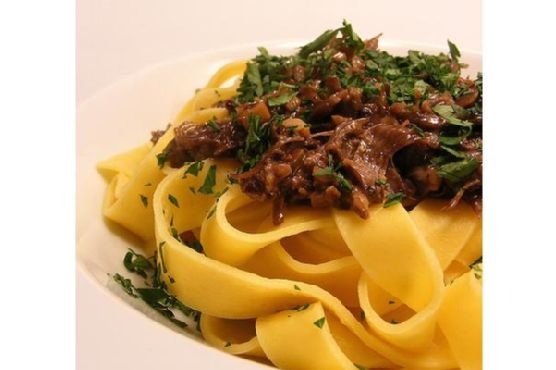
Oxtail Ragout | Made by Meaghan Moineau

Oxtail Ragout: A Comforting Classic

Intro

There’s something deeply nostalgic about a simmering pot of Oxtail Ragout, its rich aroma filling the kitchen and warming the soul. Growing up, Sundays were not complete without gathering around the table with family to enjoy a hearty meal. My grandmother, with her well-worn apron and gentle smile, would lovingly prepare this dish, sharing stories of her own childhood. Today, I’m excited to pass on this cherished recipe, inviting you to create your own memories with this delightful and comforting dish.

Why You’ll Love It

This Oxtail Ragout is the epitome of comfort food. Its succulent, tender meat falls off the bone, while the rich, flavorful broth is perfect for dipping crusty bread. Ideal for a cozy family dinner or a special occasion, this dish is both satisfying and impressive. Whether you’re a seasoned cook or a beginner, you’ll appreciate the simple, rustic preparation and the depth of flavor achieved with humble ingredients.

Ingredients

  • 1 teaspoon whole allspice
  • 1 whole bay leaf
  • 1/4 cup flour
  • 2 cloves garlic, minced
  • 1 tablespoon lemon juice
  • 1 large onion, chopped
  • 2 pounds oxtails
  • 1 teaspoon paprika
  • 1 bell pepper, chopped
  • 1 teaspoon salt
  • 2 cups tomato juice
  • 1 cup water

Instructions

  1. In a small bowl, combine 1 teaspoon of salt, pepper, paprika, and flour.
  2. Roll the oxtails in the seasoned flour mixture until well coated.
  3. In a large pot, heat some fat (such as vegetable oil or lard) over medium-high heat.
  4. Brown the oxtails thoroughly in the hot fat, ensuring all sides are seared.
  5. Add the remaining ingredients except for the lemon juice to the pot: whole allspice, bay leaf, minced garlic, chopped onion, chopped bell pepper, tomato juice, and water.
  6. Cover the pot and reduce the heat to a simmer. Let it cook for 3 hours, stirring occasionally.
  7. After 3 hours, remove the whole allspice and bay leaf from the pot.
  8. Stir in the lemon juice just before serving.
  9. Serve hot, and enjoy with family and friends.

Tips

To elevate your Oxtail Ragout, consider these additional tips:

  • Ensure the oxtails are well browned to develop a deep, rich flavor.
  • Use a heavy-bottomed pot for even heat distribution and to prevent burning.
  • Let the ragout rest for a few minutes after cooking to allow the flavors to meld.

Variations & Substitutions

Feel free to customize your Oxtail Ragout to suit your taste or dietary preferences:

  • Vegetables: Add diced carrots or celery for additional flavor and nutrition.
  • Spices: Experiment with other spices like thyme or rosemary for a different aromatic profile.
  • Protein: If oxtails are unavailable, beef shanks can be used as a substitute.

Storage

Store any leftover ragout in an airtight container in the refrigerator for up to three days. For longer storage, freeze portions in freezer-safe containers for up to three months. Reheat gently on the stove or in the microwave before serving.

FAQ

Can I make Oxtail Ragout in advance?

Yes, Oxtail Ragout is an excellent dish to prepare in advance. In fact, it often tastes better the next day as the flavors have had more time to develop. Simply store it in the refrigerator and reheat before serving.

What should I serve with Oxtail Ragout?

This dish pairs wonderfully with crusty bread, mashed potatoes, or a simple green salad. The hearty flavors also complement a glass of robust red wine.

Nutrition

Oxtail Ragout is a protein-rich dish with a hearty amount of iron and zinc, essential for a balanced diet. While it is not a low-calorie option, its nutritional benefits and comfort factor make it a worthwhile indulgence.

Conclusion

Creating a pot of Oxtail Ragout is more than just preparing a meal; it’s about sharing love and tradition. As you savor each bite, remember the warmth of family gatherings and the joy of creating new memories. I hope this recipe brings as much comfort and happiness to your table as it has to mine. Enjoy the rustic charm of this timeless classic and the smiles it will undoubtedly bring to those you share it with.

Related update: Oxtail Ragout

Related update: French Toast Croissants with Strawberries

Apple Maps May Soon Feature Targeted Ads | Analysis by Brian Moineau

Are Ads Coming to Apple Maps? What This Means for iOS Users

Imagine you’re navigating through a bustling city, and instead of just finding your way to that trendy new café, you’re also greeted with tailored ads for nearby shops and services. It sounds like something out of a sci-fi movie, but if recent reports are true, this could soon be a reality for Apple Maps users. According to a recent article from TechCrunch, Apple is contemplating introducing ads to its mapping service as early as next year.

The Context Behind Apple’s Advertising Move

Apple Maps has come a long way since its rocky launch in 2012. Initially criticized for its inaccuracies and lack of features, it has gradually evolved into a robust competitor to Google Maps. With features like Look Around and improved navigation, Apple has made significant strides to enhance user experience.

However, as the digital advertising landscape continues to heat up, tech giants are constantly seeking new avenues for revenue. Apple, known for its premium pricing strategy, may view advertising as a way to diversify its income streams, especially within its iOS ecosystem. By integrating ads into Apple Maps, they can provide businesses with a unique opportunity to reach potential customers right where they’re searching for services.

This potential shift aligns with broader trends in the tech industry where ad placements have become commonplace on various platforms. With many companies relying on ad revenue to sustain operations, it’s no surprise that Apple is considering a similar approach.

Key Takeaways

Advertising Integration: Apple Maps may begin displaying ads, potentially starting in 2024, as part of a broader strategy to increase advertising across iOS.

User Experience Concerns: While ads could provide businesses with greater visibility, there are concerns about how this might affect the user experience, particularly in terms of clutter and distraction.

Revenue Diversification: For Apple, introducing ads could help diversify its revenue streams, especially in a climate where many tech companies are exploring new monetization strategies.

Increased Competition: This move could intensify competition between Apple Maps and Google Maps, as both services strive to capture user attention and ad spend.

Business Opportunities: Local businesses may benefit from targeted advertising, reaching consumers when they’re most likely to make purchasing decisions.

Reflecting on the Future of Apple Maps

As we look toward the future, the prospect of ads in Apple Maps raises intriguing questions about how we engage with technology. While ads can enhance business visibility and offer users personalized suggestions, there is a delicate balance to maintain between monetization and user experience. As Apple charts this new course, it will be crucial for them to keep user satisfaction at the forefront. After all, nobody wants to turn their navigation experience into an obstacle course of advertisements.

As we await more details on this potential change, it’s clear that the way we interact with technology—and the role of advertising in that interaction—is evolving. Will Apple hit the sweet spot of providing relevant ads without compromising user experience? Only time will tell.

Sources

– “Ads might be coming to Apple Maps next year” – TechCrunch (https://techcrunch.com/2023/10/12/apple-maps-ads/) – “Apple Maps: A Timeline of Its Evolution” – The Verge (https://www.theverge.com/2023/10/10/apple-maps-evolution-timeline)

By staying informed and engaged on these developments, we can better understand how our digital experiences are shaped—and how we can adapt to the changes ahead.


Related update: We recently published an article that expands on this topic: read the latest post.