
Beat the KSL Staff: Week 10 Pick’em | Analysis by Brian Moineau

Week 10 Pick’em: Can you out-pick the KSL sports staff?

College football in November is emotional shorthand for upset fever, rivalry fog, and last-second heroics. The KSL.com staff has tossed their Week 10 ballots into the ring — the weekly ritual where we guess five scores, rail against injury reports, and pretend we aren’t wildly biased toward our local teams. The contest is simple, fun and (best of all) winnable: match the scores closest and you cash in for bragging rights and gift cards. Think you can do better? That’s the bet.

Why Week 10 matters

  • November stretches are where seasons are made or quietly dismantled. Conference races tighten and bubble teams get one more chance to prove they belong.
  • With BYU and Utah State sometimes resting and other weeks in play, Utah-area fans get the emotional roller coaster of seeing one, two or none of their teams on slate — which changes pick strategy.
  • A five-game Pick’em card rewards both local loyalty (guessing the in-state FBS teams) and national smarts (picking the marquee matchup or two correctly).

What the KSL staff picked (high-level context)

The KSL Week 10 staff post (published Oct. 31, 2025) lists five games chosen for the weekly College Pick’em ballot and shows how the writers lined up their score guesses. The article emphasizes local relevance — featuring Utah, BYU and Utah State when they play — and mixes in national games that matter for rankings and playoff positioning. The weekly prize structure (from weekly Visa gift cards to larger season prizes) adds a little extra spice to each ballot. (ksl.com)

Games to watch and why your picks could matter

  • Utah vs. Stanford: A Friday kickoff can throw off rhythm for competitors who base picks on injury updates or late-week roster changes. Short weeks plus travel, plus coaches wanting momentum, make these games pick-sensitive. (ksl.com)
  • Ranked matchups: When two ranked teams collide late in the season, lines tighten and upsets become headline makers. Those games can swing the leaderboard — nail the score and you vault up the standings.
  • Conference implications: Many Week 10 games carry tangible stakes: bowl eligibility, conference seeding, or resume padding for playoff consideration. That context should guide how conservative or aggressive your score predictions are.

How to sharpen your Pick’em ballot

  • Start with injuries and availability: late-week QB news and status reports are the single biggest mover of realistic scores.
  • Think turnovers and tempo: a fast-paced team vs. a conservative defense often inflates totals; a turnover-prone offense can flip a predicted close win into a surprise upset.
  • Use margins, not wishful thinking: predict realistic final scores rather than cheering for your team’s best-case scenario. The Pick’em scoring rewards proximity, so being plausible beats optimism.
  • Balance local pride with objective eyeballs: sure, back your state teams — but for national matchups, consider more neutral metrics (recent point differential, turnover margin, strength of schedule).

Key takeaways

  • Week 10 is a pivotal stretch; picks should weigh playoff and bowl implications, not just fandom.
  • Late-week injury updates and QB status are the biggest predictors of scoring accuracy.
  • Conservative, realistic scores (based on tempo and turnovers) often outperform wishful blowout predictions in Pick’em scoring.
  • Local matchups are fun but mixing a couple of calculated national calls can swing the weekly prize.

Short reflection

There’s something refreshingly democratic about a simple pick’em: it flattens the gap between armchair coaches and credentialed analysts. The KSL staff publishes their guesses not as gospel but as company for the ride — and that’s the whole point. Whether you play for a gift card or just to lord it over your coworkers on Monday, Week 10 is where smart reading of matchups (and a little bit of luck) makes you feel like a pundit for 48 hours.

Sources


Related update: We recently published an article that expands on this topic: read the latest post.
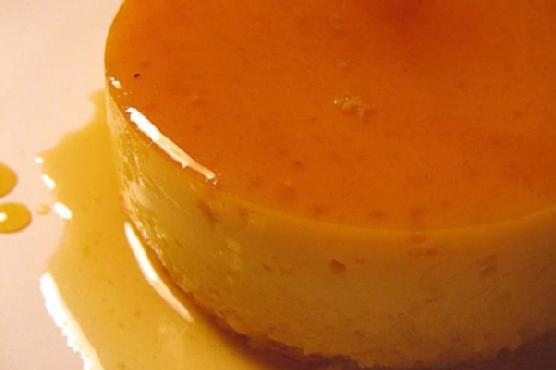

Baked Caramel Custard | Made by Meaghan Moineau

Baked Caramel Custard: A Sweet Journey Back in Time

Intro

There’s something magical about the aroma of caramel wafting through the kitchen. It transports me back to my grandmother’s cozy home, where weekends were filled with warmth and the promise of something sweet baking in the oven. Her Baked Caramel Custard was a family favorite, a simple yet elegant dessert that graced our table on special occasions and ordinary days alike. Each spoonful was a creamy, dreamy reminder of home, love, and the art of simple cooking. Today, I invite you to join me on this nostalgic journey and create your own sweet memories with this timeless recipe.

Why You’ll Love It

This Baked Caramel Custard is a delightful dessert that blends the rich, buttery flavor of caramel with the smoothness of custard. It’s not only a treat for the palate but also a feast for the eyes with its glossy, amber top. This recipe is perfect for those who appreciate simple ingredients coming together to create something extraordinary. Whether you’re new to custard-making or a seasoned pro, this recipe is easy to follow and promises a dessert that’s as satisfying to make as it is to eat.

Ingredients

  • Egg substitute
  • 1 egg yolk
  • Evaporated skim milk
  • Port wine
  • Skim milk
  • Sugar plus
  • Sugar
  • Vanilla

Instructions

  1. Preheat the oven to 350°F (175°C).
  2. Scald the evaporated skim milk and skim milk together in a heavy saucepan. Remove from heat and set aside.
  3. In a skillet over medium heat, caramelize the sugar until it melts and turns a golden brown.
  4. Slowly add the milk mixture to the caramelized sugar, stirring constantly until the sugar dissolves completely.
  5. In a medium bowl, beat the egg substitute and egg yolk together until lemon-colored.
  6. Add the milk mixture, port wine, and vanilla to the eggs, stirring well to combine.
  7. Pour the custard mixture into 6 custard cups and place them in a baking dish.
  8. Add boiling water to the baking dish, ensuring the water reaches halfway up the sides of the cups.
  9. Bake in the preheated oven for 35 to 40 minutes, or until the custards are set.
  10. Remove the custard cups from the oven and chill completely in the refrigerator.
  11. Once chilled, place a dessert plate on top of each custard cup and invert to serve.

Tips

For the perfect caramel, keep a close eye on the sugar as it melts. It can go from golden to burnt very quickly, so be ready to remove it from the heat as soon as it reaches the desired color. Additionally, when adding the milk to the caramel, pour slowly to avoid splattering and ensure a smooth mixture.

Variations & Substitutions

If you’re looking to adapt this recipe, consider using almond milk in place of skim milk for a nutty flavor. For a boozy twist, swap out the port wine for a favorite liqueur. You can also add a pinch of sea salt to the caramel for a salted caramel version that balances sweet with savory.

Storage

Store any leftover custard in the refrigerator, covered, for up to three days. This dessert is best enjoyed chilled, so feel free to prepare it a day in advance for a fuss-free treat.

FAQ

Can I make this custard without the egg substitute?

Yes, you can replace the egg substitute with an additional egg yolk if you prefer a richer custard.

How do I know when the custard is set?

The custard is set when it jiggles slightly in the center but is firm around the edges. A knife inserted into the center should come out clean.

Nutrition

This recipe yields six servings, with each serving being approximately 1/2 cup. While specific nutritional values will vary depending on ingredient brands and substitutions, this custard is generally lower in fat due to the use of skim milk and egg substitutes. It’s a delightful indulgence that can fit into a balanced diet.

Conclusion

Baked Caramel Custard is more than just a dessert; it’s a comforting reminder of simpler times and the joy of creating something special from everyday ingredients. Whether you’re making it for a family gathering or a quiet night in, this recipe is sure to delight and impress. So grab your apron, preheat the oven, and let the sweet journey begin!

Related update: Baked Caramel Custard

Related update: Gluten Free Profiteroles

Related update: Wild Blueberry Lemon Muffins

Yesavage’s Unhittable Splitter Stuns | Analysis by Brian Moineau

The legend of Trey Yesavage grows with each unhittable splitter

There are moments in sports that arrive fully formed — small, electric flashes that demand you stop and watch. Trey Yesavage’s latest outing against the Dodgers was one of those moments: a young pitcher whose splitter seems to have its own gravitational pull, leaving hitters flailing and teammates whispering “It’s like damn, wow.” The Blue Jays’ rookie didn’t just pitch; he announced himself on baseball’s biggest stage.

Key takeaways

  • Yesavage’s splitter has become a true wipeout pitch, generating huge swing-and-miss rates and shaping his early postseason dominance.
  • He delivered a historically dominant World Series performance, combining strikeouts, control and poise beyond his few major-league starts.
  • Opposing teams game-plan around that “from the sky” splitter, but Yesavage pairs it with a rising four-seam and a slider to keep hitters unbalanced.
  • His rapid ascent — first-round pick, September debut, postseason stardom — is a reminder of how quickly a young pitcher can shift a franchise’s trajectory.

A hook: when a pitch feels like destiny

Picture this: the stadium hushes, the hitter steps in, and the baseball seems to come from a different altitude entirely. That’s what watching Yesavage’s splitter feels like — a pitch released high, then dropping so late the batters' eyes betray them at the last second. Teammates and announcers use phrases that sound like hyperbole, but the outcomes — looking strikes, missed swings, and strikeouts — do the talking.

Why the splitter is more than a single pitch

Yesavage’s mechanics and pitch design make the splitter more than a nasty secondary offering. Analysts and Statcast breakdowns highlight a few features that make his arsenal sing together:

  • High release and extreme downhill plane make both his fastball and splitter travel on similar trajectories before diverging dramatically, confusing hitter timing.
  • His four-seamer shows above-average “rise,” which sets up the illusion: hitters expect a continuing path up in the zone and then the splitter plummets beneath the bat.
  • The splitter’s late, violent drop yields high chase and whiff rates, so when Yesavage lands it below the zone he gets swings-and-misses rather than fouls or weak contact.

These aren’t abstract numbers — they show up in the box score and in the body language of opponents. Dave Roberts and Dodgers hitters said they tried to lay off the splitter; when a lineup is forced to do that, you know it’s working. (Sources: MLB Statcast, ESPN, AP.)

The moment against the Dodgers: more than a stat line

Yesavage’s outing versus Los Angeles wasn’t just effective, it was historic. Facing one of baseball’s most fearsome lineups in the World Series, he mixed the splitter, slider and rising fastball to rack up strikeouts, limit hard contact, and tilt the game early in Toronto’s favor. For a pitcher with only a handful of regular-season starts, to deliver that kind of performance in Game 5 is remarkable — and the kind of moment that lingers in franchise lore.

  • He struck out a large number of batters and walked few or none, showing both swing-and-miss stuff and command.
  • Even when he didn’t lean on the splitter as much as usual, its mere presence altered hitters’ approaches.
  • Teammates responded with the kind of stunned admiration reserved for rare displays: silence, then “wow.”

(See detailed game coverage and postgame quotes from ESPN and AP for context.)

What this means for Toronto and the broader game

A pitcher like Yesavage changes matchups. Opposing managers must decide whether to attack his splitter zone aggressively — risking strikeouts — or to sit back and try to punish other pitches. For the Blue Jays, having a young starter who can control games in October deepens rotation flexibility and shortens the path to a title.

On a larger scale, Yesavage’s emergence is a reminder that baseball’s evolution — new grips, analytics-driven pitch usage, and refined mechanics — still produces old-fashioned spectacle: devastating breaking pitches, late swings, and the thrill of postseason theater.

A short reflection

There’s something magnetic about watching a rookie not just survive, but own the moment. Yesavage’s rise is the kind of story fans love because it’s uncontrived: talent meeting preparation, with a pitch that looks unfair. Whether he becomes a long-term ace or another memorable October hero, his splitter has already earned a place in the game’s highlight reels — and his teammates’ stunned, delighted silence says more than any headline could.

Sources


Related update: We recently published an article that expands on this topic: read the latest post.


Related update: We recently published an article that expands on this topic: read the latest post.

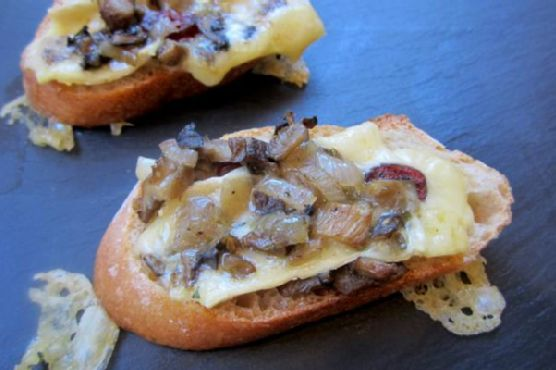
Rustic Brie Toasts with Wild Mushroom, Cranberry and Shallot | Made by Meaghan Moineau

Rustic Brie Toasts with Wild Mushroom, Cranberry, and Shallot

Intro

There’s something remarkably comforting about the scent of earthy mushrooms mingling with the crisp sweetness of cranberries and the savory richness of melted brie. This recipe for Rustic Brie Toasts with Wild Mushroom, Cranberry, and Shallot captures the essence of autumn in every bite. I remember my grandmother preparing something similar during our family gatherings in the fall. She’d gather us around her long wooden table, the fireplace crackling in the background, and serve these toasty delights as a warm-up to our festive meals. The aroma alone would draw us in, and the first bite was always a revelation of flavors. These toasts are a nod to those cherished moments and are perfect for sharing new memories with loved ones.

Why You’ll Love It

This recipe is a perfect blend of savory and sweet, offering a gourmet twist on the classic toast. The combination of creamy brie with the nuttiness of wild mushrooms and the tartness of cranberries creates a complex flavor profile that’s sure to impress. Not only are these toasts a breeze to make, but they also serve as an elegant appetizer for any occasion. Whether you’re hosting a dinner party or enjoying a quiet night by the fireplace, these toasts will elevate your dining experience.

Ingredients

  • Diced wild mushrooms
  • Diced shallot
  • 1/4 cup dried cranberries (juice sweetened if possible)
  • Fresh thyme
  • Rustic baguette
  • Olive oil
  • Wedge of beautiful brie cheese
  • Salt and pepper

Instructions

  1. Start by preheating your oven to 350 degrees Fahrenheit.
  2. While the oven is preheating, heat the olive oil in a sauté pan over medium heat.
  3. Add the diced shallot, wild mushrooms, cranberries, and a few sprigs of fresh thyme to the pan.
  4. Sauté the mixture for a few minutes until the shallot begins to wilt and the mushrooms are tender.
  5. Season with salt and pepper to taste and set aside to cool.
  6. Slice a rustic baguette into 12 pieces.
  7. Place a slice of brie on each piece of bread.
  8. Top each toast with a spoonful of the cranberry, mushroom, and shallot mixture.
  9. Arrange the toasts on an oiled cookie sheet.
  10. Bake the toasts for 15 minutes or until the brie just begins to melt.
  11. Remove from oven and serve warm. Enjoy!

Tips

  • For a more intense flavor, allow the mushroom mixture to marinate for an hour before assembling the toasts.
  • Use a sharp knife or serrated bread knife to ensure clean slices of baguette.
  • Consider using a mix of wild mushrooms for a more complex flavor profile.

Variations & Substitutions

If you prefer a different cheese, camembert can be a lovely substitute for brie, offering a similar creamy texture. For those who enjoy a bit of heat, consider adding a pinch of red pepper flakes to the mushroom mixture. If you’re avoiding gluten, opt for gluten-free bread or crackers.

Storage

While these toasts are best enjoyed fresh, any leftovers can be stored in an airtight container in the refrigerator for up to two days. To reheat, place them back in the oven at a low temperature until warmed through. Avoid microwaving, as this can make the bread soggy.

FAQ

Can I prepare the mushroom mixture in advance?

Yes, you can prepare the mushroom mixture a day in advance. Store it in an airtight container in the refrigerator and assemble the toasts just before baking.

What type of cranberries should I use?

For this recipe, juice-sweetened dried cranberries add just the right amount of sweetness. However, you can use regular dried cranberries if you prefer.

Is there a way to make this recipe vegan?

Absolutely! Replace the brie with a vegan cheese alternative and use olive oil or vegan butter for sautéing.

Nutrition

This appetizer is a delightful treat but remember that it is rich and indulgent. Each toast provides a balance of carbohydrates from the baguette, healthy fats from the olive oil and cheese, and a touch of sweetness from the cranberries. Consume in moderation as part of a balanced diet.

Conclusion

Rustic Brie Toasts with Wild Mushroom, Cranberry, and Shallot are a wonderful way to celebrate the flavors of the season. They’re simple to prepare, yet sophisticated enough to make any occasion feel special. Whether you’re rekindling old traditions or starting new ones, these toasts are sure to bring warmth and joy to your table. Enjoy them with a glass of your favorite wine or a mug of hot cider for a truly cozy experience. Bon appétit!

Related update: Rustic Brie Toasts with Wild Mushroom, Cranberry and Shallot

Related update: Roasted Red Pepper & Tomato Salsa

Carrot and Coriander Soup | Made by Meaghan Moineau

Carrot and Coriander Soup

Intro

There’s something undeniably comforting about a warm bowl of soup that not only satiates hunger but also soothes the soul. Growing up, I remember visiting my grandmother’s house on crisp autumn afternoons, where the inviting aroma of her signature carrot and coriander soup would welcome us at the door. It was more than just a meal; it was a hug in a bowl, filled with love and warmth that transcended generations. Today, I want to share this beloved recipe with you, so you can bring a bit of that warmth into your home too.

Why You’ll Love It

This carrot and coriander soup is not just a simple recipe; it’s an experience. Here’s why you’ll adore it:

  • Flavor-packed: The natural sweetness of carrots combines beautifully with the citrusy hint of orange juice and the earthy warmth of coriander.
  • Healthy: Packed with vitamins and antioxidants, this soup is as nourishing as it is delicious.
  • Easy to make: With just a handful of ingredients and simple steps, you’ll have a stunning soup on your table in no time.
  • Versatile: Perfect as a starter, side, or even as a light main dish.

Ingredients

  • 6 large carrots, peeled and roughly chopped
  • 1 large onion, chopped
  • 2 tablespoons olive oil
  • 1 teaspoon ground coriander
  • 1/2 cup fresh orange juice
  • 4 cups water
  • Salt, to taste
  • Pepper, to taste
  • Fresh coriander, for garnish

Instructions

  1. In a deep pot, heat the olive oil over medium heat. Add the chopped onions and sauté until they are soft and translucent.
  2. Stir in the carrots, allowing them to cook and soften slightly, about 5 minutes.
  3. Add the water, salt, and pepper. Cover the pot and let it simmer until the carrots are fully cooked and tender, about 20-25 minutes.
  4. Stir in the orange juice and ground coriander, letting it cook for an additional 2 minutes to blend the flavors.
  5. Carefully puree the soup in a blender until smooth and creamy. Adjust seasoning if necessary.
  6. Garnish with fresh coriander and serve the soup hot.

Tips

  • For an extra creamy texture, add a splash of coconut milk or cream before blending.
  • Use fresh coriander for garnish to add a pop of color and fresh flavor.
  • Always be cautious when blending hot liquids; allow the soup to cool slightly before blending, and do it in batches if necessary.

Variations & Substitutions

  • Spicy Kick: Add a pinch of cayenne pepper or a dash of hot sauce for a spicy version.
  • Herbal Twist: Try adding thyme or rosemary for an herbal aroma.
  • Low-Carb Option: Substitute half of the carrots with cauliflower for a lower-carb alternative.

Storage

This soup stores wonderfully, making it a great make-ahead option. Allow the soup to cool completely before transferring it to an airtight container. It can be stored in the refrigerator for up to 5 days. For longer storage, freeze the soup for up to 3 months. When ready to enjoy, simply thaw and reheat gently on the stove.

FAQ

Can I use vegetable broth instead of water?

Absolutely! Using vegetable broth will add more depth of flavor to the soup. Just be mindful of the salt content, as broth can be saltier than water.

Is this soup vegan?

Yes, this carrot and coriander soup is naturally vegan as long as you use olive oil for sautéing the onions. It’s a delightful plant-based option that everyone can enjoy.

How can I thicken the soup if needed?

If you prefer a thicker consistency, you can add a small potato when cooking the carrots. The potato will blend into the soup, adding body and creaminess without altering the flavor.

Nutrition

This wholesome soup is low in calories and high in nutrients. Carrots are an excellent source of beta-carotene, fiber, vitamin K1, and antioxidants. The addition of orange juice provides a boost of vitamin C. Overall, it’s a heartwarming dish that’s both nutritious and delightful.

Conclusion

Carrot and coriander soup is a classic recipe that brings warmth and joy to any table. Whether you’re looking to recreate a nostalgic family recipe or simply want to enjoy a healthy, delicious meal, this soup is sure to become a favorite in your household. Gather your ingredients, follow the simple steps, and indulge in the comforting flavors of this delightful soup. Bon appétit!

Related update: Carrot and Coriander Soup

Related update: Asian Salmon Burgers With Tangy Ginger Lime Sauce

Related update: Mashed Potatoes with Garlic, Sage & Goat Cheese

Related update: Baked Scallops With Parma Ham

18-Inning World Series Drew 17.6M Viewers | Analysis by Brian Moineau

How many people stuck around to watch the end of Game 3 of the World Series?

The clock read 2:50 a.m. Eastern Time when Freddie Freeman launched the walk-off homer that finally ended the 18-inning, six-hour-and-39-minute epic between the Dodgers and Blue Jays. You might assume most of the nation had long since given up and gone to bed — and yet, a staggering number of viewers were still glued to their screens.

Key takeaways

  • 8.5 million viewers in the United States were still watching when the game ended around 2:50 a.m. ET.
  • The game averaged roughly 11.4 million U.S. viewers across Fox platforms, with a peak near 13.1 million earlier in the night.
  • When you add Canadian audiences, the combined U.S.–Canada audience for Game 3 was around 17.6 million.
  • The unusual combination of prolonged drama, star power (Shohei Ohtani, Freddie Freeman) and a strong Canadian audience helped retain viewers deep into the night.

The hook: why that 8.5 million figure matters

Imagine a typical late-night crowd watching TV: by 2:50 a.m., most primetime audiences have evaporated. So when Sports Illustrated and Nielsen reported that roughly 8.5 million Americans were still watching the final swing, it wasn’t just a number — it was proof that a rare live sporting event can hold attention past the point where most programming loses it.

That figure means more people watched the walk-off than watched the first pitch earlier that evening in some viewing windows. It also tells TV executives, advertisers, and leagues that premium live sports — especially when they turn into dramatic, unpredictable marathons — still command huge, engaged audiences even in the unlikeliest time slots.

Context: the marathon that made viewers stay

  • The showdown took place on Monday, October 27, 2025 (Game 3).
  • The game tied the record for most innings in World Series history (18) and ran nearly 6 hours and 40 minutes.
  • Shohei Ohtani put on a historic offensive display, and Freddie Freeman finished it with his dramatic walk-off homer.
  • The telecast faced direct competition from Monday Night Football, which drew a larger audience that night; still, the World Series’ retention deep into the night was remarkable.

Long games often bleed viewers as casual fans sign off, but this one retained a surprising share — more than half of its earlier peak audience remained into the early-morning hours. That level of retention is unusual and notable for modern TV where on-demand viewing and multiple live options fragment attention.

Reading the numbers: averages, peaks, and late-night retention

  • Average U.S. audience: roughly 11.3–11.4 million viewers for the full telecast.
  • Peak audience: about 13.1 million (around the ninth inning earlier in the night).
  • Late-night audience at game end: ~8.5 million still watching at ~2:50 a.m. ET.
  • Combined U.S. + Canada audience: reported around 17.6 million, highlighting how the Blue Jays’ presence supercharged Canadian viewership.

The slight variations in the averages reported by different outlets (11.31M vs. 11.4M) reflect typical rounding and platform-count differences; the standout, consistent stat is the 8.5M who stayed to the finish.

Why viewers stayed — three quick reasons

  • Drama and unpredictability: Extra innings, shifting momentum, and the possibility of history keep viewers invested.
  • Star players and storylines: Ohtani’s record-setting night and Freeman’s late heroics gave casual fans reasons to stay.
  • National pride and regional interest: A massive Canadian audience for the Blue Jays lifted the combined numbers, and American viewers were willing to stay up for the rare baseball spectacle.

Small reflection

In an era when so much content is bite-sized and time-shiftable, live sports remain one of the clearest reminders that real-time, unscripted drama still has power. That 8.5 million people at 2:50 a.m. were not just watching — they were witnessing a moment together. There’s something ancient and communal about staying up late to see the end of a story not yet written.

Sources


Related update: We recently published an article that expands on this topic: read the latest post.


Related update: We recently published an article that expands on this topic: read the latest post.