
Brady’s Dog Clone: Grief or Brand Play | Analysis by Brian Moineau

Tom Brady cloned his dead dog — and it reads like a billionaire’s PR move

You know when a celebrity announcement lands and you can’t tell if it’s sincere grief, a flex, or a marketing stunt? Tom Brady’s recent revelation that his current dog Junie is a genetic clone of his late dog Lua checks all three boxes — and then some. The news landed alongside a corporate update from Colossal Biosciences, the biotech firm Brady has invested in, and set off a predictable storm of fascination, skepticism, and ethical hand-wringing. (defector.com)

Why this feels less like a private family moment and more like a brand activation

  • Tom Brady’s announcement coincided with Colossal Biosciences’ acquisition of Viagen Pets and Equine — a company that does commercial pet cloning — making the reveal read like a perfectly timed PR play. (statesman.com)
  • Brady is publicly invested in Colossal, so his glowing comments about cloning double as social proof for a company aiming to normalize high-profile animal cloning and sell an ambitious public story about “de‑extinction” and conservation. (people.com)
  • The optics are weirdly modern-feudal: a billionaire uses cutting-edge biotech to buy back what death took, then makes the purchase part of the company narrative. People notice when private grief overlaps with corporate messaging. (defector.com)

A quick primer: what actually happened (the short version)

  • Lua, a pit-bull mix that belonged to Brady’s family, died in December 2023. A blood draw taken before her death was used to preserve her DNA. (people.com)
  • Colossal Biosciences — which Brady has invested in — says it used non-invasive cloning technology to create Junie, an animal with the same genetic makeup as Lua. The announcement coincided with Colossal’s purchase of Viagen, a company known for cloning celebrity pets. (statesman.com)
  • Commercial pet cloning typically carries high price tags (public reports have cited something like $50,000 for cats or dogs through Viagen), and it’s not cheap or frictionless. (statesman.com)

Science, limits, and the “it’s not the same dog” argument

Genetic identity is not identity-of-experience. Cloning gives you the same genome, not the same life history. Personality, temperament, and quirks result from interactions with environment, maternal conditions in utero, early socialization, and random developmental events — all things a clone will experience differently. Scientists and animal cognition experts have made this clear repeatedly: clones resemble but do not replicate lived personality. (defector.com)

There are also practical realities of pet cloning:

  • Success rates for dog cloning have improved since the early, painstaking work (Snuppy in 2005), but cloning remains technically demanding and often involves low yield and surrogate animals. (defector.com)
  • The procedure carries ethical questions about the use of surrogates and the fate of embryos and failed attempts, plus animal welfare concerns around the whole process. (defector.com)

The larger story: investors, de‑extinction, and PR theater

Colossal markets itself as a company that can revive extinct species and help conserve endangered ones. Pet cloning is an immediately marketable, emotionally resonant offshoot that also generates headlines and revenue. Having a celebrity investor publicly clone a beloved pet offers three benefits:

  • It humanizes and legitimizes a controversial technology.
  • It ties a sentimental narrative to a corporate milestone (the Viagen deal).
  • It creates cultural conversation — which is cheap PR when coordinated around celebrity announcements. (people.com)

That coordination is why many readers called Brady’s announcement a “brand activation”: the timing and the corporate connection make it hard to read as purely private grief. For public-facing biotech, headlines and cultural cachet can be as valuable as scientific progress, and celebrities are unusually effective at generating both.

Social reaction and cultural vibes

Responses have been all over the map:

  • Some people find cloning comforting — a chance to spend more time with an animal that was deeply loved. (people.com)
  • Others see it as tone-deaf (given high numbers of shelter animals), ethically fraught, or simply emotionally misguided — a replacement, not a resurrection. Online reactions skewed skeptical and at times outraged. (defector.com)

A few practical questions this raises

  • What does a clone cost an average owner versus what Brady likely paid (or leveraged through investment ties)? Public numbers for Viagen services have circulated, but celebrity deals can blur price transparency. (statesman.com)
  • How does commercial pet cloning affect shelter adoption rates and resources? If cloning normalizes “buying back” pets, it could have ripple effects in how people view and source companion animals.
  • Where do we draw ethical lines between conservation goals and consumerized cloning for grief or vanity? Colossal’s stated conservation ambitions invite scrutiny when the company also markets celebrity pet cloning. (defector.com)

Things to remember

  • A clone is a genetic twin, not a memory machine. Expect resemblance, not reincarnation. (defector.com)
  • Celebrity announcements that align closely with a company’s corporate milestones should be read with a PR-skeptical eye. Timing matters. (defector.com)

My take

Grief is complicated and people find comfort in different ways. If cloning a beloved pet genuinely helped Brady’s family, that human element deserves empathy. But when the personal becomes entangled with investments and corporate narrative, we should scrutinize the optics and the industry incentives.

This isn’t just a weird rich-guy anecdote — it’s a cultural touchpoint for how emerging biotech will be marketed, normalized, and regulated. Celebrity validation can accelerate adoption, for better or worse, so the conversation we have now about ethics, transparency, and animal welfare matters.

Where to read more

  • Defector’s take on the timing, optics, and irony of Brady’s announcement. (defector.com)
  • People’s reporting on Brady’s statement and Colossal’s role in cloning Junie from Lua’s preserved blood sample. (people.com)
  • Local coverage on Colossal’s involvement and Viagen’s cloning services and pricing. (statesman.com)

Sources


Related update: We recently published an article that expands on this topic: read the latest post.

Related update: We recently published an article that expands on this topic: read the latest post.

Related update: We recently published an article that expands on this topic: read the latest post.


Related update: We recently published an article that expands on this topic: read the latest post.

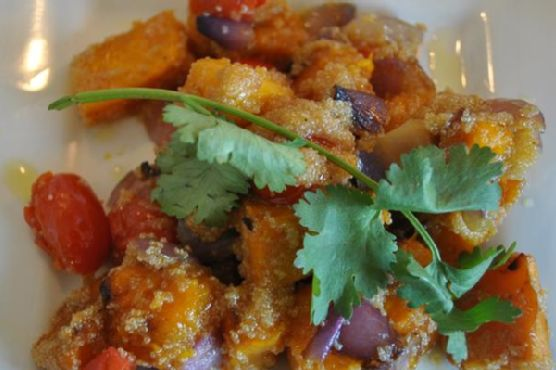
Amaranth and Roast Veggie Salad | Made by Meaghan Moineau

Amaranth and Roast Veggie Salad

Intro

There’s something magical about family gatherings, where the kitchen becomes a hub of activity, and the aroma of delicious dishes wafts through the air. I vividly remember one summer evening when my grandmother introduced us to a unique and delightful salad that quickly became a family favorite. Her secret? A generous helping of amaranth paired with roasted vegetables. Today, I’m excited to share this heartfelt recipe with you: Amaranth and Roast Veggie Salad. It’s a dish that not only fills the belly but also warms the soul, much like those cherished family moments.

Why You’ll Love It

This Amaranth and Roast Veggie Salad is a perfect blend of textures and flavors. The nutty amaranth pairs beautifully with the sweetness of roasted vegetables and the fresh peppery bite of rocket leaves. This salad is not only delicious but also packed with nutrients, making it an ideal choice for a healthy meal. Whether you’re looking for a satisfying lunch, a vibrant side dish, or a contribution to a potluck, this salad fits the bill. Plus, it’s vegan and gluten-free, catering to a wide range of dietary preferences.

Ingredients

  • 1 cup amaranth
  • 2 tablespoons basil-infused olive oil
  • 1 bell pepper
  • 1 cup diced pumpkin
  • 1 red onion
  • Handful of rocket leaves
  • 1 teaspoon herbal salt
  • 1 punnet baby tomatoes

Instructions

  1. Cook the amaranth with about a cup of water in a saucepan. Bring it to a boil, then reduce the heat and simmer until the water is absorbed and the amaranth reaches a sticky consistency. This usually takes about 15-20 minutes.
  2. Preheat your oven to 200°C (392°F).
  3. Roughly cut the onion into chunks.
  4. Place the diced pumpkin and onion chunks onto a tinfoil-lined baking tray.
  5. Drizzle the basil-infused olive oil over the vegetables and sprinkle them with herbal salt and a pinch of pepper.
  6. Roast the vegetables in the oven for about 30 minutes, or until the edges of the pumpkin become crispy. Stir occasionally to ensure even roasting.
  7. About 5 minutes before the veggies are done, add the baby tomatoes to the tray, allowing them to roast until just blistered.
  8. Once the veggies are roasted, remove them from the oven and combine them with the cooked amaranth in a large bowl.
  9. Gently tear a few rocket leaves and add them to the bowl.
  10. Toss everything together until well mixed. Serve the salad warm and enjoy!

Tips

To make the most of this recipe, consider these helpful tips:

  • Make sure to rinse the amaranth thoroughly before cooking to remove any bitterness.
  • If you prefer a little more crunch, add some toasted nuts or seeds like sunflower or pumpkin seeds.
  • For an extra burst of flavor, try adding a splash of balsamic vinegar or a squeeze of lemon juice just before serving.

Variations & Substitutions

This recipe is versatile and can be adapted to suit your taste preferences or the ingredients you have on hand.

  • Grains: If you don’t have amaranth, quinoa or couscous can be great substitutes.
  • Vegetables: Feel free to add other vegetables like zucchini or sweet potatoes for variety.
  • Herbs: If basil-infused olive oil isn’t available, use regular olive oil with a handful of fresh basil leaves instead.

Storage

This salad is best enjoyed fresh, but it can be stored in an airtight container in the refrigerator for up to 3 days. If you plan to store it, wait to add the rocket leaves until just before serving to keep them from wilting.

FAQ

Can I make this salad ahead of time?

Yes, you can prepare the components of the salad ahead of time. Cook the amaranth and roast the vegetables a day in advance, then store them separately in the fridge. Assemble the salad with fresh rocket leaves just before serving.

Is amaranth gluten-free?

Yes, amaranth is naturally gluten-free, which makes it a fantastic choice for those following a gluten-free diet. It’s also rich in protein and fiber, adding nutritional value to the salad.

Can I use canned tomatoes instead of fresh?

While fresh baby tomatoes are recommended for their vibrant flavor and texture, you can use canned diced tomatoes in a pinch. Drain them well and add them to the salad at the end.

Nutrition

This Amaranth and Roast Veggie Salad is a nutritious meal option. It’s high in protein and fiber from amaranth, packed with vitamins from the vegetables, and offers healthy fats from the olive oil. Each serving provides essential nutrients that support overall health and wellness.

Conclusion

There you have it, a warm and hearty Amaranth and Roast Veggie Salad that’s sure to impress your taste buds and nourish your body. This recipe combines the simplicity of wholesome ingredients with the vibrant flavors of roasted vegetables, making it a delightful addition to any meal. Whether you’re reminiscing about family gatherings or creating new memories, this salad is a perfect companion. Enjoy it with loved ones, and don’t forget to share your own twists and variations in the comments below!

Related update: Amaranth and Roast Veggie Salad

Related update: Chicken Parmesan Patty- Eat As A Burger OR On Pasta

Related update: Pear Salad With Walnuts and Blue Cheese

Hidden Real Estate Gold: Industrial Lots | Analysis by Brian Moineau

The quiet land rush: industrial outdoor storage is stealing the spotlight

When someone says “real estate boom,” most of us picture gleaming warehouses, data centers or apartment towers. But there’s a quieter, dirt-under-your-nails story unfolding on paved and gravel lots across the U.S.: industrial outdoor storage (IOS). Once the domain of mom-and-pop operators and dusty truck yards, IOS is suddenly seeing explosive demand, sharp rent growth and major institutional attention — and it’s reshaping how investors and occupiers think about industrial land.

Why IOS matters now

  • IOS is simply land for things that live outside: containers, trucks, construction equipment, generators, bulk materials and fleet parking. Buildings — if present — typically occupy <25% of the site.
  • These parcels sit where movement matters: near highways, ports, intermodal nodes and data center construction sites. That adjacency makes them invaluable for staging and logistics.
  • Two forces collided to raise IOS’s profile: the ongoing industrial logistics reshuffle (e-commerce, fleet decentralization) and the data-center/A.I. construction boom. Data centers in particular need vast outdoor staging yards for generators, cooling equipment and construction fleets during buildouts.

Quick snapshot of the market

  • IOS rents have surged — Newmark reports rents rose roughly 123% since 2020, outpacing bulk warehouses by a wide margin. (Newmark’s “Lots to Gain” research is a useful primer.) (nmrk.com)
  • Vacancy is tight in many markets, and supply is constrained by zoning and land-use policies that often discourage industrial outdoor uses. That scarcity gives owners pricing power. (nmrk.com)
  • Institutional capital is moving in: private equity and large managers have formed JV’s and provided financing for IOS portfolios, turning what was once fragmented into investable, scalable pools of assets. Recent portfolio deals and credit commitments illustrate the shift. (danielkaufmanreal.estate)

The investor dilemma: high return, specific risks

  • Why investors are excited

    • Strong rent growth and low vacancy create attractive cash flows compared with many traditional industrial segments.
    • Many IOS assets are irreplaceable in the short-to-medium term because municipalities often restrict new IOS zoning.
    • Some markets show IOS rents that, when normalized per acre, rival bulk warehouse pricing — signaling potential revaluation upside. (nmrk.com)
  • What keeps cautious investors awake at night

    • Zoning and local politics: IOS is often labeled “non-productive” (low job density, limited tax generate), so expansion can be politically fraught. That’s both a supply limiter and a land-use risk. (nmrk.com)
    • Cyclical demand drivers: IOS benefits from spikes in trade, imports, construction and data center build cycles. If any of these cool materially (tariffs, weaker imports, slower AI/data-center rollouts), demand can ease. (globest.com)
    • Environmental and community pushback: stormwater, dust, visual blight and traffic impacts can invite stricter local controls or redevelopment pressure.
    • Standardization and liquidity: pricing and lease structures are still maturing. While institutional owners are professionalizing the sector, IOS is less homogeneous than a modern logistics park.

Where the value is concentrated

  • Inland logistics hubs (Phoenix, Memphis, Atlanta) have been leaders in rent growth; Southern California showed earlier strength but has seen more variability. Market-by-market performance diverges, so hyper-local analysis matters. (globest.com)
  • Sites close to ports, intermodal yards and major highway junctions command premiums — the same adjacency logic that drives warehouse economics, applied to land rather than buildings.

Practical takeaways for stakeholders

  • For investors

    • Treat IOS like a specialty industrial play: underwrite with conservative scenarios for zoning friction and cyclical demand swings.
    • Look for operators with platform capabilities — portfolio management, standardized leases, environmental controls and local permitting expertise.
    • Consider income-plus-value strategies: strong current cash flow today and limited-to-no new supply could yield outsized appreciation.
  • For occupiers (logistics firms, contractors, data-center developers)

    • Secure long-term yard capacity near critical nodes now; relocation costs and scarcity can be expensive later.
    • Negotiate site improvements and environmental protections into leases to reduce operating headaches and community pushback.
  • For municipalities and planners

    • Recognize IOS’s role in the logistics ecosystem but balance it with community concerns: permit management, stormwater controls and buffer zones can help make IOS less contentious.

A note on the data and narrative

This momentum is visible in market analytics and multiple industry reports: Newmark’s “Lots to Gain” research lays out national rent and vacancy trends, while trade coverage documents portfolio transactions and financing that signal institutionalization. Press consolidation, Yardi and market-specific deal reports corroborate the lift in rents and investor interest. (nmrk.com)

My take

IOS is one of those asset classes that looks boring until it outperforms. The category’s fundamentals — scarce, well-located land plus diversified, mission-critical demand — create an appealing combination. That said, it’s specialist investing: success will belong to owners who can navigate zoning, operationalize outdoor-land asset management and time exposure to cyclical infrastructure waves. Institutions will continue to professionalize the market, but the best returns are likely for those who pair local knowledge with the ability to scale.

Final thoughts

Industrial outdoor storage is no longer an afterthought. It’s a strategic piece of the industrial ecosystem, increasingly essential for logistics, construction and the buildout of digital infrastructure. For investors and occupiers, that means treating IOS with the same diligence long applied to warehouses — but with an added emphasis on land use, political risk and operational flexibility. In a market where dirt — literally — has become a scarce resource, those who see the value in the lot can find performance hiding in plain sight.

Sources

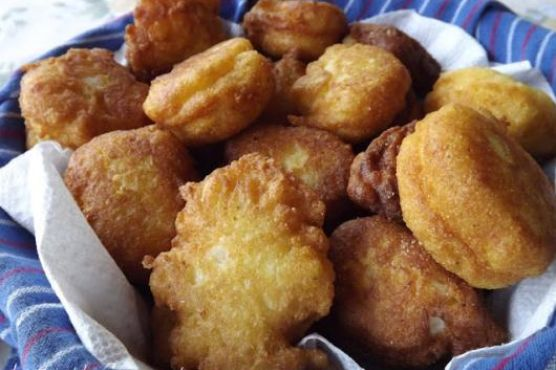
Hush Puppies | Made by Meaghan Moineau

Deliciously Crispy Hush Puppies

Intro

Ah, hush puppies! Just the mention of these golden, crispy delights brings back fond memories of summer barbecues at my grandparents’ house in the deep South. I can vividly remember sitting on the porch, the warm evening breeze on my face, while my grandmother expertly fried up a batch of hush puppies in her old cast-iron skillet. The aroma was irresistible, and the taste, simply unforgettable. These small, round cornmeal-based fritters have a unique charm, drawing people together with their simple yet satisfying flavor. Today, I’m excited to share this cherished family recipe with you, so you too can create wonderful memories over a plate of freshly made hush puppies.

Why You’ll Love It

Hush puppies are the perfect side dish for any occasion. Whether you’re hosting a fish fry, a barbecue, or just looking for a quick snack, these delicious morsels are sure to be a hit. Here’s why you’ll love them:

  • Quick and Easy: With a prep time of just 15 minutes, you can have a batch ready in no time.
  • Simple Ingredients: Made with pantry staples, you probably already have everything you need.
  • Crispy Exterior, Soft Interior: The perfect combination of textures makes every bite satisfying.
  • Versatile: Hush puppies pair well with a variety of meals and can be customized to your liking.

Ingredients

  • 1 cup cornmeal
  • 1 cup all-purpose flour
  • 1 tablespoon baking powder
  • 1 teaspoon salt
  • 1 egg
  • 1/2 cup milk
  • 1 small onion, finely chopped
  • Oil, for frying

Instructions

  1. Place the cornmeal, flour, baking powder, and salt into a large mixing bowl and stir until well combined.
  2. In a medium mixing bowl, crack the egg and beat it with a fork until it is well mixed. Add the chopped onion and milk to the egg and mix well.
  3. Pour the egg, milk, and onion mixture into the cornmeal and flour mixture. Stir until the batter is smooth and well combined.
  4. In a deep-fat fryer or a heavy skillet, pour in enough oil to fill 2-3 inches. Heat the oil over medium-high heat.
  5. Once the oil is hot, carefully drop heaping teaspoons of batter into the pan. You may fry 5-6 hush puppies at a time.
  6. The hush puppies will sink at first, then rise to the surface. Fry until they are golden brown, about 1-2 minutes.
  7. Use a slotted spoon to remove the hush puppies from the oil and let them drain on paper towels.
  8. Serve warm and enjoy!

Tips

For the best results, make sure your oil is hot before adding the batter. This ensures a crispy exterior without absorbing too much oil. If your hush puppies are browning too quickly, reduce the heat slightly.

Variations & Substitutions

Feel free to get creative with your hush puppies! Here are a few ideas:

  • Spicy Kick: Add a diced jalapeño or a pinch of cayenne pepper to the batter for a spicy version.
  • Cheesy Delight: Mix in a handful of shredded cheddar cheese for a cheesy twist.
  • Herb Infusion: Add chopped fresh herbs like parsley or chives for an herby flavor.
  • Gluten-Free: Replace the all-purpose flour with a gluten-free flour blend to make them gluten-free.

Storage

If you have leftovers (which is rare!), store them in an airtight container in the refrigerator for up to 3 days. To reheat, place them in a preheated oven at 350°F (175°C) for about 10 minutes until warmed through and crisp.

FAQ

Can I make hush puppies in advance?

While hush puppies are best enjoyed fresh, you can prepare the batter in advance and store it in the refrigerator for up to 24 hours. Just give it a good stir before frying.

Can I freeze hush puppies?

Yes, you can freeze cooked hush puppies. Allow them to cool completely, then place them in a single layer on a baking sheet and freeze until solid. Transfer to a freezer bag and store for up to 3 months. Reheat in the oven at 350°F (175°C) until heated through.

What can I serve with hush puppies?

Hush puppies are a versatile dish that pairs well with many meals. They are a classic accompaniment to fried fish, but also go well with barbecue, soups, or salads.

Nutrition

While hush puppies are a delicious treat, they are fried and should be enjoyed in moderation. Here’s a rough estimate of the nutritional value per serving (3 hush puppies):

  • Calories: 150
  • Fat: 7g
  • Carbohydrates: 18g
  • Protein: 3g

Conclusion

There’s something incredibly comforting about homemade hush puppies. Their crispy exterior and fluffy interior make them an irresistible treat that brings back cherished memories of family gatherings and Southern hospitality. Whether you’re serving them at a barbecue, a seafood feast, or just as a snack, they are sure to be a crowd-pleaser. I hope this recipe brings as much joy to your kitchen as it has to mine. Enjoy every crispy bite!

Related update: Hush Puppies

Related update: Easy Chicken Wings

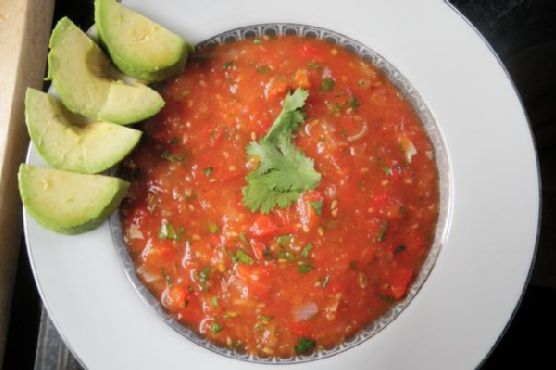
Roasted Red Pepper & Tomato Salsa | Made by Meaghan Moineau

Roasted Red Pepper & Tomato Salsa

Intro

There’s something truly special about making salsa from scratch, especially when it’s a vibrant, flavor-packed Roasted Red Pepper & Tomato Salsa. This recipe takes me back to sunny afternoons at my grandmother’s house, where she would whip up her legendary salsa for our family gatherings. I remember the smell of roasting peppers wafting through the kitchen and the laughter of my cousins as we devoured bowls of the salsa with crispy corn chips. Today, I’m excited to share this cherished recipe with you, bringing a taste of my family’s tradition into your home.

Why You’ll Love It

This Roasted Red Pepper & Tomato Salsa is a game-changer for your appetizer spread. It’s not just about the bold flavors of roasted peppers and tomatoes, but also the delightful hint of smokiness and the fresh kick from cilantro and lime juice. This salsa is perfect for any occasion, whether you’re hosting a summer barbecue, enjoying a cozy night in, or just want to elevate your snack game. Plus, it’s naturally vegan and gluten-free, making it a crowd-pleaser for all your guests.

Ingredients

  • Fresh cilantro
  • Cumin
  • Garlic
  • Jalapeno pepper
  • Lime (juice)
  • Olive oil
  • Onion
  • Red bell pepper
  • Smoked salt (I used sea salt)
  • Tomatoes

Instructions

  1. Preheat your oven to broil.
  2. Cut the tomatoes in half and the onions in quarters. Arrange them on a tin-foil lined baking sheet.
  3. Add the red bell pepper, whole garlic cloves (with skin), and jalapeno pepper to the baking sheet.
  4. Drizzle the vegetables with a bit of olive oil and sprinkle with salt.
  5. Broil for 10 minutes, or until the skin on the tomatoes and peppers begins to char.
  6. Allow the vegetables to cool for 5 minutes.
  7. Remove the skins from the tomatoes, pepper, and garlic.
  8. Place all the vegetables (except for the cilantro and lime) into a food processor.
  9. Pulse 2-4 times, ensuring the salsa remains a bit chunky.
  10. Transfer the mixture to a bowl and toss with fresh cilantro and lime juice.
  11. Add cumin and salt to taste.
  12. Serve with corn chips or toasted pita chips.

Tips

To make the most of this salsa, choose ripe tomatoes and a vibrant red bell pepper. The quality of your produce will significantly impact the flavor. If you prefer a milder salsa, remove the seeds from the jalapeno pepper before roasting. When broiling, keep an eye on your vegetables to avoid burning; a slight char is all you need for that smoky flavor.

Variations & Substitutions

This recipe is incredibly versatile. If you want to add a bit more heat, consider adding a serrano pepper or two. For a sweeter twist, try incorporating roasted corn kernels or diced mango. If cilantro isn’t to your taste, fresh parsley can be a great substitute, bringing a different but equally fresh flavor to the salsa.

Storage

Store any leftover salsa in an airtight container in the refrigerator for up to 5 days. The flavors will meld and deepen over time, making it even more delicious the next day. Just give it a good stir before serving.

FAQ

Can I freeze this salsa?

Yes, you can freeze this salsa! Place the salsa in a freezer-safe container, leaving some room for expansion, and freeze for up to 3 months. Thaw overnight in the refrigerator before serving. Keep in mind that the texture may change slightly after freezing, but the flavor will remain delightful.

Can I make this salsa ahead of time?

Absolutely! This salsa can be made a day or two in advance. Store it in the refrigerator, and the flavors will continue to develop, making it even more flavorful when you’re ready to serve.

What can I serve with this salsa besides chips?

This salsa is incredibly versatile and pairs well with many dishes. Try it as a topping for grilled chicken or fish, mix it into a taco filling, or use it as a flavorful addition to scrambled eggs or an omelet. The possibilities are endless!

Nutrition

This salsa is not only delicious but also a healthy option. Packed with vitamins from the fresh vegetables, it’s low in calories and fat. The olive oil adds a touch of healthy fats, and the spices provide additional health benefits, making this salsa a guilt-free indulgence.

Conclusion

Roasted Red Pepper & Tomato Salsa is a delightful addition to any meal or gathering, bringing a burst of flavor and a touch of nostalgia to your table. Whether you’re a salsa aficionado or trying your hand at making salsa from scratch for the first time, this recipe is sure to please. Gather your ingredients, fire up your broiler, and enjoy the process of creating this vibrant, flavorful salsa that will have everyone coming back for more. Enjoy!

Related update: Roasted Red Pepper & Tomato Salsa

Why AMD Stock Fell Despite Strong Quarter | Analysis by Brian Moineau

Why AMD’s stock dipped even after a strong quarter

The headlines didn’t lie: AMD reported hefty year-over-year growth, beat expectations, and raised guidance — yet the stock slipped in after-hours trading. That jolt of investor skepticism tells a richer story than earnings alone: markets are pricing nuance, geopolitics, and AI hype all at once. Let’s unpack what happened, why the data-center performance matters, and how investors might think about AMD now.

Quick snapshot

  • Revenue: $9.25 billion (about +36% year over year).
  • Adjusted EPS: $1.20 (about +30% year over year).
  • Data center revenue: $4.3 billion, up 22% year over year — notable because that growth came despite no sales of AMD’s AI-enabling GPUs into China this quarter.
  • Q4 guidance: revenue ~ $9.6 billion ± $300 million (above consensus) and adjusted gross margin expected around 54.5%.
    (Sources: AMD earnings release, Motley Fool coverage.)

Why the stock dipped despite the beat

  • Market mood matters as much as the numbers. On the day of the release, broader tech and AI-related names were under pressure. When sentiment tilts negative, even good results can be punished.
  • AI-exposure expectations are sky-high. Investors compare AMD to Nvidia, the current market darling in AI chips. Even though AMD grew its data-center revenue 22%, some investors wanted a faster acceleration specifically driven by high-margin AI GPU sales — especially in China, a huge market.
  • China sales were absent. For the second consecutive quarter, AMD reported no sales of its MI308 (AI-enabled) GPUs into China. That absence is a clear drag on the headline growth investors expected from AI and introduces geopolitical/regulatory uncertainty into AMD’s near-term story.
  • Options and positioning amplified moves. With large investors hedging or taking big bets in AI names (publicized bets can shift sentiment), earnings-days become more volatile.

The standout: data-center resilience with a caveat

The data-center segment grew 22% year over year to $4.3 billion. That’s solid given the constraint of not shipping MI308 GPUs to China this quarter. It signals that:

  • AMD’s CPU business (EPYC) and its MI350 series GPUs are gaining traction.
  • Client and gaming were very strong too (client revenue even hit a record), showing the company isn’t a one-trick AI name.

But the caveat is structural: China is a major addressable market for AI accelerators. Ongoing export restrictions, government guidance in China, or delayed licensing can meaningfully alter the growth path for AMD’s AI GPU revenue.

Deals that change the narrative

AMD disclosed major strategic wins that matter long term:

  • A partnership with OpenAI to supply gigawatts of GPUs for next-generation infrastructure.
  • Oracle’s plan to offer AI superclusters using AMD hardware.

Those contracts underscore AMD’s competitive position in compute and AI infrastructure and could shift investor focus from short-term China frictions to multi-quarter deployments and recurring cloud spend.

What investors should watch next

  • MI308 China shipments: any change in export-license approvals or market access will materially affect near-term AI GPU sales.
  • Execution on MI350/MI450 and EPYC ramp: sustained server wins, performance metrics, and deployments at cloud providers.
  • Gross-margin trajectory: the company guided to ~54.5% non-GAAP gross margin — watch whether cloud and AI sales expand margins or create mix shifts.
  • Macro/market sentiment: broad risk-off moves in tech will continue to cause outsized stock swings irrespective of fundamentals.

Three things to remember

  • Good quarter ≠ guaranteed stock pop. Market context and expectations matter.
  • Growth is real and diversified: data center, client, and gaming all contributed, not just an AI GPU story.
  • Geopolitics is now a product variable: China access remains a key swing factor for AI accelerators.

My take

AMD just reinforced that it’s more than a single-product AI play. Revenue beats, solid margins, and high-profile cloud partnerships show a company executing across CPUs and GPUs. But investors are right to price in China-related uncertainty and the elevated expectations baked into AI names. If you’re a long-term investor, the quarter strengthens the thesis that AMD can meaningfully expand share in data-center compute — provided geopolitical headwinds don’t persist. For traders, expect continued volatility as the market reassesses AI winners and losers.

Sources


Related update: We recently published an article that expands on this topic: read the latest post.