
NFL’s Madrid Moment: Commanders vs | Analysis by Brian Moineau

NFL lands in Madrid: a Sunday that felt bigger than a game

The sun was low over the Santiago Bernabéu on a crisp November morning, thousands of fans chanting in Spanish and English, and two teams stepping onto a patch of turf that suddenly felt like the middle of a global experiment. When the Washington Commanders and Miami Dolphins met on Sunday, it wasn’t just Week 11 of the NFL season — it was the league’s first regular-season touchdown in Spain, a deliberate nudge in the NFL’s long-running effort to become truly international.

This wasn’t merely an export of an American spectacle. It was a cultural exchange, a marketing play, and a test run for how NFL game day fits into a city built around soccer. There were team practices at local facilities, community appearances, and obviously — a stadium usually reserved for fútbol reconfigured for helmets and pads. The ritual of pregame chants, tailgates and last-minute play calls felt familiar, and yet everything had a different echo in Madrid.

Why this matters beyond the scoreboard

  • The NFL is stretching into a new market. Spain becomes the sixth country (outside the U.S.) to host a regular-season NFL game, following the U.K., Mexico, Germany, Canada and another prior host. That’s not just a stat — it’s the league testing whether its product can grow new, sustainable fanbases and commercial relationships in southern Europe.
  • Local context changes the vibe. The Bernabéu is a cathedral of soccer; converting it for American football invites local fans and tourists who might not otherwise get a live NFL experience. That can seed long-term interest and sponsorship opportunities tied to European brands.
  • Teams treat international weeks as both culture trips and competitive disruptions. Travel, altered routines, and sightseeing can either loosen a locker room in a positive way or introduce fatigue and distractions. How teams manage that — from practice timing to media obligations — can affect performance.

Scenes from Madrid: more than sightseeing

Pre-game coverage emphasized community engagement as much as film study. The Commanders and Dolphins organized meet-and-greets, youth clinics and public practices — gestures that feel mandatory when bringing a foreign sport into town, but also genuinely smart for local outreach. Players swapped stories with fans, local radio interviewed coaches, and Spanish-language activations were everywhere, from stadium banners to in-arena announcements. The NFL branded it “Únete al show” (Join the show), and Madrid — a city that lives for event spectacle — obliged.

On the field, storylines were intimate and quirky. Marcus Mariota, starting for the Commanders while Jayden Daniels recovered, and Tua Tagovailoa for Miami carry personal narratives that make for great international storytelling. Small connections — like both quarterbacks having ties to Hawaii’s football scene — translate well to human-interest pieces that resonate across cultures.

The operational tightrope: tourism, TV windows, and timing

  • Kickoff timing: A 9:30 a.m. ET start is early for U.S. viewers but conveniently aligned with local prime time in Madrid. That tradeoff matters — the NFL wants European crowds without alienating domestic TV revenue.
  • Stadium adaptation: Converting the Bernabéu’s pitch layout, locker rooms, sightlines and broadcast rigs takes coordination. The venue’s renovations and global profile helped, but the practicalities are always a challenge when switching sports that expect different sightlines and turf conditions.
  • Local activation vs. player focus: Appearances sell the game abroad, but they eat into prep time. Teams must balance commercial and community commitments with ensuring players are rested and ready.

What this trip could mean for the NFL’s Europe strategy

Spain’s inclusion shows the NFL is willing to experiment beyond established markets like London and Frankfurt. Madrid offers:

  • A large, passionate sports audience and tourism base.
  • A gateway to Spanish-speaking markets and corporate partners across Europe and Latin America.
  • New broadcast and streaming partnerships as the league encourages viewers to adopt NFL+ and other products.

If Madrid sells out, produces strong local engagement, and draws European broadcast numbers that validate the window choices, expect the NFL to return — and possibly consider Spain as a periodic host or even a permanent fixture in a rotating international slate.

Highlights and human moments

  • Players clutching maps and snapping photos of Madrid’s plazas, as if grateful to be tourists and professionals at once.
  • Local fans learning the cadence of NFL chants and bringing a soccer-like intensity to cheering sections.
  • Coaches and staff adapting to small but meaningful differences: pregame food options, travel itineraries, and even how to schedule practice times around heat and light.

Those human moments are what turn a stunt into a sustainable event. If players and fans alike walk away remembering more than the final score, the league’s investment pays off.

Takeaways from Madrid

  • International games are no longer novelty acts; they’re strategic growth plays for the NFL.
  • Successful events marry spectacle with local sensitivity — language, timing, and community programming matter.
  • For teams, international weeks are both an opportunity to bond and a risk to routine — how they manage it can influence outcomes.
  • Spain’s hosting signals the league’s intent to cultivate fans across southern Europe and Spanish-speaking markets.

My take

Madrid felt like both a kickoff and a conversation. The NFL brought an American institution to a city that knows how to put on a show, and the result was more pleasing than a mere marketing tick box. The real test will be follow-through: return visits, youth programs, broadcast growth, and Spanish-speaking content that sustains interest between games. If the league keeps building respectful local ties — not just stadium promotions — Spain could become a meaningful part of the NFL’s international footprint.

But one game won’t make history permanent. The NFL won’t convert Spain overnight; it’ll take seasons of thoughtful presence. Still, this felt like a good first chapter — loud, colorful, and distinctly Madrid.

Final thoughts

International games are a mirror: they reflect the NFL’s strengths (spectacle, personality, production) and its vulnerabilities (scheduling compromises, cultural distance). Madrid showed those dynamics plainly. If the league continues to learn from each stop — prioritizing local fans, optimizing TV windows, and protecting player prep — these games can evolve from glitzy exhibitions into genuine pillars of global fandom.

Sources


Related update: We recently published an article that expands on this topic: read the latest post.



Related update: We recently published an article that expands on this topic: read the latest post.
Coconut Israeli Couscous Studded With Pomegranate | Made by Meaghan Moineau

Coconut Israeli Couscous Studded With Pomegranate

Intro

Growing up, I remember the sweet scent of cinnamon and coconut wafting through our kitchen during family gatherings. These were the times when my grandmother would prepare her famous coconut couscous, a dish so comforting and aromatic that it became a family tradition. It wasn’t just a meal; it was a vessel of memories, filled with laughter and warmth. Today’s recipe, Coconut Israeli Couscous Studded with Pomegranate, is a tribute to those cherished moments. It’s a dish that combines the creamy texture of coconut milk with the delightful surprise of pomegranate seeds, creating a symphony of flavors that will dance on your palate.

Why You’ll Love It

This recipe is a beautiful fusion of flavors and textures. The soft, chewy Israeli couscous absorbs the rich, creamy coconut milk, while the pomegranate seeds add a burst of freshness and color. The subtle hint of cardamom and cinnamon brings warmth and depth, making this dish a perfect addition to any meal. Whether you’re looking for a unique side dish or a comforting main course, you’ll fall in love with this coconut couscous.

Ingredients

  • 1 cup milk
  • 1 can (13.5 oz) unsweetened coconut milk
  • 3 green cardamom pods
  • 1/2 teaspoon ground cinnamon
  • 2 tablespoons sugar
  • 1 cup Israeli couscous
  • Seeds from half a pomegranate

Instructions

  1. Smash the cardamom pods open with the flat side of your knife, just like you would with a garlic clove.
  2. In a saucepan, combine the milk, coconut milk, and cardamom. Place over low heat and bring to just below a boil, stirring occasionally. It should become slightly foamy.
  3. Strain out the cardamom pods since the shells are not so pleasant to eat.
  4. Add the Israeli couscous to the saucepan and simmer on low for 10-12 minutes, until all the liquid is absorbed. The couscous should be tender but still have some chew to it.
  5. Stir in the ground cinnamon, sugar, and pomegranate seeds. Mix well to combine.

Tips

For best results, use fresh pomegranate seeds. They add a delightful crunch and freshness to the dish. If you find the couscous is absorbing the liquid too quickly, feel free to add a bit more milk to ensure it cooks evenly. Always taste and adjust the sweetness to your preference.

Variations & Substitutions

If you don’t have pomegranate seeds on hand, or if you’re not a fan, you can easily substitute them with raisins or dried cranberries. Both options will add a lovely sweetness and chewy texture. For a nutty twist, sprinkle some toasted almonds or pistachios on top before serving.

Storage

Store any leftover couscous in an airtight container in the refrigerator for up to 3 days. To reheat, simply add a splash of milk to the couscous and heat it gently on the stovetop, stirring occasionally.

FAQ

Can I use regular couscous instead of Israeli couscous?

Yes, you can use regular couscous, but be aware that the cooking time will be shorter, and the texture will be different. Israeli couscous is larger and chewier, which makes it an excellent choice for this creamy dish.

Is there a substitute for coconut milk?

If you’re not a fan of coconut milk or have an allergy, you can use almond milk or cashew milk as an alternative. Keep in mind, though, that the coconut flavor is integral to the dish’s profile, so the result will be slightly different.

How can I make this dish vegan?

To make this recipe vegan, replace the regular milk with a plant-based milk of your choice, such as almond or oat milk. The rest of the ingredients are already plant-based, making this a simple adjustment.

Nutrition

While I don’t have an exact nutritional breakdown for this dish, it’s worth noting that coconut milk adds healthy fats, and pomegranate seeds are rich in antioxidants. This dish offers a good balance of carbohydrates, fats, and a touch of sweetness.

Conclusion

Coconut Israeli Couscous Studded with Pomegranate is more than just a meal; it’s an experience. Each bite is a trip down memory lane, bringing warmth and joy to your table. Easy to prepare yet rich in flavor, this dish is perfect for both special occasions and simple family dinners. Enjoy the comforting taste and let it create new memories for you and your loved ones. Happy cooking!

Related update: Coconut Israeli Couscous Studded With Pomegranate

Related update: Osso Buco

When Google Drive and Workspace Glitch | Analysis by Brian Moineau

When Google Stumbles: What Happened When Drive, Docs and Sheets Glitched

A mid-day scramble. Students frantic over unsaved essays. Teams stuck at a meeting because a shared slide wouldn’t load. On Wednesday, November 12, 2025, thousands of users around the world discovered what many of us have been trained not to think about: what happens when the cloud hiccups.

This wasn’t a mysterious one-off. Reports spiked on outage trackers, Google acknowledged an incident on its Workspace status dashboard, and social feeds filled with the familiar mix of annoyance and resigned humor. Here’s a quick, readable walk-through of what happened, why it matters, and what you can do when the tools you rely on take an unscheduled break.

Quick summary

  • The incident began around 09:00 PDT (17:00 UTC) on November 12, 2025 and affected Google Drive, Docs, Sheets (and related Workspace apps).
  • Thousands of user reports—peaking in the low thousands on platforms like Downdetector—described connection failures, SSL errors (ERR_SSL_PROTOCOL_ERROR), and difficulty accessing files.
  • Google posted updates on the Workspace Status Dashboard saying engineers were investigating and later reported mitigation and restoration steps.
  • By late afternoon/evening the bulk of reports had fallen as services came back, but the outage lasted several hours for many users.

Why this felt so disruptive

  • Google Workspace is deeply embedded in how people work and study: documents, slide decks, spreadsheets and collaboration are frequently accessed in real time. A partial or full outage pauses workflows.
  • The error many users saw—SSL/secure-connection failures—reads like a network problem even when the root cause is on the service side, which makes troubleshooting confusing for non-technical users.
  • Even short outages can cascade: scheduled meetings stall, automated workflows fail, and those “I’ll just grab it from Drive” moments turn into tense attempts to recover local copies.

A concise timeline

  • Nov 12, 2025 ~09:00 PDT: Users begin reporting access issues for Google Drive, Docs and Sheets.
  • Early afternoon: Downdetector and other services register a spike—several thousand reports at the peak.
  • Google posts an incident on the Google Workspace Status Dashboard: “We are investigating access issues…” and notes symptoms including SSL errors.
  • Over the afternoon: Google updates the dashboard as engineers identify and mitigate the problem; user reports decline as services are restored.

(Sources below include Google’s official incident page and independent outage trackers.)

What users reported and how Google responded

  • User reports described inability to open files, “Error making file offline,” and secure-connection messages in browsers and mobile apps.
  • Downdetector-style trackers captured the volume and geography of complaints in near real time, which amplified the sense of a broad outage.
  • Google’s Workspace Status Dashboard confirmed the issue, described the symptoms, and provided ongoing status updates while its engineers worked on mitigation. At one point Google suggested routine troubleshooting (like rebooting routers or trying mobile access) as possible temporary workarounds for some users.

Practical tips for when cloud services fail

  • Don’t panic — look for official signals:
    • Check Google Workspace’s Status Dashboard for verified updates.
    • Consult outage aggregators (Downdetector, StatusGator) to see if others are affected.
  • Workarounds while services are down:
    • Use local copies: if you have Drive for Desktop, check whether local sync copies exist.
    • Try mobile vs. desktop; sometimes authentication or routing differences let one platform work while another doesn’t.
    • If you’re on a team: switch to phone or another messaging platform to coordinate while Docs/Slides are unavailable.
  • Longer-term resilience:
    • Keep important files mirrored offline (periodic exports, local backups).
    • For critical workflows, consider multi-cloud or multi-format backups (e.g., export important Google Docs to .docx or PDF periodically).
    • Educate teams on outage protocols—who to contact, where to find status updates, and temporary communication plans.

What this outage says about cloud dependence

We love the instant collaboration cloud services enable. But every incident like this is a reminder that “always available” is a design goal, not a guarantee. Large providers generally have strong redundancy and rapid incident response, yet software, configuration or certificate issues can still ripple across millions of users.

The good news: major providers are transparent about incidents, and community signals (social media, Downdetector) help surface problems quickly. The practical lesson is not to distrust the cloud, but to plan for its rare failures—so one outage doesn’t become a full-blown crisis for your work or class.

My take

Outages are uncomfortable but useful wake-up calls. They refocus attention on simple, often neglected practices: keep local copies of mission-critical work, agree on fallback communication channels, and treat status dashboards as a standard bookmark for admin teams. The cloud makes life easier most of the time—when it trips, a little preparedness keeps you moving.

Sources


Related update: We recently published an article that expands on this topic: read the latest post.


Related update: We recently published an article that expands on this topic: read the latest post.


Related update: We recently published an article that expands on this topic: read the latest post.


Related update: We recently published an article that expands on this topic: read the latest post.

Square Deviled Eggs | Made by Meaghan Moineau

Square Deviled Eggs: A Fun Twist on a Classic Appetizer

Intro

There is something truly delightful about deviled eggs. They are a timeless appetizer, cherished at family gatherings, holiday dinners, and picnics alike. As a child, I remember standing on a stool in my grandmother’s kitchen, watching her expertly prepare deviled eggs. The aroma of boiled eggs mingled with the tangy scent of mustard filled the air, and I was entranced by the magic of this simple dish. Today, I’m excited to share a unique twist on this classic recipe: Square Deviled Eggs. Perfect for surprising your guests or adding a touch of whimsy to your dining table, these square-shaped delights are not only fun to make but also utterly delicious!

Why You’ll Love It

Square Deviled Eggs are not just a visual treat; they also offer a delightful culinary experience. Here’s why you’ll love them:

  • Fun and Unique: The square shape adds a playful twist to the traditional deviled egg, making it a conversation starter at any gathering.
  • Kid-Friendly: The creamy filling is soft and mild, making it a hit with children and adults alike.
  • Versatile: Perfect for parties, picnics, or as a unique addition to your holiday spread.

Ingredients

  • Medium-sized cooked eggs
  • Cream cheese
  • Ham

Instructions

  1. Begin by preparing your hard-boiled eggs. Place the eggs in a saucepan and cover them with cold water.
  2. Bring the water to a boil over medium heat. Once boiling, let the eggs cook for 5 minutes.
  3. Remove the saucepan from heat and let the eggs stand covered in hot water for 10 minutes.
  4. Once cooled, peel the eggs.
  5. To create the square shape, use an Egg cuber or Square Egg Press (see note below for purchase options). Slide each peeled egg into the press and screw the top down gently, pushing the egg into the corners.
  6. Allow the eggs to cool completely before removing them from the mold. For the best results, use medium-sized eggs.
  7. For the filling, mash the egg yolks with cream cheese and finely chopped ham until smooth and creamy.
  8. Carefully fill the square-shaped egg whites with the creamy yolk mixture. Serve chilled.

Tips

Here are some tips to ensure your Square Deviled Eggs turn out perfectly every time:

  • Plan Ahead: If you plan to serve these at a party, consider investing in multiple egg cubers to save time.
  • Egg Size: Medium-sized eggs work best to fit into the egg press molds.
  • Cooling Time: Make sure the eggs are completely cooled before removing them from the mold for a perfect square shape.

Variations & Substitutions

If you’re looking to mix things up, consider these variations and substitutions:

  • Spicy Twist: Add a dash of hot sauce or sprinkle of cayenne pepper to the filling for a spicy kick.
  • Vegetarian Option: Omit the ham and add finely chopped herbs like dill or chives for a refreshing flavor.
  • Cheese Lovers: Substitute cream cheese with a sharp cheddar for an extra cheesy flavor.

Storage

Store any leftover Square Deviled Eggs in an airtight container in the refrigerator for up to two days. For best quality, consume them as soon as possible. The texture and flavor are at their peak when fresh.

FAQ

Where can I purchase an Egg cuber or Square Egg Press?

Egg cubers or square egg presses are available online through major retailers such as Amazon or specialty kitchen stores. They are an affordable and fun addition to your kitchen tools.

Can I make Square Deviled Eggs in advance?

Yes, you can prepare the eggs and filling in advance. Simply store them separately in the refrigerator and assemble just before serving.

Nutrition

Square Deviled Eggs are a nutritious appetizer option. The eggs provide a good source of protein, while cream cheese and ham add a touch of richness. For a lighter version, consider using low-fat cream cheese.

Conclusion

Square Deviled Eggs are sure to bring joy and surprise to your dining table. Whether you’re hosting a party, enjoying a picnic, or simply looking for a fun way to enjoy a classic dish, these eggs are a delightful choice. With a touch of nostalgia and a modern twist, they are perfect for all occasions. So grab your Egg cuber, invite your loved ones, and enjoy this whimsical take on an old favorite!

Related update: Square Deviled Eggs

Related update: Guacamole

Related update: Easy Thanksgiving Entertaining

Tomato Cutlets | Made by Meaghan Moineau

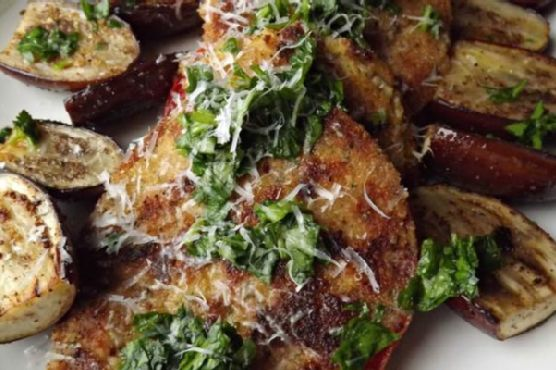
Tomato Cutlets: A Savory Delight

Intro

Growing up, summers were synonymous with the sweet aroma of fresh tomatoes ripening on the vine in my grandmother’s garden. I vividly recall the warmth of the sun on my face as I plucked those vibrant, juicy beefsteak tomatoes, their fragrance wafting through the air, promising a delectable treat. One of my cherished memories is watching my grandmother transform these garden-fresh tomatoes into golden, crispy cutlets. Today, I am excited to share this cherished family recipe with you, bringing a taste of those sun-drenched summer days into your kitchen.

Why You’ll Love It

This Tomato Cutlets recipe is a delightful fusion of crispy textures and savory flavors, perfect for a light lunch or an elegant appetizer. Whether you’re a seasoned cook or a kitchen novice, you’ll appreciate the simplicity and versatility of this dish. The combination of fresh ingredients and easy preparation makes it a go-to recipe for any occasion. Plus, it’s a great way to enjoy the seasonal bounty of tomatoes and eggplants.

Ingredients

  • 2 baby eggplants, halved
  • 2 large beefsteak tomatoes, sliced
  • 1 cup Italian bread crumbs
  • 2 eggs, beaten
  • Juice of 1 lemon
  • 2 tablespoons olive oil
  • 2 tablespoons Italian fresh parsley, chopped
  • Salt and pepper to taste
  • 1/4 cup fresh Romano cheese, grated

Instructions

  1. Prepare your ingredients by slicing the beefsteak tomatoes and beating the eggs in a shallow bowl. Place the Italian bread crumbs in another shallow dish.
  2. Dip each tomato slice into the egg wash and then coat it with the bread crumbs. Repeat this process if you have extra egg wash and bread crumbs for a thicker crust.
  3. Heat a large frying pan over medium heat and add the olive oil. Once the oil is hot, carefully place the prepared tomato slices in the pan.
  4. Cook the tomato slices for about 3-4 minutes on each side, or until they achieve a nice golden color. Gently flip them halfway through cooking.
  5. After removing the tomato slices from the pan, add the halved baby eggplants. Sprinkle them with salt and pepper to taste.
  6. Sauté the eggplants on one side until they are golden, about 3-4 minutes, then turn and sauté the other side.
  7. Plate the tomato cutlets and eggplants, and finish with a garnish of chopped parsley, a squeeze of lemon juice, and a generous sprinkle of grated Romano cheese.

Tips

For the best results, use ripe, firm beefsteak tomatoes. The firmer the fruit, the better it will hold up during cooking. Additionally, ensure the oil is hot before frying to achieve that perfect golden crust. If you find the cutlets are browning too quickly, adjust the heat to medium-low to ensure even cooking.

Variations & Substitutions

If you prefer a gluten-free version, substitute the Italian bread crumbs with gluten-free bread crumbs. For a vegan twist, replace the eggs with a plant-based egg substitute or a mixture of water and flour to help the bread crumbs adhere to the tomatoes. You can also experiment with spices in the bread crumbs, such as garlic powder or paprika, for an extra kick of flavor.

Storage

These Tomato Cutlets are best enjoyed fresh to maintain their crispy texture. However, if you have leftovers, store them in an airtight container in the refrigerator for up to 2 days. Reheat them in a preheated oven at 350°F (175°C) for about 10 minutes to regain some of their crispiness.

FAQ

Can I use other types of tomatoes for this recipe?

Yes, you can use other types of tomatoes, such as Roma or heirloom. However, beefsteak tomatoes are preferred for their size and firm texture, which hold up well during frying.

What can I serve with Tomato Cutlets?

Tomato Cutlets pair beautifully with a fresh green salad or a side of pasta. They also make a great topping for a sandwich or a burger for a unique twist.

Can I prepare the cutlets in advance?

You can prepare the tomatoes and eggplants ahead of time and store them separately in the refrigerator. When you’re ready to serve, simply fry them up fresh for the best texture and flavor.

Nutrition

While specific nutritional values will vary based on portion sizes and exact brands used, these Tomato Cutlets are generally a good source of Vitamin C from the tomatoes and healthy fats from the olive oil. Using fresh ingredients ensures a wholesome and delicious dish without unnecessary additives.

Conclusion

There’s something magical about turning simple, fresh ingredients into a dish that delights the senses. These Tomato Cutlets not only bring a taste of summer to your table but also provide a comforting, nostalgic culinary experience. Whether you’re preparing them for family, friends, or simply treating yourself, this recipe is sure to become a beloved staple in your kitchen. Enjoy the warm, crispy goodness and the nostalgic flavors of this timeless dish.

Related update: Tomato Cutlets

Related update: Square Deviled Eggs

IBM Quantum Leap: Bitcoin Risk Timeline | Analysis by Brian Moineau

Hook: Is Q‑Day knocking or just tinkering in the lab?

IBM just rolled out a pair of quantum processors and a string of software and fabrication updates — and headlines from crypto blogs to tech outlets are asking the same jittery question: does this bring “Q‑Day” (the moment a quantum computer can break widely used public‑key encryption) any closer? The short answer: it’s meaningful progress, but not an immediate threat to Bitcoin or the internet’s crypto foundations. Still, the clock is ticking and the map to fault‑tolerant quantum machines is getting more detailed.

What IBM announced and why people care

  • IBM introduced the Nighthawk processor (about 120 qubits, lots of tunable couplers) and showcased experimental “Loon” hardware that demonstrates key components for fault tolerance. (decrypt.co)
  • They also reported software and decoder improvements (notably faster error‑decoding using qLDPC codes), moved more production into a 300 mm wafer line, and expanded Qiskit features to work more tightly with classical systems. Those software + fabrication changes speed development across the whole stack, not just raw qubit counts. (decrypt.co)
  • IBM frames this as part of its “Starling” roadmap toward a fault‑tolerant quantum computer by around 2029, and a community‑verified “quantum advantage” milestone potentially as soon as 2026. (decrypt.co)

Why this isn’t Bitcoin’s immediate Apocalypse

  • Cracking Bitcoin’s ECDSA signatures with Shor’s algorithm requires a fault‑tolerant quantum machine with roughly 2,000 logical qubits — which translates to millions (yes, millions) of physical qubits after error correction is accounted for. The Nighthawk and Loon systems are orders of magnitude short of that. (decrypt.co)
  • Progress is incremental and expensive: improvements in decoder speed, couplers, fabrication, and software are crucial, but they don’t instantly collapse the massive engineering gaps that remain. Think many small bridges built toward a very distant island rather than a single teleport. (reuters.com)

How IBM’s advances change the timeline and the risk calculus

  • The realistic risk picture has shifted from “if” to “when.” IBM’s roadmap and the engineering steps they’ve published make a plausible path to fault tolerance clearer than before, which is why observers move from abstract worry to specific timelines (late 2020s to early 2030s for large‑scale fault‑tolerant machines). (decrypt.co)
  • Crucial enabling work — like real‑time decoders that run on classical hardware (FPGA/ASIC), modular architectures, and higher‑yield fabrication — reduces barriers but introduces new engineering challenges (e.g., system integration, error budgets across modules). Each solved piece reduces uncertainty, but none individually produce a Shor‑capable machine. (reuters.com)

What this means for different audiences

  • For Bitcoin holders and crypto custodians: this isn’t a reason to panic‑sell, but it’s time to plan. “Harvest now, decrypt later” attacks (collecting encrypted traffic now to decrypt once quantum capability exists) remain a realistic long‑term concern. Start inventorying where private keys and sensitive encrypted archives live and consider migration or post‑quantum protections when feasible. (wired.com)
  • For enterprises and governments: accelerate post‑quantum cryptography (PQC) adoption plans, prioritize high‑value assets, and test PQC implementations. The NIST post‑quantum standards and migration playbooks are now a strategic priority, not only academic exercise. (wired.com)
  • For researchers and developers: IBM’s open tooling (Qiskit updates, shared benchmarks) and their community‑verified trackers present real opportunities to validate claims and build the software stack that will matter on fault‑tolerant machines. Collaboration will shape the outcome. (decrypt.co)

A few nuances investors and observers often miss

  • Qubit count ≠ immediate capability. Connectivity, gate fidelity, error rates, and—critically—logical qubit construction via error correction are the real measures of practical quantum impact. Companies often lead with qubit numbers because they’re simple headlines. (spectrum.ieee.org)
  • Roadmaps and targets (like 2026 quantum‑advantage or 2029 fault tolerance) are useful planning devices, not guarantees. The history of complex engineering programs is full of slips, iterations, and unexpected pivots. But IBM’s shift to larger wafer fabrication and faster decoders does reduce some execution risk relative to prior years. (reuters.com)

Near‑term signs to watch that would meaningfully change the story

  • A verified quantum advantage on a problem with clear classical baselines, reproduced by independent groups and published with open benchmarks. IBM signaled intentions here; independent verification is what turns PR into reality. (decrypt.co)
  • Demonstrations of much lower logical‑to‑physical qubit overhead for practical codes (e.g., big wins in qLDPC implementations or breakthroughs that shrink physical requirements). (reuters.com)
  • Rapid scaling of modular systems that can reliably entangle and operate across multiple error‑corrected modules. That’s the architectural leap from lab demos to machines that could threaten widely used cryptosystems. (postquantum.com)

Practical short checklist (non‑technical)

  • Inventory where private keys and long‑lived encrypted data are stored.
  • Prioritize migration of the most sensitive keys to PQC‑ready systems when those tools are vetted.
  • Follow standards and guidance from NIST and trusted national bodies for PQC rollout timelines. (wired.com)

My take

IBM’s announcements are an honest, credible tightening of the timeline for quantum computing. They don’t flip a switch and make Bitcoin vulnerable tomorrow, but they make a future where that vulnerability is practical more conceivable—and sooner than many expected a few years ago. The right response isn’t alarmism; it’s pragmatic preparation: accelerate PQC adoption for the highest‑value assets, support independent verification of quantum advantage claims, and keep the conversation between cryptographers, infrastructure teams, and policymakers active and realistic.

Sources


Related update: We recently published an article that expands on this topic: read the latest post.


Related update: We recently published an article that expands on this topic: read the latest post.


Related update: We recently published an article that expands on this topic: read the latest post.