
Tales of Berseria Remaster: Dark Revival | Analysis by Brian Moineau

Go with the FLOW: Why Tales of Berseria Remastered Is the Remaster We Didn’t Know We Needed

The announcement landed like a surprise spell: Bandai Namco has revealed Tales of Berseria Remastered for modern platforms, with a worldwide release set for February 27, 2026. If you were hoping the next remaster would be Xillia 2, well—so were a lot of fans—but Berseria’s turn feels both bold and smart. Let’s talk about why this darker, more emotionally raw entry is the perfect candidate to ride the current wave of Tales remasters.

Why this matters right now

  • Tales remasters have been rolling out as part of Bandai Namco’s effort to preserve and reintroduce classic entries to new hardware and audiences.
  • Series producer comments earlier in 2025 explain the remaster order isn’t strictly chronological — some titles are easier to bring back because source assets are available, while others require digging for missing code. That context explains why Berseria, originally released in 2016 (Western release 2017), makes sense as the next pick. (gamesradar.com)

A hook worth stealing from Velvet

Berseria stands apart in the Tales franchise for leaning into a darker tone and a protagonist driven by grief and vengeance: Velvet Crowe. That contrast—emotionally raw storytelling paired with the series’ signature fast-paced Liberation-LMBS combat—gives the remaster a strong narrative and mechanical hook. It’s not just nostalgia; it’s a chance to revisit a game that still holds up narratively and to experience its systems with modern conveniences.

What’s actually new in the remaster

  • Release date: February 27, 2026 (February 26 in Japan). Platforms: PS5, Xbox Series X|S, Nintendo Switch, and PC (Steam). Price: around $39.99 / £34.99 depending on region. (bandainamcoent.com)
  • Quality-of-life (QoL) additions confirmed:
    • Early access to the Grade Shop.
    • Destination/map icons to reduce aimless wandering.
    • Toggle encounters to skip random battles.
    • Inclusion of DLC from the original release (costumes, items, extras). (bandainamcoent.com)
  • Platform-specific expectations: Switch will likely be capped at 30 fps like other recent Switch ports, while PS5 and current-gen platforms may offer higher fidelity or performance options. Push Square’s coverage hints at 4K/60fps on PS5, though experience may vary by platform. (pushsquare.com)

What this decision signals about Bandai Namco’s remaster strategy

  • Pragmatism over chronology: The remaster project is driven by what’s technically feasible. Older titles with fragmented source data (especially entries originally on PS3 or earlier) are harder to restore. That’s why the release cadence can feel unpredictable. Expect more surprises rather than a straight chronological march. (gamesradar.com)
  • A mix of fan service and accessibility: Berseria is already available on PS4 and PC, but remastering it for current-gen consoles and Switch broadens the audience (and cleans up QoL for modern expectations). Bandai Namco is packaging nostalgia with convenience. (bandainamcoent.com)

Who wins (and who waits)

  • Winners:
    • Newcomers who’ve heard Berseria’s reputation but never played it on a modern platform.
    • Returning fans who want a cleaner, more convenient experience with DLC and QoL baked in.
  • Still waiting:
    • Fans hungry specifically for Xillia 2 or other PS3-era titles that have been teased but remain “in progress.” The remaster project’s technical realities mean those entries may take longer. (gamesradar.com)

Notes on performance and expectations

  • Don’t expect identical experiences across platforms. The Switch port historically trends toward conservative performance targets (30 fps) while PS5/Xbox may offer higher resolutions and smoother frame rates.
  • The remaster promises the usual QoL updates players now expect from modern JRPG releases—small changes that often have outsized impact on playability (maps, toggles, early access shops).

What this means for the Tales series’ future

Berseria’s remaster reinforces a twofold thesis: first, there’s still appetite for well-crafted JRPGs from the 2010s; second, the technical messiness behind older projects will shape which games get love first. Expect Bandai Namco to keep balancing fan demand, technical feasibility, and commercial sense. For fans, that means celebrating the wins (Berseria) while exercising patience for the trickier restorations (certain PS3-era gems).

A few quick takeaways

  • Tales of Berseria Remastered launches February 27, 2026 for PS5, Xbox Series X|S, Nintendo Switch, and PC. Price around $39.99 in North America. (bandainamcoent.com)
  • The remaster includes QoL improvements (map icons, encounter toggles), DLC, and early Grade Shop access. (bandainamcoent.com)
  • Bandai Namco’s remaster roadmap is influenced by source-code availability and technical feasibility, which explains the non-linear release order. (gamesradar.com)

Final thoughts

If you’re a Tales fan, Berseria’s remaster is a nice bridge between the old and the new: fidelity upgrades, modern conveniences, and a story that still bites. If you were holding out for Xillia 2, keep your faith—Bandai Namco has said it’s “still in progress” elsewhere—but don’t let that keep you from enjoying what’s next. Velvet’s path is one of vengeance and catharsis; playing Berseria Remastered might just remind us why the series’ emotional swings and combat FLOW are worth preserving.

Sources


Related update: We recently published an article that expands on this topic: read the latest post.

Related update: We recently published an article that expands on this topic: read the latest post.
Rotisserie Chicken and Bean Tostadas | Made by Meaghan Moineau

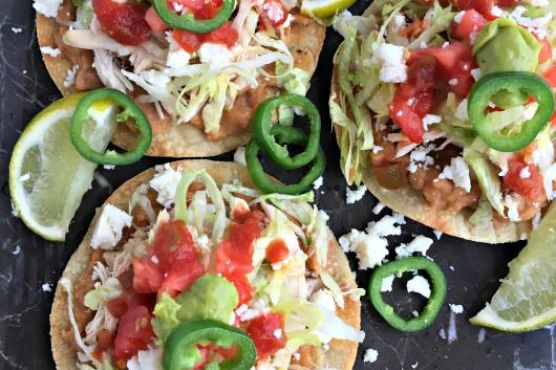
Rotisserie Chicken and Bean Tostadas

Intro

Every summer, my family would gather in my grandmother’s backyard for a weekend barbecue. The air was always filled with the sound of laughter and the mouthwatering aroma of her famous tostadas sizzling on the grill. These weren’t just any tostadas; they were a medley of flavors that united us all. Today, I’m excited to share a version of this beloved recipe with you: Rotisserie Chicken and Bean Tostadas. This dish not only reminds me of those cherished family moments but also provides a quick and delicious meal that can be whipped up on a busy weeknight.

Why You’ll Love It

These Rotisserie Chicken and Bean Tostadas are a delightful twist on a classic Mexican favorite. They’re perfect for when you want something delicious, yet easy to prepare. The combination of crunchy corn tortillas, creamy refried beans, savory chicken, and fresh toppings creates a symphony of textures and flavors. Plus, the use of a store-bought rotisserie chicken means minimal cooking time, allowing you more moments to savor and less time in the kitchen.

Ingredients

  • Shredded rotisserie chicken
  • Corn tortillas
  • Canned refried beans
  • Diced tomato
  • Jalapeño
  • Shredded iceberg lettuce
  • Cotija cheese
  • Lime
  • Guacamole
  • Salsa

Instructions

  1. Preheat your oven to 350 degrees Fahrenheit.
  2. Place the corn tortillas on a cookie sheet and bake them for 16-17 minutes, or until the edges brown and curl.
  3. Allow the cooked tortillas to cool at room temperature.
  4. To build the tostadas, start by spreading 1-2 tablespoons of refried beans on each tortilla.
  5. Top each tortilla with a handful of shredded rotisserie chicken, shredded iceberg lettuce, diced tomato, and guacamole.
  6. Drizzle each tostada with the juice of one lime wedge.
  7. Sprinkle generously with cotija cheese.
  8. Drizzle with salsa and garnish with slices of jalapeño.
  9. Serve the tostadas open-faced. This recipe makes 6 tostadas, with a serving size of 2 tostadas per person.

Tips

For the crispiest tostadas, make sure your tortillas are spaced apart on the baking sheet to allow for even browning. Additionally, if you prefer a more intense lime flavor, consider zesting some lime over the tostadas for an extra zing. Lastly, for a bit of smoky flavor, lightly grill the tortillas before baking them.

Variations & Substitutions

If you’re looking to switch things up, there are plenty of ways to customize these tostadas. Try using flour tortillas for a softer base or swap the rotisserie chicken with grilled shrimp for a seafood twist. For those who prefer a vegetarian option, substitute the chicken with sautéed mushrooms or grilled vegetables. If cotija cheese is unavailable, feta or queso fresco work as excellent alternatives.

Storage

While these tostadas are best enjoyed fresh, any leftovers can be stored. Keep the toppings and toasted tortillas separate to prevent sogginess. Store the tortillas in an airtight container at room temperature and refrigerate the toppings in separate containers. Reheat the tortillas in the oven for a few minutes before assembling your tostadas again.

FAQ

Can I make the tostadas ahead of time?

Yes, you can prepare the individual components ahead of time. Bake the tortillas and store them in an airtight container. Prepare the toppings and store them in the fridge. Assemble the tostadas just before serving for the best texture and flavor.

What can I serve with these tostadas?

These tostadas pair well with a side of Mexican rice or a refreshing bean salad. If you’re hosting a party, consider serving them alongside a platter of chips, salsa, and guacamole for a complete Mexican-inspired feast.

Nutrition

Each serving of two tostadas is an excellent source of protein and fiber, thanks to the chicken and beans. The fresh vegetables add a boost of vitamins, while the cheese provides calcium. For a lighter version, you can reduce the amount of cheese and guacamole used.

Conclusion

Rotisserie Chicken and Bean Tostadas offer a delicious journey through flavors and textures, reminiscent of cherished family gatherings. Whether you’re making them for a weeknight dinner or a festive occasion, they promise to bring joy and satisfaction to the table. I hope this recipe becomes a part of your family’s cherished memories, just as it has been for mine. Enjoy every crunchy, flavorful bite!

Related update: Rotisserie Chicken and Bean Tostadas

Related update: Marinated Flat Iron Steak

WhatsApp Adds Native Multi‑Account Support | Analysis by Brian Moineau

Finally: WhatsApp will let you run more than one account on the same iPhone

Imagine juggling personal texts, customer messages, and that group chat you can’t quit — all inside the same WhatsApp app, without awkward workarounds. Meta has quietly started rolling out a TestFlight beta that does exactly that: native multi-account support for iPhone users. For anyone tired of switching devices or installing a second app, this could be the small change that makes daily messaging a lot less messy.

Why this matters right now

  • iPhone users have long relied on hacks — a separate WhatsApp Business app, cloning apps on Android, or carrying two devices — to run multiple WhatsApp numbers.
  • Meta is testing a native solution in the WhatsApp beta for iOS via TestFlight, which signals the feature is moving from code hints into real-world use.
  • The beta currently supports up to two accounts that live inside a single app, with separate chat histories, backups, and notification settings.

What the TestFlight beta actually does

  • Adds an "Account List" section to Settings (or a quick button near your profile QR code) so you can add and switch accounts from inside the app. (9to5mac.com)
  • Lets you add:
    • A brand-new number (never registered on WhatsApp),
    • An account already used elsewhere (including WhatsApp Business), or
    • A “companion” account by scanning a QR code from another phone. (9to5mac.com)
  • Keeps each account’s chats, backups, notification tones, and privacy settings separate — so your work alerts won’t clutter your personal DMs. (macrumors.com)
  • Shows which account a notification belongs to, to reduce confusion when messages arrive. (macrumors.com)

A few usability notes from the beta reports

  • The testing build is limited to a subset of TestFlight users; there’s no official public release date yet. (9to5mac.com)
  • Switching is designed to be fast: quick taps or holds on the Settings tab let you toggle accounts without logging in and out. (macrumors.com)
  • The feature appears to respect App Lock (Face ID/Touch ID/passcode) so protected accounts stay secure when switching. (macrumors.com)

Why Meta is likely doing this now

  • Platform parity and convenience: Instagram and Facebook already let users manage multiple accounts, and bringing parity to WhatsApp removes friction for people who use multiple identities (personal, freelance, business). (macrumors.com)
  • Growing multi-SIM and eSIM use: many people have more than one number linked to their single iPhone, so native multi-account support meets a real user need.
  • Product simplification: reducing the need for WhatsApp Business as a workaround means fewer apps to manage and better retention inside the primary WhatsApp experience.

Possible wrinkles and open questions

  • How many accounts will the final public release support? The beta is capped at two, but that could change.
  • How will backups interact with iCloud storage limits and account-specific encryption? Reports say backups stay separate, but details on storage and restore flows could affect adoption. (9to5mac.com)
  • Enterprise and compliance: businesses that rely on integrations or multi-user tools may need updated workflows if account linking behaves differently than existing companion modes.

What this means for different users

  • For freelancers and solopreneurs: less app-hopping and cleaner separation between client and personal chats.
  • For small business owners: easier management without forcing a switch to WhatsApp Business (though Business still has specialized tools).
  • For families and power users: clearer notification boundaries and fewer accidental replies from the wrong account.

A few practical tips for testers

  • If you’re on TestFlight and see the Account List, try adding a second account and test notifications so you understand which account receives what.
  • Test backups and restores for each account separately to confirm iCloud behavior matches your expectations.
  • Use App Lock for any account with sensitive chats to keep switching secure.

My take

This is one of those unglamorous but impactful product moves: not new technology, but a quality-of-life improvement that changes how people actually use the app every day. If Meta executes the final release cleanly — clear notification labels, reliable backups, and straightforward account management — this will quickly feel indispensable for anyone who juggles more than one WhatsApp number on an iPhone.

Sources

Chicken Suya | Made by Meaghan Moineau

Deliciously Spiced Chicken Suya: A Taste of West Africa

Intro

Chicken Suya is a delightful and spicy grilled chicken recipe originating from West Africa, particularly Nigeria. This dish holds a special place in my heart, as it reminds me of warm summer evenings in Lagos, where the aroma of sizzling suya from roadside vendors filled the air. As a child, my family and I would often take strolls through the bustling city streets, stopping to indulge in this delectable treat. The succulent, spicy flavor of Chicken Suya has been a cherished part of my culinary journey, and I’m thrilled to share this recipe with you.

Why You’ll Love It

There are countless reasons to fall in love with Chicken Suya. Here are just a few:

  • Bold Flavors: The suya spice blend is a powerhouse of taste, combining ground peanuts, ginger, garlic, and chili powder to create a savory and slightly spicy profile that is utterly irresistible.
  • Simple Ingredients: Despite its complex flavor, Chicken Suya requires only a handful of ingredients that you likely already have in your pantry.
  • Versatile Dish: This dish can serve as a main course, appetizer, or even a snack. It’s perfect for gatherings, barbecues, or a cozy night in.
  • Healthy and Satisfying: Grilling the chicken keeps it lean, while the spices provide a burst of nutrition and taste.

Ingredients

  • 2-3 tablespoons suya spice
  • 1 whole chicken, cut into parts
  • 1 teaspoon chili powder
  • 2 tablespoons groundnut oil (or any cooking oil)
  • 2 seasoning cubes
  • 1 onion, sliced
  • 2 tomatoes, sliced
  • Salt to taste

Instructions

  1. Preheat your oven to 500°F (260°C).
  2. Wash the chicken pieces thoroughly and pat them dry with a paper towel.
  3. In a large bowl, combine the suya spice, chili powder, seasoning cubes, and salt. Mix well.
  4. Add the chicken to the bowl, ensuring that each piece is generously coated with the spice mixture.
  5. Drizzle the groundnut oil over the seasoned chicken and give it a good mix to ensure even distribution.
  6. Arrange the chicken pieces on a baking sheet lined with aluminum foil.
  7. Place the baking sheet in the preheated oven and grill for 40 minutes. Be sure to check the chicken occasionally, flipping it to ensure it cooks evenly on both sides.
  8. Once the chicken is cooked through and has a beautiful char, remove it from the oven.
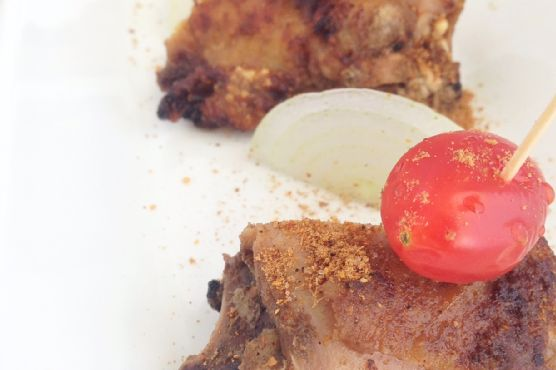
  9. Serve hot, garnished with sliced onions, tomatoes, and an extra sprinkle of suya spice for added flavor.

Tips

  • For an authentic taste, try using a grill instead of an oven. The smoky flavor from the charcoal enhances the suya’s taste.
  • If you prefer a milder heat, adjust the amount of chili powder to suit your taste.
  • Rest the chicken for a few minutes after grilling to allow the juices to redistribute, ensuring a moist and flavorful bite.

Variations & Substitutions

If you’re looking to shake things up, consider these variations:

  • Protein Swap: While chicken is traditional, you can use beef, goat meat, or even tofu for a vegetarian option.
  • Nut-Free: If you have a peanut allergy, substitute the suya spice with a nut-free spice blend.
  • Additional Veggies: Add bell peppers or mushrooms to the grill for an extra layer of flavor and texture.

Storage

Leftover Chicken Suya can be stored in an airtight container in the refrigerator for up to 3 days. To reheat, place the chicken in a preheated oven at 350°F (175°C) for about 10 minutes or until warmed through. You can also freeze the cooked chicken for up to 2 months. Thaw overnight in the refrigerator before reheating.

FAQ

Can I prepare the suya spice blend at home?

Absolutely! To make your own suya spice blend, you can combine roasted peanuts, ground ginger, garlic powder, onion powder, paprika, and chili powder. Blend them together until you reach a fine consistency. Store in an airtight jar for future use.

How can I make my Chicken Suya extra crispy?

For an extra crispy texture, finish the grilled chicken under the broiler for a few minutes. Keep a close eye on it to prevent burning, and you’ll achieve a delightful crunch.

Nutrition

Chicken Suya is a nutritious option rich in protein and flavor. While exact nutritional values depend on portion sizes, a typical serving provides:

  • Calories: Approximately 250-300 per serving
  • Protein: 25-30g
  • Fat: 15-20g
  • Carbohydrates: 5-10g

It’s a great choice for those looking to maintain a balanced diet without sacrificing taste.

Conclusion

Chicken Suya is more than just a meal; it’s a culinary experience that transports you to the vibrant streets of West Africa. With its bold flavors and tantalizing aroma, it’s sure to become a favorite in your household. Whether you’re hosting a gathering or enjoying a quiet dinner at home, this dish promises to deliver satisfaction with every bite. I hope you enjoy making and eating this Chicken Suya as much as I do. Bon appétit!

Related update: Chicken Suya

Related update: Rotisserie Chicken and Bean Tostadas

The Perfect Butter Beans Stew | Made by Meaghan Moineau

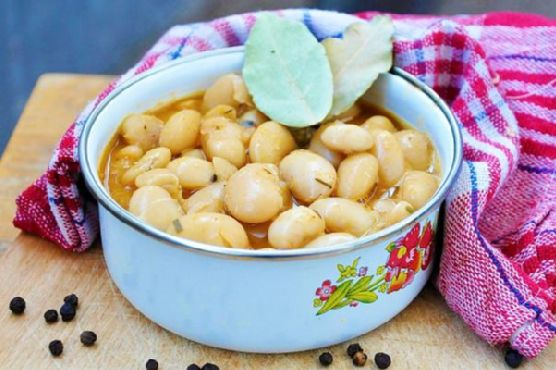
The Perfect Butter Beans Stew

Intro

Welcome to a cozy corner of my kitchen, where the aroma of simmering stews fills the air and warms the soul. Today, I’m thrilled to share with you a recipe that holds a special place in my heart: The Perfect Butter Beans Stew. This dish is more than just a meal; it’s a comforting embrace on a chilly day, a nostalgic reminder of family gatherings and heartwarming stories shared around the dinner table.

When I was a child, my grandmother’s kitchen was the heartbeat of our home. I remember watching her effortlessly create magic in her pots, her hands moving deftly, her eyes alight with joy. The butter beans stew was a family favorite, a recipe passed down through generations, each iteration lovingly tweaked and perfected. Today, I’m excited to pass this cherished recipe on to you, hoping it will bring the same warmth and joy to your home as it has to mine.

Why You’ll Love It

This butter beans stew is a celebration of simple, wholesome ingredients coming together to create a symphony of flavors. Here’s why you’ll love it:

  • Hearty and Nutritious: Packed with protein-rich butter beans and a medley of aromatic spices, this stew is both satisfying and nourishing.
  • Simple Ingredients: You’ll find most of these ingredients in your pantry, making it an accessible dish for any day of the week.
  • Versatile: Enjoy it as a standalone meal, or serve it as a side dish with your favorite protein.
  • Comforting: Perfect for those colder months when you crave a warm, home-cooked meal.

Ingredients

  • 1 cup dry lima beans, soaked overnight
  • 2 diced onions
  • 3 garlic cloves, minced
  • 1 teaspoon dry tarragon
  • 1 tablespoon canned fresh tarragon
  • 2 teaspoons sweet paprika
  • 2 bay leaves
  • 3 tablespoons unrefined sunflower oil
  • 1 teaspoon ground pepper
  • Salt to taste

Instructions

For the full step-by-step instructions, including tips and techniques to perfect this dish, please visit my blog at http://gourmandelle.com/the-perfect-butter-beans-stew/.

Tips

  • Soak the Beans: Don’t skip soaking the butter beans overnight. This step ensures they cook evenly and reach the perfect, tender texture.
  • Season Generously: Don’t be shy with the spices. The tarragon and paprika are key to developing the stew’s rich, savory flavor.
  • Simmer Slowly: Allow the stew to simmer on low heat. This slow cooking process melds the flavors beautifully.

Variations & Substitutions

Feel free to customize this stew to suit your taste preferences or dietary needs:

  • Vegetarian Option: For a vegetarian version, replace the unrefined sunflower oil with olive oil, and enhance the flavor with vegetable broth instead of water.
  • Spicy Kick: Add a pinch of chili flakes or a dash of hot sauce if you prefer your stews with a bit of heat.
  • Herb Variations: Swap the tarragon with rosemary or thyme for a different herbaceous note.

Storage

This butter beans stew stores beautifully, making it a perfect make-ahead meal:

  • Refrigerator: Store in an airtight container in the fridge for up to 4 days.
  • Freezer: For longer storage, freeze the stew in individual portions. It will keep well for up to 3 months.
  • Reheating: Reheat gently on the stove over low heat, adding a splash of water or broth if needed to adjust the consistency.

FAQ

Can I use canned beans instead of dried?

Yes, you can use canned butter beans as a convenient alternative. Simply rinse and drain them before adding them to the stew. Keep in mind that the cooking time will be reduced since canned beans are pre-cooked.

What can I serve with butter beans stew?

This stew pairs wonderfully with crusty bread, rice, or quinoa. A fresh green salad or roasted vegetables also complement the rich flavors of the stew beautifully.

Nutrition

This butter beans stew is a nutritious powerhouse, offering a good balance of protein, fiber, and essential vitamins. While the exact nutrition will vary based on portion size, here’s a rough estimate per serving:

  • Calories: Approximately 250-300 calories
  • Protein: 12-15 grams
  • Fiber: 8-10 grams
  • Fat: 10 grams

Conclusion

The Perfect Butter Beans Stew is more than a recipe; it’s a culinary journey back to simpler times, filled with warmth and love. As you savor each spoonful, may it bring you the same comfort and joy it has brought my family for generations. I hope this stew becomes a staple in your kitchen, weaving its way into your cherished food memories. Thank you for joining me on this delicious adventure. Happy cooking!

Related update: The Perfect Butter Beans Stew

Related update: Chicken Suya

Kiffin Frenzy: Eight Power Four Openings | Analysis by Brian Moineau

Coaching chaos and the Kiffin question: who lands the biggest Power Four jobs?

Start with this: college football’s coaching carousel isn’t a sideshow anymore — it’s the main event. From Baton Rouge to Palo Alto, eight marquee openings (LSU, Florida, Auburn, Penn State, Arkansas, UCLA, Oklahoma State, Stanford) have created a scramble for top names, and no one has attracted more attention lately than Lane Kiffin. The intel flowing out of team insiders, media trackers and recruiting networks paints a picture that’s equal parts strategy, theater and ego management.

Quick snapshot of where things stand

  • Lane Kiffin is the most-talked-about name — linked to LSU and Florida while still under contract at Ole Miss and in the middle of a historic season there.
  • Several programs have leaned toward “known commodities” (coaches with Power Four experience) while others are seriously courting dynamic Group-of-Five and coordinator candidates.
  • Some searches feel chaotic (LSU), others are unusually procedural and focused (Auburn), and a few have emerging favorites that weren’t household names six months ago.

What the Kiffin drama means for the carousel

Lane Kiffin’s name acts like a magnet across the market. That does three things:

  • Concentrates interest: Multiple top openings list the same handful of names, which creates bottlenecks. Programs pursuing Kiffin (or other high-profile targets) must have backup plans ready.
  • Drives urgency: Schools that want to get ahead of rivals are accelerating interviews and courting candidates earlier than usual — sometimes before the regular season ends.
  • Raises pay and leverage stakes: Ole Miss appears prepared to spend to keep Kiffin. When one school signals willingness to match or escalate offers, it changes expectations across the board.

Those dynamics help explain why insiders are reporting campus family visits, private flights, and public denials all in the same weekend. It’s messy by design.

The eight openings — a quick tour of intel and fit

  • LSU
    • Picture: A circus of voices and political influence, with resources and expectations sky-high.
    • What programs want: Someone who can recruit elite talent in-state, win big games immediately, and navigate booster/AD/political pressures.
  • Florida
    • Picture: Desperate for stability and a cultural reset after recent turnover.
    • What programs want: A leader who can revive recruiting in Florida and restore an identity on both sides of the ball.
  • Auburn
    • Picture: The search has a small, sensible list and strong local ties shaping the process.
    • What programs want: A connector who can unite boosters, high-school pipelines and the roster.
  • Penn State
    • Picture: Murkier, with coordinator and veteran head-coach names floating in rumor threads.
    • What programs want: Proven head-coaching credibility and continuity without a long rebuild.
  • Arkansas
    • Picture: Quietly aggressive — chasing a mix of up-and-comers and proven assistants.
    • What programs want: A coach who can recruit the region and compete in the gauntlet of the SEC West.
  • UCLA
    • Picture: Looking beyond obvious choices; some Group-of-Five names are gaining traction.
    • What programs want: Recruiting and scheme versatility to win in the Pac-12/Big Ten environment.
  • Oklahoma State
    • Picture: Searching for an offensive identity; a couple of rising coordinators and creative head coaches on their radar.
    • What programs want: A modern offensive mind who can keep the Cowboys competitive in the Big 12.
  • Stanford
    • Picture: Different constraints — academic profile, resources and a unique institutional culture.
    • What programs want: A coach who respects the academic mission while rebuilding competitiveness.

Themes that matter beyond the headlines

  • Bottlenecked candidate lists: When five or six schools chase the same half-dozen coaches, very few will move — so athletic directors must balance star-chasing with realistic fits.
  • Money isn’t the only currency: Institutional fit, family factors, and program-control clauses often tip the scale; recruits and staff also influence decisions in real time.
  • Risk vs. upside calculus: Some ADs prefer an experienced, stable hire; others chase upside — a younger, innovative coach who might reset the program quickly (and riskier).
  • Domino effect: One hire (or refusal) cascades. When a prominent coach accepts or declines, a chain of second- and third-order moves usually follows within days.

Emerging surprises and sleepers

  • Group-of-Five coaches and coordinators are no longer viewed as automatic downgrades — several are legitimately under consideration for Power Four jobs because of record, system fit and recruiting promise.
  • Interim or internal candidates (assistant promoted to interim head coach) are getting legitimate looks where a program values continuity or internal morale.

Search strategies for athletic directors in this cycle

  • Keep contingency plans ready: Don’t let a top target stall your timeline.
  • Manage messaging carefully: Public denials are part of the game — but clarity with staff and players matters more.
  • Protect recruiting momentum: Coaching vacancies that last too long risk damaging next year’s classes.
  • Prioritize fit over flash: The most glamorous hire isn’t always the one that stabilizes a program.

What to watch next (short list)

  • Kiffin’s decision timeline and whether Ole Miss actually follows through on reported matching offers.
  • Any formal interviews or official visits at LSU and Florida that confirm serious pursuit.
  • A hub of movement after bowl season — expect multiple hires to drop in rapid succession, triggering follow-ups across the Power Four.

My take

This coaching carousel is a reminder that college football is storytelling as much as sport. Athletic departments are juggling reputation, recruiting pipelines, donor expectations and the public theater of “who’s next.” The smart hire will be the one that balances immediate scoreboard needs with long-term cultural fit — and can keep the program steady when the spotlight fades. Lane Kiffin’s situation is the perfect microcosm: great short-term upside for any suitor, complicated long-term calculus for both coach and program.

Final thoughts

If you love the drama, this is peak season: names, flights, denials and leaks. If you care about program-building, pay attention to fit and continuity. Once the initial wave of hires settles, the real test begins — measuring who can turn quick fixes into sustained success.

Sources


Related update: We recently published an article that expands on this topic: read the latest post.


Related update: We recently published an article that expands on this topic: read the latest post.